• WWW.BGR.COM
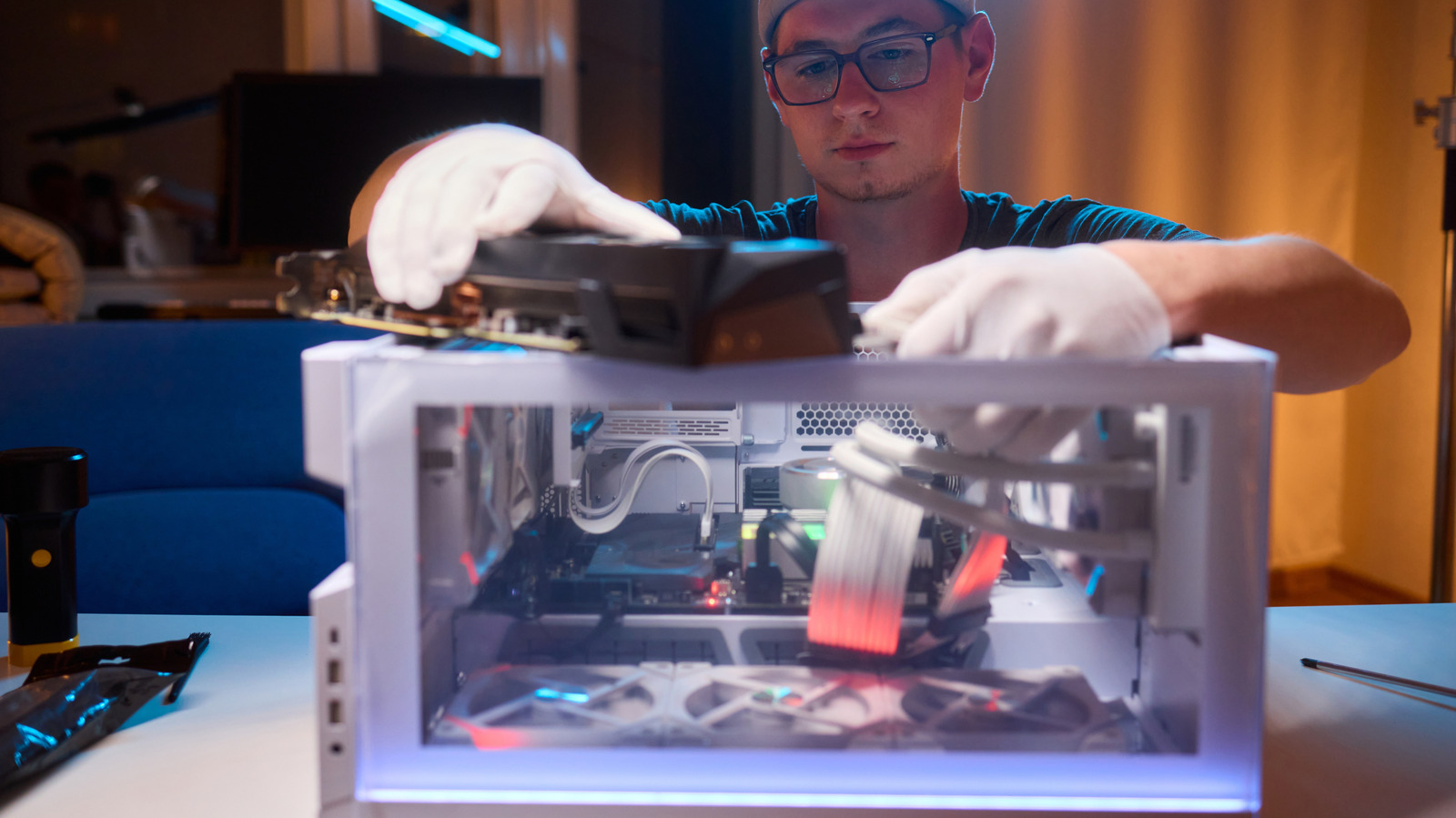
    Can't Afford A $1,049 Steam Machine? Valve Will Let You Build Your Own
    If Valve's expensive new Steam Machine is out of your budget, you might be able to save some money by building your own thanks to a new Steam release.
    0 Σχόλια 0 Μοιράστηκε 32 Views
  • WWW.BGR.COM
    4 Reasons Mini LED Beats OLED (And 4 Ways OLED Still Wins)
    The display is a vital component of a quality viewing experience, whether for gaming or cinema. So, who is the current king, and is it even close?
    0 Σχόλια 0 Μοιράστηκε 32 Views
  • Mongol Empire Countryball: Why a Cartoon Sphere Teaches Real History
    Mongol Empire Countryball: Why a Cartoon Sphere Teaches Real History Picture a small, perfectly round cartoon sphere — barely bigger than a fist — wearing a conical Mongol helmet and an expression of absolute, cheerful determination. It charges across a digital map of Eurasia, and nation after nation disappears beneath it. This is the Mongol Empireball, and...
    0 Σχόλια 0 Μοιράστηκε 36 Views
  • The 12 best Prime Day camping deals Id recommend before heading on adventures this summer
    Best Prime Day camping deals: Save on Coleman tents, Shibumi shade, and portable power stations Table of Contents Best Prime Day camping deals at a glance:...
    0 Σχόλια 0 Μοιράστηκε 35 Views
  • WWW.LIVESCIENCE.COM
    Drug-induced 'brain freeze' may help protect the brain after a stroke, early study suggests
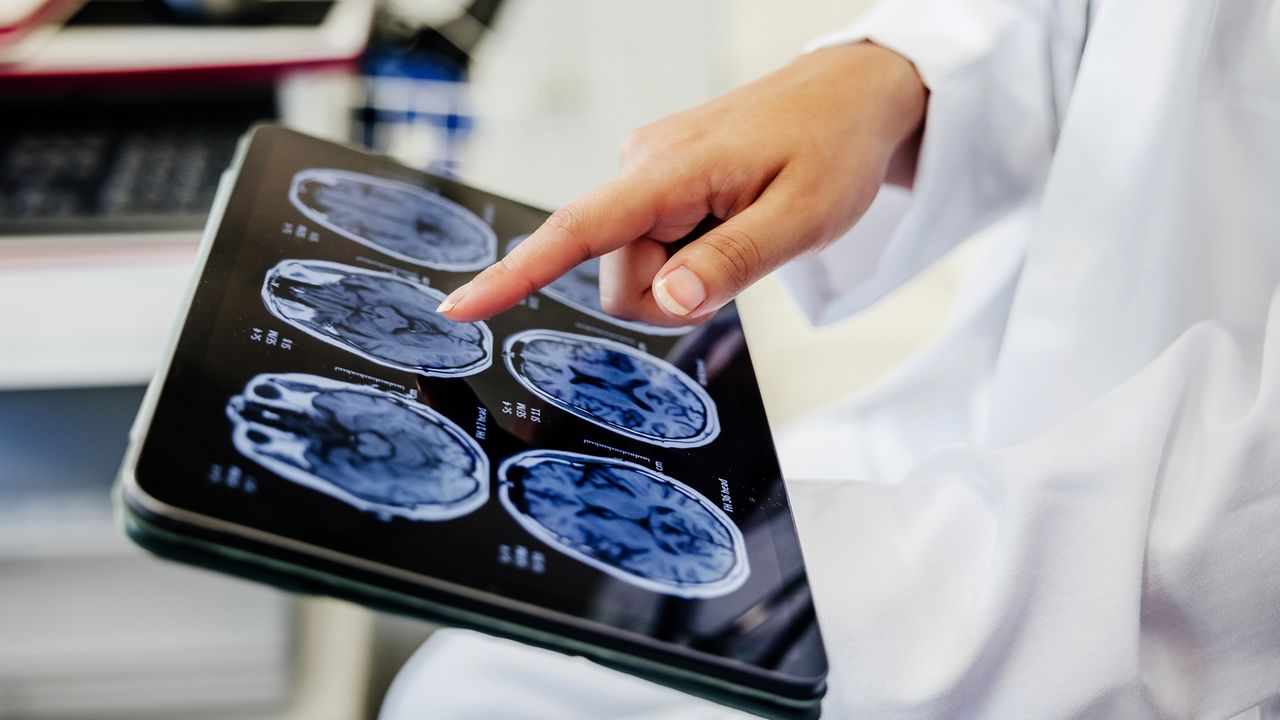
    Using drugs to induce a hypothermia-like state may slow stroke-related brain damage, according to a new study involving lab animals and human patients.The study used two existing drugs: the antipsychotic chlorpromazine and the sedative promethazine, called "C+P" when they're used together. This drug combo induced hypothermia and protected brain tissue in mouse and monkey models of stroke. Additionally, an infusion of C+P was safe in an early trial including 32 human stroke patients, causing no notable side effects. However, no significant improvements in stroke outcomes were reported in a paper describing the results, which was published June 17 in the journal Science Translational Medicine.More research is needed to determine what benefits C+P treatment may offer stroke patients. But the research sheds new light on the metabolic dynamics believed to be responsible for hypothermia's therapeutic effects, said Dr. Eric Landsness, an assistant professor of neurology at the Washington University School of Medicine in St. Louis who was not involved in the work. "What's exciting about this study is that it's clear that it's not just the hypothermia, but it's the hypometabolism," said Landsness, who reviewed the paper before it was published.Brain freeze?The researchers tested C+P as a therapy for acute ischemic stroke, in which blood flow to the brain is blocked. Ischemic strokes are the most common form of stroke, accounting for over 85% of cases; "acute ischemic stroke" specifically refers to the medical emergency brought about by a sudden loss of blood flow to the brain and corresponding loss of neurologic function.When blood flow is restored through a therapy called reperfusion treatment, "you can get significant injury from a lot of processes that were set in motion during the ischemia," said Dr. Patrick Lyden, a professor of physiology and neuroscience, neurology, and neurosurgery at the University of Southern California Keck School of Medicine who was not involved in the study.To protect brain tissue from this double whammy of ischemia and reperfusion injury, some researchers have tried to harness hypothermia, which is "one of the most powerful ways of protecting the brain that we've ever studied in lab animals," Lyden told Live Science. "It's the standard by which all other brain protectants are measured."In hypothermia, body temperature drops below 95 degrees Fahrenheit (35 degrees Celsius). Under normal circumstances, this can be very dangerous because the cold can slow down the heart and nervous system to the point that the body's cardiac and respiratory systems fail.But one of the biggest theories for why hypothermia works in a therapeutic context is that it slows down our metabolism, similar to what's seen in animals during hibernation, Lyden said. "Because the metabolism is slowed, the death process in the brain is also slowed down."Therapeutic hypothermia can protect the human brain following cardiac arrest, and it is also sometimes used to treat newborns with hypoxic ischemic encephalopathy, an injury that blocks blood and oxygen to the brain around the time of birth. However, studies of hypothermia in adult stroke patients have been less successful, Lyden said.Acute ischemic strokes damage brain tissue by cutting off blood flow to part of the organ, but reintroducing blood to the brain can also trigger injury. (Image credit: Douglas Sacha via Getty Images)The C+P approach may be a more effective way to slow metabolism in stroke patients, the researchers hypothesized. In previous experiments, C+P reduced neuroinflammation in rodent models of stroke, possibly through changes in metabolic activity independent of hypothermia.In the new study, the treatment was compared with two other methods of reducing core temperature in mice: a different drug, called adenosine 5'-monophosphate, and surface cooling using cold water and ice packs. While all three approaches induced hypothermia in the mice, only C+P treatment reduced their overall oxygen consumption and energy expenditure, two important indicators of slowed metabolism.The paper highlights metabolism as more than a mere secondary effect of hypothermia, Landsness said; it's a process worth studying in its own right.In mice, C+P treatment reduced the burning of sugar by the brain and brown fat, which burns fuel to generate heat. The treatment was also associated with less brain tissue damage and lactate accumulation, which can drive cell death, after stroke. These effects were also observed in rhesus monkeys treated with C+P. According to the small safety trial with humans, the metabolic effects of C+P appear to extend to people. The researchers measured lower levels of metabolism-associated proteins in the blood of patients who received the highest dose of the treatment tested. These were also the only patients to experience a significant decrease in body temperature at four hours after treatment, although their temperatures never dipped into true hypothermia. (Temperatures did fall that dramatically in the mice and monkeys.)Related stories'We're starting to find a lot more weirdness': These strange animals can control their body heatHumans may have untapped 'superpowers' from genes related to hibernation, scientists claimScientists may be able to put Mars-bound astronauts into 'suspended animation' using sound waves, mouse study suggestsIn people, C+P infusion did not reduce the degree of brain damage seen 72 hours after treatment, nor did it affect the participants' ability to perform daily activities without assistance after 90 days. Alongside the C+P treatment, the patients had also received standard reperfusion therapies. The study authors, based at Capital Medical University in Beijing, did not respond to Live Science's request for comment. In their paper, they wrote that future trials could potentially establish the protective value of the C+P treatment in stroke. In the current study, C+P did not trigger notable side effects in humans, but Lyden worried that the medications may still pose a risk of worrying effects. The two drugs could potentially interact in ways that cause symptoms like muscle spasms, seizures or changes in heart rhythm, for example. For that reason, it may be best to find different drugs that still slow metabolism but don't come with those risks, Lyden suggested. To find an alternative to the C+P regimen, researchers will need a better sense of how the drugs exert their effects. The new paper "happened to fall upon a drug [combo] that happens to induce hypothermia and hypometabolism, but we don't necessarily know why," Landsness said. His lab is studying the neural circuits involved in hypothermia and hypometabolism, which could reveal new therapeutic targets.This article is for informational purposes only and is not meant to offer medical advice.See how much you know about the most complex organ in the human body with our brain quiz!
    0 Σχόλια 0 Μοιράστηκε 25 Views
  • 0 Σχόλια 0 Μοιράστηκε 25 Views
  • WWW.BGR.COM
    Rocket Vs. Space Shuttle: What's The Difference?
    Rockets have always been a major part of getting people into space, but NASA's space shuttles had very specific missions and operated differently.
    0 Σχόλια 0 Μοιράστηκε 25 Views
  • WWW.BGR.COM
    Google Pixel Phones Just Got A Useful Audio Update In Android 17
    Android 17 is rolling out to compatible Google Pixel devices now, and it includes one useful update for users who want high quality audio.
    0 Σχόλια 0 Μοιράστηκε 25 Views
  • TECHCRUNCH.COM
    Superhuman acquires AI detection startup GPTZero
    Superhuman, which also has an AI detection tool as part of Grammarly, has snapped up GPTZero.
    0 Σχόλια 0 Μοιράστηκε 25 Views
  • WWW.CATSTER.COM
    The Dream of Talking to Cats Just Got Closer to Becoming a Reality
    If youve ever wished your cat could simply tell you what they wanted, youre not alone. From the meow that wakes you before sunrise to the chirp that accompanies a trip to the food bowl, many cat parents have wondered what their feline companions are trying to communicate. That curiosity is one reason PettiChat, a new artificial intelligence-powered pet communication device, has attracted international attention since its 2026 Spring launch.The wearable device, which attaches to a pets collar, claims to analyze vocalizations and behavioral information to generate real-time interpretations of what cats and dogs may be trying to say. While the technology has generated excitement among pet lovers, it has also sparked an important conversation among veterinarians, animal behaviorists, and researchers: Are we getting closer to translating what cats are saying, or are we simply becoming better at understanding the signals they already give us every day?That distinction may sound subtle, but it is at the heart of why this development matters.Cats Have Been Communicating With Us All AlongOne of the most fascinating aspects of feline behavior is that cats are already remarkably skilled communicators. The challenge is not that they have nothing to say; its that humans do not always recognize the language they are using.Unlike people, cats do not rely primarily on vocal communication. Instead, they use a combination of body posture, tail position, ear movements, facial expressions, scent marking, touch, and vocalizations. A meow is just one piece of a much larger puzzle.In fact, many feline behaviorists have observed that adult cats meow far more frequently when interacting with humans than they do with other cats. Over thousands of years of living alongside people, cats appear to have adapted some of their communication strategies specifically for us.Anyone who shares their home with a cat has probably experienced this firsthand. The meow that accompanies dinner time often sounds different from the one used to request attention or access to a closed room. Cats learn which sounds get the desired results, and humans learn (sometimes more slowly than our cats would prefer) to respond.Image Credit: Pixel-Shot, ShutterstockCan Artificial Intelligence Decode Feline Communication?This is where technology like PettiChat enters the picture. By analyzing large amounts of data, artificial intelligence can identify patterns from a much larger population than the average cat parent is exposed to.The company behind the device says its system evaluates vocalizations alongside behavioral information to generate interpretations of a pets likely emotional state or intention. Rather than focusing on just the sound, the technology attempts to place communication into context.From a scientific perspective, this approach is more promising than simply analyzing vocalizations alone. Context matters enormously in feline communication. The same vocalization may mean very different things depending on the environment, the cats body language, and what happened immediately beforehand.From a veterinary perspective, this aspect is particularly interesting as it mirrors how we evaluate behavior in clinical practice. We rarely assess feline vocalization in isolation; instead, we look at the whole situation to decipher what our patient is trying to tell us.Understanding Is Not the Same as TranslationWhile headlines often describe devices like PettiChat as pet translators, most animal behavior experts would consider that description an oversimplification.Cats do not use language in the same way humans do. There is currently no scientific evidence that a meow corresponds to a complete sentence waiting to be decoded by technology. Instead, vocalizations typically convey information about emotional state, motivation, arousal, or immediate needs.Think of it this way: if a friend smiled, crossed their arms, or sighed, you could probably get a pretty good idea about how they were feeling, even if they never spoke a word. Cats communicate in a similarly nuanced way. Their messages are often clear, but they are not necessarily verbal, nor are they always easy to pick up on.Artificial intelligence may eventually be able to recognize and interpret patterns associated with hunger, stress, contentment, frustration, or excitement, which in itself would be a significant achievement, but this is quite different from translating feline thoughts into human language. We are still a long way from being able to have a proper conversation with our cats.Image Credit: Josep Suria, ShutterstockWhat Could This Mean for Cat Welfare?The most exciting potential benefit of technologies like PettiChat may have less to do with conversation and more to do with observation.Cats are famous for hiding signs of illness, pain, and emotional distress. Often, the earliest indications that something is wrong are subtle changes in behavior, activity levels, sleep patterns, toilet habits, or social interactions. These changes can be easy to miss, especially in busy households.If AI-powered systems become reliable at identifying unusual behavioral patterns and interpreting feline vocalizations, they could potentially help cat parents recognize problems earlier and seek veterinary care sooner. In that sense, this technology could serve as an additional tool for monitoring well-being rather than a replacement for human observation.Of course, no device can diagnose disease or replace a veterinary examination, but anything that encourages people to pay closer attention to their cats has the potential to support better welfare outcomes.A Future Built on Better UnderstandingWhether PettiChat ultimately proves to be a breakthrough technology or simply an early step in a longer journey remains to be seen. Independent validation and peer-reviewed research will be essential for determining whether these systems are able to interpret feline vocalizations and behavior with consistent accuracy.What is clear, however, is that interest in understanding animal communication continues to grow. Advances in artificial intelligence are providing researchers with powerful new tools to explore questions that once seemed impossible to study.For cat lovers, the most exciting possibility may not be having a conversation with a cat in the human sense, but becoming better at recognizing what our feline companions have been communicating all along. If technologies like PettiChat encourage us to pay closer attention to our cats voices, body language, and daily behaviors, they may help strengthen the relationships that make sharing our lives with cats so rewarding.The dream of talking to cats may still be some distance away. But the effort to understand them more deeply is already bringing us closer.Feature Image Credit: Africa Studio, ShutterstockDid You Know? Our brand-new posts are rounded up and included in our weekly emails. Dont miss out on the latest sign up for our newsletter below!

    0 Σχόλια 0 Μοιράστηκε 25 Views