PageFeeds pro! test feed - Science
-
1 people like this
-
3826 Posts
-
Photos
-
Videos
-
Science and Technology
Recent Updates
-
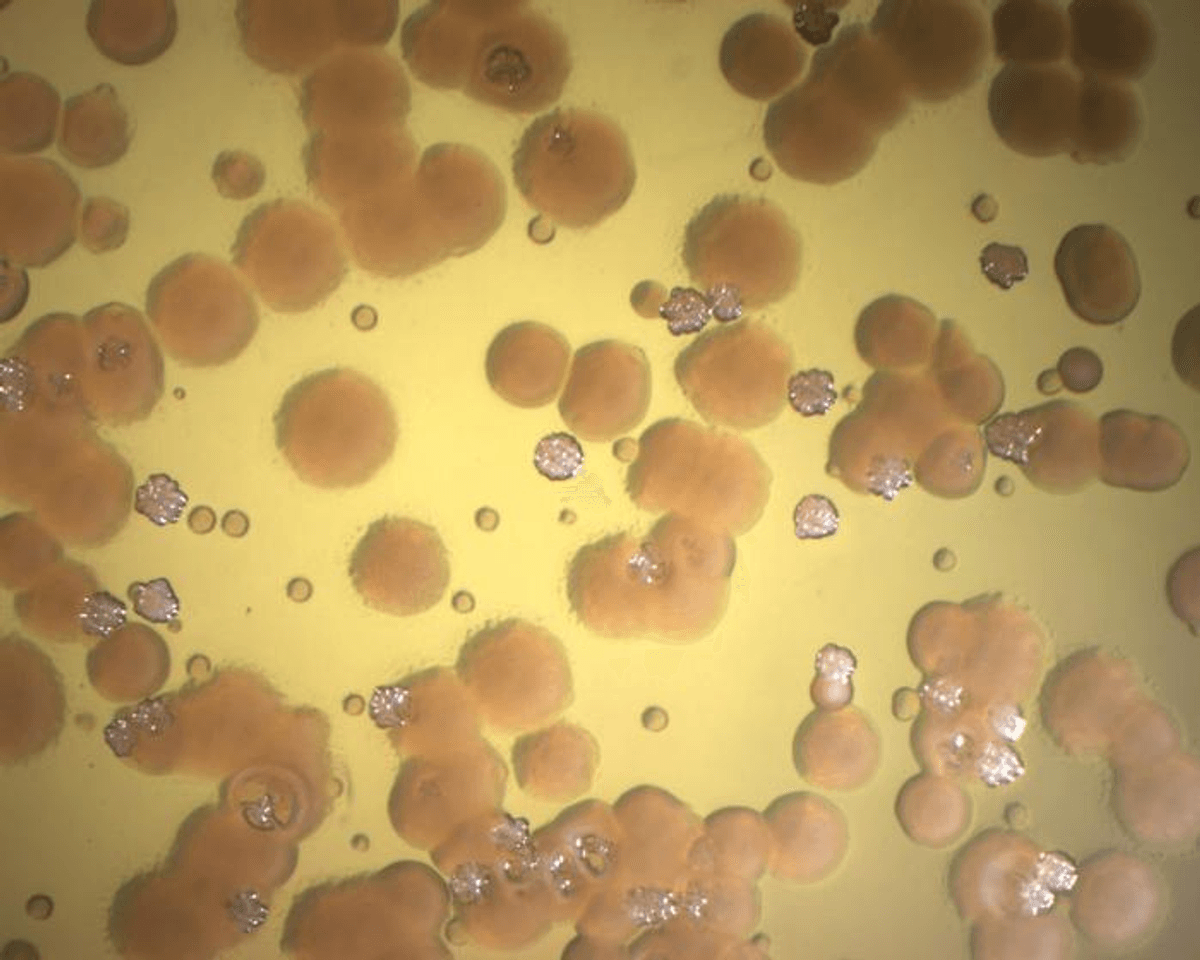
WWW.IFLSCIENCE.COMThe Dangers Of Cystic Fibrosis Are Enhanced By An Alliance Of Bacteria Sharing Antibiotic Resistance GenesSometimes its hard to remember there are beneficial bacteria out there, and theyre not all ganging up on us.0 Comments 0 Shares 0 ViewsPlease log in to like, share and comment! -
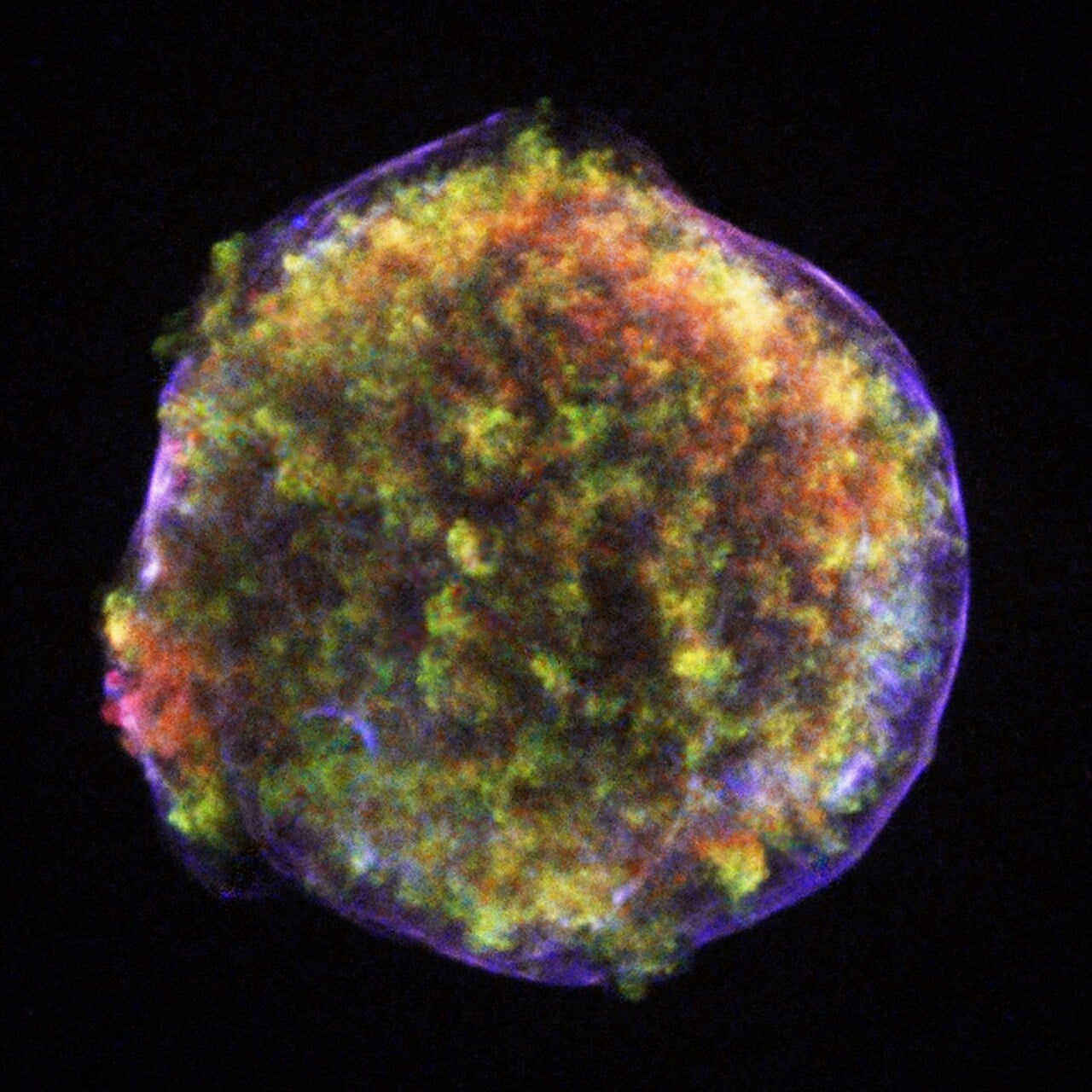
WWW.UNIVERSETODAY.COMChandrasekhar and the Limits of Physics, Part 4: VindicationThe collapsing stars Eddington swore couldn't exist turned out to be everywhere, and half a century later the world handed Chandrasekhar his Nobel. How the 1.4 solar mass limit became one of the most important numbers in modern astronomy.0 Comments 0 Shares 0 Views -
WWW.UNIVERSETODAY.COMThe First Confirmed Exo-satellite Challenges Our Definitions of Planets and MoonsWhat do you call a Jupiter-like object that orbits the brown dwarf companion of a star? Is it a planet, a moon, or something new?0 Comments 0 Shares 0 Views -
WWW.IFLSCIENCE.COMThree Kids With Incurable Brain Tumors Have No Evidence Of Disease Thanks To Breakthrough, First-Of-Its-Kind Clinical TrialAnother child with a highly aggressive tumor has so far survived for two years after receiving the experimental treatment.0 Comments 0 Shares 0 Views -
WWW.UNIVERSETODAY.COMProbing the Universe's Missing Matter With Mysterious Fast Radio BurstsAstronomers aren't certain where Fast Radio Bursts come from. But they still have utility. They can use them to find the Universe's "missing matter."0 Comments 0 Shares 0 Views -
WWW.UNIVERSETODAY.COMThe Red Potato Galaxy and its Stifling NeighbourGalaxies attract cold gas from the intergalactic medium and turn it into stars. But the JWST has found galaxies that aren't forming stars in the early Universe, long before they should've become quiescent. In at least one instance involving the Red Potato Galaxy, an AGN jet from a neighbouring galaxy is the likely culprit.0 Comments 0 Shares 0 Views -
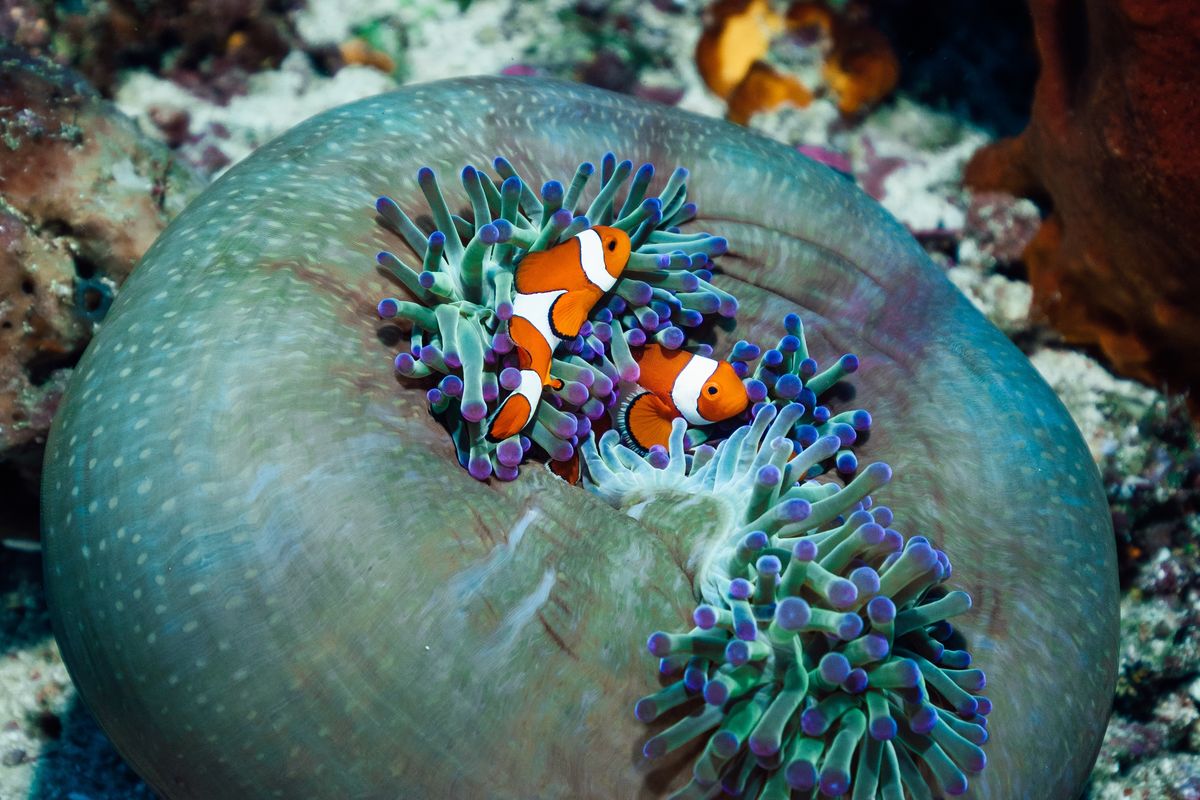
WWW.IFLSCIENCE.COMJust Like Us, The Great Barrier Reef Has A Unique Microbiome Made Up Of Over 300,000 Viruses And 500 New BacteriaPerhaps decoding the reef's microbiome could help protect it against further damage.0 Comments 0 Shares 4 Views -
WWW.IFLSCIENCE.COMDiscovery Of Exoplanet With One Of The Longest Orbits Yet Heralds Seismic Change In Search For Earth-like WorldsThis super-Jupiter goes around its star in 180 days, which is a long time compared with most exoplanets we've discovered.0 Comments 0 Shares 4 Views -
WWW.LIVESCIENCE.COM'We're trying this out of frustration': Marmots star in OnlyFans account as researchers desperately look for ways to raise funds amid US budget cutsA team of UCLA scientists has resorted to posting content on OnlyFans to raise money for research amid huge federal funding cuts to U.S. science. But the videos aren't of themselves, they're exclusive recordings of marmots. "I spend a lot of time waiting for marmots to do things and had the idea one slow morning," Daniel Blumstein, a professor of ecology and evolutionary biology at UCLA, who leads the project, told Live Science in an email. "When I came back with this idea, one of my graduate students immediately said we MUST do this! So here we are!"Researchers at the Rocky Mountain Biological Laboratory (RMBL) have been studying yellow-bellied marmots (Marmota flaviventer) at a field station in the Rocky Mountains near Crested Butte, Colorado, since 1962. "The RMBL marmot study is the second oldest continuous study of individually marked mammals in the world," Blumstein said. "We have up to 65 years of data on population dynamics, social and anti-predator behavior and ask a lot of questions about how animals respond to a changing environment."Yellow-bellied marmots are one of 15 marmot species, a group of cat-size ground squirrels that can be found throughout the Northern Hemisphere. This particular species is widely distributed throughout the Rocky Mountains and several mountain ranges in California. The species live in social groups and are active during the day, which makes them a great subject for long-term behavioral studies. "Long-term research like ours is both very valuable to understand how and why things change over time, and our project has been very productive," Blumstein said. However, collecting data over such long periods comes with a significant price tag. And with federal funding cuts draining research budgets across the country, Blumstein and his team have had to look for other methods to raise money for their research. Enter OnlyMarms.On June 17, the RMBL Marmot Project announced on Instagram that "the state of funding is so bad we are turning to OnlyFans, or as we like to call it 'OnlyMarms'." With federal funding cuts draining research budgets across the country, Blumstein and his team have had to look for other methods to raise money for their research. (Image credit: Daniel T. Blumstein, Professor Department of Ecology & Evolutionary Biology Institute of the Environment & Sustainability UCLA)OnlyFans is a subscription platform that allows users to pay creators to see exclusive photos and videos. The platform has become popular with adult-only content creators, but it hosts others too, including musicians, athletes and celebrities and now marmots. "Were trying this out of frustration with an extremely challenging funding environment," Blumstein said. "If were lucky, it can help raise money for supplies and some expenses. But unless we are very lucky, it wont replace the federal funding that has driven discovery in the US since the 1950s." However, for anyone hoping for spicy marmot content, you might be a bit disappointed. "[It's] almost all G-rated content of marmots playing, being cute, digging, bringing plants to their burrowsnormal routine stuff for marmots," Blumstein said. "The occasional scuffle makes it PG rated."Emily Renkey, who also works on the project, said the team hopes to add videos of marmot pups soon."Our 'Onlymarms' page has gotten a bit of engagement since we started it a bit over a month back," Renkey told Live Science. "We've gotten 735 page visits and have 44 fans."But how much has OnlyMarms actually been able to raise? "Not much," Blumstein said. "Were letting folks have free subscriptions and ask for tips. They [OnlyFans] take 20% and I have to pay taxes on the balance."RELATED STORIESCold War satellites tracked missiles ... and marmots?The 12 weirdest animal discoveries'These decisions were completely reckless': Funding cuts to mRNA vaccines will make America more vulnerable to pandemicsEven so, the team is hopeful that the page is helping to increase public engagement and interest in the project. "Overall I think this can be an amazing way to teach people more about animal social behavior, which can sometimes be hard to observe," Renkey said. "Even we are learning more about marmots through these up close glimpses the game cameras provide."While it is difficult to get signed consent from the marmots to use this content online, Blumstein said that the funds raised would be used to help protect the creatures in a rapidly changing world. "We are using these funds to help continue the study which provides valuable information about them and how theyre responding to climate change," he said.The OnlyFans account is just one way the team has tried to share its research with new audiences. "We work hard to translate our research findings to the public," Blumstein said. "Our labs running a Fat Marmot Week contest this summer. We're hoping this will let people learn more about these fascinating alpine critters!"0 Comments 0 Shares 4 Views -
WWW.LIVESCIENCE.COM'Extremely rare' Roman military camp found in Slovakia holds hastily buried remains of Marcus Aurelius' soldiers with some dumped in wellsArchaeologists in Slovakia have uncovered a large Roman military camp likely used by Marcus Aurelius' troops during conflicts with Germanic tribes in the late second century. The "extremely rare" camp came as a surprise to archaeologists, as it holds the hastily buried remains of numerous soldiers in unusual graves, including wells.Remains of the 18.2-acre (7.4 hectare) camp were found near the town of urany in southwestern Slovakia, according to a translated July 17 statement from MH Invest, which excavated the area along with the Institute of Archaeology at the Slovak Academy of Sciences (SAS)."We have a unique opportunity to explore practically an entire Roman marching camp, which is extremely rare in the European context," Matej Ruttkay, director of the SAS Institute of Archaeology, said in the statement. "We are clearly investigating a place that disappeared immediately after the military conflict between the Romans and the Germans."Between A.D. 166 and 180, the Romans fought a series of battles against a Germanic people called the Marcomanni, who lived north of the Danube River along the border of the Roman Empire in what are now Slovakia and the Czech Republic. Marcus Aurelius, who reigned as Roman emperor from 161 to 180, commanded troops in the Marcomannic Wars with the goal of defending and securing Rome's border against barbarian invasions. But the wars ended upon Marcus Aurelius' death, when his son Commodus negotiated a peace with the Marcomanni, according to third-century Roman historian Cassius Dio. The newly discovered Roman military camp had clear defensive characteristics, including five entrance gates, fortifications, and a curved ditch-and-rampart system typical of marching or legionary camps, according to the statement. The urany camp is only the second Roman military installation ever found in western Slovakia; the first camp, discovered in 2024 by SAS archaeologists, is thought to be where Marcus Aurelius wrote part of his Meditations.The urany camp surprised archaeologists with a large number of skeletons and parts of skeletons buried in ditches, wells and hastily dug shallow graves, according to the statement. "Our preliminary findings indicate that in most cases these are Roman soldiers," Marek Vojteek, an archaeologist at the SAS Institute of Archaeology, said in the statement. "Numerous components of Roman military equipment and weaponry were also found with the skeletal remains, such as spears, arrowheads, parts of helmets, segmented and scale armor, legionary brooches, coins, and the characteristic 'caligae' military sandals, from which iron nails on the soles have been preserved," he said. X-ray analysis of blocks of clay revealed the intact sandal nails, which are now stored at the SAS Institute of Archaeology's specialized laboratory for further analysis. "It is literally a miracle to see the original footwear of a Roman soldier and even to be able to determine its size," Michal Cheben, an archaeologist at the SAS Institute of Archaeology, said in the statement. RELATED STORIESLavish Roman villa discovered outside Rome's walls may have been frequented by Hadrian and Marcus AureliusMass grave of Roman-era soldiers discovered beneath soccer field in ViennaArchaeologists discover decapitated head the Romans used as a warning to the CeltsThe unusual burials raise important questions about the use and abandonment of this Roman military camp, according to Cheben, including whether the soldiers died from combat injuries or disease and why the bodies weren't looted before being thrown into storage pits and wells. "Laboratory analyses and further genetic and anthropological research may provide answers," Cheben said. Because the camp was so large and the artifacts so numerous, a comprehensive analysis of the site will take several years and will involve international experts in carbon dating, soil analysis, isotopic analysis and ancient DNA, according to the statement."This is a long-term process, so many results will only become known in the coming years," Ruttkay said. From Augustus to Nero, see how much you know about ancient Rome's famous leaders with our Roman emperor quiz!0 Comments 0 Shares 8 Views -
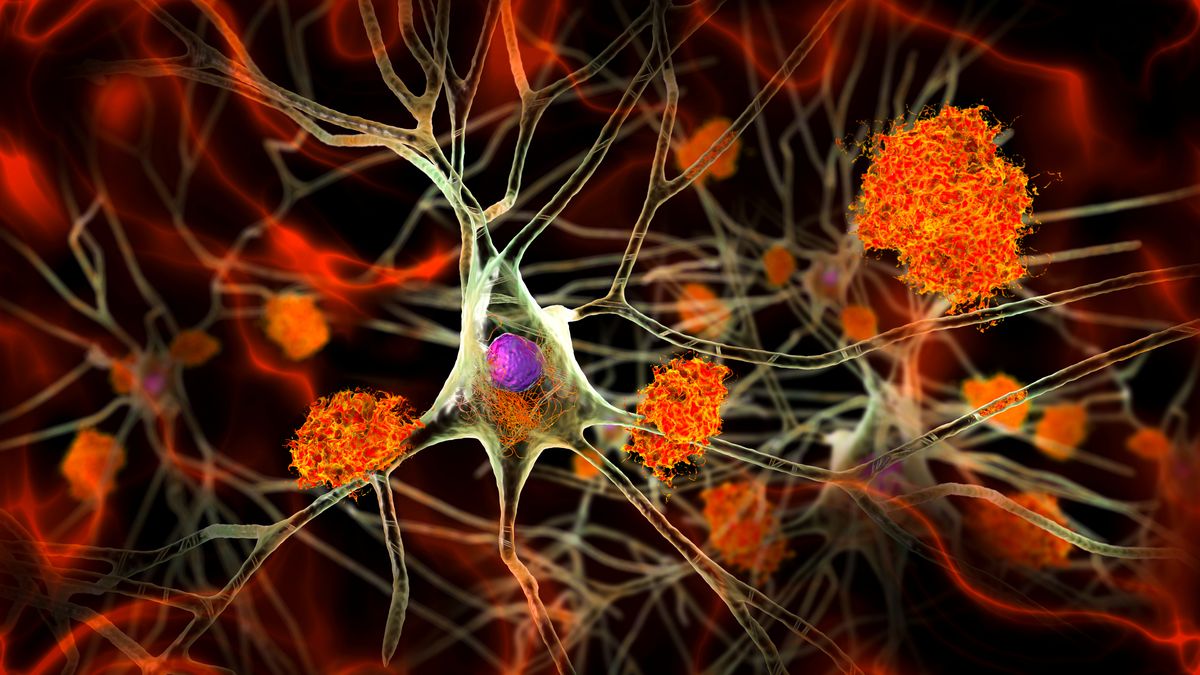
WWW.IFLSCIENCE.COMBrain Training That Really Works? First-Ever Clinical Proof That Science-Backed Exercises Can Reduce Levels Of Key Alzheimers MarkerIFLScience spoke to two scientists who explained how BrainHQ works, what makes it different, and what results people have been seeing.0 Comments 0 Shares 32 Views -
WWW.LIVESCIENCE.COM'They didn't question it': Why doctors prescribe too many antibiotics'A silent pandemic': How Japan is curbing antibiotic resistance, $5 at a timeThis is the third story in a series about antibiotic use in Japan and the U.S. I've explored how an incentive program in Japan has reduced antibiotic misuse and what research shows about the social dynamics behind the problem. Now, I'll speak with the doctors who prescribe antibiotics and the caregivers whose children receive them. This report was supported by a fellowship from the Association of Health Care Journalists and The Commonwealth Fund.It's a Tuesday morning, and you're getting your toddler ready for daycare. But as you brush her hair into a ponytail, you notice that her cheeks are flushed, her nose is runny and her breathing is phlegmy. Instead of daycare, you head to your pediatrician, who offers a solution: a prescription for antibiotics.This scenario has played out many times in clinics around the world. The problem is that most common childhood infections are caused by viruses, which antibiotics don't treat. In the long term, unnecessary antibiotic prescriptions can foster resistance in bacteria, thereby reducing the drugs' potency and fueling the rise of dangerous superbugs.That's why, in recent years, there's been a huge push in many countries to raise awareness of antibiotic misuse among doctors and to reduce the overprescription of these drugs. In Japan, the government noticed that the country's pediatricians were prescribing too many antibiotics, especially to young children, and offered them a financial incentive to break the habit. It's been working remarkably well. Among young kids directly affected by the incentive, it slashed antibiotic prescriptions by 20%; it also contributed to a spillover effect in older kids and teens, as under-20s have seen a 50% reduction in prescriptions in recent years. I went to Japan to examine why the program has been so effective and to learn whether similar approaches could work in the U.S.Understanding why a fairly modest incentive of 800 yen (about $5) a visit is so effective requires unpacking why Japanese doctors overused antibiotics in the first place. If doctors face similar pressures stateside, maybe the same strategy could work here too.I spoke with Fumie Kuchiba, a mother whose daughter can be seen here playing with a toy doctor's kit. Kuchiba and other Japanese parents told me about their views on antibiotics and pediatric care. (Image credit: Nicoletta Lanese)A culture of overprescriptionJapan started out with a big problem of antibiotic misuse, especially among prescriptions for kids. From 2013 to 2016, over 30% of children with respiratory tract infections were given antibiotics, despite most of those infections being viral. (The U.S. started at a slightly better baseline regarding antibiotics given for respiratory conditions, with about 23% of outpatient prescriptions being unnecessary.)For decades, it was common in Japan to routinely prescribe antibiotics for sniffles and tummy bugs, Dr. Takemi Murai, deputy head of the Infectious Diseases Division at Nagano Children's Hospital in Azumino, told me. That's in part because medical education there didn't emphasize the risk of "superbugs," meaning bacteria that can withstand many antibiotics."When I trained, antimicrobial stewardship wasn't yet a formalized part of the curriculum in the way it is now," said Murai, who finished medical school in 2006.There also may be a generational divide, Dr. Tatsuki Ikuse, a pediatric infectious disease specialist at the National Center for Child Health and Development in Tokyo, told me. Ikuse, who finished medical school in 2013, suspects that older doctors "experienced many cases of bacterial infections when there was no vaccination." Dr. Tatsuki Ikuse, a pediatric infectious disease specialist, said parents sometimes request antibiotics for their children when the drugs are not needed. "I try to convince them and try not to prescribe antibiotics as much as possible," he said, "but I think some doctors cannot convince them and end up prescribing antibiotics." (Image credit: Nicoletta Lanese)Now that vaccines for whooping cough, diphtheria and pneumococcal disease are routine, children face a lower risk from the bacteria that cause those illnesses. But those early experiences treating children with serious bacterial infections may still be shaping doctors' prescribing patterns, even decades later, Ikuse thinks.Surveys conducted in Japan suggest that doctors under 50 are more likely than doctors over 50 to see antimicrobial resistance as an urgent issue. Clinic doctors those likeliest to see kids as outpatients for acute illnesses also skew older than doctors in hospitals; in 2024, clinic doctors averaged about 60 years old, while those in academic and nonacademic hospitals averaged 40 and 48 years old, respectively.Historically, Japanese doctors also had a strong bias toward prescribing antibiotics for "feverish" diseases, noted Dr. Norio Ohmagari, director of disease control and prevention at Japan's National Center for Global Health and Medicine.Murai agreed with that sentiment. "If doctors saw a fever and a high CRP level [a sign of inflammation], they prescribed antibiotics," Murai said. "Doctors were following such a practice for a long time, so they didn't question it."Concerns over secondary infections were also a big driver of unnecessary antibiotic use, said Dr. Masahiko Sakamoto, a hospital pediatrician in Saku, a highland city about an hour northwest of Tokyo by bullet train. Even if doctors suspected a viral infection, like the common cold, they worried that the illness could open the door for secondary bacterial infections, such as bacterial pneumonia. However, recent studies suggest this scenario is uncommon and shouldn't prompt doctors to use antibiotics preventatively.Is antibiotic misuse still a problem in the U.S.?Young children in the U.S. were once the most likely group to receive unneeded antibiotics, but now, those unnecessary prescriptions have "dropped dramatically," Dr. Sarah Kabbani, director of the U.S. Centers for Disease Control and Prevention's (CDC) Office of Antibiotic Stewardship, told me in an email. Between 2011 and 2016, children's antibiotic prescriptions decreased 13% overall. "Overall declines in antibiotic use over the past decade have been driven in large part by reductions in prescribing for children," Kabbani noted. Japan has also decreased its overall antibiotic use in younger populations, halving its outpatient prescription rates for patients under 20 between 2011 and 2022, Dr. Yusuke Okubo, division chief of clinical epidemiology and health services research at the National Center for Child Health and Development in Tokyo, told me. The decrease in antibiotics overuse syncs with parents' lived experiences in both countries."I was taking antibiotics quite often" as a kid, Tatsuya Kanno, a software engineer and father of two in Tokyo, told me. "Nowadays, we don't get really prescribed those antibiotics easily.""It has definitely been different from my childhood," said Gabby Brown, an apparel consultant and mother of two in Littleton, Colorado. "There was always a bottle of pink stuff in the fridge, you know? And now they're very hesitant to give it out." Brown's pediatrician actually has an explicit policy on their website stating that they don't overprescribe antibiotics and instead follow evidence-based guidelines to determine when the drugs are truly necessary. I've found a number of other U.S. pediatric clinics that do the same.One reason U.S. pediatricians have been able to improve several key metrics of antibiotic use is that the issue has been on their radar for a while.Pediatricians in the U.S. have greatly improved their use of antibiotics over the years, but still, not all antibiotics that children get prescribed are actually needed. (Image credit: Halfpoint Images via Getty Images)"Antibiotic stewardship was a core tenant of my residency training 20 years ago," Dr. Morgan Leafe, a U.S.-based pediatrician who worked in inpatient and outpatient settings for 11 years after residency, told me in a direct message. "So I would say it's not new in pediatrics." But there remains room for improvement. Prescription rates vary widely among states and among different types of outpatient facilities, such as community practices versus those affiliated with academic medical centers. Rural communities often use antibiotics at higher rates and log more inappropriate use, compared with urban areas. These regional variations are "not explained by clinical factors," said Julia Szymczak, a medical sociologist and associate professor in the Division of Epidemiology at the University of Utah School of Medicine. Nowadays in the U.S., urgent care clinics might be a hotspot for antibiotic misuse. These and other walk-in clinics serve an increasing number of pediatric patients, with an estimated 26% of children visiting one in the past 12 months. Urgent cares may prescribe antibiotics to children at a higher rate than other ambulatory settings do; in one study, 42% of the children seen at urgent cares were prescribed antibiotics at their visit, while the national average across all pediatric ambulatory visits is 21%.It may be that urgent cares are more likely to prescribe antibiotics for conditions that they're explicitly not recommended for. One national analysis found that urgent cares prescribed antibiotics for 20% of allergy cases, 42% of viral upper respiratory infections and 52% of uncomplicated ear infections, while doctor's offices wrote far fewer of these inappropriate prescriptions. Other studies highlight similar patterns. Among children, inappropriate prescriptions are less likely at urgent cares that specialize in pediatrics, highlighting doctors at general clinics as a potential population to target. Additionally, research has found that visits with nurses or physician assistants are more likely to end in an antibiotic prescription than those with doctors. (Only licensed doctors can write prescriptions in Japan, so this factor is more unique to the U.S.)Different systems, similar pressuresDr. Yusuke Shibata, who runs the clinic pictured above, notes that children's caregivers don't often understand that antibiotics are specifically used for bacterial infections. (Image credit: Nicoletta Lanese)Japan's nationalized healthcare provides a staggering degree of choice, because insurance coverage doesn't tie you to specific clinics or require you to get referrals to access certain care. Young children's care is virtually free thanks to national and local subsidies. So on paper, parents can easily shop around for a pediatrician that best suits their family's needs, as well as pop into any healthcare facility with flexibility should the need arise.While this system is convenient, it has its downsides, some parents told me."In the U.S. and in Switzerland, they try to get to know you and know your child," said Reid, a fundraiser and father of two based in Okinawa, who recently moved to Japan with his sons and husband. "They don't at all in Japan." In contrast, about 9 in 10 children in the U.S. have a primary care provider, although that percentage has fallen in recent years as the use of urgent care has increased. Primary care providers can be a go-to for sick visits as well as an ongoing monitor of kids' health via annual check-ups. (Annual check-ups in Japan are handled by local municipalities, not by children's regular doctors, Reid noted.) In some ways, pediatric clinics in Japan can be considered more analogous to urgent care in the U.S., in that they're intended to address acute cases of illness as they emerge. For more serious illnesses, caregivers bring their children to hospitals, parents in Japan told me.Diagnostic uncertaintyFor a typical respiratory or tummy bug, doctors in both the U.S. and Japan make diagnoses based largely on a patient's symptoms and timeline of illness. In the U.S., most minor infections are "generally assumed to be viral unless certain criteria are present," Leafe said. These criteria are spelled out in manuals used by pediatricians.The Karugamo Clinic in Tokyo (pictured here) is run by Dr. Atsushi Miyahara, a pediatrician who consistently uses the government incentive aimed at improving antibiotic use. (Image credit: Nicoletta Lanese)The criteria enable doctors to "feel reassured" that they've correctly classified an infection as viral or bacterial, even in the absence of a highly sensitive diagnostic test, said Dr. Ilan Shapiro, a community pediatrician at AltaMed Health Services, a nonprofit health network in Southern California.Rapid tests are available for only a handful of bacteria, including Streptococcus pyogenes (also called group A strep), a common culprit behind strep throat and scarlet fever. These tests are "definitely underutilized" by Japanese clinics, Ohmagari noted, while U.S. clinicians are encouraged to use them more widely."For strep throat, we never treat [give antibiotics], now, without a positive test," said Dr. Jennifer Shu, a pediatrician with Children's Medical Group, a group of pediatric offices in the Atlanta metropolitan area. (That said, electronic medical records suggest that not all doctors' offices use these tests before prescribing antibiotics, despite these recommendations.)In both countries, doctors can use rapid tests to diagnose common viral infections, such as influenza and RSV. But those tests don't always catch every case. And even if they come back positive, they can't rule out the possibility of simultaneous infections with viruses and bacteria, Shu noted.Shu's practice also uses a 45-minute test that looks for multiple viruses and bacteria in the nose and throat, including the bacteria behind whooping cough and Mycoplasma, which causes "walking pneumonia." Not all clinics use this type of test, though, because they require a special certification and equipment to run on-site, Shu said. Such panel tests can be helpful but also tricky to interpret. Bacteria can sometimes be detected in a patient's nose without being the cause of their symptoms. "That's where clinical judgment comes in," Shu said, emphasizing that a doctor must combine test results with the timeline of a patient's symptoms.Time crunchesThe lack of quick, surefire diagnostic tests for bacterial infections can leave doctors with a degree of uncertainty, which can sometimes prompt unnecessary prescriptions, Szymczak said."Our number one motivation is to not harm somebody; that's the main thing," said Dr. Shruti Gohil, an infectious-disease specialist at UCI Health who designs interventions to improve doctors' antibiotics use. Worries about potential missed diagnoses can prompt doctors to reach for an antibiotic now "in exchange for a potential future, untoward consequence," such as a greater chance of resistant infections, she said.In both countries, doctors must make diagnoses and treatment plans in a limited amount of time. "Pediatric outpatients in Japan are very busy and can only secure a few minutes for each patient," Ikuse told me.Such time crunches are common in the U.S., too."I had a pediatrician who said they had I can't remember the figure but it was like 800 seconds for a sick visit," said Szymczak, who studies the factors that drive clinicians to misuse antibiotics. "They broke it down into seconds."Given that antibiotics are generally very safe drugs, pediatricians can be tempted to prescribe them "just in case" in these situations, even if the need isn't certain, a 2019 review found. In these scenarios, patients end up taking courses of antibiotics they likely don't need.Doctor shopping and bad reviewsOne factor driving antibiotic misuse that might be unique to Japan is the competition between clinics and the customer service culture it motivates. Japan's mandatory national health insurance makes it easy to "doctor shop." Depending on where a family is based, there may be a glut of pediatric specialists to choose from as in metropolitan centers like Tokyo or very few. For instance, in Okinawa, general family doctors are easier to come by than pediatricians, said Sandra Miller*, a researcher and mother of one based in the prefecture. But across all settings, families can still flexibly choose which clinic they go to. Meanwhile, pediatricians in Japan, who make less than their peers who care for adults, can worry about losing clients to nearby practices.Dr. Yusuke Okubo of the National Center for Child Health and Development said that, historically, doctors were often wary of bad clinic reviews and also fearful of a patient's prognoses getting worse if they denied them antibiotics. (Image credit: Nicoletta Lanese)Japanese clinicians used to worry that, after being denied antibiotics for their sick kids, dissatisfied parents would leave poor reviews online particularly in Google Reviews and thus drive away business, Okubo said. "They feared such clinic reviews."Parents frequently used to demand antibiotics from their children's pediatricians, Okubo added. "Ten years ago, it was a common situation," he told me.Among the clientele of Shu's Atlanta clinic, she's "seeing a trend where people aren't asking for antibiotics as much." But still, parents sometimes request the drugs when she's determined they're not needed. These requests often stem from the parents' past experiences."They'll say, 'Well, last time they took an antibiotic they got better faster, the next day,'" Shu said. Because mild viral infections often go away on their own in a few days, that timing could have just been a coincidence, but it leaves an impression on the caregiver nonetheless.Tatsuya Kanno, a father of two in Tokyo, said he recently learned about antibiotic resistance through a television program. He said he'd learned that using too many antibiotics could cause bacteria to gain strength while the drugs become less effective. (Image credit: Nicoletta Lanese)A parent in Japan told me about the other side of this conversation. Kanno once brought his daughter into a clinic after she developed a bad cough after catching the flu. Their doctor prescribed antibiotics, and the cough resolved within days. Later, Kanno's son had similar symptoms, but the doctor didn't recommend an antibiotic in his case. When his son's coughing and wheezing persisted, "I asked him to prescribe that antibiotic, the same one that my daughter took," Kanno said. The pediatrician said it likely wouldn't help but didn't explain why. The doctor said he would provide the antibiotic if the family wanted it. He ultimately prescribed it, and it didn't help. "He got my trust after that," Kanno said. Szymczak's research has identified this "it-helped-last-time" bias as a common driver of patients' antibiotic requests that can be difficult for doctors to negotiate. Parents' understanding of antibiotic resistanceIn Japan, parents' awareness of antibiotic resistance has grown in recent years, Japanese doctors told me, but research suggests many still don't know much about it. "I don't think parents generally understand that antibiotics don't work for colds, much less [understand] antibiotic resistance," said Dr. Yusuke Shibata of the Shibata Pediatric Clinic in Tokyo. "Explaining antibiotic resistance to parents is difficult," though he still tries to do so, he told me in an email after I visited his clinic.Studies of U.S. parents suggest that many don't understand resistance or proper antibiotic use and that a misunderstanding of the purpose of antibiotics can drive requests for the drugs. In my interviews, I found that parents in both countries had some grasp of the concept of antibiotic resistance, but the depth of that understanding varied.Risa, a mother of two in Saku, generally prefers to limit her children's exposure to medications in the interest of strengthening their immunity. But if their symptoms seem serious or long-lasting, she brings them to a doctor to see if medicine is needed. (Image credit: Nicoletta Lanese)Tomomi Sato*, a New York City-based teacher and mother of two who lived in Japan as a child, said she'd heard that taking antibiotics too often could make it so your body didn't respond to them well in the future. She likened it to an urban legend about roaches that she heard from her mother and others from her hometown of Tokyo."You know how they talk about, in Japan, roaches are getting bigger and bigger?" she said. "They just build immunity they don't respond to the old type of roach spray, so you have to get a new version." Some parents are cautious about overusing medications in general but don't worry about antibiotic resistance, specifically."I want them to recover by trusting their own immunity, rather than relying on medication," said Risa, an HR representative and mother of two in Saku, Japan. But that said, "if it's something that's difficult to heal naturally, I think professional judgment and a prescription are necessary," she added.Fumie Kuchiba and her three-year-old daughter play on the floor of their living room in Saitama. Kuchiba trained as a pharmaceutical salesperson and understands that antibiotics only treat bacterial infections. She said she doesn't think most parents consider the germ at play in a given infection. (Image credit: Nicoletta Lanese)Risa told me she thinks antibiotics may be medically appropriate when an illness is particularly severe or prolonged. She doesn't weigh whether the cause is likely viral or bacterial, even though antibiotics don't treat viral illnesses."I think that's probably the general mindset," said Fumie Kuchiba, a mother of one in Saitama, Japan, who previously worked as a registered pharmaceutical salesperson. Other parents have a clear sense of the threat resistance poses."Resistance is a threat because if something is powerful enough to beat our current modern medicine, then it can wreak real havoc," said Malcolm, an editor and father of one in Atlanta. On the individual scale, he knows that resistance can emerge within an individual, potentially raising their personal risk of resistant infections. But on a global scale, he thinks of resistance as a threat as formidable as that posed by viral pandemics, such as COVID-19.Difficult conversationsWhen parents seek an antibiotic that isn't medically needed, that can prompt difficult conversations with their children's doctors.A Philadelphia-based doctor summed up the dynamic in an interview with researchers: "If patients feel like they need an antibiotic, it's very, very hard to talk them down from that. So, antibiotics are definitely overprescribed. And, you know, it's easier to say yes rather than taking time and, like, so much time to say no." This doctor and several other participants in that study felt they had "little autonomy to stand up to patient demand."Some studies find that, when a pediatrician withholds antibiotics and a parent questions them, doctors can perceive that as negative pushback and give the drug against their initial judgment. But if a pediatrician denies antibiotics while also providing guidance for symptom relief, that conflict can be avoided and prescription becomes less likely.Shapiro, the pediatrician in California, told me he handles such requests by walking parents through his diagnostic process and explaining the downsides of using unnecessary prescriptions. He also offers options for seeking further care via phone, telehealth or an in-person visit should the infection not improve as expected.These conversations take time, and they can stir up conflict, which Shapiro said he's grown more comfortable navigating over his career. Early on, "you don't want conflict; you feel that conflict is bad, and you want everybody to be happy," he said. But ultimately, "the objective is for them to be healthy."Multiple parents in Japan told me their doctors don't usually talk through their reasoning for checking for a given symptom or prescribing X drug over Y. "If we don't ask, he won't explain," Kanno said of their current pediatrician; but if prompted, their doctor provides good explanations, he said.Nicoletta LaneseNicoletta LaneseSimilarly, Japanese parents told me their doctors don't often say whether or why they suspect an infection is viral or bacterial a clarification that might help caregivers feel more comfortable forgoing an antibiotic. Notably, Japan's antibiotic incentive program, which allows pediatricians to earn "tips" for withholding unnecessary antibiotics, provides the payment only if the doctors also explain responsible antibiotic use to children's caregivers. That requirement may be necessary to prompt that conversation. Some doctors in Japan who claim the incentive provide verbal explanations about resistance or give parents a slip of paper that explains the basics and includes links to further information. Dr. Atsushi Miyahara of the Karugamo Clinic in Tokyo told me that, over time, his clients have become more knowledgeable about antibiotics, and insurance data related to the incentive also hints that this learning takes place. But it's unclear if these interactions can always move the needle.Japan's bold experiment to curb antibiotic misuse has been a huge success. Could it work in the US?A unique policy in Japan encourages doctors to improve their antibiotic use and thus reduce their contribution to antibiotic resistance. Should the U.S. be taking notes?'800 seconds for a sick visit': Some factors driving antibiotic resistance have nothing to do with biology, says medical sociologist Julia SzymczakDoctors' decisions around antibiotics aren't as logical as you might assume; they can be skewed by emotional and social factors, a medical sociologist explains.Fielding parents' concernsShu, the Atlanta-based pediatrician, finds that some parents ask for antibiotics because they think the drugs will speed their child's recovery, without considering whether a bacterium is the culprit. Caregivers in both the U.S. and Japan also told me that they know parents who seek antibiotics as a quick remedy for illnesses. Parents I spoke to who understood that antibiotics only treat bacterial infections added that it can be frustrating that there aren't many medicines available for viral ailments. Waiting for an infection to clear up can be stressful because you don't want your child to suffer, parents said, and the sickness also disrupts the family's normal routine of work, school or daycare. "When your kid gets sick, things just kind of fall apart, and you need your life to get back to normal," said Katie, a journalist and mother of one in Jacksonville, Florida, who added that many parents may lack support that would help them take time off to care for their kids.In both countries, pediatricians feel pressure to leave caregivers satisfied. While clinics in the U.S. aren't necessarily competing for patients in the same way Japanese clinics are, there is still a degree of customer service at play, Szymczak said. "That clinical encounter is very transactional, particularly in the United States," she said. Doctors want to provide something of value a diagnosis, medicine, reassurance in exchange for the caregiver's time and money. Sometimes, pediatricians assume that what the caregiver wants is antibiotics, when really, they want a treatment plan to help their child, Szymczak said.Could incentives motivate change?Related storiesJapan's bold experiment to curb antibiotic misuse has been a huge success. Could it work in the US?'800 seconds for a sick visit': Some factors driving antibiotic resistance have nothing to do with biology, says medical sociologist Julia SzymczakHow fast can antibiotic resistance evolve?While the U.S. has made progress in curbing antibiotic misuse, there's room for improvement. Could we close those gaps by using a similar approach to Japan's 800-yen incentive?Similar dynamics are at play in both countries, with parents and pediatricians in both places dealing with similar issues. But while these pressures are similar in the clinic, a key difference sets America's situation apart: Our complex healthcare system, funded through a patchwork of insurers, can be difficult for patients and doctors to fully trust.In the final installment, I'll talk with U.S. doctors to see what they think about Japan's approach and explain solutions that would suit our own fragmented healthcare system.Editor's note: The names of some parents quoted in this story have been abbreviated or changed to protect their privacy. Altered names are marked with asterisks (*).0 Comments 0 Shares 32 Views
More Stories