• YUBNUB.NEWS
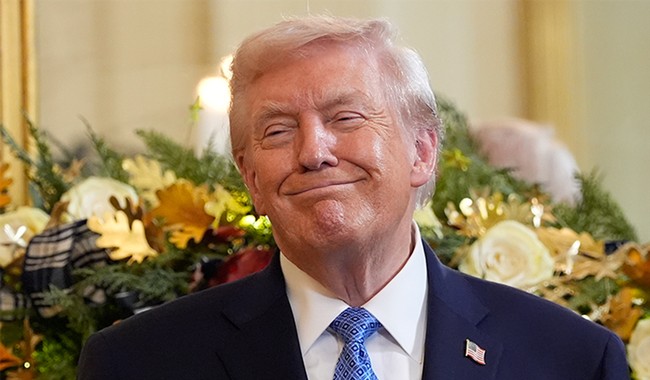
    It's a Wonderful President
    I've been shocked that Americans are in such a grumpy mood as reflected in all the public opinion polls. What a paradox: At the same time, we have
    0 Commentarios 0 Acciones 8 Views
  • YUBNUB.NEWS
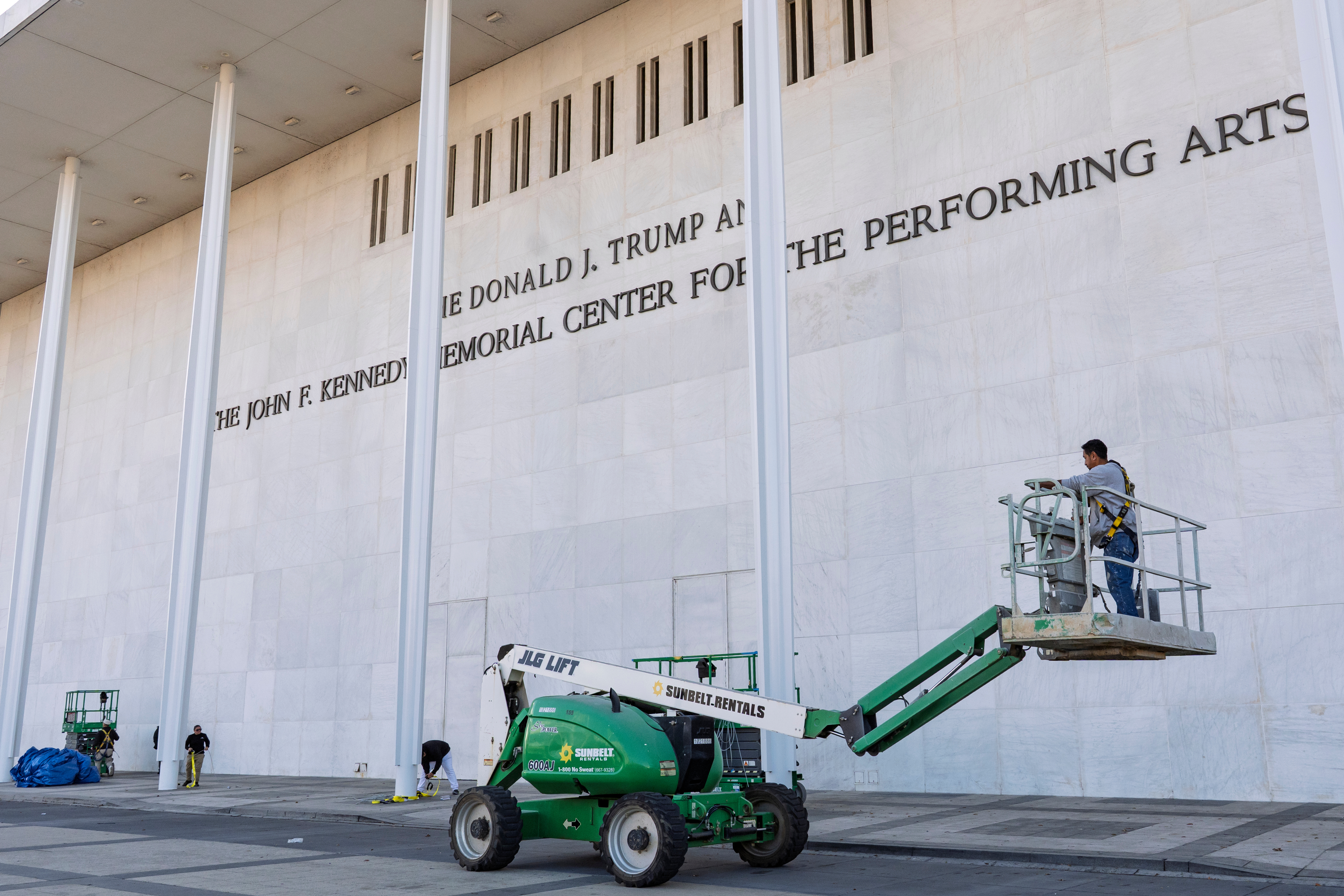
    Kennedy Center Threatens $1 Million Lawsuit Against Musician Who Canceled Christmas Eve Show
    The Kennedy Center president is threatening to sue a jazz musician who pulled out of a traditional Christmas Eve jazz concert to protest the addition of President Trumps name to that of the iconic
    0 Commentarios 0 Acciones 8 Views
  • YUBNUB.NEWS
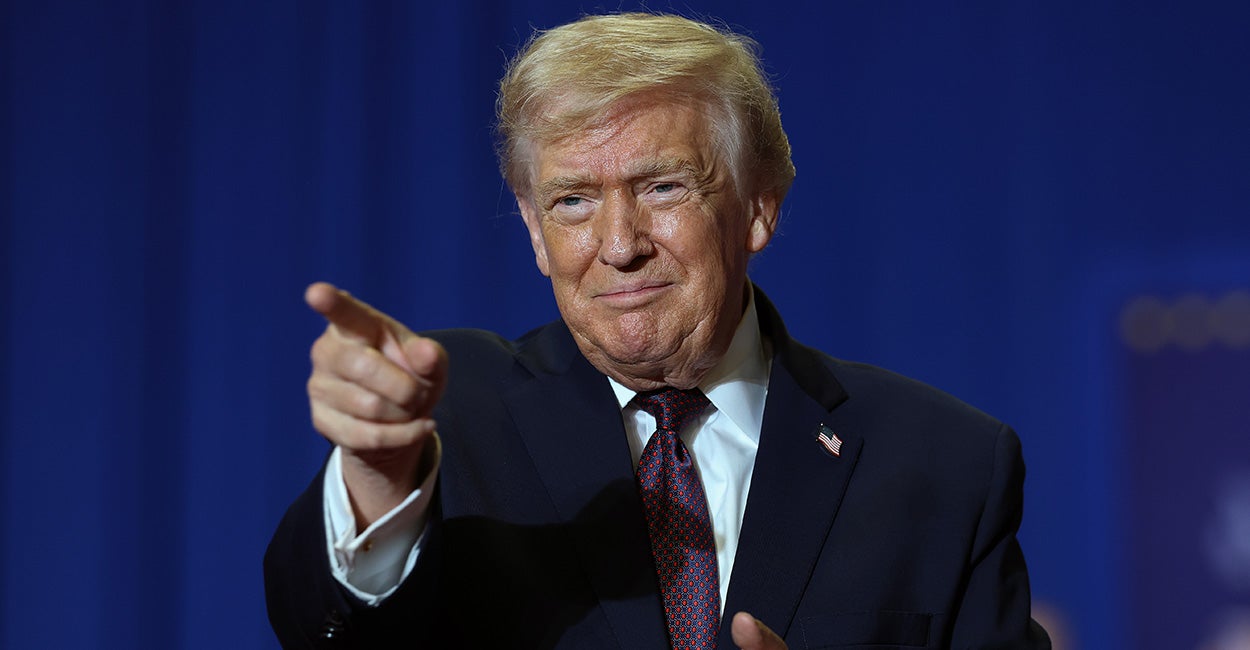
    5 Trump Moves From 2025 You Didnt Hear About from Legacy Media
    About 70% of Americans said they didnt have very much or any trust that news outlets would fairly cover President Donald Trumps second term, according to a YouGov poll. Media Research Center
    0 Commentarios 0 Acciones 8 Views
  • WWW.THECOLLECTOR.COM
    How Did Manichaeism Spread to China?
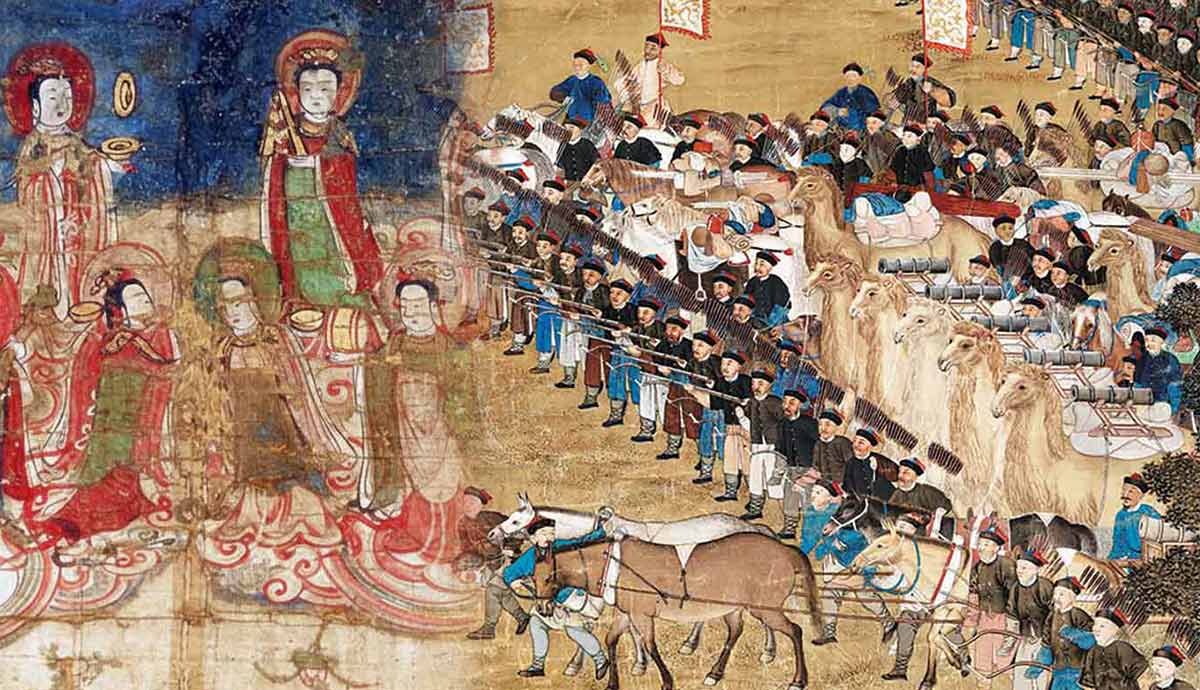
    The story of Manichaeism starts with a visionary and religious leader called Mani. Born around the year 216 CE near modern-day Baghdad, in the Parsian Empire, Mani taught that the world was a battleground between Light and Darkness. He created a new religion called Manichaeism that blended Zoroastrian ideas with Christian and Buddhist teachings. While he died in prison around 277 CE after being arrested by Persian authorities, his followers refused to let his message die. Instead, they spread the faith across the globe. Within four centuries, the new faith had spread from Roman North Africa to the Chinese empire.How Manichaeism Religion Reached ChinaWu Zetian, via Encyclopedia BritannicaThe first recorded instance of the religion in China appears in historical records in 694 CE when a Manichaean Bishop bearing the title of Fuduodan, fled eastward to China after Arab armies destroyed the Sasanian dynasty in Persia. He traveled with a high-ranking cleric holding the Sogdian title of supreme teacher moak. Tang court documents confirm that the religious leader arrived at the court of Empress Wu Zetian and presented the Manichaean Scripture of Two Principles. The event marked the formal introduction of Manichaeism at the Tang dynasty court.Portrait of Emperor Xuanzong of Tang. Source: Wikimedia CommonsThe faith truly began to grow in China in 732 CE after a senior Manichaean priest from Tokharistan, modern Afghanistan, sent a formal petition to Emperor Xuanzong requesting for official authorization to practice the religion in the empire. The skeptical Emperor issued an official edict allowing foreigners to practice the religion but barred ethnic Chinese citizens from joining because he viewed it as a foreign curiosity rather than a faith for his own people. Manichaean temples soon sprang up in major metropolitan hubs like Changan and Luoyang.Sogdian Merchants Spread the ReligionSogdian wall painting found at the archaeological site of Varakhsha. Photograph via the State Hermitage MuseumIranian-speaking Sogdian merchants from the region of Samarkand are reported to have been the primary agents of the religion to China. Tang records from the era show that more than 3,000 Sogdian families lived in the capital, Changan. In gateway cities farther west such as Wuwei and Dunhuang, Sogdians made up about one third of the population.Notably, rich Sogdian traders used their wealth to build Manichaean temples in places where they settled. Also, whenever their caravans of silk and spices crossed the deserts, they took Manichaean priests with them to keep the religion alive on the road.The Impact of the Lushan RebellionAn Lushan and his troops attack Emperor by Toyoharu Utagawa, 1770. Source: ThoughtCoThe fate of Manichaeism changed dramatically in 763 CE when the Tang dynasty stood on the brink of collapse due to the devastating An Lushan Rebellion. Desperate imperial officials turned to the Uyghur Khaganate for military aid. The Uyghur cavalry saved the dynasty by helping to retake the capital of Luoyang from rebel forces.According to history records, the Uyghur ruler Bg Khagan met with Manichaean priests during the campaign and converted to the religion. He soon declared Manichaeism the state religion of his vast empire which spanned the Mongolian steppe and the Tarim Basin. This decision gave the faith political legitimacy as well as the military backing that it had never received before.Uyghur Missions and Religion in ChinaChinese troops defeat Zunghar and Uyghur forces in 1759. Painting by a team of Chinese and European artists who collaborated under the direction of Guiseppe Castlglione, aka Lang Shining (1688-1766). Source: Reed MagazineFollowing the official support, Uyghur missions started streaming into China from 763 CE onward as representatives of a powerful ally rather than just refugees. One delegation in 771 CE reportedly included over eight hundred priests. Uyghur soldiers stationed throughout northern China also built their own Manichaean houses of worship in garrison towns.Historians estimate that tens of Manichaean temples operated in the region. They apparently stretched from Shaanxi to Jiangsu by the 820s.The End of the Manichaean Golden Age in ChinaEmperor Wuzong. Source: WikipediaThe Manichaean golden age in China came to a violent end in 843 CE as Uyghur power faded. The new Tang government led by Emperor Wuzong no longer felt the need to appease foreign allies, and so it launched the Huichang Persecution. Emperor Wuzong singled out Manichaeism as a heretical teaching that confused the public, even though his primary target was the wealth of the Buddhist monasteries.The crackdown was brutal and the government ordered the destruction of every temple. Official records state that authorities publicly executed priests to force their followers to return to regular life. Archaeology confirms that all Manichaean temples in northern China were totally destroyed during this period.The faith survived the purge by keeping to the southeast provinces of Fujian and Zhejiang where refugees went underground and disguised themselves as members of vegetarian Buddhist sects to avoid detection. While it survived the subsequent Ming and Qing dynasties, persistent persecutions eventually caused the religion to go extinct. Few religions in the history of mankind have ever spread farther or faster than Manichaeism.
    0 Commentarios 0 Acciones 8 Views
  • WWW.THECOLLECTOR.COM
    Presidential Pets: Beagles, Parrots, and Snakes!
    People consider pets family members. Pets roam our homes as observers of our lives and love us unconditionally. The White House is no exception, as it is a home where many families have lived. It is a place that has been shaped by those who have lived within its walls, including presidential pets.Read on to learn about some interesting presidential pets that have roamed the corridors of the most famous residence in the United States.Him, Her, Freckles, and EdgarPresident Johnson plays with two of his beagles in the Oval Office, 1966. Source: LBJ LibraryLyndon Baines Johnson held the presidency from 1963 to 1969. Throughout this time, multiple beagles resided in the White House. Johnson and his family moved into the White House in December 1963. The familys beagles joined them, the most famous of the presidents beagles being Him and Her.Him and Her moved into the White House with the family in 1963, garnering national attention when they graced the cover of an issue of Life magazine in June 1964. This issue included a picture of Johnson holding Him up by his ears. This photo brought negative attention from animal rights organizations, ultimately causing Johnson to apologize publicly. However, Johnson did not understand the issue. According to the American Kennel Club, as a rancher, Johnson thought pulling a dogs ears to make them bark was good practice for testing hunting dogs voices. Despite this incident, the dogs appeared to be integral parts of the familys lives.Lady Bird Johnson, the presidents First Lady, mentions Him and Her in her diaries. In her entry on July 26th, 1964, the First Lady talks about her and Johnson taking Him and Her on a walk around the White House lawn. On this walk, Johnson invited 100 tourists to join them and meet the dogs. Him even came close to getting into a fight with a tourists dog (much to the First Ladys embarrassment) while Her entertained the crowd and showed off her bone.LBJ lifts Him up by the ears, 1964. Source: LBJ LibraryHer passed away in 1964 after swallowing a rock. In 1965, Him was bred with another beagle. One of the beagles from this litter, Freckles, stayed at the White House. A car fatally struck Him in 1966. Shortly after Him passed, J. Edgar Hoover gifted the Johnson family with a beagle. The family named the new beagle Edgar after the FBI Chief responsible for the gift. At the end of the presidency, a White House staff member adopted Freckles, and Edgar moved home to the familys ranch in Texas.Poll the ParrotAfrican gray parrot, 2023. Source: UnsplashAndrew Jackson was president from 1829 to 1837. Prior to his presidency, his wife, Rachel, owned a pet African gray parrot named Poll. Caged birds made popular pets during the 18th and 19th centuries. Parrots were especially popular because of their bright and colorful plumage. After Rachel passed away in 1828, Jackson decided to keep Poll and bring him along when he moved into the White House.During The War of 1812, Andrew Jacksons troops nicknamed him Old Hickory as a nod to his stubbornness and strong will. He carried this nickname with him to the White House, often showing his stubborn and controversial side with a quick temper. Some say that pets begin to act like their owners, and this certainly seemed to be the case for Poll. Upon finishing his presidential term, Jackson and Poll retired to their home, the Hermitage, in Tennessee. In 1845, Andrew Jackson passed away, and his funeral was held in front of an audience of thousands. Poll was one of those in attendance. According to one mourner, Reverend William Menefee Norment, Poll swore loudly and continually until he had to be removed from the funeral.A Presidential TurkeyAbraham and Tad Lincoln, 1864. Source: Library of CongressAbraham Lincolns family also kept a bird in the White House, which left his mark on history. Lincolns second son, Tad, had a reputation for loving animals and taking care of others. During the middle of Lincolns term, the family received a turkey to kill and feast upon for Christmas. Tad named the turkey Jack and treated him as a pet. Upon learning that his pet was to be eaten, Tad argued with his father that Jack should be allowed to live. Eventually, Lincoln gave in to his son and issued a written reprieve for the turkey. Tad kept Jack for at least another year. Some believe this pardoning led to the current tradition of presidential turkey pardoning on Thanksgiving, while others believe that the Lincoln turkey pardoning may not be entirely truthful (although the Lincolns did own a pet turkey). In 1963, John F. Kennedy officially pardoned the first turkey in a consecutive line of turkey pardoning, which is still a Thanksgiving tradition to this day.Poll the Parrot and Jack the Turkey have not been the only birds to call the White House home. Some notable other White House birds include James and Dolley Madisons macaw, James Buchanans bald eagle pair, and Calvin Coolidges canaries. Lyndon Baines Johnsons lovebirds currently hold the title of last birds in the White House.The Roosevelts SnakesTheodore Roosevelt watching a snake fight, 1910-1915. Source: Library of CongressTheodore Roosevelt served as president at the turn of the century. During his presidency, the Roosevelt family kept a variety of pets at the White House. These pets included a one-legged rooster, a hyena, a badger, dogs, ponies, and snakes. The familys snakes attracted attention in the press.On September 26th, 1907, The New York Times published an article detailing the presidents son, Quentin Roosevelt, and his adventures with snakes in the White House. Quentin had found a few snakes while visiting Oyster Bay with family. Upon returning home to the White House, the snakes had fallen ill and needed to visit a snakeologist. Upset at having to leave his snakes to heal, Quentin brought home one king snake and two other snakes from the snakeologist. He arrived at the White House on roller skates with the snakes entwined around him. Quentin rushed in to show his father his new pets. Quentin found his father in a meeting with Attorney General Bonaparte. Much to the attorney generals displeasure, Quentin brought the snakes in to meet them. Later that day, Quentin interrupted his fathers work again for assistance in separating the king snake as it attempted to eat one of the others.Quentin was not the only Roosevelt child who brought pet snakes home to the White House. Alice Roosevelt, the oldest child, owned a green garter snake. Alice named the snake Emily Spinach, reportedly, because it was as green as spinach and as thin as my Aunt Emily. Alice often carried the snake with her in her pocketbook.Bears and RaccoonsGrizzly bear cub, 2022. Source: UnsplashThomas Jefferson served as president from 1801 to 1809. During his stay in the White House, he owned two grizzly bears. Captain Zebulon Pike gifted Jefferson the female and male grizzly bears in 1807, after acquiring them in Spanish territory. He purchased the bear cubs because they were a different species than was native to the Eastern United States.Grizzly bears had a dangerous reputation, and Jefferson did not think they would make decent pets. He wrote to his friend, Charles Willson Peale, the owner of a museum in Philadelphia that had previously housed a grizzly bear. Peale agreed to take the bear cubs to the museum. However, it took him about two months to pick them up. During this time, the cubs outgrew their indoor enclosure and had to be kept in a paddock on the White House lawn. Once the cubs arrived at Peales Philadelphia museum, they were raised with the hopes that they would remain docile, but this was not the case. As they grew, the grizzlies became dangerous, and one escaped. Both were put down, and Peale mounted their heads for museum display.Mrs Coolidge and Rebecca at the White House Easter Egg Roll, 1927. Source: Library of CongressCalvin Coolidge held the presidency from 1923 to 1929. The Coolidge family kept many pets, but the most notable were a pair of raccoons named Rebecca and Reuben. According to historians with the Library of Congress, supporters sent the Coolidge family a raccoon to kill and eat for Thanksgiving dinner in 1926. Instead of serving the animal for dinner, the family decided to keep it as a pet. The family named this first raccoon Rebecca, and they built a little pet house for her. First Lady Grace Coolidge took Rebecca on walks and out-of-town trips, and allowed her to attend White House events. The 1927 White House Easter Egg Roll was one of the most notable events Rebecca attended. The family added a second raccoon, Reuben, in 1928 as a companion for Rebecca. When Coolidges term as president began to wind down, the family decided to donate both raccoons to Rock Creek Zoo (now known as The Washington Zoo).Alligators!An alligator. Source: PexelsHerbert Hoover was another president with a pair of sharp-toothed pets. Herbert Hoover served as president from 1929 to 1933. As a child, Hoovers son Allan kept two pet alligators that he received as a gift from a family friend. The alligators lived in the Hoover familys Washington DC home on South Street. Originally, the pair stayed in one of the homes bathtubs. They eventually became too large for the tub, and Allan relocated the alligators to a pond on the property. Luckily it seems these two never made their way to live in the White House officially. Eventually, the alligators became too difficult to care for, and Allan donated them to the Smithsonian Zoo.Socks, the First Familys cat during the Clinton presidential administration, 1993-2001. Source: The Library of CongressAll but three presidents have kept pets in the White House, ranging from average house pets to the more exotic. The White House pets continue to captivate citizens with their unique personalities.
    0 Commentarios 0 Acciones 8 Views
  • WWW.THECOLLECTOR.COM
    What Did Lincoln Say in the Gettysburg Address?
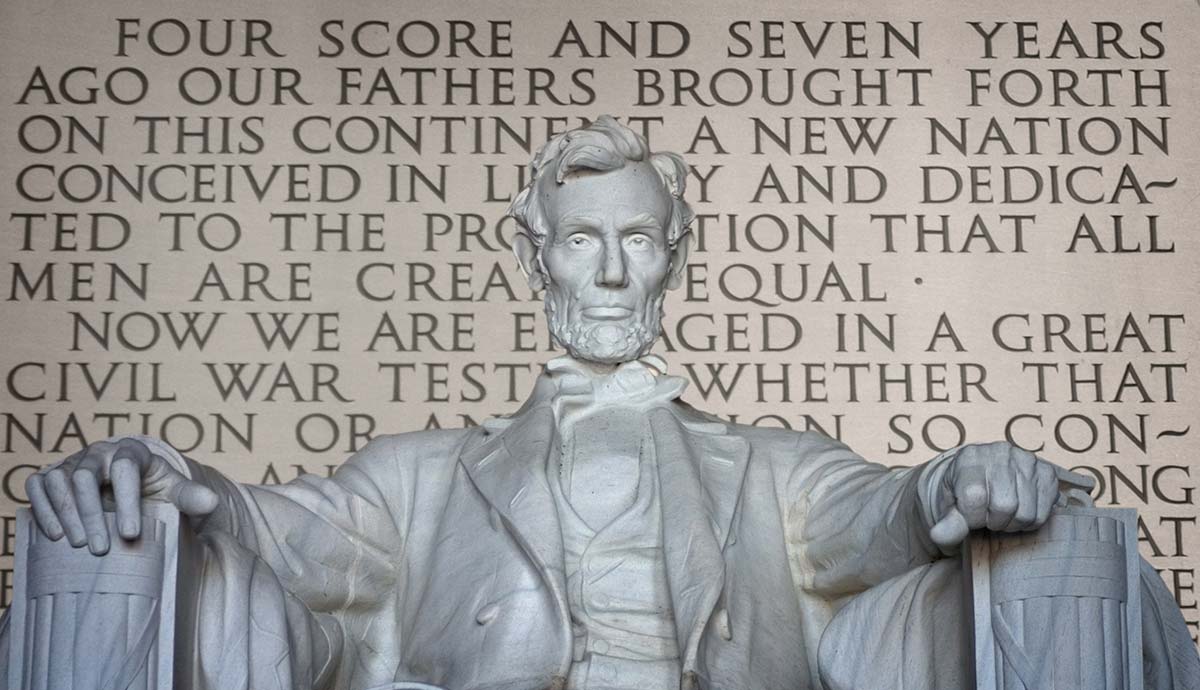
    On November 19, 1863, following one of the bloodiest battles of the American Civil War, the Battle of Gettysburg, the 16th President of the United States, Abraham Lincoln, delivered a 272-word speech, which would become one of the most important speeches in American history. The speech connected the Declaration of Independence and the sacrifices of the Civil War in a way that inspired the hope for a new birth of freedom. Read on to learn what exactly Lincoln was trying to explain in the Gettysburg Address.The Battle of Gettysburg & President Lincolns AddressBattle of Gettysburg, print based on the painting Hancock at Gettysburg by Thure de Thulstrup, ca. 1887. Source: Library of Congress, Washington DCFrom July 1 to 3, 1863, the Battle of Gettysburg was fought between the invading Confederate Army and the Army of the Potomac in Pennsylvania during the American Civil War. Confederate General Robert E. Lee had launched a major offensive into Northern territory, hoping a decisive victory would pressure the Union into peace talks and gain support from European powers.The battle resulted in heavy casualties from both sides: 23,000 Union and 28,000 Confederate soldiers lost their lives, went missing, or were heavily wounded.Military historians consider the Battle of Gettysburg to be a pivotal turning point in the conflict. Though the Civil War stretched for another two years, General Lees army never again invaded the North. Gettysburg shifted momentum in favor of the Union.Most of the Union deceased soldiers were buried in Gettysburg in unmarked or scarcely marked graves. Several months later, at local attorney David Willss initiative, the idea of establishing a national cemetery at Gettysburg to honor the Union dead was born.The date of the cemeterys dedication was set for November. Edward Everett, a former president of Harvard College, senator, and secretary of state, was chosen as the key speaker.Field of Gettysburg, map by Theodore Ditterline, published by Philada. P. S. Duval & Son lith., 1863. Source: Library of Congress, Geography and Map Division, Washington DCJust two weeks before the occasion, on November 2, David Wills sent an invitation to President Abraham Lincoln, suggesting he formally set apart these grounds to their sacred use by a few appropriate remarks. President Lincoln accepted the invitation, viewing it as an opportunity to outline the significance of the Civil War to American society.The President left the White House on November 18. According to a claim by Lincolns private secretary, John Nicolay, most of the address and last-minute changes were made on the train to Pennsylvania.President Lincoln, tasked with choosing the perfect words to commemorate the soldiers who sacrificed their lives for the cause of the Civil War, would deliver a 3-minute speech before 15,000 gathered people. These words would become one of the most well-known speeches in American history.The Gettysburg AddressText of the Gettysburg Address. Source: Library of Congress, Rare Book and Special Collections Division, Printed Ephemera Collection, Washington DCPresident Abraham Lincolns address read:Four score and seven years ago, our fathers brought forth, upon this continent, a new nation, conceived in Liberty, and dedicated to the proposition that all men are created equal.Now we are engaged in a great civil war, testing whether that nation, or any nation so conceived, and so dedicated, can long endure. We are met on a great battle-field of that war. We have come to dedicate a portion of that field, as a final resting place for those who here gave their lives, that that nation might live. It is altogether fitting and proper that we should do this.But, in a larger sense, we can not dedicate, we can not consecratewe can not hallowthis ground. The brave men, living and dead, who struggled here, have consecrated it far above our poor power to add or detract. The world will little note, nor long remember what we say here, but it can never forget what they did here. It is for us the living, rather, to be dedicated here to the unfinished work which they who fought here, have, thus far, so nobly advanced. It is rather for us to be here dedicated to the great task remaining before usthat from these honored dead we take increased devotion to that cause for which they gave the last full measure of devotionthat we here highly resolve that these dead shall not have died in vainthat this nation, under God, shall have a new birth of freedomand that government of the people, by the people, for the people, shall not perish from the earth.There are five known manuscript copies of the Gettysburg Address, each different from the others. The above text is from the Everett version, now at the Illinois State Historical Library in Springfield.What Was Lincoln Trying to Explain in the Gettysburg Address?A crowd of soldiers and civilians listens to Lincolns speech in Gettysburg. A red arrow points to President Lincoln, photograph by Mathew Benjamin Brady. Source: Wikimedia Commons/National Archives at College Park, MarylandPresident Lincolns speech began by addressing the Founding Fathers of the United States, who established American independence and nationhood. Four score and seven equals 87 years. This date refers to the Continental Congresss adoption of the Declaration of Independence on July 4, 1776.The Declaration was the founding document of the United States, which successfully formalized the separation of the 13 original colonies from British rule. The 1776 document states: We hold these truths to be self-evident, that all men are created equal. In the opening section of the Gettysburg Address, Lincoln directly referenced the Declaration of Independence to remind his audience that the United States was built on the ideals of liberty and equality.Additionally, with this quote, Lincoln emphasized the key cause of the American Civil War, a conflict stemming from the dispute over the expansion of slavery, as well as the North and Souths opposing economic interests, political priorities, and moral beliefs. Many in the North viewed slavery as morally wrong and saw its spread as a threat to the nations democratic ideals. On January 1, 1863, the president had issued the Emancipation Proclamation, freeing all enslaved people in states still under Confederate control and turning the war into a fight for liberty.In the next section of his speech, President Lincoln focused on the significance of the Civil War. In particular, he emphasized how it would not only influence the future of the United States but also represent a test for any nation established through the values of liberty and equality, revealing whether such nations could survive a civil conflict. When Lincoln delivered the speech, the Civil War was still in full swing. Just a few months later, another bloody three-day battle would happen at Chattanooga, Tennessee, from November 23 to November 25, 1863.Dedication Ceremony, by Frank Leslies Illustrated Newspaper, December 5, 1863. Source: Friends of the Lincoln Collection, The Rolland Center, IndianaThe next part of the speech is dedicated to carving out the delicate connection between the soldiers killed during the Battle of Gettysburg and the hundreds of thousands of soldiers still fighting for the cause of the Civil War. By saying The world will little note, nor long remember, what we say here, but it can never forget what they did here. It is for us the living, rather, to be dedicated here to the unfinished work which they who fought here have thus far so nobly advanced, Lincoln shows respect and sympathy to the fallen. He urges the audience to acknowledge and honor those still on the fields by continuing the mission the fallen soldiers began through showing strength and dedication.In the final section of his address, President Lincoln highlighted the possibility of a renewal for the American nation, ending with probably the most well-known historical quote: and that this government of the people, by the people, for the people, shall not perish from the earth. Indeed, at the time, failure to preserve the Union could have left the United States politically fragmented and vulnerable, even open to foreign influence.Moreover, the government style of the United States, considered a great experiment at the time, still had to prove to the world that a nation that strives for equality and representation was a viable form of governance, serving as an example of a government of the people to the rest of the world.President Abraham Lincoln photographed by Alexander Gardner eleven days before the Gettysburg Address, November 8, 1863. Source: Wikimedia Commons/Mead Art Museum, Amherst, MassachusettsThe composition and structure of the Gettysburg Address features the biblical concepts of suffering, consecration, and resurrection, signaling the momentous nature and significance of the Civil War for the United States and the world, implying the message: Stay the course of a difficult war. If democracy wont work here, it wont work anywhere. Thus, Lincolns speech was also a momentous call for preserving self-government, liberty, and equality.Legacy of the Gettysburg AddressAmerican Civil War: First Battle of Corinth (Mississippi) April 29 June 1, by an unknown artist, undated. Source: MeisterdruckeThe Gettysburg Address remains one of the greatest speeches delivered by a President in American history to this day.Edward Everett himself, who delivered almost a two-hour long speech the same day, expressed his fascination with Lincolns address in a short note sent to the President following the event: I should be glad, if I could flatter myself that I came as near to the central idea of the occasion, in two hours, as you did in two minutes.However, various media outlets responded with mixed reactions. The London Times wrote: The ceremony was rendered ludicrous by some of the sallies of that poor President Lincoln. Similarly, The Chicago Times published: The cheek of every American must tingle with shame as he reads the silly, flat and dish-watery utterance of the man who has to be pointed out to intelligent foreigners as the President of the United States.Lincolns Gettysburg Address Memorial. Source: Wikimedia CommonsNevertheless, the audience felt inspired and even moved by Lincolns words. One of the attendees recalled: With a hot sun beating down on the immense throng packed together, it was rather long we perhaps all felt. But when Lincoln rose such a silence fell that we almost forgot to breathe. How he stood before us, gaunt, rugged, great.To this day, the address continues to inspire leaders and movements that struggle for freedom, equality, and democracy. Martin Luther King Jr., for instance, in his well-known speech I Have A Dream, delivered at the Lincoln Memorial, began his address with the following variation of the Gettysburg Address: Five score years ago, a great American, in whose symbolic shadow we stand today, signed the Emancipation Proclamation.Even though the speech was created for a specific political moment in 1863, it has acquired timeless significance. When the United States faced internal division or global uncertainty, the Gettysburg Address resonated, reflecting what the struggle is forequality, freedom, and democracy.

    0 Commentarios 0 Acciones 8 Views
  • 0 Commentarios 0 Acciones 8 Views
  • 0 Commentarios 0 Acciones 8 Views
  • WWW.PCGAMESN.COM
    Gabe Newell wanted this cult-classic FPS to be one of the first games to launch on Steam, but its creator said "ehhh" nah
    Once upon a time, Steam didn't exist - I know, I can't believe it either. You used to have to wander into game stores to pick up plastic-wrapped videogame cases, containing colorful manuals, easily scratched CD-ROMs, and worlds beyond limit. Valve's digital storefront launched in 2003, but initially just provided updates for the developer's games. It became a bona fide storefront with third-party releases in 2005, but while it was in its infancy, Gabe Newell himself approached The Astronauts and People Can Fly founder Adrian Chmielarz about adding Painkiller, his cult classic FPS game, to the fledgling Steam. Chmielarz, however, wasn't convinced.Read the full story on PCGamesN: Gabe Newell wanted this cult-classic FPS to be one of the first games to launch on Steam, but its creator said "ehhh" nah
    0 Commentarios 0 Acciones 8 Views
  • 0 Commentarios 0 Acciones 8 Views