0 Commenti
0 condivisioni
3 Views
Elenco
Elevate your Sngine platform to new levels with plugins from YubNub Digital Media!
-
Effettua l'accesso per mettere mi piace, condividere e commentare!
-
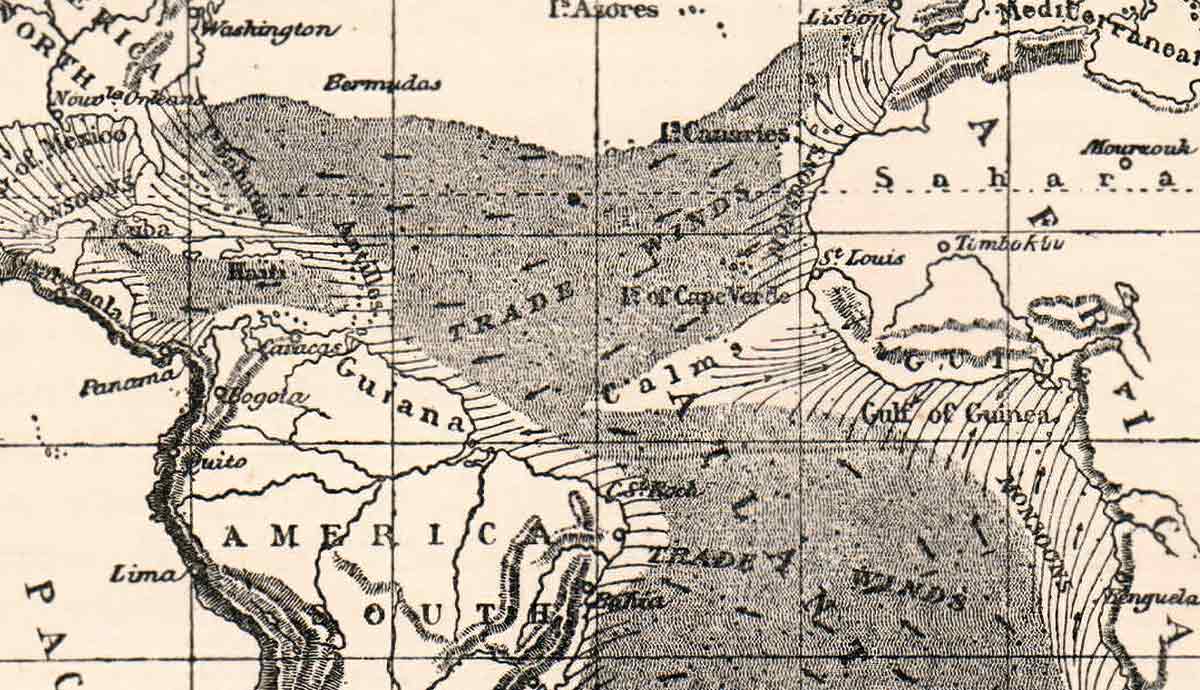
WWW.THECOLLECTOR.COMWhy Were Trade Winds So Important in History?The permanent east-to-west blowing winds are a worldwide phenomenon. These predictable winds, driven by temperature and pressure differences, are sent east to west. This direction is dictated by the Earths rotation (Coriolis effect), which creates a consistent flow. Each hemispheres wind blew accordingly from southeast or northeast. Interacting with the ocean, the winds pushed the water along, creating reliable currents that so many mariners, settlers, and merchants depended on.In Navigation and Exploration17th Century Painting of Galleon. Source: National Gallery of ArtFate would have the Portuguese discover the Atlantics trade winds. By the early 1400s, Portuguese ships regularly sailed down the African coast. But this meant against the wind until they learned the volta do mar trick.By using this trick, or turn of the sea, the Portuguese sailed into the Atlantic and caught the trade winds to hook back towards Europe. Soon, Columbus and the later Spanish galleons used northeast trade winds to reach America, particularly the Caribbean.By trial and error, the Europeans found that the trade winds latitude positions, 30 N and 30 S, never changed. First, Columbus used this in his explorations. In the 16th-century Atlantic trade, their galleons gathered in convoys, dubbed the West Indies Fleet, gathered in Havana to catch the trades back to Europe.Andres de Urdaneta. Source: EldebateSpanish navigator, Andres de Urdaneta, discovered the Pacific trade winds in 1565. A seasoned sailor, Urdanetas travels took him to locales like the Spice Islands, the Moluccas, and the Philippines. His knowledge of local currents led him to speculate that westerlies, or westward-blowing trade winds, existed.To test this, Urdaneta sailed north, hoping to avoid doldrums and stormy seas around the equator. He sailed north, eventually catching a northeast current off Japan. Next, he encountered the westerly trade winds and, four months later, reached the California coast, proving his speculations. His route set up the Manila Galleon route, linking Asia and America for over two centuries. Ships returning to Spain would catch the trade winds, thus creating a global trading network.The Trades, Magellan, and CircumnavigationFerdinand Magellan (1480-1521). Source: WikimediaEven before Urdanetas groundbreaking trip, Magellan, or rather the remnants of his fleet, circumnavigated the globe. Spain hired Magellan in 1519 to seek a westward route to the Spice Islands. With a fleet of five ships and 270 men, Magellan skirted Africas coast before striking out into the Atlantic. He used the northeast trades for this, then the southeast trades for South America. Next, he passed through the Straits of Magellan.This fleet relied on the Pacific southeast trades, which sent them northwest. For three months, they sailed before reaching Guam. Magellan perished fighting locals in the Philippines. One of his ships did reach Spain, demonstrating the global reach of the trade winds.The Winds of CommerceColonies and Trade Routes in 1700. Source: Massachusetts Institute of TechnologyThough all this sailing and sailing accomplished much, the main driver was money. In a time without refrigeration, costly spices served as preservatives, changing Europes cuisine. With spices and other high-cost goods, one ships voyage could make or break a merchant.Other significant commodities included silver from the Americas to Europe and Asia, silk, and luxury goods (such as porcelain). Also, sadly, the trades moved the transatlantic slave trade along, too, transporting humans from Africa to America. These unfortunates would fuel entire industries in the Americas, often in harsh or brutal conditions.Enabled Colonization and Cultural ExchangeThe Dutch East Indies Company Flag. Source: WikimediaWith sustained east-to-west airflow, the trades enabled true world empires. With these winds, European countries crossed the Atlantic and sailed into the Pacifics far reaches to establish strongholds. Though still dangerous, these 16th- and 17th-century journeys became readily possible. For example, Spain used the Caribbean islands as jumping-off points. Spain, Holland, Britain, and France all built world-spanning empires.Slowly, the strongholds became colonies via trade, exploitation, or even war. The trades became a sort of seaborne infrastructure, cementing imperial control over far-flung regions. Disruptions could be addressed much more quickly given the known winds.Along with wind-driven colonization came cultural exchange. For example, languages like Portuguese and French spread, usually along with Christianity. Crops such as sugar, rice, corn, and rice radically changed diets worldwide. Maize would be an almost universal crop.For the world, trade winds werent just a weather occurrence. These breezes became driving forces of empire, exploration, trade, and cultural exchange. They simply blew history forward, bringing change.0 Commenti 0 condivisioni 3 Views -
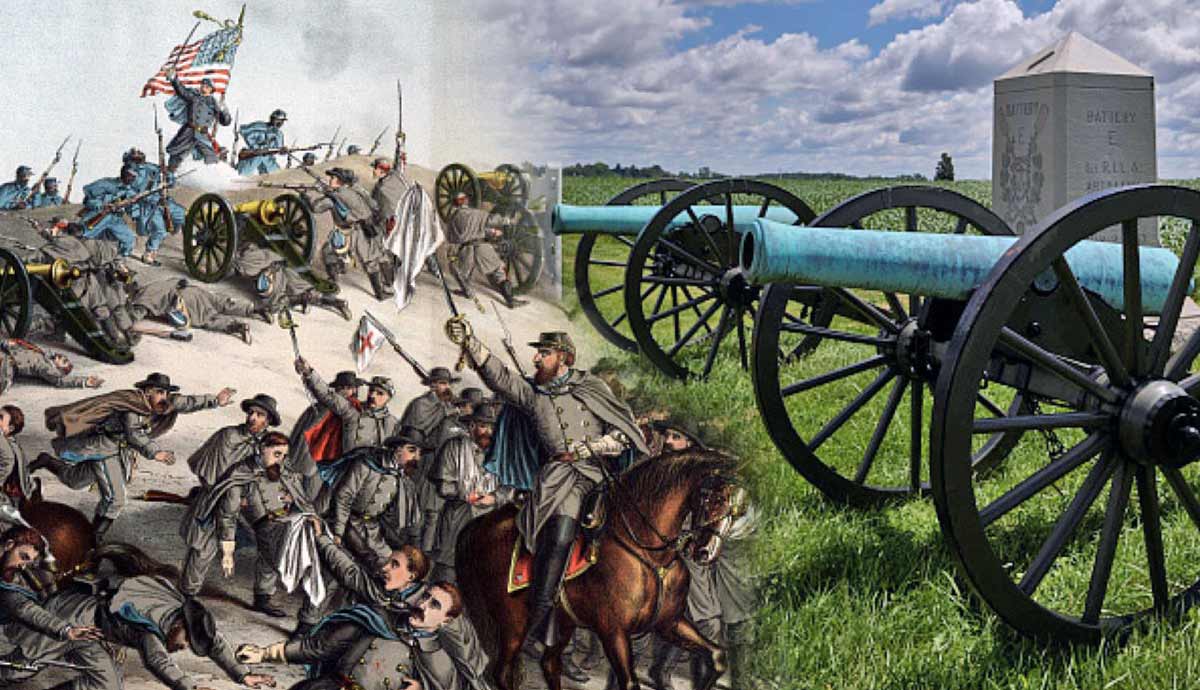
WWW.THECOLLECTOR.COMThe Role of Artillery in the American Civil WarPrior to the American Civil War, most Americans primary political loyalty was to their state rather than the United States as a whole. The conflict played a major role in promoting the idea of a single political entity known as the United States rather than these United States. Facing succession from southern states over slavery, states rights, and economic differences, many factors played a role in the Unions ultimate victory over the Confederacy, but few had a greater impact than artillery on the field of battle.Technological AdvancementsDelafield 3.67-inch Banded Iron Rifle, 1862. Source: Smithsonian InstitutionBetween the War of 1812 and the American Civil War, one major advance in artillery technology was barrel rifling. Although invented for handheld firearms centuries earlier, rifling of cannon tubes was not widespread in the United States until the mid-19th century. As such, rifled artillery was first seen in action during the Civil War, where its benefits were clear. Projectiles could be fired through rifled tubes with a calculated spin, stabilizing their trajectories, increasing accuracy, and increasing range. Furthermore, gun crews armed with rifled weapons were able to deploy various munitions, including high explosives and solid shots, to penetrate better-armored targets.Three artillery pieces ruled Civil War battlefields. The first, the Parrott rifle, came in numerous calibers. Despite its reputation for reliable range and accuracy, Parrott rifles often injured their gunners due to a cast iron design that was vulnerable to exploding upon firing. The 3-inch ordnance rifle, however, corrected these issues by exploiting wrought iron manufacturing. While more expensive to produce, the Union overcame financial burdens due to its industrial advantage over the south. Lastly, the Whitworth rifle had a hexagonal bore which delivered destruction with remarkable accuracy over long distances and was primarily used by Confederate troops.New Observation MethodsWar balloon at a military exhibition, 1890. Source: Smithsonian InstitutionAside from accuracy, range, and weight limitations, artillery of the American Revolution and War of 1812 were restricted to firing at only what they could directly see. This setback, however, was remedied during the Civil War by hot air balloons in the President Lincoln-approved Balloon Corps. At 1,000 feet in the air, balloons fulfilled tactical and operational functions now replaced by modern targeting equipment, aircraft, and drones. Aerial observers in balloon baskets carried out reconnaissance of enemy movements, strength, and cohesion that would otherwise be unknown to battlefield commanders on the ground. Large balloons that could accommodate five soldiers were fueled using unique inflation wagons that generated hydrogen using local gas supplies.This new ability allowed field artillery commanders to strategically deploy artillery assets in ideal locations and fire at enemy troops without having direct sight of them. Now known as indirect fire, launching artillery at targets outside of the gun lines sight was accomplished through signal flags and telegraph communicators to refine desired coordinates and draw fire closer towards the enemy.Despite weather-induced challenges, tethered hot air balloons guided indirect fire observation with immediate impact in battle on the eastern front, and were also used to a lesser degree along the Mississippi River. During the 1862 Battle of Fair Oaks, aeronautics pioneer Thaddeus Lowe sent Confederate movement reports up Union communication channels, and this intelligence influenced General McClellans resulting Peninsula Campaign. Later that year, similar intel about Confederate movements helped shape the Battles of Gaines Mill and Fredericksburg, where targeting data from balloons allowed Union artillerymen to deliver accurate indirect fire.Early Artillery ImpactsHowitzer captured by Butterfields Brigade near Hanover Court House, 1862. Source: Library of CongressArtillery had a significant impact during the earlier years of the American Civil War. In February 1862, General Ulysses S. Grant utilized field artillery and both ironclad and wooden gunboats to bombard the Confederate outpost at the Battle of Fort Donelson, leading to the fortifications surrender. This conquest allowed the Union to open supply lines along the Cumberland River.Just seven months later, Union and Confederate troops exchanged indirect and direct fire in one of the most intense artillery duels of the war. During the Battle of Antietam in September 1862, over 500 cannons were employed. Union artillery enjoyed more strategically advantageous positioning on high ground on the Maryland battlegrounds rolling hills to hold off General Robert E. Lees Confederate Army of Northern Virginia.Although the Battle of Antietam is considered a bloody, tactical draw with 10,000 killed, wounded, and missing on each side, it was a strategic triumph for the Union as it forced Lee to retreat into Virginia. The battle gave President Lincoln the confidence to disseminate a preliminary Emancipation Proclamation on September 22, 1862, and gave northern troops a much-needed morale boost. The aftermath of the Battle of Antietam had significant international impacts as well. Prior to the fight, European powers including Britain and France contemplated officially recognizing and supporting the Confederate cause. The Unions success on the battlefield, however, dissuaded these powers from intervening in the conflict.Eyeing Ultimate VictoryCivil War cannons near Rhode Island artillery battery E monument at Gettysburg, Pennsylvania, 2019. Source: Library of CongressBy the middle of the war, artillery continued to make an impact during some of the bloodiest fighting of the conflict. General Grants artillery played a crucial role in the nearly two-month Siege of Vicksburg in 1863. Union forces bombarded Confederate defenses for weeks before securing the surrender of the strategic city. Despite the logistical difficulties in supplying field and artillery crews with tens and thousands of projectiles, the outcome was worth the sustained effort. Not only did indirect fire save hundreds of infantry soldiers lives during the assaults, but the victory also split the Confederacy into two by enabling Union forces to take control of the Mississippi River.Simultaneous to the end of the Siege at Vicksburg, Union and Confederate forces clashed at the Battle of Gettysburg in early July 1863. Union artillery batteries were deployed at key locations overlooking the battlefield including Cemetery Ridge, Culps Hill, and Little Round Top. Prior to General Picketts infamous failed charge, General Lee ordered an artillery bombardment against the Union lines.Led by General Henry J. Hunt, the Chief of Artillery for the Army of the Potomac, Union artillery fired haphazardly to trick General Lee into thinking his bombardment was successful. To the Confederates surprise, many of their shells overshot their targets due to faulty fuses, and the Unions 120 cannons overwhelmed Pickett and his charging infantry by switching to canister shot, which proved devastating at close range. Through effective strategy, tactics, and deployment, artillery enabled one of the most significant Union victories of the war.End of the WarA view inside Appomattox Court House where General Lee surrendered to General Grant, Major & Knapp Lithography Company, 1867. Source: Smithsonian InstitutionThe last significant battle of the Civil War prior to General Lees surrender to General Grant at Appomattox Court House in 1865 was the Siege of Petersburg, a ten-month campaign beginning in June 1864. By launching a relentless bombardment over extensive networks of enemy trenches from land and naval assets, the Union managed to neutralize enemy troops in harsh terrain that was unfavorable to infantry assaults.Again led by General Hunt, Colonels Wainwright and Tidball of the Union V and II Artillery Brigades, respectively, repulsed Confederate counterattacks and closed off potential supply lines. A division of over 3,700 African-American troops got their first taste of combat in the Civil War at the Siege of Petersburg. Positioned on the Unions left flank, they captured three artillery batteries and forced the Confederates to withdraw from a fourth. Today, a monument stands to honor the battle-proven black soldiers and memorialize their successes in neutralizing enemy artillery positions.After a series of climatic defeats, General Lee recognized that he had no option but to surrender. On the morning of April 9, 1865, the surrounded Confederate leader yielded to future president Ulysses S. Grant, marking an end to major hostilities. The Civil War, however, raged on into May with the Battle of Palmito Ranch in Texas, despite both sides being aware of Lees surrender a month earlier.LegacyPainting of the Battle of Nashville, Harry T. Peters, 1891. Source: Smithsonian InstitutionArtillery continued to have a widespread impact on civilian and military life after the Civil War. The type of technological innovations during the American Civil War influenced battlefield fortifications for decades. In the late 19th and early 20th centuries, concrete bunkers, underground trenches, and angled defenses became more popular in some of the worlds most significant battlefields.On the industrial front, Union factories that made guns and munitions transitioned to peacetime production. Returning soldiers worked in manufacturing plants to stimulate the economy and bring about a new era of economic prosperity. Meanwhile, the nations railroad network, which played a crucial role in transporting guns during the war, further catalyzed economic development in the north. The South, which was not as industrially developed as the North, struggled to recover from the devastation of the war.In 1869, General Grant was sworn in as president of the United States, leading America through a period of Reconstruction as the southern states were reintegrated into the federal union. General Hunt, the former Union artillery commander, authored a series of papers on military doctrine and served in Washington D.C. as the governor of the Soldiers Home, a veteran community center.0 Commenti 0 condivisioni 3 Views -
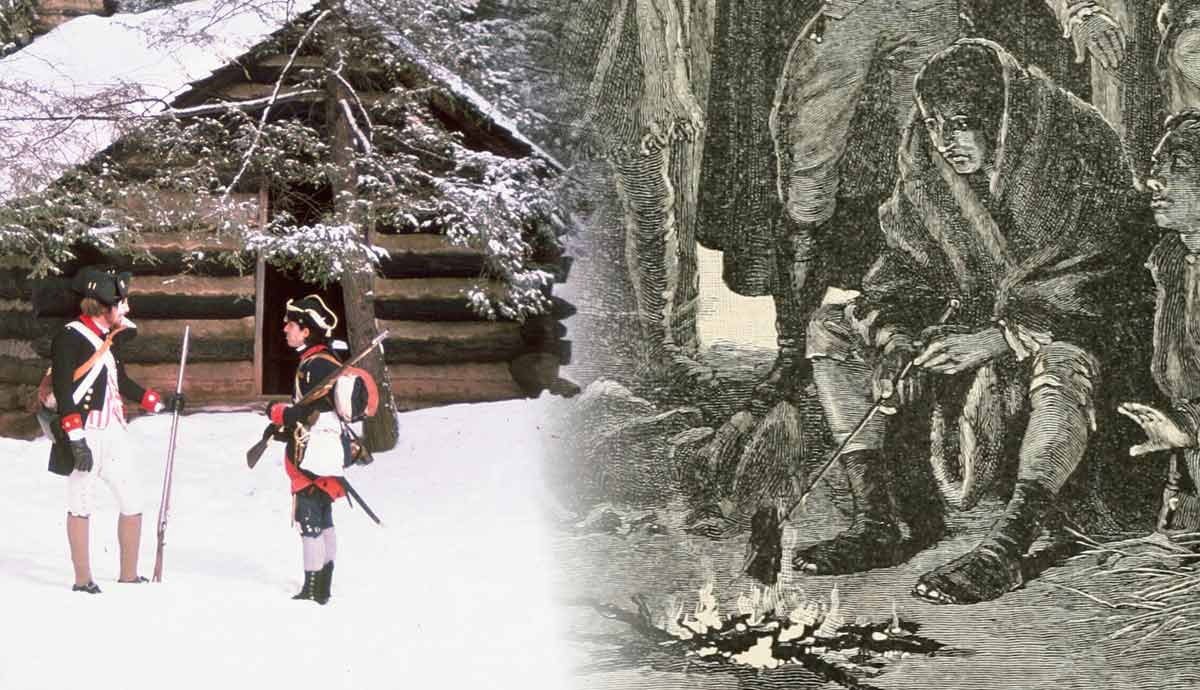
WWW.THECOLLECTOR.COM8 Facts About Winter at Valley ForgeThe fledgling American military was faced with numerous challenges as soldiers attempted to assemble, organize, and make a stand against the British Army in the late 18th century. The onset of winter offered some relief, as fighting generally paused during the cold season. However, the winter of 1777-78 failed to bring solace to George Washingtons Continental Army. In the confines of Valley Forge in Pennsylvania, soldiers faced a multitude of life-threatening hardships.1. Morale Was Extremely LowA more recent view of Valley Forge from an observatory tower. Source: Library Company of Philadelphia / Wikimedia CommonsIn December 1777, during the American Revolution, George Washingtons army arrived at its winter quarters in Valley Forge, Pennsylvania. They had just suffered a series of losses at Brandywine, Paoli, and Germantown. Philadelphia, the capital of the new American government, was now under British Control.The men were feeling low, and their new residence wasnt going to improve their morale. Approximately 12,000 soldiers were at Valley Forge, along with numerous women and childrenfamilies of the fighting men who had come to spend the winter with their loved ones. Huts were hastily built for protection against the winter cold, but the army was still faced with numerous obstacles to its survival. The area was only about a days march from Philadelphia but was naturally defensible due to its position on a plateau.2. The Cold Was ChallengingSnow at Valley Forge National Historical Park. Source: National Park Service Digital Archives / Wikimedia CommonsMeteorologists and scientists looking back on the climatic aspects of the Revolutionary War have been able to provide some insights into the severe winter weather that soldiers faced at Valley Forge. The winter of 1777-78 was rated as moderate, similar in nature to the two that had preceded it. The day after the troops arrived in Valley Forge on December 19, the deepest single snowfall of the winter occurred, followed by the coldest temperatures of the year, as low as six degrees Fahrenheit. The lowest temperature in January was 12 degrees, and 16 degrees in February. However, the end of March would bring another cold snap, with temperatures plummeting to eight degrees Fahrenheit. While these were not the coldest temperatures in the Americas that winter, the soldiers in Valley Forge were not adequately equipped to face such frosty conditions.The weather also fluctuated, with periods of severe cold accentuated by brief thaws. These weather shifts resulted in melting snow turning to mud, exacerbating the difficulty of daily life and military drills. Despite this and its tendency to be associated with challenging winter weather, the time spent at Valley Forge was not the most severe winter faced by Washingtons soldiers. Two years later, the winter of 1779-1780, spent at New Jerseys Jockey Hollow, resulted in the coldest winters and deepest snows of the 18th century. Still, due to better sanitation, conditions, and more adequate supplies, the casualties of the winter stay were much lower than those at Valley Forge.3. The Soldiers Lacked Basic NecessitiesWashington visiting soldiers in one of the Valley Forge huts. Source: New York Public Library / Wikimedia CommonsCompounding the issues at Valley Forge was the fact that the soldiers were poorly prepared for winter. Fresh off the Philadelphia campaign, the men were weary and low on supplies. As the winter wore on, the Continental Congress was slow to release funds for restocking the army, and the situation only grew worse. By February, the threat of starvation loomed large in the minds of many soldiers.While some men had their full uniform, clothing shortages were rampant. At one point, almost 3,000 men were listed as unfit for duty due to a lack of clothing. About a third of the men didnt have proper footwear, and stories told of bloody footprints being left in the snow as their bare feet suffered. There were not enough blankets for everyone, and straw was procured and packed in the huts to hold warmth.4. More Than 2,000 DiedA European variolation device made from ivory and wood, used in the 18th century. Source: Wellcome Images / Wikimedia CommonsOver 2,000 people died at Valley Forge, but not necessarily from the lack of basic supplies. Sanitation was incredibly poor at the camp, and disease was rampant. Typhus, smallpox, and influenza ravaged the camp, accounting for most of the deaths.The sanitation issues were recognized, and Washington issued orders for measures to be implemented. Rules for cleanliness were put in place, and inoculations (variolation) for smallpox were mandated for the Continental Army years before the smallpox vaccine was created. During variolation, smallpox material was scratched into the skin or inhaled in small amounts to create an immune response, similar to the way in which vaccines work today. Baron von Steuben arrived in camp and wrote the Regulations for the Order and Discipline of the Troops of the United States. While this manual included many aspects of a soldiers duties, from care of weapons to drill routines, it also included instructions on health and sanitation as part of a soldiers individual responsibility. In addition, it broadened this responsibility by adding sanitary orders to line officers, making health and sanitation a common goal.5. Mutiny Was ThreatenedWashington praying at Valley Forge, 1866 engraving by John C. McRae. Source: Wikimedia CommonsDespite the camaraderie that eventually developed among the men at Valley Forge and Washingtons reputation as an excellent commander, there were whispers of mutiny on at least two occasions. The first came just three days after encampment, as the soldiers realized the lack of resources they were facing. These whispers of danger were subdued until February. The men didnt receive meat rations for several days, and when they finally did, they were much smaller than usual. This resulted in a group from the 12th Massachusetts going to their officers and threatening to quit. As a result, rumors of mutiny began to swirl around camp. George Washingtons leadership is often credited as the key defense in locating and preventing these mutinies from escalating, the harsh conditions of camp notwithstanding.6. The Continental Army Underwent a TransformationBaron von Steuben at Valley Forge (unknown author). Source: National Archives at College Park / Wikimedia CommonsIn February, Baron Friedrich Wilhelm von Steuben, a veteran of the Prussian Army, arrived at Valley Forge. He was appointed Inspector General and began whipping the camp into shape. In addition to his important contributions in the area of sanitation and health, Von Steuben developed a system of drill for the men.At the time, it was considered ungentlemanly for officers to drill their men. Von Steuben challenged and changed this perspective by getting directly involved with the men on a daily basis, instructing them from the ground. Though his grasp of English was limited, Von Steuben managed to get his point across with the aid of his secretary, who provided translations from French, the universal military language of the time. Daily practices improved the skill and marksmanship of the Continental Army and would provide a template for the future of military training in the United States.7. Animals Were at Valley ForgeHorses were an important part of life in the Revolutionary War Era. A Valley Forge reenactor with his horse, 2019. Source: Valley Forge National Historical Park / Wikimedia CommonsHumans werent the only ones who called Valley Forge home during the winter of 1777-78. Of course, horses were part of the camp, providing the main mode of transportation during that era. Livestock, when they could be found, provided much-needed sustenance in the form of fresh meat. Cows and pigs provided most of this nourishment to the men at camp, though small quantities of fish were eaten as well. Pets werent unheard of in camp, either. Most notably, General von Steuben arrived from Europe accompanied by his dog, an Italian Greyhound, Azor, who would lodge at Valley Forge with him.8. Lafayette Earned His Reputation at Valley ForgeWashington and Lafayette pictured at Valley Forge in a 1907 painting by John Ward Dunsmore. Source: Wikimedia CommonsThe Marquis de Lafayette was a French nobleman who became intrigued by the Americans desire for liberty. He traveled to the United States to support the fight, and was commissioned into Washingtons army. The young general arrived at Valley Forge with the army in December and suffered the long winter alongside the soldiers. Rather than retiring to more comfortable accommodations as many officers did, Lafayette endured the same hardships as his men. He made every effort to ensure his mens comfort, including spending his own funds to purchase supplies and clothing. Because of his selfless leadership and respect for the common soldier, he earned the nickname of The Soldiers Friend.His relationship with George Washington, whom he saw as a father figure, was further developed at this time, as Lafayette served as one of the Generals aides-de-camp. During his time at Valley Forge and beyond, Lafayette would become instrumental in securing Frances timely support of funding, supplies, and troops during the American Revolution.0 Commenti 0 condivisioni 3 Views -
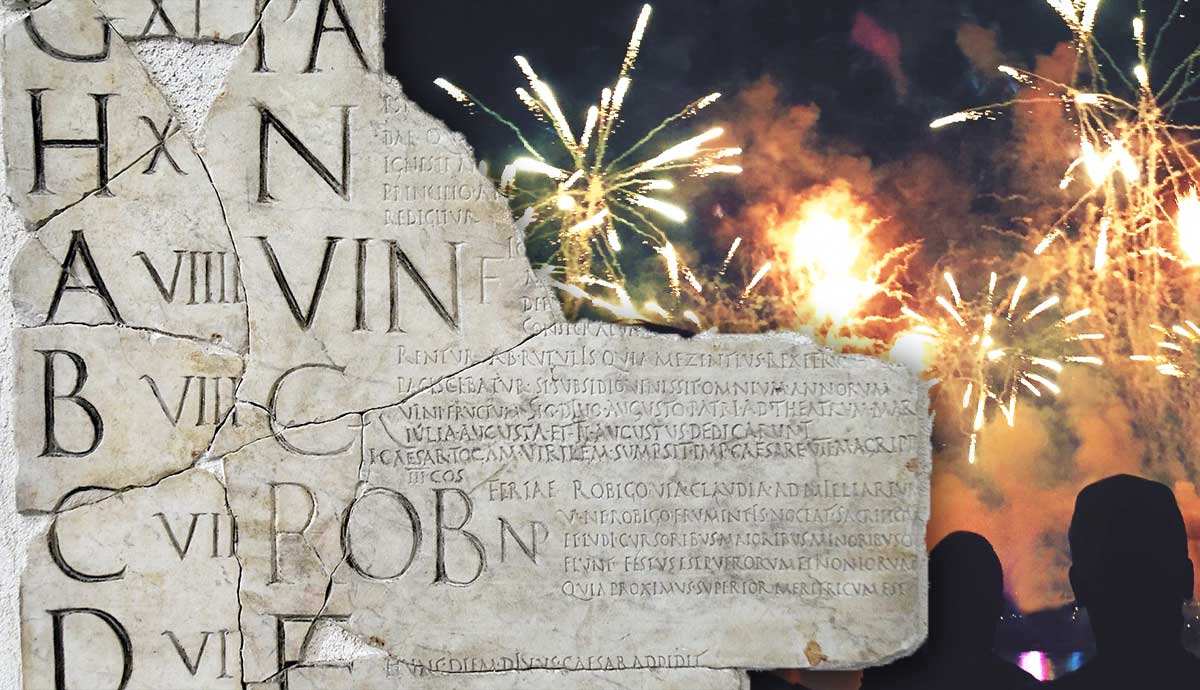
WWW.THECOLLECTOR.COMWhy January 1 Became New Years Day after Centuries of Calendar WarsToday, the fact that January 1 marks the beginning of the year may seem a truth universally acknowledged. At the stroke of midnight on January 1, people exchange well wishes and kisses, toasting the start of a new year. However, it has not always been that way. Indeed, people have been changing the way used for marking time for centuries, drawing up different calendars to better respond to their needs. In the Western world, the origin of the New Year festival can be traced back to ancient Rome. Lets delve into the history that has led us to celebrate the beginning of the new year on January 1.Ancient New Years Days: Agriculture & WorshipDrawing of the god Marduk after a relief from about 1099/1082 BCE. Source: Store Norske LeksikonAncient civilizations usually followed the agricultural rhythm of preparing the soil and harvesting the crops to mark time. In an act of worship that echoed the worlds creation and celebrated the cyclical nature of life, people held New Year festivals in the spring, when the land began to stir, showing signs of renewal. So, after the inactive winter months, a new cycle of planting and harvesting could begin.In ancient Mesopotamia, for example, the Babylonians celebrated the Akitu festival, marking the beginning of a new year, after the vernal equinox in March, when the Tigris and Euphrates Rivers flooded, depositing the fertile silt on the soil. The festival revolved around the recitation of the Enuma Elish, the creation epic celebrating the sun god Marduks victory over the disruptive powers of chaos.Water was also a key seasonal factor in ancient Egypt, where the year began on the first day of the month of Thoth (September), the god of wisdom and knowledge. The Egyptians divided the year into three seasons that followed the agricultural cycle: Inundation (Akhet), Emergence (Peret), and Harvest (Shemu). In Europe, the Celts also structured their way of marking time around the agricultural seasons. Where the land and weather allowed more for cattle raising than cereal cultivation, cattle herding usually marked the annual cycle.The Roman Republican Calendar: From 10 to 12 MonthsFragments of the Fasti Praenestini, a calendar annotated by the Roman grammarian Verrius Flaccus (ca. 55 BCE 20 CE), photograph by Marie-Lan Nguyen. Source: Wikimedia Commons/Palazzo Massimo alle Terme, RomeThe agricultural cycle, with its seasonal rhythm, also served as the basis for the earliest Roman calendar. Traditionally attributed to Romulus, the legendary founder of Rome, it was probably developed from the Greek lunar calendar, which in turn was derived from the Babylonian one.According to this early way of marking time, the year began in March (Mars, the god of war) and ended in December, for a total of 10 months and 304 days. The two other winter months, when the farmers did not work in the fields, were not counted, resulting in a gap of 61 days. Traces of this Roman lunar calendar are still visible today: September, from the Latin septem, literally means the seventh month, October (octo) is Latin for eighth, November (novem) for ninth, and December (decem) for tenth.Relief depicting the Roman King Numa Pompilius, by Jean Guillaume Moitte. Source: Wikimedia Commons/Louvre Museum, ParisThen, as reported by Livy, during his reign, Numa Pompilius, the second king of Rome, altered the original calendar, adding two months and introducing January as the first month of the year. Known as Januarius by the ancient Romans, January was named after Janus, the god of beginnings, often depicted with a double-faced head.As the moons cycle (month) is approximately 29.5 days, the Roman civic calendar was about 10 days shorter than the solar year. As a result, it regularly fell out of sync with the seasons. To solve the synchronicity issue, the Romans occasionally added an extra 27- or 28-day-long month called Mercedonius.Over time, however, the calendar became too confused. The fact that the College of Pontiffs, the council responsible for regulating religious worship, often decided whether to insert the extra days for political reasons did not help matters. Indeed, the Pontifex Maximus regularly shortened or extended the terms of magistrates and public officials by tweaking the calendar.In 46 BCE, when Julius Caesar was declared dictator, there was a three-month gap between the lunar calendar and the seasons. As a result, that year, the calendar harvest arrived well before farmers had collected their annual crops. Harvest festivals did not come in summer nor those of the vintage in the autumn, complained Suetonius in his The Twelve Caesars.The Julian CalendarHead of Julius Caesar, author unknown, ca. 30-20 BCE. Source: Vatican MuseumsTo reorder the hopelessly confused civic calendar, in 46 BCE (known as ultimus annus confusionis, or the last year of confusion), Julius Caesar established a new, clearer dating system: the Julian Calendar.Based on the solar year instead of the lunar cycle, the reformed calendar was drawn up by the astronomer Sosigenes of Alexandria. Sosigenes retained January 1 as the beginning of the year, but introduced some changes to make the calendar more consistent, using the 365-day Egyptian solar year as his model.Instead of relying on the College of Pontiffs to intercalate (add) the missing days on political whims, Sosigenes divided the year into 12 months of either 30 or 31 days, except for February, which had 28 days in common years and 29 in a leap year. According to his calculations, the solar year had 365 days. In 46 BCE, during the transition between the two different dating systems, 90 days were added, making the year 445-day long.As the Roman Empire extended its control over the Mediterranean region, the people under Roman rule took on the custom of celebrating the Kalendae (Kalends, or the first day of the month) of January as the beginning of the new year. On New Years Day, in Rome and the provinces, people exchanged greetings, well-wishes, and gifts known as strenae, usually figs, honey-cakes, and dates. Over time, the celebrations became wilder, with people taking to the streets dressed up as animals, gods, or a different gender.New Years Day in the Middle Ages: A Pagan Festival?Annunciation, by Leonardo da Vinci, ca. 1472. In the Middle Ages, many Christian countries celebrated New Years Day on the Feast of the Annunciation (March 25). Source: The Uffizi, FlorenceIn the 5th century, after the fall of the Roman Empire in the West, many regions of Europe replaced January 1 as the beginning of the new year with dates more aligned with the leading religion of the time: Christianity. By then, Christian leaders had already voiced their disapproval with what they perceived as a pagan tradition. In the 4th century, for example, John Chrysostom, the later archbishop of Constantinople and Church Father, condemned the Kalends of January as an immoral festival.According to Chrysostom, not only was giving gifts with the expectation of getting something in return unpious, but the rowdiness associated with January 1 also went against Christian values. The whole year will be fortunate for you, not if you are drunk on the new-moon, but if both on the new-moon, and each day, you do those things approved by God, Chrysostom admonished. The fact that Christian priests addressed this matter, however, is itself proof that many Christians still celebrated the Kalends of January.In the Middle Ages, then, the tradition of welcoming the new year on January 1 gradually fell out of use. Some countries, like England, replaced it with March 25, the Feast of the Annunciation, or the commemoration of the angel Gabriels visit to the Virgin Mary, announcing that she would conceive Jesus Christ. In other places, the beginning of the new year was moved back to December 25.By the 16th century, it became clear that the Julian Calendar could no longer be relied upon to set the correct dates for the most important Christian feasts, starting from Easter. It was time to draw up a new dating system.The Gregorian CalendarPortrait of Pope Gregory XIII, by Bartolomeo Passarotti, ca. 1586. Source: Wikimedia Commons/Friedenstein Castle, Ghota, GermanyThe synchronization problem between the Julian Calendar and the solar year was due to a slight miscalculation error. Indeed, Sosigenes year was a bit more than eleven minutes longer than the Earths orbit around the sun. As a result, the Julian Calendar gained an extra day every 128 years.By the mid-1500s, the gap between the Julian year and the solar year had amounted to ten days. To amend the error, in 1582, Pope Gregory XIII, assisted by a team of mathematicians and astronomers, introduced a new calendar with the papal bull Inter gravissimas (In the gravest concern). Named after him, the revised dating system advanced the date by ten days, so that October 4 was followed by October 15 that year. The Gregorian Calendar also introduced a more accurate method of calculating leap years and restored January 1 as the start of the new year.The Italian states, Spain, Portugal, and other European Christian countries immediately welcomed the Gregorian Calendar. Many Protestant regions, however, refused to adopt a calendar devised by the pontiff, a strong supporter of the Counter-Reformation. As a result, between 1582 and the mid-18th century, Europeans not only followed two calendars, but also celebrated New Years Day on different dates.January 1 as New Years DayPeople watching a firework display on New Years Day, by IrisImages. Source: iStockDespite the initial calendar wars, a manifestation of the religious divide in 16th-century Europe, more and more countries gradually adopted the Gregorian Calendar. Among the first were the German Protestant states, which started using the new dating system in 1699.Great Britain and its colonies followed suit only 53 years later, when the Calendar (New Style) Act, also called an Act for regulating the Commencement of the Year, and for correcting the Calendar now in use, decreed the official adoption of the Gregorian Calendar. By then, many people had already taken up the habit of celebrating New Years Day on January 1 instead of March 25.Today, while most countries have adopted the Gregorian Calendar, a few still use the Julian Calendar or a modified version. Others use the Gregorian Calendar for secular matters while retaining a different one for religious purposes. There is currently a 13-day discrepancy between the Julian and Gregorian calendars.0 Commenti 0 condivisioni 3 Views -
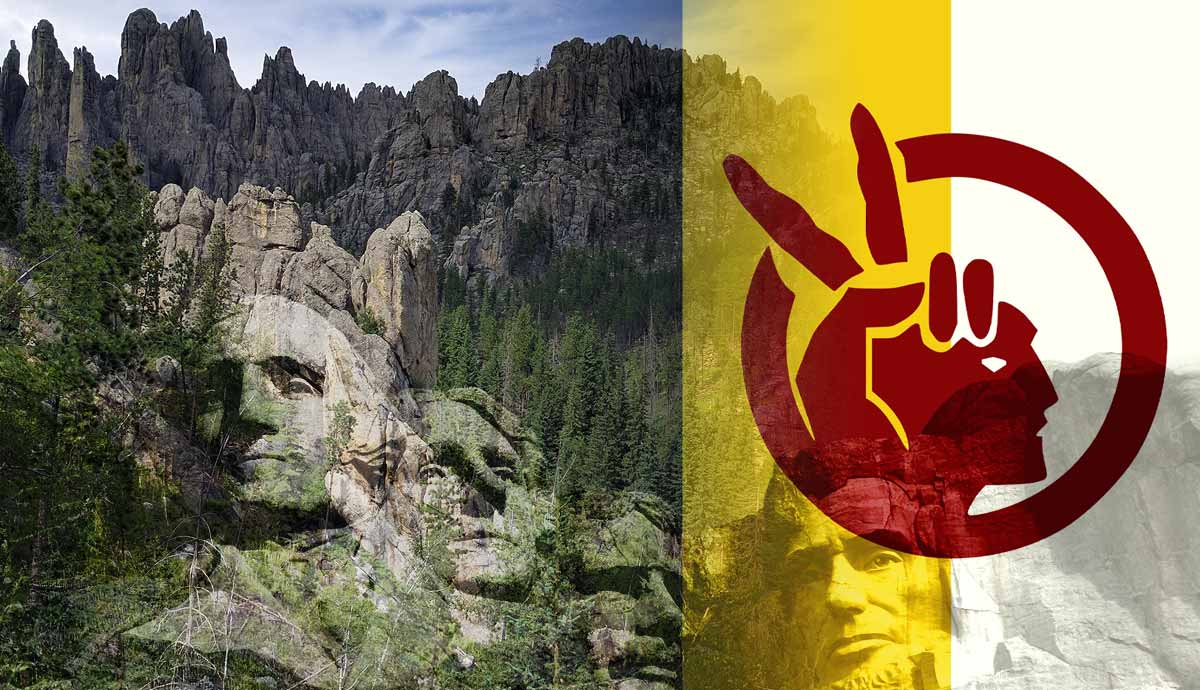
WWW.THECOLLECTOR.COM8 Facts About the Black Hills: The Heart of Everything That IsAt the gates to the Western United States lies a piece of land that has been considered sacred by millions for centuries, the Black Hills. Known as the Paha Sapa or He Sapa to the Lakota, the Black Hills area, which includes many different natural landforms, holds important meaning in religious and cultural traditions. However, the usage and context of the Black Hills have been shaped and warped since the 19th century. It remains a site of contention for many to this day.Why are the Black Hills so important, and why is this discussion so relevant today?1. Where Are the Black Hills?An early-spring view of the Black Hills in March 2013. Source: Cottage Grove Dude / Wikimedia CommonsThe area known as the Black Hills encompasses lands in parts of South Dakota, spreading into Northeastern Wyoming. It is approximately 125 miles long and 65 miles wide, or over 8,000 square miles. A variety of landforms can be found in the area, including rugged cliffs, canyons, unique rock formations, caves, forests, open plains, streams, and lakes. The name comes from the pine-encrusted hills that can be seen from miles away, giving the formations a dark appearance. The third-largest cave system in the world, Jewel Cave National Monument, sits within the Black Hills, with over 200 miles of mapped passages within it. The area was designated as a National Forest in 1897 in order to combat wasteful timbering practices and devastating forest fires.2. The Meaning of the Paha SapaA view of the Black Hills from Needles Highway, 2016. Source: Runner1928 / Wikimedia CommonsThe Paha Sapa is considered sacred by numerous plains tribes, including the Lakota. This land has meanings in certain religious senses, but also in terms of enabling people to interact with nature as they complete their cultural life paths. To many Indigenous Plains cultures, the area is considered the center of the earth, referred to as the heart of everything that is. Seven sacred sites within the region are said to align with star patterns and constellations. The general belief is that the land is not there for permanent settlement but as a source of spiritual sustenance.3. The US Government Originally Tried to Prevent White SettlementAn 1868 council meets to negotiate the Fort Laramie Treaty. Source: National Archives at College Park / Wikimedia CommonsDuring the 19th century, conflict between the US government, Indigenous tribes, and settlers pursuing their place in the legacy of Manifest Destiny was widespread and on the rise. Tribes were pushed further west as settlers invaded their homelands. Some began armed resistance against both the citizenry and the military. A series of forts were built in the area of the Black Hills, establishing a military presence to protect settlers and US interests.An 1851 treaty, signed at Fort Laramie, granted 60 million acres of the Black Hills for the absolute and undisturbed use and occupancy of the Sioux [Lakota]. Still, settlers broke the treaty, traveling through the area on the Bozeman Trail heading west. Along the way, they hunted, allowed their livestock to graze and destroy resources, and left trash and detritus in their wake. After a series of conflicts often referred to as Red Clouds War in the mid-1800s, the US government wondered if it might be more beneficial to make more of an effort to restrict settler movement in the area.The original 1851 treaty. Source: Department of the Interior / Wikimedia CommonsA second treaty was signed at Fort Laramie in 1868, observed by only a handful of Lakota leaders, who may not have even understood what they were allowing. This treaty reduced the Lakota lands to twenty million acres but set firm boundaries against incursion.Forts were burned as part of the agreement, and the military presence was removed. However, in 1874, General George Custer was allowed to lead an exploratory mission into the Black Hills as he had heard rumors of gold. The presence of gold in the Black Hills was confirmed by Custers scientists, and the rush was on. The terms of the treaty were disregarded by settlers in light of the allure of such riches. The government made weak efforts to stop the mad dash of prospectors but found the attempts fruitless. They offered to buy the remaining Lakota acres but were refused. At this, any efforts to maintain the treaty were abandoned completely, and the government instead turned to seizure of the land, this time backed by the full strength of the US Army.4. Mount Rushmore Is Considered an InsultMount Rushmore is more than a national monument. Source: Dean Franklin / Wikimedia CommonsWhile the average American may see Mount Rushmore as a symbol of patriotism, a celebration of some of the great presidents from history, to the Indigenous people who consider the Black Hills sacred, this carving is nothing short of insulting. The monument was established in 1925, designed by sculptor Gutzon Borglum. The finished Mount Rushmore National Memorial covers just over 1,278 acres and is 5,725 feet above sea level. It features the visages of George Washington, Thomas Jefferson, Theodore Roosevelt, and Abraham Lincoln in stone.However, the monument is carved on what is referred to by Indigenous cultures as Thunkasila Sakpe, or the Six Grandfathers, a sacred mountain representing the supernatural deities responsible for Lakota creation: North, South, East, West, Above, and Below. These hallowed cliffs were blasted and destroyed in the pursuit of a representation of four men who were directly involved in the destruction of Indigenous culture in the United States. From an Indigenous perspective, the US government took sacred land from the tribes, then not only defaced it but celebrated colonizers that shattered their culture.5. The Crazy Horse Memorial Remains UnfinishedThe entry to the Crazy Horse Memorial Welcome Center. Source: Richie Diesterheft / Wikimedia CommonsIn 1948, sculptor Korczack Ziolkowski was commissioned to create the Crazy Horse Memorial in the Black Hills. He was invited to the project by Lakota elder Chief Henry Standing Bear. Standing Bear wished to see a monument to his ancestor, an incredibly influential warrior who was involved in some of the major Black Hills conflicts, in the place most sacred to his people.Ziolkowski made slow progress on the project, faced with numerous challenges from the composition of the rock face he was working with to funding. He died in 1982, but the project continued under the supervision of his wife and children. Despite the ongoing work, the project remains unfinished as of 2024, with no set date for completion. However, a visitors center is already open, allowing viewing of the work in progress. The finished monument will feature Crazy Horse, arm outstretched, atop a steed. Since Crazy Horse refused to be photographed in life, the likeness has been created from descriptions provided by those who knew the warrior in person. The project has faced some criticism, as others in the Indigenous community have argued that Crazy Horse, known for his humility, would have hated the idea.6. The Black Hills Are South Dakotas Main Tourist AttractionCrowds at Mount Rushmore in 2017. Source: Eekim / Wikimedia CommonsOpposite its role as a sacred element of Indigenous life, the Black Hills have been a commercial boon for the state of South Dakota. The area is the biggest tourist attraction in South Dakota, generating over 100 million dollars annually for the region. One of the main draws is Mount Rushmore, which is visited by tens of thousands yearly. The region is home to 30 campgrounds (including horse camps) for those wishing to enjoy the wild outdoors of South Dakota.7. The Black Hills Have Been Used for ProtestThe black, yellow, white, and red flag used to represent the American Indian Movement (AIM). Source: Tripodero / Wikimedia CommonsThe American Indian Movement, or AIM, is an organization that highlights and fights for Indigenous rights and recognition in the United States and was especially active in the 1970s-80s. AIM has utilized its sacred space in the Black Hills as a backdrop for certain events to bring attention to challenges faced by Indigenous people. For example, in July 1980, the International Survival Gathering was held in the Black Hills. The goal of this gathering was to protest mineral exploitation in the region and explore community survival and sustainability.8. The Supreme Court Ruled on the Black HillsOver a century later, the Supreme Court made a ruling on the 1868 Fort Laramie Treaty. Source: CC-BY-SA 3.0, Joe Ravi / Wikimedia CommonsIn 1980, the Supreme Court made a ruling on the Black Hills after a lengthy case brought against the US government by the Lakota people. The case claimed that US actions violated the 1868 Fort Laramie Treaty and that the government had illegally taken and occupied the Black Hills. The Supreme Court agreed and ordered that over 100 million dollars be paid to the Lakota nation in compensation for the theft. The Lakota have refused to accept the payment, emphasizing that the land was never for sale. Sitting untouched, the value of the funds has grown to over two billion dollars as of 2024.0 Commenti 0 condivisioni 3 Views -
-
-
WWW.THEKITCHN.COMPsychology Reveals 7 Traits in People Who Skip BreakfastShe says that over time, They may struggle to tell the difference between true hunger, stress, and fatigue.READ MORE...0 Commenti 0 condivisioni 3 Views
-
WWW.THECOUNTRYCOOK.NETAir Fryer Garlic Cheese BreadIn just 15 minutes, you can make the most delicious cheesy, garlicky Air Fryer Garlic Cheese Bread! Simple, scrumptious, and easy to make!THE EASIEST GARLIC BREAD RECIPEMaking garlic cheese bread in the Air Fryer is a quick and easy way to enjoy a delicious snack or side dish. This simple recipe requires just a few ingredients (and maybe one surprising ingredient) and you can have it ready in under 15 minutes! No oven needed! With its crispy exterior, gooey cheese center, and garlicky flavor, this cheesy garlic bread is everyones favorite!This was very easy and so delicious! The mayonnaise really makes all the difference here! It made it even more creamy! I will never make it another way again thanks Brandie! MelodyFREQUENTLY ASKED QUESTIONS: What kind of bread should I use? Make sure you choose a thicker slice of bread. I used Italian bread but you can use French bread. I wouldnt use something thin like a sandwich sliced bread because you need something substantial to hold the cheese. Can I use a different cheese? I used mozzarella because its a the classic cheese to use for garlic cheese bread. You can swap it out with cheddar cheese, Monterey Jack, or any other good melting cheese you enjoy.Additionally, I used quite a bit of cheese for this cheesy bread. We love it cheesy but you can absolutely lessen the amount to fit your preferences! Do I have to use garlic powder? While this is an easy thing to use since most people have it in their cupboards, you can easily swap it out for fresh minced garlic or jarred garlic in its place. Can I make this ahead of time? I know it is nice to have stuff done for dinner ahead of time and its even nice if you can make an extra batch to freeze for later. With this recipe, you can do both!You can make these earlier in the day and then reheat in the air fryer when ready to serve. You can also make a second and third batch to freeze for later. To do this, let them cool, then cover with plastic wrap or aluminum foil before freezing for up to 3 months. What size Air Fryer did you use? I tested this recipe in a 6 quart basket Air Fryer. This is the style that a majority of Americans own. If you have a different style then youll need to adjust the cooking time based on your own knowledge of your particular air fryer. Its impossible for me to test a recipe on every possible style and brand of air fryer on the market. Just be sure to leave enough room around your bread slices so the hot air can circulate and melt the cheese on the bread evenly. If you overcrowd the basket, the bread wont bake evenly and cheese wont melt evenly either. How to soften butter quickly? Did you forget to pull out the butter for it to soften? Dont worry, youre in good company! Id be lying if I said I dont forget quite often. Here are a few things you can do to soften butter a but more quickly: Fill a glass with boiling water and let it sit for a few minutes. Dump the water out and place it upside down over a standing stick of butter (on a plate) to help it soften faster. Roll or pound the butter in between two sheets of parchment paper (seems odd but works!) Cube or grate the butter. By cutting it into smaller pieces it will soften faster. Wont the cheese go flying all over the place in the air fryer? Surprisingly, it doesnt. It is held on by the butter on the bread and because mayonnaise is added to the cheese, it helps hold it down. I recommend this for cheese toast as well. Swipe a bit of butter on the bread before adding a slice of cheese. It will keep it on as it toasts in the air fryer. Whats the serving size for this recipe? We used a whole loaf of bread for this recipe. There are normally 12 slices of bread in a loaf. Generally a serving size is 2 slices of bread, so this recipe has 6 servings. If you think one slice is enough, this could serve more. What to serve this with? You can enjoy these cheesy garlic bread slices with any of these delicious pasta recipes: Easy Baked Ziti Ultimate Chicken Spaghetti Tuscan Chicken Pasta Lemon Chicken Pasta Pizza Pasta Bakeor you can just dip them into your favorite marinara sauce! What if I dont have an air fryer? No problem. This can be made in the oven. See my recipe here for instructions. How to store leftovers? If you have leftovers, wait for them to cool. Then wrap them in aluminum foil and place in the fridge for 3-4 days. To reheat, pop the bread slices back in the Air Fryer for 2-3 minutes. INGREDIENTS NEEDED: (SEE RECIPE CARD BELOW FOR THE FULL RECIPE)Italian bread or French baguette sometimes you can find them pre-sliced, just make sure they arent sliced too thin.salted butter you want real butter here for best results. You could use margarine if that is all you have but youll get better results with butter. Forgot to take the butter out to soften up? See my tips on How to Soften Butter Quickly.garlic powder you can use fresh garlic here (about 3 garlic cloves.)salt and pepper these are completely optional seasonings.mayonnaise I know this sounds like a very weird ingredient but you dont taste it as a separate ingredient, it adds amazing creaminess. Kraft creamy melt shredded mozzarella cheese I think this melts the best but use what you have!dried parsley this is optional, it just adds nice color.Mayonnaise not pictured.HOW TO MAKE AIR FRYER GARLIC BREAD:Slice the loaf of bread into slices about 2 thick. In a bowl mix the softened butter with the garlic powder, salt and pepperGenerously spread the garlic butter mixture onto each slice of bread. In a bowl, combine shredded mozzarella with mayonnaise. It will be a little clumpy, thats ok. Evenly distribute the mozzarella mixture onto each slice of bread and sprinkle each with dried parsley.Place the bread into the Air fryer and cook for 3-4 minutes at 350F degrees or until cheese has melted and the bread looks toasted (note: this can take a little longer in some air fryer so check that the cheese is fully melted and the bread is toasted). This will need to be done in batches.Serve with marinara sauce for dipping (optional)CRAVING MORE RECIPES? Air Fryer Bread PuddingAir Fryer Banana BreadAir Fryer Grilled CheeseAir Fryer Potatoes and SausageAir Fryer MeatloafAir Fryer Pizza BombsAir Fryer Potato SkinsAir Fryer HalloumiAir Fryer Mozzarella SticksThe Best Cheese ToastPizza Hut Garlic Cheese BreadMillion Dollar SpaghettiOriginally published: February 2023Updated and republished: December 2025 PrintAir Fryer Garlic Cheese BreadMake some easy garlic cheese bread in the Air Fryer in under 15 minutes!Course Breads, Side DishCuisine AmericanPrep Time 10 minutes minutesCook Time 4 minutes minutesTotal Time 14 minutes minutesServings 6 servingsCalories 627kcalAuthor Brandie SkibinskiIngredients1 loaf Italian bread or French baguette (I used Italian) cup (1 stick) salted butter, softened to room temperature (not melted)1 Tablespoon garlic powder (or 3 cloves garlic, minced) teaspoon salt (optional) teaspoon pepper (optional)2 cups Kraft Creamy Melt Shredded Mozzarella cheese (8 ounce bag) cup mayonnaise1 Tablespoon dried parsley flakes (for garnish, optional)For serving:marinara sauce (optional)InstructionsSlice 1 loaf Italian bread or French baguette into slices about 2 thick. In a bowl mix 1/2 cup (1 stick) salted butter, softened to room temperature, 1 Tablespoon garlic powder, teaspoon salt and teaspoon pepper. Generously spread the garlic butter mixture onto each slice of bread. In a bowl, combine 2 cups Kraft Creamy Melt Shredded Mozzarella cheese with 1/4 cup mayonnaise. It will be a little clumpy, that's okay. Evenly distribute the mozzarella cheese mixture onto each piece of bread and sprinkle each with dried parsley flakes. Place the bread into the Air fryer and cook for 3-4 minutes at 350F degrees (or until cheese has melted and bread is toasted.) This will need to be done in batches. (note: this can take a little longer in some air fryer so check that the cheese is fully melted and the bread is toasted) Serve with marinara sauce, for dipping (optional.) NotesPlease refer to my FAQs (Frequently Asked Questions) and ingredient list above for other substitutions or for the answers to the most common questions.You can easily double this recipe if you are using a really large loaf or two loaves.This roughly makes about 12 slices of garlic cheese bread (so estimate 2 slices per person.)NutritionCalories: 627kcal | Carbohydrates: 41g | Protein: 7g | Fat: 49g | Sodium: 658mg | Fiber: 3g | Sugar: 23g0 Commenti 0 condivisioni 3 Views