0 Comentários
0 Compartilhamentos
192 Visualizações
Diretório
Elevate your Sngine platform to new levels with plugins from YubNub Digital Media!
-
Faça Login para curtir, compartilhar e comentar!
-
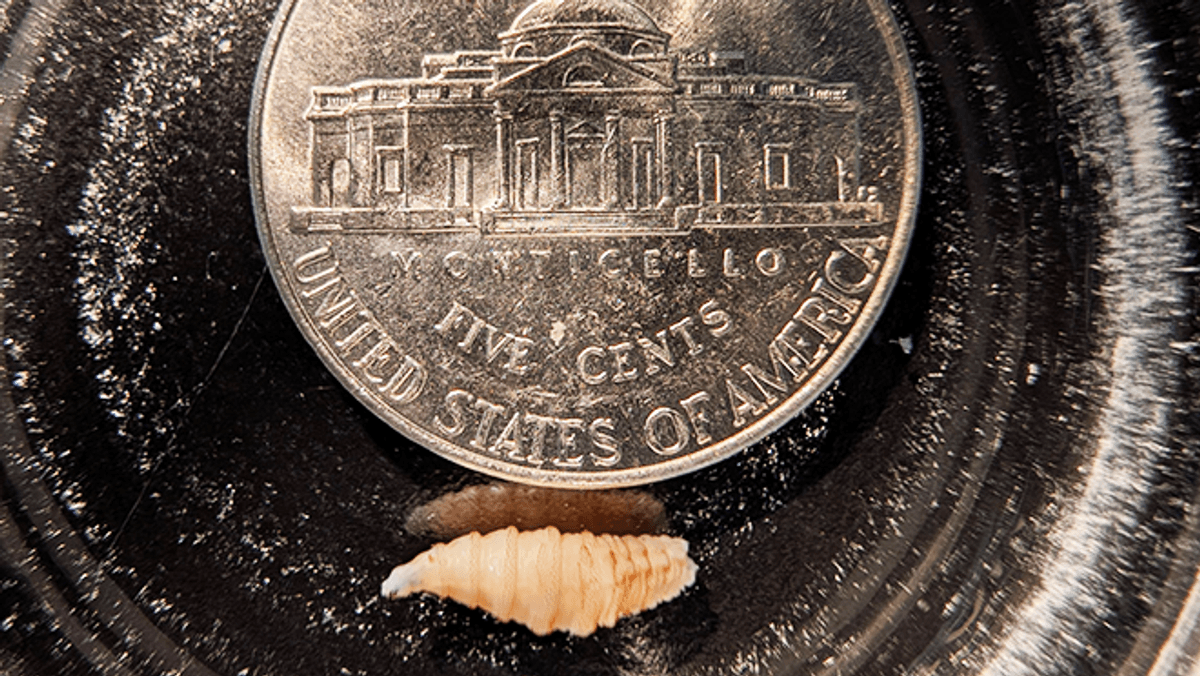
WWW.IFLSCIENCE.COMNew World Screwworm Detected In US For First Time Since 1966, Despite Efforts To Stop It Crossing The BorderAfter outbreaks in Mexico and Central America, the flesh-eating pest has now made it to the US.0 Comentários 0 Compartilhamentos 50 Visualizações -
WWW.IFLSCIENCE.COMNewly Discovered Velociraptor Cousin With 4 Wings Might Have Flown Like A Flying Squirrel And Its Solved A Longstanding MysteryThe new species was found in an area famous for bird fossils, and now we have a good idea as to how they all ended up there.0 Comentários 0 Compartilhamentos 50 Visualizações -
WWW.IFLSCIENCE.COMIn A World First, Fully AI-Designed, Needle-Free, Universal Coronavirus Vaccine Completes Human TrialsThe computer-designed super-antigen DNA vaccine performed well in safety tests.0 Comentários 0 Compartilhamentos 50 Visualizações -
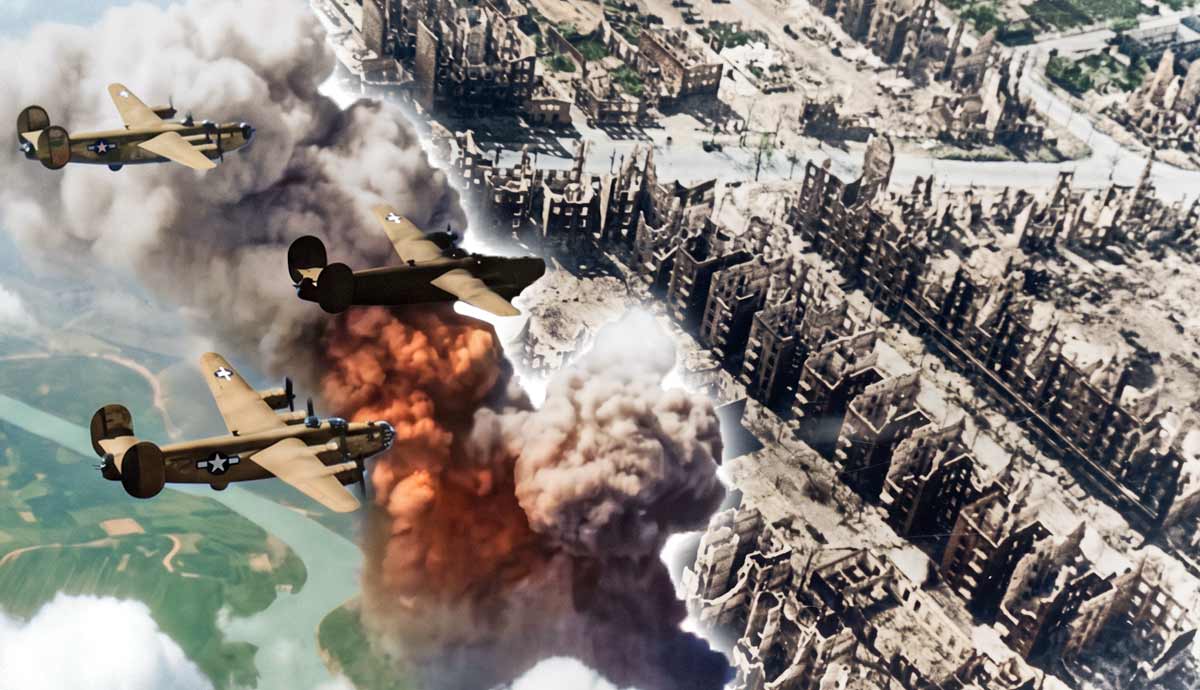
WWW.THECOLLECTOR.COMHow Effective Was Allied Bombing Against Germany in WWII?What was the objective of bombing Germany, and was this achieved? The bombing offensive lasted for virtually the entire war, and it killed approximately 500,000 civilians, while the RAF suffered over 55,000 dead, and the USAAF more than 30,000.Avoiding the obvious moral question of civilian casualties, how effective were the attacks in reducing German output and destroying the Luftwaffe?Taking the War to GermanyA Handley Page Hampden being loaded with bombs, 1940. Source: Wikimedia CommonsEarly exponents of strategic bombing, such as Douhet, Trenchard, and Mitchell, believed that fleets of bombers could win the next war on their own. This was the background to the bombardment of Germany from the air in WWII. RAF bombing had begun a few days after the start of the war. The effect was minimal due to a combination of poor navigation, inability to hit targets, and small numbers of aircraft. Although German defenses were far less than later in the conflict, they were enough, combined with the lack of fighter escort, to convince Bomber Command that their only chance of success lay with night attacks. Like the USAAF more than two years later, the RAF learned that daylight attacks would only succeed after air superiority had been achieved or with close fighter escort.The Yanks Are Coming!B-24 Liberators of the 15th Air Force flying through heavy flak, 1944. Source: Wikimedia CommonsThe RAF steadily increased its bombing of Germany, with strategic bombing commencing in May 1940 when 99 bombers attacked the Ruhr. Two years later, Cologne was hit by 1000 bombers.After the fall of France, bombing was the only way for Britain to carry the war directly to Germany, and the bomber offensive absorbed a huge proportion of Britains war effort. By June 1942, the US 8th Air Force began to set up bases in Britain, and in July it carried out its first raid. At the years end, Germany had absorbed 50% more tonnage than the previous year, but tank production, for example, increased by 60% along with most other armaments.During this period, Germany was moving from a short war economy to the understanding that it was going to be a long conflict. The Allies also realized that a far bigger effort was going to be required if the enemy economy was to be significantly damaged.Reap the WhirlwindHamburg after Operation Gomorrah, by the Royal Air Force and the United States Army Air Forces, 1943. Source: German History in Documents and ImagesDuring the Casablanca Conference in January 1943, the Allied Combined Bomber Offensive (CBO) was planned. It was expressly stated that bombing alone could not win the war. However, strategic bombing was required before a land invasion in France could be undertaken. Pointblank (codename for the CBO) called for round the clock bombing, with the USA attacking by day and the British by night.In 1943, there was a fourfold increase in bombing by the Allies, along with heavy losses, especially on daylight raids. Escorts were needed, and in December 1943, the P-51 Mustang began to accompany the US bombers deep into Germany. Despite this, German production continued to rise. For example, twice as many single-engined fighter aircraft were produced in 1943 compared to a year earlier. Speer, the German minister for armaments, had begun to disperse manufacturing, locate factories underground, and massively increase productivity.The Second Front in the AirA Messerschmitt Me-410, armed with a 5cm cannon, attacking a B-17 Flying Fortress, 1944. Source: National Archives and Records Administration / Wikimedia CommonsThe ability of US fighters to escort bombers deep into the Reich changed the nature of the air war in 1944. It was not so much the enormous increase in bomb tonnage, up another fourfold from 1943, but the destruction of the Luftwaffe in the sky, that was decisive.Germany was now producing over 2000 fighter aircraft per month, along with an increase in other armaments. But the strain of sending night-fighters against the RAF and trying to fight through the American fighter screens to attack the bombers was beginning to tell. Germany was running out of experienced pilots to fly its fighter aircraft.The offensive was also absorbing huge numbers of German anti-aircraft guns, their crews, and enormous amounts of technology. As Speer explained, The real importance of the air war consisted in the fact that it opened a second front long before the invasion of Europe. That front was the skies over Germany.Overwhelming OddsMesserschmitt Me 262. Source: Royal Air Force Museum Cosford / Wikimedia CommonsThe air battles increased in intensity during 1944, along with the number of bombs. In the last year of the war, 83% of the total Allied tonnage was dropped. Despite the pounding of the German population and the attacks on industry, production of war material continued to rise.However, in Germany, raw material output, such as steel and, most importantly, fuel, began to decline in 1944. The decrease in fuel was partly due to the intensification of Allied bombing of synthetic oil plants and also the Soviet army overrunning Romanian and Hungarian oilfields in August.By the spring of 1945, most German cities were in ruins, and the Allies were beginning to run out of targets. Nevertheless, the offensive continued, with many raids involving over 1,000 bombers, day and night, and day escorts of hundreds of fighters. If German interceptors failed to appear, the US escorts would attack ground targets, such as airfields, thereby reducing the Luftwaffes capacity.What Was Achieved?German morale did not crack: A woman anti-aircraft crew member, 1945. Source: German History in Documents and ImagesThe aviators dream of a land campaign being unnecessary was not realized, but the bombing played a vital part in the final victory. In summary:A Bombing campaign alone could not win the war, as was recognized at the Casablanca Conference.German arms production increased throughout the conflict until factories and resources were overrun.The Luftwaffe was defeated in the air battles over Germany. This enabled the D-Day landings and aided the Soviet war effort.The bombing campaign could have been more effective with greater concentration on a few high-priority targets.0 Comentários 0 Compartilhamentos 51 Visualizações -
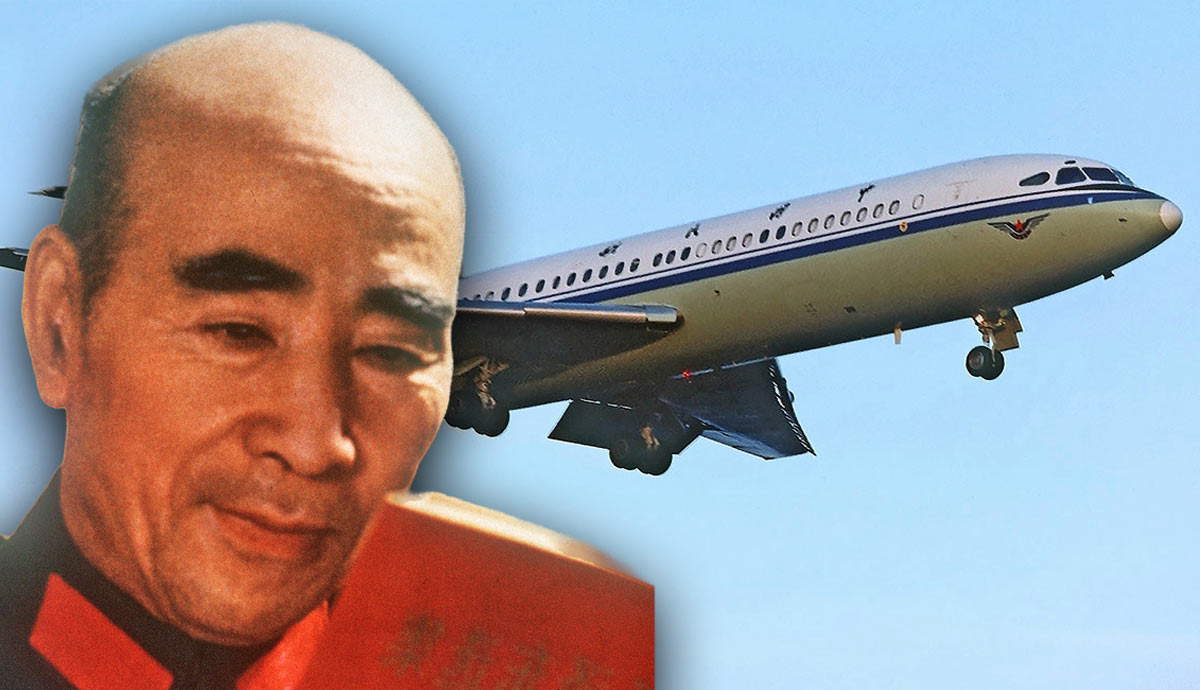
WWW.THECOLLECTOR.COMMaos Most Loyal Followers Died in the Mysterious Lin Biao Incident. What Happened?The death of Lin Biao, known to historians as the Lin Biao incident, was a pivotal moment in modern Chinese history that not only marked a turning point for the Chinese Communist Party but also set the country on a new trajectory during the Cultural Revolution. In September 1971, Mao Zedongs close confidant, Lin Biao, died in a plane crash while fleeing China under disputed circumstances. The incident exposed fractures within the leadership of the Chinese Communist Party and fueled political purges that reformed Maos inner circle of advisors.The Life of Lin BiaoLin Biao, 1947. Source: Wikimedia CommonsBorn on December 5, 1907, Lin Biao was one of Chinas most decorated military leaders and a skilled politician who played a critical role in the rise of Mao Zedong. Biao joined the Chinese Communist Party during the 1920s where he quickly made a name for himself as a keen military strategist and political operator. During his time as Marshal of the Peoples Republic of China, he was instrumental in securing the Red Armys victory during the Chinese Civil War. Lin Biaos military expertise helped the Red Army defeat the Kuomintang in the Liaoshen and Huaihai campaigns, victories that effectively routed Chiang Kai-sheks forces from Southeast China.After the Peoples Republic of China was established in 1949, Lin Biao became a key member of the Chinese military. Biaos loyalty to Mao Zedong was further demonstrated by his support of the revolutionary changes that took place during the Cultural Revolution. For his loyalty, Lin Biao was appointed to the position of Vice Chairman of the Chinese Communist Party in 1966, and he was named the official successor to Chairman Mao. During the Cultural Revolution, Biao made great efforts to spread Maos cult of personality throughout the country and disseminated the Little Red Book of Maos revolutionary quotations to members of the Chinese Red Army.However, as ideological disagreements began to grow within the leadership of the Communist Party, Lin Biaos relationship with Mao deteriorated significantly. In September of 1971, Biao was allegedly a key player in a plot to wrestle the leadership from Mao Zedong, a plot which eventually ended in Biaos death in a plane crash in Mongolia. While the official government narratives have accused Lin Biao of attempting to overthrow Mao, numerous conflicting reports remain about what actually happened during the Lin Biao incident.The Communist Party of Chinas Account of the Lin Biao IncidentThe last known photograph of Lin Biao, 1971. Source: Wikimedia CommonsAccording to the official accounts of the Chinese government, Lin Biao began to organize a plot to overthrow Mao Zedong after a meeting of the Ninth Central Committee revealed that Mao had begun to lose faith in his trusted advisor. Allegedly, in the first months of 1971, Lin Biao and his wife Ye Qun, also a high-ranking government official, began to plot the assassination of Mao. In March of 1971, Lin Biaos son Lin Liguo, also a senior military officer, is alleged to have held a covert meeting at a Shanghai Red Army base. During this secret meeting, Liguo is said to have drafted a plan for a fully-fledged coup detat that was named Project 571 which in Chinese Mandarin sounds similar to armed uprising. Lin Liguo and his fellow plotters are alleged to have met again in late March to formalize the structure of the plan.Apparently unaware of the coup being plotted against him, Mao scheduled a conference in September to determine the future of Lin Biaos role within the Communist Party. Allegedly, word reached Lin Biao on September 5 that Mao intended to purge him and his family. In response to this news, Lin Biao ordered that the coup plan be carried out on September 8. The assassination plot was to sabotage Maos personal train as it traveled through the country. However, on September 11, Mao changed his travel itinerary, and the plot failed. The plotters of Project 571 subsequently attempted a number of other assassination attempts, all of which failed too. Maos train arrived at Beijing Central Station on September 12, and Lin Biaos ambitious coup attempt was foiled.The Plane Crash In MongoliaA similar Trident aircraft in which Lin Biao and his family fled China. Source: Lars Sderstrm / Wikimedia CommonsUpon receiving news that Mao was aware of the assassination plot, Lin Biao and his family allegedly intended to regroup and flee to the city of Guangzhou, where they planned to gather their allies for another coup attempt. However, as the seriousness of their actions hit home, the key players of Project 571 decided to flee to the Soviet Union, where they would have sought political asylum.On September 13, Lin Biao, Ye Qun, and their son Lin Liguo boarded a private Trident 1E aircraft and set off for the USSR. According to the Chinese government, the plane departed the runway without enough fuel to reach the Soviet Union and crashed in Mongolia, where all passengers and crew were killed. The death of Lin Biao and his family ended his alleged bid for power and remains one of the most unexplained and controversial events in modern Chinese history. While the official government narrative remains widely accepted in China, there remain several questions that cast doubt on the veracity of the events.Criticisms of the Official NarrativeZhou Enlai. Source: Wikimedia CommonsSince 1971, a lack of substantial evidence surrounding the actual circumstances leading up to the Lin Biao incident has kept Lin Biaos death shrouded in mystery. In the wake of the incident, a great deal of official government records, telephone recordings, meeting reports, and personal diaries were intentionally destroyed when Hua Guofeng became the leader of the politburo after Maos death in 1976. These documents would have shed light on the actions of Mao Zedong and the security forces of China in the lead-up to the Lin Biao incident. Without these official documents, the Chinese government instead used the alleged confessions of individuals close to Lin Biao to build their narrative.Critics of the official government narrative have called into question the logic that Lin Biao, a formerly loyal supporter of Mao and decorated military leader, would hastily put together an assassination plot with his wife and son as the co-conspirators. Moreover, critics have called into question Lin Biaos motives for flying to the Soviet Union when nations opposed to China, such as Taiwan and the United States, would have more readily accepted his asylum.Historians outside of China have proposed that Lin Biao lacked the proper motivation or backing to stage a coup attempt against Mao. Some historians have suggested that Biaos death was connected to his disagreement with Chinas policy of rapprochement with the United States, which Zhou Enlai had begun with Maos blessing. Some claim that Lin Biao may not have actually been on board the flight to Mongolia. Instead, Lin and his wife were assassinated in Beijing while their son, Lin Liguo, was the only one to make an escape by airplane. Opposing theories also suggest that Mao ordered Lins plane to be shot down by the Chinese Air Force.The 1994 Investigation Into the Lin Biao IncidentAlleged meeting place of the Project 571 members. Source: Charlie Fong / Wikimedia CommonsAfter the fall of the Soviet Union, a six-month investigation into the Lin Biao incident by Western historians reviewed newly declassified evidence from Russia, Mongolia, and the United States that directly challenged the Chinese governments official narrative. The 1994 investigation directly confirmed that Lin Biao, his wife Ye Qun, and their son Lin Liguo died when their plane crashed in Mongolia. However, new details revealed in the evidence raised even more questions about what actually took place.Lins plane was shown to have been flying away from Soviet airspace when it crashed, which casts doubt on the official narrative that he had sought asylum in the USSR. According to some evidence, Lin Biao may have been reluctant to board the flight and only did so at the behest of his wife and son. Furthermore, the 1994 investigation also revealed that Lin had attempted to contact the government of Taiwan twice before his death. This lends credence to the theory that he may have sought to restore the Kuomintang to power in China in exchange for a position in the new government.Newly released witness reports have also cast doubt on the official story. According to Lin Liguos fianc, Zhang Ning, Lin became fearful of a political purge in 1971 and devised plans to escape the country. Their daughter opposed the plan and made an attempt to alert Zhou Enlai to her fathers intentions. The 1994 investigation also revealed that the Soviet Union exhumed the remains of Lin Biao and his wife and confirmed they had died in the plane wreckage. However, the exact cause of the crash remains unknown.Consequences of the Lin Biao IncidentA sculpture of a young Mao Zedong. Source: Huangdan2060 / Wikimedia CommonsThe Lin Biao incident resulted in a number of consequences for the Chinese government. Politically, the death of Maos chosen successor greatly disrupted the internal workings of the Communist Party of China. Mao was left reliant on the more radical Gang of Four and became more isolated within the party. The incident also prolonged the Cultural Revolution and political purges of Lins alleged co-conspirators. This spread fear and distrust throughout China.In the long run, the Lin Biao incident emphasized the danger of a centralized government run with unchecked power by a ruler placated by a cult of personality. After Maos death, the Communist Party implemented a number of reforms that emphasized institutional authority over direct rule.0 Comentários 0 Compartilhamentos 37 Visualizações -
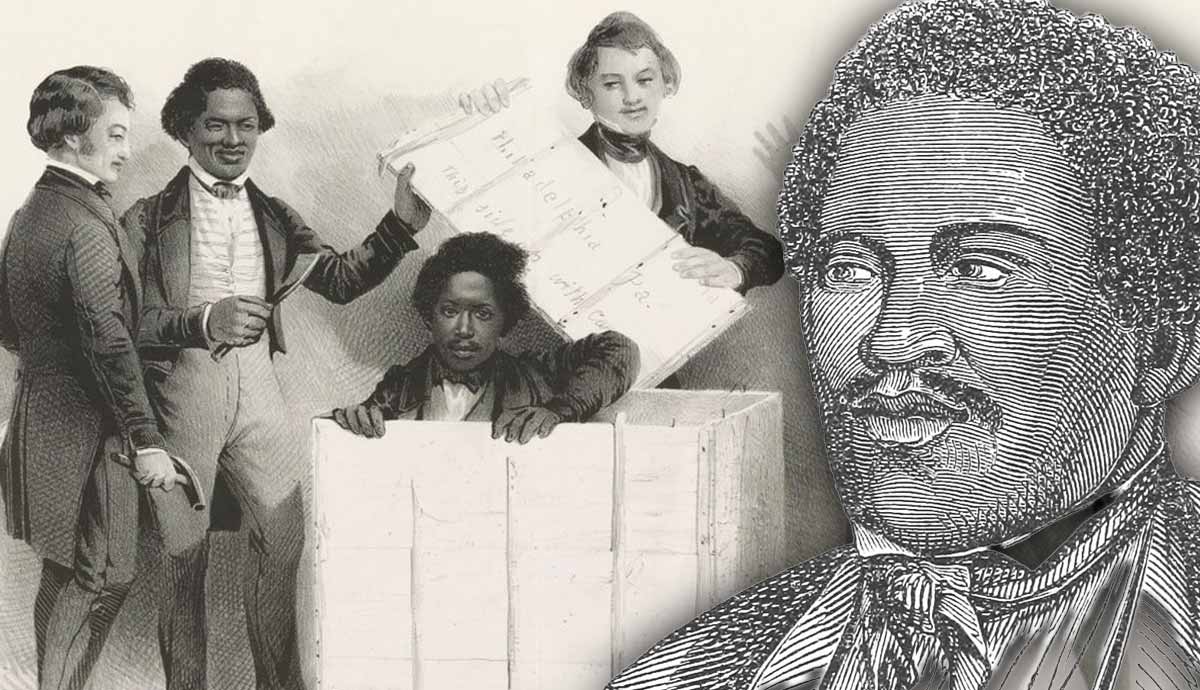
WWW.THECOLLECTOR.COMThe Story of Henry Box Brown, the Slave Who Mailed Himself to FreedomThe horrors of slavery in the 19th-century American South led to many attempts at freedom. Slaves made runs for the safety of the North on foot, on trains, and by boat. Some opted for more creative methods, including Henry Brown. Earning himself the nickname Box, Browns clever escape was only the beginning of his new life. He became an author, lecturer, and magician, taking his story and the cause of abolition to the international stage. Just who was this enigmatic man?Early Life EnslavedHenry Brown was born into slavery. Source: Wikimedia CommonsLike the majority of US-based African Americans of the era, Henry Brown was born into slavery. He was born in 1815, though his exact date of birth is lost to history. He lived in Louisa County, Virginia, on a plantation known as the Hermitage. He, his parents, and seven siblings were all enslaved by a man named John Barret. Brown was 15 when Barret died, and he was assigned to work in a tobacco factory in Richmond, Virginia, by Barrets son.Eventually, he married a woman named Nancy, who was enslaved by a different man in Richmond. Nancy and Brown had four children. Despite their circumstances, Brown was able to earn enough money through overwork, or side jobs he was permitted to take, to rent a home for his family to live in together. In 1848, Browns wife and children were sold to another plantation in North Carolina. He was not permitted to follow them or visit, and went into mourning. He decided to channel his heartbreak into resolve and began planning his escape from bondage.A Daring EscapeThe Resurrection of Henry Box Brown at Philadelphia. Source: Library of Congress via Wikimedia CommonsBrown knew that if he was going to escape, he would need a unique plan to avoid slave catchers or anyone who might turn him in along the way. He contacted a member of his church, who was a free Black man, to enlist his advice. This man, James Anthony Caesar Smith, connected Brown with Samuel Smith, a shoemaker who agreed to help Brown with his escape attempt. Samuel Smith was a white man who owned slaves himself, but was motivated to help Brown if the price was right.The three began tossing around ideas and rejected several. However, Brown suggested that perhaps the men attempt to send him in a freight box north. If he could stay undiscovered in a shipping box, he could arrive in a slave-free state as a liberated man. Samuel Smith reached out to one of the leaders of the Pennsylvania Anti-Slavery Society, who agreed to accept the package.Henry Brown had to fit himself in a wooden box, similar to this one, comprised of just 15 cubic feet of interior space. Source: Missouri Historical Society via Wikimedia CommonsThe group of three began to prepare for the shipment. A wooden shipping crate measuring 3 x 2.5 x 2 feet was lined with cloth, a single hole cut in the top to allow for air while still remaining inconspicuous. The box was marked as dry goods and would travel from Richmond to Philadelphia. On March 23, 1849, Brown was sealed inside the box, the top nailed on, and shipped.The journey began on a steamboat and included time in a wagon as well. At one point in the trip, Brown was certain he would die. Unable to turn in the box, he was forced to remain in whatever position the crate lay in. The box was turned so that Browns head was facing downwards. He later reported that he felt my eyes swelling as if they would burst from their sockets; and the veins on my temples were dreadfully distended with pressure of blood upon my head. However, he was saved when he heard a man say to a companion that he had been standing too long. The man flipped Browns crate onto its side to take a seat, unknowingly saving the stowaway.The crate was handled roughly on multiple occasions during the 27-hour journey, but Brown was determined to stay silent to protect his freedom. The box and its contents arrived at the headquarters of the Philadelphia Anti-Slavery Society on March 24th. It was opened with hesitation, but James McKim, the man Smith had contacted, was relieved to see Brown emerge alive, reciting a prayer.A Symbol for the CauseFrederick Douglass had concerns about publicizing Browns successful escape. Source: National Archives via Wikimedia CommonsThe moment that Henry Brown stepped out of the box, dazed but alive and free, was immortalized in a lithograph titled The Resurrection of Henry Box Brown by Samuel Worcester Rowse. This image is believed to be the only image of Brown that was drawn from life. The box in the drawing is suspected to be based on Browns actual crate as well. The image was published in 1850 to help raise money for Browns endeavors. In the meantime, Brown was already being put to work as an advocate for the abolitionist cause.In May of 1849, he appeared at the New England Anti-Slavery Convention in Boston, Massachusetts, where he earned his nickname of Henry Box. He spoke to the gathered crowd and sang for them. Throughout the summer, he appeared at anti-slavery events, and in September, the Narrative of Henry Box Brown was published. The book was written by Charles Stearns with assistance from Brown. Stearns and Brown traveled the New England region to promote the book and speak about Browns experiences.A leaflet sold by Brown at his speaking engagements, with the song he claimed to have sung when he was removed from his shipping crate. Source: Library of Congress American Memory via Encyclopedia VirginiaThere were, however, some people who expressed trepidation about publicizing Browns escape. Frederick Douglass, for one, argued to keep the procedure confidential. In fact, Samuel Smith attempted to ship more enslaved people to Philadelphia just less than two months after Browns success, and was caught and arrested. He was sentenced to six and a half years in prison for his part in the escape.Mirror of Slavery: The ShowHenry Box Brown. Source: Internet Archive via Wikimedia CommonsHenry Brown had ambitions to expand further on his public success, promoting himself along with the cause of abolition. A few months after his escape, he hired a Boston artist named Josiah Wolcott to help him build a moving panorama about slavery and his escape. Titled Henry Box Browns Mirror of Slavery, the display was completed in April 1850. It opened in Boston and was exhibited throughout New England that summer.By this time, James Smith had joined his friend and went on tour with him. Despite the status of the North as slave-free, not everyone felt the same way about the institution. On August 30, 1850, Brown was assaulted in Providence, Rhode Island. The encounter shook him up, and coupled with the news of a new Fugitive Slave Act that was soon to be enacted, Brown was worried about the future of his freedom. He decided to leave for England that fall. James Smith accompanied him, and they continued displaying the panorama for audiences across the Atlantic, including in cities such as Liverpool and Manchester.The title page from Browns Narrative by Charles Stearns. Source: Wikimedia CommonsBy the following June, the friendship between Brown and Smith was on the rocks after some disagreements about money. Smith publicly criticized Brown for making no attempt to free his still-enslaved wife and children despite having the cash to purchase their freedom. The pair ended their partnership, and Browns show took on a more entertainment-focused approach as opposed to an abolitionist-centered tone.The panorama continued in England, where Brown stayed for about 25 years in all, throughout the 1850s. Despite the existence of his American family, Brown married for a second time in 1859 to a woman whose name is lost to history. A magic act, including hypnosis, was added to Browns show, and he billed himself as the King of all the Mesmerisers. In 1875, Brown returned to America with his wife and their daughter. He continued his magic show, performing in the US and Canada. Browns magic act included the original shipping box in which he made his escape. His last known performance took place on February 26, 1889, in Ontario, where he eventually lived for a time. Little is known about the end of his life, but Browns death was recorded on June 15, 1897, in Toronto.A representation of Browns escape box featured in his narrative. Source: Wikimedia CommonsHenry Box Brown was not a perfect symbol in the fight against slavery, but he became one nonetheless. His one-of-a-kind escape brought attention to the desperation that those in bondage were experiencing in 19th-century America. He smartly capitalized on his story, making a new life for himself despite criticism from some. An unforgettable figure in the story of American slavery, Henry Box Brown earned his place in history.0 Comentários 0 Compartilhamentos 52 Visualizações -
WWW.DUALSHOCKERS.COM10 Highest-Rated Indie Games of the 2020sIf indie games were born in the century's first decade, and further developed in the second, we can speak of the current one as the period during which they are establishing themselves as a high-quality enterprise.0 Comentários 0 Compartilhamentos 37 Visualizações -
WWW.PCGAMESN.COMI've run the numbers, and if the Steam Machine does arrive this summer, this is how much it should costValve has just gone on record confirming that the Steam Machine will ship this summer, alongside the Steam Frame VR headset. That's great news for those who have been waiting patiently for its arrival and who have deep pockets. But, with Valve just increasing the Steam Deck price by $300 and PC component prices so high across the board, there's the very real prospect for many of us of having to choose between a Steam Machine and actually being able to go on a summer holiday this year. So, to see just how bad the financial damage could be, I've run the numbers to see what the Steam Machine price is likely to be based on what we know of its specs and current PC component prices. You might want to sit down for this one... As the presumptive wearer of the best gaming PC for the living room crown, the Steam Machine is a device that's exciting for so many reasons. Not only does it offer the prospect of a sleek, living room and TV-friendly gaming PC experience thanks to Valve's SteamOS and its Steam Big Screen interface, but it does so from a box that's so impressively tiny and utterly covetous. If I manage to get hold of a Steam Machine and equip it with that Dbrand Companion Cube case, it truly would be a triumph.0 Comentários 0 Compartilhamentos 51 Visualizações -
WWW.THEKITCHN.COMSkip the Costco Muffins: This $3 Baking Mix Tastes Even Better (and Is Cheaper)Moist, delicate, and packed with chocolate.READ MORE...0 Comentários 0 Compartilhamentos 50 Visualizações