0 Commentarii
0 Distribuiri
5 Views
Director
Elevate your Sngine platform to new levels with plugins from YubNub Digital Media!
-
Vă rugăm să vă autentificați pentru a vă dori, partaja și comenta!
-
WWW.LIVESCIENCE.COMGreat Pyramid of Giza is remarkably resilient to earthquakes and it's due to the ancient Egyptians' 'extraordinary' engineering knowledgeThe Great Pyramid of Giza has survived for more than 4,600 years despite nearby earthquakes, and new research reveals why.0 Commentarii 0 Distribuiri 4 Views -
New Microsoft Defender exploits discovered. How to protect yourselfNew Microsoft Defender exploits discovered. How to protect yourself Microsoft has identified some nasty exploits that could affect your Windows machine if you let them.Bleeping Computer reported on the exploits, which are specific vulnerabilities in Windows Defender, the built-in anti-malware software in Windows. The company has...0 Commentarii 0 Distribuiri 5 Views
-
Memorial Day is the perfect time to buy a robot lawn mower — steep discounts on top models are live nowBest Memorial Day robot lawn mower deals 2026: Save over $500 The best Memorial Day robot lawn mower deals at a glance:...0 Commentarii 0 Distribuiri 5 Views
-
WWW.IFLSCIENCE.COMThe Worlds Oldest Crystals Are 4.4 Billion Years Old And Contain Traces Of Something Even OlderThe crystals could help to explain how and where life on Earth emerged.0 Commentarii 0 Distribuiri 5 Views -
WWW.IFLSCIENCE.COMIngenious Design Features That Help The Great Pyramid Of Giza Withstand Earthquakes Finally RevealedSpecial chambers at the top of the pyramid may enhance its stability.0 Commentarii 0 Distribuiri 5 Views -
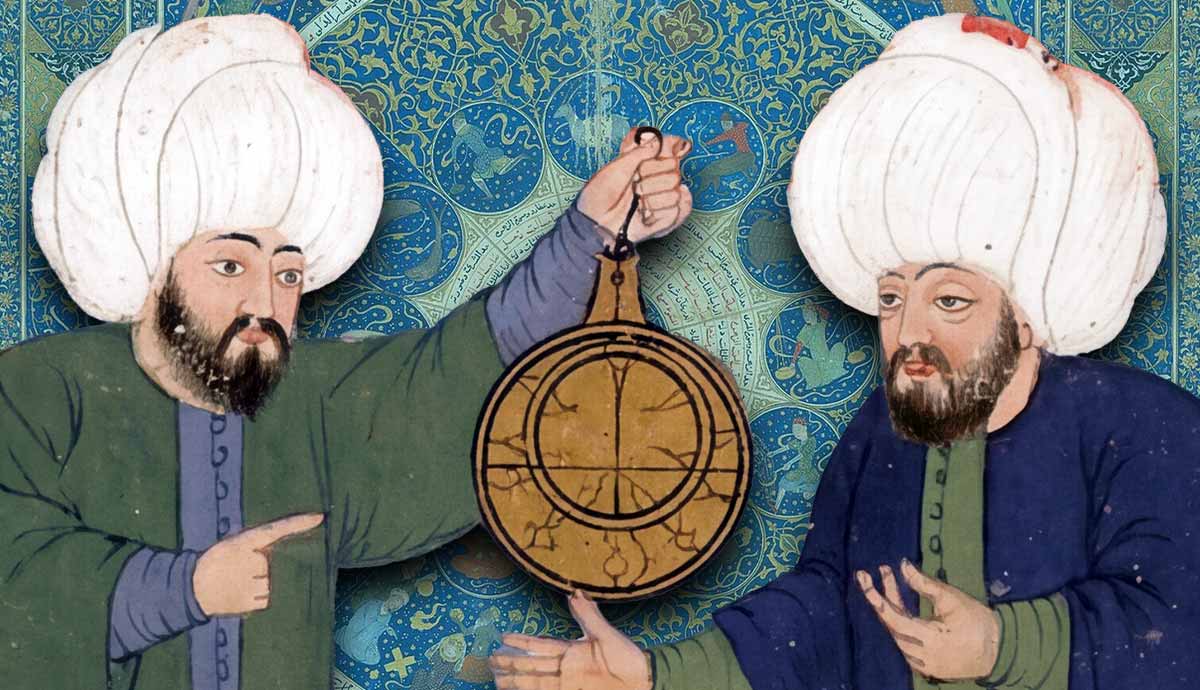
WWW.THECOLLECTOR.COMHow and When Did Astrology Influence the Ottoman Empire?Court astrologers served as prominent advisors, counseling sultans on auspicious periods for declaring war, issuing decrees, and even giving birth. Whether it was superstition or science, court astrologers supported five centuries of Ottoman rule under one dynastic family, a feat most European empires never accomplished.Institutionalization of the Court Astrologers(Left) Ottoman miniature of an armillary sphere being used by a court astrologer, by an unknown artist, c. 16th century. Source: Istanbul University Library / Wikimedia Commons. (Right) Horoscope of Prince Iskandar, by an unknown court astrologer, 1411. Source: The Wellcome Collection / Wikimedia CommonsSince the 9th century AD, celestial studies played a crucial role in Islamic faith traditions, scholarship, and navigation. Astrology was not viewed as esoteric fortune-telling but a science of the stars. Bayezid II formalized astrological practices into an institutionalized court position by the late 15th century. One mneccimba, chief astrologer, was appointed by the sultan to lead a team of astrologers called munajjims.The munajjims became world-renowned astronomers. Aspiring court astrologers studied at the medrese and underwent rigorous training in geometry, astronomy, instrumentation, theology, and law. For instance, the mneccimba Taqi-al-Din produced some of the most sophisticated and accurate astronomical observatories and tools in the early-modern world.Military Campaigns: Waging War and Laying SiegeSiege of Constantinople by Philippe de Mazerolles, c. 1460. Source: Gallica Digital Library / Wikimedia CommonsAstrology was consulted for military campaigns to decide when to declare war. For instance, astrologers were a key influence in Mehmed IIs conquest of Constantinople.After a month of high casualties and little success, Mehmeds advisors suggested abandoning the siege.Yet on May 22, 1453, a lunar eclipse shone a blood red moon over the city. Astrologers argued that the eclipse fulfilled a prophecy about the fall of the city. Embracing this interpretation, Mehmed II launched his final assault on May 29, 1453, and defeated the Eastern Roman Empire. Court astrologers remained a prominent part of military planning for the next 400 years.Imperial Politics: Decisions, Decrees, and AuthorityIllustration of the 1577 comet being observed by an Ottoman astrologer, Taqi al-Din from the Nusretnme, c. 1584. Source: Wikimedia Commons and Topkapi PalaceCourt astrologers were also involved in politics. They forecast when to appoint the grand vizier and issue imperial decrees. They also assessed the political risk of celestial events. Eclipses and comets were interpreted either as omens of triumph and success or periods of plague, natural disaster, invasions, or riots.However, if a chief astrologer fell out of political favor, they found themselves arrested, exiled, or in extreme cases, executed. For example, Taqi ad-Din was shunned after misinterpreting a comet in 1577. While he saw the comet as a sign of a future conquest of Persia, a horrific plague instead maimed the empire. Political and religious leaders opposing Taqi ad-Din condemned the plague as divine punishment for his new observatory. In 1580, Murad III (r. 1574-1595) bombed the complex into rubble.Dynastic Planning: Marriages, Births, and AccessionsMiniature of firework and evening imperial celebrations from Surname-i Hmayun, by unknown artist, 1720. Source: Wikimedia Commons / Topkapi Palace MuseumCourt astrologers were tasked with forecasting the upcoming year for the imperial family. Almanacs and calendars offered personal horoscopes and timing advice for members of the royal household. They advised on when to host imperial events, royal weddings, circumcision ceremonies for young princes, give birth, travel, and begin education.However, not all sultans heeded the advice of court astrologers. Some dismissed the practice on religious grounds, whereas others simply viewed it with skepticism. For example, Sultan Selim III (r. 1789-1807) did not believe in astrological forecasting. Yet, he still permitted the work of astrologers as an ingrained custom of the imperial court.Timekeeping: Court Calendars, Almanacs, and Call to PrayerOttoman astronomers at the Istanbul Observatory during the late 16th century, cropped section, by Ala ad-Din Mansur-Shirazi, c. 1574-1595. Source: Wikimedia Commons / Istanbul University LibraryTimekeeping was another crucial role of court astrologers. The chief court astrologer oversaw and administered the muvakkithanes, the official timekeeping offices attached to mosques. He was also tasked with producing the annual takvim, or court calendar. This calendar merged Islamic dates with planetary calculations to schedule the most favorable dates for Ramadan, religious feast days, state ceremonies, fasting schedules, and horoscopes.The calendars were held in such high regard that they were presented to the sultan in a dedicated ceremony as part of the annual New Year Nevruz festivities. During the ceremony, the sultan would be handed the takvim by the chief astrologer, who, in return, received a gift from the sultan.0 Commentarii 0 Distribuiri 5 Views -
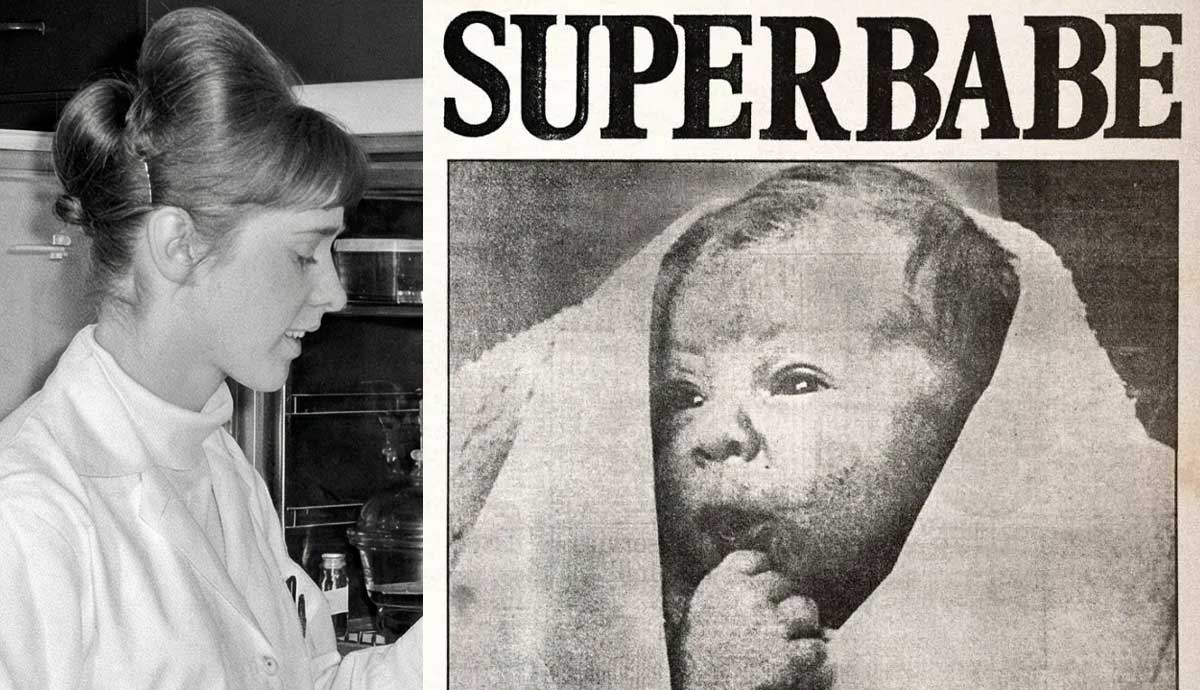
WWW.THECOLLECTOR.COMHow Jean Purdy Oversaw the First Successful IVF Treatment But Was Almost ForgottenIf youve ever heard of in vitro fertilization (the process of moving a fertilized egg outside the body to a mothers womb), you probably know the names Robert Edwards and Patrick Steptoethe doctor and scientist duo credited with the first test tube baby live birth. Yet, there was a third professional in the room, one without whom the entire field of reproductive medicine might have stalled before it ever began. Her name was Jean Purdy, and while the men won prizes and entries in history books, she was the one running the lab, managing the data, and making sure the microscopic miracles actually happened (and sometimes providing the calming voice when those two mens two big personalities came into conflict).Who Was Jean Purdy? The Woman Behind the ScienceJean Purdy in Lab. Source: IMDbJean Purdy was born in Cambridge in 1945, the second child and only daughter of George and Gladys Purdy and a member in a solidly middle class family. Her father worked as a technician in the University of Cambridges Chemistry Department. While he wasnt a professor, he was immersed in an environment of inquiry and discovery. Maybe that rubbed off on Jean; she was destined to become a key figure in one of the most groundbreaking medical advancements of the 20th century.At school, Jean was diligent, well-liked, and multi-talented, if quiet. She played violin in the orchestra, joined sports teams, and served as a prefecta sign that even as a teenager, she had a natural scholarly air about her. Her final school report praised her pleasant personality and ability to get on with other people, making it clear that whatever she pursued, shed do it with warmth and intelligence.She trained as a nurse at Addenbrookes Hospital in Cambridge and later worked at Southamptons Chest Hospital. Her tenure there ended because she was homesick, so she took the opportunity to move back and take up a position at Papworth Hospital. There she assisted in Britains pioneering heart transplant program. In 1968, she made an unexpected pivot in her specialty that would forever change her career trajectory. At just 23 years old, she applied for a research assistant position with Cambridge physiologist Robert Edwards. She had no formal lab experience, but what she lacked in technical training, she made up for in sharpness, adaptability, and an inexhaustible work ethic.Example of Memorial in which Purdy is left out. Source: ResearchGateJean quickly became the nerve center of the IVF project. She managed the lab, meticulously recorded data, prepped culture media (the very liquid that would allow sperm and egg to meet and stay viable outside a living body), and reassured nervous patients. She wasnt just a partner researchershe was the kind of person who made people feel at ease. Patients described her as incredible at keeping them relaxed during a process that was experimental, stressful, and, more often than not, heartbreaking.Colleagues noted her wit, her warmth, and her ability to keep spirits high even when the research hit inevitable but disappointing roadblocks. One rumor even suggests that when Edwards nearly gave up on IVF research for a political career, it was Jean who convinced him to stay in the lab. Whether or not thats true, whats undeniable is that without her, the first baby born from medically assisted conception might never have been.The State of Fertility Treatments Before IVFTrauma Nurse, 1960s. Source: PicrylBy the time Jean Purdy joined Robert Edwards in 1968, fertility research was a field riddled with both scientific hurdles and ethical landmines. Doctors had been experimenting with ways to help infertile couples conceive for over a century, but the results were largely inconsistent, controversial, and sometimes downright deceptive.The first recorded case of artificial insemination took place in 1884, when a Philadelphia doctor secretly inseminated a woman with sperm from a medical student voted best looking in his class. Neither she nor her husband were informed until years later, which was ethically questionable at best and manipulative and unscrupulous at worst. Throughout the early 20th century, researchers explored the role of hormones in fertility, and by the 1950s, scientists had begun experimenting with fertilizing human eggs outside the body. But the path to IVF was anything but a straightforward ride.In 1965, Baltimore doctor Howard Jones worked with Robert Edwards to fertilize a human egg in vitro for the first time. By 1968, Edwards had teamed up with Patrick Steptoe in England to refine laparoscopic techniques for retrieving eggs, leading to the first documented fertilization of a human egg outside the body. However, their success only led them to discover the next seemingly insurmountable hurdle in the IVF process. They couldnt get an embryo to implant. Seven long years later, when they finally achieved pregnancy, it ended in an ectopic implantationa devastating failure that almost derailed the project entirely.Early Understanding of Ectopic Pregnancy, by Hendrik Bary, 1672. Source: PicrylMeanwhile, fertility treatments outside of IVF were making modest progress; modest but necessary. Doctors had discovered that a regular menstrual cycle was a good predictor of ovulation, leading to the development of Clomid, a drug still used today to stimulate egg production. However, inconsistent release of eggs wasnt the only reason for couples to struggle to conceive. Women with blocked fallopian tubeslike Lesley Brown, the future mother of the first IVF babywere stuck with no real options.When Edwards, Steptoe, and Purdy finally succeeded in achieving a full-term IVF pregnancy in 1978, the world reacted with a mix of awe, relief, and full-blown panic. Religious leaders condemned the procedure as outside of the Holy law, governments debated banning it, and some medical professionals dismissed it as a bizarre experiment that would never be accepted by the masses as a legitimate way to expand families.What they didnt know was that the success of IVF was just the beginningand Jean Purdy was at the center of it all. They also didnt know yet just how many people experienced the heartache of wanting children that, without IVF, they would never have, and how willing those people were to try just about anything, no matter the opprobrium cast their way, to get them.The Death and Memorial of Jean PurdyAnnouncement of Louise Joy Brown, 1978. Source: FacebookTragically, Jean Purdy never lived to see the full impact of her work. She died on March 16, 1985, before her 40th birthday from malignant melanoma, a cruel and premature end for a woman who had helped bring over 500 IVF babies into the world. As her health declined, she remained dedicated to her work, with a special room arranged for her at Bourn Hallthe worlds first IVF clinic, which she played a pivotal role in establishingso she could still be part of the team.Despite her central role in the success of IVF, Purdys contributions were largely overlooked for decades. While her colleagues, Robert Edwards and Patrick Steptoe, were publicly celebrated, she was often left out of the historical record. Even Edwards himself, on the 20th anniversary of that first live birth made possible from IVF, felt the need to set the record straight. He said frankly, There were three original pioneers in IVF, not just two.IVF Process, 2018. Source: Wikimedia CommonsPurdy was laid to rest in Grantchester churchyard, near Cambridge, beside her mother and grandmother. For years, her grave bore no mention of her groundbreaking work. It wasnt until 2018more than three decades after her passingthat she received the recognition that had been curiously withheld.That year, Louise Brown herself, the worlds first IVF baby, unveiled a new headstone honoring Purdys role in assisted conceptions development. Brown spoke about how her mother had always regarded Purdy as an unsung hero, someone whose kindness and determination had helped make having a child despite her condition a reality.Mrs. Brown wasnt the only one who remembered her that way. Grace Macdonald, mother of Alastair Macdonaldthe first IVF baby boyrecalled how Purdy had been a source of constant support. In a graveside testament, Grace shared that she felt she had a special connection to Jean, who encouraged her and helped her stay hopeful during the long IVF process.IVF Tech, Embryo Incubator. Source: Wikimedia CommonsIn addition to her memorial in Grantchester, Purdys legacy has been further honored with a blue plaque installed at the site in Greater Manchester where she, Edwards, and Steptoe had their first lab space. The Society of Biology placed the plaque at Dr. Kershaws Hospice in Oldham to memorialize where their groundbreaking work took place decades before.Purdys contributions extended far beyond her presence in the lab. She co-authored 26 academic papers on IVF between 1970 and 1985 (thats right, 26 papers in the span of only 15 years), and she was the first person in the world to recognize and describe the formation of the early human blastocysta key moment in embryonic development that laid the foundation for future advancements in reproductive medicine.Though history may have taken its time in acknowledging Jean Purdys vital role in IVF, the millions of families made possible by her work are a lasting testament to her brilliance, perseverance, and compassion. And everyday there are morearound half a million babies each year come to be because of assisted reproductive technologies.How Jean Paved the WayWoman Looking Into Microscope, 2013. Source: Wikimedia CommonsWhen Jean Purdy first used a microscope and realized she was watching the formation of the human blastocyst, she likely could not have imagined the world she was helping to create. Blastocysts are the step after the single-celled zygote that comes to be when sperm meets egg.Today, more than eight million babies have been born through in vitro fertilization (IVF), a treatment that has transformed countless lives. What started as a groundbreaking, yet controversial, experiment in the 1970s is now a well-established medical technology offered in fertility clinics and paid for by insurance or countries themselves around the world. France and Belgium lead the way in this regard, footing the bill for four to six cycles of IVF per attempted pregnancy.IVF didnt just change the way families are formed and countries are populatedit also reshaped laws, ethics, and medical education itself. In the early days, there were no legal or ethical guidelines for assisted reproductive technologies, and many viewed IVF as a sort of clinical wild west. Some religious groups opposed it, and even the British medical establishment was aloof, waiting to see if the tide of popular opinion would turn. The National Health Service (NHS) refused to fund IVF treatments in the beginning, forcing Purdy and her colleagues to establish Bourn Hall, the worlds first fertility clinic, in 1980. Today, Bourn Hall is one of over 3,000 fertility clinics worldwide, and the UKs Human Fertilization and Embryology Authority (HFEA) regulates assisted reproductive technologies to ensure the ethical and lawful treatment of patients.Nurse Preparing for Babies. Source: GetArchiveDespite Purdys role in discovery and experimentation, she was first and foremost a nurse. She helped set the standards for what it meant to be a fertility nurse, paving the way for others to enter the fieldincluding Muriel Harris, a powerhouse in her own right. As superintendent of two large hospital campuses, Harris played a pivotal role in the early IVF trials. She arranged for her staff to assist with egg retrieval procedures and even organized a team of volunteer nurses to support the research. When essential medical equipment was needed, she was often the one to procure it.Like Purdy, Harris wasnt content to stop at one groundbreaking achievement. She was one of the first nurses who stepped up to help establish Bourn Hall, and then she took to the skiesliterallyearning her private pilots license and continuing to fly planes until she was 80 years old. She, unlike Jean, would have years to discover just how much their initial work in the field of IVF mattered.Thanks to pioneers like Purdy and Harris, fertility nursing has become a specialized field with thousands of educated and caring professionals worldwide. Modern fertility nurses do far more than assist in medical proceduresthey are the guiding hands and steady voices for both women and couples navigating one of the most emotionally charged medical journeys. Their main responsibilities include: monitoring patients treatment cycles; answering questions and providing emotional support; setting up treatment protocols; coordinating care between doctors, lab technicians, and patients; and assisting with medication approvals and insurance coverage. In short, they are the active lifeblood of IVF clinics, helping to make what once seemed impossible a reality for families across the globe.Baby Born from IVF After Freezing Embryo, 1984. Source: PicrylJean Purdy may not have lived to see the full impact of her work, but her influence is there in the everyday acts of specialty nurses. The field she helped establish now supports hundreds of thousands of families each year, with laws, clinics, and medical professionals dedicated to making IVF more accessible and successful.The best tribute to Jean Purdy isnt in memorial plaques or headstonesthough she certainly earned those honorsit is in the millions of children who exist because of her work, the families that IVF made possible, and the generations of fertility nurses who now walk the path she laid brick by stubborn brick.0 Commentarii 0 Distribuiri 4 Views -
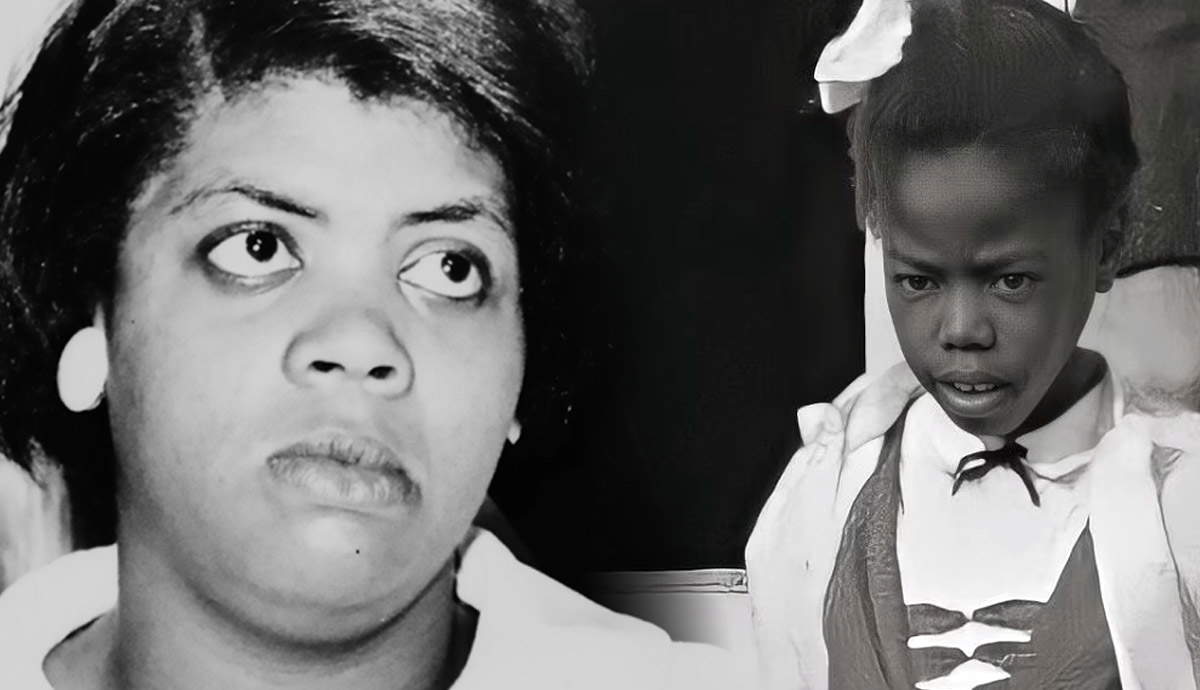
WWW.THECOLLECTOR.COMHow Brown v. Board of Education Declared Segregated Schools UnequalBrown v. Board of Education, decided in 1954, stands as a crucial moment in American legal history. The Supreme Court ruled that segregated public schools are inherently unequal. This legal decision exposed the effects of segregation on African American children. Its ripple effects ignited the Civil Rights Movement and reshaped the nations commitment to equality. Today, Brown remains a potent reminder that dismantling institutional discrimination requires bold legal action and the courage to challenge deeply entrenched societal norms.A Segregated SouthCartoon depiction of Jim Crow the name given to segregation in the South, c. 1845. Source: Wikimedia CommonsBefore Brown v. Board of Education reached the Supreme Court, segregated schools were commonplace in the United States, especially in the South, under the flawed separate but equal doctrine established by Plessy v. Ferguson in 1896.In print, segregation was legal as long as the facilities were of equal standard. In practice, however, Black children were forced to learn in overcrowded, underfunded, and dilapidated facilities, with outdated textbooks and fewer resources than white institutions. Parents, teachers, and community members witnessed firsthand how these inequities sabotaged childrens confidence and future prospects.A lack of a strong foundational secondary education limited the possibilities of African Americans to better their situation. While these students could attend segregated universities, they often lacked the knowledge and skill set required to be successful in post-secondary education. Brown v. Board of Education made plain these deep-seated differences for African American students, arguing that segregation could never be equal.By challenging the legal justification for segregated education, the case set in motion a journey for African Americans and other minorities toward equality, proving that when institutions fail to provide fair resources for all, they ultimately hurt their community by failing to properly prepare the next generation of white collar workers in all racial categories.Courage in the Face of AdversityThe Brown Family, Linda Brown Smith, Ethel Louise Belton Brown, Harry Briggs, Jr., and Spottswood Bolling Jr., c. 1964. Source: Library of CongressThe origins of Brown v. Board of Education are rooted in the tireless efforts of brave families and sound legal strategists who refused to accept education that was not equal, no matter the race of the student.In Topeka, Kansas, African American parents, outraged by the abhorrent conditions in their segregated schools, joined forces with the NAACP to challenge the status quo. Founded in 1909, the National Association for the Advancement of Colored People (NAACP), sought to fight for racial equality via the judicial system of the United States. While other organizations of the time believed in a more radical approach to justice, the NAACP sought to use the established systems against themselves.Spearheaded by a determined legal team that included a young Thurgood Marshall, future Supreme Court Justice of the United States, the case was built on the idea that segregated schooling instilled a sense of inferiority in Black children.Chief Justice Warrens majority opinion ruling on the Brown v. Board of Education case, May 31, 1955. Source: National ArchivesDetailed evidence, from major differences in the facilities between white and Black schools, to expert testimonies on the psychological damage caused by segregation, was gathered. Marshall argued with this evidence that school segregation went against the 1896 Supreme Court ruling in Plessy v. Ferguson. Known popularly as the separate but equal case, Plessy v. Ferguson had legalized segregation as long as facilities designated to each race were equal to one another. This grassroots campaign transformed local frustration into a sound legal challenge that resonated across the nation. It demonstrated that change is possible when communities unite and use the law as a tool to demand their rights. The courage of those early pioneers lit the spark for Brown v. Board of Education and set the stage for broader civil rights victories.A Challenge to Separate but EqualPlessy v. Ferguson Supreme Court Judgment, c. 1896. Source: Wikimedia CommonsBrown v. Board of Education turned the legal status quo on its head by directly challenging the separate but equal doctrine that had long justified racial segregation. Lawyers for the NAACP argued that segregation in public schools was inherently unequal because it created a stigma of inferiority that affected Black childrens self-worth and academic performance. Drawing on scientific research and personal testimonies, they demonstrated that even if facilities, such as water fountains and restrooms, could be made equal, the separation itself was damaging to a childs development.The Supreme Courts unanimous decision in 1954 rejected the idea that segregated schools could offer equal opportunities. This ruling sent a message to the entire country that the Constitutions guarantee of equal protection applied to every citizen, regardless of race. It paved the way for subsequent civil rights reforms by establishing that segregation was not just an unfortunate reality but a violation of fundamental rights. The fight to enforce the courts decision would prove to be a struggle synonymous with the gravity of the ruling itself.The Spark That Lit the Fire of a MovementRuby Bridges escorted to school by Federal Marshals in New Orleans, LA. c. 1960. Source: US Marshal ServiceThe impact of Brown v. Board of Education extended far beyond the courtroom, it ignited a powerful nationwide movement for civil rights. When the Supreme Court declared segregated schools unconstitutional, it empowered African American communities and progressive allies across the country. This decision provided a legal backing for challenging inequality in all facets of society. Activists and ordinary citizens alike took to the streets, organized boycotts, and pushed for further legislative reforms.The ruling energized movements that eventually led to landmark legislation such as the Civil Rights Act of 1964 and the Voting Rights Act of 1965. In classrooms, living rooms, and on streets, Brown became a rallying cry for those determined to dismantle racial injustice.Resistance to ChangePamphlet advertising the Ku-Klux-Klan, c. 1950. Source: State Archives FloridaDespite its groundbreaking promise, Brown v. Board of Education was met with fierce resistance, particularly in the Deep South. Many local and state officials saw the ruling as a direct attack on their way of life and responded with various tactics to delay or undermine desegregation. Some states closed public schools altogether, while others set up alternative systems, such as tuition-based private schools, that maintained racial divisions. White supremacist groups, such as the KKK, organized protests and intimidation campaigns, making the path to integration difficult and, at times, violent.This backlash revealed the entrenched nature of segregation and the deep divisions that still existed in American society. The struggle to implement the decision was marked by rocky legal battles and acts of civil disobedience. Nonetheless, the determination of civil rights activists, along with federal intervention in some cases, slowly chipped away at the barriers, proving that even the most stubborn systems of oppression could be overthrown.A Continued Fight for EqualityPresident Lyndon B. Johnson signs the Civil Rights Act of 1964 into law. Source: Wikimedia CommonsBrown v. Board of Education changed schools and arguably reshaped the entire legal framework of the United States. By overturning the separate but equal clause, the decision set a powerful precedent for the interpretation of the Equal Protection Clause of the 14th Amendment.Courts began to scrutinize practices that, while seemingly neutral, resulted in unequal outcomes for minority communities. This case provided a legal foundation for numerous subsequent rulings against racial discrimination in housing, employment, and public services. Its ripple effects were felt far beyond education, as the decision empowered civil rights activists to use the courts as a means to challenge segregation in all forms.In effect, Brown became a cornerstone of modern civil rights law, reinforcing the idea that true equality under the law requires an overhaul of policies dealing with discriminatory practices.The Legacy of Brown v. BoardEntrance to the Brown v. Board of Education National Historic Site in Topeka, Kansas, which opened in 1992, c. 2022. Source: Wikimedia CommonsMore than six decades later, the legacy of Brown v. Board of Education continues to shape American society and inspire new generations of activists. The ruling remains a powerful symbol of the potential for legal action to drive social change. Today, educators, policymakers, and civil rights advocates draw on Browns principles to address ongoing issues of inequality in schools and other public institutions. The decision is frequently cited in debates over educational funding, affirmative action, and racial disparities in academia.Brown v. Board of Education serves as a reminder that the fight for equality is an ongoing process, one that requires a commitment to justice. Its impact underscores the belief that every generation must continue to challenge injustice, ensuring that the promise of equal opportunity is fully realized for all.0 Commentarii 0 Distribuiri 4 Views -
WWW.DUALSHOCKERS.COMBluey's Quest for the Gold Pen Review: A Rainy Day Made WhimsicalBluey's Quest for the Gold Pen is the second console and PC game based on this beloved series, and it addresses a number of criticisms that Bluey: The Videogame received without compromising the quality or feeling of the game. Similar to the first game, Bluey's Quest for the Gold Pen is the gold standard of game design for younger players, and it avoids many features that can make children's video games annoying or bland.0 Commentarii 0 Distribuiri 5 Views