


WWW.THECOLLECTOR.COM
How Brown v. Board of Education Declared Segregated Schools Unequal
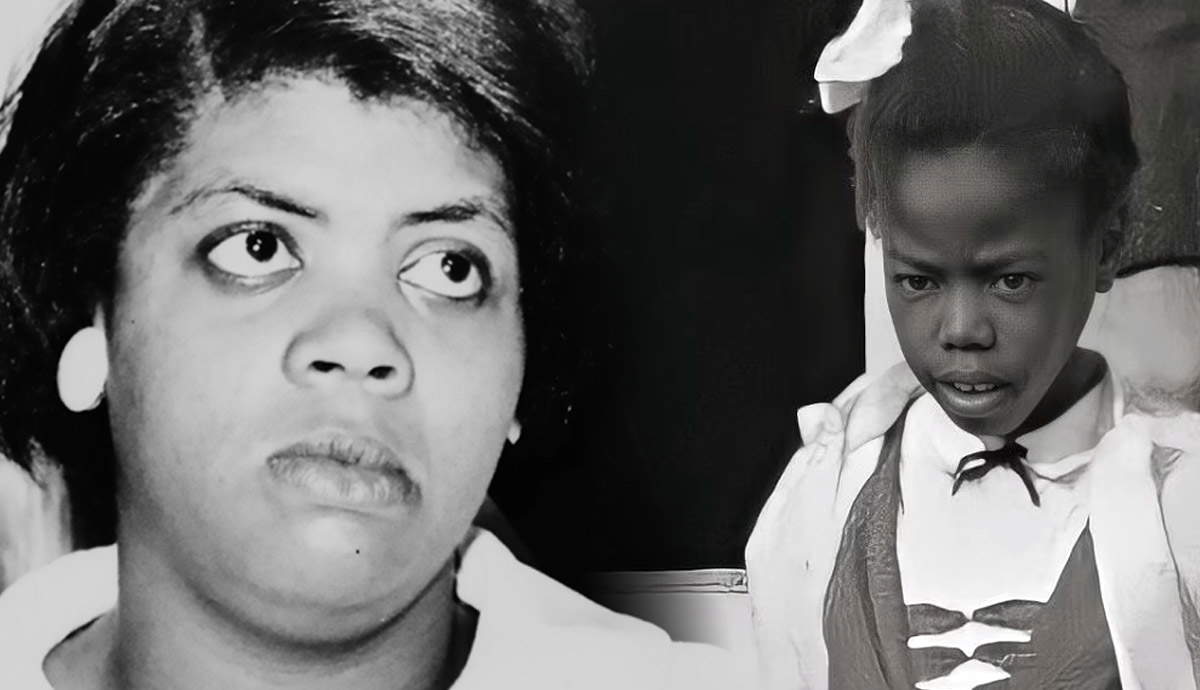
Brown v. Board of Education, decided in 1954, stands as a crucial moment in American legal history. The Supreme Court ruled that segregated public schools are inherently unequal. This legal decision exposed the effects of segregation on African American children. Its ripple effects ignited the Civil Rights Movement and reshaped the nations commitment to equality. Today, Brown remains a potent reminder that dismantling institutional discrimination requires bold legal action and the courage to challenge deeply entrenched societal norms.A Segregated SouthCartoon depiction of Jim Crow the name given to segregation in the South, c. 1845. Source: Wikimedia CommonsBefore Brown v. Board of Education reached the Supreme Court, segregated schools were commonplace in the United States, especially in the South, under the flawed separate but equal doctrine established by Plessy v. Ferguson in 1896.In print, segregation was legal as long as the facilities were of equal standard. In practice, however, Black children were forced to learn in overcrowded, underfunded, and dilapidated facilities, with outdated textbooks and fewer resources than white institutions. Parents, teachers, and community members witnessed firsthand how these inequities sabotaged childrens confidence and future prospects.A lack of a strong foundational secondary education limited the possibilities of African Americans to better their situation. While these students could attend segregated universities, they often lacked the knowledge and skill set required to be successful in post-secondary education. Brown v. Board of Education made plain these deep-seated differences for African American students, arguing that segregation could never be equal.By challenging the legal justification for segregated education, the case set in motion a journey for African Americans and other minorities toward equality, proving that when institutions fail to provide fair resources for all, they ultimately hurt their community by failing to properly prepare the next generation of white collar workers in all racial categories.Courage in the Face of AdversityThe Brown Family, Linda Brown Smith, Ethel Louise Belton Brown, Harry Briggs, Jr., and Spottswood Bolling Jr., c. 1964. Source: Library of CongressThe origins of Brown v. Board of Education are rooted in the tireless efforts of brave families and sound legal strategists who refused to accept education that was not equal, no matter the race of the student.In Topeka, Kansas, African American parents, outraged by the abhorrent conditions in their segregated schools, joined forces with the NAACP to challenge the status quo. Founded in 1909, the National Association for the Advancement of Colored People (NAACP), sought to fight for racial equality via the judicial system of the United States. While other organizations of the time believed in a more radical approach to justice, the NAACP sought to use the established systems against themselves.Spearheaded by a determined legal team that included a young Thurgood Marshall, future Supreme Court Justice of the United States, the case was built on the idea that segregated schooling instilled a sense of inferiority in Black children.Chief Justice Warrens majority opinion ruling on the Brown v. Board of Education case, May 31, 1955. Source: National ArchivesDetailed evidence, from major differences in the facilities between white and Black schools, to expert testimonies on the psychological damage caused by segregation, was gathered. Marshall argued with this evidence that school segregation went against the 1896 Supreme Court ruling in Plessy v. Ferguson. Known popularly as the separate but equal case, Plessy v. Ferguson had legalized segregation as long as facilities designated to each race were equal to one another. This grassroots campaign transformed local frustration into a sound legal challenge that resonated across the nation. It demonstrated that change is possible when communities unite and use the law as a tool to demand their rights. The courage of those early pioneers lit the spark for Brown v. Board of Education and set the stage for broader civil rights victories.A Challenge to Separate but EqualPlessy v. Ferguson Supreme Court Judgment, c. 1896. Source: Wikimedia CommonsBrown v. Board of Education turned the legal status quo on its head by directly challenging the separate but equal doctrine that had long justified racial segregation. Lawyers for the NAACP argued that segregation in public schools was inherently unequal because it created a stigma of inferiority that affected Black childrens self-worth and academic performance. Drawing on scientific research and personal testimonies, they demonstrated that even if facilities, such as water fountains and restrooms, could be made equal, the separation itself was damaging to a childs development.The Supreme Courts unanimous decision in 1954 rejected the idea that segregated schools could offer equal opportunities. This ruling sent a message to the entire country that the Constitutions guarantee of equal protection applied to every citizen, regardless of race. It paved the way for subsequent civil rights reforms by establishing that segregation was not just an unfortunate reality but a violation of fundamental rights. The fight to enforce the courts decision would prove to be a struggle synonymous with the gravity of the ruling itself.The Spark That Lit the Fire of a MovementRuby Bridges escorted to school by Federal Marshals in New Orleans, LA. c. 1960. Source: US Marshal ServiceThe impact of Brown v. Board of Education extended far beyond the courtroom, it ignited a powerful nationwide movement for civil rights. When the Supreme Court declared segregated schools unconstitutional, it empowered African American communities and progressive allies across the country. This decision provided a legal backing for challenging inequality in all facets of society. Activists and ordinary citizens alike took to the streets, organized boycotts, and pushed for further legislative reforms.The ruling energized movements that eventually led to landmark legislation such as the Civil Rights Act of 1964 and the Voting Rights Act of 1965. In classrooms, living rooms, and on streets, Brown became a rallying cry for those determined to dismantle racial injustice.Resistance to ChangePamphlet advertising the Ku-Klux-Klan, c. 1950. Source: State Archives FloridaDespite its groundbreaking promise, Brown v. Board of Education was met with fierce resistance, particularly in the Deep South. Many local and state officials saw the ruling as a direct attack on their way of life and responded with various tactics to delay or undermine desegregation. Some states closed public schools altogether, while others set up alternative systems, such as tuition-based private schools, that maintained racial divisions. White supremacist groups, such as the KKK, organized protests and intimidation campaigns, making the path to integration difficult and, at times, violent.This backlash revealed the entrenched nature of segregation and the deep divisions that still existed in American society. The struggle to implement the decision was marked by rocky legal battles and acts of civil disobedience. Nonetheless, the determination of civil rights activists, along with federal intervention in some cases, slowly chipped away at the barriers, proving that even the most stubborn systems of oppression could be overthrown.A Continued Fight for EqualityPresident Lyndon B. Johnson signs the Civil Rights Act of 1964 into law. Source: Wikimedia CommonsBrown v. Board of Education changed schools and arguably reshaped the entire legal framework of the United States. By overturning the separate but equal clause, the decision set a powerful precedent for the interpretation of the Equal Protection Clause of the 14th Amendment.Courts began to scrutinize practices that, while seemingly neutral, resulted in unequal outcomes for minority communities. This case provided a legal foundation for numerous subsequent rulings against racial discrimination in housing, employment, and public services. Its ripple effects were felt far beyond education, as the decision empowered civil rights activists to use the courts as a means to challenge segregation in all forms.In effect, Brown became a cornerstone of modern civil rights law, reinforcing the idea that true equality under the law requires an overhaul of policies dealing with discriminatory practices.The Legacy of Brown v. BoardEntrance to the Brown v. Board of Education National Historic Site in Topeka, Kansas, which opened in 1992, c. 2022. Source: Wikimedia CommonsMore than six decades later, the legacy of Brown v. Board of Education continues to shape American society and inspire new generations of activists. The ruling remains a powerful symbol of the potential for legal action to drive social change. Today, educators, policymakers, and civil rights advocates draw on Browns principles to address ongoing issues of inequality in schools and other public institutions. The decision is frequently cited in debates over educational funding, affirmative action, and racial disparities in academia.Brown v. Board of Education serves as a reminder that the fight for equality is an ongoing process, one that requires a commitment to justice. Its impact underscores the belief that every generation must continue to challenge injustice, ensuring that the promise of equal opportunity is fully realized for all.
0 Comments
0 Shares
11 Views

 Arabic
 French
 Spanish
 Portuguese
 Deutsch
 Turkish
 Dutch
Dutch
 Italiano
 Russian
 Romaian
 Portuguese (Brazil)
 Greek
Greek