0 Comentários
0 Compartilhamentos
38 Visualizações
Diretório
Elevate your Sngine platform to new levels with plugins from YubNub Digital Media!
-
Faça o login para curtir, compartilhar e comentar!
-
The biggest announcements from The Android Show: I/O EditionThe Android Show I/O Edition: All the biggest announcements Google I/O 2026 takes place on May 19, but today, Google hosted a livestreamed warm-up event called The Android Show: I/O Edition. As you might have guessed, it's mostly focused on Android news. In the past, Google I/O was focused on new Android developments. Now, Google...0 Comentários 0 Compartilhamentos 60 Visualizações
-
WWW.UNIVERSETODAY.COMIn Quantum Gravity, the Cosmological Constant May Behave Similar To The Quantum Hall EffectThe cosmological constant has been a problem in physics since Einstein, but new research may show why it takes the value that it does despite quantum fluctuations that should make its value practically infinite.0 Comentários 0 Compartilhamentos 5 Visualizações -
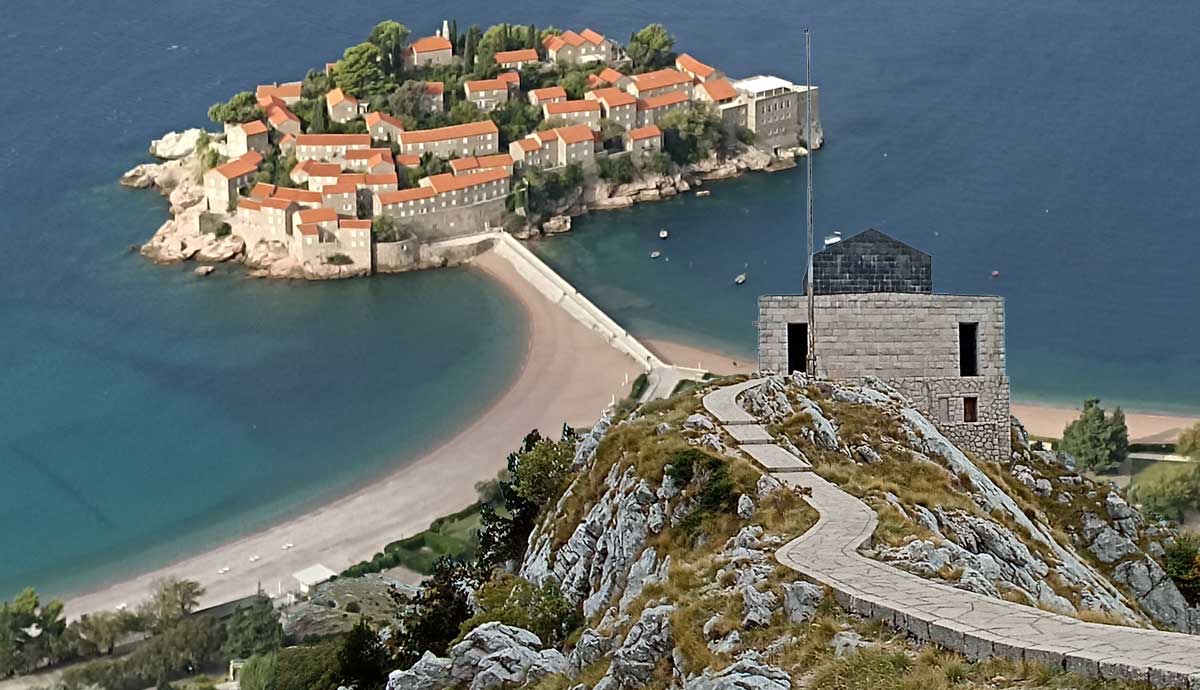
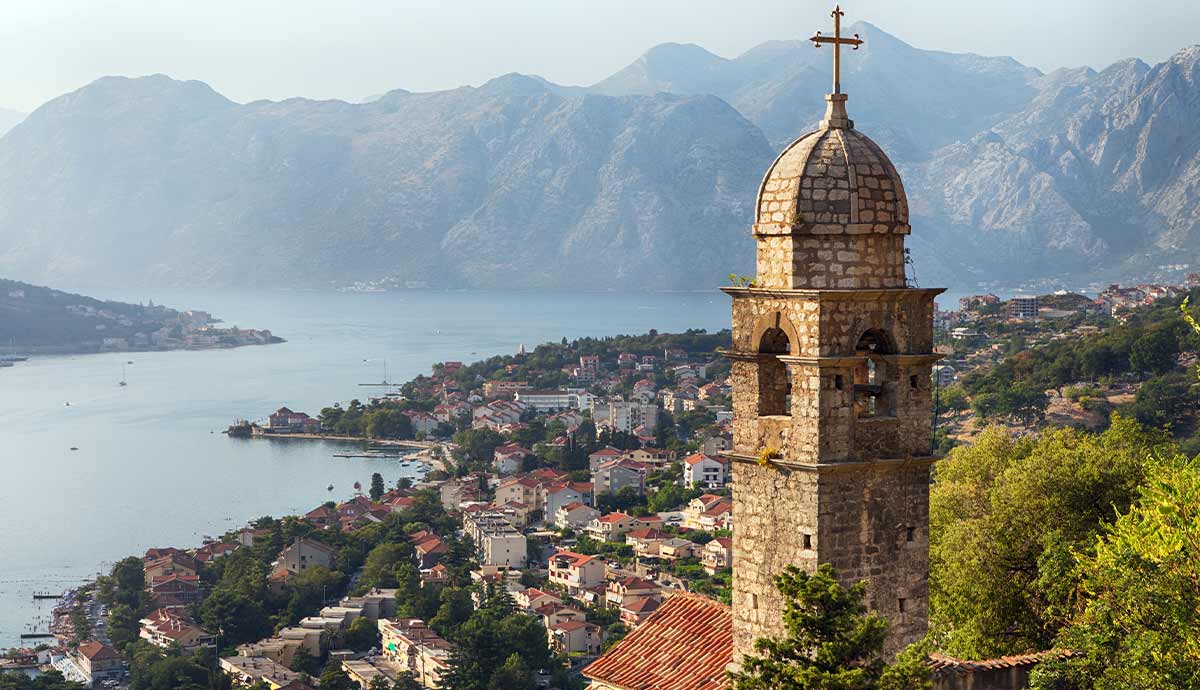
WWW.THECOLLECTOR.COM6 Historic Capitals and Seaside Fortresses of MontenegroLocated on the Adriatic coast between Croatia and Albania, Montenegro is a small country known for its natural beauty. While Montenegros beaches and mountains are its chief attraction, The country also has much to offer for discerning travelers with an interest in the Montenegros rich history, which combines strong Venetian, Ottoman, and Serbian influences with a distinct Montenegrin national identity. Much of Montenegros history can be found within the walls of the cities and fortresses below.1. St Johns Fortress, KotorSt Johns Fortress and the Bay of Kotor. Photograph by Jimmy Chen, 2025. Source: Jimmy ChenThe port town of Kotor located on the eastern part of the eponymous Bay of Kotor is one of Montenegros most popular tourist destinations. The town owes its status as a UNESCO World Heritage Site to four centuries of Venetian rule between 1420 and 1797, when it was known by the Italian name of Cattaro.Kotors well-preserved network of fortifications surround the triangular Old Town and extend up the steep western slopes of Mount Lovcen to the Fortress of St John, built by the Venetians on the site of a Byzantine fortress. After the fortifications were severely damage during a major earthquake in 1979, significant repairs were carried out in the early 2000s to develop the site as a tourist attraction.Visitors can reach the fortress either by climbing the stairs along the ramparts from the Old Town, or by taking the Kotor Ladder, an old mule track behind the town which leads up towards Mount Lovcen and beyond towards the old capital of Cetinje.While the crumbling structures at the top of the fortress are of limited interest in themselves, the climb to the top offers unforgettable panoramic views of the Bay of Kotor and the Old Town below.Kotor Town Walls. Photograph by Jimmy Chen, 2025. Source: Jimmy ChenThe small Old Town below the fortress has also plenty to offer to visitors. While it is worthwhile to simply get lost among its narrow streets and alleyways, Kotors main attractions include St Tryphons Cathedral, a 12th century Romanesque building catering to the Roman Catholic population, and the domed Orthodox Church of St Nicholas from the early 20th century.Like the other towns along the bay, Kotors history is closely connected to the sea. The Kotor Maritime Museum offers visitors the opportunity to learn about the maritime heritage of the town and the wider Bay of Kotor. During the 18th and 19th centuries, several sailors from the Bay of Kotor went on to achieve great distinction with the Russian and Austro-Hungarian navies. Matija Zmajevi from nearby Perast entered Russian service in 1712 and played a major role in the victory over the Swedish fleet at the Battle of Gangut in 1714 and was later promoted to vice-admiral. Kotor is also known for its large feline population and visitors can enter the small Kotor Cats Museum for a small fee.2. The Fortified Island of Sveti StefanThe island of Sveti Stefan from the Church of St Sava. Photograph by Jimmy Chen, 2025. Source: Jimmy ChenThe fortified island of Sveti Stefan is one of the most picturesque spots on the Montenegrin coast. A few miles south of Budva, the island was home to the Patroviiclan and served as a haven for anti-Ottoman pirates during the 15th century. The extant fortifications were built by the Venetians in the 16th century.From the 1960s onwards, the island began to attract a clientele of celebrities including Marilyn Monroe, Sophia Loren, Princess Margaret, and Elizabeth Taylor. While tourism was disrupted by the Yugoslav Wars in the 1990s, Sveti Stefan has experienced a revival after Montenegro gained independence from Serbia in 2006.Since 2009, the island itself is part of a private 5-star hotel resort alongside the nearby Villa Miloer, built in the 1930s for Queen Marija Karaorevi, the widow of the assassinated King Alexander I of Yugoslavia.Although it is no longer possible to visit the island without emptying your pockets for a stay at the Aman Sveti Stefan resort, the small village on the mainland has a stretch of beach and a quaint charm of its own. Roadtrippers with access to a car can drive up the mountains to the viewpoint at the Church of St Sava for the picture postcard view of the island.3. The Old Royal Capital of CetinjeCetinje Monastery. Photograph by Jimmy Chen, 2025. Source: Jimmy ChenA quiet little town of some 12,000 people, Cetinje is the old royal capital of Montenegro and one of the most significant sites in Montenegrin history. Founded by Ivan Crnojevic in 1478, Cetinje was home to the prince-bishops of Montenegro between 1516 and 1852.While Montenegro was conquered by the Ottoman Empire in 1496, the Montenegrins who retreated inland into the mountains continued their armed resistance and maintained a considerable degree of autonomy from the Turks. During the 16th and 17th centuries, Montenegrins often fought alongside the Venetians in their wars with the Ottoman Empire.During the reign of Metropolitan Danilo between 16971735, the office of prince-bishop or vladika was transformed into a hereditary possession of the House of Petrovi-Njego. Since officeholders had to be celibate, this typically meant that the succession passed to cousins or nephews.The vladika exercised his power from Cetinje Monastery, founded by Ivan Crnojevic in the 1480s and restored by Metropolitan Danilo in the early 1700s. Danilo was the first Montenegrin ruler to seek protection from the Russian Empire, although this did not prevent the Ottomans from launching occasional incursions into Montenegro in the 18th century.Montenegro reached new heights in the 19th century under prince-bishops Petar I and Petar II. The former ruled for almost half a century between 1782 and 1830 and was a talented military leader and statesman who centralized power and steered the country through the Napoleonic Wars. He wascanonized as Saint Peter of Cetinje shortly after his death.Mausoleum of Prince-Bishop Petar II Petrovic-Njegos. Photograph by Jimmy Chen, 2025. Source: Jimmy ChenPetar I was succeeded by his teenage nephew Rade Petrovi, who assumed the throne as Petar II. Although he achieved less military glory than his uncle, Petar II established formal political institutions. Known as Njego to most Europeans, he is also revered as Montenegros national poet, and his epic poem The Mountain Wreath is considered the Serbian national epic. (The Montenegrins considered themselves Serbs until the 20th century.)In 1838, Petar II began construction of a new palace near the Cetinje Monastery known as Biljarda after its billiards table. Following Petars death in 1851, he was buried in a mausoleum on Mount Lovcen, the black mountain that gives Montenegro its name. Both Biljarda and the Njego Mausoleum are managed by the National Museum of Montenegro.In 1852, Petars nephew and successor Danilo II transformed his realm into a secular principality. Danilo left no son after his assassination in 1860 and was succeeded by his nephew Nikola, who extended Montenegros frontiers to the Adriatic coast after capturing the fortresses of Bar and Ulcinj from the Ottomans, leading to formal recognition of Montenegrin independence in 1878.Nikola became the first and only king of Montenegro in 1910 but was forced into exile during World War I prior to the abolition of the monarchy in 1918. Between 1867 and 1916, he lived at the Cetinje Royal Palace opposite Biljarda. The two-story palace is now a museum that houses the crown jewels of Montenegro and other exhibits connected to Montenegrin royalty. The neo-Renaissance Government House built in 1910 to house the royal administration is home to the National Museum of History and Art.Although the Montenegrin monarchy was never restored, Cetinje remains an important center of Montenegrin national identity, and the Blue Palace in Cetinje serves as the official residence of the President of Montenegro.4. Stari Bar FortressThe Walls of Stari Bar Fortress. Photograph by Jimmy Chen, 2025. Source: Jimmy ChenThe port of Bar in southern Montenegro was known in antiquity as Antibari since it lies across the Adriatic from the port city of Bari in southern Italy. After several hundred years of Slavic rule between the 6th and 14th centuries AD, Bar developed rapidly under two centuries of Venetian rule until it was captured by the Ottomans in 1570. The Ottomans ruled the port for three centuries until it was successfully besieged by Prince Nikola in 1878.Bar is divided into the modern port of Bar on the Adriatic coast, and the town of Stari Bar or Old Bar around two miles inland. Located on a hill overlooking the coast, the Fortress of Stari Bar remains largely intact. Visitors can climb up the walls of the citadel for panoramic views of the region and wander through the well-preserved old town.Stari Bar was largely abandoned following the 1979 earthquake that damaged the 16th century aqueduct that supplied water to the town. The population relocated to the coast and built the modern town. A summer palace built by Prince Nikola in the 1880s now serves as the city museum. Another impressive landmark in the modern town is the towering Church of St John Vladimir, built between 2006 and 2016.5. Budva CitadelView of Budva Old Town from Budva Citadel. Photograph by Jimmy Chen, 2025. Source: Jimmy ChenAround 25 miles up the coast from Bar, Budva is the largest city on the Montenegrin coast and a major tourist hotspot. Founded as a Greek trading settlement in the 5th century BC, the city is known for its attractive Old Town built during the period of Venetian rule between the 15th and 18th centuries. Visitors can learn more about the citys history in the small Budva City Museum in the Old Town.Budvas imposing citadel is integrated into the city walls at the southern end of the Old Town. For a small fee, visitors can climb up the ramparts to enter the citadel, where they will find a large library, a small collection of model ships, and panoramic views of the city and the so-called Budva Riviera.After wandering through the streets of the Old Town and admiring the views from the citadel, visitors can relax at the Mogren beach, accessible via a passage carved through the cliff. A short distance to the south of Budvas Old Town lies the island of Sveti Nikola. It is a popular excursion for visitors to the city and has been ambitiously nicknamed Hawaii by local tour operators. Boat tours run on a regular basis from the city pier, around 15 minutes away from the Old Town by foot.6. Fort Lesendro, Lake SkadarLake Skadar and the ruins of Fort Lesendro to the right. Photograph by Jimmy Chen, 2025. Source: Jimmy ChenStraddling the border between Montenegro and Albania, Lake Skadar is the largest lake in southern Europe. Known for its rich biodiversity, the northern shore of Lake Skadar was home to the medieval Serbian principalities of Duklja (10th-12th centuries AD) and Zeta (12th-15th centuries AD).After the Crnojevi dynasty seized control of Zeta in the mid-15th century, the fortress of abljak Crnojevia near the lake briefly served as Zetas capital until 1478, when the Ottomans captured the Albanian city of Shkodr at the southern end of the lake. After retreating from abljak, Ivan set up his new base at Cetinje in the mountains.The Montenegrins reoccupied the northern shore of Lake Skadar in 1832 and Prince-Bishop Petar II built Fort Lesendro to protect the entrance to the lakes northern section and to collect customs revenue. However, after eleven years the fortress fell to the Ottomans in 1843, and Petar II spent the rest of his reign unsuccessfully trying to take it back. The fortress returned to Montenegrin control after Prince Nikolas victory over the Ottomans in 1878.In April 1913, Montenegrin troops captured Shkodr and the lake from the Ottomans after a six-month siege with the loss of some 10,000 men. Their costly success was short-lived as Montenegro was soon forced by the great powers to cede the city to newly independent Albania.Since Fort Lesendro is next to a busy highway and railway line, it is not recommended to visit on foot. The fort can be seen from Vranjina on the eastern shore, where the Lake Skadar Visitor Information Center is located. Visitors can get a closer to the fort by taking the many boat tours of Lake Skadar from Vranjina or from Virpazar on the other side of the lake.0 Comentários 0 Compartilhamentos 6 Visualizações -
WWW.THECOLLECTOR.COMKotor Is Montenegros Medieval Jewel Where History Is Still AliveOn April 15, 1979, an earthquake in southern Montenegro measuring 6.9 on the Richter scale devastated a host of towns along Montenegros Adriatic coast. In the small city of Kotor, the attractive Old Town and its Venetian walls suffered extensive damage. While Kotor received financial support from UNESCO in its rebuilding work, Montenegro experienced further instability with the collapse of Yugoslavia in the 1990s. Discover the history of Kotor and its extraordinary revival as one of Montenegros top tourist destinations.Early HistorySt Tryphons Cathedral in Kotor. Photograph by Jimmy Chen, 2025. Source: Jimmy ChenThe city of Kotor is located at the southeastern end of the Bay of Kotor, a secluded inlet on the Adriatic Coast. In antiquity, The Bay of Kotor was originally inhabited by the Illyrians, and the town of Risan at the northern end of the bay served as the base for Queen Teuta, who was known for leading a pirate fleet against the Romans in the late 3rd century BC.Kotor itself is traditionally associated with the Roman settlement of Ascrivium or Acrivium, first mentioned in 168 BC when the kingdom of Illyria was conquered by the Romans and transformed into the province of Illyricum. Ascrivium was on the Roman road that connected Aquileia in northern Italy to Dyrrachium, present-day Durrs in Albania.The Bay of Kotor was occupied by the Ostrogoths after the fall of the Western Roman Empire. Shortly after conquering the city, Byzantine emperor Justinian the Great built a fortress on the hill overlooking the city in 535 AD, which was known by the Byzantines as Dekatera. The city remained in Byzantine hands but was sacked by Muslim raiders in the 9th century. The local population took refuge in the hilltop fortress and the city was rebuilt by Slavic lords, who called the place Kotor.One of the oldest buildings in Kotor is the cathedral of St Tryphon, dedicated to a 3rd century Christian martyr. The first cathedral on the site was built in 809 after the remains of the saint were brought from Constantinople. The present structure was built in the 12th century and consecrated in 1166. After suffering heavy damage during an earthquake in 1667, the Romanesque cathedral was rebuilt with two towers adorning the faade.The Venetian Golden AgeTown Walls of Kotor. Photograph by Jimmy Chen, 2025. Source: Jimmy ChenIn the 11th and 12th centuries, Kotor was part of the Serb duchy of Duklja, whose allegiances switched between the Bulgarian and Byzantine empires. In 1185, Kotor was conquered by the Serbian prince Stefan Nemanja, whose son Stefan II Nemanjic founded the kingdom of Serbia in 1217. During two centuries of Nemanjic rule, Kotor was granted considerable autonomy and thrived as the most important trading port within the Serbian kingdom.In the decades after the disintegration of the Serbian empire in 1371, Kotor changed hands between the Republic of Venice, the kingdom of Hungary, and the kingdom of Bosnia. Although Kotor regained its independence in 1391, the threat from the Ottoman Empire led city elders to seek protection from Venice. In July 1420, Pietro Loredan took possession of Kotor, which was incorporated into the Venetian province of Albania Veneta.Kotor often found itself at the frontline of hostilities between the Ottomans and the Venetians, but Venetian rule also gave Kotor its iconic fortifications. Kotors walls resisted several Ottoman sieges in 1539, 1569, 1572, and 1657. After these walls were damaged by the earthquake in 1667, the Venetians refortified the city and raised fortifications up to the hilltop fortress of St John.Panoramic View of Kotor Old Town and Bay of Kotor. Photograph by Jimmy Chen, 2025. Source: Jimmy ChenKotors Old Town takes the form of a roughly equilateral triangle, nestled between the foothills of Mount Lovcen to the east, the sea to the west, and the River Scurda to the north. Together with the walls and the Fortress of St John, these natural features made Kotor a formidable defensive bastion, ensuring that it remained under Venetian control for almost four centuries.There are three gates built into the walls of the Old Town. At the southern tip of the triangle, the Gurdic Gate leads south towards Budva. The Sea Gate to the west leads to the waterfront and the port of Kotor, while the River Gate to the north leads to a bridge over the River Scurda.A short distance from the River Gate is the start of a trail known as the Ladder of Kotor. This old mule track consists of dozens of hairpin bends snaking up the southern slopes of the Scurda Canyon. For centuries, the Ladder of Kotor was the only route connecting the Adriatic Sea with the Montenegrin heartland around Cetinje and Mount Lovcen.Founded in the late 15th century, Cetinje was the capital of the prince-bishopric of Montenegro, a Serbian Orthodox realm that maintained significant autonomy from the Ottoman Empire. Under the rule of the House of Petrovic-Njegos, Montenegro became an independent principality in 1878 and a short-lived kingdom between 1910 and 1918 until it was absorbed into Yugoslavia.Between Great EmpiresBoka Navy Square, Kotor. Photograph by Jimmy Chen, 2025. Source: Jimmy ChenIn 1797, the Republic of Venice was conquered by Napoleon Bonaparte. The French revolutionary general used Venice as a bargaining chip in his negotiations with the Austrian Habsburgs, and the Treaty of Campo Formio resulted in the transfer of the Venetian lands to the Habsburg Empire in exchange for Habsburg territories in northern Italy.In 1805, after Austria was defeated at the Battle of Austerlitz, Napoleon annexed the former Venetian lands to the Kingdom of Italy, a satellite of the Napoleonic empire. Before Napoleons men could take possession, Russian admiral Dmitry Senyavins fleet occupied Kotor. The Russians were forced to withdraw in 1807 after the Franco-Russian Treaty of Tilsit.Following an administrative reorganization in 1810, Kotor became directly subordinate to the French Empire as part of the Illyrian Provinces governed from Laibach, the present-day Slovenian capital of Ljubljana. In late 1813, a British naval squadron combined with a small Montenegrin army to besiege the French garrison in Kotor, which surrendered in early 1814. Kotor returned to Austrian rule as part of the kingdom of Dalmatia and continued to be known by its Italian name of Cattaro.During more than a century of Austrian rule, Kotor expanded beyond the Old Town and became the base of the Austrian Fifth Fleet. The Austrians also built several forts in the mountains above the southern approaches to the city. In 1884, a few years after Montenegro formally obtained its independence from the Ottoman Empire, a modern road known was built to the south of Kotor to replace the Ladder of Kotor as the main road linking Kotor to Cetinje. Known as the Kotor Serpentine, the road contains 25 harpin bends and offers breathtaking views of the Bay of Kotor.The World WarsRiver (North) Gate of Kotor Old Town. Photograph by Jimmy Chen, 2025. Source: Jimmy ChenAustria-Hungary and Montenegro fought on opposing sides during the First World War. During the early stages of the conflict, French and Montenegrin forces attempted to attack the Austrian naval base at Kotor but decisively defeated. After Italy joined the Allies in May 1915, Austrian ships from Kotor steamed across the Adriatic to attack Italys east coast.Further inland, the Serbian army had been overwhelmed by the Austrians and retreated into Montenegro in autumn 1915. In January 1916, Austrian forces launched a land invasion of Montenegro from Kotor. The Allied forces were defeated at the Battle of Mount Lovcen between January 7-11, and a few days later Austrian troops marched into Cetinje and forced King Nikola of Montenegro into exile.While the Austro-Hungarian Navy remained largely intact up to 1917, as the war turned against the Central Powers, sailors in Kotor staged a mutiny in February 1918 which was suppressed within days. At the end of the war, Kotor was garrisoned by a multinational army of occupation under French command.After the war, Kotor joined neighboring Montenegro in the kingdom of Serbs, Croats, and Slovenes, renamed Yugoslavia in 1929. During World War II, Kotor was occupied by Italian forces between 1941 and 1943. After the fall of Mussolini, the city came under German occupation until its liberation by Josip Broz Titos Partisan Army on November 21, 1944. Montenegro was one seven constituent republics of the Federal Peoples Republic of Yugoslavia founded by Tito in November 1945.An Award-Winning DestinationThe Montenegrin Flag at St Johns Fortress. Photograph by Jimmy Chen, 2025. Source: Jimmy ChenFor Kotor, the second half of the 20th century proved to be as troubled as the first. Following the devastation of the 1979 earthquake, rebuilding work was supported by UNESCO, which recognized the Natural and Culturo-Historical Region of Kotor in its World Heritage list later that year.During the Yugoslav Wars in the 1990s, Kotor served as a major naval base for the Army of the Federal Republic of Yugoslavia, which was reduced to Serbia and Montenegro. Although the town of Kotor saw little direct military conflict, it gained a reputation as a hub for smuggling and organized crime.While Montenegro initially remained within the union with Serbia, in 1996 Montenegrin prime minister Milo ukanovi broke with Serbian dictator Slobodan Milosevic and began issuing demands for Montenegrin independence. Milosevics fall from power in 2000 facilitated the establishment of an independent Montenegrin state in 2006.The end of the Yugoslav Wars and the rebirth of Montenegro as an independent state has encouraged the revival of Montenegros tourism industry. In 2017, Kotor received its second UNESCO World Heritage designation after being included among six locations under the inscription Venetian Works of Defence between the 16th and 17th Centuries: Stato da Terra Western Stato da Mar.An exhibit from Kotors Cat Museum. Photograph by Jimmy Chen, 2025. Source: Jimmy ChenAlongside the town walls and the Fortress of St John, Kotors major attractions include St Tryphons Cathedral and the Orthodox Church of St Nicholas. The Maritime Museum of Kotor has three floors of exhibits across three floors of exhibits including ships models, navigation instruments, maritime paintings, portraits, and uniforms. The exhibits are built around the collection of the Boka Navy, one of the oldest seafaring fraternities in the world.Beyond its historical charm and natural beauty, Kotor is also known for its obsession with cats. Its large feline population roam the streets, fed and cared for by shop and restaurant owners. In addition to several shops selling feline memorabilia in all its various forms, the Kotor Cat Museum consists of two small rooms with its walls adorned with hundreds of pictures and postcards of cats.Kotors rich medieval history and its natural landscape have seen it become an award-winning travel destination. The city won the Lonely Planet Best in Travel award in 2016, and in 2024 Conde Nast Traveler named Kotor as Best City Break. Although Kotor is less crowded than nearby Dubrovnik in Croatia, the citys popularity with tourists has contributed to heavy traffic around the Bay of Kotor, while large cruise ships which tower over the Old Town bring an influx of tourists on a daily basis.While Kotor is the main attraction in the Bay of Kotor, visitors are also encouraged to explore other destinations in the bay. The small town of Perast boasts an impressive array of Baroque palaces, the old Illyrian capital of Risan includes a well preserved mosaic from a Roman townhouse, while Tivat combines centuries of history with modern luxury.0 Comentários 0 Compartilhamentos 6 Visualizações -
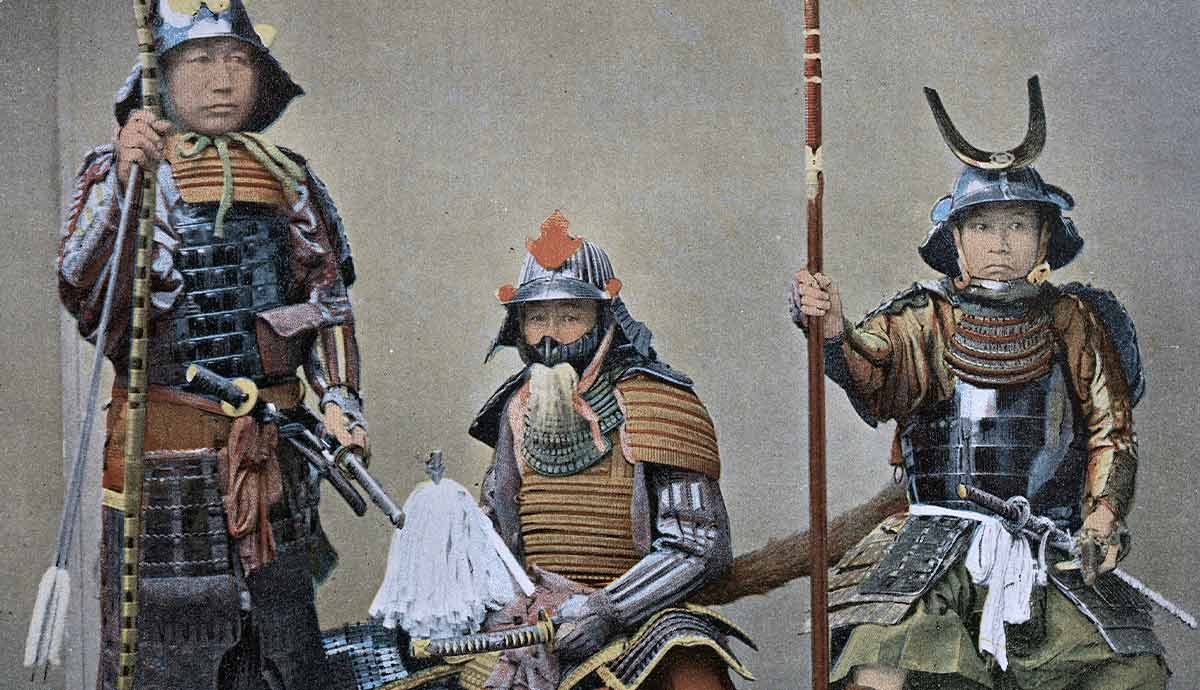
WWW.THECOLLECTOR.COMHow the Samurai Rose from Mercenaries to Monarchs of JapanA colorized photograph from 1860 of three samurai equipped with a variety of armor and weapons. Source: Wikimedia CommonsFor centuries, a group of sword-carrying fighters called the samurai served as Japans warrior class. They emerged in the late Heian period due to the need for provincial warriors, and grew to become Japans most feared fighting force. Samurai stood at the very center of Japanese life and culture from the late 12th century until their class came to an end in the 19th century. The word samurai comes from the Japanese term saburau, meaning to serve, hinting at the samurais roots as men who served the elite and landowners.Changes in Military ConscriptionPortrait of Emperor Kanmu, 16th centuryIn 794, Emperor Kammu moved the capital of Japan from Nagaoka-kyo to Heian-kyo, present-day Kyoto. The move led to the start of the Heian period, which lasted from 794 to 1185, the final stage of classical Japanese history. During this time, provincial warriors gradually gained importance. They would later form the samurai class and help bring about Japans feudal era. Although Emperor Kammu ended mass conscription in 792, he continued military campaigns to control the Emishi people in northern and eastern Japan. From then on, local fighters were chosen from the sons of local chiefs and the rural noble class. Military duty therefore changed from a burden on farmers to a respected service performed for the state and the emperor by the high-born class.The Lack of Law EnforcementThe Mts-ji portrait of Oshu-Fujiwara clan heads: clockwise, Kiyohira, Motohira and HidehiraWith the end of the peasant army system, the new fighters, known as bushi, later became known as samurai. They lived by a strict code that prized combat skill, survival, archery, loyalty, and personal honor. The samurais rise was closely linked to their service under daimyo (feudal lords). The lords gave them land and support, and the samurai offered military service and loyalty in return. Over time, the samurai gained more power. One key reason was that the ruling Fujiwara family had begun to ignore the countryside and the provinces. The Fujiwara also let the police system collapse, allowing robbers to prey on the rich. Because the court had little control outside the capital, bands of samurai stepped in to fill the gap. The bands of warriors eventually took control of large areas of land in eastern Japan, around modern Tokyo.The Rise of Rival Samurai ClansA sphere map on 1183 at Genpei War. However, it was not clearly divided in this way, and there were conflicts among Genjis as well as TairasBetween the 10th and 12th centuries, two major rival samurai clans, the Taira and the Minamoto, grew powerful by defeating weaker clans and seizing their lands and wealth. In 1160, the forces of Minamoto Yoshitomo were defeated by the Taira clan led by Taira no Kiyomori. However, two of Yoshitomos young sons, Yoritomo and Yoshitsune, survived. Though kept apart from a young age, the brothers later avenged their father. They became legendary samurai warriors. In a series of battles known as the Genpei War, they defeated the Taira clan. In 1185, the Minamoto clan established a new government in Kamakura, south of modern Tokyo. Minamoto Yoritomo received the title of shogun in 1192, giving him formal rule over the country.Influence From ChinaKorean woodblock print of The Sixth Patriarchs Dharma Jewel Platform Sutra (c. 1310), a key Zen text which contains the basic doctrines of Zen. Bibliothque Nationale de FranceZen Buddhism flourished in Japan during the Kamakura period, brought by monks who had travelled to China during the Song and Yuan dynasties. The military leaders, based in Kamakura, were particularly open to its ideas, supporting Chinese and Japanese monks and paying for the building of large temples in the east during the 13th century. With its focus on mental discipline, Zen was quickly taken up by warriors, especially the Hj clan who used Zen practices for their mental focus. The warrior families that took power during the Muromachi period also introduced Zen Buddhism and built a new warrior culture of their own. This new samurai class was not only about fighting as running its lands required the additional ability to read and write, a working knowledge of laws, and formal written records. Zen monks advised the military government on matters related to leadership, foreign relations, and culture. They also wrote books and poetry, a sign that learning and political power went hand in hand within the same ruling class.The Long Decline and the Meiji RestorationPortrait of Tokugawa Ieyasu, Kano Tanyu, Early 17th century. Source: Osaka CastleThe word samurai originally derived from the term saburai later came to mean all members of the warrior class that rose to power in the late 12th century. It was during the long period of peace under the Tokugawa shogunate that most samurai were moved into administrative jobs or scholarship. In the mid-19th century, lower-ranking samurai seeking advancement and driven by a new sense of national pride joined the movement to overthrow the Tokugawa shogunate. Their efforts helped bring about the Meiji Restoration of 1868 which ended the power of the samurai class.0 Comentários 0 Compartilhamentos 6 Visualizações -
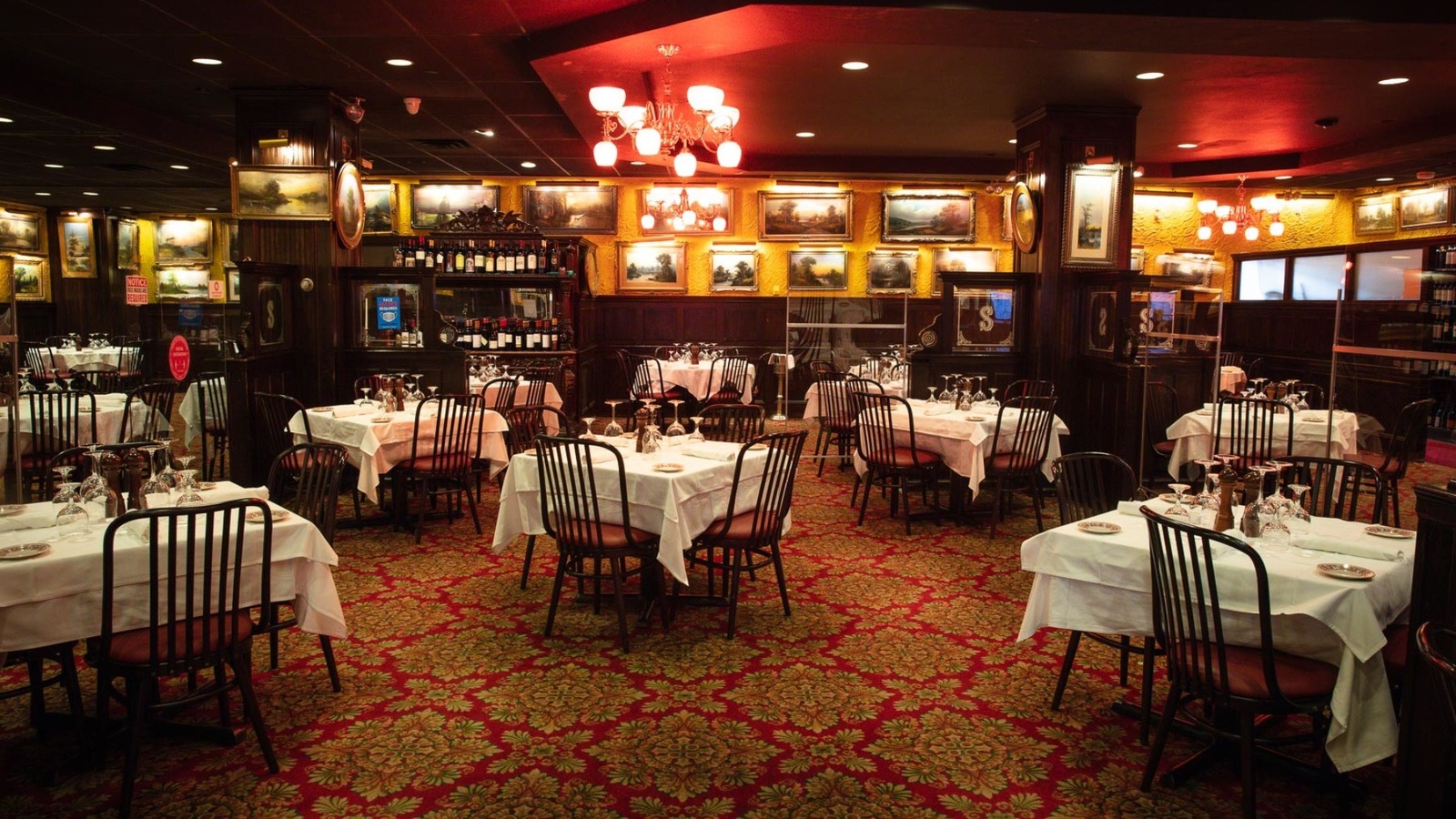
WWW.MASHED.COMThis NYC Steakhouse Is Linked To American Mob HistoryNew York City is full of historic restaurants, but not all of them have mafia tales. For this steakhouse, a dark association with the mob haunts it.0 Comentários 0 Compartilhamentos 22 Visualizações -
WWW.BGR.COMYour Old Bose Speakers Might Have Lost Some Important Audio FeaturesIf you invested in Bose's SoundTouch cloud service, here's everything you lost when SoundTouch support was discontinued in May 2026.0 Comentários 0 Compartilhamentos 5 Visualizações -
WWW.BGR.COMYou Can Get Amazon Packages In 30 Minutes Or Less If You Live In These US CitiesIf you're willing to pay a little extra, Amazon can now deliver your package in 30 minutes or less in select United States cities.0 Comentários 0 Compartilhamentos 5 Visualizações -
WWW.BGR.COMThe 8 Best New Features Added To iPadOS In 2026 (So Far)Is your iPad reaching its full potential? Explore some of the more notable software updates of 2026 to see if you're getting the most from your device.0 Comentários 0 Compartilhamentos 5 Visualizações