• WWW.THECOLLECTOR.COM
    6 Hanseatic Cities That Dominated the Medieval Baltic Trade
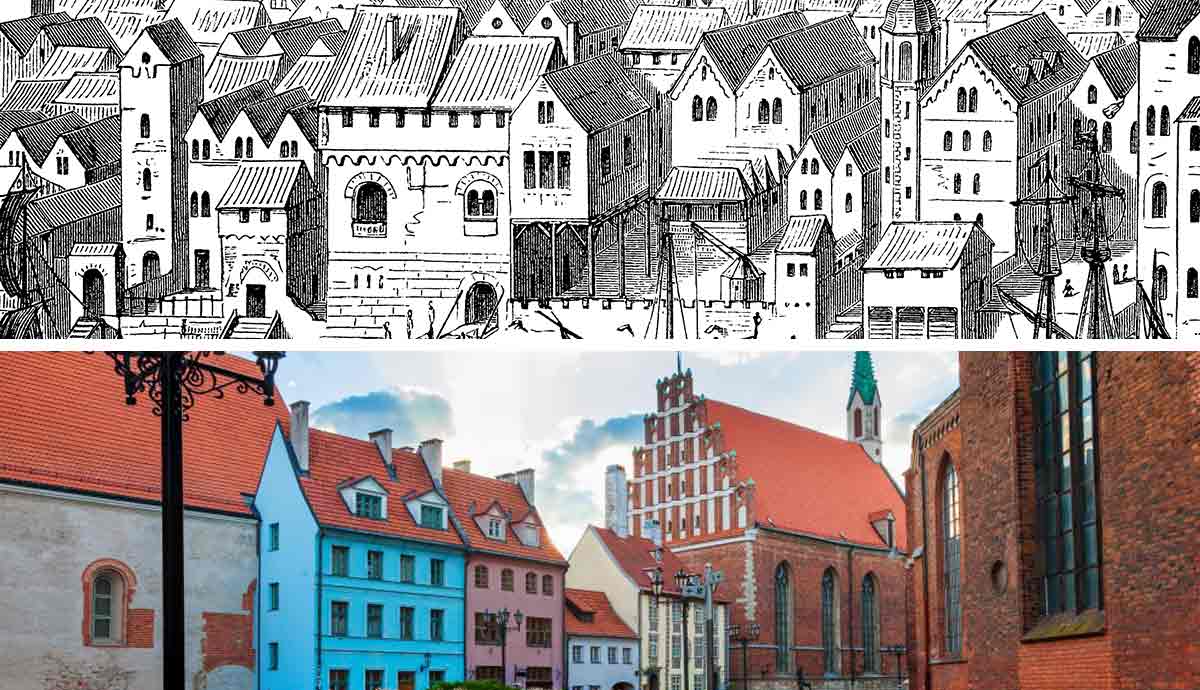
    The Baltic region was a major center of trade and commerce in Medieval Europe. During the 14th and 15th centuries, Baltic trade was controlled by the Hanseatic League, a network of port cities across northern Europe that had its own armed fleet and foreign policy. Lbeck, Gdask, Riga, Tallinn, Visby, and Rostock were among the most important Hanseatic port cities.1. LbeckThe Holstentor gate in Lbeck. Source: UNESCOThe commercial center of the Hanseatic League was the city of Lbeck in northern Germany. The city was founded on an island near rivers flowing inland and the Baltic Sea. Following the development of its port, Lbeck became the main intermediary for trade between Western Europe, Scandinavia, and the cities of Novgorod and Pskov in northwestern Rus. The Lbeck law, one of Europes earliest supranational trade regimes, standardized trade practices and regulations across the Hanseatic ports.Salt discovered in the nearby city of Lneburg was transported to Lbeck for sale, powering much of the citys economy. Demand was always high due to the use of salt for the preservation of herring and meats, a necessity for sailors. The revenue gained through the salt trade enabled the city to expand into a sprawling metropolis. It was also the center of the Hanseatic Diet, where representatives of all League member cities gathered to coordinate trade and commercial policy.2. GdaskA crane used for ship construction during the Medieval period in Gdask. Source: National Maritime Museum in Gdansk, PolandThe main Hanseatic port in present-day Poland was the city of Gdask (known in German as Danzig). Its location at the mouth of the Vistula River was optimal for trade to both inland Poland and other locations around Europe. Gdasks immense wealth came from its grain and timber trade, as well as the export of other valuable raw materials like amber, potash, and tar. Even today Gdask is still one of the main Baltic ports and one of Polands primary export hubs for maritime trade.Despite being a prosperous member of the League, Gdasks city administration faced challenges. Its location meant that it had to choose between the Polish Kingdom and the Teutonic Knights. Its decision to side with the victorious Poles was rewarded with a grant of autonomy by King Casimir IV Jagiellon. This reward enabled Gdask to conduct its own trade policies and accumulate substantial wealth, which was displayed by the expansion of the city in a similar fashion to Lbeck. Gdasks wealth and trading connections ensured its continued prosperity even after the formal dissolution of the League in 1669.3. RigaRigas old town, a relic of the city during the Hanseatic period. Source: Air BalticFurther to the east, the city of Riga (today the capital of Latvia) was located at the mouth of the Daugava River. It was founded in 1201 by German colonists who hoped for the city to become a major trade hub. In 1282, the city joined the Hanseatic League and adopted the Lbeck law. Its merchants traded valuable goods such as furs, wax, and timber from medieval Rus in exchange for Western European textiles, salt, and wine.Rigas Old Town is the main part of the city that existed during the Medieval period. As the chair of the Livonian Hanseatic Diet, Riga held significant regional political power and oversaw the Leagues trading posts in Russian cities like Smolensk and Polotsk.4. TallinnA sketch of Tallinn during the medieval period. Source: Baltic GuideIn 1285, the city of Tallinn, known as Reval in German, joined the Hansa. Its location on the Gulf of Finland made it a trade hub for goods headed from Western and Central Europe to Russia. Tallinn was granted the crucial staple right in 1346, which forced all goods passing through to be sold locally, ensuring local merchants profited from all transit trade. This helped the citys economy grow and profit more than its merchants had anticipated when the city first joined the League.The citys Old Town, including its iconic towers and city walls, was constructed using customs revenue collected by city officials. As the northernmost outpost of the League, Tallinn was formidable and heavily fortified, holding complex political alliances with Danish and Teutonic rulers in order to preserve its economic advantages. It also attracted German settlers, most of whom dominated the citys economy until the Second World War.5. VisbyThe medieval walls of Visby. Source: Visit SwedenThe Swedish town of Visby, located on the strategically important island of Gotland, was contentious. In 1361, King Valdemar IV of Denmark conquered Gotland and looted the towns coffers. It would suffer additional attacks from a variety of foes, including pirate gangs and the Teutonic Knights. In 1470, the towns membership in the League was suspended and its independence was finally ended half a century later with an attack by a militia from Lbeck during a power struggle between rival Danish kings Frederick I and Christian II.Visbys merchants worked the lucrative east-west trade routes, transporting Russian furs, wax, and timber from Novgorod to German and Scandinavian markets. The wealth enabled the town to grow and build defenses, necessary in the face of repeated attacks, but it simply wasnt enough to combat the hostility and trade rivalries. The legacy of the Hanseatic League remains in Visby today, but its chance at becoming the dominant port in the League was suppressed by the repeated attacks and lootings.6. RostockHanseatic buildings in Rostock, Germany. Source: PicrylIn 1251, the German city of Rostock, located on the Warnow River, joined the Hansa. By the 14th century, Rostock was the largest city in Mecklenburg and a formidable naval power. Its location and absorption of several nearby ports helped the city to grow, making it rival Lbeck as one of the main Hanseatic ports in Germany. Its strategic interests were strengthened by the incorporation of the nearby fishing village of Warnemnde in 1323, ensuring direct and unimpeded access to the Baltic Sea.Despite the attempts by German nobles to control Rostock, the citys impressive wealth allowed it to maintain autonomy. The citys location and economic power gave it a formidable amount of leverage that helped fend off any threats to the citys income and status in the League. Rostocks legacy was further strengthened by the founding of the University of Rostock in 1419, one of the oldest educational establishments in the Baltic region. Today, even after the fall of the League, Rostock remains a prominent German port.
    0 Reacties 0 aandelen 63 Views
  • WWW.THECOLLECTOR.COM
    Which Witchcraft Trials Shocked Early Modern England?
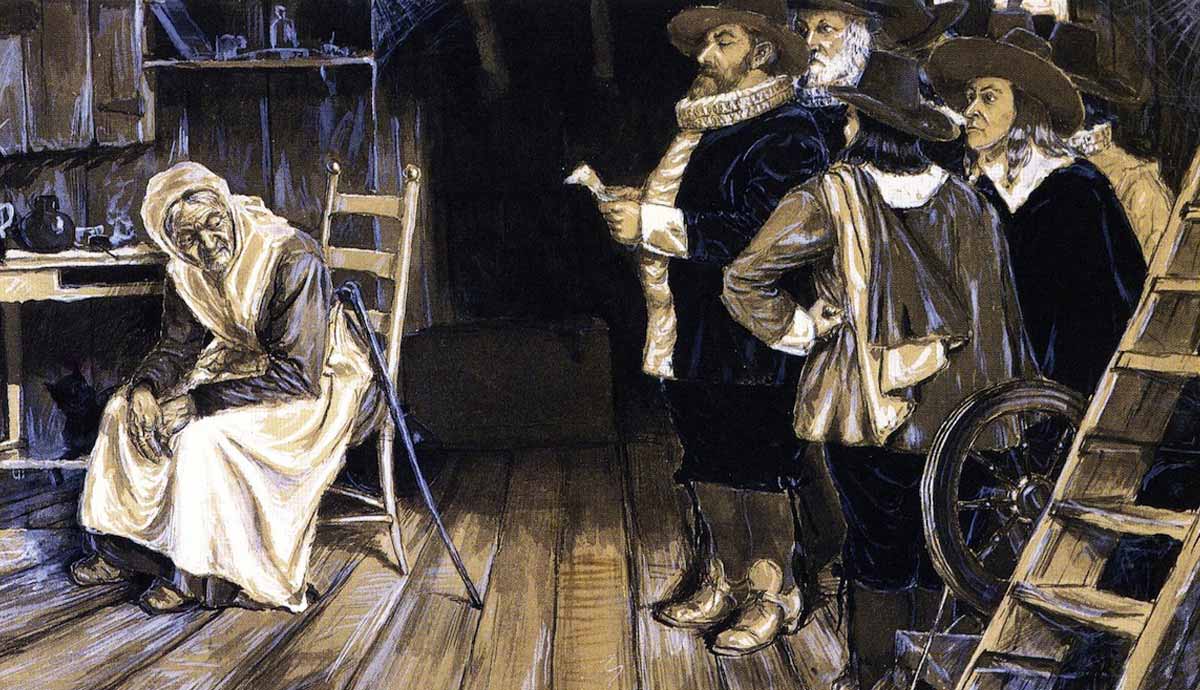
    The Witch Hunt, by Henry Ossawa Tanner, c. 1882/1888. Source: Wikimedia CommonsReoccurring plagues, the Reformation and the English Civil War left little respite from violence, death, and paranoia in early-modern England. The most vulnerable members of society, usually elderly, impoverished, or widowed women, were often scapegoated for these misfortunes. Tragedies exacerbated local gossip accusing spinsters of bewitching those better off. English print culture simultaneously exploded during this time. Witch pamphlets and books detailing witch accusations, trials, and executions became coveted tabloids. As such, for two centuries witchcraft trials scandalized yet morbidly fascinated English populations.Chelmsford Witch Trials, Essex (1566)A Brief History of Witchcraft: With Especial Reference to the Witches of Northamptonshire, page 16, by J Taylor & Sons, 1866. Source: Wikimedia CommonsAgnes Waterhouses trial remains one of the most famous English witchcraft cases. Her chief accuser was her 12-year-old neighbor who claimed she commanded a demonic spirit to commit murder. The child claimed a demonic dog with an ape face and horns threatened and pressured her to commit suicide, motioning to Agnes home to indicate his owner. Agnes sister Elizabeth and daughter Joan were arrested shortly after. Village rumors erupted, claiming Agnes and Elizabeth inherited a familiar, a cat named Sathan, from their grandmother who taught them black magic. Under torture, Agnes pled guilty to these charges and admitted to using this demonic spirit to kill livestock, bewitch her neighbors, and murder her husband. In return for her confession, her daughter was acquitted.Cropped title page from the witchcraft pamphlet, The examination and confession of certaine wytches at Chensforde, by John Phillips, 1566. Source: Internet ArchiveEnglish populations were scandalized by Agness trial because she was the first person executed under a new Witch Act from 1563 that enforced the death penalty on murder convictions committed by witchcraft. Executed two days after her confession, witchcraft pamphlets immediately sensationalized the trial. Exaggerated eyewitness accounts presented local rumors as evidence. Readers were spooked by morbid drawings of the demonic creatures that filled the pages alongside crude depictions of her that emphasized her age and poverty.St. Osyth Witch Trials, Essex (1582)Double picture: A person hanging from the gallows; a witch burning a sleeping couple while a demon figure carries off a child, by unknown artist, 1720. Source: Wellcome CollectionThe St. Osyth Witch Trials in 1582 were one of the first instances where local hysteria, gossip and prejudice erupted into a village-wide witch hunt. This began when personal vendettas targeted Ursula Kempe, a poor and unwed single mother and healer. First adored for her talent to remove hexes, this same skill later served as damning evidence that sent her to the gallows. The Thurlowe family first accused Ursula. They claimed she bewitched and murdered their infant daughter in retaliation for not being hired as the infants nursemaid. After shorting Ursula payment for additional treatments, the Thurlowes had her arrested, catalyzing local rumors against Ursula and her unconventional ways.Title page from the witchcraft pamphlet, A rehearsall both straung and true, of hainous and horrible actes committed by Elizabeth Stile, alias Rockingham, Mother Dutten, Mother Deuell, Mother Margaret, fower notorious witches, by Edward White, 1579. This trial shares striking similarities to the St. Osyth trial. Source: Wikimedia CommonsAfter the local magistrate forced Ursulas eight-year-old son to testify against her, she confessed to all crimes from hindering beer production, and nursing demonic familiars, to killing the Thurlowe baby. Despite being promised clemency for confessing, she was sentenced to death. In response, Ursula settled her own scores by naming and accusing multiple women as fellow witches. This spiraled into a massive trial including fourteen alleged witches, resulting in four guilty convictions and two executions. Also tried in Chelmsford, Essex soon became the epicenter for witchcraft paranoia and Englands most violent, dramatic, and infamous witch-hunts.Warboys Trials, Cambridgeshire (1589-1593)The devil talking to a gentleman and a judge in a circle, woodcut, by unknown artist, 1720. Source: Wellcome CollectionMost historians agree that the Warboys case is the most famous witchcraft trial of the 16th century. Alice Samuel and her family were executed for murdering one of the wealthiest commoners in England. The daughters of the local squire Robert Throckmorton first accused Alice. Roberts daughters and servants began experiencing signs of possession with violent fits, convulsions, and trances. When Alice joined her neighbors to visit and care for the girls, one of the daughters attacked Alice and claimed she hexed them. Throckmorton turned to his friends Sir and Lady Henry Cromwell, the future grandparents of Oliver Cromwell, for help. Lady Cromwell agreed to interview Alice. But shortly after their meeting, Lady Cromwell began suffering night terrors, fell ill, and died.Title page from the witchcraft pamphlet, The most strange and admirable discoverie of the three witches of Warboys, by Thomas Man and John Winnington, 1593. Source: Internet ArchiveThe next day, a local clergyman pressured Alice into admitting she was a witch. Despite retracting the statement, Alice, her husband, and daughter were arrested, tried, and hung for the murder of Lady Cromwell on April 4, 1593. Afterwards, their bodies were searched for witch marks. Executioners found a small mark on Alices corpse, further proving her satanic acts. Alices trial became one of the most sensationalized cases covered by witchcraft pamphlets. Audiences were stupefied by how a lower-class family managed to threaten one of the most powerful local families through demonic powers and witchcraft.Pendle Witch Trials, Lancashire (1612)Witches and devils dancing in a circle, woodcut, by unknown artist, 1720. Source: Wellcome CollectionThe Pendle trials remain one of Englands most notorious witchcraft cases. These trials alone account for 2% of all witches executed in England. For decades, two rival families became known for their alleged witchcraft practices. Both impoverished, one was led by Elizabeth Southerns, nicknamed Old Demdike, and the other by Anne Whittle, who was called, Mother Chattox. Accusations began when Alizon Device, a Demdike, confessed to bewitching a villager, John Law, who rejected her peddling. Her confession implicated Mother Chattox, who also admitted to being a witch, accidently implicating both families. Generations of members began accusing one another of murders, animal abuses, hexes, and demonic celebrations. During the initial investigations, Alizons brother James was also arrested for allegedly holding a witch sabbath at the nearby Malkin Tower.Title page from the witchcraft, The Wonderfvll Discoverie of Witches in the Covntie of Lancaster, by Thomas Potts, 1612. Source: Wikimedia CommonsAfter Old Demdike died in prison, the most damning evidence came from her nine-year-old granddaughter Jennet. While Jennet was meant to provide eyewitness testimony about Malkin Tower, she instead implicated her whole family. She recounted them convening with spirits, flying on ponies, holding sabbaths, making hexing dolls, and plotting to kill the local governor. Accounts detail how her mother, Elizabeth, reacted so viscerally to her daughters testimony that she was removed from court. On August 20, 1612, ten members the Chattox and Demdike families were executed. Capitalizing on recent witchcraft hysteria triggered by James I and the failed Gunpowder Plot, Thomas Potts published his firsthand account of the trial from his involvement as the court clerk.Bideford Witch Trials, Devon (1682)The history of witches and wizards: giving a true account of all their tryals in England, Scotland, Swedeland, France, and New England; with their confession and condemnation, by Bishop Hall, Bishop Morton, and Matthew Hale, 1720. Source: Wellcome CollectionOne of the last well-known trials ended with three executions. Previously acquitted, Temprance Lloyd was once again accused of witchcraft by a fellow villager, Anne Wakely, in 1682. Anne claimed to have seen Temperance nurse demonic spirits, summon a crow-shaped familiar, and cause illness against a neighbor. This triggered a series of rumors accusing Temperance of all forms of curses and violence. For instance, William Herbert swore on his deathbed that Temperance was responsible for his ill fortune. Accusations began targeting other poor, widowed, or abandoned women like Susan Edwards and Mary Trembles. Multiple witnesses claimed to have overheard them discussing their sexual escapades with demons and plots to harm others. During Marys questioning, one accuser even collapsed in a shaking fit, further condemning her.Cropped title page from the witchcraft pamphlet, A true and impartial relation of the informations against three witches, viz. Temperance Lloyd, Mary Trembles, and Susanna Edwards, Printed by Freeman Collins, 1682. Source: Wellcome CollectionAfter being brutally interrogated and searched for witch marks, Mary pled guilty to witchcraft but blamed Susan for initiating her to work with the devil. Likewise, Susan admitted to witchcraft but blamed her actions on Temperance. Temperance instead confessed to nursing demons, shapeshifting into a cat, and killing multiple people. They were hanged on August 25, 1682. English populations were shocked that such trials occurred in Devon. But decades of instability prolonged by the English Civil War and constant plagues, made it easy for communities to scapegoat their most detested populations.
    0 Reacties 0 aandelen 74 Views
  • 0 Reacties 0 aandelen 99 Views
  • 0 Reacties 0 aandelen 97 Views
  • WWW.DUALSHOCKERS.COM
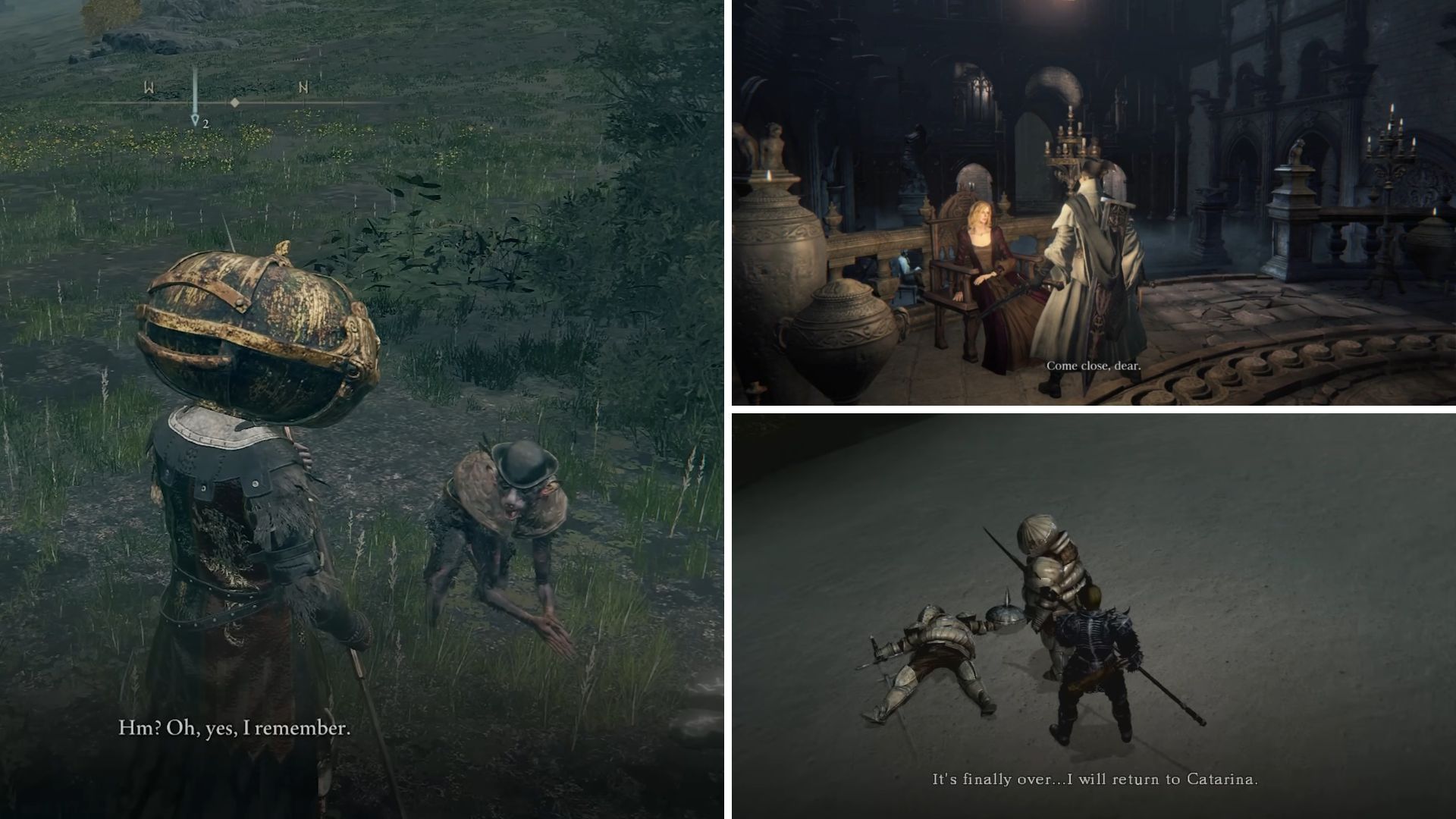
    Soulsborne NPCs Whose Lives Were Ruined By Your Intervention
    So, you have decided to pick up a Souls title created by FromSoftware. Be warned, not everything is going to be all peaches and cream. Instead, things will be, as the names often suggest, dark.
    0 Reacties 0 aandelen 62 Views
  • WWW.MASHED.COM
    The Arch Deluxe Glow-Up McDonald's Never Gave You
    With a few gourmet ingredient swaps and some homemade flair, our copycat McDonald's Big Arch burger is a truly deluxe, fully-loaded burger masterpiece.
    0 Reacties 0 aandelen 59 Views
  • WWW.MASHED.COM
    This Restaurant May Serve The Best Hot Dog In Illinois
    With a history dating back to 1939, this Chicago hot dog spot gets rave reviews from customers, with many saying they're the best in the entire state.
    0 Reacties 0 aandelen 60 Views
  • THESOUTHERNLADYCOOKS.COM
    PINEAPPLE UPSIDE DOWN CUPCAKES
    If you love the old-fashioned classic, you must give these delicious Pineapple Upside Down Cupcakes a try! Easy and always a hit with great reviews. Why You Will Love These Pineapple Upside Down Cupcakes If you grew up loving pineapple upside-down cake, these little cupcakes will take you right back. Made with sweet pineapple, cherries,...
    0 Reacties 0 aandelen 58 Views
  • WWW.BGR.COM
    5 E-Readers To Replace Your Old Kindle With Before Amazon Ends Support
    With Amazon ending support on a number of Kindle products this year, it may be time for you to upgrade, and these alternatives might be just what you need.
    0 Reacties 0 aandelen 64 Views
  • WWW.BGR.COM
    macOS 27 To Address Mac Users' Biggest Problem With Tahoe
    macOS 26 Tahoe had more than a few issues trying to implement the new Liquid Glass design, but macOS 27 is expected to address them.
    0 Reacties 0 aandelen 61 Views