• Apple AI lawsuit settled: Every iPhone included in the $250 million settlement
    Apple AI lawsuit settlement: Which iPhones are included? Apple has agreed to pay $250 million to settle a class-action lawsuit accusing the company of exaggerating the capabilities of Apple Intelligence and Siri. The lawsuit claimed that Apple's 2024 and 2025 promotional campaigns for Siri and Apple Intelligence constituted false...
    0 Yorumlar 0 hisse senetleri 7 Views
  • WWW.IFLSCIENCE.COM
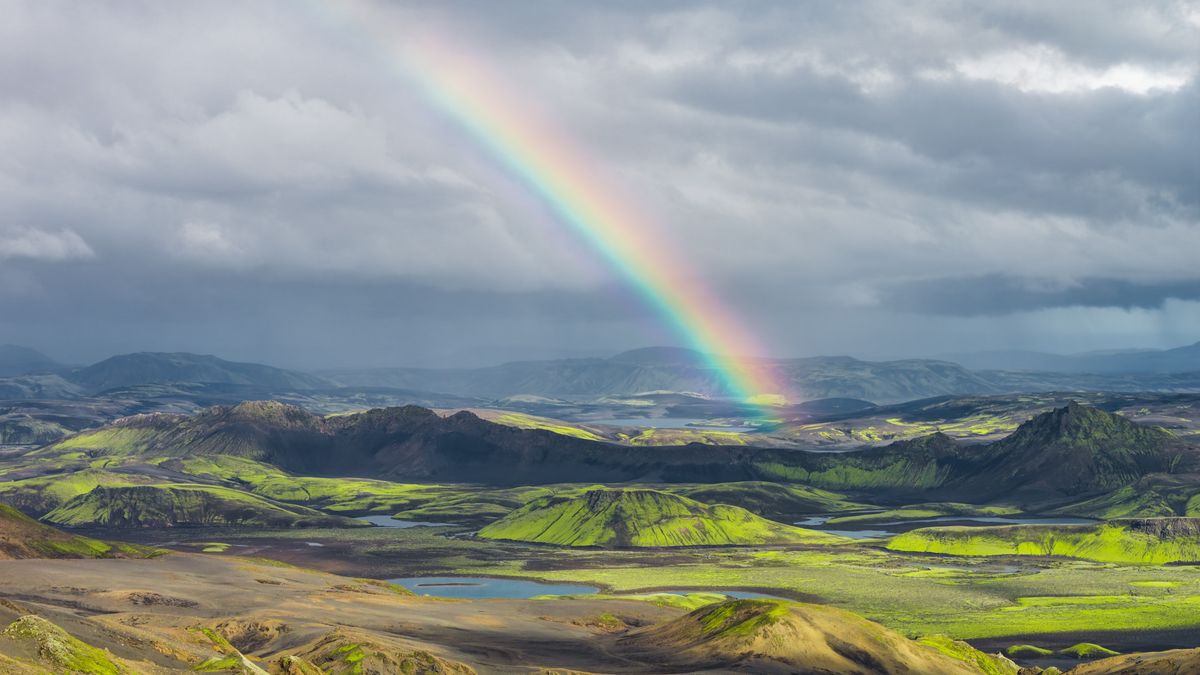
    Earth Might Not Be The Only Place That Has Rainbows So Where Else Could? We Asked An Expert
    Rainbows on other worlds are possible, but not necessarily as we might typically think of them.
    0 Yorumlar 0 hisse senetleri 3 Views
  • WWW.THECOLLECTOR.COM
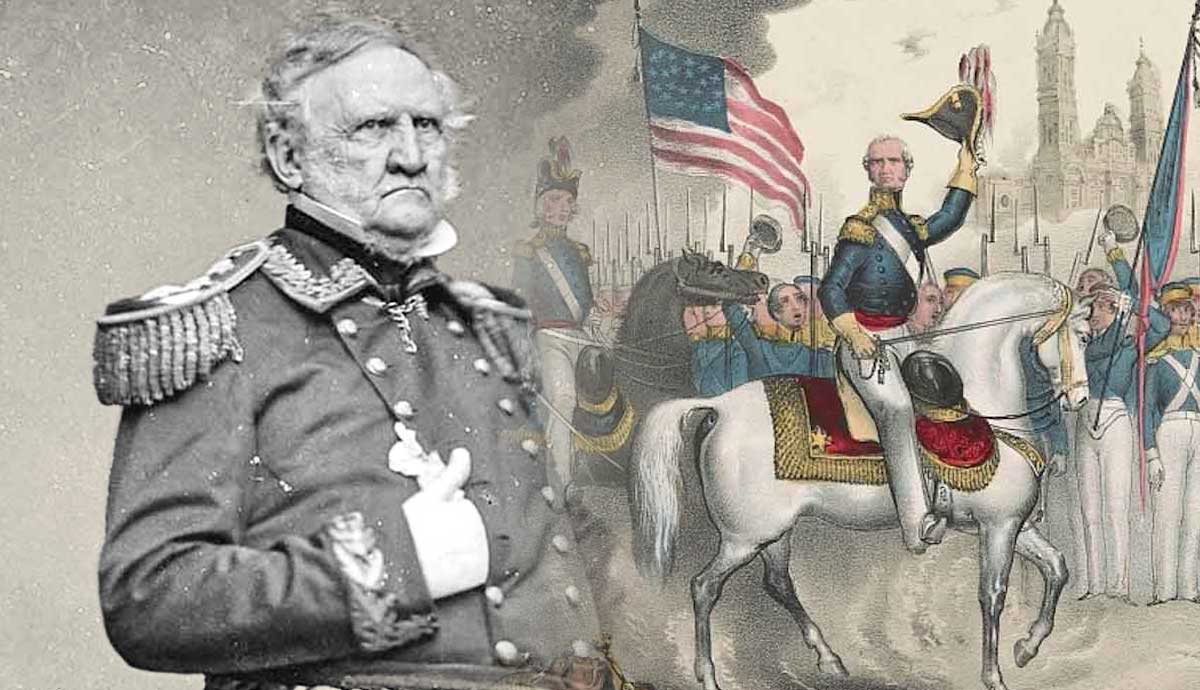
    Winfield Scott, the Veteran General Who Captured Mexico City in the Mexican-American War
    Born in Virginia in 1786, Winfield Scott trained as a lawyer before enlisting in the US Army in 1808. After achieving national recognition during the War of 1812, Scott served as a reluctant enforcer of Indian Removal during the Jackson and Van Buren administrations. Appointed general-in-chief in 1841, his greatest moment came in 1847 when he captured Mexico City during the Mexican-American War. He was involved in strategic planning during the initial stages of the American Civil War shortly before his retirement in 1861.The Early YearsIllustration of the College of William and Mary, 1887. Source: Wikimedia CommonsWinfield Scott was born on June 13, 1786 near Petersburg, Virginia. His father William Scott was a minor landowner who served as a captain during the American Revolutionary War. Winfield was only six years old when his father died, and his mother assumed responsibility for her four children until her own death in 1803.In 1804, the 18-year-old Scott enrolled at the College of William and Mary in Williamsburg, Virginia, where he studied liberal philosophy and developed an interest in military history. After leaving university in 1807 he was apprenticed to Petersburg lawyer David Robinson. He accompanied Robinson to Richmond, where former Vice President Aaron Burr was on trial for treason after being accused of a conspiracy to carve out his own empire in the western states.Meanwhile, tensions between the United States and Britain over the right of the Royal Navy to search American shipping for deserters led to a brief naval engagement between HMS Leopard and USS Chesapeake on June 22, 1807 that resulted in the death of four American sailors.With war seemingly imminent, the governor of Virginia requested volunteers for the militia. Scott was granted permission to return to Virginia and answer the call. On one occasion, he captured a party of eight British sailors who came ashore to buy provisions, but was soon instructed to release them.While President Thomas Jefferson wanted to avoid war and instead imposed a trade embargo on Britain, he increased the size of the US Army to 6,000 men. With the help of his friend Senator William Branch Giles, Scott secured an interview with the president and was promised a commission as captain. Scott became a captain in the light artillery in May 1808, marking the beginning of a 53-year career in the US Army.War of 1812US Troops at the Battle of Chippewa. Painting by H. Charles McBarron, Jr. Source: US Army Center of Military History via Wikimedia CommonsAfter recruiting a company of 90 men, Scott reported to New Orleans, where he was soon at odds with his commanding officer, the corrupt General James Wilkinson. Scotts denunciations of Wilkinson saw him court-martialed and suspended from his rank for twelve months in January 1810. He decided to return to Virginia but rejoined the army in October 1811 as war with Britain appeared imminent.Shortly after the outbreak of the War of 1812 in June 1812, Scott was promoted to lieutenant colonel. He participated in the invasion of Canada and on October 13, Scotts artillery supported the crossing of the Niagara River at the Battle of Queenston Heights. Although the engagement claimed the life of the British commander Major General Isaac Brook, it was otherwise a calamity for American forces and Scott became a British prisoner.After being released in November, Scott was promoted to colonel in early 1813 and appointed chief of staff to Henry Dearborn, the overall commander of the operations in Canada. Scott had greater success leading the capture of Fort George on Lake Ontario in May 1813, though the campaign ultimately proved unsuccessful when the Americans were defeated at Cryslers Farm in November.In early 1814, President James Madison promoted Scott to brigadier general. Scott led his men to a battlefield victory over the British at Chippewa on July 5, earning him national recognition. Three weeks later, Scotts force was ambushed and badly mauled at the Battle of Lundys Lane on July 25. Scott was wounded and the battle ended inconclusively. He returned to the field in October 1814 to take command of American forces defending Washington and Baltimore.Peacetime CommandsPortrait of President Andrew Jackson by Ralph Eleazer Whiteside Earl. Source: White House Historical AssociationAfter the war ended in early 1815, Scott was involved in demobilizing the army and was named one of four brigadier generals in peacetime. After Napoleon was restored to power in France, Scott obtained permission to travel to Europe, anticipating the renewal of warfare on the continent. By the time Scott crossed the Atlantic, Napoleon had already been defeated at Waterloo. He hurried to Paris, where he made his acquaintance with leading dignitaries of the coalition that had ousted Napoleon.After returning to the United States in May 1816, Scott was appointed to command US forces in the northeastern states. In March 1817 he married Maria Mayo, the daughter of a wealthy engineer from Virginia. Scott soon found himself feuding with future president General Andrew Jackson and his fellow Brigadier General Edmund P. Gaines. While Scott and Jackson reconciled after meeting in Washington in 1823, his rivalry with Gaines persisted as both men sought to succeed Major General Jacob Brown as Commanding General of the United States in 1828. When President John Quincy Adams appointed Alexander Macomb instead, Scott threatened to resign but eventually backed down.In the summer of 1832, President Andrew Jackson ordered Scott to Illinois to take command of US forces fighting the indigenous chief Black Hawk. A few days before Scotts arrival, Black Hawks forces were destroyed at the Battle of Bad Axe on August 3. Scott remained in Illinois to negotiate a peace treaty with the Native Americans.In November 1832, Jackson ordered Scott to South Carolina, whose political leaders were threatening to secede from the Union over high tariffs passed by Congress. Scott spent a couple of months inspecting federal forts in South Carolina and the crisis was diffused by the passage of a compromise tariff bill in February 1833.Indian RemovalMartin Van Buren, eighth president of the United States. Portrait by George Peter Alexander Healy, 1857. Source: National Portrait Gallery, Smithsonian InstitutionIn addition to his normal duties, Scott took a close interest in tactics and training and was nicknamed Old Fuss and Feathers by his subordinates for his insistence on discipline. In 1835, he completed a three-volume book on infantry tactics that remained the Armys standard drill manual until 1855.During the mid-1830s, Scott served as a reluctant enforcer of President Jacksons policy to forcibly remove Native American tribes west of the Mississippi River. After Seminole resistance to the removal led to the Dade massacre of December 1835, Scott took command of US forces in Florida during the Second Seminole War in February 1836. His men struggled in the inhospitable conditions and spent several months campaigning without much success. In May he was ordered to Georgia to deal with a Creek uprising, and his subordinate General Thomas Jesup defeated the enemy on his own initiative.In March 1837, Scotts friend Martin Van Buren succeeded Jackson as president. In January 1838, Van Buren sent Scott to the Canadian border to restrain American patriots who were supporting rebellions in Canada. Scotts status as a hero of the War of 1812 allowed him to speak with authority, and he earned a reputation as a peacemaker by persuading the Americans at the frontier not to risk war with Britain.Cherokee chief John Ross. Lithograph by Charles Bird King, 1843. Source: Library of CongressIn April 1838, Van Buren appointed Scott to supervise the removal of the Cherokee in accordance with a 1835 treaty. Scott was sympathetic to Cherokee arguments against removal owing to their efforts to assimilate with American culture, but insisted on carrying out his orders. Scott planned to gather the Cherokee in a series of camps before conveying them west. While he promised to treat the Cherokee well, the militiamen under his command acted brutally as the Cherokee resisted being uprooted from their homes.In July 1838, Cherokee chief John Ross obtained permission from the government in Washington to organize the westward transportation without the supervision of US troops. Scott was happy to be relieved of his duties, but was determined to accompany the first group of Cherokee who left for Arkansas on October 1.Three weeks later, Scott was recalled to the Canadian frontier as tensions flared up as part of a border dispute between Maine and Canada. Scott once again exhibited his diplomatic skills to persuade the Maine legislature to give him authority to make peace, which he duly negotiated with his British counterpart Sir John Harvey in March 1839.Mexican-American WarZachary Taylor by James Reid Lambdin, 1848. Source: National Portrait Gallery, Smithsonian InstitutionIn 1841, following the death of Alexander Macomb, Scott was promoted to major general and appointed general-in-chief by President John Tyler. Scott had little time for Tyler, who inherited the presidency upon the death of William Henry Harrison. He was also skeptical of Tylers successor James K. Polk, who won the 1844 election promising not only to annex Texaswhich had achieved independence from Mexico in 1836but to expand the frontiers of the United States in both the northwest and the southwest.By the time Polk took office on March 4, 1845, Tyler had already set in motion the annexation of Texas. Polk dispatched Brigadier General Zachary Taylor to command a force of 3,000 men to protect Texas against any armed response from Mexico. A Mexican cavalry incursion across the Rio Grande on April 26, 1846 gave Polk the pretext he needed to declare war on Mexico.Following the outbreak of the Mexican-American War, Scott set to work recruiting and training 20,000 volunteers. Meanwhile, Taylor repulsed the Mexican threat and marched on Monterrey, which he captured in September. Taylors efforts were aligned with Polks original strategy to occupy northern Mexico and force the Mexicans to cede the territory he coveted. He was persuaded to take more aggressive action by Senator Thomas Hart Benton of Missouri, who proposed landing a force at Veracruz to march on Mexico City.With few experienced officers at his disposal, Polk reluctantly appointed Scott to command the operation. After arriving at the Rio Grande in late December 1846 to supervise preparations, Scott and his 12,000 men landed at Veracruz on March 9, 1847. He proceeded to besiege the city, which surrendered three weeks later after an intense artillery bombardment.Illustration of Winfield Scott leading US forces in the capture of Mexico City. Source: Library of CongressScott then marched inland towards the Mexican capital. After receiving news of Scotts landing, GeneralAntonio Lpez de Santa Anna took up a defensive position at Cerro Gordo near the city of Xalapa. Scott ordered his engineers to cut a path through thick vegetation against Santa Annas left flank and launched his attack on April 18. The battle was easily won and Scott captured more than 3,000 Mexican prisoners.Despite Scotts success at Cerro Gordo, he soon found himself in a vulnerable position as half his men were due to return home at the end of their one-year term of service. In early June, he was forced to concentrate his remaining forces and abandon the garrisons on the road to Veracruz. New reinforcements arrived over the following weeks, and by early August, Scott had 14,000 men with him.With Scott marching on Mexico City, Santa Anna consolidated his forces and prepared to make a stand at the Churubusco River. General Gabriel Valencia refused to obey Santa Annas orders, and his force of 5,000 was crushed at the Battle of Contreras in the early hours of August 20. Santa Anna withdrew the bulk of his forces and left a delaying force at Churubusco, which Scott easily overcame later in the day.Scott began his attack on Mexico City in early September. After both sides suffered heavy losses at Molino del Rey on September 8, the Americans overcame Mexican defenses at Chapultepec Castle on September 13. Scotts army controlled the high ground overlooking the city, and on September 14 he rode through the streets of Mexico City in triumph. Scott supervised pacification operations until the war ended with the signing of the Treaty of Guadalupe Hidalgo in February 1848.Presidential CandidateThe Game-cock & The Goose, a pro-Scott cartoon featuring Scott and Franklin Pierce by John Magee, 1852. Source: US Library of CongressScott had joined the Whig Party in the 1830s, though his political affiliations were not widely known at the time. Owing to his diplomatic efforts on the northern frontier, Scott was among the candidates for the Whig nomination for the 1840 presidential election. The Whigs ultimately nominated General William Henry Harrison, who defeated Van Buren but lasted only a month in office until succumbing to illness in April 1841.Scotts name continued to be in the frame for the Whig nomination in the 1844 and 1848 elections but lost out to Henry Clay and Zachary Taylor respectively. Taylor won the general election but died in July 1850. Amidst sectional tensions over the westward expansion of slavery, Taylors successor Millard Fillmore supported the controversial Compromise of 1850.The Compromise of 1850, particularly the Fugitive Slave Act, split the Whigs between Northern and Southern factions. Although Scott had supported the Compromise, he became the preferred candidate among the Northern Whigs for the presidential nomination in 1852. After a closely fought nomination contest, Scott defeated Fillmore on the 53rd ballot to become the Whig candidate in the November 1852 election.The Democrats nominated dark horse candidate Franklin Pierce of New Hampshire, a proslavery Northerner who had served under Scott as a brigadier general during the Mexican War. The split in the Whigs condemned Scott to a heavy defeat at the ballot box. Although Scott won 44 percent of the popular vote, his tally of 42 electoral votes was the lowest ever received by a Whig candidate.American Civil WarPhotograph of Union general-in-chief Winfield Scott. Source: National Park ServiceThe Compromise of 1850 failed to dampen the sectional tensions over slavery. The election of Abraham Lincoln in November 1860 led the southern states to secede from the Union and form the Confederate States of America. As Confederate forces besieged the Union garrison at Fort Sumter in South Carolina, Scott advised Lincoln against attempting to resupply the fortress. The president chose to do so anyway, and on April 12, 1861, the American Civil War began with the Confederate attack on Fort Sumter.As general-in-chief, Scott played an important role in military planning during the early months of the Lincoln administration. Scotts strategy, later known as the Anaconda Plan, involved blockading Southern ports and taking control of the Mississippi to force the Confederacy into submission. Lincoln preferred a more aggressive approach and ordered General Irvin McDowell to march on the Confederate capital of Richmond, Virginia with 30,000 men. McDowell was defeated by the Confederates at the First Battle of Bull Run, crushing Union hopes of a quick victory.The 75-year-old Scott soon fell out of favor, and in November 1861 Lincoln appointed General George B. McClellan as general-in-chief. Scott made a brief visit to Europe before returning to the United States to write his memoirs, which were published in 1864. In retirement, Scott continued to offer occasional advice to Lincoln on the war effort. General Ulysses S. Grants victory at Vicksburg in July 1863 saw Union forces gain control of the Mississippi in accordance with Scotts Anaconda Plan. Scott lived to see the Union victory in 1865 and died on May 29, 1866 just short of his 80th birthday.

    0 Yorumlar 0 hisse senetleri 3 Views
  • WWW.THECOLLECTOR.COM
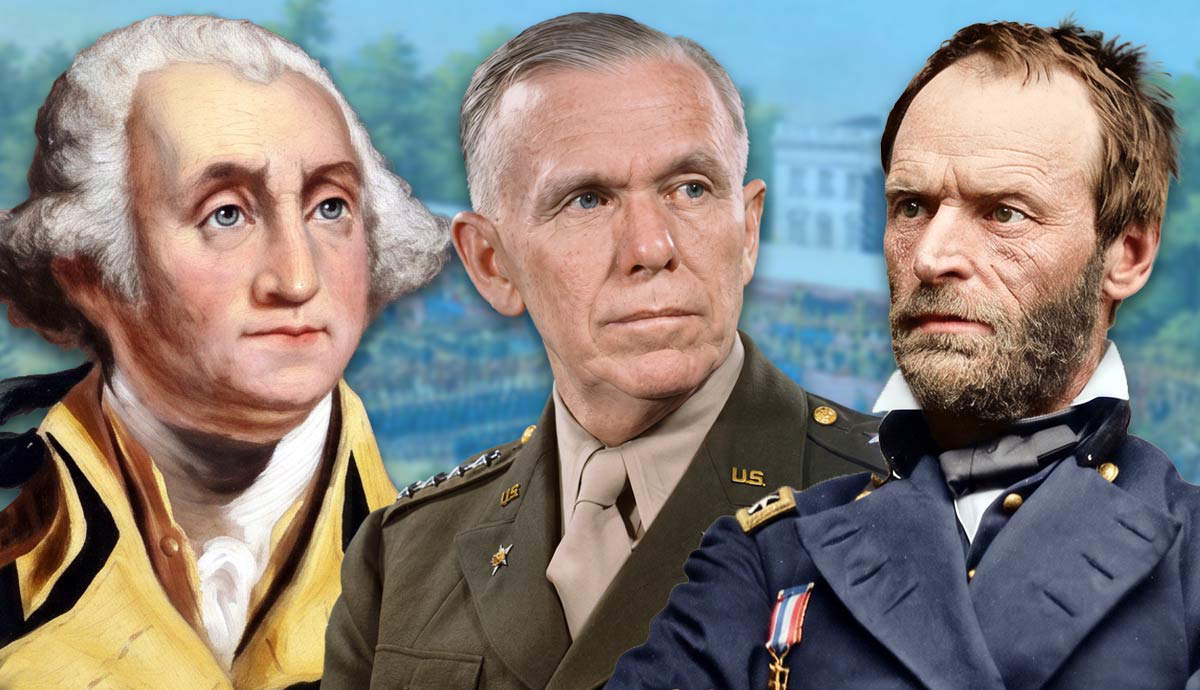
    The 7 Most Influential US Generals Ranked by Historical Legacy
    Even before the United States became the worlds leading superpower, its generals and admirals have long had influence over the decisions on whether to use military force. Below are seven of Americas most famous generals and how they left influential legacies through their leadership on and off the battlefield.GeneralKey Historical LegacyGeorge WashingtonEstablished a precedent against autocracy by relinquishing the presidency after two terms and served as the model citizen-soldier.Ulysses S. GrantSaved the Union through a multi-pronged strategy and became a world-famous example of an effective commander.George MarshallTransformed a small, ill-equipped army into a global juggernaut and set the gold standard for American military leadership.Dwight EisenhowerMastered coalition warfare by keeping Allied nations united and oversaw the massive 4.5 million-person force that entered Germany.William T. ShermanActed as a prophet of total war by destroying Confederate infrastructure to undermine their ability to fight.Douglas MacArthurOrchestrated the island-hopping strategy to dismantle Japanese control in the Pacific and rebuilt the postwar Japanese economy.Winfield ScottOne of the first true professional soldiers who doubled the size of the U.S. through the Mexican-American War and crafted the successful Anaconda Plan.1. George Washington: Winning IndependenceGeorge Washington in uniform at Dorchester Heights in Massachusetts. Reproduction by Jane Stuart of original painting by her father Gilbert Stuart, c. 1830. Source: Maryland Center for History and CultureMany revolutionary generals become head of state after leading their armies to victory. Few of these people step down voluntarily after serving a term or two as leader. By following the example of the Roman statesman Cincinnatus and relinquishing the presidency after two terms, George Washington established a precedent and ensured that the United States would not become a country defined by autocrats or military rule.From 1775 to 1783, Washington commanded the Continental Army, leading his men into battle after battle with the British and their German allies. While he often complained about his civilian masters, Washington also understood that he could not become a tyrant. He fought the American Revolutionary War under the auspices of the civilian Continental Congress and gave up his command after the war.Although one of the most impactful generals in world history, Washington was not always a successful battlefield commander. Time and time again, he was bested in battle: Brandywine, Long Island, Germantown, and other engagements. However, he was able to keep his army together and prevented the British from crushing the rebellion. He won the devotion of many of his men and staff by leading by example and sharing in their hardships, particularly during the bitter winter at Valley Forge in 1777-78. In many ways, he was Americas model citizen-soldier.2. Ulysses Grant: Saving the UnionGeneral Grant with subordinates at Cold Harbor, Virginia, 1864. Source: History.comThere were many differences between Ulysses S. Grant and George Washington. Washington was the scion of a prominent Virginia family and Grant came from a poor Ohioan family. Washington defended slavery as a necessity and Grant hated the peculiar institution.However, Grant also proved to be a model citizen-soldier. When he was a general, he wore a privates uniform with stars attached. He commanded with a coolness that inspired his men to fight hard. And he did not enter politics until after he retired from the army.As commanding officer of the Union Army during the latter stages of the Civil War, he aimed to march on the Confederacy from multiple directions to split its defenses. His effectiveness as a commander contrasted with that of other Union generals who were less effective at overcoming the Souths forces.While his presidency was marred by scandals and his inability to control the most controversial members of his cabinet, his record as a general became famous around the world. Few commanders in the war matched his talent for commanding troops over such a wide theater. To this day, American military commanders seek to emulate his knack for implementing a multi-pronged strategy against a formidable and well-placed enemy.3. George Marshall: Building the American CenturyPortrait of George C. Marshall as Army Chief of Staff by Harry Warnecke, 1944. Source: National Portrait Gallery, Washington DCThe US Army started WWII small, ill-equipped, poorly-trained, and overstretched. By 1945, it had become a juggernaut, winning almost every battle against the Axis armies arrayed against it. This was largely due to the efforts of General of the Army George Marshall. As the Army Chief of Staff during the war, he helped implement the Allies grand strategy, allocating army divisions as needed to different theaters and working closely with Americas partners. After the war, he served as President Trumans Secretary of State and formulated the plan for the reconstruction of Europe that bears his name.Marshall saw himself as a servant of presidents Roosevelt and Truman. He did not seek glory, nor did he aim to please everyone. In one of his first meetings with President Roosevelt, he stated that he would not whitewash anything and that he would give his honest assessment of the armys performance. Instead of aiming to solve every problem personally, he empowered subordinates and staff to do that themselves. Instead of relying solely on seniority, he encouraged meritocracy, even if this meant more senior officers who had been expecting to be given command. His demeanor and record became the gold standard for American army commanders in the future.4. Dwight Eisenhower: The Master of Coalition WarfareDwight D. Eisenhower. Photograph by Harry Warnecke, Robert F. Cranston, 1945. Source: National Portrait Gallery, Smithsonian InstitutionOne of Marshalls most effective and well-known subordinates was a man who started the war as a lieutenant-colonel and ended it as General of the Army and Supreme Allied Commander in Europe. Dwight David Eisenhowers main talent was keeping the Allies together even when tensions rose during the war. He showed a knack for diplomacy that a lesser man would have struggled with as Supreme Allied Commander. Additionally, he did not back down from the task of overseeing multi-pronged offensives into the German heartland in 1944 and 1945.Eisenhower had limited experience as a battlefield commander. He never commanded an infantry or armored division in battle and some other Allied commanders questioned his ability to lead a massive army against a formidable foe. However, he proved to be one of the most effective theater commanders of the war. By 1945, his force had 4.5 million men and women arrayed in three separate army groups.After the war, he served as Army chief of staff, the first military commander of NATO, and two terms as president from 1953 to 1961. All the while, he never shrank from the tasks he faced, nor did he become a prima donna. He continued to embrace the reputation of the American citizen-soldier established by George Washington centuries earlier.5. William T. Sherman: The Prophet of Total WarPortrait of General William T. Sherman by Matthew Brady, c. 1864. Source: National ArchivesUlysses S. Grants main partner in his endeavor to crush the Confederacy was William Tecumseh Sherman. A native of Ohio, he had cut his teeth in some of the wars early battles and became a prominent general in the western theater of the war. By 1864, he was leading a force of 100,000 towards the city of Atlanta, an industrial powerhouse in the South. In a campaign lasting months, he seized the city from a Confederate force numbering 60,000 that was well dug in on the high ground surrounding the city.After this success, he embarked on his most famous campaign, the March to the Sea. His men marched from Atlanta to Savannah in Georgia, destroying as much Confederate war infrastructure as they could. His actions proved decisive in undermining the Souths ability to make war. After seizing Savannah, he turned north and marched through the Carolinas, causing even more devastation.At the end of the war, he succeeded Grant as the commanding officer of the US Army, overseeing Reconstruction and the campaigns against Indigenous tribes on the frontier. His ruthlessness as a commander unsettled many, but also defined him as an effective leader of men.6. Douglas MacArthur: Shogun of the PacificGeneral MacArthur getting off a landing boat on Leyte in the Philippines, 1944. Source: US Army Signal CorpsUnlike the other WWII generals in this article, Douglas MacArthur had a reputation as a self-promoter and had trouble accepting orders from superiors, whether civilian or military. Ultimately, this character flaw played a major role in his ouster from command during the Korean War. Nonetheless, he earned a reputation as a capable strategist and effective battlefield commander. Managing a campaign over thousands of miles in the Pacific Ocean required a man of his talents.The son of another American general, MacArthur took command of an infantry division on the Western Front in WWI and stayed in the postwar army. While his reputation took a hit after leading a force to crush a protest movement of WWI veterans, he earned public sympathy when he led the brave but doomed defense of the Philippines in 1941-1942.After retreating to Australia, he took command of the Southwest Pacific Area Command and oversaw the campaign to destroy Japanese control of the region. His island-hopping strategy of isolating Japanese garrisons and striking deep into the enemys rear proved successful, enabling him to land in the Philippines less than three years after he was forced to leave.After the war, his actions as the military governor of Japan helped rebuild the postwar Japanese economy. His final battlefield success was when he came up with the plan to land American forces at Inchon behind North Korean lines, enabling the UN forces to advance to the 38th parallel and beyond.7. Winfield Scott: The Grand Old ManGeneral Scott as commanding officer of the US Army, 1861. Source: National Parks ServiceIn 1812, Winfield Scott was a lieutenant-colonel of artillery. Three years later, he was a brevet Major General and one of the United Statess most effective battlefield commanders. Scott was a Virginian who believed in maintaining a small, professional army capable of undertaking a variety of tasks. During the War of 1812, he gained a couple of victories over British troops that highlighted his talents.His career commanding forces against Native American tribes in the southeast was marred by his willingness to execute the infamous Indian Removal in Georgia, Florida, and Alabama. However, he regained his fame when he led the successful invasion of Mexico in 1847-1848. He ran for the presidency in 1852 as the Whig candidate but was easily defeated by Democrat Franklin Pierce, who had served under his command in Mexico.By the time the American Civil War broke out, Scott was the commander-in-chief of a small and weak force that struggled to stop the rebellion. Despite hailing from Virginia, Scott was an opponent of slavery and remained loyal to the Union. During the early months of the war, he helped craft what became known as the Anaconda Plan. This strategy involved a multi-pronged plan to blockade Confederate ports, divide both parts of the South, and strike at Confederate industrial centers.The Anaconda Plan would prove a success, though the aged Scott was soon replaced as commander-in-chief by the much younger George McClellan. Scott had served in American uniform for half a century and was one of the United Statess first professional soldiers, a man whose life was defined by his countrys willingness to exert power through military force.The Enduring Legacy of the Great American CommandersThe Grand Review of the Union Army in Washington, DC, 1865. Source: Library of CongressThe seven individuals listed are a very small number of men who attained the rank of general in the US Army. They all had different personalities and careers. Some went into politics while others remained career soldiers. However, they all shared one characteristic: they recognized that America was a strong power due to its military.General Scotts march into Mexico City led to a doubling in size of the country. General Eisenhower oversaw a coalition of forces numbering 4.5 million men, the largest force of men commanded by an American officer in history. And General MacArthur became the first Westerner to govern Japan due to his stature as an American officer.In recent decades, the United States has prided itself on its soft power and role in building multilateral institutions. However, its main power has come through its capacity to fight its adversaries using hard military force. The generals and admirals of the US military were not always willing to use force to accomplish their goals, but once ordered to do so, they did not hesitate to formulate plans to vanquish their enemies. Accordingly, the most influential American commanders find themselves among the most influential figures in American and world history.
    0 Yorumlar 0 hisse senetleri 3 Views
  • 0 Yorumlar 0 hisse senetleri 4 Views
  • WWW.PCGAMESN.COM
    Age of Empire 4's new DLC drops today, and the Jin Dynasty is a beautifully-realized civ
    Age of Empires 4 DLC has been pretty hit-and-miss over the years. The Sultans Ascend, despite being the oldest of the three currently available expansions, is by far the strongest, bringing with it a new campaign and entirely new civilizations. Since then, co-developers Relic Entertainment and World's Edge have mainly defaulted to repackaging existing civs, releasing variants that have left many less than pleased. AoE 4's latest content drop, Yue Fei's Legacy, launches today, and it brings with it a brand new civ, the Jin Dynasty, and a full-fledged campaign that'll help you get to know them a little better. From what I've played so far, the studios' execution across the board makes it well worth dipping into your gold coffers for.
    0 Yorumlar 0 hisse senetleri 3 Views
  • WWW.THECOUNTRYCOOK.NET
    Cinnamon Roll Pound Cake
    Cinnamon Roll Pound Cake is a moist and dense cake with swirls of cinnamon sugar and finished with a classic homemade cream cheese frosting.A Simple Dessert RecipeI cant get over how good this Cinnamon Roll Pound Cake is! Were jazzing up a boxed cake mix (to make it taste more like a pound cake and less like a light and fluffy cake) and swirling in some delicious cinnamon brown sugar and topping it off with that classic cinnamon roll cream cheese frosting. Its a classic flavor that everyone knows and loves!Frequently Asked Questions:How do I prevent my bundt cake from sticking to the pan? While this isnt a common problem for me, I have found that using Bakers Joy or Pam for Baking (paid affiliate link) and spraying liberally helps when I may have this issue with other pans.I have never buttered and floured a pan. It is time consuming and isnt always consistent. Spraying very well with a cooking spray with flour in it works for me everytime and has done for over 30 years. Do I have to use the frosting? If you dont want the frosting, you can just dust with powdered sugar, but, this is supposed to mimic a cinnamon roll, hence the frosting. You can make it with a plain buttercream frosting and just leave out the cream cheese. If doing this, you might have to adjust the powdered sugar/milk ratio. What do I use to swirl the batter? Use a knife or skewer to swirl the filling into the batter. Why is my frosting chunky? Make sure your cream cheese is properly softened before making the frosting or youll end up with little chunks of cream cheese left in the frosting. How to store leftover Cinnamon Roll Pound Cake? This cake can be kept covered in the refrigerator for 3-4 days. Ingredients Needed: (See Recipe Card Below For The Full Recipe)yellow cake mix Its worth noting that different brands make different sizes of cake mix these days. I tend to stick with Duncan Hines or Pillsbury these days as theyre still offering 15.25 ounces of cake mix (as of writing this), while others like Betty Crocker have decreased down to 13.25 ounces. French Vanilla Cake mix would be another great option. As always, using Homemade Yellow Cake Mix is also a good alternative.all-purpose flour were adding extra flour to thicken this cake up a bit since boxed cake mixes have gotten smaller over the years and they dont fill out a bundt pan like they used to and I want this to have more denseness like a pound cake.instant vanilla pudding youre just using the dry pudding mix in the box. You arent adding anything to it to make the actual pudding. granulated white sugarunsalted butter you can use salted butter if that is all you have but the cake and buttermilk already will add saltiness to this so I will leave that up to your best judgement on whether you think that will work for you and your tastes.buttermilk this is really going to add so much moistness to this cake. Dont skip it!sour cream just know that you dont taste this as an ingredient in the recipe. We only add it for moistness. You wont even know its in there. eggs room temperature as they tend to mix easier that wayvanilla bean paste or you can just use vanilla extract if you dont have paste.dark brown sugar you can use light brown sugar if that is all you have. ground cinnamoncream cheese softened to room temperature. I have Tips to Soften Cream Cheese Fast if you didnt let it soften early enough. powdered sugarheavy whipping cream for the best flavor and texture, use heavy whipping cream or half and half. How To Make Cinnamon Roll Pound CakePreheat the oven to 350F degrees. Prepare a 10-cup bundt pan by spraying it with non-stick cooking spray really well, getting into all the nooks and crannies (I prefer the kind that has flour in it). Set aside. Add the cake mix, instant pudding mix, flour, sugar, 1 cup melted butter, buttermilk, sour cream, eggs and vanilla bean paste to a large bowl and whisk until thoroughly combined and smooth. Set aside. Add the brown sugar, cinnamon and the remaining cup of melted butter to a medium bowl. Stir until combined.Add approximately half of the cake batter to the bundt pan. Add approximately half of the cinnamon filling and use a knife to gently swirl the filling into the batter.Add the remaining batter over the top, followed by the remaining cinnamon filling. Gently swirl the filling into the batter again.Bake on the middle rack for approximately one hour or until a toothpick inserted into the cake comes out with just a few moist crumbs. Remove the cake from the oven and allow it to cool for 15-20 minutes before flipping it onto a cake plate. Then allow it to cool completely before frosting.To create the cream cheese frosting, add the softened cream cheese, vanilla bean paste and powdered sugar to a mixing bowl. Mix on low/medium until combined.Add the heavy cream and mix again until combined and smooth. Drizzle the frosting over the cake. Slice and serve!Craving More Recipes?Southern Pecan Pound CakeSouthern Pound CakeSock It To Me CakeKentucky Butter CakeChocolate Pudding Bundt Cake PrintCinnamon Roll Pound CakeA dense and moist yellow cake with swirls of cinnamon and sugar topped with a thick cream cheese frosting.Course DessertCuisine AmericanPrep Time 20 minutes minutesCook Time 1 hour hourTotal Time 1 hour hour 20 minutes minutesServings 10Calories 914kcalAuthor Brandie SkibinskiIngredientsIngredients for the cake:15.25 ounce box yellow cake mix1 cup all-purpose flour3.4 ounce box instant vanilla pudding1 cup granulated white sugar1 cups (3 sticks) unsalted butter, melted (yes, that is the correct amount, divided use)1 cup buttermilk cup sour cream4 large eggs, room temperature1 Tablespoon vanilla bean paste1 cup dark brown sugar, packed (can use light brown sugar)2 Tablespoons ground cinnamonIngredients for the frosting:8 ounce block cream cheese, softened to room temperature (see notes below)1 teaspoon vanilla bean paste (or vanilla extract)2 cups powdered sugar cup heavy whipping creamInstructionsPreheat the oven to 350F degrees.Prepare a 10-cup bundt pan by spraying it with non-stick cooking spray really well, getting into all the nooks and crannies (I prefer the kind that has flour in it). Set aside.Add the 15.25 ounce box yellow cake mix, 1 cup all-purpose flour, 3.4 ounce box instant vanilla pudding, 1 cup granulated white sugar, 1 cup melted butter, 1 cup buttermilk, cup sour cream, 4 large eggs, room temperature and 1 Tablespoon vanilla bean paste to a large bowl and whisk until thoroughly combined and smooth. Set aside. Add the 1 cup dark brown sugar, packed, 2 Tablespoons ground cinnamon and the remaining cup of melted butter to a medium bowl. Stir until combined. Add approximately half of the cake batter to the bundt pan. Add approximately half of the cinnamon filling and use a knife to gently swirl the filling into the batter. Add the remaining batter over the top, followed by the remaining cinnamon filling. Gently swirl the filling into the batter again.Bake on the middle rack for approximately one hour or until a toothpick inserted into the cake comes out with just a few moist crumbs.NOTE: Oven times can vary. Please go by cake doneness, not just by time.Remove the cake from the oven and allow it to cool for 15-20 minutes before flipping it onto a cake plate. Then allow it to cool completely before frosting.To create the cream cheese frosting, add the 8 ounce block cream cheese, softened to room temperature, 1 teaspoon vanilla bean paste and 2 cups powdered sugar to a mixing bowl. Mix on low/medium until combined.Add the cup heavy whipping cream and mix again until combined and smooth.NOTE: If you would like the frosting thinner, add more heavy cream. If you want it thicker, add more powdered sugar.Drizzle the frosting over the cake. Slice and serve! NotesPlease refer to my FAQs (Frequently Asked Questions) and ingredient list above for other substitutions or for the answers to the most common questions.If your cream cheese is not fully softened to room temperature, it will be lumpy.NutritionCalories: 914kcal | Carbohydrates: 125g | Protein: 8g | Fat: 44g | Sodium: 514mg | Fiber: 2g | Sugar: 95g
    0 Yorumlar 0 hisse senetleri 3 Views
  • WWW.BGR.COM
    Older Amazon Fire TV Sticks Just Lost Support For A Major Streaming Service
    Several older Amazon Fire TV Stick models will no longer support a major streaming app, raising fresh concerns about aging hardware and updates.
    0 Yorumlar 0 hisse senetleri 3 Views
  • WWW.BGR.COM
    Beats Headphones Need This One Big Upgrade To Become A Household Audio Name Again
    Apple's acquisition of Beats wasn't entirely bad for the brand, but it is clearly lagging behind its biggest competitors - and even other Apple audio products.
    0 Yorumlar 0 hisse senetleri 3 Views
  • TECHCRUNCH.COM
    2 days left: Get 50% off a second passto TechCrunch Disrupt 2026
    Two days left to save up to $410 on your pass, and get a second one at 50% off to TechCrunch Disrupt 2026. Offer ends May 8, 11:59 p.m. PT. Register now.
    0 Yorumlar 0 hisse senetleri 3 Views