0 Comentários
0 Compartilhamentos
21 Visualizações
Diretório
Elevate your Sngine platform to new levels with plugins from YubNub Digital Media!
-
Faça Login para curtir, compartilhar e comentar!
-
Apple reveals celebration plans for its 50th birthdayApple reveals 50th birthday celebration plans Apple turns 50 on Apr. 1, 2026, and the celebration start with a letter. The company's CEO Tim Cook published a letter on Thursday titled "50 years of thinking different" on Apple's website. "Fifty years ago in a small garage, a big idea was born. Apple was founded on the simple notion that...0 Comentários 0 Compartilhamentos 18 Visualizações
-
The Apple Watch Series 11 is down to its best-ever price at Amazon — save $100Best Apple deal: Save $100 on Apple Watch Series 11 at Amazon SAVE $100: As of March 12, the Apple Watch Series 11 (GPS, 42mm) has returned to its lowest-ever price of $299 at Amazon. That's $100 off its list price of $399. $299 at Amazon...0 Comentários 0 Compartilhamentos 21 Visualizações
-
WWW.LIVESCIENCE.COMBonobos are just as aggressive as chimps, but there's a key difference the female bonobosA new study of chimpanzee and bonobo groups at zoos reveals similar levels of aggression. However, scientists found stark sex-based differences between the species.0 Comentários 0 Compartilhamentos 14 Visualizações -
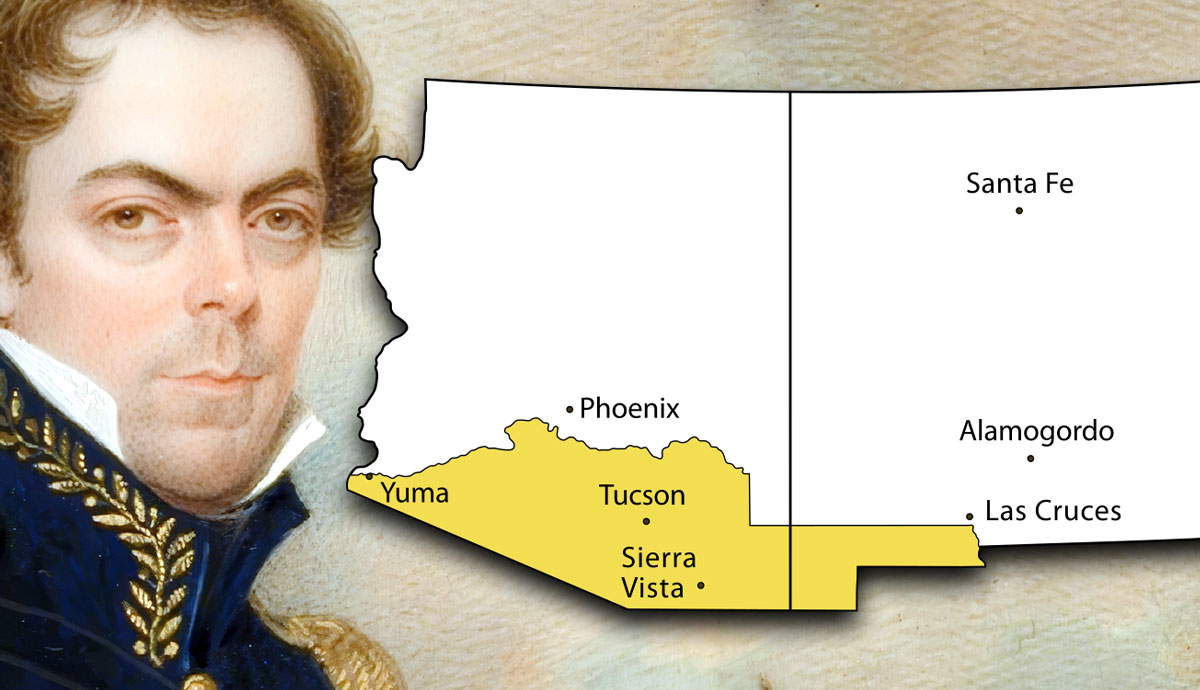
WWW.THECOLLECTOR.COM7 Facts About the Gadsden Purchase of 1853 That Expanded the US SouthwestThe Gadsden Purchase, finalized in 1853, marked an important moment in American history. Negotiated by James Gadsden, and finalized by President Franklin Pierce, it secured nearly 30,000 square miles of land in what is now southern Arizona and southwestern New Mexico. This deal was motivated by the vision of a southern transcontinental railroad and promises of economic growth, yet it sparked heated debates over slavery and congressional balance. Here are seven facts about this historic purchase.1. It Was a Land Deal for the SouthwestGadsden Purchase Southern Pacific Railroad Map, c. 1853. Source: National Parks ServiceThe Gadsden Purchase was a key moment in the American expansion, finalized in 1853 when the United States bought a strip of land from Mexico. This acquisition added what are now parts of southern Arizona and southwestern New Mexico to the nation. Furthermore, the Purchase was a practical move as many eastern Americans were moving westward in search of better economic opportunities. This increasing population facilitated a need for a southern transcontinental railroad.At the time, American leaders recognized that connecting commerce and continuing settlement depended on accessible transportation routes. This deal helped to expand and connect the nation.While the Purchase may seem modest compared to previous and later land deals, its impact was far-reaching, influencing the development of local economies and shaping the political landscape of the border.2. James Gadsden Led the NegotiationsJames Gadsden, by Charles Fraser, c. 1831. Source: Wikimedia CommonsAt the center of this historic deal was James Gadsden, a determined American politician whose name is forever linked with the Purchase. Sent to Mexico in the early 1850s, Gadsden was tasked with negotiating a deal that would benefit the United Statess ambitions in the West. His goal was to come with an agreement that balanced American expansion while maintaining a relationship with Mexico.Gadsdens persistence, charm, and sense of opportunity shone through in the tense discussions and complex political atmosphere of the time. Five years prior, the United States had fought a war with Mexico over the Republic of Texas. In 1836, Texas gained its independence from Mexico and declared itself a Republic. Nine years later, the United States annexed Texas, subsuming the republic into the United States. Mexico never recognized Texass independence and viewed the actions of the United States as illegal. War broke out in 1848 and ended with a US victory.The peace treaty, Guadalupe Hidalgo, forced Mexico to hand over much of what is the southern and northwestern United States today. Gadsden knew the strategic value of the remaining territory as a location to support a trade route and railroad. His efforts ensured that the deal was both fair and successful, even if it stirred controversy back home.3. It Was Driven by the Need for a Southern Transcontinental RailroadSouthern Pacific Railway blueprint for second transcontinental rail line, 1881. Source: Wikimedia CommonsOne of the main reasons behind the Gadsden Purchase was the growing ambition to build a southern transcontinental railroad. Americans at this time believed in an ordained mandate called Manifest Destiny. It was Gods wish that the North American continent be settled by white men from ocean to ocean. As America looked west, the idea of linking the southern states to the Pacific via rail seemed essential for the implementation of Manifest Destiny.The territory acquired through the Purchase offered an ideal route that was relatively flat and well-suited for laying tracks, the opposite of the Northern Transcontinental Railroad which required blasting through heavy rock to create pathways through various mountain ranges.Leaders believed that this new railroad would open up trade, further encourage migration, and bind the nation closer together, particularly at a time when different regions were nearly at war with one another over their political and social ideologies. The promise of a reliable transportation route excited business interests and appealed to a broader vision of American progress.4. The Deal Was Controversial and Politically Charged33rd Congress or the United States division in the House of Representatives. Source: Wikimedia CommonsThe Gadsden Purchase didnt come without its fair share of controversy and political debate. In the high-strung atmosphere of the 1850s, every major political decision was challenged and debated, and the Gadsden Purchase was not an exception. Critics worried that the new territory might upset the delicate balance between free and slave states.Many argued that adding land in the Southwest could potentially expand the institution of slavery, tipping the scales of representation in Congress in favor of pro-slavery men. These concerns were validthey reflected deep-seated regional tensions, known as sectionalism, that were already threatening to tear the nation apart.Supporters, however, saw the Purchase as a step forward, a necessary move to both grow and strengthen the country no matter the impact on the already turbulent political scene. Despite the fierce opposition and political debate, the deal went through, further dividing the nation and charting a course to the Civil War.5. It Was Finalized Under President Franklin PiercePresidential portrait of Franklin Pierce, 14th President of the United States, c. 1855. Source: Library of CongressThe Gadsden Purchase was finalized during the presidency of Franklin Pierce, a leader who recognized the value of this new land while understanding the political risks it entailed. In the early 1850s, as tensions over expansion and the balance of power between free and slave states grew, Pierce saw the opportunity to secure a vital piece of the Southwest. His administration worked hard to negotiate the terms with Mexico, balancing economic ambitions with the growing sectional debates at home.Pierces willingness to move forward with the Purchase highlighted his commitment to American expansion via Manifest Destiny and the belief that progress sometimes required tough decisions. He finally signed the agreement in 1853. While the decision sparked controversy and debate among his contemporaries, it ultimately contributed to shaping the nations future. Franklin Pierces role in finalizing the Gadsden Purchase involved tough decision-making in a time of immense change both politically and socially.6. Its Legacy Continues to Influence the Southwest TodayThe Gadsden Purchase historical marker near Casa Grande, Arizona. Source: Wikimedia CommonsThe effects of the Gadsden Purchase are still visible today, long after the ink on the agreement had dried. Its impact can be seen in the way the areas infrastructure, economy, and cultural identity have evolved over time, especially in the artwork plastered on many buildings incorporated into the United States by the Gadsden Purchase.Historians and locals recognize that this deal, although controversial, played a critical role in laying the groundwork for future growth in the sprawling cities of the Southwest. It serves as a reminder that decisions made in one era can influence the character and progress of a region for generations to come.0 Comentários 0 Compartilhamentos 16 Visualizações -
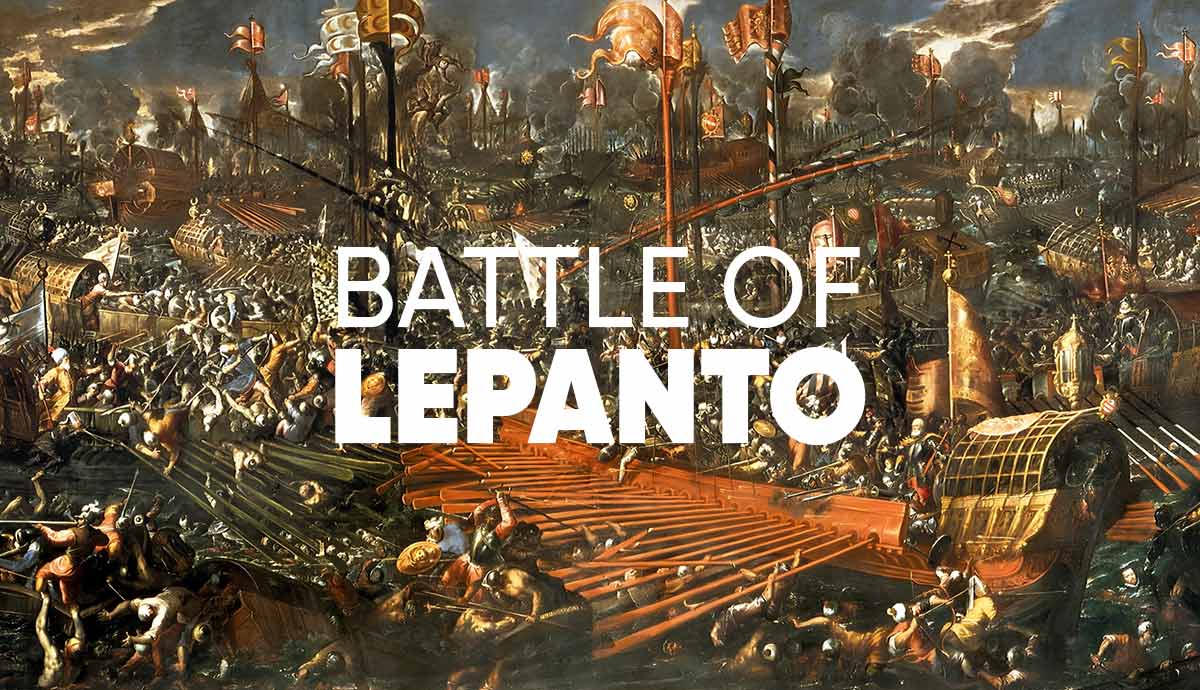
WWW.THECOLLECTOR.COMHow a United European Fleet Crushed the Ottomans at the Battle of LepantoThe Battle of Lepanto was one of the fiercest clashes of the 16th century, where a rare alliance of European powers confronted the dominant Ottoman fleet. The Holy Leagues victory ended Ottoman naval supremacy in the Mediterranean and shattered the myth of their maritime invincibility. It was also the last major battle fought primarily by galleys; in its aftermath, the galleon and other sailing warships rose to prominence. Lepanto marked both a decisive strategic moment and a shift toward the emerging Age of Sail.Prelude to the BattleBattle of Lepanto by Laureys a Castro, 1683. Source: Wikimedia CommonsIn the 1500s, the Ottoman Empire was regarded by many in Christian Europe as an implacable and expanding threat. Despite suffering occasional setbacks on land and sea, the Ottomans were a formidable military power, especially when contrasted with the disunity and rivalries that plagued Christian states. The only factor preventing their complete dominance was that the empire was also engaged in a long-standing struggle with its eastern rival, the Safavid Empire in Persia.The successful Christian defence during the Siege of Malta in 1565 proved that the Ottomans could be halted, but it was only a temporary reprieve. When Sultan Selim II succeeded his father, Suleiman the Magnificent, in 1566, Mediterranean observers expected a renewed Ottoman push westward. Venice, one of the main naval powers capable of resisting Ottoman ambitions, was particularly vulnerable after a fire in its Great Arsenal in 1569, devastated its shipbuilding capability. The following year, Ottoman forces launched an invasion of Cyprus, capturing key towns and besieging others with their customary efficiency.Faced with overwhelming pressure, the Venetians sought assistance from other Christian powers. Their appeal coincided with the ambitions of Pope Pius V, who had long advocated a united Christian response to Ottoman expansion. The combination of Venetian desperation and papal ambitions would lay the groundwork for the formation of the Holy League, the coalition that would confront the Ottomans at Lepanto.Formation of the Holy LeagueBattle of Lepanto by Juan Luna, 1887. Source: Spanish SenateThe Holy League was a broad Catholic alliance formed in 1571 under the leadership of Pope Pius V, intended to challenge Ottoman dominance in the eastern Mediterranean. Its core members were the Spanish Empire, the Republic of Venice, and the Papal States, supported by the Republic of Genoa, the Duchies of Savoy, Tuscany, and Urbino, the Knights of Malta, and several minor Italian powers. It was an unusual coalition, bringing together states with long-standing rivalries and conflicting political priorities.Several major Christian powers remained conspicuously absent. France refused to join, maintaining its long-standing diplomatic partnership with the Ottomans as a counterbalance to Spanish power. Portugal, though a formidable naval state, was overstretched by commitments in Morocco, the Red Sea, the Indian Ocean, and Southeast Asia. The Holy Roman Empire, embroiled in internal disputes and frontier conflicts, opted for neutrality rather than engage in another costly Mediterranean campaign.Even amongst those who did join, unity was fragile. While all agreed on the need to oppose the Ottomans, the Leagues members frequently quarrelled over military command, strategy, and the division of costs and spoils. It was an achievement of exceptional diplomatic skill that Pius V managed to hold the coalition together long enough to field a combined fleet at sea. Venice and Spain provided the bulk of the ships, money, and manpower, but contributions arrived from across Italy and beyond. In the end, the Leagues victory at Lepanto would stand as its first, and effectively, its last great triumph before dissolving after the Popes death.Opposing ForcesA Venetian Galeass from the Battle of Lepanto, 1851. Source: A History of Naval Architecture by John FinchamThe Holy League assembled one of the largest Christian fleets of the 16th century. Venice contributed the single greatest contingent, supplying 109 galleys and six heavy galleasses, vast floating artillery platforms that would play a decisive role in the battle. Spain added 49 galleys, while Genoa sent 27. Smaller but still vital contributions came from the Papal States (seven galleys), the Knights of Malta (three), Savoy (three), Tuscany (five), and several privately owned vessels. In total, the Christian fleet comprised 206 galleys and six galleasses, manned by around 30,000 soldiers and 40,000 sailors, including Miguel de Cervantes, the future author of Don Quixote. The fleet was commanded by Don John of Austria, the half-brother of King Philip II of Spain.The Ottoman fleet was equally formidable, drawing on both the imperial navy and experienced Barbary corsair squadrons. Their force consisted of 222 galleys, 56 galliots, and numerous lighter craft. The ships were crewed by roughly 13,000 sailors, supported by 37,000 slave oarsmen, and carried approximately 25,000 soldiers as marines. Many of these troops were skilled archers, including the Ottoman admiral Ali Pasha.Overall, the two sides were closely matched, each with distinct strengths. The Ottomans possessed highly trained seamen and superb archers, while the Holy League relied on large numbers of professional soldiers and superior firepower from its arquebusiers and galleasses. Both fleets used slaves and convicts as oarsmen, though a higher proportion of the Leagues rowers, especially amongst the Venetians, were free citizens. This difference in morale and endurance would prove critical. Within both camps, some commanders feared the risks of a fleet action of such scale, but advocates for battle ultimately prevailed.The Battle BeginsBattle of Lepanto, 1571, by Fernando Bertelli. Source: Vatican MuseumsThe battle opened in the Gulf of Patras in western Greece, where the Ottoman fleet advanced in a wide crescent formation. Opposing them, the Holy League arrayed its fleet in three divisions positioned behind the six massive Venetian galleasses, which had been packed with cannon and arquebusiers and anchored slightly ahead of the line. As the Turks approached to the thunder of drums and battle cries meant to intimidate their foes, the Christian crews prepared for brutal close combat. Grease was smeared on the rails to hinder boarders, nets were hung to trap attackers, and in a remarkable move, chained slaves and prisoners were unshackled and armed with the promise of freedom if they fought bravely.The opening phase of the battle belonged to the galleasses. Their devastating broadsides shattered the cohesion of the Ottoman advance, sinking seven galleys outright and crippling many more before they could close the distance. Any vessel that attempted to pass the floating fortresses was torn apart by cannon fire or swept by volleys of arquebus shot. Soon, along the full length of the line, Christian and Ottoman galleys collided. Ships grappled together as archers and arquebusiers traded fire before infantry surged over the gunwales in savage boarding actions.At several points, the fighting became so dense that the sea was covered by a near-continuous mass of interlocked ships, turning the battle into a vast, chaotic platform of melee combat. On the Leagues left wing, a bloody stalemate ensued; on the right, the Ottomans gained an early advantage. But the decisive struggle unfolded at the center, where the flagship squadrons and admirals of both fleets clashed head on.Turning Point and CollapseBattle of Lepanto by Andrea Vicentino. Source: Doges Palace, VeniceFor hours the fighting raged, with neither side able to claim a clear advantage. Gradually, however, the momentum shifted toward the Holy League. The Ottomans were hampered by their reliance on chained oarsmen, who could not manoeuvre or support the crew when the battle turned to close combat. By contrast, Christian ships benefited from free oarsmen who could fight, reload weapons, or reinforce boarding parties. On every Ottoman ship captured by the League, slaves were unchained and armed, providing a steady stream of reinforcements to the Christian boarding forces.In the center, the decisive clash unfolded between the flagship squadrons. Ali Pasha drove the Ottoman flagship Sultana directly at Don John of Austrias La Real, and fierce boarding actions raged back and forth. Janissaries initially gained ground, only to be driven back by Spanish and Italian infantry. After multiple assaults on both sides, a final Christian push broke onto Sultanas deck, overwhelming her defenders. Ali Pasha was killed fighting, and his severed head raised on a pike. Even still, many Ottoman ships fought on.The one significant Ottoman success occurred on their left, where the experienced corsair commander Ochiali exploited a gap in the Christian line. He overwhelmed the Hospitaller flagship, captured its banner, and escaped with around 30 ships. Despite this local victory, the wider battle was a catastrophic Ottoman defeat: more than 200 Turkish ships were sunk or taken, up to 25,000 Ottoman soldiers were killed, and thousands more were captured. The Holy League lost about 8,000 men, and although nearly every ship was damaged, only a handful were sunk. They had also rescued over 12,000 galley slaves.Aftermath and Legacy of LepantoBattle of Lepanto by Andries van Eertvelt, 1640. Source: SothebysNews of Lepanto spread across Europe, sparking celebrations comparable to those following the Siege of Malta. For the first time in over a century, the Ottomans had suffered a decisive naval defeat. Like Malta or the later victory at Vienna, Lepanto demonstrated that Ottoman expansion could be halted, and it shattered the long-standing perception of Turkish naval invincibility. This psychological shift was significant: Christian powers that had feared the empire now sensed that its advance could be resisted.In strategic terms, however, the victory delivered limited short-term gains. The Ottomans retained Cyprus, the very territory the Holy League had hoped to liberate, and they rebuilt their fleet with astonishing speed in the months following the battle. Because galley warfare relied on abundant timber and manpower, ships themselves could be replaced quickly; what could not be easily restored was the experience of thousands of skilled sailors, archers, and marines lost at Lepanto. This loss of trained personnel was the true long-term blow to Ottoman naval strength. It is telling that Ochiali as the new commander of their fleet ordered 20,000 arquebuses for his marines in 1572.Although the Ottomans continued to dominate the eastern Mediterranean, Lepanto marked the beginning of their decline as a blue-water power. Spain, Venice, and Genoa remained unchallenged in the western Mediterranean for decades, and the empire never again fielded a fleet of the same quality or cohesion. The battle endures less for its territorial impact than for its symbolic and cultural legacy. Cervantes declared it The greatest days work in centuries.0 Comentários 0 Compartilhamentos 16 Visualizações -
-
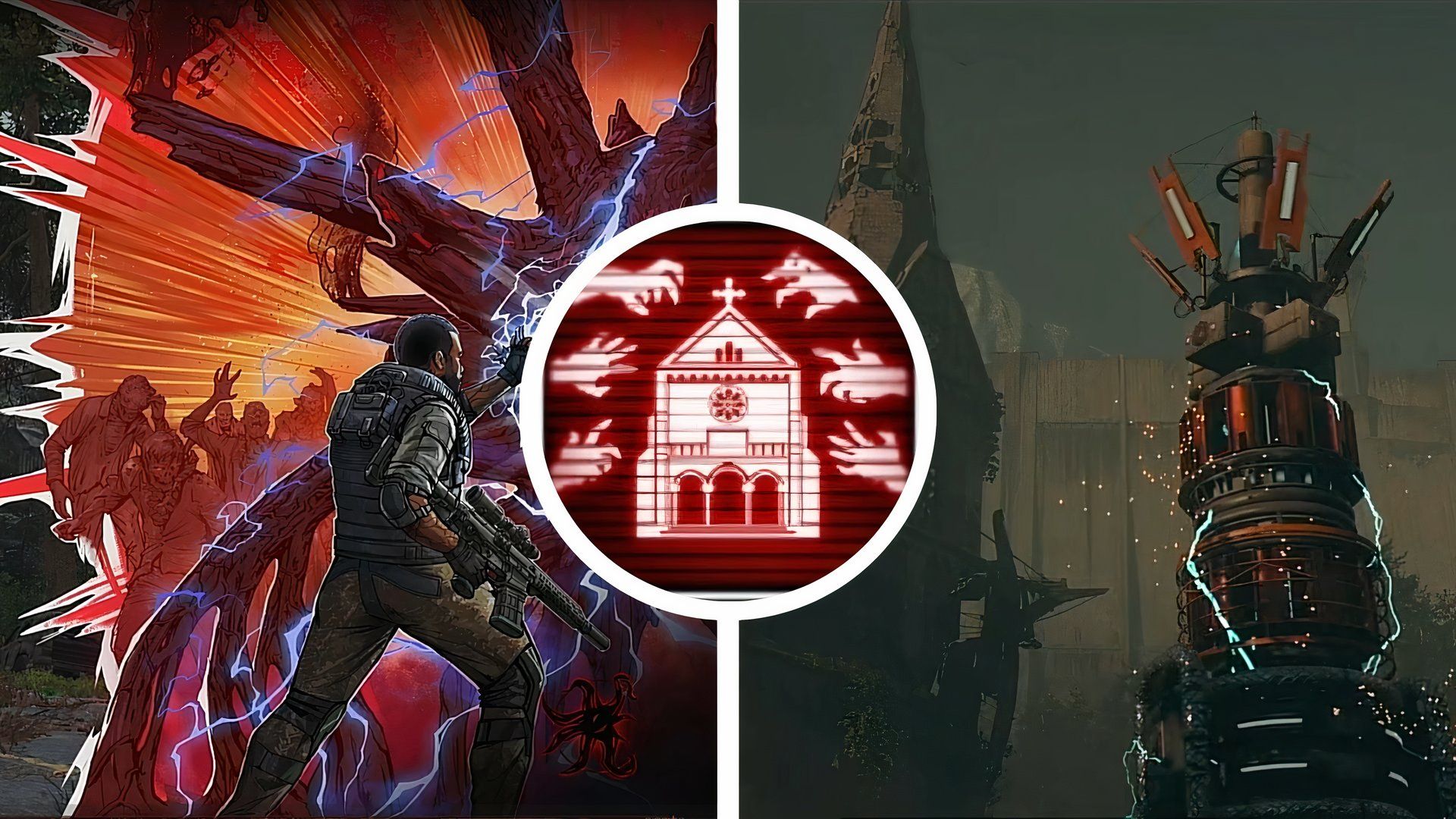
WWW.DUALSHOCKERS.COMToxic Commando: Hold the Door! WalkthroughAfter about a year-long delay, John Carpenter's Toxic Commando has finally released, marking the third time the legendary horror film creator has worked on a video game in terms of writing.0 Comentários 0 Compartilhamentos 13 Visualizações -
0 Comentários 0 Compartilhamentos 13 Visualizações
-
WWW.THECOUNTRYCOOK.NETTaco Bell QuesaritoMake a cheesy Taco Bell Quesarito at home with seasoned beef, rice, queso, sour cream, and chipotle sauce wrapped in a crispy quesadilla!A Fast Food Fan FavoriteWondering what the heck a Taco Bell Quesarito is? It is a specialty menu item that Taco Bell discontinued, then brought it back, then discontinued, then brought it back again and will discontinue again. It will give you whiplash! Quesadilla + Burrito = Quesarito. Is it indulgent? Yes! is it delicious? Also, yes! But you dont have to worry about Taco Bells fickleness with taking it off the menu when you can make it at home (and dare I say, it tastes WAY better!) Frequently Asked Questions:What else can I add to these? Try adding some refried beans or black beans to make these even more hearty. If you want some heat, try some jalapenos. Right before serving, you can even drizzle with a little more chipotle sauce. Do I have to toast them? Nope. It can be an optional step. You get them grilled at Taco Bell but if you want to skip that step, you certainly can. This is your Quesarito, so make it how you want! Can I make Homemade Creamy Chipotle Sauce? Cant find it in the store? You can make it homemade! Heres the ingredients and instructions. Ingredients:1 cup mayonnaise2 chipotle peppers in adobo sauce1 Tablespoon adobo sauce (from the can)1 Tablespoon lime juice (fresh)1 teaspoon garlic powder teaspoon onion powder teaspoon salt24 Tablespoons water (to thin to desired consistency)Directions:Add mayonnaise, chipotle peppers, adobo sauce, lime juice, garlic powder, onion powder, and salt to a blender or food processor.Blend until completely smooth.Add water, 1 Tablespoon at a time, until the sauce reaches your preferred drizzle consistency.Taste and adjust salt or lime juice if needed. What to serve with Quesaritos? I think these would be great with Taco Bell Nacho Fries! A nice salad or Taco Salad would be another great option. How do I store and reheat leftovers? I will say these are best right when you make them. But if you want to keep leftovers, I suppose you can. Leftover copycat Taco Bell Quesaritos can be stored in aluminum foil. They should be wrapped tight and should be kept in the refrigerator for up to 2 days. When ready to reheat them, toss them in a skillet on the stove over medium-low heat until warmed through again. Ingredients Needed : (See Recipe Card Below For the Full Recipe) ground beef ground turkey or shredded chicken are also good options. taco seasoning as always, a Homemade Taco Seasoning is a great option, especially if youre watching sodium intake or any other ingredients. Buying a low sodium taco seasoning is always an option as well.waterlarge flour tortillas look to grab a bag of the burrito size tortillas. You can use low carb tortillas to make this a bit lighter, or even lettuce wraps. Using some Homemade Tortillas is a great idea as well. shredded Mexican blend cheese you can use just cheddar if that is something you prefer. cooked seasoned rice Spanish rice or cilantro lime rice works. Knorr Spanish Rice (not a paid affiliate link) was a brand I used here. Zatarians Cilantro Lime rice is really good too. Homemade Spanish Style Rice (minus the meat) is a good option, or my 3-Ingredient Mexican Rice is a great alternative to try out.nacho cheese sauce use whatever nacho cheese sauce you have, use some Homemade Nacho Cheese Sauce, or you can use store-bought queso. You can use your favorite brand of nacho sauce, or some perhaps make some homemade Queso Dip.sour cream hate sour cream? Just use Greek yogurt, or leave it out. Mexican Crema is another option.creamy chipotle sauce bottled taco sauce or chipotle mayo works too. You can use my homemade sauce I shared in the Frequently Asked Question section above. See my ingredient image below. How To Make Taco Bell Quesarito:In a skillet over medium high heat, cook and crumble the ground beef until fully cooked. Drain excess grease and put back into the skillet.Add in taco seasoning and water with the cooked ground beef. Stir and simmer until thick. Warm one of the flour tortillas in a separate skillet over medium heat. Sprinkle a generous handful of shredded cheese on to the flour tortilla (leaving about a 2-inch border around the edges.) Top with a second tortilla and let it melt together into a cheesy quesadilla shell.Remove from the heat then and add a line of seasoned rice, taco meat, nacho cheese sauce, sour cream, and chipotle sauce down the middle.Roll it up tightly like a burrito, folding in the sides. Place it seam-side down back into the warm skillet for 12 minutes to seal and lightly toast. Slice and serve warm!CRAVING MORE RECIPES?Taco Bell EnchiritoTaco Bell Mexican PizzaTaco Bell Nacho FriesTaco Bell Taco SaladTaco Bell Chili Cheese Burrito PrintTaco Bell QuesaritoJust like what you get at the fast food drive thru a quesadilla stuffed with all the beef burrito goodness.!Course Dinner, Lunch, Main CourseCuisine AmericanPrep Time 20 minutes minutesCook Time 20 minutes minutesTotal Time 40 minutes minutesServings 4Calories 960kcalAuthor Brandie SkibinskiIngredientsFor the seasoned beef:1 pound ground beef1 ounce packet taco seasoning cup waterFor assembly:8 large flour tortillas (burrito size)2 cups shredded Mexican blend cheese (divided use)1 cup cooked seasoned rice (Spanish rice or cilantro lime rice, see notes below) cup nacho cheese sauce (or queso) cup sour cream cup creamy chipotle sauce (see notes below)InstructionsIn a skillet over medium high heat, cook and crumble 1 pound ground beef until fully cooked (no longer pink). Drain any excess grease and put back into the skillet.Add in contents of 1 ounce packet taco seasoning and cup water with the cooked ground beef. Stir and simmer until thick. Remove from heat. Warm one of the large flour tortillas in a separate skillet over medium heat. Sprinkle about 1/2 cup shredded Mexican Cheese blend onto the tortilla (leaving about a 2-inch border around the edges.) Top with a second large flour tortilla and let it melt together into a cheesy quesadilla shell. NOTE: At this point, after the cheese has begun to melt, you can flip it over if you want or if you feel one side is getting too dark. You want the cheese fully melted in the middle. You can also cover the skillet to help this along. Just don't turn the heat up to high or it can burn the tortilla.Remove the quesadilla from the heat then add a line of seasoned rice (about 1/4 cup), taco meat, nacho cheese sauce (about 2 Tablespoons), sour cream (about 2 Tablespoons), and creamy chipotle sauce (about 1 Tablespoon) down the middle.NOTE: These are just estimate amounts to use. Please use as little or as much as you like as long as it can still roll up. If you don't like one of the filling options, just leave it out. Roll it up tightly like a burrito, folding in the sides.Place it seam-side down back into the warm skillet for 12 minutes to seal and lightly toast.Slice and serve warm! Continue with the rest of the quesaritos. NotesPlease refer to my FAQs (Frequently Asked Questions) and ingredient list above for other substitutions or for the answers to the most common questions.I just picked up a bag of Knorr Spanish Rice (see ingredient image above) and made it per the package directions. See my Frequently Asked Questions above for more suggestions.You dont have to use the creamy chipotle sauce. See my Frequently Asked Questions above on a homemade version and my ingredient photo above for the one I used. Any brand will work and it is very easy to find in most grocery stores. You could also just use your favorite taco sauce or chipotle mayo.NutritionCalories: 960kcal | Carbohydrates: 79g | Protein: 46g | Fat: 50g | Sodium: 2021mg | Fiber: 6g | Sugar: 8g0 Comentários 0 Compartilhamentos 13 Visualizações