• YUBNUB.NEWS
    Megyn Kelly Dropped a Photo of Bill Clinton That He Wanted Buried Forever
    PeopleImages via Shutterstock Bill Clinton spent six hours telling Congress he "saw nothing" and "did nothing wrong." Megyn Kelly spent that time showing America a photograph that tells a very different
    0 Комментарии 0 Поделились 31 Просмотры
  • WWW.UNIVERSETODAY.COM
    Laser-Based 3D Printing Could Build Future Bases on the Moon
    Simulated lunar dirt can be turned into extremely durable structures, potentially paving the way to more sustainable and cost-effective space missions, a new study suggests. Using a special laser 3D printing method, researchers melted fake lunar soila synthetic version of the fine dusty material on the moon surface, called regolith simulantinto layers and fused it with a base surface to manufacture small, heat-resistant objects.
    0 Комментарии 0 Поделились 33 Просмотры
  • WWW.THECOLLECTOR.COM
    The 8 Largest Armies of the Ancient World From Rome to China
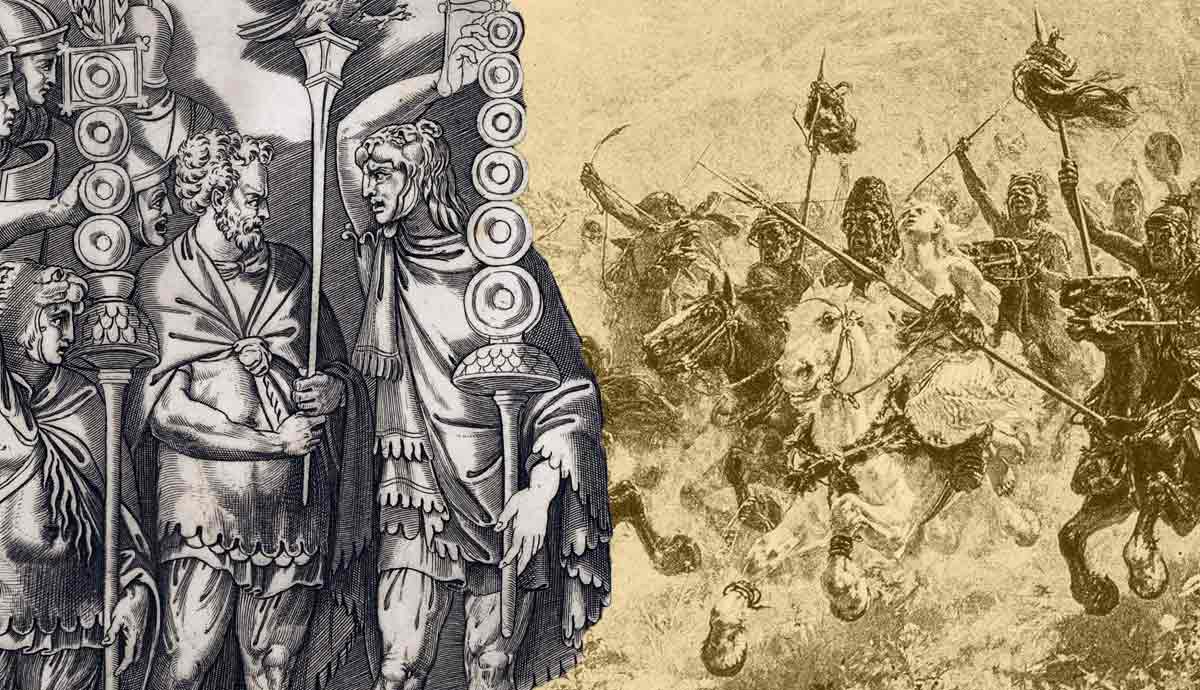
    Ancient armies such as the Han Chinese or Chandragupta Mauryas army were very large for their time and helped conquer or garrison territories. The main factors determining the size of ancient armies were population size and the degree of centralized administration.1. Qin Dynasty, ChinaThe Terracotta Warriors from the tomb of Qin Shi Huang. Source: UNESCODuring the unification of China, Qin Shi Huang, the ruthless and formidable First Qin Emperor, raised a sizable army to expand and consolidate his empire. During the 3rd century BCE, Qin forces marched eastwards to conquer rival warring states and managed to reach the Yellow Sea. The Qin relied principally on a force of infantry and maintained large garrisons to pacify conquered territory.While accounts are not fully clear on how large his forces were, it is estimated that the Qin Emperor had as many as a million men under his command all over his empire. The legalist system he developed prioritized military service and enforced a system of conscription. He was so impressed by military might that he ordered the creation of the famous Terracotta Warriors in his tomb complex to guard him in the afterlife. His army was massive for its time, but it exemplified the willingness of Chinese emperors to prioritize quantity over quality in recruitment.2. Han Dynasty, ChinaMap of the Han Empire c. 60 BCE by Qiushufang, 2019. Source: Wikimedia CommonsWhile not as large as the Qin Dynastys army, the Han Dynasty managed to maintain a formidable force at the same time the Romans dominated Europe and the Levant. At its peak under Wudi (the Martial Emperor), who reigned between 141 and 87 BCE, the Han empire had between 600,000-700,000 men at its disposal. Men were conscripted for one year of service, except for men linked to the royal court. After their active service, they were assigned reserve duty, meaning that they could be mobilized after their formal service was completed.Over time, the Han made a similar evolution to other Chinese dynasties. It started to rely on professional soldiers and mercenaries. This cut costs and increased the forces standards, but made it difficult to garrison every part of the empire. During this period, the Han Dynasty was considered one of the most formidable military powers on Earth.3. Mauryan Empire, IndiaPhotograph of a monument depicting Mauryan and Pre-Mauryan soldiers in India. Source: World HistoryThe Greek historian Megasthenes, who served as an ambassador to the Mauryan Empire in India, estimated the Mauryan armys size to be 600,000 infantry, 30,000 cavalry, 9,000 chariots, and 8,000 war elephants. While his numbers were contested by other historians, his account is the most detailed about the number of men that Mauryan rulers could bring to bear. It relied heavily on levied conscript infantry to take and hold territory, while using cavalry to outmaneuver its enemies on the battlefield.The Mauryan Empire dominated the majority of the territory of the Indian subcontinent and even had a War Office dedicated to supervising the organization of its military. In addition to native Indians, it relied on foreign mercenaries to bolster its forces. For 136 years, it proved to be one of the most formidable forces in Asia until its replacement by the Shunga Dynasty.4. Gupta Empire, IndiaGupta Army on the march. Source: Wikimedia CommonsFrom the 3rd century to the 6th century, the Gupta Empire dominated parts of northern and eastern India. Its peak came during the reign of Chandragupta II and was considered one of the most effective Indian kingdoms in the history of the subcontinent. Part of this was due to the effectiveness of its large military which enabled it to defend its territory. It had a formidable force composed of infantry, cavalry, and war elephants that could go on both offense and defense.Contemporary sources reported that the Guptas had around 500,000 infantrymen, 50,000 cavalry, and 10,000 war elephants. Their battle experiences taught them how to use heavy cavalry as a force to devastate their enemies. At sea, the empire had a naval force that protected trade ships from its ports, which was stronger than any other regional navy. The Guptas proved to be a capable military that the Indian army emulates to this day.5: Roman Empire, MediterraneanA Roman Legion by Marco Dente, 1515-1527. Source: National Gallery of Art, WashingtonDuring its evolution from a republic to an empire, the Roman army grew massively in size. It recruited local levies from all around the empire into auxiliary units for garrison duty. The elite units of the empire, the Legionaries, were recruited from the Italian heartland. The Praetorian Guard, formed to personally protect the emperor, was composed of 20,000 men, the best trained in the empire.Historians consider the height of the Roman Empire to be during the reign of Emperor Septimius Severus in the late 2nd-early 3rd centuries. It is estimated that between 450,000 and 500,000 men served in the Roman military across the empire. They garrisoned population centers, fought off rebellions, and conquered adversaries. The organization and tactics used by the Roman army inspired states that sought to emulate its power centuries after the fall of the Western Empire.6. Achaemenid (Persian) Empire, Middle EastA tiled panel depicting Persian warriors. Source: Pergamon Museum, BerlinWith its heartland in Persia, the Achaemenid Empire stretched from the Balkans to India at the height of its power. It battled armies in the east and west, including the forces of several Greek city-states. It was composed of an elite corps called the Immortal Guard, provincial levies from around the empire, mercenaries, and light cavalry. Greek historians such as Herodotus and Thucydides claimed that they had a million men, though that is now considered an exaggeration.Modern historians estimate the size of the Persian army at between 120,000 and 300,000 men when Xerxes I marched on Greece, including noncombatants. Across its entire empire, the Persians could have mobilized just over 300,000 men. When Alexander the Great marched to battle the Persians, they still had hundreds of thousands of warriors available across the empire to contest the Macedonian advance.7. Nanda Empire, IndiaMap of the possible extent of the Nanda Empire in c. 325 BCE by Avantiputra7, 2014, based on Schwartzberg, J. E. (1992), A Historical Atlas of South Asia: University of Oxford Press. Source: Wikimedia CommonsWhen the Macedonians marched through the Middle East and Central Asia, they found themselves battling the forces of the Nanda Empire in India. Historians argue that Alexander decided to withdraw because of the sheer size of the Nanda army. They are estimated to have controlled much of what is today central and eastern India and had a very professional military force.Historians estimate that the Nanda army had 200,000 infantrymen, 20,000 cavalrymen, 2,000 war chariots, and 3,000 war elephants. The empire had a strong financial base of support, ensuring that it could maintain a large army. Their use of elephants apparently concerned Alexander, who was alarmed at the prospect of fighting them. Future Indian empires emulated the Nanda Empires battle tactics and organization.8. Hunnic Empire, EurasiaAttila the Huns defeat at Chalons. Source: Warfare History NetworkOn the march from Central Asia, the nomadic leader Attila the Hun created a formidable army of Central Asian nomads, Germanic tribesmen, and other peoples from the Eastern European steppe. After initially being employed as mercenaries to defend the Roman frontier, Attilas Huns launched aggressive attacks with swift cavalry units to ravage Europe and cause fear and chaos, making his name synonymous with the term barbarian.Historians have struggled to come up with a clear estimate of how many men Attila commanded. When he arrived in Europe, he likely had 100,000 men under his command. However, it is possible that he had more troops stationed in his rear to guard the garrisons he had set up and to protect his subjects.In recent years, some historians have suggested a link between the Huns of Central Asia and the Xiongnu people of the Eurasian steppe. In 91 CE, the Xiongnu fled the victorious Han Chinese army and arrived in Central Asia. Their arrival coincided with the first records of Hunnic activity in Europe. Subsequent DNA analysis established a genetic link between the two peoples, suggesting that the Huns were the first Asian invaders of continental Europe. The historian Hyun Jun Kim argues Attilas Huns were part of a much larger Hunnic Empire which may have had hundreds of thousands of warriors under arms.
    0 Комментарии 0 Поделились 31 Просмотры
  • WWW.THECOLLECTOR.COM
    How the Ancient Game of Chess Spread Across the World
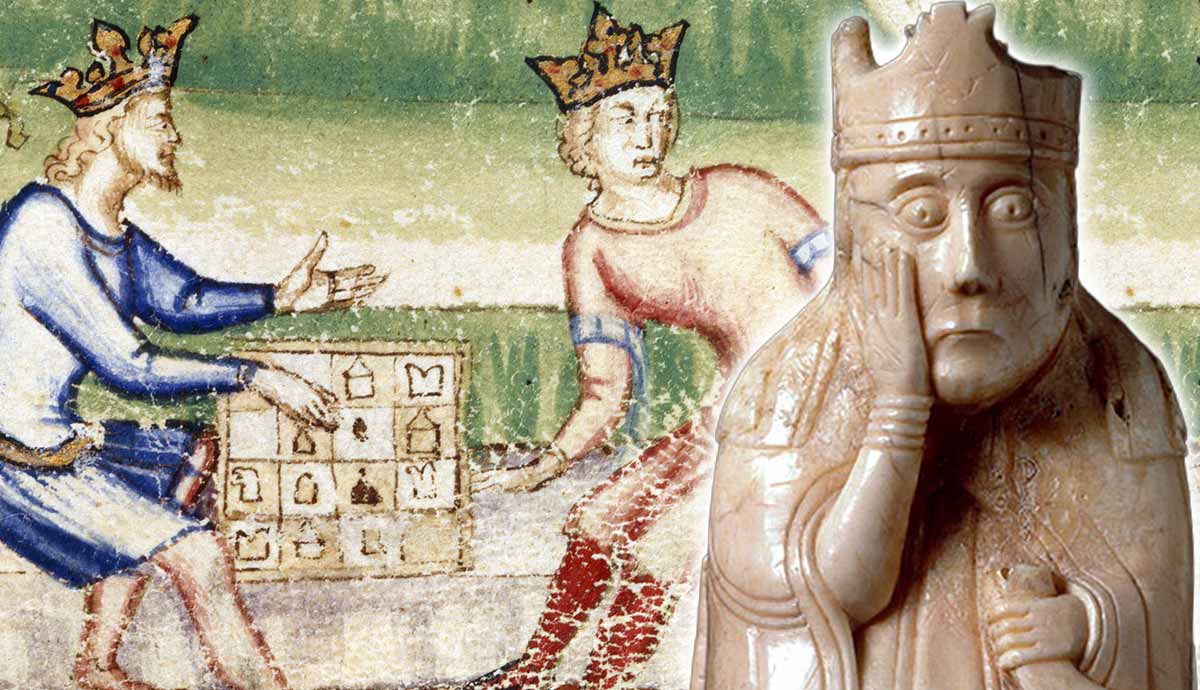
    Virtually everyone is familiar with chess, even if they are not avid players themselves. The game is a recurring motif in many of our films, TV shows, stories, and other media. Every year, thousands of chess players compete for prestige at the international level to secure their spot as a Grandmaster of chess. The game has undergone several rule iterations over its centuries of existence and is played worldwide at various skill levels, both online and offline. Chess captures the imagination of millions of players because it contains no element of luck or chance; performance is skill and knowledge-based.At first glance, looking at a chessboard ready for play, the game looks deceptively simple. So how exactly did chess become so widespread? Where did it start? And how has it changed?Overview of Modern Chess RulesChessboard set up with pieces ready to play. Source: Wikimedia CommonsAs a refresher for readers unfamiliar with chess, heres how the game is played. Each player starts with 16 pieces on an eight-by-eight board, consisting of eight pawns in their second rank (the horizontal row of the chessboard) and eight other pieces in the first rank. Each player takes turns moving one piece per turn (except castling) in its designated fashion, occupying squares and capturing opposing pieces by moving to their squares to gain control over the chessboard.If the king is put in check (threatened by one or more other pieces), the checked player must either break the check by capturing the attacking piece, interposing another piece between it and the king, or moving the king out of the way. If none of these can be done, the king is checkmated and the game ends. The game can also end if a player resigns or neither player can win, such as if there end up being only two kings on the board. Each of the different pieces moves in a specific way, which well discuss next.How Chess Pieces MoveChess queen and king. Source: Wikimedia CommonsHeres a breakdown of how each piece moves. These rules, as well as the pieces themselves, have changed over the centuries, but this is the modern form, unchanged since the 1500s.Pawns may move two squares forward, but only on their first turn. After that, they only move one square directly forward or capture a piece diagonally forward. If the pawn can reach the opposite side of the board, it can be promoted to another piece; usually, this is the queen; however, some game states could require promotion to a knight.Rooks may move any number of squares orthogonally (forward/back and left/right). They may also be used in castling to get the king to safety. To castle legally in chess, there can be no pieces between the king and rook, the king must not be in check or move through check, and neither piece may have moved previously. The king moves two spaces toward the rook, and the rook moves to the kings opposite side.Knights face off, photo by Hassan Pasha. Source: UnsplashKnights move in the shape of a capital letter L, that is, two squares orthogonally and one perpendicular to that direction. They are the only pieces in the game that can jump over other pieces; i.e., they can be moved as an opening piece without having to move a pawn to clear a path.Bishops may move any number of squares diagonally. Because of how the board is set up, one bishop will only be able to move onto light-colored squares, and the other bishop will handle dark-colored squares. They work best when both are on the board, because they complement each other.The queen may move any number of squares orthogonally or diagonally, combining the roles of the rook and the bishop. It is the most powerful and valuable piece, aside from the king.The king may move one square in any direction. It may not move into check.The Beginnings of ChessBoard with a full set of chaturanga-style pieces. Source: Wikimedia CommonsAround 1,500 years ago in the Gupta Empire of India, there was a game called chaturanga. This Sanskrit word means four limbs, referring to the four parts of an army: soldiers, elephants (which were used as mobile archery platforms, siege weapons, etc), chariots, and horses. Its original use was likely to teach tactical thinking to military leaders, which is also reflected in its use by later cultures. We know that chaturanga spread to Sassanid-controlled Persia, where it was called shatranj or simply Persian chess sometime in the 8th century, due to archaeological finds of game pieces near Samarkand. The Persian epic poem Shahnameh also mentions a challenge between rulers from India and Persia.The game became extremely popular in Persia and was played mostly by the nobility. It eventually spread through the Arabian Peninsula and into North Africa in the 9th century. The game also travelled east along the Silk Road, finding some popularity in China and later Japan, both of which developed their own versions.Even today, many versions of chess are played. Historically, there were also variants on the standard ruleset, with some versions adding their own pieces and rules, such as Tamerlane chess.Chess Comes to Western EuropeQueen from the Lewis Chessmen set, 1150-1200. Source: The British MuseumAround the same time Persian chess made its way into North Africa, it was also spreading into Spain via the Moorish invasion of the Iberian Peninsula. Remember how we said the pieces from the original chaturanga represented foot soldiers, elephants, chariots, and horses? Once the game of chess reached Europe, there was little idea of the reason for the pieces appearance: e.g., why the elephant? Therefore, the pieces gradually changed and were renamed to suit the local culture. The foot soldiers became pawns, the elephant the bishop (as Catholicism was the dominant religion in Europe at the time), the chariot (which had been widely used since the introduction of the stirrup) was renamed the rook or castle, and the horse became the knight, which still maintains its characteristic horsehead shape. The visir, or the chief adviser, was reworked into the queen. Finally, the shah was renamed the king. The word checkmate comes from shah mat, or the King is helpless/dead.Chess spread to Western and Northwestern Europe through Viking trade and shipping routes. France, England, Germany, and Russia were introduced to chess during this time period. The Lewis Chessmen, excavated in 1831, illustrate the contact between Viking traders (who also had their own version of chess) and Scotland.Chess as Part of Nobles EducationTwo kings playing chess, from the Roman du Roy Meliadus de Leonnoys, 1352. Source: The British LibraryJust as in Persia, nobles in Europe played chess as a means of entertainment and a way to hone abstract thinking and military tactics. Knights, for example, were expected to learn how to play chess because chess was considered one of the standard pastimes for people of noble birth, but its teachings also expanded beyond war.Dominican friar Jacobus de Cessolis wrote The Book of Chess in the 13th century, explaining the rules and historical context of the game, as well as how it could be used as an allegory for the interplay between the pieces on the chessboard, much like the various strata of feudal society played complementary roles that supported one another. For example, the pawns can be likened to commoners. Beginner players often sacrifice pawns needlessly, just as some feudal lords were known to do to the peasants under their rule by mistreating or undervaluing them.Rules EvolutionLight-squard chess bishop. Source: Wikimedia CommonsWhen chess first came to Europe, the pace of the game was glacially slow compared to how it is played today. This is due to modifications in the way certain pieces move, most notably the queen and the bishop. Originally, the bishop could only move two squares, but it later received the ability to move any number of squares. The queen was originally much less powerful, only able to move one square diagonally; the queens ability to move any number of squares in any direction was introduced during the 15th century.In addition, the pawn received an upgrade to its movement. Initially, pawns could only move one square directly forward, but this made the game too slow for most people to enjoy. Therefore, the rule allowing pawns to move two squares on the first move was introduced. In turn, this rule led to the creation of the en passant rule. En passant means in passing. If, for example, Blacks pawn lands two squares forward of Whites pawn row and White tries to make a two-square move to bypass Blacks pawns ability to capture, Black may move diagonally forward to capture the pawn in passing.The final major movement rule introduced is the kings ability to castle to either kingside or queenside. This move both protects the king and develops the rook, which is otherwise trapped in its corner until midgame.Modern ChessChess clock. Source: Wikimedia CommonsAnother aspect of chess play we havent touched upon is chess notation, which is used to record games for later study and analysis. In the past, players would use descriptive notation, assigning an initial to each piece; for example, QNP referred to the queenside knights pawn. Files were referred to by the piece that normally occupies them: R for the rook, N for the knight, etc. This was relative to each player, and could be confusing. Starting in 1970, algebraic notation was introduced, where each square was given a rank/file name based on Whites side of the board; for example, e2 represents the starting square for Whites kings pawn. Pieces keep their initials.Chess, in its current form, is played at both the casual and competitive levels. Competitive chess was aided by the addition of stalemate rules (such as the threefold repetition rule and the 50-move rule) and chess clocks, which came into widespread use in 1883. Chess clocks give each player a certain amount of time to make all of their moves. For example, the first 40 moves of a game for each side might be allotted 90 minutes, and the rest of the game is allotted 30 minutes.These additions to the game and the ease of playing online have made chess one of the most enduring and popular board games of all time.
    0 Комментарии 0 Поделились 31 Просмотры
  • ALLTHATSINTERESTING.COM
    Squeaky Fromme And Her Disturbing Time Inside The Manson Family
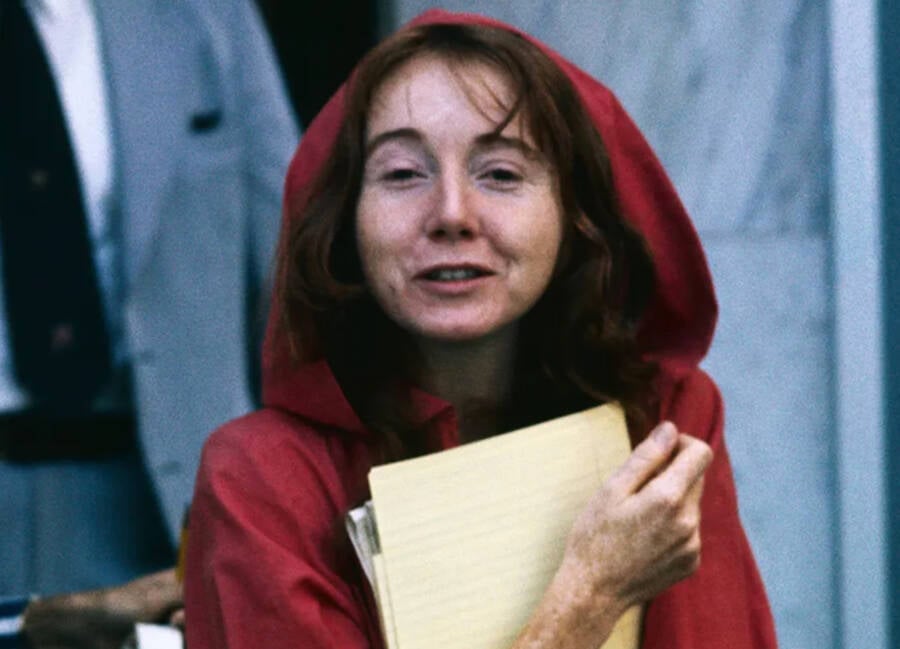
    Bettmann/Getty ImagesBetter known as Squeaky, Manson Family member Lynette Alice Fromme served 34 years in prison for trying to kill President Gerald Ford in 1975.On the morning of September 5, 1975, an impassioned young woman in a red-hooded robe traveled to Sacramento, California to plead with President Gerald R. Ford on behalf of the states redwood trees, which she believed to be in danger. Rather than a peaceful protest, however, Lynette Squeaky Fromme had something else in mind. Armed with a loaded .45 caliber pistol, Fromme pushed her way to the front of the crowd and pointed the gun at the president from an arms length away.After the gun misfired, the president walked away from the encounter unharmed and Squeaky Fromme was arrested, but this was far from the only dramatic incident in her disturbing story. As her arrest records soon revealed, Fromme not only had prior experience with crime, but with one of the most infamous criminals in history: Charles Manson.Bettmann/Getty ImagesCharles Manson arrives at the Inyo County Courthouse in the aftermath of the Tate murders on December 3, 1969.Indeed, Lynette Squeaky Fromme had been one of the first and most zealous members of the Manson Family that terrorized Los Angeles with a series of brutal murders in the summer of 1969.In all, Squeaky Fromme went from an all-American girl-next-door to a devoted member of one of the most notorious cults in American history to serving a life sentence for trying to assassinate a U.S. president.She was eventually released in 2009, and now lives her life out of the spotlight. But for years, Squeaky Fromme was a uniquely terrifying figure in the American consciousness. This is her story.Lynette Frommes Life Before Joining The Manson FamilyIronically, roughly 15 years before attempting to assassinate the President of the United States, Squeaky Fromme was invited to perform at the very place where he lived.Born on October 22, 1948, to middle-class parents in Santa Monica, California, Lynette Alice Fromme was a typical all-American girl. She was described as a sweet child who enjoyed playing outside with friends and being active.Wikimedia CommonsLynette Frommes high school yearbook photo.As a young girl, Lynette Fromme joined the Westchester Lariats, a well-known dance group in the area. In the late 1950s, Fromme and the Westchester Lariats began touring the United States. and Europe, traveling to Los Angeles to perform on the Lawrence Welk Show, and later to Washington D.C. to perform at the White House.But Lynette Frommes good-girl personality was not long for this world. In 1963 when Fromme was 14, her parents moved to Redondo Beach, California. She quickly fell in with the wrong crowd, as her family said, and began drinking and using drugs. Before long, her grades slipped and she found herself suffering from depression.She was in her first year of college when her father, an aeronautical engineer, kicked her out apparently because she was promiscuous and insubordinate. By 1967, she was homeless, depressed, and looking for an escape.And someone was willing to take Squeaky Fromme in.Squeaky Fromme Joins Charles Mansons Disturbing FamilyWikimedia CommonsCharles Manson, the cult leader who drew Squeaky Fromme into his web.Charles Manson found Lynette Fromme on the shores of Redondo Beach in 1967.Despite the fact that he had just recently been released from prison, Squeaky Fromme became enamored with Manson. She fell in love with his philosophies and attitude toward life, later calling him a once-in-a-lifetime soul.Dont want out and youre free, he told her during their first encounter. The want ties you up. Be where you are. You got to start someplace.Within days, Squeaky Fromme had all but become a Manson Family member. She traveled with Manson and by association became friends with fellow family members Susan Atkins and Mary Brunner.Life With The Manson Family At Spahn Ranch Before And After The Tate-LaBianca MurdersMichael Haering/Los Angeles Public LibraryThe Manson Family at Spahn Ranch.In 1968, the Manson Family found their home at the Spahn Movie Ranch outside Los Angeles. With little money to pay for rent, Manson reached a deal with George Spahn, the ranchs owner: The 80-year-old Spahn, who was nearly blind, would have sex with any of the Manson Family wives whenever he wanted and the family would be able to live on the ranch for free. The teenage Fromme was Spahns favorite and she was assigned to serve as his eyes and de-facto wife. Spahn gave her the nickname Squeaky, as Fromme squeaked whenever he pinched her thigh.In August 1969, Manson instructed his followers Tex Watson, Susan Atkins, Patricia Krenwinkel, and Linda Kasabian to go the house at 10050 Cielo Drive and murder everyone inside.Indeed, the killers brutally slaughtered actress Sharon Tate as well as her friends Jay Sebring, Wojciech Frykowski, and Abigail Folger. The next night, Manson had those same followers as well as Leslie Van Houten murder supermarket executive Leno LaBianca and his wife Rosemary inside their Los Angeles home.However, Squeaky Fromme was never implicated in any of these incidents, by far the most infamous of all of the Manson Familys many crimes.During Mansons trial in 1971, in which ex-Family member Linda Kasabian helped bring him down, Squeaky Fromme held a vigil outside of the courthouse and argued against his incarceration. Manson was sentenced to death that year and in 1972 he was re-sentenced to life in prison after a court decision neutralized Californias death sentences.Getty ImagesSqueaky Fromme and fellow Manson follower Sandra Pugh sit in court during a preliminary hearing for Charles Manson.Following the fall of their leader, most of the outlying Manson Family members denounced their support of Manson. But Fromme never did. After Manson was moved to Folsom Prison, Fromme and fellow family member Sandra Good moved to Sacramento to remain close.From the dilapidated apartment the two lived in, Squeaky Fromme began writing a memoir detailing her life with Manson. She wrote about how, from a young age, she wanted to be free and [shed] all the guilt feelings. Her goal in life was to find something exciting and do something that felt good I didnt, I wouldnt, adjust to society and the reality of things Ive made my own world It may sound like an Alice in Wonderland world, but it makes sense.Time obtained a manuscript in 1975, but after discussing the matter with Steve Clem Grogan, Fromme decided not to publish it on the grounds that it was too incriminating.Squeaky Fromme Falls In With Another Bad CrowdWikimedia CommonsSandra Good, Squeaky Frommes partner in crime in the years after Manson was imprisoned.Despite Charles Mansons imprisonment and the rest of the familys denouncement of his teachings, Squeaky Fromme and Sandra Good continued to wreak havoc in his name.In 1972, Fromme moved to Sonoma County and found herself caught up in another murder trial.The group of people she had been living with had murdered a married couple during a Russian-roulette-style game gone wrong.Squeaky Fromme denied involvement with the murder, claiming she had been on her way to visit Charles Manson in jail as her alibi. She was held for more than two months but was ultimately cleared.After the incident in Sonoma County, Fromme moved back in with Sandra Good in Sacramento and fell deeper into Mansons cult teachings than ever before. She and Good changed their names, Fromme to Red and Good to Blue, and began wearing robes of their respective colors to represent their love of the California redwoods (Fromme) and the ocean (Good).It was during this bout of existentialism that Fromme would finally end up in jail.The Attempted Assassination Of Gerald FordGetty Images/Wikimedia CommonsSqueaky Fromme is handcuffed after trying to assassinate President Gerald Ford in Sacramento.While she watched the news one day, Lynette Fromme learned that President Gerald Ford would be speaking at the Sacramento Convention Center on the morning of Sept. 5, 1975. Ford had just asked Congress to relax provisions of the Clean Air Act, and Fromme a tree-lover who feared automobile smog would wreak havoc on Californias coastal redwoods wanted to confront him on the issue. The convention center was less than a mile from her apartment.With an antique .45 caliber Colt pistol strapped to her left leg, and dressed in a bright red dress with a matching hood, Squeaky Fromme headed to the grounds outside the state capitol building, where the president headed after his breakfast speech. She pushed her way to the front until she was within a few feet of him.Then, she raised her gun.Those around her claim to have heard a click, but the gun never fired it was unloaded. As Secret Service agents tackled her, Squeaky Fromme could be heard marveling at the fact that the gun never went off.She was arrested and taken into custody.Public DomainLynette Squeaky Fromme remains most infamous for attempting to assassinate President Gerald Ford in Sacramento, California on September 5, 1975.Gerald Ford, for his part, continued with his scheduled meeting and never mentioned the attempt on his life until after business had been discussed. During Frommes trial, he became the first U.S. President to testify in a criminal case when he submitted his video testimony.In 2014, a judge ordered the release of the audio recordings of Frommes 1975 psychiatric evaluation. In the recordings, she says she thinks she has about a 70 percent chance of being found not guilty.The Fate Of Squeaky Fromme TodayOn November 19, 1975, Lynette Squeaky Fromme was convicted of attempting to assassinate the President of the United States. She was sentenced to life in prison. In 1987, she managed to escape for two days but was ultimately recaptured. The escape resulted in an extension of her sentence, but she remained eligible for parole. She was finally released in 2009.Following her release, Fromme moved to Marcy, in upstate New York, and in with her boyfriend, a fellow convicted felon. A supposed Manson fanatic, he began writing to Fromme when they were both behind bars.Over the years, Squeaky Fromme has been portrayed in several movies and one Broadway musical. She published her memoir, Reflexion, in 2018, the year after Charles Manson died in prison at age 83. In 2019, Fromme spoke with ABC for their 1969 documentary series, saying, Was I in love with Charlie? Yeah. Oh yeah. Oh, still am. Still am. I dont think you fall out of love.Oxygen/YouTubeSqueaky Fromme during an interview following her release from prison.But for the most part, Squeaky Fromme keeps a pretty low profile.[Squeaky and her beau] dont get involved in drama, one neighbor recently told the New York Post. Theyre not ones who are out [saying], Oh, look who I am, bragging about their past. For now, those interested in whats left of the Manson Family will have to settle for the few photos taken by curious passersby and the thought that one still-devoted family member is roaming free.After this look at Lynette Squeaky Fromme, read up on some chilling facts about Charles Manson. Then, read about Manson victim Sharon Tate.The post Squeaky Fromme And Her Disturbing Time Inside The Manson Family appeared first on All That's Interesting.
    0 Комментарии 0 Поделились 31 Просмотры
  • ALLTHATSINTERESTING.COM
    Was Wayne Williams Really The Serial Killer Responsible For The Atlanta Child Murders?
    From 1979 to 1981, there were about 29 murders in the Atlanta area that appeared to be linked. Most of the victims were boys, and all of them were black. The majority were young and some were even children. The community dubbed the killing spree the Atlanta Child Murders.In 1981, a man named Wayne Williams was arrested for the murder of two young men in Atlanta. But many soon believed that his trail of death may have been far more gruesome and that he was the man behind the Atlanta Child Murders.Bettmann/Contributor/Getty ImagesWayne Williams, the man believed to be responsible for the Atlanta Child Murders.While his eventual arrest and conviction for two murders coincided with the end of the reign of terror over Atlanta, speculation persists as to whether Wayne Williams was truly guilty of the Atlanta Child Murders or if he was merely a convenient scapegoat.The Early Life Of Wayne WilliamsWayne Bertram Williams was born on May 27, 1958, in Atlanta. The only child to two school teachers, Williams excelled in class. He was a bright young boy whose teachers and classmates described him as a virtual genius.Bettmann Archive/Getty ImagesWayne Williams as a child in a photograph taken by his father.His entrepreneurial spirit was exhibited through his attempt to start a radio station in his parents basement. He also earned a brief flicker of fame after being covered in Jet magazine.In 1976, young Wayne Williams graduated from Douglass High School and went on to enroll in Georgia State University, only staying for a year before he quit. From then on, it seemed like the once-promising young man began to lose direction. By age 23, he was jumping from one thing to the next, going from radio work to record production to talent scouting.Eventually, Williams also began dabbling in freelance photography. Despite hefty career ambitions, Williams work never took off. His dreams cost his parents significant amounts of money, and they ended up filing for bankruptcy.Bettmann Archive/Getty ImagesWayne Williams teachers and classmates described him as a virtual genius.A longtime neighbor of the Williams later told FBI agents that kids in the neighborhood thought Wayne Williams was a policeman because he spoke and acted like one, even carrying a badge around with him.Many of them thought he started acting crazy two to three years ago he would approach kids in official looking vehicles, telling them to get off the street or he would lock them up, the unidentified neighbor said.On May 22, 1981, things took a turn for the worst. Around 3 AM that day, police officers patrolling a bridge over the Chattahoochee River stopped Wayne Williams while he was driving his car. Though they eventually let him go, they would definitely be back.Two days later, the dead body of Nathaniel Cater, 27, was discovered downstream nearby where police had questioned Williams. It was believed to be linked to the string of homicides terrorizing the city.This is when Wayne Williams officially became a suspect in the Atlanta Child Murders.The Atlanta Child MurdersBettmann/Contributor/Getty ImagesPolice officers escort Wayne Williams as he is taken to court in 1982.The first victims of the Atlanta Child Murders were two boys, one 14 and the other 13, both of whom disappeared within three days of each other. Both were found dead on the side of a road beside each other on July 28, 1979. One was shot and the other was murdered by asphyxiation.From there, bodies continued to pile up. By March 1980, the official death toll had reached at least six.Frustratingly, every lead in the Atlanta Child Murders case turned up nothing for local authorities. Before long, it was time for the FBI to step in.Famed FBI profiler John Douglas weighed in on a potential killer profile of the Atlanta murders culprit. He had already devoted much of his work to interviewing serial killers and assassins, which would go on to include James Earl Ray, David Berkowitz a.k.a Son of Sam, and Richard Speck.So its no surprise that Douglas had a hunch about this particular case.Bettmann/Contributor/Getty ImagesWayne Williams, the suspect in the Atlanta Child Murders, being led in handcuffs.In his case files on the Atlanta Child Murders, Douglas (the inspiration for the main character on Mindhunter) reported that he believed the murderer was someone black and not white. He theorized that in order to have access to black children, the Atlanta killer would need access to the black community without arousing suspicion.By late May of 1981, many of the dead bodies linked to the case had been recovered within the same geographic parameters. Some had been pulled out of the Chattahoochee River, so investigators staked out its bridges. Thats when they found Wayne Williams, who was close to where Caters body was later discovered. The body of 21-year-old Jimmy Ray Payne was also found nearby apparently allowing cops to build their case.Wayne Williams Is ArrestedHandout/AJCApproximately 29 black youths were killed in Atlanta over the span of about two years.It wasnt until June 21, about a month after the discovery of the bodies, that police were able to arrest Wayne Williams. He was cuffed after it was found that his alibis were weak and he failed a polygraph test.Police also had collected fibers from Williams car and his family dogs. These same fibers were found on both Cater and Paynes bodies.In addition to the mounting evidence, FBI profiler John Douglas detected a convincing motive for Williams. Douglas pointed to Williams many failures in life and theorized that he may have felt like he was losing control. In a sense, the murders could have hypothetically given him back a sense of control.AJCAn Atlanta Journal-Constitution article about Wayne Williams conviction.Douglas sat in on Williams trial and concluded that the man is very much like other serial killers researched and interviewed in the past by the FBIs Behavioral Sciences Unit. In his notes, the FBI agent suggested that Williams was thirsty for the limelight as he displayed signs of enjoying the attention brought on by the murder case. Like many serial killers, Douglas noted, Williams didnt think he would ever be discovered for his crimes. Getty ImagesFBI profiler John Douglas suspected Wayne Williams was responsible for some of the murders but not all.But Wayne Williams calm demeanor changed as his case began to lose ground.Douglas advised prosecutors to focus on Williams failures and his inconsistent statements during his cross-examination. Once they deployed this tactic, Williams became argumentative, calling the prosecutor a fool. When the prosecutor asked if he had been coached for his testimony, Williams responded defensively, No. You want the real Wayne Williams? You got him right here.But Was He Really The Atlanta Serial Killer?Getty ImagesWayne Williams sits in the back of a car on his way to his court trial in 1982.In February 1982, Wayne Bertram Williams was convicted and subsequently handed two life sentences for the murders of Payne and Cater. Williams was never convicted of the rest of the murders in the Atlanta Child Murders case but local police alleged that he was responsible for them.While FBI profiler John Douglas connected Williams to about 12 of the murders, most of those cases remained unsolved. And though the murders seemed to stop once Williams was taken into custody, the lack of evidence fueled speculation of his innocence.Wayne Williams has consistently maintained his innocence ever since he was put in jail decades ago. In one 1991 interview, Williams said he accepts his fate and that God has a plan for him.Wikimedia Commons/NetflixWayne Williams was depicted in the series Mindhunter on Netflix.But in 1994, Williams penned a letter to the parole board to make a case for his release:Ive realized its not always a case of right or wrong, guilt or innocence, but how we handle adversity and grow from our errors My life has been an example of going from promise to the pits. Now, I only ask for the chance to do my part in restoring the confidence so many once had in me.Some Atlanta residents, including relatives of the Atlanta Child Murders victims, believe Wayne Williams did not commit the crimes. Filmmakers Payne Lindsey and Donald Albright compiled research and interviews to find out whether Williams was the Atlanta child serial killer. The project was part of a 10-episode podcast titled Atlanta Monster, which digs into the nearly 40-year-old case.The families of the victims are the ones saying they dont think he did it. They dont feel like their child was ever actually given justice, Albright said.During his 40 years in prison, Wayne Williams has maintained his innocence.There was also a bombshell report by Spin magazine, which revealed that the Georgia Bureau of Investigation (GBI) had suppressed evidence that may have implicated a member of the Ku Klux Klan in the murders. But in an effort to prevent racial strife, the GBI kept this information under wraps. Williams lawyers have referred to his arrest as a scapegoat investigators had found their assumed black murderer and were able to cleanly close a politically rife case.But the Atlanta murders mystery was further complicated in 2010 by DNA forensics, which strengthened the original case with modern-day testing on the hairs originally found at the scene. Officials involved in the original investigation maintain their case against Williams and believe he is responsible for the Atlanta Child Murders.Meanwhile, Wayne Williams bides his time in prison. He has repeatedly been denied parole even as a fresh investigation into the murders was opened by Atlanta Mayor Keisha Lance Bottoms in 2019. A spokesman for the parole board stated that Williams next date of parole consideration is November 2027 the furthest date that the board is allowed to push it to now.After learning about the alleged serial killer Wayne Williams, check out the true story of the Lizzie Borden murders. Then, check out the strange story of Myra Hindley and the Moors Murders.The post Was Wayne Williams Really The Serial Killer Responsible For The Atlanta Child Murders? appeared first on All That's Interesting.
    0 Комментарии 0 Поделились 31 Просмотры
  • ALLTHATSINTERESTING.COM
    20 Facts About Prohibition That Reveal The Truth Behind Americas Failed Noble Experiment
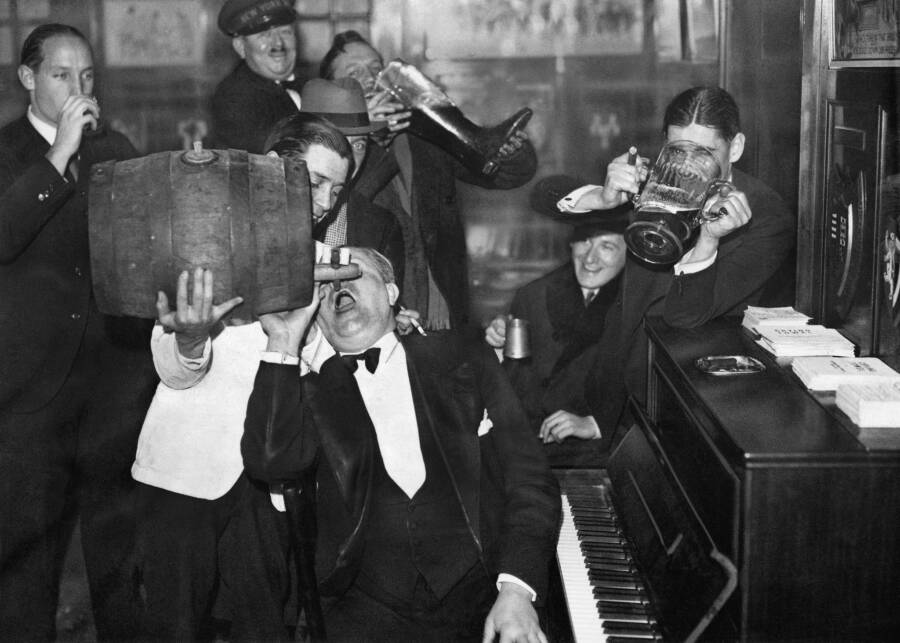
    Public DomainRevelry after the repeal of Prohibition.Prohibition was a strange time in American history. Ultimately a social experiment, Prohibition was a constitutional attempt to legislate morality that came with many unintended consequences.What began as a progressive reform movement championed by temperance advocates and religious groups quickly devolved into a period full of speakeasies, bootleggers, unregulated liquor, and the rise of organized crime. The so-called noble experiment a term coined by President Herbert Hoover ended up exposing flaws in the relationship between the law and personal liberty. This turbulent period paved the way for organized crime figures like Al Capone, transformed cities into battlegrounds between law enforcement and criminal enterprises, and fundamentally altered American attitudes toward government regulation. Below are answers to 20 frequently asked questions about Prohibition.When Was Prohibition In Effect In The United States?Prohibition was in effect in the United States from 1920 to 1933.What Amendment To The U.S. Constitution Established Prohibition?Bettmann/Getty ImagesMen enjoying a drink together in 1919, just before Prohibition began.The 18th Amendment to the U.S. Constitution established Prohibition, banning the manufacture, sale, and transportation of alcoholic beverages nationwide.Why Was Prohibition Enacted In The First Place?Prohibition was enacted primarily due to the temperance movement, which framed alcohol consumption as a destructive force corroding American society. Led by organizations like the Anti-Saloon League and the Womans Christian Temperance Union, the temperance movement linked liquor to issues like domestic violence, poverty, and industrial accidents, arguing that it threatened the family unit and national productivity. The movement gained momentum during World War I, sometimes by connecting German American brewers with enemy sympathies, stoking anti-immigrant sentiment. After all, some U.S. citizens feared the foreign drinking habits of those from other countries.Progressives believed that eliminating alcohol would create a more disciplined, efficient workforce and reduce urban corruption. Many Protestants, meanwhile, viewed it as a moral crusade against societal decay. Eventually, with these forces aligned, the political pressure became too great to ignore.What Organization Was Most Influential In Promoting Prohibition?The Anti-Saloon League was the most influential organization promoting Prohibition in the United States. Founded in 1893 in Ohio, it rapidly became a national organization by 1895 and quickly established itself as the most powerful group lobbying for Prohibition in America.The League surpassed other organizations like the Womans Christian Temperance Union (WCTU) and the Prohibition Party through its focused, single-issue approach and sophisticated political tactics.Under leaders like Wayne Wheeler, the Anti-Saloon League pioneered the modern pressure group in U.S. politics, making Prohibition a wedge issue and successfully promoting pro-Prohibition candidates. And unlike the WCTU, which employed educational and social methods, the Anti-Saloon League concentrated primarily on legislative reform, applying intense political pressure to achieve state and federal anti-alcohol laws.How Did Prohibition Actually Affect Alcohol Consumption In America?Imagno/Getty ImagesProtesters taking to the streets to speak out against Prohibition.Prohibition had a mixed and ultimately limited effect on alcohol consumption. Initially, consumption dropped by approximately 30 percent as the legal methods of obtaining alcohol vanished. However, this decline was short-lived. Americans quickly adapted, creating a vast underground economy of bootleggers, speakeasies, and home distillers. Over the next several years, consumption rebounded to roughly 60 to 70 percent of pre-Prohibition levels. Rather than eradicating alcohol, Prohibition merely shifted its production and distribution into the shadows, fostering disrespect for the law.What Were Speakeasies And How Did They Operate?Bettmann/Getty ImagesA speakeasy bartender pouring beer from the tap.Speakeasies were illegal, secretive drinking establishments that operated during Prohibition, often disguised as legitimate businesses like soda shops or dry clubs. They required patrons to speak easy or quietly to gain entry, often using a secret password. Located in basements, back rooms, or behind unmarked doors, they flourished in urban areas. These venues offered live jazz music, dancing, and gambling, creating a vibrant underground social scene. To avoid raids, speakeasies employed elaborate security measures, including peepholes, lookout systems, and arrangements with corrupt police officers.Despite their illegality, tens of thousands of speakeasies operated nationwide, becoming symbols of the eras defiance and social rebellion.How Did Organized Crime Benefit From Prohibition?Organized crime syndicates thrived during Prohibition by monopolizing the illegal production, distribution, and sale of alcohol. This lucrative black market generated enormous profits, allowing criminal organizations like the Mafia to expand their operations, bribe public officials, and establish sophisticated networks.Who Were Some Of The Most Famous Bootleggers During Prohibition?Bettmann/Getty ImagesAl Capone, pictured during his trial for tax evasion.The most famous bootleggers of Prohibition were entrepreneurial criminals who built vast empires from illegal alcohol. Al Capone, for instance, dominated Chicago, controlling speakeasies, breweries, and distribution networks, earning millions annually. In New York, Dutch Schultz and Waxey Gordon ran competing operations, often engaging in violent turf wars. Meanwhile, Charles Lucky Luciano began his rise to power working in bootlegging before organizing the National Crime Syndicate, bringing together Italian and Jewish mobsters to help run various bootlegging operations. George Remus, a former attorney, became the King of the Bootleggers in Cincinnati, for exploiting medicinal whiskey loopholes. Bill McCoy earned the nickname The Real McCoy by smuggling high-quality Caribbean liquor without diluting it. In Detroit, the Purple Gang controlled much of the Canadian whiskey trade. These figures transformed small-scale smuggling into sophisticated criminal enterprises, using violence, bribery, and business acumen to profit from Americas thirst for illegal alcohol.What Was Al Capones Role During Prohibition?Al Capone was the most notorious figure of the Prohibition era, transforming Chicago into his criminal empire. As leader of the Chicago Outfit, he controlled the citys illegal alcohol industry, from speakeasies and breweries to distribution networks, earning an estimated $100 million a year at his peak.Capone used a combination of ruthless violence, political corruption, and public relations to maintain power. He famously bribed police and politicians while cultivating a public image as a generous businessman. His reign reportedly led to the 1929 St. Valentines Day Massacre, which eliminated his rivals but drew national attention. Though he was eventually imprisoned for tax evasion rather than Prohibition violations, Capone and his criminal enterprise demonstrated how organized crime could flourish under the ban, making him the enduring symbol of Prohibitions lawlessness.How Did The Government Enforce Prohibition?Public DomainFederal agents dumping illegal liquor into the sewers during Prohibition.The federal government first enforced Prohibition with the help of U.S. Marshals, followed by the Bureau of Prohibition and its agents. These agents were tasked with investigating, raiding, and prosecuting illegal alcohol operations. They conducted surprise raids on speakeasies, breweries, and distilleries, often leading to violent confrontations.At the same time, the Coast Guard patrolled coastlines to intercept smugglers arriving by boat, while the Internal Revenue Service pursued tax evasion cases against prominent bootleggers. State and local police also enforced the laws, though corruption was widespread, and many officers were bribed to ignore illegal drinking establishments. Despite these efforts, the government struggled with limited resources, jurisdictional issues, and public resistance, making enforcement increasingly ineffective as organized crime networks grew more sophisticated and public support for the ban waned.What Were The Economic Effects Of Prohibition?Prohibition had largely negative economic effects. For starters, it immediately eliminated legal alcohol industry jobs, from brewers and distillers to bartenders and related suppliers. At the same time, it created plenty of opportunities for bootleggers and speakeasy operators, but since these positions existed outside of the law, they were untaxed and unregulated. The government lost substantial tax revenue from alcohol sales, while simultaneously spending millions on enforcement efforts. Restaurants and entertainment industries suffered, as legitimate establishments could no longer serve alcohol to patrons. The start of the Great Depression compounded these economic issues, with some even arguing that legalizing and taxing alcohol would provide crucial government revenue during the financial crisis. What Was The Noble Experiment That President Hoover Referred To?President Herbert Hoover referred to Prohibition as a noble experiment, calling it a great social and economic experiment, noble in motive and far-reaching in purpose. Reformers goals of reducing alcohol abuse, strengthening families, and improving public health and morality were seen as noble, and since such broad legislation regarding morality had never been done before, it could be seen as an experiment. Although Hoover had supported enforcement, the phrase was eventually used in a more sarcastic or even mocking fashion, as Prohibition increasingly failed to achieve its aims, instead fostering organized crime, widespread lawbreaking, and economic woes. How Did The Repeal Of Prohibition Come About?Imagno/Getty ImagesAmericans enjoying drinks after the repeal of Prohibition.By the early 1930s, public support for Prohibition was virtually nonexistent. The Great Depression in particular had highlighted the economic costs of the ban, and many within the government felt that legalizing and taxing alcohol which people were clearly still drinking would bring in significant revenue. As organized crime continued to run rampant and control the flow of alcohol, the general public grew more and more disillusioned with Prohibition. Eventually, Franklin D. Roosevelt made repeal part of his 1932 presidential platform, recognizing the policys failure. After his election, Congress soon put an end to the failed noble experiment.What Amendment Repealed Prohibition And When Was It Ratified?The 21st Amendment repealed Prohibition in the United States. It was ratified on Dec. 5, 1933, ending the nationwide ban on the manufacture, sale, and transportation of alcoholic beverages that had been in place for 13 years. This amendment is also unique in U.S. history as the only one passed specifically to repeal another constitutional amendment (the 18th Amendment).What Were The Unintended Consequences Of Prohibition?The unintended consequences of Prohibition were numerous and far outweighed its goals. Most significantly, it fostered the rise of powerful organized crime syndicates, as criminals like Al Capone built their empires on the illegal alcohol trade. This led to shocking levels of violence, corruption of public officials, and a general erosion of respect for the law. On top of that, the ban led to dangerous, unregulated alcohol products that caused illness and even death, as some consumers turned to toxic moonshine and other unsafe spirits. While wealthy Americans continued to have access to the best alcoholic drinks, impoverished citizens were often at risk of purchasing completely unregulated and sometimes even tainted liquor. At one point, as many as 1,000 people were dying per year from the effects of drinking tainted booze.Rather than eliminating drinking, Prohibition simply drove it underground, making consumption more secretive. It sometimes also made drinking seem more glamorous. The government, meanwhile, lost substantial tax revenue and bled money trying to enforce Prohibition laws. In the end, Prohibition demonstrated the failure of trying to legislate morality, while the American public grew more distrustful of government regulation especially after 10,000 people died from government-poisoned alcohol. How Did Prohibition Affect The American Healthcare System?Prohibition significantly altered the American healthcare system, primarily through the creation of a legal loophole for medicinal whiskey. Physicians gained special, never-before-seen authority to prescribe alcohol for various ailments, from anxiety to tuberculosis, leading to a dramatic increase in prescriptions with some estimates at 11 million prescriptions annually by the late 1920s. What Was Medicinal Whiskey During Prohibition?California State LibraryPatrons at the Senator Hotel in Sacramento enjoying post-Prohibition drinks.Medicinal whiskey was a legal loophole that allowed physicians to prescribe whiskey for therapeutic purposes during Prohibition. This created a system where doctors could write prescriptions for whiskey to treat various ailments, from anxiety and tuberculosis to common colds. Pharmacists filled these prescriptions, often charging high prices. Naturally, the system was widely abused. Not only did this system expose the hypocrisy of the Prohibition movement, but it also strained the credibility of the medical profession. How Did Other Countries View Americas Prohibition Experiment?Other countries generally viewed Americas Prohibition experiment with skepticism, amusement, and sometimes concern. Many European nations saw it as an extreme measure that contradicted their own drinking cultures. Some international temperance movements initially praised the American experiment, but most foreign observers saw it as creating more problems than it solved.The Canadian government, despite having its own provincial prohibition laws, was critical of Americas approach. Mexico and Caribbean nations became popular destinations for American booze tourists and profited from smuggling operations. British and French newspapers, meanwhile, often mocked American puritanism while reporting on the rise of gangland violence. What Happened To The Brewing And Distilling Industries After Prohibition Ended?After Prohibition ended in 1933, the brewing and distilling industries faced significant challenges in rebuilding their operations. Many former legitimate breweries had been converted to other uses or had fallen into disrepair, requiring substantial renovations to resume production. Large companies like Anheuser-Busch and Schlitz quickly regained market dominance, while numerous smaller operations never reopened. The distilling industry recovered more slowly, due to the lengthy aging process required for some spirits. Some former bootleggers transitioned into creating legitimate businesses, but the industry landscape was permanently altered by the 13-year hiatus and changing consumer preferences.Did Any States Maintain Prohibition After The Federal Repeal?Yes, some states maintained Prohibition after the federal repeal. The 21st Amendment, which repealed Prohibition at the federal level, explicitly allowed states to continue banning alcohol if they chose to do so.Per the National Constitution Center, Mississippi was the last state to maintain statewide Prohibition, finally ending it in 1966.But even today, some remnants of Prohibition remain, albeit on a smaller scale. Certain states have dry counties, and its estimated that over 80 counties still completely ban the sale of alcohol to this day.After learning about the history of Prohibition in America, check out these colorized photographs from the Roaring Twenties. Then, meet some of the most notorious gangsters of the 1920s.The post 20 Facts About Prohibition That Reveal The Truth Behind Americas Failed Noble Experiment appeared first on All That's Interesting.

    0 Комментарии 0 Поделились 18 Просмотры
  • WWW.DUALSHOCKERS.COM
    Roadside Research Makes Me Nostalgic For Retail Work
    A long time ago, before I had an illustrious career as a writer, I was just another person working at a cash register for a variety of retail outlets. It wasnt always the best of times, but it had its moments. I wouldnt say I look back on those days with rose-tinted glasses or anything, but there are still aspects I miss.
    0 Комментарии 0 Поделились 31 Просмотры
  • WWW.MASHED.COM
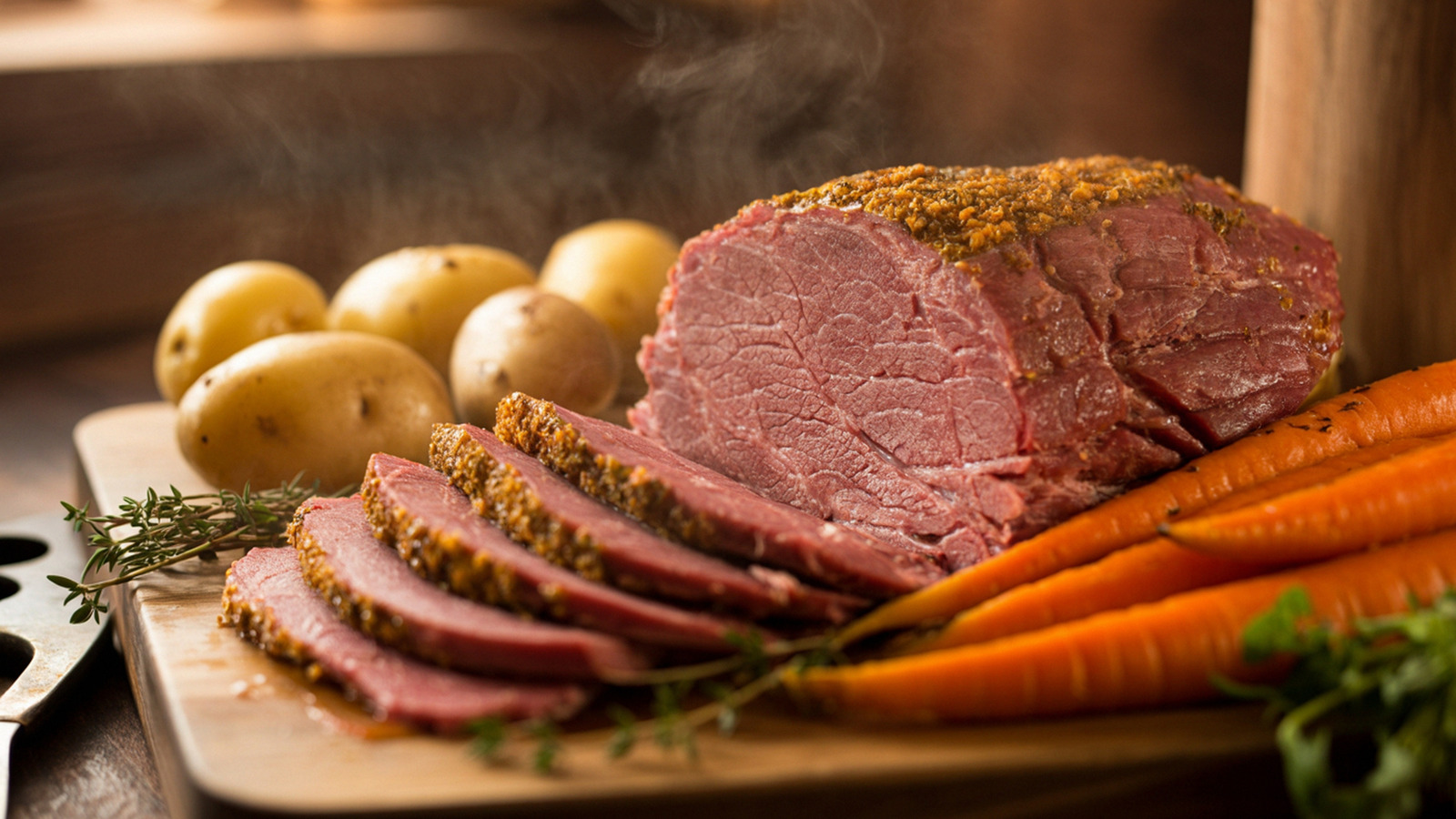
    What To Do With Your Leftover Corned Beef
    If you've got lots of leftover corned beef sitting around after St. Patrick's Day is over, we have four clever ways to help you use it all up.
    0 Комментарии 0 Поделились 33 Просмотры
  • WWW.BGR.COM
    5 Pieces Of Dead '80s Tech That Will Stir Up Emotions In Every Boomer
    The technology of the '80s was often revolutionary, and despite them being long past their prime, here are five pieces of tech boomers are sure to remember.
    0 Комментарии 0 Поделились 31 Просмотры