• WWW.THECOLLECTOR.COM
    History Proves That the Stereotype of the Scalping Indian Is a Gross Misrepresentation
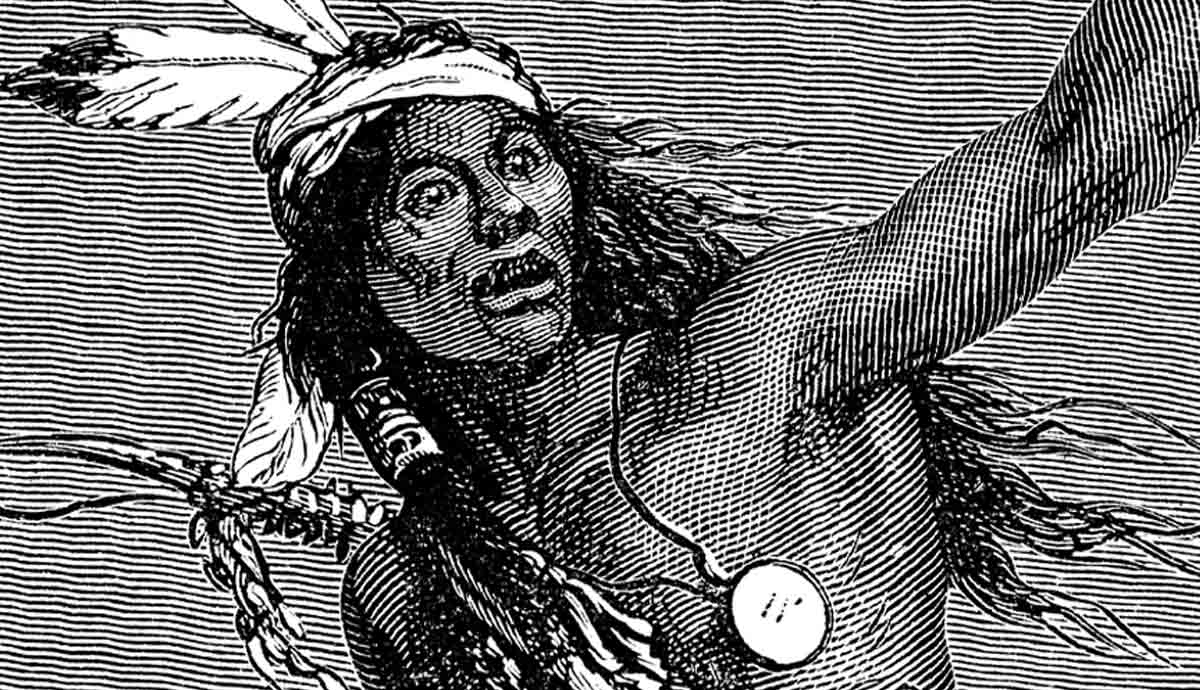
    Conscious efforts have been made in recent years to recognize and eliminate stereotypes against Americas Indigenous people. However, these moves havent been made without blowback and challenges. Despite progress, Native American stereotypes persist in product logos, sports team mascots, and general perceptions in mainstream America. One prevalent stereotype that has been associated with Native Americans for centuries is the action of scalping an enemy. Who was responsible for the origin of this horrifying act of warfare, and how was it perpetuated throughout history?A Global HistoryThe Scalp by Frederic Remington, 1898. Source: Wmpearl via Wikimedia CommonsScalping was an act of mutilation that involved cutting and/or tearing and removing a part of the human scalp, hair attached, from the head. The scalp was generally kept as a trophy or proof of attack. Scalping was often perpetrated on a dead or dying enemy, but occasionally on live victims. Few survived live scalping due to infection, shock, or blood loss. Traditional history tells of scalping as a tool of Americas Indigenous people, used to shock their white enemies. While many of Americas native tribes did engage in scalping as a cultural practice in warfare, this assumption has been recognized by modern historians as a gross misrepresentation, leaving out large chunks of true history.Scythian warriors. Source: Public domain / Wikimedia CommonsScalping predates Americas recorded history, with the first identified practices noted among the Scythians around 400 BC. The Scythians were a nomadic tribe that originally lived in Southern Siberia and eventually occupied large areas of Central Asia and Eastern Europe. Greek historian Herodotus wrote detailed accounts of their graphic trophy-taking, which have been supported by the excavation of damaged skulls from the era.The Visigoths, a Germanic people, were known to take scalps in wars during the 9th century. It is still unknown how this practice spread to the New World or how it developed independently. Regardless, when Jacques Cartier arrived in 1535 and sailed up the Saint Lawrence River in Canada, he met Indigenous people who showed him scalps taken from their enemies to the south.Not long after, some of Hernan de Sotos men were subjected to scalping after being kidnapped by the Apalachee. About 30 years after Cartier, Jacques Ie Moyne, a French artist on an expedition to Florida, recorded descriptions of the local Timucuan people scalping their enemies. As Europeans encroached further into America, the scalping of tribal enemies was observed among the Powhatan, the Iroquois, and the Hurons.Perpetuating the ViolenceThis American Revolution-era political cartoon portrays British King George III and the church cannibalizing the American colonists. The cartoon accuses the king of allying with Indigenous tribes against the colonists, providing them with weapons, including scalping knives. Source: British Museum via Wikimedia CommonsWhile the origins of scalping in America may lie with Indigenous tribes, clear evidence has arisen that actions from European settlers escalated the practice within the future country. In 1755, the Royal Lieutenant Governor of the Massachusetts Bay Colony, Spencer Phips, issued a proclamation that targeted the Penobscot tribe living in what is now Maine. The Phips Bounty Proclamation offered cash payment for Penobscot scalps, with tiered pricing for the scalps of men, women, or children. The scalps were assumed to be evidence of death, and a colonist could earn 40 pounds for the scalp of a man, half that for the scalp of a woman or a male under 12. The proclamation also offered cash for living prisoners, who would then be sold into slavery. Forty pounds in 1755 is equivalent to a cash value of 8,257.58 pounds, or over 10,000 US dollars, today.The Phips Bounty Proclamation. Source: Journal of the American RevolutionThe Phips Proclamation cited the Penobscot Nations status as enemies, rebels, and traitors to King George II as the reasoning behind the call for extermination. The Phips document was one of five scalp bounties issued by Massachusetts colonial governance in 1755. In all, it is estimated that 65 scalp proclamations were issued in Massachusetts alone between 1675 and 1757. At least 30 other calls for scalps were released in other parts of the fledgling country.Not only did these proclamations result in certain death for numerous Indigenous people, but they also contributed to the weakening of tribal governance, including the Wabanaki Confederacy, of which the Penobscot were a central component. The Wabanaki originally included 16 to 30 tribes; today, four tribes remain. Both white Americans and Native Americans would continue the practice of scalping into the 19th century. The act made appearances in the Indian Wars, various skirmishes, and the Civil War.The Horrors ContinueA front page article from the Daily Worker, a British communist newspaper, from 1952. Source: The Daily Worker via Wikimedia CommonsDespite its association with Native American tribes, the practice of scalping persisted long after Indigenous tribes ceased warring and were confined to the reservation systems. While warfare has not taken place in the United States since that time, American troops and those from Allied countries have been accused of scalping in the following years.US troops were accused of mutilating the bodies of Japanese soldiers during World War II. Certain soldiers in the Vietnam War were consumed with trophy hunting, taking scalps or other body parts from their dead enemies and displaying them. Some scholars have traced these unthinkable actions to a national narrative tradition, harkening back to the stereotype of scalping in America. Despite this association, scalping in modern history was not limited to American soldiers. In 1952, the Daily Worker published an article accusing British soldiers in Malaysia of atrocities, including beheadings and scalpings.Surviving a ScalpingA representation of spongy bone. Source: Laboratoires Servier via Wikimedia CommonsWhether or not a live scalping victim survived involved several factors. Most importantly was prompt, effective medical treatment. In 1696, a French surgeon named Augustin Belloste created a treatment for people who had suffered scalp removal. His procedure involved drilling several small holes in the skull. While this may seem counterproductive, this allowed for diploe, or spongy bone, to reach the surface of the head. Diploe helps create granulation, or healing, tissue that would eventually regrow the scalp to close the wound. This technique spread across Europe, including to military surgeons who soon made their way to The New World. Aspects of how the scalping action was committed contributed to the success of healing as well. Since blood loss was a major consideration, cold weather would help arteries to constrict and slow bleeding. The type of instrument used to make the cuts could also affect blood stoppage. A dull knife or jagged cuts resulted in torn arteries that were able to close faster compared to cleanly cut tissue.A famous cabinet portrait of Robert McGee, who survived scalping. Source: Library of Congress via Wikimedia CommonsOf the few who survived scalpings on the frontiers of early America, one of the most famous survivors was Robert McGee. McGees 1864 story has been embellished countless times over various retellings, often by the man himself, but the gist of the tale is as follows.When McGee was 14, he joined a wagon train as a teamster, hauling goods from Kansas to New Mexico Territory. The wagon train was attacked just over two weeks into their journey. Most versions list the attackers as the Brule Lakota led by a man named Little Turtle, while others blame a group of Kiowas, Arapaho, or Comanche people. McGee suffered multiple arrow wounds, a pistol shot, and a tomahawk wound. Many warriors counted coup on him, hitting him with ceremonial sticks or weapons. McGee claimed to be conscious when he was then scalped, his attacker removing a piece of his scalp approximately eight inches by ten inches (about 20 x 25 centimeters).He was later recovered by a military burial party and taken to a local fort surgeon. While it is unknown what method was used to treat McGee, he was left with impressive scars and never re-grew hair in the area. He even allowed surgeons to later experiment with hair regrowth treatments on his scarred dome. McGee utilized his disfigurement as a money-making tool, making numerous public appearances. President Abraham Lincoln authorized McGee to draw rations and clothing at any military facility in the country, and Congress introduced a bill to pay him for his suffering.Moving ForwardScalping a Man Between the Soup and the Remove, an illustration featured in Edgar Wilson Bill Nyes 1894 tome Bill Nyes History of the United States via Wikimedia CommonsThe history of scalping is a sad and twisted one. While its history on the American continent may have originated among First Nations, the role of white settlers in accelerating the popularity of this dreadful act cannot be ignored. Despite the impact of white America on the history of scalping, the deed persists as a longstanding stereotype associated with Indigenous peoples. As efforts continue to eliminate harmful stereotypes in modern America, recognizing this history will be a key factor in progress.
    0 Comentários 0 Compartilhamentos 7 Visualizações
  • WWW.THECOLLECTOR.COM
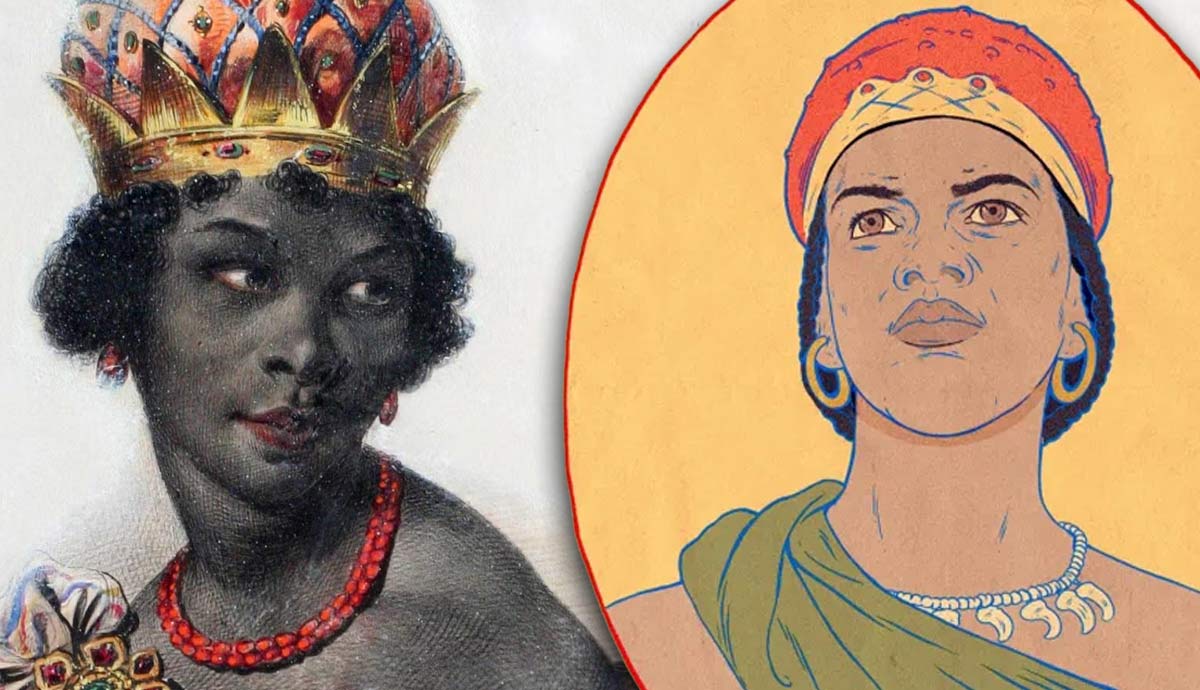
    How Queen Nzinga Outsmarted the Portuguese Empire With a Human Throne
    Nzinga Mbande was a 17th-century African Queen who ruled during the tumultuous times of European colonial expansion into Africa. Aiming to safeguard the indigenous kingdom from Portuguese influence and their expanding slave trade in Central Africa, Queen Nzinga demonstrated leadership, a strategic mindset, and diplomatic maneuvering, successfully navigating the complex geopolitical landscape of the 17th century.Early Life of Queen NzingaIllustration of Queen Nzinga, by Louise Pomeroy. Source: LongreadsAna de Sousa Nzinga was born around 1583 into the royal family of Ndongo in Kabasa, the capital of the Kingdom of Ndongo in central West Africa (modern-day Angola). In 1593, her father became the king of Ndongo.According to local legends, Nzingas birth was challenging and complicated for her mother, Kengela ka Nkombe, and her name, Nzinga (twist or turn), refers to the umbilical cord wrapped around her neck. Local communities believed that a complicated birth meant that the baby was a spiritually gifted, powerful soul.Nzinga had two sistersand a brother, Mbandi, heir to the throne, who would later become King.From a very young age, Nzinga underwent military training and became a skilled warrior. Being part of the royal family, she was often seen beside her father, observing how the king executed his duties. Nzinga also attended war and legal councils and participated in spiritual rituals.During this period, the Kingdom of Ndongo frequently hosted European missionaries, and Nzinga learnt to write and read in Portuguese from Portuguese missionaries. Through these early experiences, she acquired a formidable knowledge and experience in statecraft, military strategies, and diplomacy,which proved crucial in her later roles as a diplomat and military strategist.Historical Context of Colonial AngolaQueen Nzinga during negotiations, by Giovanni Antonio Cavazzi, 1690. Source: American Biography/John Carter Brown Library at Brown UniversityNzinga was born during a tumultuous era. European colonial powers, particularly Portugal, were expanding in the African region, which often caused the sociopolitical and economic disruption of local communities. In 1571, King Sebastio of Portugal issued a royal order, dictating the establishment of settlements and the construction of forts to subjugate and conquer the Kingdom of Ndongo. The order significantly escalated tensions as it signaled the shift to direct Portuguese military engagement.Before 1571, Portugal was already controlling the neighboring lands of the Kingdom of Kongo through vassalage and missionaries. The key interest of European colonial powers was the establishment and enhancement of slave trading, often referred to as the black ivory of Africa.The Portuguese arrived in Ndongo in 1575, aiming to build a trading post near the coast. In 1576, this post became known as the city of Luanda. Refusing to submit, Ndongo faced military clashes with the Portuguese and the Kingdom of Kongo, which supported the Portuguese territorial expansion. During military clashes, the Kingdom of Ndongo was forced to cede the coastal and northern parts of its territories.Becoming QueenA 16th-century King of Congo on a podium receives a retinue of Portuguese, colored engraving based on a De Bry original. Source: Kongo ResourcesNzingas father ascended to the throne in 1593, closing Ndongo to Portuguese missionaries. The relationship between the Kingdom of Ndongo and Portugal became particularly intense in 1607 when the Imbangala, backed by Portugal, invaded Ndongo.The Imbangala were fierce, nomadic warrior bands in Central Africa known for their brutal military tactics and mercenary services. They were often hired by the Portuguese to raid and destabilize local kingdoms like Ndongo.Throughout the 1610s, the Portuguese continued to expand their dominance utilizing military expeditions, alliances, and the backing of rival groups.Even though the exact date of the kings death is unknown, it is thought that Nzingas brother, Ngola Mbandi, succeeded his father in 1617 and became the new king of Ndongo. Due to emerging chaos and instability, the royal authority was weakened, and Mbandi faced both internal and external challenges to maintain military and political control. Aware of Nzingas exceptional capabilities, he reached out for assistance to Nzinga and appointed her as his emissary to neighboring kingdoms and Portuguese forces.Portrait of Queen Nzinga. Source: JStore DailyAround 1621, Nzinga went to the Portuguese colonial administration in Luanda to negotiate with Joo Correia de Sousa, the colonial governor. Nzinga demonstrated excellent diplomatic capabilities, which resulted in a peace treaty between Portugal and Ndongo.According to the treaty, Portugal withdrew their forces and helped Ndongo to oppose the Imbangala. In return, Nzinga opened the borders to missionaries and was baptized. She even took a Christian name, Ana de Sousa, which would later prove a powerful diplomatic tool in negotiations. The peace treaty appeared short-lived, however, and hostilities soon renewed.During the following years, up until 1624, when Mbandi died under uncertain circumstances, Nzinga assumed many governing responsibilities.After her brothers death, Nzinga ascended the throne but was met with challenges and strong opposition from local nobles. According to the royal traditions, a woman could not sit on the throne. Nzinga, however, used strategic thinking, alliances, and in some instances, military force, ultimately becoming a legitimate ruler of the Kingdom of Ndongo.Territorial Expansion & Emerging as a New PowerThe Kingdoms of Kongo and Ndongo, ca. 1550. Source: Alternate HistoryBy the second half of the 1620s, hostilities between the invading Portuguese forces and Ndongo resumed. Portugal recognized Nzingas rival to the throne, Ngola Hari, as the legitimate king and invaded Ndongo, forcing Nzinga to seek shelter. During this time, Nzinga formed an alliance, sealed through marriage, with the Imbangala. By entering into marriage with this warrior society, she envisaged building a new power, backed by a strong military.Then, between 1631 and 1635, Nzinga conquered the neighboring Kingdom of Matamba. Matamba, located relatively far away from Portuguese colonial interests, had a tradition of female rulers; hence, Nzinga did not face strong resistance when she reinstated herself as the new queen.Upon consolidating both military and political powers, Nzinga welcomed nobles from her homeland along with slaves who had escaped Ndongo. To instill loyalty, she granted many of the displaced nobles land and titles, forming Matamba into a strong resisting power, capable of disrupting Portugals rule in Ndongo.Further Expansion & Forming an Alliance With the DutchQueen Njinga of Angola by British Broadcasting Corporation, 2024. Source: British Broadcasting Corporation (BBC)During the 1630s, Nzingas influence expanded northward, and she acquired control over important trade routes along the Congo River, connecting Ndongo and neighboring regions. With this move, she disrupted the Portuguese slave trade.This period also saw increased cooperation between Nzinga and the Kingdom of Kongo, where another European colonial power, the Dutch Empire, had already sent merchants as part of its broader Groot Desseyn (Grand Design) strategy. The strategy sought to weaken Portugals maritime power and gain control over the Atlantic slave trade.Following military clashes between the Dutch and Portuguese forces, by 1641, the Dutch West India Company controlled Luanda, a key trading port of Portugal. Recognizing the rising influence of the Dutch and altered power dynamics in West-Central Africa, Nzinga sought a formal alliance with the Dutch.The same year, Nzinga sent a diplomatic mission to Luanda to negotiate a cooperation opportunity with the new Dutch authorities. Nzingas envoy proposed the opening of the slave trade to the Dutch in exchange for political and, most importantly, military assistance from the Dutch against the Portuguese.Queen Nzinga established a new trade system with the Dutch, exporting up to 13,000 slaves per year. This not only filled her coffers but also made her a significant player in the international slave trade. The Dutch accepted the offer, and in 1641, the first formal Afro-European alliance was established.Guerrilla Resistance & Concluding a Peace Treaty With PortugalFuneral of Queen Nzinga, printed by Delespine Paris. Source: Wikimedia CommonsNzingas alliance with the Dutch provided the opportunity to reclaim part of the Ndongan territories, resulting in the decisive battle of Kombi in October 1647. In this clash, the combined forces of Nzingas 8,000 archers and 400 Dutchmen defeated Portugal near the critical fortress of Massangano. However, Nzinga failed to conquer Massangano itself.In 1648, a more consolidated and prepared Portuguese army, under the leadership of Salvador Correia de S, reclaimed control over the port of Luanda. The Dutch were forced to withdraw.Nzinga retreated to Matamba, but did not surrender. Her strategies after 1648 were more defensive, directed to halt the Portuguese advances. She adopted guerrilla warfare through a hit-and-run strategy. Despite her age, she continued to personally lead the troops and prolonged the spirit of resistance.By the early 1650s, both Portugal and Nzingas Kingdom of Matamba were strained by the war. In 1651, peace talks were initiated. For Portugal, a successful peace treaty with Nzinga meant the end of the costly conflict stretching for over a quarter of a century. Additionally, Portugal was involved in another war of independence from Spain. The revival of the profitable slave trade was essential.Christening of Queen Nzinga, by Giovanni Anatonio Cavazzi. Source: Wikimedia CommonsNzinga, who was aware of her advancing age, sought to achieve the release of her sister, Kambu, from Portuguese capture. The negotiating process was challenging, with neither side making concessions. Finally, in 1656, an agreement and a peace treaty were ratified.According to the terms of the treaty, Portugal formally recognized Nzinga as a legitimate and sovereign ruler of Matamba and Ndongo, and borders were demarcated between her Kingdoms and Portuguese Angola. Nzinga agreed to permit Portuguese traders and missionaries, including Christian Capuchin missionaries, into her court. Most of the warrior Imbangala bands were dismantled to avoid future instabilities, and Nzinga named her sister, who was considered to be living under Portuguese influence, as heir to the throne.From Warrior Queen to State-builder & ReformerThe Missionary Gives his Blessing to the Local Ruler during Sangamento, by Bernardino dAsti. c. 1750. Source: Smart History/Biblioteca Civica Centrale, TurinAfter completing the peace treaty with Portugal, Nzinga concentrated on rebuilding the war-torn territories. She initiated reforms, introducing changes into her courts and the education system, abolishing concubinage, and enhancing trade.Nzinga opened Christian missionary schools, where children, mostly from noble families, received education in Portuguese and Latin. Economically, Nzinga focused on restoring trade routes to increase trade relations with Congo, Angola, and European coastal posts. She licensed the slave trade and utilized her advantage to acquire weapons, textiles, and other luxury goods.To avoid future crises, Nzingas reforms installed a hybrid Christian-African monarchy, guided both by Christian norms in order to gain legitimacy and recognition from European powers and by Mbundu traditions to conserve legitimacy locally. The court frequently hosted ambassadors, traders, and nobles from neighboring kingdoms. Ndongo became a regional and international political hub.Legacy of Queen NzingaThe statue of Queen Nzingha of Ndongo and Matamba in Luanda, Angola, photograph by Erik Cleves Kristensen. Source: Wikimedia CommonsIn 1663, on December 17, Queen Nzinga passed away peacefully. Her death marked the end of an era.Queen Nzinga remains one of the most extraordinary monarchs in African history. Her rule is considered a break from tradition, which solidified Nzingas political career in the short term and paved the long path to Angolas independence in 1975.Due to Queen Nzingas ability to navigate the complexities of colonial politics and local tribal dynamics, she is celebrated for her political and diplomatic wisdom, bravery, and excellent strategic mind against colonial rule, making her a symbol of resistance and a fight for freedom.
    0 Comentários 0 Compartilhamentos 7 Visualizações
  • 0 Comentários 0 Compartilhamentos 6 Visualizações
  • WWW.PCGAMESN.COM
    John Wick game release date estimate, trailers, and story
    The John Wick videogame release date is coming. He, as we should all know by now, is the unstoppable force and the immovable object rolled into one, and most definitely a person you don't want to get on the wrong side of. As one of the world's deadliest assassins, Wick can complete any task set by the High Table, coupling extreme resolve with an unparalleled skill set to get the job done. Plus, he has lovely hair. Recently, a John Wick videogame was announced, putting us in the shoes of Mr. Wick as he tackles many, many henchmen to the ground. Details are sparse, but we were given a peek at what we'll be up to when the action game is released, which thankfully includes violence, judo, and unwieldy yet effective close-quarters gunplay.Read the full story on PCGamesN: John Wick game release date estimate, trailers, and story
    0 Comentários 0 Compartilhamentos 7 Visualizações
  • WWW.PCGAMESN.COM
    In a triple-A world, Fable's Peter Molyneux just wants his new god game to bring "joy"
    My personal Game of the Year for 2025 was, as you likely expect, Clair Obscur: Expedition 33. Its narrative excellence, combined with its distinct French feel and unique visual identity set it apart from its competitors. I can safely say that, in my many years playing games and my slightly fewer years reviewing them, I've never seen anything like Sandfall's turn-based epic. But, as videogame production ramps up exponentially in terms of time and cost, it feels like the products themselves have increased in scope and scale. Most triple-A games offer sprawling open worlds, masterfully directed cutscenes, and soaring, gut-wrenching stories that are designed to operate more like movie plotlines than anything else. While in many ways that's a good thing - videogames are art, after all - it feels like some developers forget that there's a 'game' in 'videogames:' seriousness is, apparently, what sells.Read the full story on PCGamesN: In a triple-A world, Fable's Peter Molyneux just wants his new god game to bring "joy"
    0 Comentários 0 Compartilhamentos 7 Visualizações
  • WWW.PCGAMESN.COM
    The Razer Viper V3 Pro's price just dropped $45, hinting at impending Viper V4 Pro
    One of Razer's finest gaming mice, the Razer Viper V3 Pro, has seen some heavy discounts in recent weeks, and right now you can get one for $45 less than usual. As well as this potentially being a great time to grab an upgrade, this also fuels recent rumors of an impending Razer Viper V4 Pro. Just a couple of weeks ago, we saw a very convincing Razer Viper V4 Pro leak that showed a camouflaged mouse with a shape very similar to the Razer Viper V3 Pro but sporting the new wireless dongle of the Razer Deathadder V4 Pro. If you're looking to grab Razer's latest and greatest, you might want to wait for that mouse to be fully revealed, but if you're just after one of the best gaming mouse options available right now, and for a great price, you might want to take advantage of current discounts.Read the full story on PCGamesN: The Razer Viper V3 Pro's price just dropped $45, hinting at impending Viper V4 Pro
    0 Comentários 0 Compartilhamentos 7 Visualizações
  • WWW.MASHED.COM
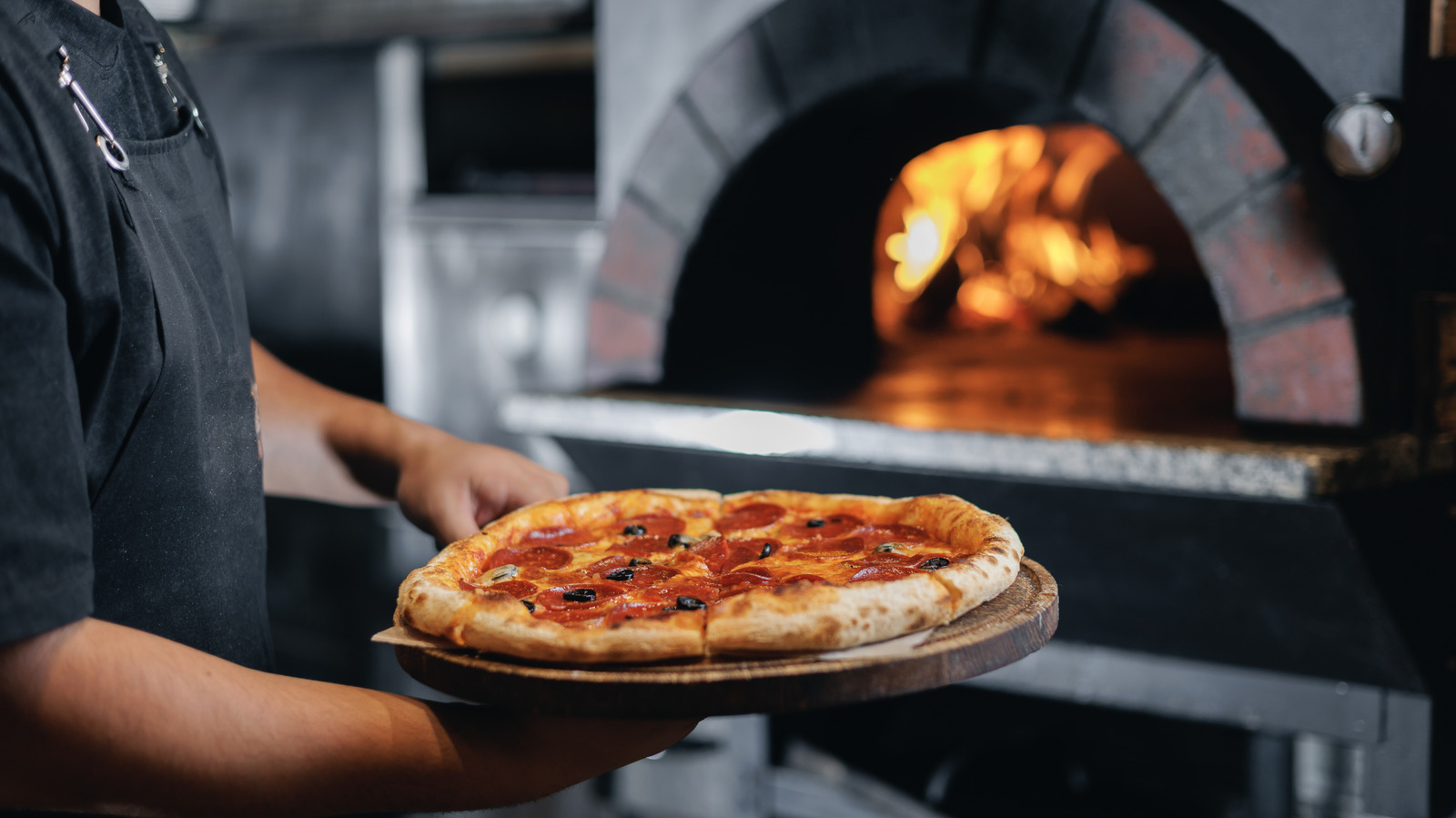
    Where To Find The Best Wood-Fired Pizzas In The US
    A wood-fired pizza hits differently, and thankfully many pizzerias specialize in this style. Discover spots across the country with the best wood-fired pizzas.
    0 Comentários 0 Compartilhamentos 6 Visualizações
  • WWW.MASHED.COM
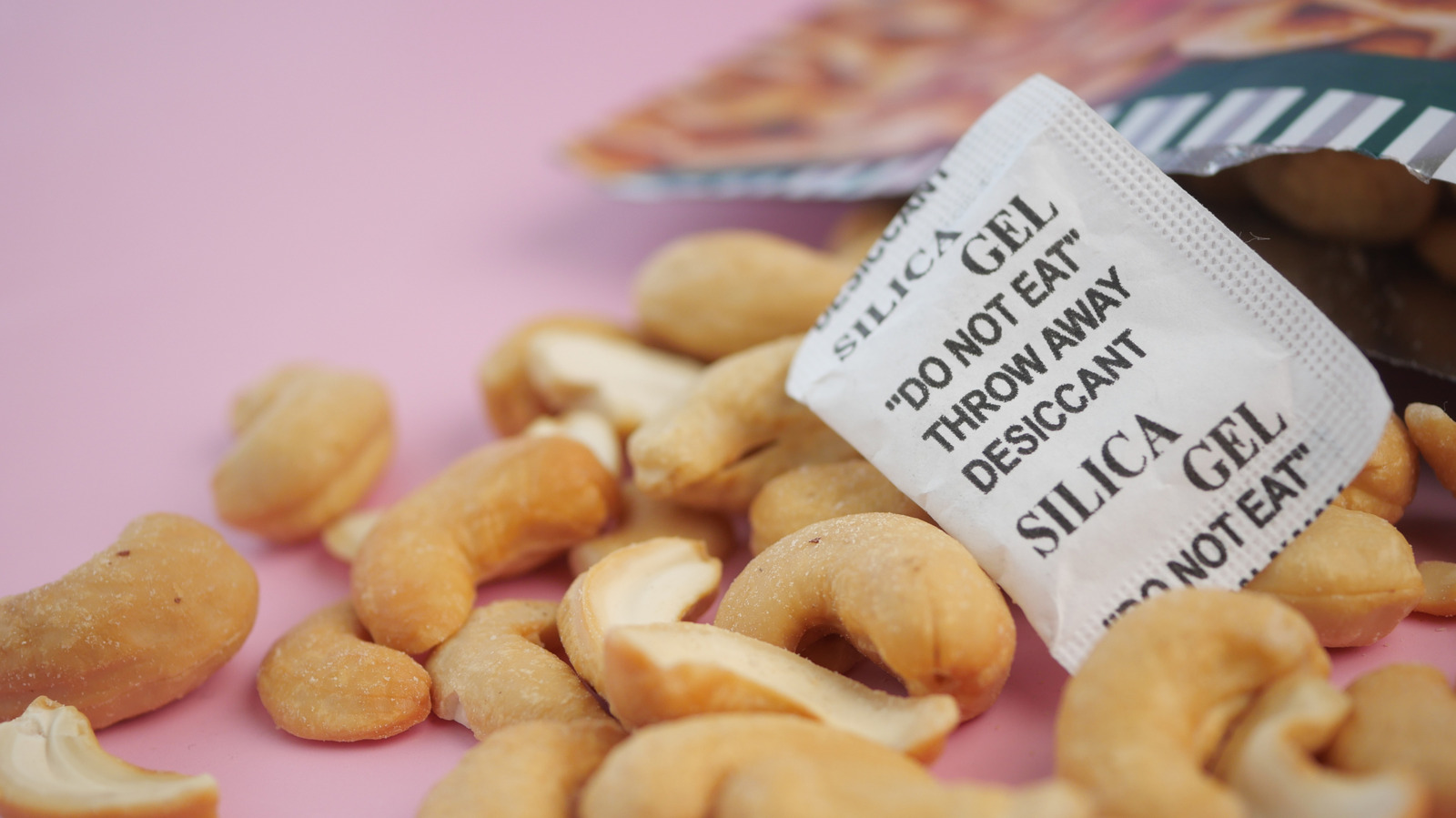
    How To Use Silica Packets For Longer-Lasting Food
    Those silica gel packets inside certain food containers have "throw away" printed on them, but should you? They might be the gateway to a food storage hack.
    0 Comentários 0 Compartilhamentos 6 Visualizações
  • WWW.THECOUNTRYCOOK.NET
    Easy Baked Ravioli
    Easy Baked Ravioli made with frozen ravioli, marinara, and plenty of cheese for a simple, pasta dinner that everyone loves!A NO-FUSS RAVIOLI CASSEROLEThis Easy Baked Ravioli is the kind of comforting, no-fuss type of dinner that you know I love. It kinda feels like a cheater version of lasagna. I love that its flexible, freezer-friendly, and easy to customize with different ravioli flavors, extra veggies, or even a meatless option. So many ideas and such a simple recipe!FREQUENTLY ASKED QUESTIONS:Could I add ricotta to this? Definitely! You can layer this up like a lasagna. Keep in mind, many frozen cheese ravioli brands include ricotta as one of the cheeses within the ravioli itself but you can certainly add more as a separate layer. I would probably mix a 15 ounce container of ricotta with one egg. Stir then mix in a little dried parsley and a teaspoon or so of garlic powder. Layer that on top of the first layer of ravioli you put down then finish with the rest of the recipe. Could I add vegetables? You can take this dish even farther and add some baby spinach or sliced mushrooms for some extra heartiness. You could add some diced bell pepper in with the onion and ground beef as it cooks as well. Why did my ravioli stick together? Make sure you layer the ravioli in a way that they mostly dont touch because they will stick together. Try to get them as close as possible but make sure they are not on top of each other. I personally dont care if they stick but if that bothers you, then keep them separated as you layer. What to serve with Easy Baked Ravioli? Just like other pasta dishes, this Ravioli goes great with your favorite salad and a side of Garlic Bread, Dinner Rolls, Breadsticks, etc. Round it out with some steamed vegetables and enjoy! How do I store leftover Easy Baked Ravioli? Tightly cover and refrigerate leftovers for up to 5 days. Reheat in the microwave or stovetop until heated through. You may want to add a splash of water to loosen up the sauce. Can you freeze leftover Ravioli? This freezes extremely well, assemble fully, cover tightly, and bake from frozen for about 1 hour, uncovering 40 minutes in. Check to make sure its heated all the way through before serving. Additionally, you could bake first and then store once cooled. Thaw and then reheat until warmed through. Plus, if youre cooking for a smaller number of people, you can split this recipe and cook half now and then save the other half for another time. INGREDIENTS NEEDED: (SEE RECIPE CARD BELOW FOR THE FULL RECIPE)ground beef Swap beef for Italian sausage for a twist or ground turkey and chicken for a lighter option. You can make even make this without meat.yellow onionmarinara sauce use whatever brand you prefer. I love making this with my Homemade Marinara Sauce. garlic fresh garlic if you have it but the jarred stuff works just fine here.Italian seasoningfrozen cheese ravioli if you dont have ravioli, you could use cheese tortellini instead.grated Parmesan cheese I just use the stuff in the green bottle.shredded mozzarella cheese I like the Kraft mozzarella cheese that has cream cheese in it when I can find it in my grocery store. I think it melts the best. HOW TO MAKE EASY BAKED RAVIOLI:Heat the oven to 375F and spray a 913-inch (3 quart) baking dish with cooking spray. To a large skillet, addd the ground beef and onion and cook and crumble until fully cooked. Drain any excess grease then put back into the skillet. Add in the garlic and cook until fragrant (about one minute.) Add the marinara sauce, Italian seasoning, salt and pepper and stir. Bring the sauce to a simmer for about 4-5 minutes more. Turn off heat.Spread about a third of the sauce to the bottom of the baking dish. Add a layer of frozen ravioli in a single layer over the sauce (half the package). Add another third of the sauce covering the ravioli.Sprinkle half of the Parmesan and shredded mozzarella over the sauce layer. Then add the rest of the ravioli in a single layer over the cheese.Top with the remaining sauce. Then the remaining cheeses. Cover with foil and place on a baking sheet. Cook for 25 minutes, then remove the foil and cook for an additional 15-20 minutes until the cheese is melted and the sauce is bubbling.Allow the dish to rest for a few minutes, then sprinkle with some fresh parsley and freshly grated Parmesan if you would like. Serve and enjoy.CRAVING MORE RECIPES?Crock Pot RavioliMillion Dollar Cheese TortelliniEasy Toasted RavioliBaked Pizza PastaChicken Parmesan Casserole PrintEasy Baked RavioliA layered dish with meat sauce in marinara, cheese, and cheese ravioli. Course Dinner, Main CourseCuisine AmericanPrep Time 20 minutes minutesCook Time 1 hour hourTotal Time 1 hour hour 20 minutes minutesServings 6Calories 808kcalAuthor Brandie SkibinskiIngredients1 pound ground beef1 cup diced yellow onion3 cloves garlic, minced2 (24 ounce) jars marinara sauce1 Tablespoon Italian seasoning1 teaspoon salt (optional)1 teaspoon black pepper24 ounce bag frozen cheese ravioli cup grated Parmesan cheese2 cups shredded mozzarella cheesefresh parsley or dried parsley (optional, for garnish)InstructionsHeat the oven to 375F and spray a 913-inch (3 quart) baking dish with cooking spray.To a large skillet, add 1 pound ground beef and 1 cup diced yellow onion. Cook and crumble until fully cooked and onion is soft. Drain any excess grease then put back into the skillet. Add in 3 cloves garlic, minced, stir and cook until fragrant (about one minute.) To the skillet, add 2 (24 ounce) jars marinara sauce, 1 Tablespoon Italian seasoning, 1 teaspoon salt (if using) and 1 teaspoon black pepper. Stir and bring the sauce to a gentle simmer for about 4-5 minutes more. Turn off heat. Spread about a third of the sauce to the bottom of the baking dish. Add half the package of frozen ravioli in a single layer over the sauce. Add another third of the sauce covering the ravioli. Sprinkle 1/4 cup grated Parmesan cheese and 1 cup shredded mozzarella cheese over the sauce layer. Then add the rest of the ravioli in a single layer over the cheese. Top with the remaining sauce. Then the remaining 1/4 cup grated Parmesan cheese and 1 cup shredded mozzarella cheese. Cover with foil and place on a baking sheet. Cook for 25 minutes, then remove the foil and cook for an additional 15-20 minutes until the cheese is melted and the sauce is bubbling. Allow the dish to rest for a few minutes, then sprinkle with some fresh parsley or dried parsley, if preferred. Serve and enjoy. NotesPlease refer to my FAQs (Frequently Asked Questions) and ingredient list above for other substitutions or for the answers to the most common questions.NutritionCalories: 808kcal | Carbohydrates: 64g | Protein: 44g | Fat: 42g | Sodium: 2594mg | Fiber: 8g | Sugar: 12g
    0 Comentários 0 Compartilhamentos 6 Visualizações
  • WWW.BGR.COM
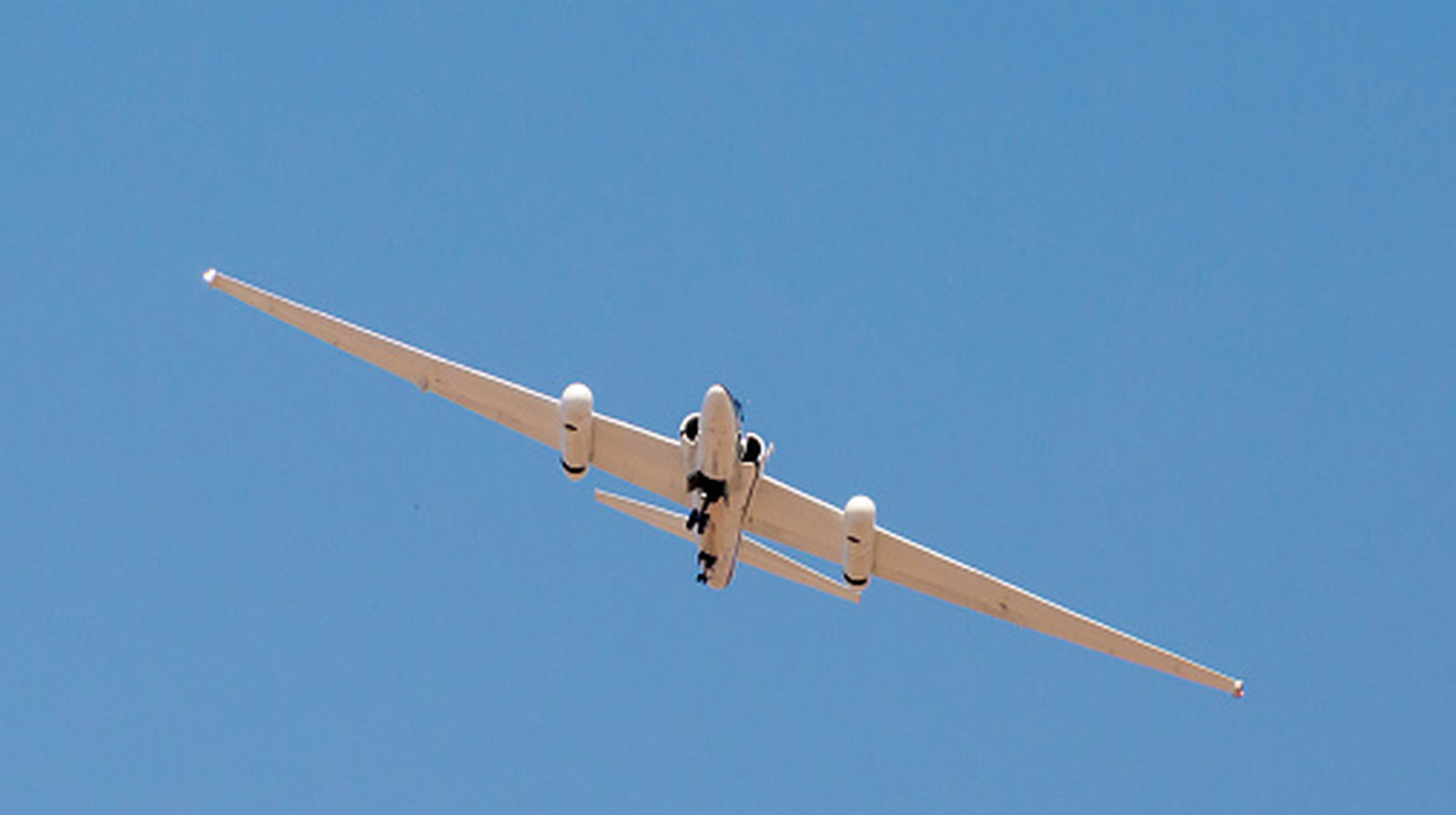
    Here's What Makes NASA's WB-57 Aircraft So Special
    NASA might be best known for sending astronauts to the moon and launching rockets, but it has and continues to study Earth without leaving the atmosphere.
    0 Comentários 0 Compartilhamentos 6 Visualizações