Diagnostic dilemma: 6-year-old develops life-threatening allergic reaction after blood transfusion
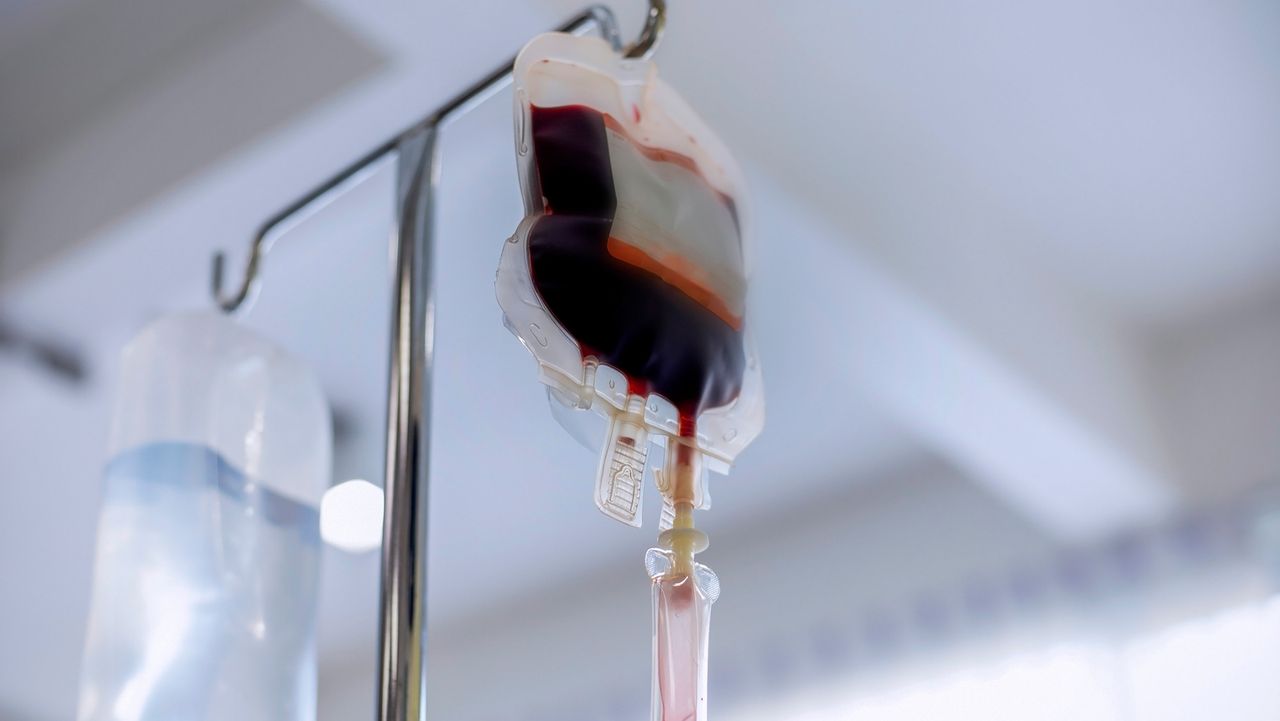
The patient: A 6-year-old boy in the NetherlandsThe symptoms: The child was receiving a blood transfusion as a treatment for lymphoblastic leukemia, a type of blood cancer that originates in bone marrow, when he experienced a severe allergic reaction. His blood pressure dropped, and he developed a rash. Swelling appeared around his lips, tongue and eyelids, and he had difficulty breathing. This type of allergic response, known as anaphylaxis, can be life-threatening. What happened next: Doctors treated the patient with the hormone epinephrine (also called adrenaline), which quickly reduces tissue swelling caused by anaphylaxis while also raising blood pressure and easing restricted breathing. The child recovered after about 30 minutes. His doctors collected blood samples immediately after the reaction, and these contained unusually high levels of a type of protein called mast-cell tryptase, which is released by certain immune cells during anaphylaxis. However, the physicians were puzzled as to what had caused the extreme reaction, they wrote in a report of the case.The diagnosis: The patient's mother told the doctors that her child had a similar allergic response to peanuts when he was about 1 year old, and since then, they'd omitted peanuts from his diet. The doctors then contacted the five blood donors who had provided the boy's most recent transfusion, and they learned that three of the five donors had eaten handfuls of peanuts the evening before they donated blood. A protein in peanuts called Ara h2 is one of the main allergens that set off allergic reactions in people's immune systems. One of the building blocks of the allergen, called DRP-Ara h2, takes more than 24 hours to digest and remains capable of binding to receptors and triggering an allergic response throughout that time. To see if this allergen could have played a role in the patient's reaction, the doctors performed another blood test that detects antibodies and is used for identifying allergic sensitivities. The test confirmed that the patient was allergic to peanuts and that antibodies against Ara h2 and DRP-Ara h2m were present in his blood post-infusion. These antibodies would have been produced in response to Ara h2 entering the bloodstream. "These data are consistent with the hypothesis that the consumption of peanuts by the donors before blood donation provided the trigger for this patient's transfusion reaction," the doctors reported.The treatment: The patient didn't require any further treatment after the epinephrine that was administered immediately to reverse anaphylaxis.What makes the case unique: Allergic reactions during blood transfusions are rare, although estimates of their exact frequency vary. Some estimates suggest that they occur in about 0.001% to 0.006% of transfusions, while others find they occur in 0.1% of transfusions.Other dilemmasImproper use of a massage gun tore holes in a man's retinasAfter taking a medicine for years, a man suddenly had weird changes in his taste that made food disgustingJunk-food diet caused a teen's permanent blindnessThe triggers that set off these allergic responses are seldom identified. Prior to this case, other researchers suggested that blood transfusions could passively transfer food allergens from the donor to the recipient. Indeed, a growing body of evidence suggests that this may be more common than expected. The child's response highlights the importance of identifying food allergies in people receiving blood transfusions, the child's doctors concluded, as well as the necessity of reviewing blood donors' recent diet histories to screen for potential allergens that could affect sensitive recipients."It is possible that allergens transferred in blood products to other patients have led to reactions that have gone unexplained and unreported," the doctors wrote in the case report.This article is for informational purposes only and is not meant to offer medical advice.Can you guess the diagnosis in these strange medical cases? Find out with our diagnostic dilemma quiz!




 English
 French
 Spanish
 Portuguese
 Deutsch
 Turkish
 Dutch
Dutch
 Italiano
 Russian
 Romaian
 Portuguese (Brazil)
 Greek
Greek