


WWW.LIVESCIENCE.COM
Canon EOS R6 III review: A wildlife wonder
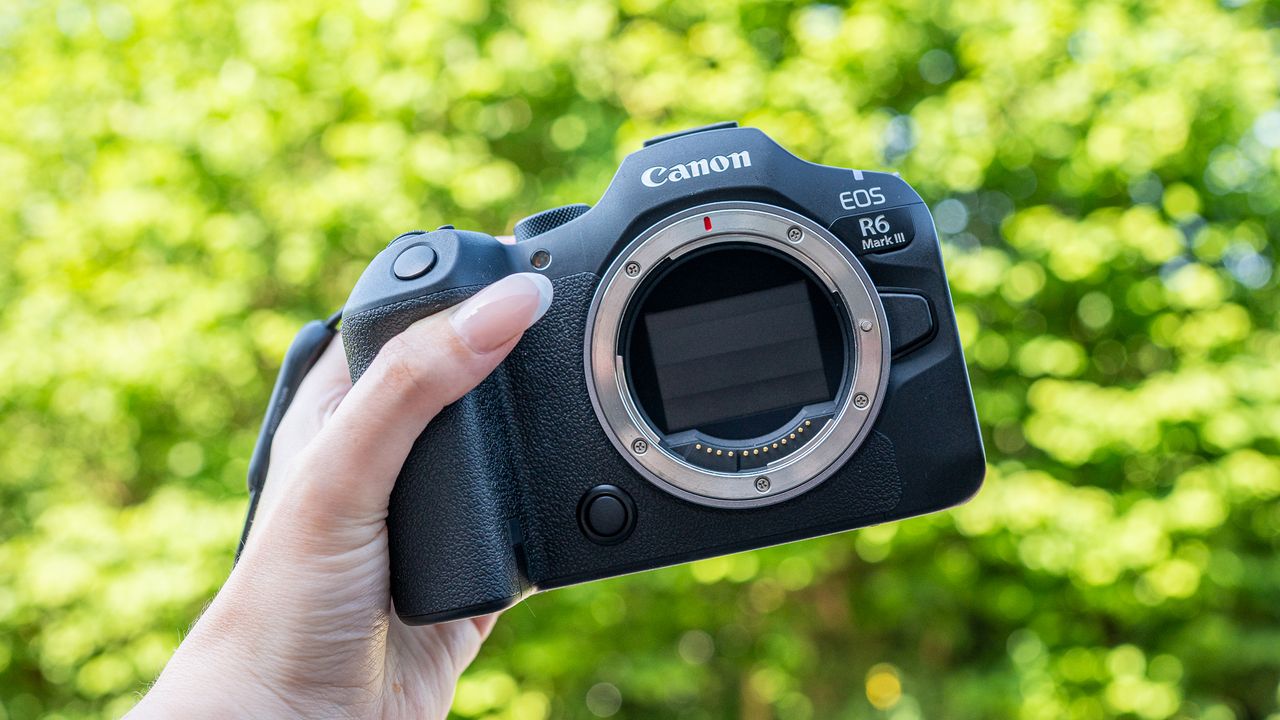
The Canon EOS R6 III is Canon's newest full-frame camera. We absolutely loved the R6 II when we reviewed it, and the Mark III's improved 32.5MP resolution, 7K video capability and CFexpress compatibility build on that strong foundation to take this camera from the beginner and enthusiast level straight into the serious intermediate camera category. We primarily tested it for wildlife photography with Canon's 100-300mm f/2.8L IS USM lens, but the R6 III is such an impressive all-rounder, it can easily turn its hand to astrophotography, sports or event photography, too. Canon EOS R6 III: DesignKimberley LaneKimberley LaneKimberley LaneKimberley LaneKimberley LaneComfortable grip to accommodate larger lensesIdentical layout to previous modelOne SD card slot, one CFexpress card slotExisting Canon users will feel right at home with the Canon EOS R6 III, as the build and button layout are nearly identical to the R6 II, and similar to many other R-series bodies. We tested the R6 III with the Canon RF 100-300mm f/2.8L IS USM lens and found it comfortable to get a good grip on, and it feels satisfying in the hand, especially when paired with bigger lenses.Key specs:Type: Mirrorless, full-frameResolution: 32.5 megapixelsBurst rate: 12fps mechanical, 40fps electronicImage stabilization: 8.5 stopsWeight: 1.54 pounds / 699 g (with battery and card)Battery life: 620 shots (CIPA)The LCD screen and viewfinder are exactly the same as the Mark II, but there are a couple of small differences elsewhere in the design. The R6 III now has a CFexpress Type B card slot as well as an SD card slot, allowing for faster workflows and data transfer. However, considering this camera sits in the more intermediate level, we have to question whether two SD slots would be more useful for the majority of users, especially because CFexpress cards are more expensive. Plus, we used fast SD cards during our tests and encountered no problems at all with the write speed or buffer.Canon EOS R6 III: PerformanceKimberley LaneKimberley LaneKimberley LaneKimberley LaneKimberley LaneKimberley LaneKimberley LaneKimberley LaneAn absolute joy for wildlife photography32.5MP sensor is a very welcome improvement over the Mark IIAutofocus and subject detection are accurate and stickyThe Canon EOS R6 III features more advanced AI-powered autofocus, which enables it to track people, animals and vehicles more easily compared with the Mark II. When we were photographing animals at a zoo, the autofocus was generally very good, although there were a few occasions when the camera got confused. The focus jumped between the giraffes eyes, nostrils and ossicones, and the camera couldnt quite figure out what to focus on, even when the animal was facing towards the camera with the eyes in view. There were also a few unfortunate occasions when the camera would find and track an "eye" on the how do we put this wrong end of the animal. Generally, though, it was fast and accurate.In our review of the previous model, the Canon EOS R6 II, we said, "Considering it's the next step up from the Canon EOS R8, we'd hoped for a bump in resolution. Matching the 32.5MP resolution of the crop-sensor Canon R7 would have given the R6 II an even sweeter spot between the R8 and the 45MP powerhouse Canon EOS R5 II." It seems Canon was listening, as the 32.5MP sensor in the Canon EOS R6 III sits perfectly between the beginner and professional lineups. The images are clean, detailed and not too noisy, making this camera a compelling choice for photographic styles that require excellent resolution without excessive noise. Canon EOS R6 III: FunctionalityKimberley LaneKimberley LaneKimberley LaneKimberley LaneKimberley LaneKimberley LaneKimberley LaneCanon claims battery life allows for around 620 shots (CIPA) we took around 6,000Blackout-free burst shooting up to 40FPSPre-continuous shooting For wildlife photography, blackout-free shooting enables you to follow the subject a lot easier as it's moving, to ensure you can keep the subject centered and maintain your composition. What's more, with the R6 III, you can shoot up to a massive 40 frames per second (FPS) blackout-free, which is perfect for fast-moving wildlife. (Keep in mind, this means you need to hone your timing to avoid the "spray and pray" method and end up with tons of photos of the exact same moment). This is one feature of a wildlife camera that makes a big difference.The R6 III also features pre-continuous shooting, where it'll record up to 20 frames (approx 0.5 seconds) before the shutter is fully pressed another useful feature for wildlife and sports photographers who need to capture fleeting moments.The Mark III uses the upgraded LP-E6P battery, shared with the R5 II, which offers significantly more shots per charge than the LP-E6NH in the R6 II. That said, it means that if you're upgrading from a different Canon model, your current spare batteries won't work in the R6 III, so you'll need to invest in a few spares. However, we managed to get more than 6,000 photos without having to swap out the battery, so you won't need to worry about the battery running out unless you're shooting all day for multiple days.Should you buy the Canon EOS R6 III?We can confidently say: yes, you should buy it. It seems to tick all the boxes for a lot of shooting scenarios, whether it's your main wildlife camera or a backup body for weddings. The 32.5MP sensor produces beautiful images with minimal noise and accurate color reproduction; it's lightning fast with a 40FPS burst speed and can capture up to 7K 60p video. However, if you're looking for a more serious pro-level camera, perhaps opt for the R1 or R3 instead. If this camera isn't for you If you want to go pro Canon EOS R1 If you're looking for a professional body with maximum reliability, professional-level handling and overall increased performance, look at the Canon EOS R1. If you're a beginner Canon EOS R7 Beginners or anyone on a budget should consider the Canon EOS R7. It has the same 32.5MP resolution, a 30FPS burst rate, and the APS-C sensor applies a 1.6x crop factor when paired with a full-frame lens to increase reach.Read our full Canon EOS R7 review If you want more resolution Canon EOS R5 Mark II The Canon EOS R5 II has a higher 45MP resolution with a stacked sensor, 8K video and a decreased but still impressive 30FPS burst rate.Read our full Canon EOS R5 II review
0 Yorumlar
0 hisse senetleri
15 Views

 English
 Arabic
 French
 Spanish
 Portuguese
 Deutsch
 Dutch
Dutch
 Italiano
 Russian
 Romaian
 Portuguese (Brazil)
 Greek
Greek