• 0 Commentarios 0 Acciones 19 Views
  • WWW.IFLSCIENCE.COM
    The First Wheelchair User To Travel To Space Is About To Make History
    Engineer Michaela Benthaus will make history on Blue Origin's next space tourist trip.
    0 Commentarios 0 Acciones 23 Views
  • Sharon Osbourne Had Revenge Plan After Roger Waters' Ozzy Diss
    Sharon Osbourne Had Extreme Revenge Plan After Roger Waters Dissed OzzyThe Osbourne family members have had their say after Roger Waters publicly spoke ill of Ozzy Osbourne following his death earlier this year, but Sharon Osbourne almost took things a step further in a rather extreme way.To recap, while appearing on the Independent Ink podcast, Waters addressed Osbourne's death in the larger...
    0 Commentarios 0 Acciones 19 Views
  • Guns N' Roses Reveal Opening Acts for 2026 North American Tour
    See All the Opening Acts for Guns N' Roses' 2026 North American TourLive Nation / Leon Bennett, Getty Images / Ethan Miller, Getty ImagesGuns N' Roses have revealed the opening acts that will join them on their 2026 North American tour.The tour kicks off with an intimate show at the Hard Rock Live in Hollywood, Fla. on May 5 followed by a headlining set at Welcome to Rockville in Daytona Beach,...
    0 Commentarios 0 Acciones 14 Views
  • WWW.THECOLLECTOR.COM
    What Year Did the Titanic Sink?
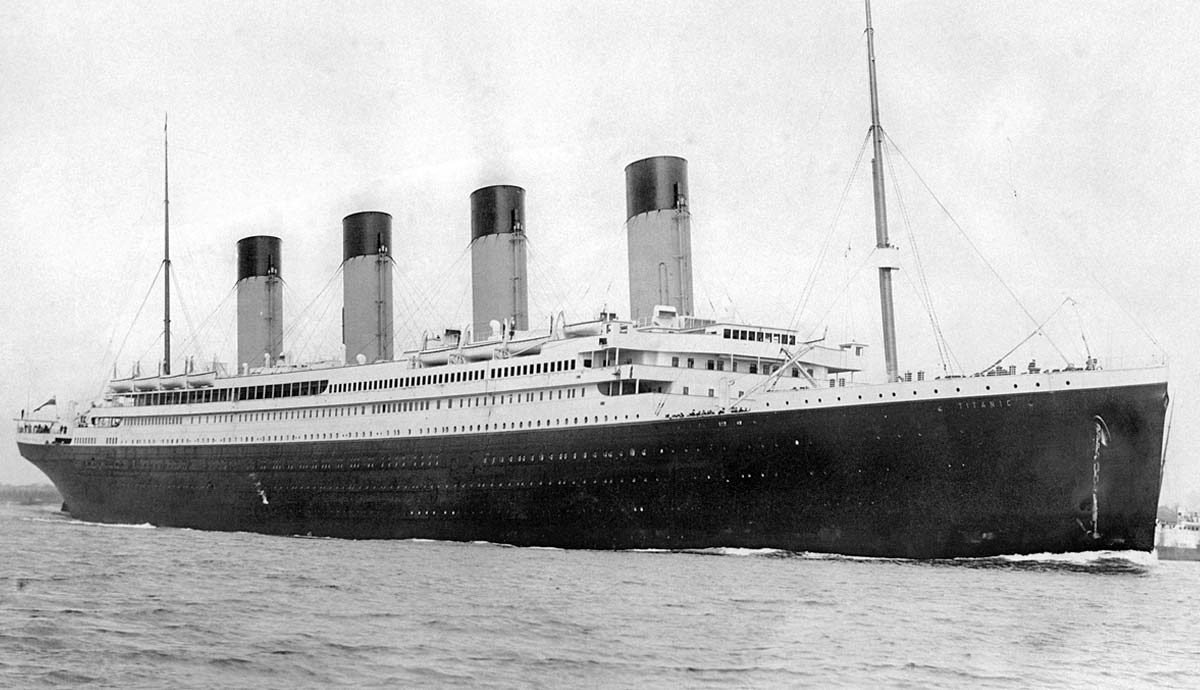
    When the White Star Line introduced the RMS Titanic to the world, it was considered unsinkable. However, it did sink, and on its maiden voyage in April 1912 to New York City. It was a famous tragedy, immortalized in pop culture by James Camerons 1997 film Titanic. The story is terrifying, and perhaps even more so when it is known that the whole film is based in fact. This is the story of the Titanic, how it sank, and what year the Titanic sank.Building the TitanicThe Titanic Quarter, Belfast, Ireland, where the Titanic was built, photograph by William Murphy, 2016. Source: FlickrThe RMS Titanic was a product of the White Star Line shipping company. White Star Line was a British company owned by an American parent corporation, the International Mercantile Marine Co., which was owned by the famous financier J.P. Morgan.The Titanic was one of three ships dreamed up by Morgan and White Star Lines chairman, J. Bruce Ismay. They would be known as the three Olympic-class ocean liners: the RMS Olympic, RMS Titanic, and HMHS Britannic.At the time, Ismay and Morgan were facing stiff competition from the British Cunard Line and the German Hamburg America and Norddeutscher Lloyd lines. Particularly the Cunard Line, as it had recently unveiled the worlds fastest passenger ships, the Lusitania and the Mauretania.Ismay was not concerned with speed, however, but with size. Thus, he and Morgan planned for the Olympic-class liners to be the largest and most luxurious ships in the world, attracting customers to a modern interpretation of oceanic voyages.The Titanic and its sister ships were built more like floating hotels than ocean liners. They were decorated in several styles that communicated the luxury the designers drew on from hotels such as the Ritz in London. First-class cabins were in the Empire style, while the rest of the ship varied from Louis XV to Renaissance styles in the cabins and public areas for the first and second class passengers.A reconstruction of the First Class Grand Staircase on the RMS Titanic, photograph by Cliff, 2021. Source: World History Encyclopedia/FlickrThe construction of the Titanic began in early 1909 alongside its sister ship, the Olympic. The task was given to Belfast shipbuilders Harland & Wolff, who were told to spend what was needed on the ships, meaning money was no object in the construction of the vessels for the White Star Line. In the end, 3 million (in 2023, this equaled about 370 million) was spent on the first two Olympic-class ships.The Titanic took about 26 months to build and was an incredible challenge for the shipbuilders. The Titanic and Olympic were the largest vessels ever built at the time, which meant that everything that went into building the ships had to be the largest ever built as well. The last thing fitted to the Titanic was the largest hand-forged anchor ever created, which had to be pulled to Belfast by a team of 20 Clydesdales. When it was finished, the Titanic was a massive 882 feet (269 meters) long and 92 feet (28 meters) wide.RMS Titanic was launched for sea trials on May 31, 1911, in front of 100,000 onlookers. In the custom of the White Star Line, the ship was not formally named, nor was it christened with champagne. After several sea trials, during which it was tested for speed, braking, and maneuverability, the Titanic was ready for its maiden voyage, which was set for April 10, 1912.The Titanics Maiden VoyageTitanic passing through the Belfast Lough en route to the Irish Sea for her trials, April 2, 1912. Source: Picryl/Wikimedia CommonsThough the Titanic was registered to Liverpool as its home port, it set off from Southampton, England, along the south coast as it provided a more express service according to White Star Line. The Titanic, along with its sister ship the Olympic, would then sail once every three weeks from Southampton via Cherbourg, France, and Queenstown, Ireland, to New York.White Star Line even planned the Olympic-class route to allow passengers to get to Southampton. Special trains were scheduled from London and Paris to transport them to Southampton, where the company had also built a special deep-water dock to accommodate the size of the ships.RMS Titanic departing Southampton on April 10, 1912. Source: Picryl/Wikimedia CommonsOn its maiden voyage, the Titanic had about 885 crew members. Most were recruited within the month before sailing, and 40% were Southampton natives who were not permanent staff with White Star Line. The captain of the ship, however, was the companys most senior captain, Edward John Smith. Captain Smith had been heralding the White Star Lines maiden voyages since 1904 and was transferred to the Titanic, especially for its first trip.On its first journey across the Atlantic, the Titanic carried 1,317 passengers, 324 of whom were in First Class, 284 in Second Class, and 709 in Third Class. The ship could have accommodated 2,453 passengers but was under capacity due to a coal strike in the UK at the time.Many who had planned voyages had them canceled in the spring of 1912 because of the miners demonstration. Though the coal strike ended a few days before the Titanic set sail, it did not have much effect and the Titanic was only able to sail because of borrowed coal from other ships of the White Star Line.John Jacob Astor IV and Madeleine Force Astor circa 1910. Source: FlickrThough it was under capacity, the Titanic still hosted some of the most famous people of the time as passengers. Among the many financiers, athletes, artists, activists, entrepreneurs, and socialites on board, the most notable are millionaire John Jacob Astor IV with his wife, Madeline Force Astor, painter and sculptor Francis Davis Millett, Macys owner Isidor Straus and his wife Ida, millionairess Margaret Molly Brown, and industrialist Benjamin Guggenheim.Additionally, White Star Lines chairman, J. Bruce Ismay, and the designer of the Titanic, Thomas Andrews, were aboard the ship for its maiden voyage to assess its performance. J.P. Morgan intended to travel on the Titanic but canceled his voyage at the last minute.On board the Titanic, as was the custom with its designation as a Royal Mail Service (RMS) ship, was also mail that was allowed 26,800 cubic feet of space. Finally, several types of cargo were brought on board with passengers, the most valuable of which was a large neoclassical painting called La Circassienne au Bain by French artist Merry-Joseph Blondel.The Titanic stopped in Cherbourg, France, and Queenstown, Ireland to pick up additional passengers on its way to New York. On April 11, 1912, it cleared the rainy Irish coast and sailed onward for three days without incident. The Titanic had covered 1,807 nautical miles, only 193 miles short of its destination when tragedy struck.When Did the Titanic Sink?The front page of the April 16 issue of The World Newspaper announcing the sinking of the Titanic on April 15, 1912. Source: Library of Congress, Washington DCThe Titanic sailed through the waters of the Atlantic, nearing Newfoundland, and received warnings from several other ships about drifting ice. Captain Smith, however, refused to pay attention to the warnings, as he claimed that he could not imagine any condition which would cause a ship to founder.One of the ships lookouts spotted an iceberg directly in front of the Titanic around midnight on April 14. He alerted the bridge, where the First Officer attempted to order the crew to steer around it. However, it was too late as the starboard side of the ship had already struck the iceberg, creating several holes below the waterline.Sixteen watertight compartments sat in the hull, which had been breached by being dented. The dents were so severe that they caused the ships steel plates to buckle, causing water to rush into the watertight compartments. Five of these compartments were breached, and a sixth was also compromised.The breach of the five compartments made it clear that the Titanic was going to sink. Indeed, by design, the ship could not float if more than four compartments were filled. Thus, the Titanic began sinking bow-first into the depths, with water spilling into more watertight compartments as its angle became steeper.The Sinking of the Titanic, by Henry Reuterdahl, April 27, 1962. Source: Wikimedia CommonsThe crew and passengers were ill-equipped and unprepared for such an emergency. Contemporary logic was that ships were largely unsinkable, so lifeboats were only kept aboard as a transfer from one vessel to another in the case of an accident. There were only enough lifeboats onboard the Titanic to carry about half of the already limited number of passengers. If the ship had been full, the lifeboats would have only carried about a third of the passengers and crew.To make matters worse, the crew had not been trained in lifeboat evacuations and sent several of the boats out barely half-full, as they had no idea how many people they could fit in one boat. The protocol of letting women and children access lifeboats first was generally followed, which was reflected in survival rates from the disaster. Women survived at a rate of 75% and children at 50%, while mens survival rate was only about 20%.The survival rate also depended on the class of the passengers. For the most part, third-class passengers were left to fend for themselves as the ship sank and water poured into the lower cabins. Animals were released from their cages, and, in the end, only three of the several pets brought aboard survived.Titanic Lifeboats on the way to the RMS Carpathia. Source: Library of Congress, Washington DCAround 2:15 am on April 15, 1912, the sinking rate quickly increased as the top deck of the ship dipped underwater and water flowed through open doors and hatches. As the stern came out of the ocean and the propellers were exposed, the Titanic broke into two pieces between the second and third smokestacks, as the ship could no longer handle the immense force placed on the keel.The stern remained afloat for a few minutes before finally sinking around 2:20 am with several hundred people still clinging to its vertical deck. These passengers and crew were dunked into 28 F (-2 C) water. Though the lifeboats had room for around 500 more passengers, only five people were rescued from the water after the ship sank fully.After several distress signals were sent to no avail while the Titanic sank, RMS Carpathia finally arrived at the scene at around 4 am. It was the fastest to respond to Titanics earlier calls for help after at least two other ships had failed to respond. In all, 706 passengers and crew survived the sinking and were transported aboard the Carpathia to New York. In total, 1,517 people died during the sinking.The Lasting Impact of the Titanic SinkingCrowd awaiting Titanic survivors, by Bain News Service, April 1912. Source: Library of Congress, Washington DCThe RMS Carpathia took three days to sail into New Yorks Pier 54 and was met by a crowd of 40,000 people. Immediate relief was provided to survivors, they were given food, clothing, and shelter by several charitable organizations. However, most passengers headed onwards almost immediately. Several wealthy passengers chartered private trains, and the Pennsylvania Railroad even commissioned a special free train to transport survivors to Philadelphia.Before the Carpathia could even reach New York, investigations were being called by the US Senate. These hearings began on April 19, 1912, and concluded on May 25 after several survivors were subpoenaed to appear before Congress only days after the harrowing incident.In all, fewer than a third of the people on board the Titanic survived its sinking. Only 214 crew members survived. The Captain and First Officer went down with the ship. The survival rate was sharply divided. In First Class, 97% of women survived, while in Third Class, 46% of women survived. Wealthier passengers were prioritized over those who were trapped in the lower classes.French brothers Michel (age 4) and Edmond Navratil (age 2) of Nice, France, seated on their mothers lap. Their father died in the disaster. Source: Library of Congress, Washington DCSeveral trips were made from Canada to collect bodies that remained in the water in the weeks following the disaster. Overall, 333 bodies were recovered, and about two-thirds of them were identified and either taken by relatives or shipped to locations across the United States and Europe.The Titanic was considered unsinkable, which led to several problems with safety. This was analyzed after the fact and was the catalyst for introducing several measures to improve navigational safety on passenger ships. The international community came together to establish regulations and maritime standards, the most important being the Convention for the Safety of Life at Sea (SOLAS). In addition to safety regulations, navigational technology was developed based on the disaster of the Titanic. For example, radio acoustic ranging navigation was introduced after the disaster, which was the basis for modern sonar.For several decades after the sinking, the Titanic was lost below 12,000 feet (3,800 meters) of water in the North Atlantic. However, on September 1, 1985, the wreckage was discovered by a French-American expedition led by Dr. Robert Ballard and Jean-Louis Michel. The expedition found the wreckage 350 nautical miles off the coast of Canada.Titanic Memorial, Washington, D.C., by Harris & Ewing, 1931. Source: Library of Congress, Washington DCAfter its discovery, Congress passed the RMS Titanic Maritime Memorial Act of 1986, which directed the initiation of multinational conservation efforts and developed guidelines for exploration, salvage, and research surrounding the Titanic. In the nearly four decades since its discovery, several thousand artifacts, preserved due to the absolute cold of the water, have been recovered. In 1987, one expedition alone salvaged 1,800 objects from the ship.Several memorials have been established in countries affected by the disaster, including Southampton, Liverpool, New York, Washington D.C., and Belfast. The event has also inspired several creative endeavors, the most famous of which is James Camerons Titanic (1997), which became the highest-grossing movie in the world up until that time and won eleven Academy Awards, including Best Picture and Best Director.The sinking of the RMS Titanic on April 15, 1912, is still the deadliest peacetime shipwreck in history. It is a disaster that still fascinates the general public and researchers alike. The people who perished aboard the Titanic did so as a result of several factors, but it serves as a cautionary tale for those sailing the Atlantic, even today.

    0 Commentarios 0 Acciones 11 Views
  • WWW.THECOLLECTOR.COM
    What Was the Dawes Act of 1887?
    The United States achieved Manifest Destiny in 1848 when it formally gained California from Mexico at the end of the Mexican-American War. Twenty years later, the Transcontinental Railroad finally tied the nation together from east to west by providing a narrow belt of mass transportation through the interior. But what should be done about the many Native American tribes living in the West? Hostilities were increasing between white settlers and Native Americans as the railroad brought more and more settlers westward. A plan was concocted to remove the incentive for Native Americans to leave government-created reservations and encounter settlers: the Dawes Act of 1887. What was this plan, how did it work, and was it fair to Native Americans?Setting the Stage: Native Americans in the WestA map of Native American tribes in the western United States between 1860 and 1890, sometimes known as the Indian Wars era. Source: United States ArmyNative Americans had been pushed west since the colonial era, with the Indian Removal Act of 1830 relocating most Native Americans in the south and east to the west of the Mississippi River. Thirty-five years later, with the end of the American Civil War, citizens finally turned their attention to the vast West, most of which had been won from Mexico at the end of the Mexican-American War in 1848. Manifest Destiny had been achieved, and Americans were excited to explore and settle the vast Mexican Cession. However, this land was already populated by many Native American tribes, including those who had been forced westward years earlier.Many of these tribes were not content to have their territory simply taken by white settlers. In Texas, the Apache and Comanche tribes had been embroiled in conflicts with settlers and state government since the 1830s. These tribes would later become well-known during the Indian Wars era, as would the Cheyenne and Utes to the west and north. The Sioux would become famous for the Battle of Little Bighorn in 1876, colloquially known as Custers Last Stand. There were many smaller tribes in the West, but they lacked the size and might to resist armed settlers or the US Army.Setting the Stage: The Transcontinental RailroadAn image of buffalo hunters shooting American bison in the Great Plains region of the western United States from a moving train. Source: PBSA technological advancement in the 1860s suddenly allowed white settlers to move swiftly and deeply into Native American territory: the railroad. The completion of the Transcontinental Railroad in 1869 allowed settlers to travel quickly into the West and no longer rely on slow-moving wagon trains. Native Americans often resisted the building of the railroad, knowing that it would bring trouble in the form of settlers and land-seeking corporations. The completion of the railroad at Promontory Summit, Utah, on May 10, 1869 heralded a dangerous new (final) era for Native Americans in the West.Quickly, additional railroads were built in the West. The discovery of valuable minerals and ores in the West brought mining companies, which could ship out heavy equipment on the railroads and ship back carloads of ores to be turned into metals. Companies, including leather tanners, also quickly pursued a new resource out West: the vast herds of American bison. In 1870, a German company figured out how to significantly improve the use of bison hide, causing demand to soar. During the 1870s, settlers, miners, and buffalo hunters increasingly encroached on Native American lands.1870s: The Indian WarsA 1907 painting by Frederic Remington depicting US Army cavalry during the Indian Wars era of the late 1800s. Source: The Metropolitan Museum of Art, New YorkWithin just a few years of the completion of the Transcontinental Railroads, some Native American tribes began organizing to resist government demands that they settle onto reservations. The Indian War era lasted from 1866 to 1890 and saw just over 1,000 actions between Native Americans and the US Army, employing an average of 16,000 soldiers throughout the duration.To protect settlers and businesses in the West, the army frequently built and staffed forts on the frontier. When white settlers, miners, ranchers, farmers, or loggers claimed harassment or violence by local tribes, the Army typically responded with tremendous force with little or no investigation. The economic boom in the North and Northeast during the Gilded Age encouraged aggressive companies to find, extract, and ship natural resources back east.Violence peaked in the mid-1870s when several tribes united to attempt to repel growing numbers of settlers and miners. In 1875, the Great Sioux War between the US Army and the Sioux and Cheyenne tribes in the Wyoming, Montana, and Dakota regions erupted as tribes refused to remain on reservations developed in 1868. This war famously included the Battle of Little Bighorn, where Civil War veteran George Custer was killed along with all of his men by a much larger force of Indigenous fighters. After this victory, the united tribes dispersed, making it easier for the US Army to hunt down and defeat each unit. The Sioux quickly surrendered in 1877, marking the end of large-scale resistance against the federal government.Crafting the Dawes ActA photograph of US Senator Henry L. Dawes (R-MA), who created the controversial Dawes Act of 1887, taken during the Indian Wars era. Source: Library of CongressAlthough the Great Sioux War had ended, there was still restlessness among Native Americans in the West. To avoid further fighting, many wanted to pacify the Native Americans through tactics to encourage assimilation; in this case, the adoption of white American values. In 1878, Congress began sending teams to study the culture of Native Americans on reservations.During the Indian Wars era, the federal government rescinded previous policies of considering tribes to be sovereign nations and now considered them wards of the state. Beginning in 1883, a group of Protestant reformers met in New York to try to save the Native Americans.These reformers believed that the Native Americans needed to be civilized and would only prosper once they had adopted traditional white, Protestant culture. US Senator Henry L. Dawes (R-MA) proposed granting individual Native Americans plots of land similar to those given through the Homestead Act of 1862. This may have seemed like a good deal to many, but Native Americans would actually lose tremendous amounts of their land. On average, Native American communities that were nomadic utilized much more than the 160-320 acres being proposed per individual by Congress. Signing up for the allotment would also better allow the government to track each Native American family, limiting the ability for future resistance.1887: Implementing the Dawes ActA photograph of US President Grover Cleveland, who signed the Dawes Act on February 8, 1887 in a misguided belief that it would protect Native Americans. Source: Ashland UniversityDawes allotment bill was passed by Congress and signed by US President Grover Cleveland on February 8, 1887. It granted each Native American head of household either 160 acres of farmland or 320 acres of grazing land for ranching. Although some considered the law a benefit for protecting Native Americans by virtue of giving them legal title to plots of land, the law was not implemented graciously. Often, Native Americans were underpaid or tricked out of their land, as they were relatively unfamiliar with modern commerce and legal agreements. Tribal land that remained after allotments were doled out would be opened for settlers, resulting in the loss of almost 100 million acres of Native land.A poster advertising land taken from Native Americans for sale to white settlers in the late 1800s. Source: PBS Learning MediaAdditionally, most Native Americans in the West were unfamiliar with farming and ranching, having been nomadic and relying heavily on the bison. However, the destruction of the bison herds in the early 1870s had removed many tribes ability to resist remaining on reservations. Without access to a resource upon which they had relied for centuries, many tribes were forced to accept the Dawes Act. Sadly, the Dawes Act was tightened in the 1890s through new amendments that allowed the federal government to seize and re-sell allotments that were not being used productively by Native Americans.Physical Effects of the Dawes ActA graphic explaining the physical results of the Dawes Act of 1887, also known as the General Allotment Act. Source: Stanford UniversityThe Dawes Act transformed much of the West by opening it to settlers. Typically, Native Americans received less desirable land in their allotments, leaving prime territory for white settlers or companies. The adoption of allotmentsand their ability to be bought or sold for cashtransformed Native American economics. Companies or the government could negotiate to purchase allotted land, often resulting in further seizure of Native American land through broken deals and fraud.By the 1930s, many Indian Reservations were no longer majority-owned by Native Americans; they had been sold off piece by piece. Much of this land had been used for hunting grounds and foraging for agriculture, further depriving Native Americans of resources. The loss of natural resources forced greater acceptance of white-owned enterprises, such as stores and businesses. In many areas, tribes lost so much of their ability to grow or hunt their own food that they became reliant on government-supplied rations. Many reservations became impoverished.Cultural Effects of the Dawes ActA photograph of Native American youths in the late 1800s or early 1900s wearing formal clothing preferred by white, upper-middle-class Americans. Source: PBSMany Native Americans, now forced to live permanently on allotted land, could no longer practice their traditional culture. Government-run schools were set up for Native American youth and forcefully assimilated them into white culture. Students were taught only English, could not wear traditional clothing, and were only allowed extracurricular activities deemed acceptable in white culture. Long hair was cut, and traditional ornamentation was removed, often by threat of force. Abuse was rife at these schools, with most violence against students unreported.By the 1920s, the majority of Native American youths attended federally-run schools. These schools weakened students cultural heritage and emphasized conformity with white culture. Additionally, the Dawes Acts use of individual allotments changed many tribes culture of collectivism toward pro-capitalist individualism. This often weakened tribal unity, as individual members could now seek financial gain by selling their allotments. Finally, the Dawes Act shifted power away from tribal governments and toward state governments, which were often hostile toward Native American rights.Legacy of the Dawes Act (1887-1934)The General Allotment Act of 1887, also known as the Dawes Act, is often considered the defining end of Native American autonomy in the United States. Source: Forest History SocietyToday, the Dawes Act is frequently criticized as significantly weakening Native American sovereignty and power in the United States. Some saw it, even in the 1880s, as an outright plot to steal Native American land. Others saw it as misguided paternalism, with Senator Dawes and other Protestant reformers believing that it would reduce violence between Native Americans and settlers and formalize Native American rights. Many reformers of the era, which quickly flowed into the Progressive Era (1890s-1920), believed that their personal values could save the downtrodden.The Dawes Acts surplus lands became known for land rushes in the 1890s, especially in Oklahoma. Images of settlers rushing into newly-opened territory to stake a claim became popular in entertainment. Later amendments to the Dawes Act made it easier for Native Americans to sell off their allotments, often to unscrupulous individuals, and increased the incidence of fraud and intimidation in convincing Native Americans to sell their land. This situation continued until the 1920s when the federal government finally reversed course and began strengthening legal protections for Native Americans again with the Indian Citizenship Act of 1924.Reservation System Post-1934A present-day map of the United States showing the size and location of Indian Reservations. Source: Native HopeToday, the West has many Indian Reservations. These are lands officially set aside for federally recognized Native American tribes and administered by the Bureau of Indian Affairs (BIA). Unfortunately, these reservations are only a fraction of the land occupied by these tribes in the 1860s. Much of this loss of tribal land was the result of the Dawes Act, which allowed white settlers to purchase surplus land left over after allotments to registered Native Americans were made. Today, approximately one-quarter of Native Americans live on reservations or lands set aside in trust for tribes.In terms of land, allotment of Native American territory ended in 1934 with the passage of the Indian Reorganization Act. At this point, the loss of Native American land slowed dramatically, but not completelyallotments could no longer be considered surplus but could be voluntarily sold. The Act returned a degree of tribal self-government on the reservations and implemented affirmative action for Native Americans seeking employment in the BIA. Thus, the modern reservation system could be considered the post-Dawes era in Native American history.Compensation for the Stolen Land?Recent decades have seen federal government initiatives to help compensate Native Americans for lands and resources taken in violation of treaties. Source: Native American Agriculture FundShould Native Americans be compensated today for lands taken many decades ago? For some, this is a sensitive and controversial question. Many believe that tribes should be paid for lands taken unscrupulously during the allotment era of 1887 to 1934. However, this is complicated by the fact that there were many voluntary sales of allotments during this time, leading to debates over which sales of Native American land could be considered acceptable and which were influenced by intimidation or fraud.From 1946 to 1978, the Indian Claims Commission handled financial claims made by recognized tribes over the loss of their lands in alleged violation of some 370 treaties made between the United States and those tribes. During its three-decade tenure, the Commission awarded over $800 million in compensation to tribes; it did not, however, have the authority to restore land rights. After the Commission ceased to exist in 1978, tribes could still make claims in the US Court of Claims (federal claims court). Between 2012 and 2022, a buyback program was instituted by the US Department of the Interior as a result of a court order and repurchased land to be added to Indian Reservations and trusts.
    0 Commentarios 0 Acciones 11 Views
  • WWW.THECOLLECTOR.COM
    Did the Romani Spread the Art of Belly Dance?
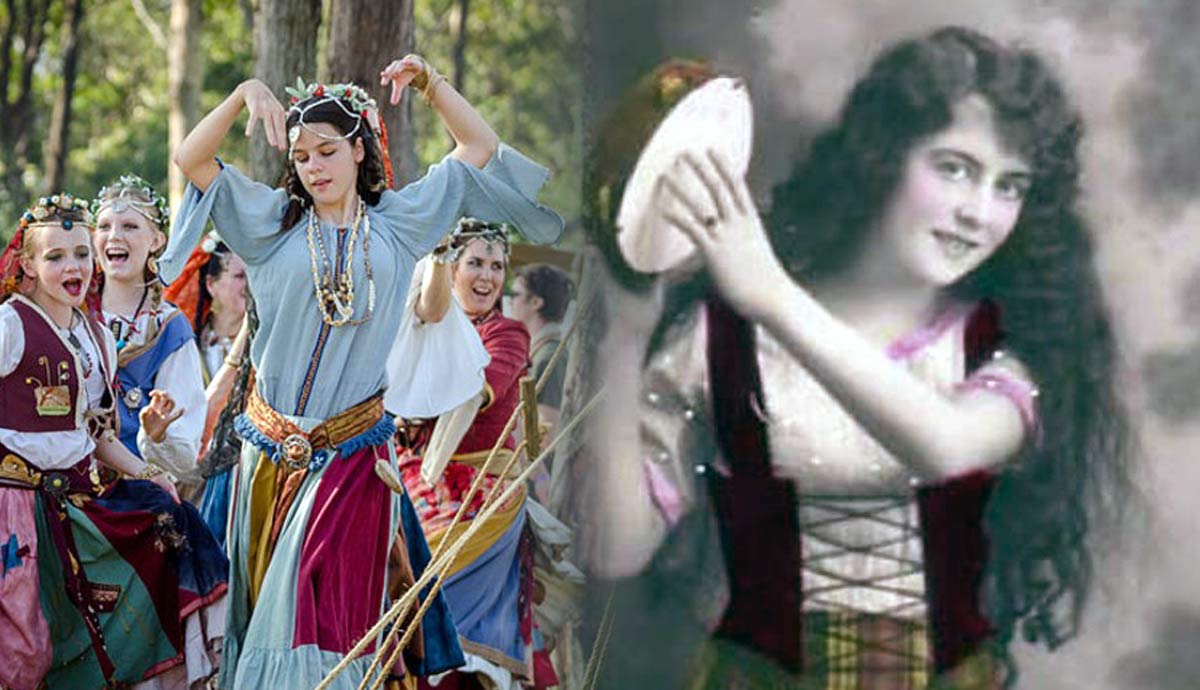
    By the time belly dance emerged as a distinct form in North Africa, the Middle East, and Europe it carried echoes of Roma traditions interwoven with local styles. Despite its widespread appeal, belly dance has long been overshadowed by the stereotypes that cling stubbornly to its practitioners. Roma women, in particular, have historically been both celebrated and marginalizedpraised for their artistry while constrained by the strict rules of their own communities. The image of the Roma dancer has frequently been romanticized in Western art and literature, epitomized by figures like Esmeralda, the sultry heroine of Victor Hugos The Hunchback of Notre Dame.Who Are the Romani?Romani Festival, by K Kendall. Source: FlickrCommonly (and offensively mislabelled) referred to as Gypsies, the Romani people have a complicated history that has been overshadowed by a multitude of myths and stereotypes. Lets clear up a common misconception: despite what the term Gypsy might suggest (and what Tudor authorities misjudged in extant texts) they are not from Egypt.In reality, their origins can be traced back to northern India, specifically the regions of Punjab and Rajasthan. They embarked on their great migration approximately a thousand years ago, spreading their vibrant cultural legacy via their rolling homes called vardos across Central Asia, the Middle East, North Africa, and Europea slow overland odyssey that would make any travel blogger weep with envy at the sight. However, wherever they went, misconceptions and whispers of thieves seemed to follow. The Romani, with their closed communities and colorful garb, have been the historical other for as long as theyve been traveling.But why did the Romani leave India in the first place? Frustratingly, neither anthropologists nor historians really know for sure. That hasnt stopped researchers from wildly speculating and drawing up dramatic conclusions and timelines that wouldnt be outrageous as plots for historical fiction narratives. One popular theory claims that the Romani were a military collective formed of different ethnic groups to resist the Islamic invasion of India. Think of them as the ragtag resistance fighters of their day, standing their ground with sheer grit (and maybe a few swords) in exchange for the rare chance to climb the caste ladder.Romani Mother and Child, by Robert Henri, 1906. Source: PicrylOne event that we know surely affected this group happened around the 11th century, when Mahmud of Ghazni, an Afghan general with a flair for invasions, swept into northern India. His forces disrupted life as the Romani knew it, pushing them westward if they refused to convert. Muslims saw him as a warrior of his faith, not unlike the European crusaders, but those in place in India already saw him as a raider of beautiful temples and sacred spaces.Over the following centuries, the Romani migrated in waves, blending diverse Indian ethnicities into what eventually became a distinct people who rarely married outside of their communities. As they moved into the Byzantine Empire, their shared language and traditions helped them stand out, solidifying a unique identity no matter their ever-changing surroundings.So, why did they leave? Probably to escape war, caste oppression, and the general chaos of medieval India.The Romani name comes from the word Rrom, meaning man in their language, which is closely related to Sanskrit. As they traveled, the Romani adapted to their new homes by blending their traditions with local customs. Music, oral stories, and expressive dance were central to their way of life, making them sought-after performers wherever they went. While their artistry brought joy to audiences, the Romani themselves often faced prejudice, marginalization, and even racially based enslavement in places like Romania and Moldavia.In the Middle East, this meant adapting traditional folk dances into what we now recognize as belly dance. Their influence didnt just enrich the arts but also ensured their traditions survived despite centuries of oppression.Whats So Special About Romani Music and Dance?Traveling Vardo. Source: Wikimedia CommonsRomani music and dance are like the ultimate fusion dishesfamiliar yet tantalizingly unique. Rooted in centuries of creativity and improvisation, Romani performances weave together personal narratives handed down through generations. It is a tradition with a twist if you will. It takes a large dose of Indian movement and hide drums and then blends it, creating a sort of spiced dish that can only come when different flavors are integrated from far-flung places.Now, lets debunk another myth: some say the Roma have no music of their own. This isnt true. However, they do have an unparalleled gift for taking the music of others, infusing it with their signature passion and artistry, and spinning it into gold. Gadje (non-Romani folk) often find themselves preferring Romani interpretations of their own music because, frankly, they just make it so much more interactive. Adding their soaring Romani lyrics to a borrowed melody transforms it into something uniquely theirs, leaving audiences captivated.Think for a moment about these words from a traditional Romani song: Far to the south and the east I began. I gathered my people from many a clan. From the sons of the kings to the sons of Kali, All were my people, protected by me.Colorized postcard, gypsy woman with tambourine. Source: GetArchiveAnd then there is the dance. Romani dance isnt about synchronized lines or flashy choreography. It is all about improvisation and self-expression. You wont catch them linking arms in a Balkan-style line dancetheir concept of marime (ritual cleanliness) would make that idea downright impossible. Instead, Romani dancers move as individuals, communicating through their steps, showing off their skills, and connecting via storytelling with their bodies. Every gesture tells a story, whether it is a flirtatious flick of the wrist or an energetic stamp of the foot.From quite a young age, Romani children are immersed in the art of their peoples music and dance, learning through imitation and encouragement. It is not just movement: it is a way to explore identity, gender roles, and their place within the wider travelling community. Whether performing a Basso or a Kolo at weddings or captivating crowds with their breathtaking improvisation, Romani dancers turn every step into a celebration of life, a tale of their cultures resilience, and their own talent showcasing beauty and artistry.Women in Roma Culture: The Hypocrisy of Autonomy and OppressionPainting of Roma Woman, by Vikentios Bokatsiambis, 1856-1932. Source: GetArchiveRoma women have long walked a lofty tightrope in their communities. While they could wield economic influence through fortune-telling, dancing, or the selling of their handmade crafts, their societal roles were rigidly circumscribed.Take, for example, the practice of women performing for audiencesdancing with a fiery passion often considered unwomanly in the dominant society, embodying the exotic allure that Gadje audiences craved. Their movements were a swirling, undulating enchantment, yet within their own communities, these same women had to avoid even accidentally brushing a mans leg with their skirts, an act considered so polluting it could result in his social ostracism for up to a year.It is hypocrisy as old as patriarchal times: Roma women could be the familys breadwinners, either by dancing or fortune-telling to keep their communities afloat financially, all while being the keepers of tradition. However, participation in decision-making was an entirely different story; men ruled the Roma courts and made family decisionslike hastily arranging marriages of minors as if they were simply trading livestock. Women earned admiration for their skills, both inside and outside of the traveling clans, but this respect rarely translated into personal agency. It is almost as if their accomplishments came with an invisible asterisk: Not applicable for leadership positions!Men perform Romani dance, by Jolynne Martinez. Source: FlickrOutsiders, of course, had their own skewed interpretations. They often romanticized the Gypsy woman, conjuring images of a liberated and mysterious figure, a whimsical free spirit dancing through life with the grace of a gazellewhile chained to a kettle for dinner duty. This idealized vision often came complete with the enchanting wrappings of magic, leading to the perception that so many Roma women were practically practitioners of witchcraft. This trope was perpetuated by tales like that of Sinnetta Lambourne, who scandalized aristocratic England not just by marrying into nobility, but by daring to exist as a Roma woman near any form of privilege.Esmeralda, the sultry dancer immortalized in Victor Hugos The Hunchback of Notre Dame, followed suit. Disneys version of Esmeralda cranked the fantasy to eleven, transforming her into a symbol of defiant beauty with a penchant for justice and a flair for tambourine-shaking.So while Roma women have historically been vital to their communities survivaleconomically and artisticallytheir roles were, and often still are, steeped in contradiction. They could dance for kings, but they couldnt rule their own homes. Roma women could predict the future of paying customers but had no formal role in arranging their daughters fates. While the world might have romanticized their freedom, the truth was far more complicated: autonomy existed only in the margins, where skirts might swish near a mans leg but never touch.How the Roma Became Belly DancersModern Romani Dancers. Source: Wikimedia CommonsAs the Roma settled in diverse locales, they absorbed the rhythms and melodies of their surroundings, weaving them together with the rich threads of their Indian heritage. Take Turkey, for instance, where they encountered the spirited folk dance Karsilama. Infusing it with their signature vivacity, they birthed the infectious 9/8 rhythm that would come to characterize modern Turkish belly dance. Similarly, in Egypt, the earthy tones of Saidi traditions melded seamlessly with their expressive style, giving rise to Balady, the soul of Egyptian belly dance.Through every migration and cultural interaction, the Roma transformed their experiences into art, creating a dance tradition that celebrates both their origins and the diverse influences they encountered along the way.Fast forward to the 1960s, and American belly dancers swept in like fashion magpies. They snatched up Roma-inspired costumes, tambourines, and even some folk moves. These makeuped and bedazzled performers took the impressive techniques and made them more fit for Vaudeville. Little did they realize that the Romani people didnt just perform belly dance for gentlemens eyesthey were its cultural and creative backbone.From opulent Ottoman courts to the chaos of bustling bazaars and now shiny modern stages, the Roma were the reason that belly dancing, in all its many forms, spread throughout the known world. In a way, these travelers shaped the dance into a true testament to making lemonade out of societal lemons.The Traveling Lifestyle: Wagons, Work, and Wowing the GadjeRomani woman and child in Hungary. Source: GetArchiveFor centuries, the Romani people have traveled the roads, their lives once intrinsically linked to their distinctive vardoshorse-drawn wagons that serve as both homes and cultural symbols. These beautifully decorated vehicles, adorned with intricate carvings and vibrant colors, embodied a rich heritage, reflecting a story of hardship and wonder that traced back over a thousand years. The vardo was more than a practical shelter; it was a sanctuary, a mobile space for family life, and often a hub for trade and business.Historically, the Romani were misidentified as Egyptians, a misunderstanding that stemmed from their striking features and nomadic lifestylehence the misnomer of Gypsy. This mislabeling has fueled stereotypes that persist to this day. In Scotland, they were referred to as tinklers, a nod to their tinsmithing skills and unique customs. The Tudor period bore witness to severe persecution, exemplified by Henry VIIIs Egyptians Act of 1530, which aimed to expel them, while Queen Marys edict declared that being Romani was itself a crime that could result in death.Palm reading, a Romani tradition. Source: UnsplashDespite the oppressive measures taken against them, the Romani have adapted and thrived on the fringes of society. Traditional crafts like metalworking, basket weaving, and fortune-telling became essential for their survival. The role of drabardifemale fortune tellerswas notably significant, as their practices were woven into so many fables surrounding Romani culture. Music and dance, too, played a central role, enchanting audiences while often reinforcing the mystique surrounding their insular and therefore much whispered-about community.In modern times, while many Romani have settled into more permanent lifestyles, the spirit of their nomadic heritage remains alive for some. Although the traditional horse-drawn vardo is a rare sight today, with luxury campers taking their place, the essence of wandering continues. Each sighting of a vardo on a quiet lane serves as a poignant and more and more limited reminder of a culture marked by resilience and the enduring pursuit of freedom. For the Romani, the journey is not merely a path through the landscape but a testament to their enduring identity and the raw beauty of their way of life, forged through centuries of both hardship and dazzling feats of artistry.So, Did the Romani Spread Belly Dance?Romani Encampment, by Franois Nicholas Riss, 1842. Source: Wikimedia CommonsThe short answer? Absolutely. The Romani played a crucial role in spreading belly dance as they traveled, hawking their talents wherever the road took them. With their natural gift for absorbing and reinterpreting local traditions, the Romani transformed regional dances into something entirely their own, infusing them with emotion, improvisation, and their signature skill. Just look at the history of Spanish Flamenco and there youll find the rhythmic stomps and skirt swirls of the Romani in every expressive twist.As they performed for Gadje audiences, their movements mesmerized, their music captivated, and their flair for showmanship brought belly dance to corners of the world it may never have reached otherwise. Then, as others sought to simulate and profit from their art form, it continued to change and morph outside of their influence. From bustling markets to royal courts, their dances told stories, preserved cultural heritage, and opened up new artistic possibilities.Belly dance, as we know it today, owes much to the Romanis nomadic spirit and enduring creativity. They didnt just spread a dance formthey wove a legacy of rhythm, expression, and resilience that continues to inspire aspiring dancers and audiences alike.
    0 Commentarios 0 Acciones 11 Views
  • 0 Commentarios 0 Acciones 11 Views
  • 0 Commentarios 0 Acciones 14 Views
  • WWW.DUALSHOCKERS.COM
    Expedition 33's Budget Was A Way For Sandfall To Prove Indies Could Deliver AAA Game Experien
    Clair Obscur: Expedition 33 is not just the biggest breakout game of 2025, but it's also poised to take home a lot of year-end awards as well. That includes Best RPG, Best Story, Best Performances, Game of the Year, and Best Indie Game.
    0 Commentarios 0 Acciones 25 Views