The Underground Press Samizdat That Defied Soviet Censorship
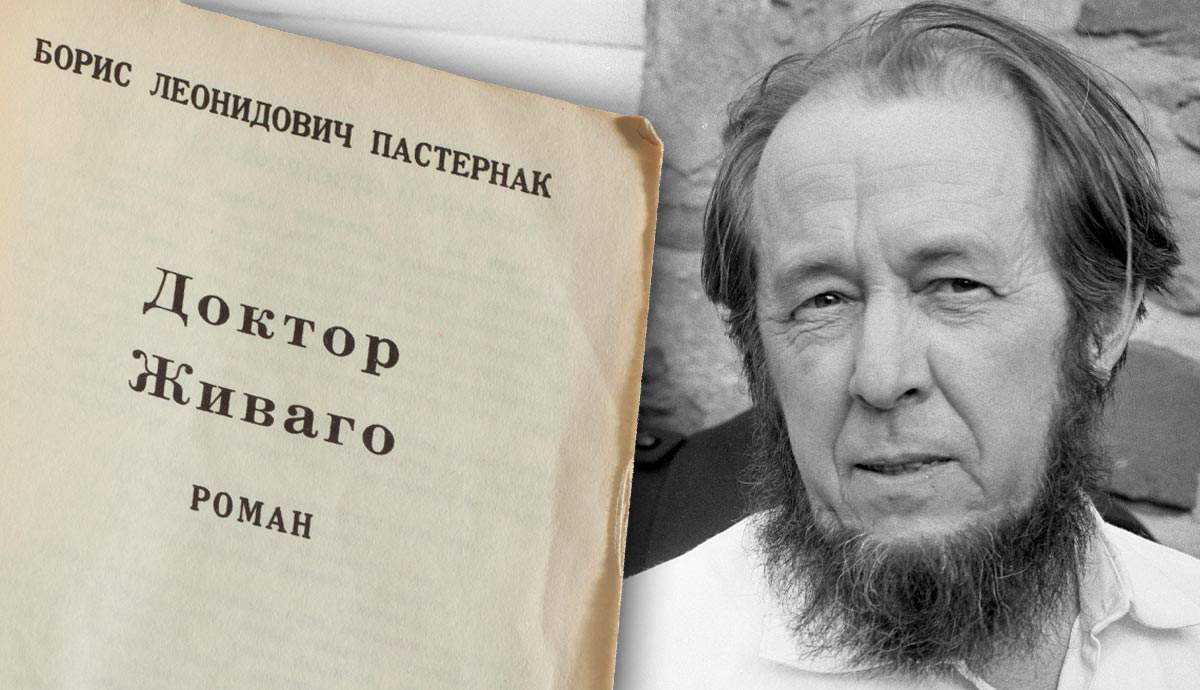
In the twentieth century, Samizdat, meaning self-published, became associated with a method of underground printing that was used to circumvent the strict censorship rules of the Soviet Union. This clandestine press developed into an important means of disseminating information, political essays, and works of literature that were otherwise outlawed. Using Samizdat, dissidents risked their lives to keep the public informed about the real goings-on of the Soviet state.The Origins of SamizdatSamizdat literature. Source: Wikimedia CommonsFaced with the repressive censorship in the Soviet Union during the reign of Joseph Stalin, dissidents turned to Samizdat as a way to spread information and distribute literature that criticized the regime. After Stalins death, Samizdat developed into a grassroots network across the USSR and the Eastern Bloc. The phrase itself captures the essence of grassroots publishing, in which people took it upon themselves to replicate and disseminate content that was outlawed by the government. For example, pamphlets and academic journals were written out by hand or using typewriters and then distributed among a close-knit network of family and close associates. Through Samizdat, dissidents were able to build a small chain of private, underground information sharing that successfully avoided state censors.The concept of Samizdat became necessary as a result of the Soviet Unions efforts to monopolize the flow of information, allowing only official accounts to reach its people. This information monopoly included literary works, religious writings, political debates, and even private letters. Since this censorship was all-encompassing, Samizdat sought to fill the void left behind by the information blackout.Samizdats origins can also be linked to a larger cultural uprising against the Soviet Unions intellectually stifling environment. The underground movement began when writers, intellectuals, and even ordinary people felt compelled to express their disapproval of the USSR and consider different perspectives on life under Communism. Throughout its history, the Soviet Unions intellectual and cultural life was greatly influenced by the self-publishing movement, which paved the way for its eventual collapse.How Samizdat Literature Was Produced and PublishedAn underground printing press in Latvia. Source: Keston Center for Religion via Courage Connecting CollectionsThe level of ingenuity that went into the creation of Samizdat literature was incredibly varied and at times incorporated the latest technology. Commonly used instruments for Samizdat include mimeograph machines, typewriters and carbon paper. To make extra copies, each document had to be typed several times, frequently on brittle paper. Carbon copies made it possible to duplicate a text several times, but the multiple layering needed to achieve this process frequently led to manuscripts needing special tools to read.The distribution process was extremely covert as the risks associated with Samizdat, especially during the 1940s and 50s, were immense. The grassroots printing movement operated within a loose network of dissidents in which copies of banned literature were distributed to reliable people within the network who created further copies before distributing them to others. Months of work could ensure widespread dissemination of banned literature in spite of the logistical and security obstacles faced by the activists. Samizdat was often distributed by hand, a method that reduced the possibility of detection, which was essential in a regime where those suspected of dissident activity were watched closely.Through the Samizdat network, important works like Boris Pasternaks Doctor Zhivago and Alexander Solzhenitsyns The Gulag Archipelago were able to avoid state censorship and reach a much wider audience. Notably, these popular works of Russian literature even made their way to the West through a complex network of Samizdat distributors. Once Western readers got a hold of these works, their popularity increased dramatically. This put considerable pressure on Soviet authorities to allow them to be published within the USSR. For many dissidents within the Soviet Union, reading or sharing Samizdat literature was in itself a form of resistance that expressed solidarity with underground authors and signified disapproval of the regime.The Major Works of Underground LiteratureSamizdat edition of Doctor Zhivago. Source: CIA / Wikimedia CommonsThe banned literary works that the grassroots Samizdat network managed to spread among the Soviet dissident underground were extremely diverse and included some works that are now considered classics of Russian literature. Political essays and policy critiques were among the most popular forms of underground publications. These pieces frequently offered counter arguments to official propaganda allowing readers to access ideas and interpretations of Soviet life that would otherwise have been impossible under the strict Soviet censorship regime.The most widely distributed Samizdat journal was the periodical A Chronicle of Current Events. The journal alerted readers to human rights abuses within the USSR and its satellite states by providing accurate information about daily news. A foremost editor and typist of the Chronicle was Natalya Gorbanevskaya. For her actions, she was imprisoned and kept in a mental institution by Soviet authorities. Western human rights organizations were informed of her imprisonment and harsh treatment by the same Samizdat networks that led to her arrest.A large portion of Samizdats content consisted of novels critical of the regime. Notable examples include Solzhenitsyns One Day in the Life of Ivan Denisovich, a graphic description of life in the Soviet system of work camps, and the poems of Joseph Brodsky which criticized life under the Communist regime. Samizdat also included religious works, which provided philosophical conversation and spiritual comfort to dissidents in an otherwise taboo area.In addition, Samizdat functioned as a platform for more intimate works of writing, like journal collections, memoirs, and diaries. Even if they were less obviously political, these private writings were nevertheless subversive since they described the real-life struggles of those living under the harsh Soviet government. They gave the wider political and cultural criticisms a human face and gave the underground movement more legitimacy and resonance among ordinary people.The Leading Players in the Samizdat MovementAleksandr Solzhenitsyn. Source: Dutch National ArchivesWhile the grassroots printing movement was largely made up of ordinary people, a number of well-known dissidents played key roles in popularizing Samizdat. Perhaps the most famous figure was Aleksandr Solzhenitsyn, whose writings contributed to some of the most influential and widely distributed forms of Samizdat literature. Once his works left the Soviet Union, the world was shocked by his brutal descriptions of life in the Soviet Gulag, a system of oppression that was not widely known outside the USSR.The nuclear physicist and political activist Andrei Sakharov was another member of the Samizdat network. Sakharovs evolution from a well-known scientist to a vocal opponent of the Soviet government highlights how diverse the Samizdat network became. His open letters and writings decried the Soviet Unions lack of freedom and called for reforms, becoming seminal works in the underground movement.In addition to these well-known individuals, a large number of regular people contributed significantly and served as the foundation of the Samizdat distribution system. In order to avoid being detained and persecuted, these people frequently maintained their anonymity. However, their efforts were equally important since they made sure that the movements ideas and criticisms reached those in Soviet society who were in dire need of fresh viewpoints.The Reaction of the Soviet AuthoritiesA Soviet prison in Estonia, 1950. Source: Estonian National Archives / Paterei PrisonTo stop Samizdat from spreading, the Soviet government used various tactics. People suspected of being part of the movement were under constant surveillance. To identify the origins and roots of underground literature, KGB operatives frequently penetrated suspected networks by pretending to be like-minded dissidents.If found in possession of banned material, offenders faced harsh prison sentences that frequently included time in a labor camp, mental institution, or even execution. For many of those who were apprehended, such as Andrei Sakharov, Soviet authorities also used internal exile as a means of separating them from resistance hotspots.However, despite immense pressure from the security apparatus of the Soviet state, the Samizdat network proved extraordinarily robust. The persistent fear of retaliation seemed to fortify the participants determination, elevating their work into an emblem of resistance against totalitarian rule. In the end, instead of putting an end to the movement, government repression frequently made the cause more visible by exposing the extent to which the regime would go in order to crush descent.How New Technologies Influenced SamizdatSamizdat tape recorder. Source: Wikimedia CommonsThe use of technology was crucial for the Samizdat movement. Due to the labor-intensive procedure of using mimeograph machines, carbon paper, and typewriters, dissidents sought out new and inventive ways of copying material.As technology developed throughout the twentieth century, new forms of Samizdat became popular. The Roentgenizdat, or bone records, involved the distribution of banned Western music on recycled X-ray film. Notably, the video game Tetris, the brainchild of computer engineer Alexey Pajitnov, was distributed using underground networks to like-minded individuals. The dissemination of banned material was also greatly facilitated by Western radio broadcasts and other communications infrastructure. Foreign broadcast networks such as Radio Free Europe and the BBC Russian Service regularly repeated and debated the topics covered in Samizdat articles.The Real Impact of SamizdatThe Velvet Revolution in Prague, 1989. Source: Wikimedia CommonsIn the Soviet Union, Samizdat had a significant cultural and political influence. Grassroots publishing shattered the state monopoly on information by giving dissident voices a wider audience and allowing alternative viewpoints to be accessed by the public. As a result, a vibrant counter-narrative developed in society which questioned the morality and legitimacy of the Soviet state.In addition, the influence of Samizdat extended beyond literary works and political articles by igniting wider discussions on Soviet life. The availability of works that were banned by the state sparked conversations among ordinary people about human rights, freedom and moral leadership. These discussions progressively promoted a culture of resistance while laying the groundwork for political change.The consequences of Samizdat were felt on a global scale. Banned works increased international criticism of the Soviet Union and forced the regime to respond to accusations of human rights abuses. Samizdats works were also frequently invoked by Western governments and international human rights organizations as justification for sanctions and diplomatic acts. The eventual collapse of the Soviet Union was further accelerated by this foreign scrutiny.














 English
 Arabic
 French
 Spanish
 Portuguese
 Deutsch
 Turkish
 Dutch
Dutch
 Italiano
 Russian
 Romaian
 Portuguese (Brazil)