• YUBNUB.NEWS
    Screwworm Confused Health Official As It Continues To Spread in the US
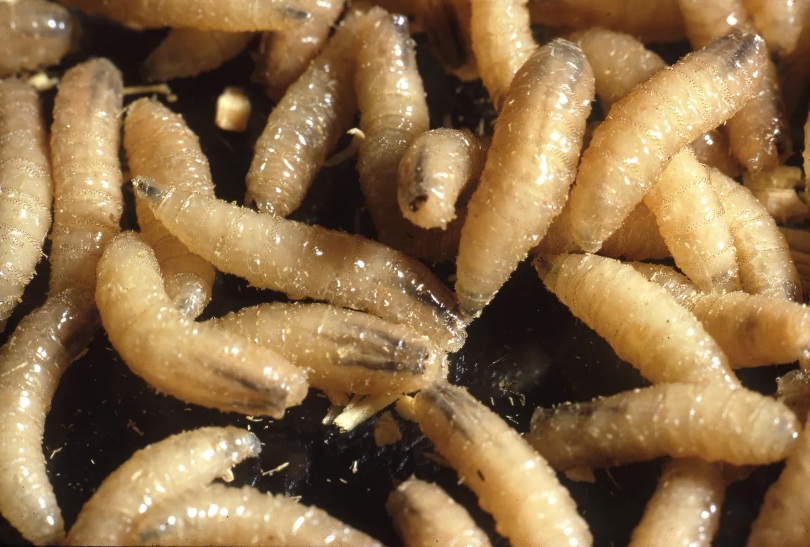
    The deadly screwworm is continuing to spread through the United States, confusing health officials who have put plans in motion to stop it. So far, US cases of screwworm infection are hovering at 35 animals,
    0 Comments 0 Shares 11 Views
  • YUBNUB.NEWS
    Dont Repeat NYs 3D Printing Blunder
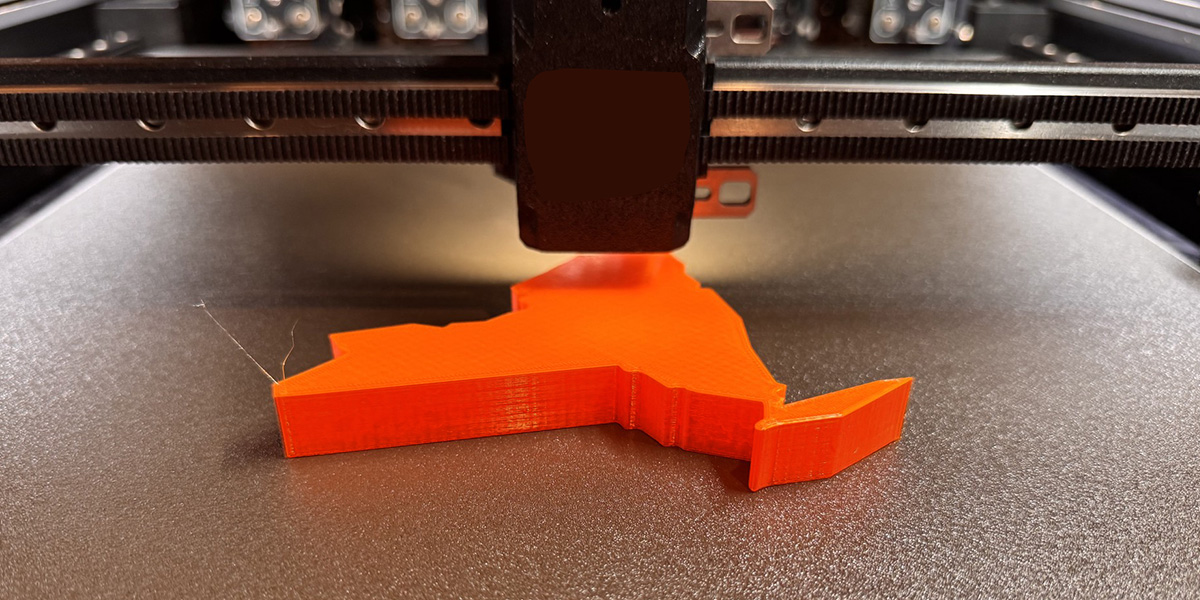
    This year the state of New York had the dubious honor of being the first to pass a controversial provision to mandate all 3D printers come with surveillance and censorship. That means not only is there
    0 Comments 0 Shares 11 Views
  • The '90s Rock Song England Has Sung After Every World Cup Win
    The '90s Rock Song England's Soccer Team Has Sung After Every World Cup VictoryRock once again made its way into sports headlines as England's men's soccer team has sung a classic '90s rock song after each of their 2026 FIFA World Cup victories.After six wins, England have made their way into the semi-finals of the World Cup. Along the way, they've defeated Croatia, Ghana, Panama, the...
    0 Comments 0 Shares 12 Views
  • WWW.LIVESCIENCE.COM
    Scientists show that DNA can last for up to 50,000 years in Africa much longer than previously thought
    Researchers have extracted DNA from a 50,000-year-old tooth belonging to an African antelope, setting a record for the oldest DNA ever retrieved from sub-Saharan Africa, a new study reports. The finding suggests that DNA preservation in sub-Saharan Africa is possible for tens of thousands of years. In most cases, the region's hot climate breaks down the molecule and prevents researchers from understanding the evolution of numerous species, including ancient human ancestors and relatives. While some temperate regions are known for preserving ancient human DNA for instance, the Sima de los Huesos ("Pit of Bones") in Spain preserved DNA from a mysterious relative of modern humans that lived around 400,000 years ago the sub-Saharan African climate is less forgiving. The oldest human DNA from sub-Saharan Africa is about 18,000 years old and was discovered in bones found in a rock shelter in Tanzania. And the oldest sub-Saharan animal DNA is just 9,300 years old, from an extinct antelope in South Africa. In the new study, researchers tested whether DNA could be successfully extracted from ancient skeletons even older than that. By analyzing more than 300 teeth from animals that lived in the past 110,000 years, they discovered that small amounts of DNA could be identified even in remains from the Late Pleistocene, the latter part of the last ice age.Researchers extracted the DNA from the 50,000-year-old tooth of a mountain reedbuck (Redunca fulvorufula), a species of antelope that still lives in Africa today. (Image credit: Getty Images)In a study published online May 27 in the journal Quaternary Science Reviews, researchers extracted DNA from dozens of Holocene bovid specimens younger than 11,700 years old and from four Late Pleistocene bovid specimens between 12,000 and 50,000 years old. Although many of the teeth didn't yield DNA, a handful did. The oldest DNA the researchers found came from a partial molar from an African antelope called a mountain reedbuck (Redunca fulvorufula) discovered in Boomplaas Cave in southern South Africa. The other old DNA samples came from three extinct long-horned buffalos (Syncerus antiquus) two that died 21,000 years ago and one that died 12,000 years ago."The 50,000-year-old DNA is exciting," study first author Deon de Jager, a paleogenomics expert at the University of Copenhagen, told Live Science in an email. "But I am myself skeptical of it, for two reasons." The reedbuck DNA is significantly older than the next-oldest DNA the researchers retrieved, from the long-horned buffalo, de Jager explained, and the reedbuck specimen was contaminated with some human DNA, which they were able to remove. These two issues mean the 50,000-year-old antelope DNA result is not ironclad. However, since the publication of the study, the researchers have also sequenced the genome of a 42,000-year-old wildebeest from Ethiopia, suggesting DNA lasts a lot longer in Africa's climate than experts once thought.RELATED STORIESAncient DNA from South Africa rock shelter reveals the same human population stayed there for 9,000 years'An extreme end of human genetic variation': Ancient humans were isolated in southern Africa for nearly 100,000 years, and their genetics are stunningly different153,000-year-old footprints from South Africa are the oldest Homo sapiens tracks on record"There is of course a limit to DNA preservation in Africa, but what it is, is not clear," de Jager said. "There are certainly parts of Africa where DNA will be preserved even better than from the sites we have surveyed. Deep caves with stable, low temperatures will certainly be good candidates, but also high-elevation sites where temperatures have been very low for a long time."The Late Pleistocene teeth that de Jager and colleagues analyzed produced very low amounts of DNA, which is thought to have a half-life of about 521 years, meaning half of the DNA in a specimen disappears every 521 years until none is left. But the amount the researchers found is still useful, de Jager said. The DNA is sufficient for identifying evolutionary lineages, de Jager added. If they can gather enough data, researchers might be able to compare gene flow and interbreeding among species and populations.Although these results suggest that DNA analysis is possible for understanding the past 40,000 to 50,000 years of animal and human evolution in South Africa, we may never be able to extract DNA from ancient human relatives like Homo naledi, which went extinct around 240,000 years ago, or Paranthropus robustus, which died out around 1 million years ago."I think the chances of obtaining DNA from Homo naledi are very, very low, unfortunately," de Jager said. "One would have to get very lucky with an incredibly well-preserved skull with the petrous bone still present, which is the best bone for obtaining ancient DNA. To get DNA from something in Africa nearly 1 million years old would probably be impossible, as the conditions in Africa are just too harsh." How much do you know about Earth's frosty past? Find out with our last ice age quiz!

    0 Comments 0 Shares 11 Views
  • WWW.LIVESCIENCE.COM
    Scientists are deep-freezing koala eggs and sperm to protect the species from extinction
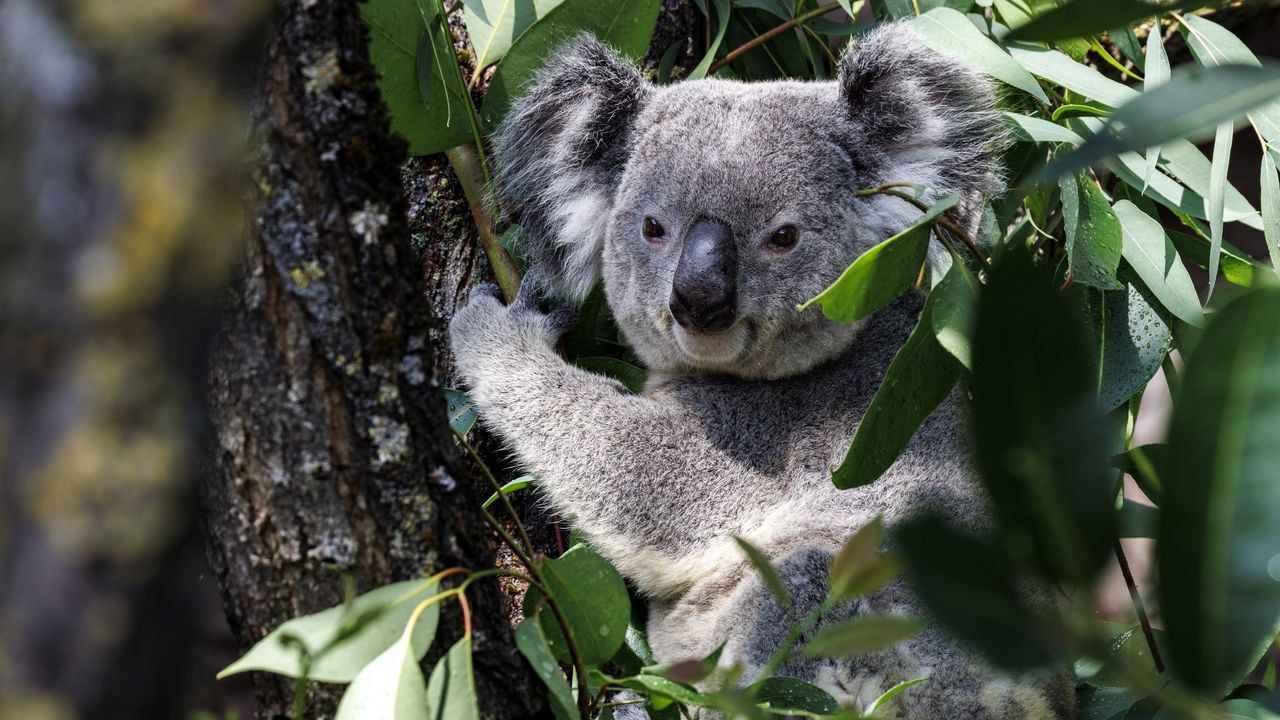
    Scientists in Australia are deep-freezing koala eggs and sperm as a "genetic backup" to save the wild population from future extinction.The backup could be used to create healthy koala embryos through artificial insemination and in vitro fertilization (IVF), the researchers said in a statement. When koalas (Phascolarctos cinereus) die, unique traits and diverse genes that may help them adapt to changing environments are lost, but the new project offers a way to store this valuable material, the team said."Losing genetic diversity can weaken future generations and decreases the ability of the species to adapt to challenges," Andres Gambini, a reproductive biologist at the University of Queensland who is involved in the project, said in the statement. "This project will create a safe and systematic way to rescue and preserve koala spermatozoa and eggs to support future conservation programs."Australia is facing a paradox with its koalas. In some regions of Queensland and New South Wales, koala populations have crashed by as much as 80% since the late 1990s due to deforestation, bushfires, drought and disease. This prompted the Australian government to change koalas' conservation status in their eastern range from "vulnerable" to "endangered" in 2022.Meanwhile, in parts of southern Australia, koalas are overabundant. However, the places where koalas are currently thriving may not be able to support a booming population much longer, because the animals are overbrowsing and killing the trees they need to survive, recent research suggests.To protect against koalas' decline, the scientists will freeze koala reproductive cells in liquid nitrogen (LN2), which has a boiling point of minus 321 degrees Fahrenheit (minus 196 degrees Celsius). This method would enable the team to cryopreserve the cells for several decades until they are needed, said Vincent Lynch, an evolutionary developmental biologist and associate professor of biological sciences at the University at Buffalo in New York.Every year, many koalas are admitted to wildlife hospitals because of illness or injury and sadly, not all of them survive.Andres Gambini, reproductive biologist at the University of Queensland"I've successfully woken cells up that were frozen in LN2 a couple of decades ago," Lynch, who is not involved in the koala project, told Live Science in an email.The sperm and eggs will be supplied by wildlife hospitals that will harvest sex cells from dead koalas or koalas that can no longer breed due to disease or trauma, according to the statement."Every year, many koalas are admitted to wildlife hospitals because of illness or injury and sadly, not all of them survive," Gambini said.The researchers will then test the cells for Chlamydia pecorum, a highly contagious and deadly form of chlamydia. In koalas, this infection causes painful urinary tract infections, gastrointestinal issues, and conjunctivitis, which can lead to blindness. It can also cause infertility in females. C. pecorum is one of the main contributors to koalas' decline in recent years, with infertility driving a sharp reduction in the number of koala joeys being born. In the worst-affected populations, situated mostly in Queensland and New South Wales, almost 90% of koalas are infected with chlamydia.If the reproductive cells contain C. pecorum, "we have the technology now to remove the infection from the samples," Steve Johnston, an associate professor of animal reproduction and captive husbandry at the University of Queensland who works on the koala project, said in the statement.Andres Gambini and doctoral student Patricio Dandy Palacios, who participated in the project, want to preserve koala sex cells in liquid nitrogen. (Image credit: The University of Queensland)In 1998, Johnston was part of a research team at the University of Queensland that created the world's first koala joey born through artificial insemination. The new project also builds on a 2025 study, led by Gambini, that produced the first-ever IVF kangaroo embryos. (These did not result in live births; at the time, the scientists said that would take another decade.)It's unclear how many sperm and egg cells the researchers plan on freezing, and it's hard to say how many cells they would need to ensure the survival of healthy koala populations, as the number of cells required is probably increasing with time, Lynch said. As koala populations shrink, genetic material is being lost at an accelerating pace, so the team will have to get more samples as time goes on to obtain the same amount of diversity.RELATED STORIESKoalas are both endangered and so plentiful they're causing problems. How'd that happen?Extremely rare marsupial mole that 'expertly navigates' sand dunes spotted in Western Australia'This needs to happen fast': Scientists race to cryopreserve a critically endangered tree before it goes extinctThe project does not replace more traditional conservation approaches such as habitat protection, disease management and population monitoring but researchers cannot afford to wait until populations are smaller and genetic diversity is harder to recover, Gambini said. Although conservationists are concerned about the fast rate of koalas' decline, "there is a chance" that scientists can save the species through cryopreservation, Lynch said."I support multipronged approaches like this," he said. "By preserving the environment with traditional conservation we allow re-introductions because the species have somewhere to live."
    0 Comments 0 Shares 11 Views
  • Lawsuit claims Meta used AI to unfairly target employees for layoffs
    Lawsuit claims AI-powered discrimination in recent Meta layoffs A group of former Meta employees is suing the company for allegedly using AI systems that unfairly targeted them for layoffs. The lawsuit alleges that Meta used improperly tested AI-powered assessment tools — including productivity scores, AI token usage tracking, and an...
    0 Comments 0 Shares 13 Views
  • OnePlus smartphones could leave U.S. and Europe this week
    OnePlus smartphones could leave U.S. and Europe this week We may need to pour one out for OnePlus in the very near future.German news outlet WinFuture (via PCMag) reports that OnePlus, which has carved out a niche by offering more affordable phones with flagship specs over the years, will soon cease operations in the U.S. and Europe....
    0 Comments 0 Shares 12 Views
  • WWW.DUALSHOCKERS.COM
    Palworld: How to Get to Sunreach Sky Islands
    For Pal trainers everywhere, Palworld's 1.0 release finally brings the beloved creature capture game full circle and out of early access, notably without a price increase despite an influx of even more content. That content includes various new areas scattered around Palpagos, along with countless new items, weapons, base constructs, Pals, and more. This way, even frequent players who have been around since the game's debut have plenty to do alongside newcomers.
    0 Comments 0 Shares 11 Views
  • WWW.DUALSHOCKERS.COM
    Aniimo: Where to Find Large Starine Fruit
    Aniimo has a nice, big open world to explore, and a lot of that exploration is meaningful, especially when you find some hidden quests. They can be a bit annoying, though, as they aren't really quests and don't have any markers.
    0 Comments 0 Shares 11 Views
  • WWW.BGR.COM
    Samsung Phone Users Might Not Get The Next Big Android Feature - Here's Why
    There's a lot to like about Samsung's smartphones, but it's never fun when everyone else with an Android phone gets an update you can't enjoy.
    0 Comments 0 Shares 12 Views