• YUBNUB.NEWS
    Abbott Moves Against Border Birth Package Ads
    A Texas hospital was caught advertising paid birth packages to women in Mexico, and now Governor Greg Abbott wants to know if U.S. citizenship was being quietly sold on billboards. Story Snapshot
    0 Комментарии 0 Поделились 12 Просмотры
  • YUBNUB.NEWS
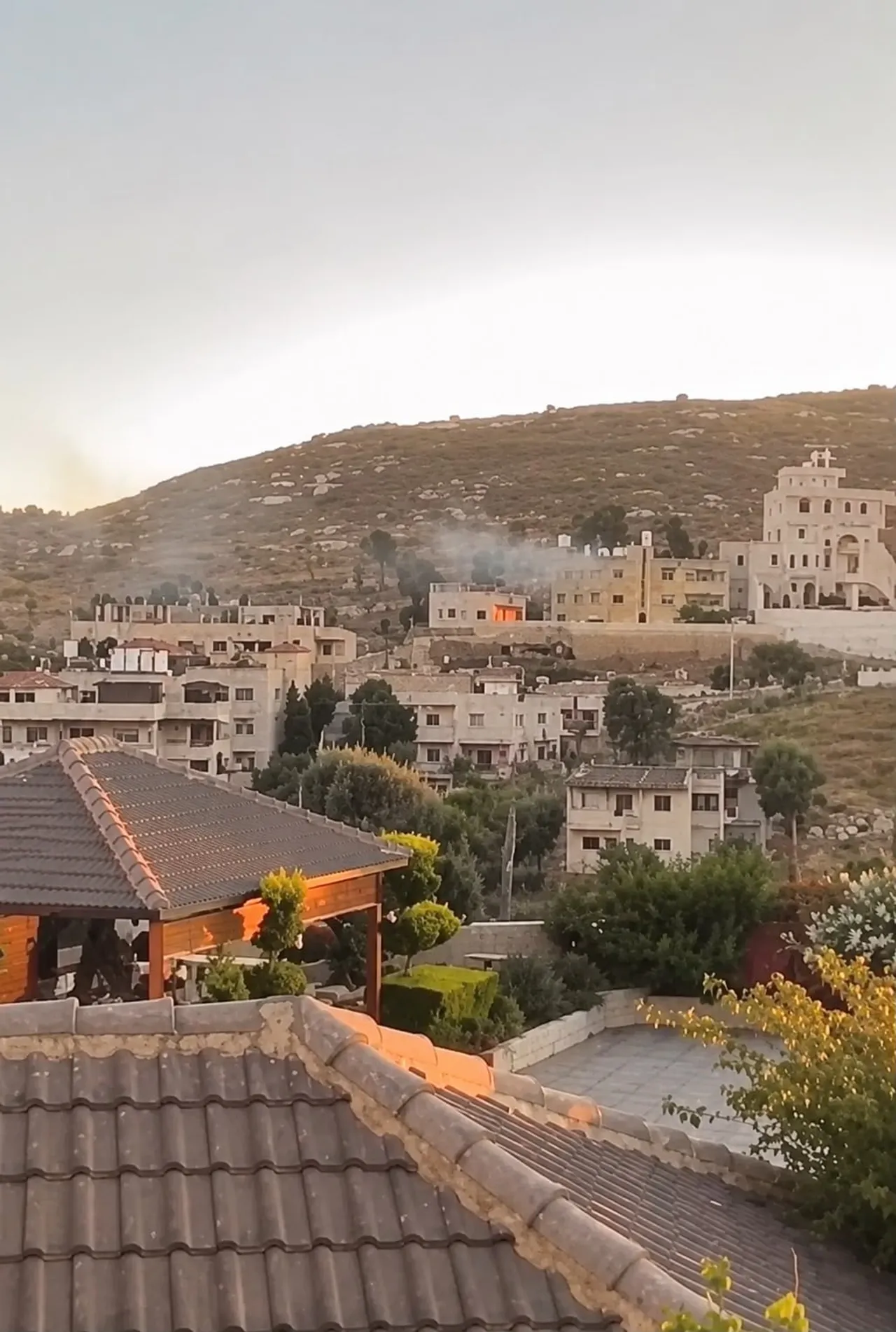
    Over 100 Israeli Settlers Storm West Bank Village As Home Burns And Christian Land Dispute Escalates
    Over 100 Israeli settlers stormed the West Bank village of Deir Jarir under Israeli force protection Thursday in an escalation of the land rights dispute between the Catholic Church and Israel, sources
    0 Комментарии 0 Поделились 12 Просмотры
  • YUBNUB.NEWS
    Family Pets Are Overlooked Victims Of Affordability Crisis
    Ask Americas veterinarians what keeps them from giving pets the care theyd recommend, and nearly all of them, 94 percent, will tell you the same thing: the client just cant afford it. Thats
    0 Комментарии 0 Поделились 12 Просмотры
  • YUBNUB.NEWS
    Muhammad Is The Top Baby Name For Boys In England And Wales For Third Year In A Row
    A new report sparked backlash over the rapid growth of the United Kingdoms Muslim population.Muhammad was the top baby name in England and Wales in 2025, the Office for National StatisticspostedThursday.
    0 Комментарии 0 Поделились 12 Просмотры
  • WWW.LIVESCIENCE.COM
    Malaria had nearly been eliminated around a giant dam in the Amazon but then it came roaring back. Experts just discovered why.
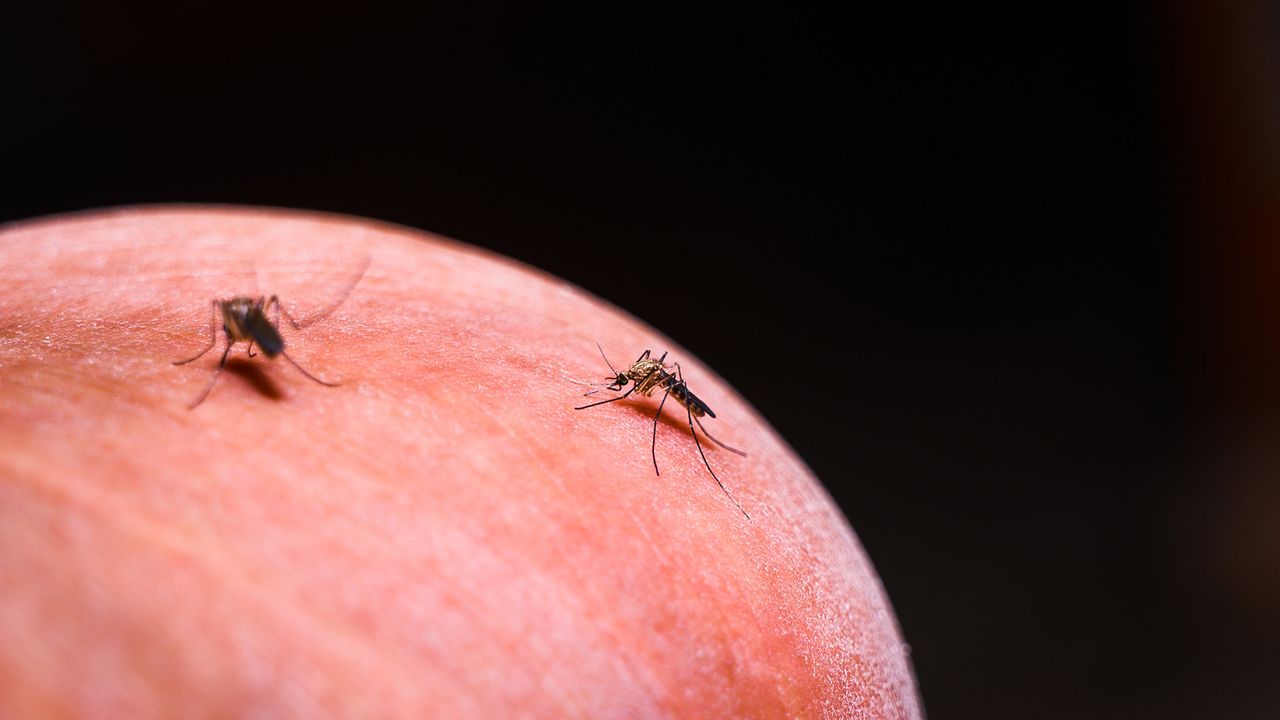
    A years-long malaria control campaign in the Brazilian Amazon nearly eliminated the disease from a city but then cases rebounded. Now, scientists think they've uncovered why.The campaign took place in northern Brazil during the construction of the Belo Monte Dam in the Xingu River, one of the largest hydroelectric dams in the world. From 2013 to 2017, the initiative slashed annual malaria rates from more than 1,200 cases to fewer than 60. But the program ended, and within a few years, infections had rebounded to more than 700 cases a year. This time, they were concentrated in the rural communities surrounding the river in the city of Altamira.In a study published Thursday (July 9) in the journal GeoHealth, scientists analyzed 15 years of malaria surveillance records alongside satellite images of forests around Altamira. Earlier studies have pointed to deforestation and dam construction as a driver of malaria because they can provide habitats for mosquito larvae, which inhabit the forest edge. In Altamira, large stretches of rainforest have been cleared for cattle ranching, logging and settlement along the Xingu River in the decades since the region was first opened up by road-building, leaving a patchwork of cleared land pressed up against the remaining forest.However, the study found that the malaria resurgence wasn't simply a result of how much forest had been cut down. Instead, cases tracked most closely with the forest edge, the boundary where intact forest meets cleared or open land. There, mosquitoes get everything they need to thrive: shade from the tree line, sunlit pools of standing water for their larvae, and people living or working close by.The findings highlight how the environment contributes to malaria risk, suggesting that maintaining surveillance in these high-risk landscapes could be just as important as driving cases down in the first place. "What made Altamira compelling was that the timing gave us something rare, close to a natural experiment," study co-author Eloise Skinner, an epidemiologist and postdoctoral research fellow at the University of Queensland in Australia, told Live Science in an email. The results of that natural experiment could help Brazil in its efforts to eliminate malaria from the country in the next decade, she said.A program tied to temporary fundingThe researchers tracked malaria trends before, during and after the construction of the Belo Monte Dam. Before construction began, malaria was already a persistent problem in the region; Altamira city alone reported more than 1,200 cases a year.As thousands of workers moved in, local health authorities and the dam's developers rolled out an intensive control program that involved spraying insecticides indoors, using mosquito nets, and deploying rapid diagnosis and treatment when cases did emerge. The goal was to head off outbreaks spread by Nyssorhynchus darlingi, the mosquito that carries the malaria-causing parasite in the Brazilian Amazon.Mosquitoes pick up the parasite that causes malaria by feeding on the blood of infected people, and they can then spread that parasite to others they bite. Treating infected people quickly can help break that chain of transmission.Cases plummeted despite the influx of workers, but once construction wrapped up and the program lost its funding, malaria came back.Nyssorhynchus darlingi, the mosquito that spreads malaria in the Amazon, breeds in partially shaded bodies of water. (Image credit: Sabrina Simon)To understand what drove the resurgence, the researchers combined three streams of data. Case records came from Brazil's national malaria surveillance system and covered 150 health centers in Altamira over 15 years. The team layered on temperature, forest cover and rainfall data, since both shape how favorable an area is for mosquito breeding and how efficiently the malaria parasite develops inside mosquitos. Plus, they added an estimate of travel time between each cluster of cases and the nearest town, as a proxy for how easily people and the diseases they carry might move around.From the observations, the forest edge consistently emerged as the strongest predictor of increased malaria cases. For every 1% increase in the perimeter of the forest edge, malaria cases rose by roughly 0.7%; for every 1% increase in Altamira's population, who are located at the forest edge, cases rose by about 1.4%. The rebound wasn't evenly distributed. Before the dam was built, most of Altamira's malaria cases came from clusters inside the city itself. Afterward, that pattern flipped: by 2020, the roughly 700 annual cases were concentrated almost entirely in remote, rural clusters near forest edges. Meanwhile, Altamira's urban center stayed comparatively protected, much as it had during construction."When the funded program wound down, malaria came back to the communities that are hardest for the health system to reach," Skinner said. "The city stayed protected, most likely because fast diagnosis and treatment are easier to deliver and keep going in a town."That leaves the same communities exposed twice over, Skinner said. The places that are already the hardest to reach with health services also sit where the ecological risk is the highest. RELATED STORIESDNA from dozens of human skeletons unravels history of malaria'A disease anywhere can be a disease everywhere tomorrow morning': Public health expert on Ebola and the threat of future outbreaksGoogle wants to release 64 million bacteria-riddled mosquitoes across California and Florida. Here's why scientists are enthusiastic.But this pattern could point to solutions. The resurgence didn't scatter unpredictably. It came back to the same kind of place rural communities at the forest edge each time. That's the kind of risk that can be anticipated in the future.Brazil aims to eliminate locally acquired malaria by 2035. Skinner said Altamira's near elimination of the disease, and its rebound within a few years of the control program ending, is a warning for that effort. When a community contains a strong environmental driver for malaria, like forest-edge ecosystems, stopping a control program short is sure to let the disease climb back."Because the resurgence wasn't diffuse, we can predict where malaria is likely to return first," Skinner said. "The message for a 2035 goal isn't only that elimination needs sustained investment. It is that where the environment drives risk, that risk is predictable, and planning for it from the start is what lets the money go where it matters most."

    0 Комментарии 0 Поделились 12 Просмотры
  • WWW.LIVESCIENCE.COM
    Dirty 'button' unearthed by metal detectorist turns out to be a rare 900-year-old coin from Norway's last Viking king, Magnus Barefoot
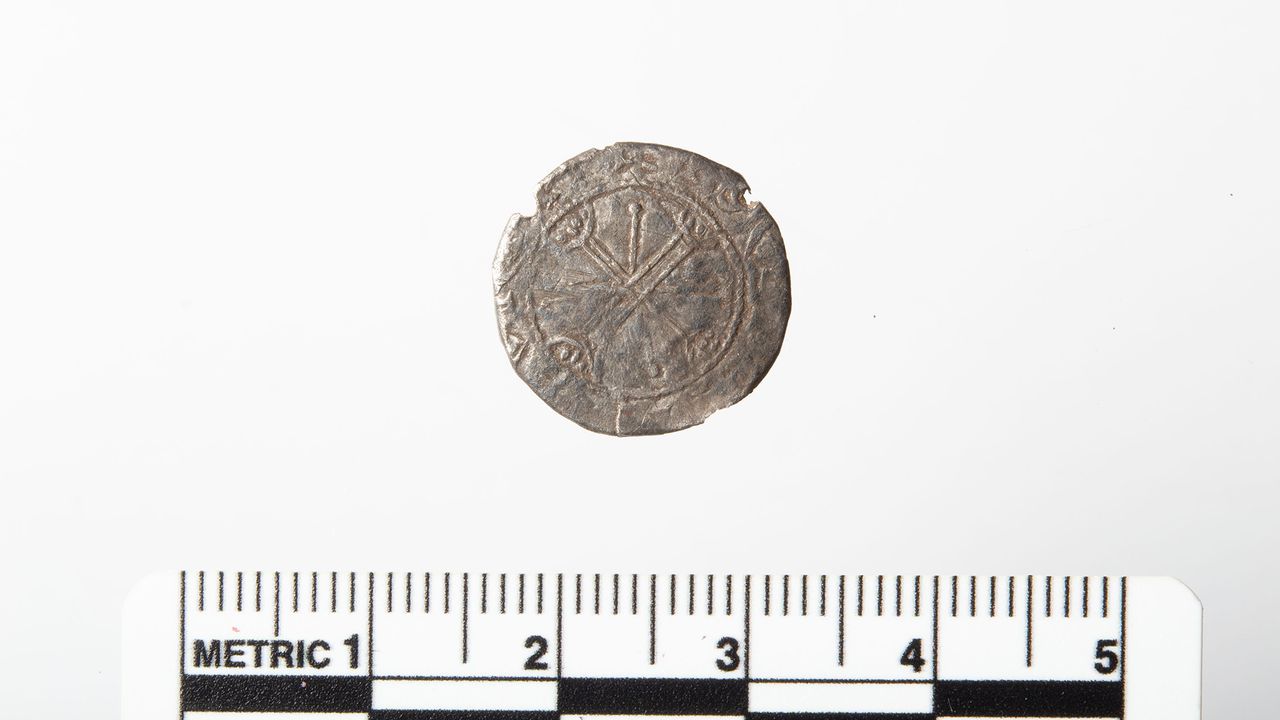
    A metal detectorist in Norway dismissed a rare 900-year-old silver coin as a button, before researchers realized it was a one-of-a-kind piece linked to Magnus Barefoot (also known as Magnus Berrftt), the warrior ruler often called Norway's last Viking king. The coin, found in a field near Utstein Monastery in southwest Norway, dates to Barefoot's reign from 1093 to 1103. It is the first coin of its type ever discovered on Norwegian soil, according to a December 2025 translated statement from the University of Stavanger Museum of Archaeology. "It is a fascinating thought that we may be just one large treasure find away from having a completely different view of Magnus Berrftt's coinage as well, and it underlines the importance of all new discoveries that are made," museum representatives said in the statement. The button that wasn'tThe metal detectorist, Morten Eek, found the object in April 2025. It came from the plow layer in the soil, about 4 to 6 inches (10 to 15 centimeters) below the surface. One side looked bright and silvery, but the other was covered by copper and had a dark spot in the middle, giving it a button-like appearance. Eek took it home and placed it with other buttons, worn modern coins and pieces of scrap metal he had collected. It was only months later, when Eek showed his treasures to his fellow metal detectorists, that they noticed the silver side looked like a medieval coin. Its design resembled an illustration in the 1865 reference work "Norge's Coins from the Middle Ages," by C.I. Schive. The detectorists then contacted the University of Stavanger Museum of Archaeology, where researchers took a closer look. A close up of the other side of the coin looking like a button. (Image credit: H. Hollund, Archaeological Museum, UiS)A coin with a second lifeTo the experts, the coin seemed strange because someone had altered it after it was minted. A copper plate had been placed over one side, and the coin's outer edge had been folded around it. Two rounded notches on the edge show where a chain or loop may have been attached, suggesting the coin was later worn as jewelry. Researchers could have removed the copper plate to see what was underneath, but doing so would have damaged the object's fragile state. The artifact's unique transformation reveals "something about people's relationship to what was initially a coin," museum representatives said in the statement.An X-ray image of the coin shows a griffin design. (Image credit: Hege Hollund, Archaeological Museum, UiS. ) To investigate the coin's covered side, the team X-rayed it. The scan revealed a griffin, a mythical creature with the body of a lion and features of a bird of prey. The motif has sometimes been interpreted as the lion of St. Mark, a Christian symbol, but the museum noted that the animal on these coins closely resembles a griffin. In medieval Christian art, griffins were used to symbolize Christ's dual nature as both human and divine. The visible side revealed a "cross-over-cross" motif, with double-lined arms and small semicircles or bowl shapes at the ends. The pairing of the cross and griffin is what makes the coin so rare. "Two-sided coins with the motif combination of griffin and cross over cross are only known from four copies," the statement said, with one coin from the Sandur hoard, found in the Faroe Islands in 1863, and three others from Denmark's Mrstad hoard, which was found this past spring and contains nearly 5,000 coins.The rarity of such coins "may tell us something about the extent of Magnus Berrftt's minting," museum representatives said in the statement. In total, about 100 coins, spread across 12 discoveries, are known from Magnus Barefoot's reign, according to the museum. That makes every new example valuable for understanding how coins were produced and circulated in Norway in the late Viking Age and early Middle Ages. Who was Magnus Barefoot? Magnus Barefoot is sometimes called Magnus Barelegs, thanks to the kilts he wore. He became king in 1093 after the death of his father, Olav Kyrre (also called Olaf III of Norway), whose reign was remembered as a relatively peaceful period. Barefoot followed a different path. Like his grandfather Harald Hardrada, the Norwegian king killed at the Battle of Stamford Bridge in 1066, Barefoot built his reputation through warfare. Related storiesSilver coin featuring famous Viking king unearthed in HungaryViking Age burial of chieftain with 'enormous power' found in Denmark and he may have served Harald BluetoothGiant Viking hall, possibly connected to Harald Bluetooth, unearthed in DenmarkBarefoot spent much of his reign campaigning overseas. He sought to extend Norwegian power across the western sea routes, including the Isle of Man and parts of the Irish Sea. The museum noted that he was associated with the saying that a king was meant "for honor and glory, and not a long life." His death reflected this, as he died at around age 30, in 1103, when he was ambushed and killed during a campaign in Ireland. The coin points to more than Barefoot's military ambitions. According to the museum, it also reflected one of his domestic reforms. Earlier Norwegian rulers had reduced the silver content of their coins, but Barefoot restored a high silver standard, with coins that were around 90% silver. Whether the coin was lost at the Utstein Monastery during Barefoot's lifetime is impossible to know. Because it was turned into jewelry at some point, it may have circulated for years, or even generations, after it stopped being used as money. See how much you know about ancient norsemen with our Viking quiz!
    0 Комментарии 0 Поделились 12 Просмотры
  • WWW.DUALSHOCKERS.COM
    Cryptic Studios Turns 26 Today as Star Trek Online Begins a New Era
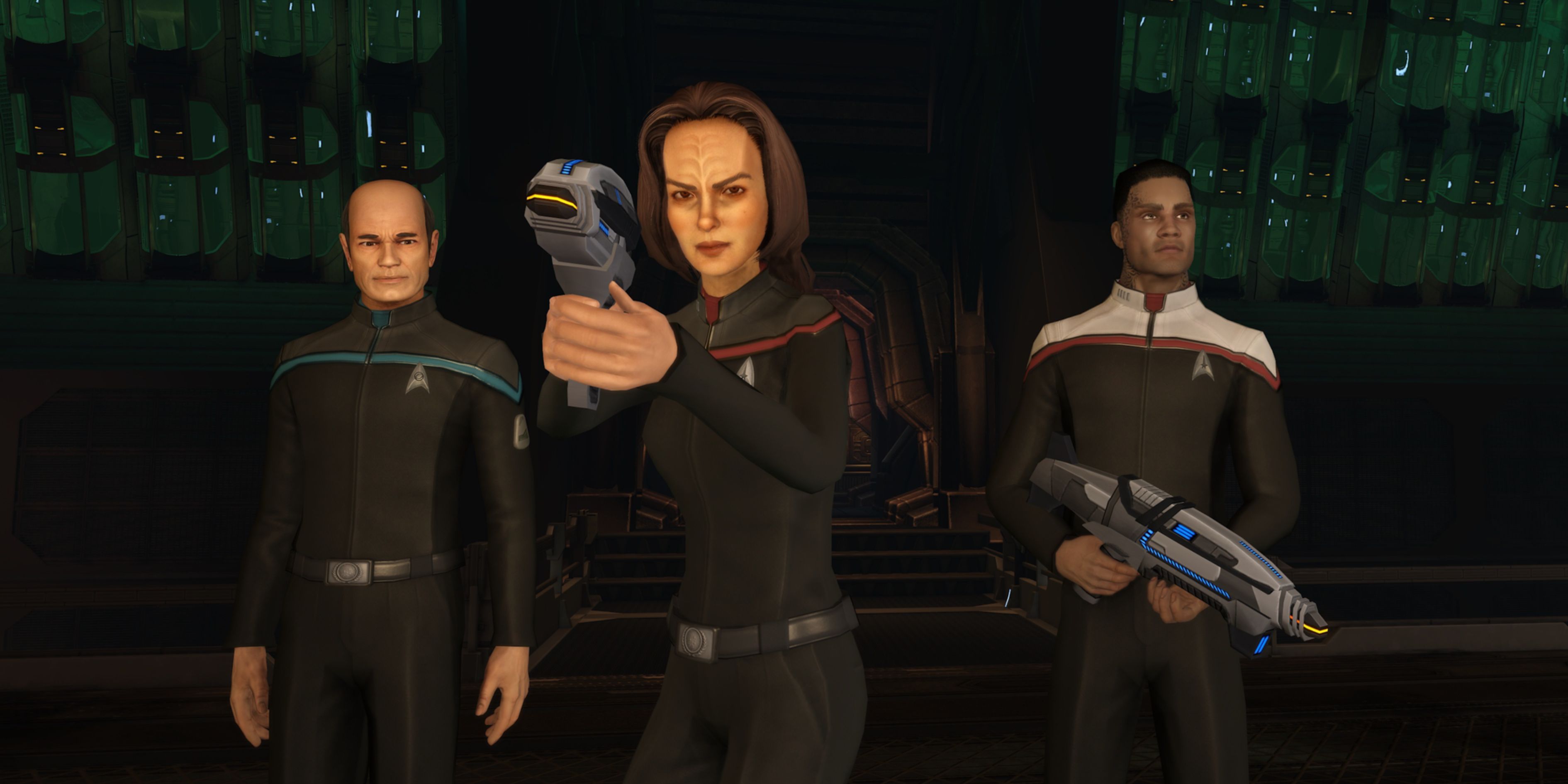
    Not every development studio can say they have been up and running for 26 years, and it is even rarer to find one maintaining a single live-service project for 16 of them! Yet, that is precisely what Cryptic Studios achieved with Star Trek Online, the classic free-to-play MMORPG based on the iconic Star Trek franchise, which originally made its debut all the way back in 2010.
    0 Комментарии 0 Поделились 13 Просмотры
  • WWW.BGR.COM
    Nvidia Lost $1 Trillion In Market Value In Less Than Two Months (And It's Clear Why)
    Sure, Nvidia lost market value, but prices of graphics cards are still skyrocketing, preventing computer DIYers from being able to upgrade their PCs.
    0 Комментарии 0 Поделились 12 Просмотры
  • WWW.BGR.COM
    5 Pieces Of Dusty Old Tech Every Homeowner Should Get Rid Of
    If you're feeling overwhelmed by clutter, these pieces of dusty old tech that you have laying around the house are prime candidates for getting rid of.
    0 Комментарии 0 Поделились 12 Просмотры
  • WWW.BGR.COM
    Nvidia Might Have Quietly Killed One Of The Best Android Streaming Boxes
    Nvidia has not announced the end of the Shield TV, but the base model's retail availability situation is starting to look a lot like a quiet farewell.
    0 Комментарии 0 Поделились 12 Просмотры