• YUBNUB.NEWS
    U.S. Troop Rotations to Poland Resume After Pentagon Pause
    Polands defense minister said the rotational presence of American forces is being restored after a temporary halt earlier this year.By yourNEWS Media Newsroom U.S. troop rotations to Poland are set
    0 Yorumlar 0 hisse senetleri 10 Views
  • YUBNUB.NEWS
    Ford looks to hire back worker it wrongly accused of stealing a $1.95 cookie but he refuses: Never thought it would end this way
    Ford has asked a veteran electrician it wrongly accused of stealing a $1.95 cookie to come back to work but the worker has refused to return, claiming he never got an apology after the fiasco. The
    0 Yorumlar 0 hisse senetleri 10 Views
  • YUBNUB.NEWS
    Georgia Teacher Reaches Settlement After Calling Charlie Kirk Fascist
    A former Georgia teacher, Michelle Mickens, has reached a settlement with the Oglethorpe County School District after it took action against her for a post about the death of Charlie Kirk. I think
    0 Yorumlar 0 hisse senetleri 10 Views
  • This MacBook Pro packs premium features for under $400
    This MacBook Pro packs premium features for under $400 TL;DR: Bring home your own Apple MacBook Pro for only $394.97 (reg. $1,799) now through July 19. $394.97...
    0 Yorumlar 0 hisse senetleri 14 Views
  • Stop renting your cloud storage and own 20TB for life for just $350
    Stop renting your cloud storage and own 20TB for life for just $350 TL;DR: Lock in 20TB of cloud storage forever with this Scramble Cloud Storage Lifetime Subscription, on sale now for just $349.95 (reg. $1,440). $349.95...
    0 Yorumlar 0 hisse senetleri 12 Views
  • The HP OmniBook 5 is $230 off at Walmart — buy now for under $750
    Best HP deal: HP OmniBook 5 is $230 off SAVE $230: As of July 6, the HP OmniBook 5 16-inch AI laptop is down to $749 at Walmart. This deal saves you $230 on list price. $749 at Walmart...
    0 Yorumlar 0 hisse senetleri 12 Views
  • The Fire TV Stick HD is back under $20 for a limited time — save $15 at Amazon
    Best Fire Stick deal: Save $15 on Amazon Fire TV Stick HD SAVE $15: As of July 6, the Fire TV Stick HD is on sale for $19.99 at Amazon. That's a 43% discount on the list price. $19.99 at Amazon...
    0 Yorumlar 0 hisse senetleri 11 Views
  • WWW.LIVESCIENCE.COM
    Scientists just created the most lifelike cell ever made in a lab here's what it could accomplish
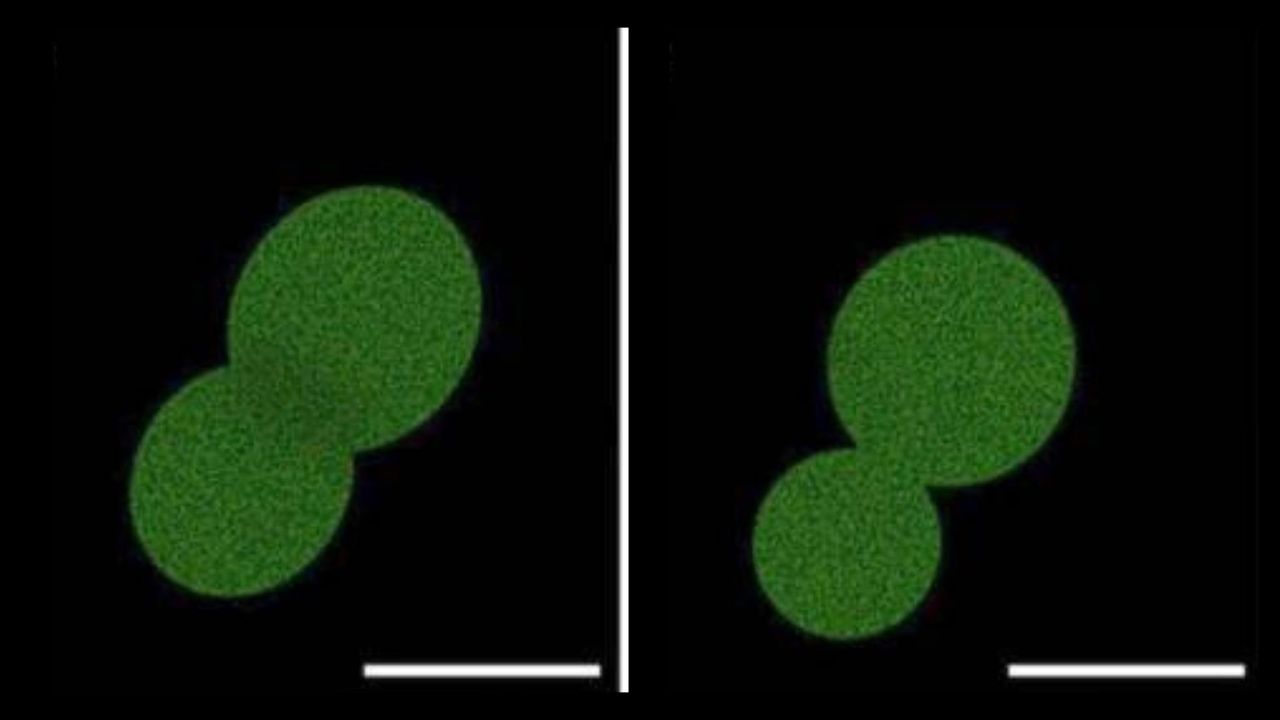
    Scientists say they have built a "synthetic cell" that can eat, grow and divide in a way that's remarkably similar to living cells. The research, released to the preprint database bioRxiv July 2, has not been peer-reviewed yet. It introduces SpudCell, a new type of artificial cell, and marks a striking step toward creating living cells from scratch. But for study co-author Kate Adamala, a synthetic biologist at the University of Minnesota, that's far from the most interesting part of the work. "I do not believe [SpudCell] is alive," Adamala told Live Science. Instead, she describes the system as a framework that could generate "all the chemicals we need for our civilization with biology." The thought is that SpudCell could serve as a tiny factory, pumping out medicines, fertilizers, plastics or any number of other compounds.The work's announcement has sparked some controversy, with some scientists seeing it as a ploy to gain media attention for the simultaneous launch of the author's nonprofit Biotic, which aims to raise money to further develop the SpudCell platform. Adamala does not take umbrage to that criticism, as she is keen to bring more attention and funding to her field. If a synthetic cell can be perfected, she thinks, it could help humanity generate chemicals without relying as heavily on petroleum products."I feel this incredible stressful urgency that if we don't get to work on it now, then we're going to run out of time," she said, referring to the climate crisis. "We need to highlight that bioengineering can offer a solution. That's why I'm doing it."A synthetic cell and a big promiseAccording to the preprint, Adamala and her team produced a lifelike system that closely resembles a living cell. To do so, they combined 36 purified enzymes and a fatty membrane with a pared-back genome about 50 times smaller than that of an average bacterial cell. By mixing these human-made elements together, the scientists generated a cell that could feed, grow, and divide so, in essence, they created a full cell cycle in a petri dish. "We built a cell-like system that is fully chemically defined, so there are no unknown building blocks in it," Adamala said. "It's capable of doing things that people up until now used to think only natural living cells can do." They call the system "SpudCell" because it looks similar to a potato, The New York Times reported. The name is also a nod to the Sputnik satellite, per CNN. The concept of recreating the cell cycle in a dish is not entirely new. The J. Craig Venter Institute's 2016 "minimal cell" paper flirted with the concept by stripping as many genes from a bacterium as possible to leave only a minimal cell that could still replicate. However, the new study is the first time scientists have achieved feeding, growing and division using a "bottom-up" approach. The work marks "a great advancement," said Mauro Rinaldi, a lecturer in biotechnology and biochemistry at the University of Hull in the U.K. who was not involved in the work. "It moves the needle because one of the key things about cells is division."But there are important caveats. For one, the cells cannot yet create their own energy as our cells do with mitochondria. They also rely on externally provided fats, sugars and enzymes. The cells cannot make their own ribosomes, the machinery that turns genetic instructions into working parts of the cell. That means it relies on proteins being delivered from the outside.Left: A super-resolution image of SpudCell's liposomes with an encapsulated genome and active protein expression. Right: A SpudCell encapsulates a whole genome. The DNA of the genome and the synthetic cell membrane are stained with fluorescent dyes. (Image credit: Orion Venero, Adamala Lab)Another difference is that SpudCell's genome is spread out over bits of DNA called plasmids, rather than being neatly packaged in chromosomes. It does not possess the skeleton that cells typically use to neatly split DNA during cell division, so consequently, the division of SpudCell's DNA to its daughter cells can be somewhat haphazard. "The description of the results leaves me with substantial technical questions regarding the nature and the robustness of the findings," said Cees Dekker, a biophysicist at the Delft University of Technology in the Netherlands who was not involved in the work. "[Its] approach uses some ingenious engineering tricks as shortcuts to achieve complex functions such as growth, but a major challenge remains to create a truly autonomous cell that executes all these functions without external help," he said. Dekker is among the scientists who would have preferred that the research made the news after being published in a peer-reviewed scientific journal. "If these findings are solid, that great media attention is definitely warranted; if peer review would, however, reveal weaknesses or issues, all the current media reporting is premature," he argued. From cell to manufacturing platformAdamala sees SpudCell as a blank slate for engineering. "We believe that if we make a cell from scratch, that's fully engineerable," she said. Cells have long been used to produce chemicals for human use. Millions of people use synthetic insulin made in bacteria and yeast cells, for example. But cells resist making chemicals that could be harmful to them, and through evolution, they've developed systems to prevent them from doing so. A SpudCell-like system could circumvent those natural hurdles, Adamala and her colleagues think. That kind of platform could also be useful for making newer generations of medicines, such as those based on mRNA or peptides. These drugs use molecular building blocks, like amino acids or nucleotides, that have been chemically tweaked to make the molecules more stable or harder for the body to break down. SpudCell could be engineered to produce such modified components directly, rather than scientists having to synthesize them in traditional chemistry labs. This could potentially shorten development timelines and lower costs, the team thinks. Adamala and her colleagues also envision the cells being used as easily shippable laboratories. They could be dried out, shipped, stored without refrigeration, and then activated on-site to make chemicals, vaccines or proteins when and where they are needed.But there's still a long road ahead. For now, SpudCell is only a proof of principle, and many hurdles must be addressed before it could become an industrial platform.Related storiesMost advanced lab-made human embryo models look like the real thingMini model of human embryonic brain and spinal cord grown in labTiny 'brains' grown in the lab could become conscious and feel pain and we're not ready"[SpudCell] is not an engineering platform that can give you any useful product, but it's step one," Adamala said. "It's probably at least a couple of decades from now when we can actually scale it up to the point where we can replace all the petrochemicals with biology, but I do believe it's doable." Adamala hopes the nonprofit Biotic will help funnel donations from philanthropists directly to research. "Biotic is a funding agency that is going to globally fund this work," she said. While the technology is promising, "it needs to go through peer review," Rinaldi said. "I expect a lot of the hype and some of the terms that they're using to go away after a couple of years have passed."

    0 Yorumlar 0 hisse senetleri 10 Views
  • WWW.LIVESCIENCE.COM
    Neanderthals and modern humans may have shared culture 59,000 years ago in Turkey, study finds
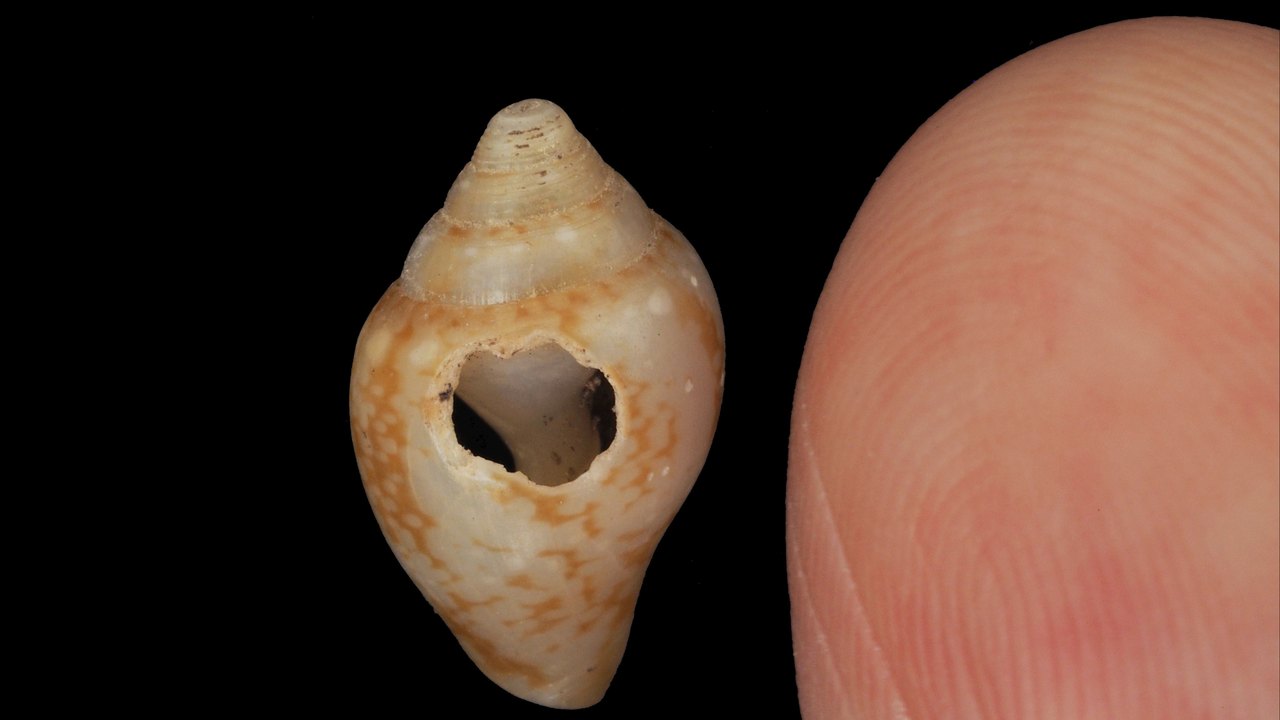
    Deep in a limestone cave on Turkey's Mediterranean coast, archaeologists have uncovered evidence that Neanderthals and the modern humans who moved in later left behind surprisingly similar traces of their daily lives evidence that they hunted the same animals, crafted the same stone tools and collected the same type of seashells. The findings, published Monday (July 6) in the journal PNAS, feed into some of the biggest questions in human evolution: How similar were the cultures of Neanderthals and Homo sapiens, given that we're so closely related? And did we share information with one another?A series of archaeological finds over the past few decades, including the new paper's finding that the two had similar cultural practices, suggests that Neanderthals and H. sapiens behaved far more similarly in the Middle East than once assumed.The new evidence comes from azl II Cave (pronounced Ooch-ah-UHZ'-luh), on a stretch of coastline just north of Syria that served as a prehistoric corridor between the Levant (an area of land east of the Mediterranean) and Eurasia. Although the team found only teeth and a partial jawbone within the cave, they were able to distinguish between the remains of Neanderthals and H. sapiens by analyzing the internal structure of the fossilized teeth. Meanwhile, they dated the sediment at the site using optically stimulated luminescence, a technique that reveals how long ago buried mineral grains last saw sunlight.The team found that the Neanderthals had lived within the cave between approximately 77,000 and 59,000 years ago, while H. sapiens stayed there between about 59,000 and 47,000 years ago. Despite the different time periods, the layers from both of these periods show "substantially uniform hunting-gathering strategies and lithic technology," showing how similar the Neanderthals and H. sapiens were in their hunting-gathering strategies and stone-tool use, the team wrote in the study.The research team performs excavations at the azl II cave site in 2024. (Image credit: KyotoU/Naoki Morimoto)What's more, Neanderthals and H. sapiens got raw materials, such as flint, from the same local sources and hunted the same prey: wild goats (Capra aegagrus), fallow deer (Dama mesopotamica), roe deer (Capreolus capreolus) and wild boar (Sus scrofa). Layer after layer also turned up 29 shells of a small marine snail, Columbella rustica, carried into the cave not for food but seemingly as ornaments. Some were pierced as if meant to be strung, and one shell dating to the Neanderthal occupation showed signs of deliberate heating that altered its color."Our findings indicate a deep level of cultural interaction," study co-author Naoki Morimoto, paleoanthropologist at Kyoto University, said in a statement. "These two distinct but closely related human groups were not just adapting to the same environment: they were probably sharing symbolic preferences."That pattern breaks from findings at Mandrin Cave in France, where Neanderthals and modern humans are thought to have alternated occupation in distinct pulses from about 56,800 and 41,500 years ago, but did not leave evidence of a continuous culture. Instead, it echoes evidence from Tinshemet Cave in Israel, where researchers recently reported similar signs of shared behavior between the two groups tens of thousands of years earlier, from about 130,000 to 80,000 years ago.A view of Turkey's azl II Cave, which housed Neanderthals and Homo sapiens at different times. (Image credit: KyotoU/Naoki Morimoto)azl II Cave in Turkey and Tinshemet Cave in Israel suggest that even though there was a "biological" turnover as the caves went from being occupied by Neanderthal groups to modern humans, there weren't major cultural turnovers, too."Rather, we hypothesize that the two human species that coexisted in the region were in contact and shared cultural aspects," the researchers wrote in the study."A fascinating region"Sites like these are forcing a rethink of how these two types of human were culturally related to each other, April Nowell, a Paleolithic archaeologist at the University of Victoria in Canada who was not involved in the new study, told Live Science in an email. "By demonstrating cultural continuity and elevated levels of interaction, sites such as Tinshemet and azl II are changing what we thought we knew about Neandertals, Homo sapiens and other contemporary Homo groups a fascinating region just got even more so!" she said.But that cultural continuity only heightens the mystery of how modern humans and Neanderthals interacted, with Neanderthals eventually going extinct around 40,000 years ago. Two types of human can't occupy the same ecological niche indefinitely, Nowell noted, and some research into Neanderthal cognition suggests Neanderthals were less-flexible thinkers than modern humans, with more limited capacity for language and less of the kind of self-awareness and creativity that may have given H. sapiens an edge. (However, there is pushback against the idea that Neanderthals weren't as cognitively complex as H. sapiens.)If the archaeological record at sites like azl II shows this much overlap in behavior, Nowell said, the real differences between the two may be ones the fossil record simply hasn't revealed yet.RELATED STORIESSome of the last surviving Neanderthals were remarkably diverse suggesting inbreeding didn't doom them'Exceptional' drilled tooth reveals Neanderthals practiced dentistry in Siberia 60,000 years ago'Major disruption in Neanderthal history': 65,000 years ago, all Neanderthals in Europe died out except for one lineageThe authors noted that many big questions remain, including when and where these shared cultural practices took place and whether these cultural similarities happened because modern humans mated with Neanderthals. Ongoing and future excavations at sites like azl II Cave may help to answer these questions and build a "more comprehensive picture of human evolution and cultural development during the Late Pleistocene," the team wrote in the study.How much do you know about our closest relatives? Find out with our Neanderthal quiz!
    0 Yorumlar 0 hisse senetleri 10 Views
  • ALLTHATSINTERESTING.COM
    Archaeologists In Bulgaria Just Unearthed An Ancient Roman Surgical Tool Thats Only Ever Been Found Once Before
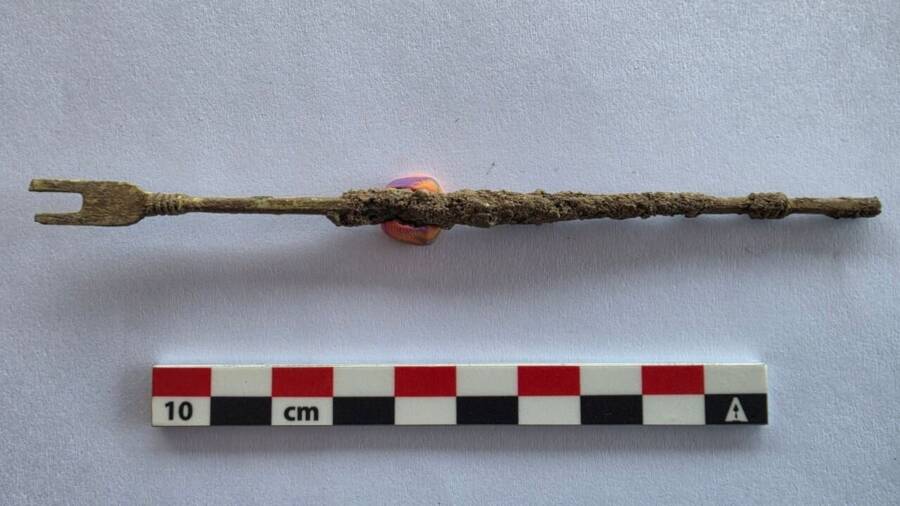
    Archaeologia BulgaricaArchaeologists made a rare discovery of a specialized tool that physicians used to remove bladder stones during the Roman era.Archaeologists excavating the ancient ruins of Heraclea Sintica in southwestern Bulgarian just uncovered a rare surgical instrument that was used to remove bladder stones in the third century C.E.This find is exceptionally significant, the archaeologists said, because there has only been one other comparable discovery of a similar surgical instrument thats ever been made before.The Discovery Of A Roman-Era Surgical Tool That Removed Bladder StonesThe finding, announced on July 3, was published by excavation director Lyudmil Vagalinski in the journal Archaeologia Bulgarica.The team was excavating Heraclea Sinticas Temple of Hercules and found the tool in an adjoining room.Wikimedia CommonsThe excavation site of Heraclea Sintica, an ancient city that flourished in present-day Bulgaria in the third century C.E.This surgical instrument was known as a lithulkos and was a part of an advanced kit used by ancient surgeons to perform a lithotomy, the procedure to remove bladder stones. A surgeon would make an incision in the perineum the area just underneath the genitals and then remove the stones with a hooked tool, or sometimes even their fingers.This operation was performed mainly in ancient times, as less invasive methods were developed in the following centuries, ones that crushed bladder stones rather than removed them via surgery.The surgical tool found in Bulgaria once had its hooked tips on its working end, but these did not survive. However, the archaeologists did find the instruments bronze handle, adorned with several embossed rings, which remained well-preserved.Researchers hope that this rare discovery will shed more light on both medical advancements made during the early centuries C.E., as well as Heraclea Sinticas place in the ancient medical world.The instrument is an extremely rare find not only for Bulgaria, but also worldwide, Vagalinski said. From the available scientific literature, only one other similar discovery is known in Italy.The Scourge Of Bladder Stones In The Ancient WorldAccording to Vagalinski, ancient writers, like the Roman Pliny the Elder, described bladder stones as one of the ancient worlds most painful and dire medical conditions. Meanwhile, the Greek physician Ammonius of Alexandria, who lived in the third century B.C.E., was known for devising surgical procedures and instruments for operations that would remove bladder stones. His contributions to the field earned him the nickname Lithotomos or The Stone Cutter.Wikimedia CommonsThe Hippocratic Oath mentions bladder stone removal surgery, and urges the surgery to be left to physicians with proper training.While other, less specialized surgical tools have been found and identified by archaeologists such as scalpels, needles, curettes, and spoons researchers believe that tools like the lithulkos were rarer among ancient physicians.Bladder stone surgery is even mentioned in the Hippocratic Oath, written by Hippocrates circa the fourth or fifth century B.C.E. The ancient Greek text states: I will not cut for stone, even for the patients in whom the disease is manifest; I will leave this operation to be performed by practitioners.This indicates that lithotomy was seen in ancient times as a very advanced procedure, only to be done by the most well-trained medical professionals.What This Discovery Could Reveal About Ancient Life In Heraclea SinticaThis surely means, then, that some of these specialized medical professionals were living in Heraclea Sintica during the third century C.E., the period from which the newly-unearthed tool comes. During this century, the ancient city was also experiencing major economic growth as part of the Roman Empire.Wikimedia CommonsArcheologists believe that pilgrims may have gone to the Temple of Hercules in Heraclea Sintica for both divine and medical healing.In addition to the question of where Heraclea Sintica as a whole stood in the ancient medical world, the archaeologists are curious about the significance of the specific location where this new find was made.The tool was found in a room next to the Temple of Hercules, leading researchers to guess that those traveling to the temple for divine healing perhaps also went there for medical treatment or surgeries.The fact that we found it in a room next to the Temple of Hercules suggests that perhaps sick people seeking the help of the mythical hero were treated there, Vagalinski said.These, however, are just educated guesses, and more research is needed to make any definitive conclusions about the function of the temple.Excavations in Heraclea Sintica are ongoing as researchers are removing thick river sediment to uncover and document the citys ancient buildings.While more work needs to be done, the archaeologists are thrilled at the opportunity to open up a window into the medical practices of the ancient Roman era, and reveal more about life in Heraclea Sintica, one of Bulgarias richest archaeological sites.After reading about the rare Roman-era surgical tool found in Bulgaria, learn about the history of female hysteria, coined by Hippocrates. Then, discover the history of trepanation, the worlds oldest cranial surgery.The post Archaeologists In Bulgaria Just Unearthed An Ancient Roman Surgical Tool Thats Only Ever Been Found Once Before appeared first on All That's Interesting.
    0 Yorumlar 0 hisse senetleri 10 Views