• WWW.LIVESCIENCE.COM
    Diminutive species 'the Hobbit' did not hunt or control fire, deepening the mystery of its ancestry, dwarf elephant bones reveal
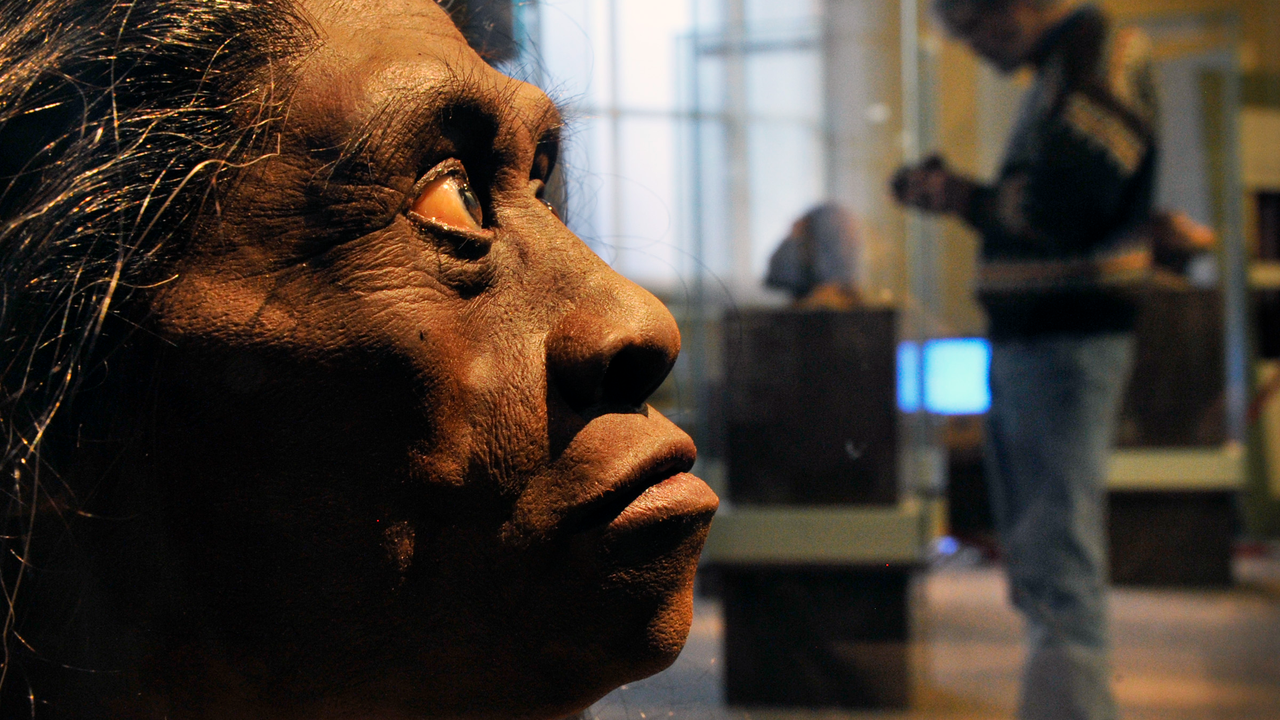
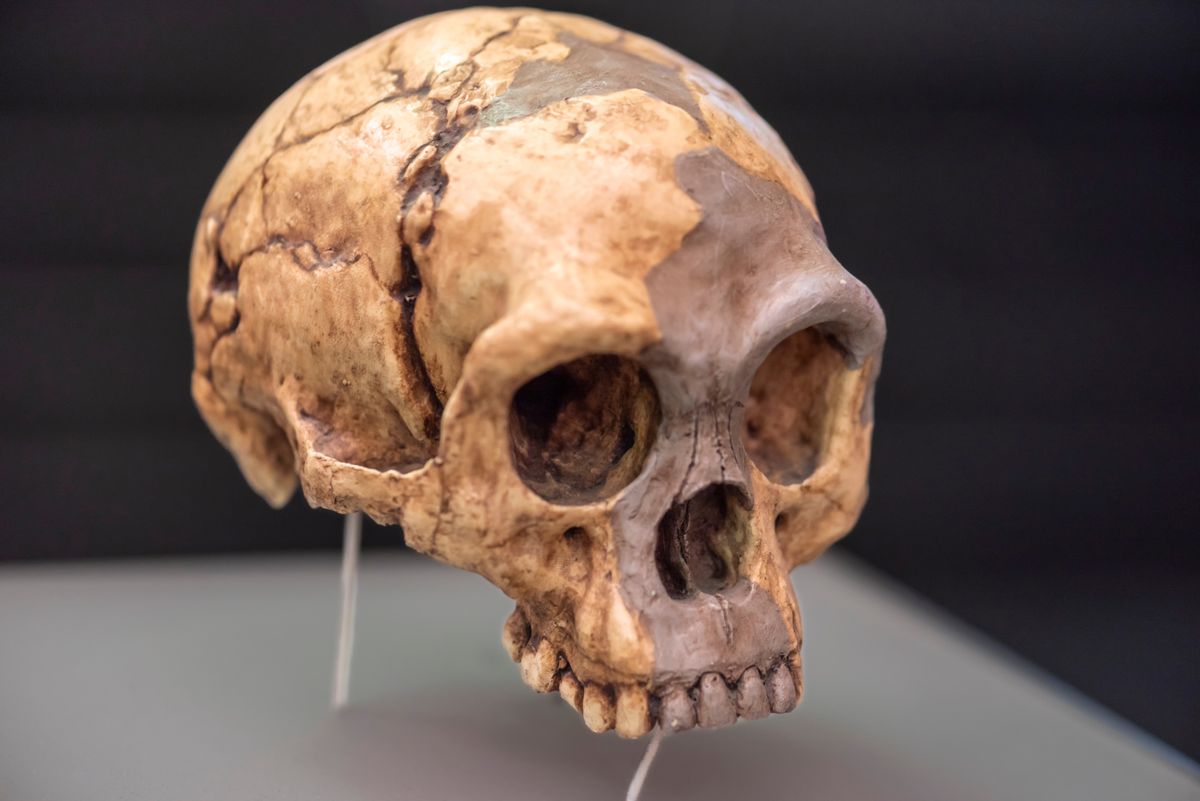
    The diminutive, now-extinct humans known as the "hobbits" were scavengers who dined on dwarf elephants after Komodo dragons took the best cuts, archaeologists have discovered. The finding upends the assumption that Homo floresiensis, a human species that arrived on the Indonesian island of Flores at least 700,000 years ago, hunted big game.First discovered in 2003, H. floresiensis has been nicknamed the hobbit because of its small size, averaging around 3 feet, 6 inches (106 centimeters) tall, along with its small brain, large teeth and big feet. But archaeologists also found stone tools, animal bones with cut marks, and charred bones that seemed to add up to sophisticated behavior common within our genus, Homo. The hobbits disappeared around 50,000 years ago as Homo sapiens began spreading around Southeast Asia.But in a study published Friday (July 3) in the journal Science Advances, an international team of researchers questions whether the behavior of H. floresiensis was really as advanced as previously assumed. The researchers looked at fossil bones of Stegodon florensis insularis, an extinct dwarf species of elephant relative discovered at Liang Bua cave, where bones from H. floresiensis and stone tools have also been found, to determine whether the cut marks were from hunting Stegodon meat or from scavenging the remains of the feasts of the only other carnivore on the island: the Komodo dragons (Varanus komodensis).To distinguish the hobbit cut marks from Komodo dragon tooth marks, the researchers first conducted an experiment, feeding a goat carcass to a captive Komodo dragon at Zoo Atlanta. Then, they recovered the goat skeleton and painstakingly documented all of the marks, pits, notches and furrows the Komodo dragon's teeth made in the bones. The tooth marks were concentrated in areas with substantial amounts of goat flesh, the researchers wrote in the study, suggesting the Komodo dragon had a preference for meaty areas.An extinct species of dwarf elephant called Stegodon florensis insularis inhabited the Indonesian island of Flores. (Image credit: Alamy)The researchers then investigated the ancient Stegodon bones for evidence of cut marks made by H. floresiensis' stone tools and tooth marks from Komodo dragons. They found 54 cut marks on the Stegodon bones and nearly twice as many Komodo dragon tooth marks. More importantly, they discovered that the Komodo dragon marks were focused on meaty areas, while the human cut marks were made primarily in areas without a lot of meat, suggesting H. floresiensis did not hunt and kill the Stegodon.The overall patterns of cut marks and tooth marks suggest "a combination of mostly primary access by Komodo dragons and secondary access by H. floresiensis where both predators consumed Stegodon," the researchers wrote. And the hobbits likely ate this meat raw, according to the researchers, as they found no evidence on the Stegodon bones that they had been cooked. Nor did they find any evidence of burning on over 4,000 mouse bones from the site, suggesting the previous evidence of charring was actually natural manganese staining. A lack of hunting and fire-making technology suggests that the hobbits were not as behaviorally sophisticated as previously thought and raises questions about their ancestry, the researchers said.The Komodo dragon (Varanus komodoensis) lived on the island of Flores and was the only other carnivore along with Homo floresiensis. (Image credit: Alamy)It's possible that the ancestor of H. floresiensis branched from the Homo genus before humans accomplished the control of fire and hunting, study first author E. Grace Veatch, a paleoanthropologist at the University of Tbingen in Germany, told Live Science in an email. One hypothesis for the origin of the hobbits is island dwarfism, which occurs when a large species' average body size evolves to be smaller over generations due to the limited availability of natural resources. Another theory is that hobbits descended from an earlier Homo species that was already small-bodied. "I think our study highlights the importance of considering behavior in these debates," Veatch said. "Our study suggests that H. floresiensis evolved from a hominin population that did not require these dietary strategies [of hunting and cooking], such as a form of early Homo." But the new study has not entirely settled the debate about the hobbits' ancestry, because very little is known about the behavior of early hominins in Southeast Asia, such as Homo erectus on Java and other areas of Sunda or Sundaland, a landmass between the South China Sea and the Indian Ocean that has been exposed off and on over the past 2.6 million years. If H. floresiensis really did branch off from H. erectus, that would suggest many evolutionary changes occurred.RELATED STORIESThe 'hobbits' may have died out when drought forced them to compete with modern humans, new research suggestsStrange pits on 'hobbit' teeth and other archaic humans could reveal hidden links in our family treeHobbits and other early humans not 'destructive agents' of extinction, scientists find"Taking place on an island that was cut off from contact with the Sunda mainland, this evolution from Homo erectus to Homo floresiensis may have involved not just profound anatomical transformations, such as reduced body size and brain volume, but also behavioural adaptations," Adam Brumm, an archaeologist at Griffith University in Australia who was not involved in the study, told Live Science in an email. "Flores was clearly a wild card in the story of early human evolution, the sort of place where almost anything could have happened including, potentially, the loss of deeply-rooted hominin behaviours, such as hunting and fire use," Brumm added. Where H. floresiensis fits in with the rest of the Homo genus is still an open question, Veatch said. "Importantly, this study highlights the contribution of taphonomy [the study of what happens to organic remains after death] to speak to these larger questions about ancestry."What do you know about early humans? Test your knowledge with our human origins quiz!
    0 Kommentare 0 Geteilt 3 Ansichten
  • 0 Kommentare 0 Geteilt 3 Ansichten
  • WWW.THECOLLECTOR.COM
    The Tragic Fate of Louis the Pious Who Was Betrayed by His Own Sons
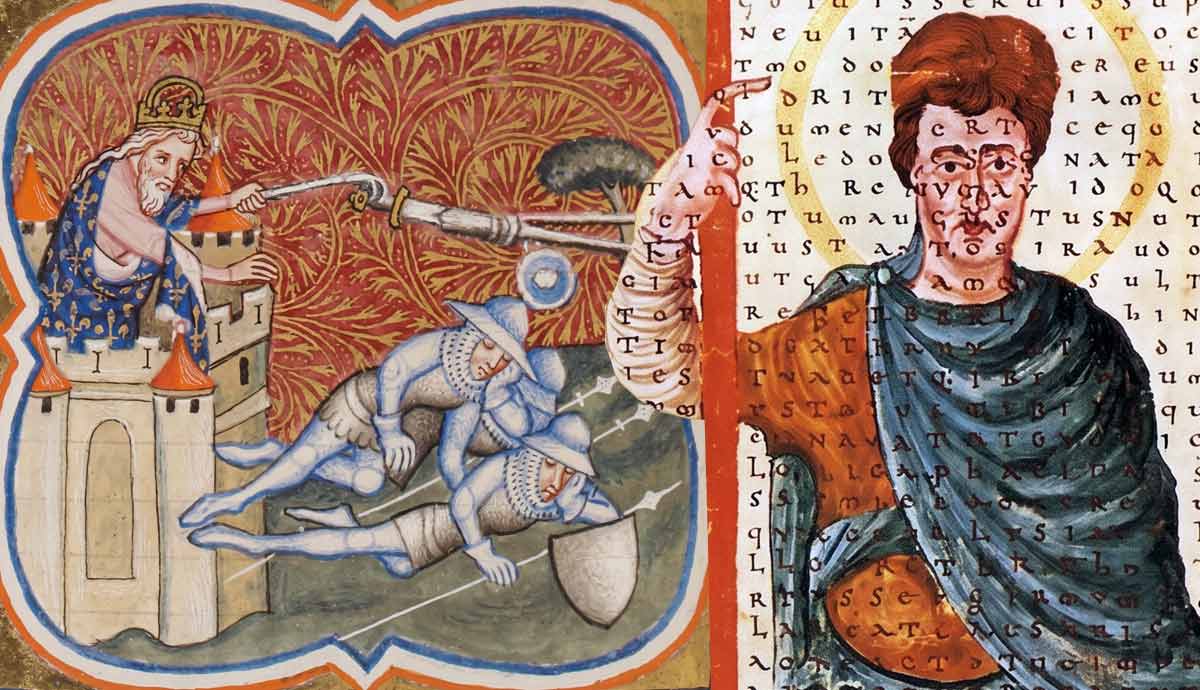
    It was customary among the Franks to divide territory among the legitimate sons of the king. Charlemagne had three sons, all but one of whom predeceased their father. That left his youngest son, Louis the Pious, to inherit the vast empire that Charlemagne had conquered.When it came time for Louis to see to his own succession plans among his own sons, he knew that he needed to plan well to avoid conflict among them for territory and influence. Unfortunately for Louis, he replaced conflict among his sons with conflict between his sons and himself.The Ordinatio Imperii Contemporary Depiction of Louis the Pious as a Miles Christi (Soldier of Christ), c. 810. Source: Wikimedia CommonsIn 817, Louis had the Ordinatio Imperii drafted, which laid out his plan for the succession.His eldest son, Lothar, would inherit the imperial crown, while his son Louis (usually given the soubriquet the German to differentiate him from his father) would inherit the lands of Bavaria and Saxony, and the third son, Pepin, would inherit the lands of Aquitaine. There were provisions that the brothers must see each other at least once a year and give gifts to each other. Charles and Louis were not to make foreign policy decisions without first consulting Lothar. It was a very orderly, logical system.However, there was one fatal flaw. His brother Pepin, who had been ruling Italy for his father, left his territory to his son Bernard. Bernard was not accounted for in Louiss succession document. Italy was assigned to Lothar, and as such, Bernard feared total disinheritance.Bernard of ItalyMosaic of Pope Paschal I from Santa Cecilia in Rome, 9th century. Source: Wikimedia CommonsRumors swirled that Bernard planned to take military action to secure his inheritance. Powerful Italian magnates supposedly convinced him to separate Italy from the larger Carolingian realm and rule it as an independent king. When Louis received word of this, he was furious and raised an army to march against Bernard, believing that he was about to raise the flag of rebellion.However, there is little evidence that Bernard was going to do any such thing. In any case, when he heard that an army was marching against him, he knew it would be futile to fight, so Bernard traveled north across the Alps to meet Louis and try to work out a solution.Rather than a negotiation, Bernard found a cell. He was arrested and, in a show trial, was convicted of treason and sentenced to death. Louis, attempting to show mercy, commuted the sentence to blinding, which had a long history in the Byzantine Empire as a punishment for rebellious princes, but was uncommon in Western Europe.Bernard was restrained while a stiletto dagger was heated in an open flame until red hot, and was then shoved into his eyes. While a horrific punishment, it is not necessarily fatal. However, Bernards blinding was botched. After two days of agony, he died from his wounds on April 17, 818. He was 21.Louis became paranoid that there were more plots in the works among his extended family. To head off other potential familial rebellions, Louis ordered his surviving half-brothers Drogo, Hugh, and Theoderic to be forcibly tonsured and shut away in monasteries.The Penitent EmperorJudith of Bavaria, 1510 depiction. Source: Stuttgart Digital LibraryThe events of 818 shook Louis. His beloved wife Ermengarde died a few short months after Bernard, which also hit him hard. While it is impossible to know his inner thoughts, based on his later actions, he may have seen his wifes death as divine punishment for his sins.For many years after Bernards death, he had tried to alleviate his guilty conscience, but the feelings only worsened over time.In 822, a council was assembled at Attingy consisting of bishops and lords from across the empire. Louis appeared before the council wearing the hair shirt of a penitent sinner. He prostrated himself before the altar and announced to all present that he had ruled unworthily, had dishonored the church, and had committed serious sin.Among the serious sins he confessed was the killing of Bernard. He said that he had the power to free his nephew and was counseled to do so, but refused, and his actions resulted in Bernards death. He also confessed to the mistreatment of his kin by forcing his half-brothers into monasteries, ultimately punishing loyal men.The spectacle of the emperor prostrating and humbling himself in the way that Louis did at Attingy raised his standing in the eyes of the Church, but vastly lowered it in the eyes of his nobles. They likely saw no issue with Louiss actions, and throwing himself on the mercy of the Church made Louis appear weak.Succession ComplicationsLothar I, son of Louis the Pious, 9th century. Source: Wikimedia CommonsIn 823, Louiss new wife, Judith of Bavaria, gave birth to their first son. They named him Charles after his grandfather.Young Charles proved a further complication to the succession plans of the Ordinatio. While by right Charles would be entitled to land, being a legitimate son of Louis, all the land of the empire was already spoken for among the three sons of Ermengarde. There were two choices before Louis: he would either need to conquer more land, a feat easier said than done for the already overextended Carolingian Empire, or he would need to redraw the succession map for the existing land. Louis chose the latter.He revised the Ordinatio Imperii to give Alemannia, the rich lands between Aquitaine and Bavaria, to Charles, depriving Lothar of a portion of his promised inheritance. This sent a shockwave through the Carolingian court. Lothar was, of course, furious over some of his lands being given to his new half-brother, but Pepin and Louis the German were both fearful of the implications.If the succession could be rewritten, then their lands would shrink every time Louis and Judith had another son. Bernard had tried to negotiate with Louis and had ended up dead. Lothar, Pepin, and Louis the German would not make the same mistake.The Rebellion of 830Louiss Son Charles, later in his life, by Comte Vivien, 850. Source: Gallica Digital LibraryLothar and his brothers rose up in rebellion against their father. They moved quickly, capturing him at Compiegne. Judith was forced into a convent, and the succession was brought back to the 817 settlement, removing Charles from the document.The revolt succeeded quickly, but it fell apart equally as quickly. The brothers had agreed on what they were against, namely Judiths growing influence and the matter of Charless inheritance, but they did not have a detailed idea of what would happen after their rebellion.Lothar was officially co-emperor with his father, but in reality, he was the sole power at the head of the empire as long as Louis the Pious was under his control. His conduct as emperor alienated his nobles and antagonized his brothers, leading to Pepin and Louis the German feeling like they had made a mistake.By the end of 830, the short-lived revolt was over. Support for Lothar had bled away, and Louis the Pious was restored to his former position.Perhaps remembering the disaster of Bernards death, Louis showed remarkable leniency to his sons and the rebel nobles who had backed them. A few court officials despised by the brothers were exiled as a way for them to save face, but the situation after the rebellion was remarkably like it was beforehand.Judiths vows were considered invalid since she was coerced. Judith and Charles were still in the picture. None of the underlying issues that caused the rebellion in the first place were addressed, just swept under the rug.It would not be long before those issues would flare up again.The Second RebellionLouis the German Psalter depicting Louis genuflecting before Christ on the Cross, 9th century. Source: Wikimedia CommonsLouis the Piouss position was extraordinarily unstable following his brief capture and effective deposition in 830. He continued to clash with his nobles and his sons as the empire once again threatened to tear itself apart.In 832, Louis stripped Pepin of Aquitaine entirely and assigned it to Charles instead. Pepin once again found himself in the position where he feared total disinheritance. With the line that had caused them to rebel once before crossed a second time, the brothers once again rose in rebellion against their father. This time, however, they had a plan.Louis had no choice but to raise his own army in response. The forces shadowed each other, neither willing to be the one to initiate full-blown civil war. In 833, word reached Louis that his sons were willing to negotiate.The Field of LiesLouis the Pious at Soissons, 14th century. Source: Gallica Digital LibraryLouis and his sons camped their armies in Alsace. Pope Gregory IV was called in as the negotiator between the two camps. The presence of the pope, Louis hoped, would cause cooler heads to prevail.However, over the next few days, Louiss host became smaller and smaller. One by one, bishops and lay lords defected over to Lothars camp. Men who had sworn sacred oaths of fealty and service to Louis betrayed him in favor of his sons. It is likely that Lothar and his brothers promised them concessions, increasing their relative power in exchange for joining their side in the rebellion.The mass breaking of oaths gave this event its colorful name in the sources as the Field of Lies.As his force disintegrated from under his nose, Louis realized that he had no leverage. If he fought, he would be annihilated. He had no choice but to surrender.This was only the beginning of Louiss humiliation. Rather than negotiating in the middle of the field between the two camps as they had done for the previous few days, Lothar and his brothers demanded that Louis walk fully across the field to their camp.Rather than being accompanied by a mighty army, Louis only had his wife and son to walk with him. It was a profound show of weakness and defeat. When Louis arrived in his sons camp, he was not treated as an equal negotiating partner, nor as an emperor, nor even as a father. He was instead treated as a prisoner. He was confined to a tent while his sons decided what to do with him.Louis had lost, and his sons held all the cards.To the Victor Go the SpoilsThe Results of the Treaty of Verdun, dividing up the Carolingian Empire, 1886. Source: Wikimedia CommonsWith Louis in their power, the empire was essentially divided into three along the lines of the Ordinatio Imperii. Pepin had Aquitaine returned to him, the younger Louis returned to Bavaria, and Lothar retained the rich middle lands. They once again forced Judith to a convent and exiled her son Charles to Italy.Their petty and vindictive behavior did not stop there. In a twisted reflection of the aftermath of Bernards killing, Louis was once more forced to do penance at Soissons. He was paraded before a synod of bishops as a penitent and made to confess to a whole list of crimes, most of which were fabricated. At the end of the whole affair, Louis laid down his arms and regalia and accepted a state of permanent penance, which essentially meant that he was barred from ruling. He effectively abdicated with this pronouncement, and Lothar became acting emperor in his stead.However, this whole spectacle left a bad taste in the mouths of the nobles and bishops. Without Louis to unite them, the brothers and their supporters began to quarrel among each other, and the decisions made at the Field of Lies were regretted by many.So, with growing chaos and no one to stop it, the lords of the land eventually turned back to Louis. He was formally reconciled in 834, his penance was officially ended, and his regalia were returned to him. Judith left the convent, and Charles returned from Italy.Lothar immediately fled, fearing what his father would do to him now that he was back in power. Louis the German refused to recognize his fathers return to power. Pepin, seeing which way the wind was blowing, was at Louiss side when his penance was ended to show his support.AftermathCoin of Louis the Pious, 814-840. Source: The British MuseumThe remainder of Louiss reign was uneasy and troubled. His sons continued to test him, push boundaries, and position themselves for more power.After Louiss death in 840, his sons had no one to fight but each other. Quarrels between them escalated until civil war broke out once again. Unlike all the previous times when the Carolingians raised arms against each other, neither side backed down. The bloody battle of Fontenoy and the peace of Verdun afterward marked the disintegration of the Carolingian Empire as a unified political entity. Instead, the regions of West, Middle, and East Francia devolved into separate kingdoms.The great irony of his reign was that in Louis the Piouss attempts to prevent fratricidal conflict among his sons by laying out an orderly succession plan, he caused the exact conflict he was trying to avoid. Like in a Greek tragedy, trying to prevent an event was exactly what led to the event happening.The man tried to be a good Christian and a good father, but his attempt to do so led to the ruin and collapse of the empire that he spent so much effort trying to hold together.
    0 Kommentare 0 Geteilt 3 Ansichten
  • WWW.THECOLLECTOR.COM
    How Blood Feuds Ended the Viking Age in Iceland
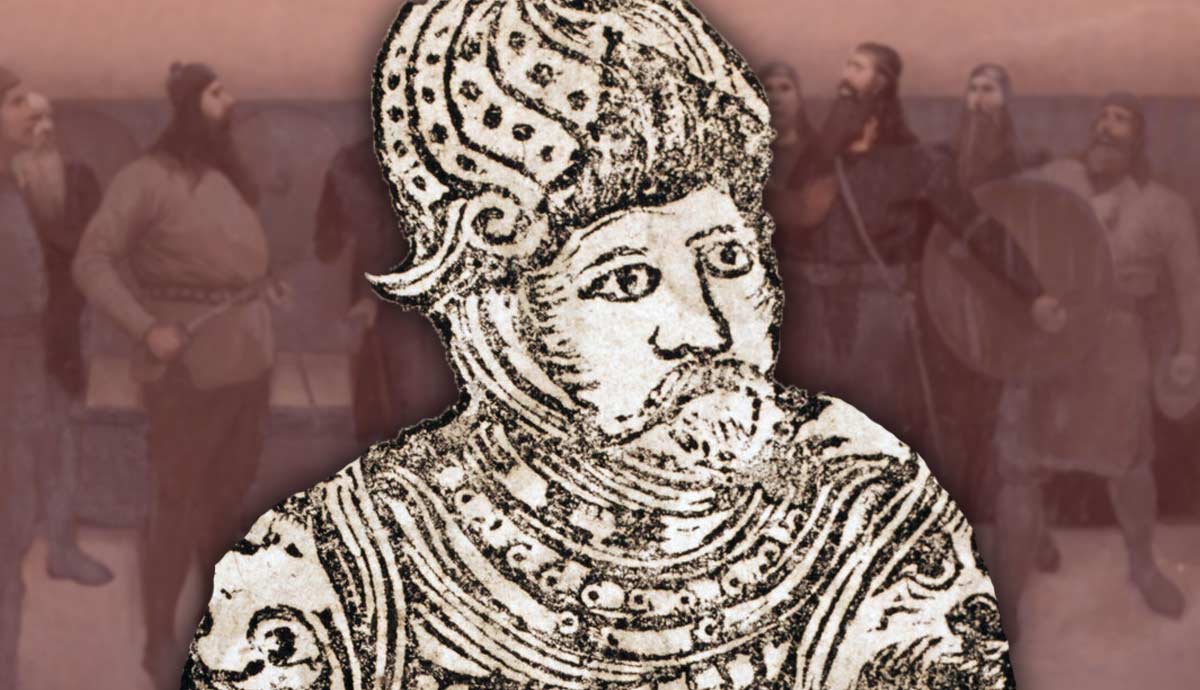
    Viking Iceland was sparsely settled and governed collectively by chiefs elected to represent their local communities. This meant there was limited infrastructure for justice and law enforcement. People generally had to take matters into their own hands. Norse ideas about honor meant that if a family was the victim of a crime, they had to retaliate to restore their honor. This often resulted in tit-for-tat revenge killings, known as blood feuds, which decimated entire families and weakened Iceland as a whole. These blood feuds are one of the major themes that recur throughout the Icelandic sagas.Law and Leadership in Viking IcelandDrawing of a depiction of a Germanic Thing meeting from the Column of Marcus Aurelius, Rome, AD 193. Source: Wikimedia CommonsAccording to the tradition of the Icelandic sagas, Norse settlers, mostly from Norway, began settling Iceland in the 870s. People were fleeing the tyranny of King Harald Fairhair of Norway and seeking arable land to farm.The initial settlement was a land grab, with new arrivals identifying and claiming the best land on a first-come basis. The earliest settlers then distributed portions of their land to their crews, families, and followers. This resulted in a sparse settlement of independent farms, with groups connected through ties of family and loyalty.Unlike in Denmark and Norway, where centralized kingship was taking form, Icelands settlement pattern lent itself to more decentralized organization in the form of a commonwealth of chiefs. Chiefs called Godi (or Godar in the plural) were elected by their communities to represent their followers at local Thing meetings and the national Althing, when it was established around 930.These meetings of Godar had been part of the culture since Germanic times. They were important opportunities to conduct business and make marriage alliances. The Godar also agreed on shared rules and laws, and they could hear legal cases presented to them. The Althing was supported by a Lawspeaker, who was responsible for remembering and reciting laws and previous decisions. The Icelandic chronicler of Norse mythology, Snorri Sturluson, served as Lawspeaker for several years in the 13th century.It was the Althing that decided that Iceland should collectively convert to Christianity in AD 1000 as part of a strategy to prevent King Olaf Tryggvason of Norway from taking control of Iceland.What Was Considered a Crime in the Viking World?Detail from the Flateyjarbok manuscript, Iceland, 1387-1394. Source: rni Magnsson Institute for Icelandic StudiesWhile raiding foreign peoples for gold and slaves was considered a respectable profession, theft and property damage within your own community were serious crimes. It is notable just how many spells in the Medieval Icelandic grimoires dealt with identifying and exposing thieves. Libel or insulting someones courage or manliness was also considered a crime for which a mans honor demanded satisfaction.Just as today, killing another person was not always considered a crime. The Vikings recognized self-defense as a valid reason for killing another person, as was defending ones honor. What was important was that the actions were open. For example, a Viking might challenge another to a duel, making their intentions clear, and then complete the act publicly in front of witnesses. However, killing another man in secret and then trying to cover it up was considered a serious crime.But determining whether a killing was justified or honorable depended very much on the opinion of the injured party. A crime against you or your kin was thought to damage your honor (drenskapr), which needed to be restored, usually through a public act of retribution. But while a public act of retribution might not be a crime, the family on the receiving end might still feel like this new act required a further act of retribution. This approach to justice often escalated into tit-for-tat revenge killings that could decimate families.The Norse soul had four parts: the Hugr (mind/spirit), Hamr (shape/form), Fylgja (guardian), and Hamingja (luck/success). This last part was inheritable and is part of the reason why a crime against a man impacted his kinsmen in a tangible way.Restoring Your Honor: Paths to RetributionFolio from manuscript AM 468 4to, containing Njals Saga, Iceland, 14th century. Source: University of CopenhagenMany of the Icelandic sagas deal with crimes within the community and subsequent acts to restore honor and social order. They reveal three clear paths to retribution, all of which appear in the story of Gunnar Hmundarson.According to Njals Saga, written in the 13th century, Gunnar was one of the Icelandic chiefs at the start of the 10th century. He was probably a real person, though his character and story have been dramatized for the sake of the saga.Gunnar is described in idealized terms. Handsome and well-groomed, Gunnar is a powerful warrior who can jump his own height in full armor and wield a sword so quickly that it looks like he has three hands. He is an expert bowman, can throw a rock and hit a man between the eyes at a great distance, and is famous for his skill with a hewing spear. He is an excellent swimmer and wins all games and physical challenges. Gunnar is also intelligent, loyal, and well spoken. For all these reasons, he was elected chief in his local community.While Gunnar generally preferred to resolve matters peacefully, the saga recounts how he finds himself involved in several conflicts, despite his best efforts. The writer makes it clear that it was challenging to avoid these conflicts in Iceland at the time.The sagas record a violent ballgame called Knattleikr, wrestling matches (Glma), swimming races, and water wrestling. The Vikings were also very fond of board games.Murder and WergildGunnar Hmundarson meets Hallgerdr, by Andreas Bloch, 1898. Source: Wikimedia CommonsAccording to the saga, Gunnars wife, Hallgerdr, gets into a conflict with the wife of Gunnars friend Njal, Bergthora. This results in tit-for-tat killings between the families. It starts when Gunnars slave Kol kills Svart, a woodcutter working for Njal; slaves and functionaries were considered like (lesser) family members. Bergthora then hires a man called Atli to kill Kol, and Hallgerdr hires Brynjolf to kill Atli. Bergthora then has her kinsman Thord Freedmason kill Brynjolf, and he is in turn killed by Hallgerdrs kinsman Sigmund and his friend Skjold. Njals sons then kill Sigmund and Skjold.While the purpose of these revenge killings was to restore balance by restoring honor, these could get out of control and devastate entire families. Later in the saga, 100 men led by Flosi Thordarson surround Njals house and kill Njal, his wife, and all his sons. Only his son-in-law, Kari Solmundarson, escaped the flames and spent the rest of his life hunting down the men who burned the house. The Vapnfirdinga saga recounts a feud between Brodd-Helgi and Geitir that sees all the male stakeholders of the original two households killed, leaving both houses genetically, socially, and economically extinct.Silver from the Huxley Hoard, Cheshire, England, AD 900-910, weighing just over 50 ounces. Source: Portable Antiquities Scheme, UKIn Njals saga, Gunnar and Njal were able to end the feud started by their wives privately through a financial settlement. The saga says that they paid a price based on the status of the various victims. This was known as wergild, a pre-determined financial value placed on human life. It was a way for a killer to admit fault and buy back peace, while the victims family could claim that they had been compensated and their honor restored.While the cost might be low for slaves, it could be a significant amount of silver for Karls, who were free farmers. The price for a Godi could be astronomical, and an entire community might need to band together to pay. If the murder was particularly cowardly, the price could be doubled or tripled. Between Njal and Gunnar, Gunnar paid Njal 12 ounces of silver for the woodcutter; it was 100 ounces for a free overseer, and 200 ounces for a noble kinsman.When Njals sons killed the popular Hoskuld Thrainsson, the price was set at 600 ounces of silver because of his status and the cowardly nature of the act. The community banded together to meet the price.Legal RecourseIllustration for Njals saga, by August Malmstrm, 1893-1902. Source: National Museum of SwedenIt is prescribed that the man on whom injury is inflicted has the right to avenge himself if he wants to, up to the time of the General Assembly at which he is required to bring a case for the injuries.Gragas, Treatment of Homicide, 12th centuryAccording to the Icelandic Gragas, or Grey Goose Laws, written in the early 12th century, injured parties had a window in which they could deal with an issue before referring it to the Thing or Althing for judgment by the Godar. While this specific law belongs to a later time, it reflects the fact that people could consult the broader community for a legal resolution.In Njals saga, Gunnars wife, Hallgerdr, continues to create issues by using her slave to burgle the home of a churlish man called Otkell, but she is discovered. While Gunnar offers financial compensation, the man refuses and then insults Gunnars honor by drawing blood with a spur. This allowed Gunnar to summon Otkell to the Althing for satisfaction.But the legal interaction was much more complex than two men being judged by a group of their peers. With the help of Njal, Gunnar summoned Otkell for the minor injury in a way that gave him the upper hand, as it looked like Otkells refusal of the earlier financial settlement was malicious. Njal then used his prestige to garner support for Gunnar, ensuring the judgment in the case would go his friends way.When Godar attended the Thing and Althing meetings, they were accompanied by their supporters, called thingmen, who could act as an influential threat. Nevertheless, Gunnar, as a man of peace, while extracting a large sum of money from Otkell, later waived much of it in exchange for a promise of continued peace.In the Sturlunga saga, Thorgils Oddason arrived at the Althing with over 1,000 armed men, forcing the group to decide a legal matter in his favor.OutlawryErik the Red, by Arngrimur Jonsson, 1688. Source: Wikimedia CommonsWhile this case of Gunnar and Otkell resulted in financial compensation, the Thing could also pass punishments such as outlawry. If you were outlawed, you were excommunicated from society. If you were caught somewhere that you should not be, anyone in the community had the right to kill you on the spot without facing any consequences. Death was often the result, as members of the injured family actively sought out the outlaw to kill them.In Iceland, there were two levels of outlawry. Lesser outlawry (fjrbaugsgarur) was for a fixed period, usually a minimum of three years. While permanent outlaws were expected to leave the community immediately, in the case of lesser outlawry, there were some concessions. These outlaws were allowed three buildings to dwell in while they waited to board a ship, and they were given safe passage to the harbor if they stayed off the main roads. This was necessary as it could take months for an outlaw to find passage off Iceland.In the case of full outlawry (skggangur), they were not to be housed, helped, or fed in any way, and anyone helping an outlaw risked being declared an outlaw. These outlaws were often called skoggangr, which means man of the forest, because they were forced to flee to the forest and live off the land. They were often seen as little better than animals.Erik the Red was outlawed from Iceland for three years, which led him to sail to Greenland and start the Viking settlement there.EnforcementGunnar Hmundarson fights ambushers, by Andreas Bloch, 1898. Source: Wikimedia CommonsWhile the Thing could pass judgments of compensation or outlawry, they had no police force or resources to enforce it; that was left to the individuals involved. We see this in Gunnars case. Otkell was unwilling to accept the judgment and so organized a group of men to ambush Gunnar. The great warrior killed Otkell and seven of his companions.This did not work out well for Gunnar, whose power and reputation grew, causing his enemies to ally against him. Njal also prophesied that if Gunnar killed another member of Otkells family, he would suffer a dire fate. Mordur Valgardsson, a man jealous of Gunnar, heard the prophecy and organized for Gunnar to kill Otkells son, Thorgeir.Gunnar Hmundarson defends his home, by Andreas Bloch, 1898. Source: Wikimedia CommonsThis led the Althing to outlaw Gunnar for three years. Njal warned him that if he did not leave Iceland, he would be killed. While Gunnar initially accepts this fate, as he turns to leave, he looks back on the beauty of his own farmhouse and decides to stay and fight. The avenging Vikings arrive and attack his home. While Gunnar takes many of them out single-handedly, he is eventually killed.According to the saga, after Gunnars death, his son Hogni saw his shade rise from his burial mound and sing about how he would rather die than yield. Hogni then hunted down the main perpetrators and killed them in revenge. Despite his father being an outlaw, his popularity meant he successfully claimed financial compensation via the Althing.Ambushing outlaws was a common theme in the Icelandic sagas. For example, Grettir, who went mad after slaying an undead draugr revenant, was ambushed and killed after 19 years as an outlaw.How Blood Feuds Brought Down IcelandReplica Viking Age farm and longhouse. Source: National Museum of Denmark, CopenhagenWhile the reported body counts of many of the blood feuds recorded in the sagas are probably exaggerated, Iceland was a small community, and the loss of life had a major impact on the community. There is a reason why the sagas, mostly written in the 12th and 13th centuries, when the effects of the loss of men were being felt, cast the practice in a negative light.The population of Iceland is estimated to have been 60-70,000 in AD 1000, but to have barely grown by the end of the 12th century due to the consistent killings. Moreover, small landowners were pushed out, as bigger families targeted them for blood feuds to claim their land. This led to a breakdown of the local legal system, and in 1262, Iceland voluntarily surrendered its independence to Norway in what is known as the Old Covenant. Iceland would not regain full independence until the 20th century.

    0 Kommentare 0 Geteilt 3 Ansichten
  • WWW.THECOLLECTOR.COM
    What Sutton Hoo and Beowulf Reveal About Dark Age Britain
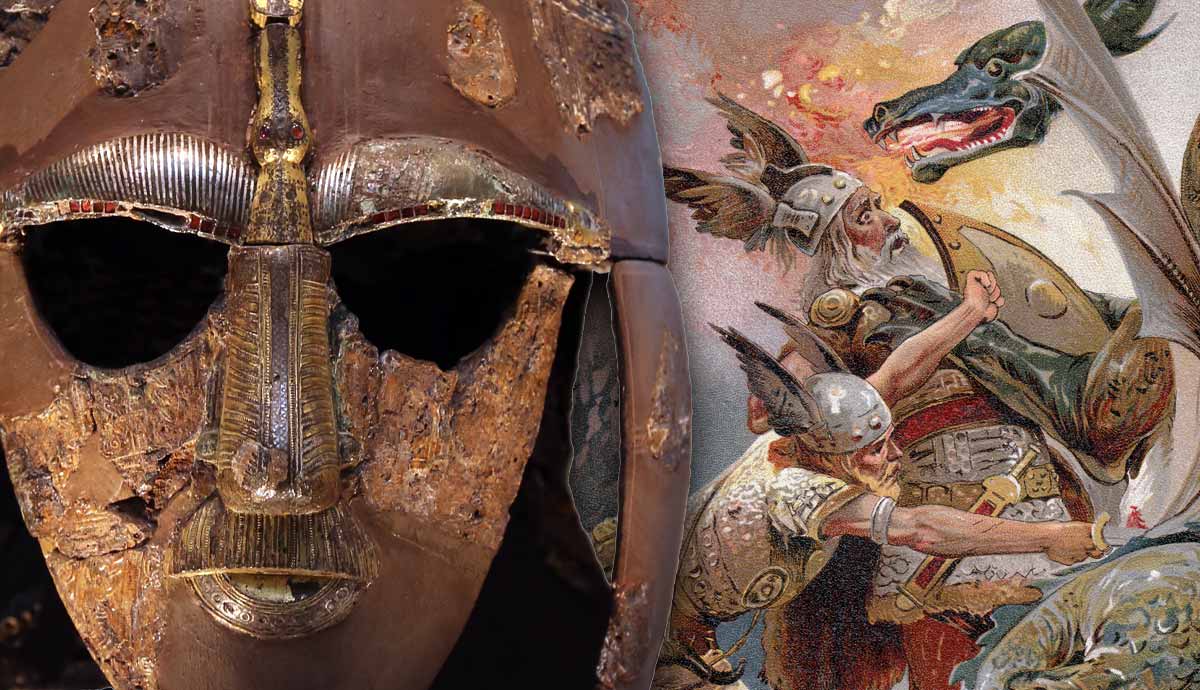
    At some time in the 8th or 9th century, the epic poem Beowulf was first written in Old English, having likely existed in some form through the oral tradition for many centuries before.In 1939, a team led by archaeologist Basil Brown unearthed a ship-burial beneath Mound One at the site of Sutton Hoo. Taken together, Beowulf and Sutton Hoo help to illuminate one another and give us a rich and colorful insight into an otherwise dark age.ContextBeowulf, 11th century. Source: Wikimedia CommonsThere is some scholarly debate as to when Beowulf was written. The manuscript we have dates from the 11th century, but most scholars estimate that the epic was first penned before this, in the 8th or 9th centuries. What is even more difficult to deduce is when, if ever, the events of the poem might be imagined to have taken place. Scholars are able to identify certain characters as real historical figures, like Beowulfs uncle Hygelac, King of the Geats, who is mentioned by the 6th-century chronicler Gregory of Tours. It seems fairly certain that the Beowulf poet tells us about a world inspired by the post-Roman age, in the 5th and 6th centuries AD.This period is often dubbed the heroic age, largely because we have almost no literary sources for Northern Europe in this period, and thus most of the information we have about this era comes from stories told later, in which semi-mythical heroes bestride the world and do battle with monsters and with one another. The stories of King Arthur were imagined to have taken place in a similar time period.Excavations in Lejre, Denmark, revealed the remains of several large wooden halls, with some dating from the 6th century. These findings have, of course, drawn parallels with Beowulfs Heorot and suggest that the broad outlines of the setting of Beowulf may have had foundations in historical reality.Excavations at Yeavering in Northumbria also revealed the centrality of the immense wooden long-hall for kings in the 6th and 7th centuries. It seems that the post-Roman age was one in which the mead-hall was central to the exercise of kingly authority and to the forging of bonds between them and their people.Treasure from the Staffordshire Hoard, 7th-8th century. Source: Birmingham MuseumThe king that most scholars believe to be the man buried beneath Mound One at Sutton Hoo was Raedwald of East Anglia, who lived at the end of the 6th and beginning of the 7th centuries, dying in around 624.Raedwald lived towards the end of the heroic age, as the spread of Christianity and of literacy across the Anglo-Saxon kingdoms was transforming society. Whether or not the individual beneath the mound was Raedwald, scholars are confident in dating the burial to the early-to-mid 7th century, not least because the presence of Merovingian coins in the grave indicates the Frankish kings who were on the throne around the time of the burial.The setting of Beowulf, to the extent that it reflects any historical reality, is likely a world that is older than the Sutton Hoo ship-burial, though not significantly older. The centrality of warrior culture and the mead-hall, the fascination with animals and beasts, the importance of finery, and more all suggest that these two worlds would have understood one another and shared a good deal in common.Another similarity is that the world of Beowulf and that of Sutton Hoo are both pagan. Although in the case of the latter, this was on the verge of changing. The first Christian Anglo-Saxon king, Aethelbert of Kent, died eight years before the death of King Raedwald of East Anglia, and according to Bede, Raedwald had himself converted to Christianity, though he seems to have renounced this later in his life (or at least not let go of his pagan deities).GeographyThe Viking-age Oseberg ship. Source: BritannicaBeowulf takes place in Scandinavia, in a world in which various peoples surrounding the North Sea interact and come into conflict with each other. Beowulf himself is a Geat, a tribe based in southern Sweden. In the poem, he travels to the land of the Danes. Other tribes that are mentioned include the Swedes, the Franks, the Heathobards, and the Frisians. All of these people inhabited lands that border the North Sea, and they are described as deeply interconnected, warring with and marrying each other continuously. Beowulf travels across the sea from southern Sweden to Denmark in order to offer his help to King Hrothgar at the start of the poem.Where does Sutton Hoo come into this? Firstly, it should be understood that the Anglo-Saxon audience of the poem traced their ancestry to northern Germany and Scandinavia. The poem would likely have been understood as speaking of a past to which the audiences ancestors had some connection.Indeed, there are multiple kings mentioned in Beowulf who were claimed as ancestors by various Anglo-Saxon dynasties. These were legendary figures to whom early medieval dynasties were eager to trace their lineage. An example is Offa, who is mentioned in Beowulf as a king of the Angles. The great 8th-century Mercian king, also called Offa, claimed this king as an ancestor. Beowulf also mentions a Hengest, who may be a reference to the legendary Hengest, who Bede tells us led the first North Sea peoples across to Britain in the 5th century.A helmet from Sweden, Vendel Period. Source: Wikimedia CommonsSutton Hoo lies next to the river Deben, not far from the North Sea coast. In the early 7th century, it would have been easier to travel to Scandinavia from Sutton Hoo than to travel across Britain to the west coast. Sea travel was far easier than travel across the interior in this period. It is no surprise, therefore, that the person beneath Mound One was buried in a great ship, one that would have been well capable of voyaging across the North Sea. Beowulf himself travels across the North Sea in his own vessel.The burials that resemble the goods found at Sutton Hoo most closely are found on the eastern coast of Sweden, from the Vendel Period (which covers approximately AD 550-800). The Sutton Hoo helmet in particular resembles those found from the Vendel Period, as do the decorations on the shield and the burial of a ship. Ship burials are otherwise very rare in England, but far more common on the Swedish coast.Sutton Hoos links across the North Sea help us to understand Beowulfs setting in the North Sea world, yet its composition for an English audience. The burial beneath Mound One underlines just how close the connections were between the elites of Anglo-Saxon society and the Scandinavian world from which they traced their origins.Bringing Beowulf to LifeThe Sutton Hoo helmet, 7th century. Source: Wikimedia CommonsBefore the unearthing of the Sutton Hoo ship burial, it was not always clear to what extent Beowulf reflected a historically accurate past. The centrality of monsters in the poem made it easy to put Beowulf firmly into the fantasy genre, and view the world of the poem as one largely imagined by later writers looking back at a mythical heroic age. The understanding of the Early Medieval Period in Northern Europe before Sutton Hoo was one of darkness and decay. Yet, Beowulf is a poem filled with glittering treasures, magnificent weapons, giant halls, and exquisite craftsmanship.The treasures of Sutton Hoo in their abundance, intricacy, magnificence, and creativity seemed to breathe color into the descriptions of Beowulf, and demonstrated to archaeologists and historians that the early-medieval world contained great riches and splendor. More straightforwardly, the burial beneath Mound One had close similarities with many of the descriptions in Beowulf.For example, early in the poem, the poet speaks of the death of a great king of the Danes, Scyld Shefing. The poet described how a mound of treasures from all across the world, along with weapons and armor, was stowed into the kings vessel, amongst which the king himself was laid to rest. The person buried beneath Mound One at Sutton Hoo was also laid in the middle of a great ship, into which treasures were placed, including coins from Francia and silver plates and spoons from Byzantium.The reconstructed Mound Two. Source: Wikimedia CommonsAt the very end of Beowulf, the poet describes how the eponymous hero is buried beneath a mound on the cliffs overlooking the sea, so that seafarers passing by will be able to see the memorial. The burial mounds at Sutton Hoo sit atop a hill beside the River Deben, just a few miles upstream from the North Sea. Ships traveling back and forth would have had a clear view of the mounds beneath which the great rulers of the Wuffing Dynasty were buried.The mounds at Sutton Hoo also call to mind the barrow guarded by the dragon in the final part of Beowulf. The barrow stands near the coast and is filled with treasure buried by an ancient dynasty, just as the mounds at Sutton Hoo contain countless treasures belonging to a dynasty that long-ago ceased to exist.When a piece of treasure is stolen from the barrow in Beowulf, its dragon guardian burns the local settlements in revenge. Unfortunately for us, the mounds at Sutton Hoo were unguarded, and many were plundered in the 16th and 17th centuries as a result.One of the most memorable locations in Beowulf is the great hall of Hrothgar, king of the Danes, known as Heorot. Heorot is described as an immense wooden mead-hall, beneath which great numbers of Hrothgars people feast and make merry. Amongst the many items found in Mound One were a large cauldron along with a length of metal chain. By measuring the length of the chain, archaeologists have been able to calculate that the beams of the hall from which the cauldron would have hung would have been many feet above ground level, conjuring images of a mead hall of great size akin to Hrothgars Heorot.The Sutton Hoo shoulder-clasp, 7th century. Source: Wikimedia CommonsBeowulf portrays a world teeming with mythical beasts. There are demonic creatures like Grendel and his mother, as well as a dragon, and these creatures are locked in violent conflict with humans. The items found at Sutton Hoo reveal an artistic and warrior culture in which animals and beasts play a central role. The iconic Sutton Hoo helmet has a metallic dragon running along the top of the helmet and down to form the nose guard, with its spreading wings becoming the helmets eyebrows.The hoards many treasures are decorated with interweaving beasts and animals, depicted as both elegant and sometimes fearsome. We sense from Sutton Hoo a world in which fantastical creatures are felt to be very real, and they form a central part of the expression of power and of martial prowess. Just as Beowulf proved himself by battling demons and dragons, so the warrior buried at Sutton Hoo would have entered into battle with a dragon glaring out at his enemies.One of the many items found beneath Mound One was the fragmentary remains of a lyre. It is enticing to imagine the possibility that that very instrument might have been used to sing the story of Beowulf in the great hall of King Raedwald. In Beowulf, the Danish king Hrothgar fills his hall with harp songs, and we are told how the harp was used to aid storytelling and the recounting of bygone glories.The excavation site. Source: The British MuseumUltimately, the discovery of the burial chamber beneath Mound One at Sutton Hoo and the epic poem Beowulf shine a thin light on what remains a dark period of history in Northern Europe. Taken together, they help to breathe life into one another.The discovery at Sutton Hoo helped to bring Beowulf out of the realm of purely fantasy and fairytale to be taken seriously as an insight into the North Sea world of post-Roman Europe. It made the descriptions of the poet tangible and real. Meanwhile, the epic poem helps us to understand the significance of the items contained in the burial chamber at Sutton Hoo, and provides an insight into how and why the individual was buried there.
    0 Kommentare 0 Geteilt 3 Ansichten
  • WWW.DUALSHOCKERS.COM
    8 Most Addictive Sega Dreamcast JRPGs
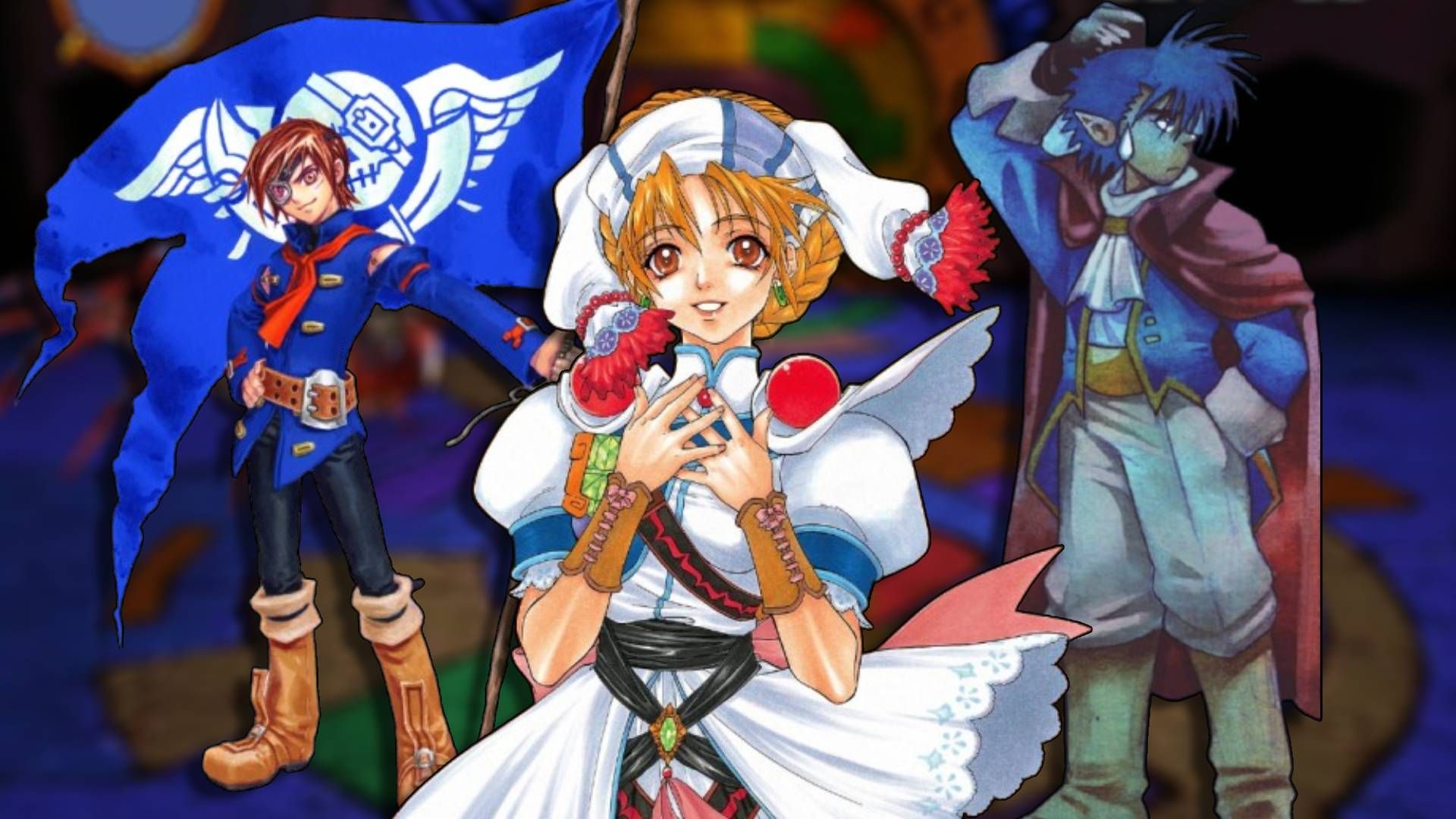
    In many ways, each console is a snapshot in time. They represent the style of the era, while shining a light on future possibilities we hadn't even thought of yet. And so even though the Dreamcast was a very short-lived and underappreciated console, it still made a mark on many gamers, past and present.
    0 Kommentare 0 Geteilt 3 Ansichten
  • WWW.DUALSHOCKERS.COM
    Deltarune: 10 Best Boss Themes, Ranked
    Its no secret that, in addition to his game development chops, Toby Fox is an excellent game music composer. The man got to compose multiple tracks for a mainline Pokmon game, thats how big of a deal he is. More often than not, we get to see Fox and his crews finest work on display during the boss fights of his games, Deltarune included.
    0 Kommentare 0 Geteilt 3 Ansichten
  • WWW.THEKITCHN.COM
    My Honest Review of Made Ins Baking Slab for 2026
    Its half baking sheet, half baking dish, all style.READ MORE...
    0 Kommentare 0 Geteilt 3 Ansichten
  • WWW.BGR.COM
    China Has A Solar Power Surplus We Could Only Dream Of But It's Going To Waste
    The country is making impressive strides to increase its clean energy production, but there are roadblocks preventing efficient distribution of the abundance.
    0 Kommentare 0 Geteilt 2 Ansichten
  • TECHCRUNCH.COM
    The browser wars arent about search anymore here are the best alternatives to Chrome and Safari
    Weve compiled an overview of some of the top alternative browsers available today aiming to challenge Chrome and Safari.
    0 Kommentare 0 Geteilt 2 Ansichten