• WWW.THECOLLECTOR.COM
    The Medieval Powerhouse That Was the Kingdom of Bohemia
    One of several imperial states within the Holy Roman Empire, the kingdom of Bohemia ruled over much of what is today the Czech Republic as well as parts of Slovakia, Germany, Austria, and Poland. It remained part of the Austrian Empire after the dissolution of the Holy Roman Empire and formed the basis of Czechoslovakia at the end of World War I.Creation of the Bohemian KingdomSt. Vitus Cathedral in Prague, where King Ottokar I is buried, 2022. Source: Amazing CzechiaDuring the 6th century, western Slavic tribes arrived in the land now known as Bohemia and began settling there. Before their arrival, the region had been populated by Celtic tribes such as the Boii, who gave their name to Bohemia. The Slavs who settled in Bohemia began converting to Christianity owing to the influence of the kingdom of the Franks to the west. This laid the groundwork for the creation of the kingdom of Bohemia.When the neighboring Kingdom of Great Moravia started to unravel, the Bohemian Slavs (Czechs) began to take action to increase the territory under their control and to solidify their power. The Pemyslid Dynasty became the most powerful of the Bohemian noble families and helped create the Bohemian Kingdom. However, by 950 CE, they started to fight with the Holy Roman Empire over land and influence. After a protracted conflict, Bohemia became a duchy within the Holy Roman Empire in 1001 CE.Until 1198 CE, Bohemia was ruled by dukes from the Pemyslid family. That year, Philip of Swabia, the King of the Romans (an uncrowned Holy Roman Emperor), granted Pemysl Ottokar the title of King of Bohemia in exchange for support during a power struggle. By 1204, Ottokar was recognized as king throughout the Empire and by the Pope. He received a large degree of autonomy from the Imperial seat in Palermo through the famed Golden Bull of Sicily. This decree, issued by Emperor Frederick II, proclaimed that the kingdom of Bohemia would be a self-governing constituent of the Holy Roman Empire.The 13th Century in BohemiaIllustration of the Battle of the Marchfeld by Julius Schnorr von Carolsfeld, 1835. Source: Wikimedia CommonsIn the 13th century, Emperor Frederick II and his allies were determined to control as much of the Mediterranean as possible. Additionally, the empire faced internal chaos during the Great Interregnum after Fredericks death. As a result, the Bohemians were emboldened to take as much territory from their neighbors as possible. They hoped to build a buffer zone between their territory and the Mongols invading from the east. In 1241, King Wenceslaus I, Ottokar Is son, repelled a Mongol attack on Bohemia, ensuring the kingdoms security.Wenceslauss son, Ottokar II, became king in 1253 and ruled until his death in 1278. He had clashed with his father, even trying to overthrow him in a revolt that failed. As a result of his marriage to Emperor Fredericks sister Margaret, he became the Duke of Austria, adding this territory to the Bohemian kingdom. Ottokar II was a warrior king who vowed to expand Bohemias borders, earning himself the nickname The Iron and Golden King. He even sent expeditions to the Baltic Sea, defeating the Old Prussians and establishing a settlement called Krlovec, now known as Kaliningrad. At the height of his rule, Bohemian territory stretched from Austria to the Adriatic Sea.However, King Rudolf I, a member of the Habsburg family who prevailed in the Great Interregnum, began to seize Ottokar IIs possessions. He seized much of the territory in Austria conquered by Ottokar and destroyed his army at the Battle of the Marchfield. However, this did not end the Bohemians power. Kings Wenceslaus II and III extended their power to Poland and Hungary, setting up the kingdom for its Golden Age in the 14th century.Bohemia in the 1300sStatue of King Charles IV of Bohemia at the Karolinum in Prague by VitVit, 2017. Source: Wikimedia CommonsDespite King Ottokar IIs death and the destruction of his army, the Bohemian kingdom continued to expand and play a major role in central Europe for the next two centuries. When the male line of the founding Pemyslid dynasty died out 1306 following the death of Wenceslaus III, a power struggle broke out for the Bohemian crown.John, the Count of Luxembourg, was elected king after his marriage to Elizabeth of Bohemia, the sister of Wenceslaus III. His rise led to the formation of the Bohemian House of Luxembourg. The Luxembourgs were closely aligned with the French court, tying Bohemia closer to the House of Valois. King John of Bohemia is perhaps best known for his death while fighting for the French at the Battle of Crcy in 1346.It was under Charles IV, Johns son, that Bohemia reached the peak of its power. He established an archbishopric in Prague. In 1355, he became the first king of Bohemia to be crowned Holy Roman Emperor. Despite failed attempts to link Bohemia with his ancestral lands in Luxembourg through conquest, his ruthlessness and drive ensured that Bohemia became one of the most powerful electorates in the empire. In addition to his aggressive military posture, he worked to modernize Prague, founding the New Town and rebuilding the Royal Castle. As a result, the city became one of the most cosmopolitan in Europe.Charles died in 1378, leaving the throne of Bohemia to his son Wenceslaus IV. Wenceslaus secured election as king of the Romans but was not crowned as Holy Roman Emperor and was deposed in 1400. While the kingdom of Bohemia retained a considerable degree of power and influence within the empire, the reign of Charles IV marked the zenith of the kingdoms fortunes.The Hussite Wars of the 15th CenturyThe First Defenestration of Prague by Adolf Liebscher, 1910. Source: Wikimedia CommonsDuring the 1400s, the kingdom of Bohemia was at the center of a challenge to the Catholic Church. The rector of Charles University in Prague, Jan Hus, championed clerical reform as a protest against the power of the Archbishop of Prague. Hus was excommunicated by the Church in 1410 and executed in July 1415 after refusing to recant on his views.Hus execution did not prevent his ideas from remaining popular among Bohemian nobles, and in 1419 the Hussites murdered several Prague town council members by throwing them out of windows. As a result, King Sigismund of Hungary, the heir to the Bohemian throne, marched on Prague to stop the rebels.Sigismunds forces were repeatedly defeated by Hussite forces led by Bohemian nobleman Jan ika. Many of the ethnic Germans in Bohemia remained loyal to the Catholic Church, while most Bohemians embraced the reformist cause. However, the Hussites were internally divided between the moderate Ultraquists and the radical Taborites, who rejected church doctrine and believed in an absolutist version of the Bible. ikas death in 1424 exacerbated these divisions. The Ultraquists managed to take control of Prague, but faced internal opposition from Catholics and Taborites.King George of Podbrady tried to reconcile all the different factions but struggled in the face of hostility from the Church. For instance, his reign was not recognized by the Pope and he was even excommunicated. The Hungarians invaded Bohemia again in 1468 and took control of parts of Bohemia and Moravia. After King Georges death in 1471, the Polish-Lithuanian Jagellonian dynasty came to power in Bohemia.Jagiellonian BohemiaVladislav Hall in Prague Castle, built during the Jagiellonian years (Date Unknown). Source: https://pragitecture.eu/prague-castle-vladislav-ha/The new Jagellonian king Vladislaus II managed to make peace with Hungary in 1479, and even became king of Hungary in 1490 following the death of Matthias Corvinus. To prevent the resumption of the Hussite Wars, he urged reconciliation between the Catholic and Ultraquist communities, following in the path of George of Podbrady. Nonetheless, tensions remained high between the Catholics and Protestants.Vladislaus spent much of his time in Hungary because he felt more comfortable there. This remained a common theme throughout the Jagiellonian period and the government of the Bohemian lands was delegated to local nobles. Much of the kingdom was still in ruins from the Hussite Wars and the Jagiellonians did not spend time trying to repair the damage. A further Hussite revolt broke out in Prague in 1483, killing large numbers of Catholics and temporarily forcing Vladislaus to flee the city.In 1516, Vladislaus died and was succeeded by his son, Louis II of Hungary. He immediately found himself fighting off Ottoman attacks in Hungary and Bohemia, leading to his death in 1526 at the Battle of Mohcs. Afterwards, Louiss realm was partitioned between the Habsburg Monarchy and the Ottomans. This meant the end of the Jagiellonian Dynasty and the start of direct Habsburg rule in Bohemia under Archduke Ferdinand I. From then onwith a brief exception at the beginning of the Thirty Years WarBohemia was ruled by the Habsburgs until the collapse of Austria-Hungary in 1918.Demographics of the Kingdom of BohemiaAnti-Jewish pogrom in Prague ghetto in 1389. Illustration in the esko-moravsk kronika, 1868. Source: National Library of the Czech RepublicThroughout its existence, the core population of the Bohemian kingdom was ethnic Czech Slavs, who spoke various dialects of the West Slavic Czech language and made up the majority of the kingdoms rural population and a significant portion of its urban community. They were slightly different from the Slavic populations further east, being more Catholicized and being more exposed to Germanic and Frankish influences. Over time, a split occurred within the population over devotion to the practices of the Catholic Church, leading to the Hussite Wars.To help develop the kingdom, Bohemian nobles began encouraging German migration starting in the 13th century. Many of these newcomers helped expand the economy through the growth of small businesses. Many settled in the larger population centers, turning places like Prague into sprawling metropolises. Additionally, they filled up towns in a region that became known as the Sudetenland. Just like their Slavic neighbors, they became caught up in the chaos that unfolded in the 1400s, with some aligning themselves with the Hussites and others remaining faithful to the Catholic Church.Other small minorities settled in the kingdom. The Jewish community was first attested in the 10th century and increased over time. The degree of religious tolerance they enjoyed depended on who was in power. For instance, many Jews welcomed the rise of the Hussites because they shared their grievances against the Catholic Church. In other moments, there were pogroms by angry Christians against Jews, especially in chaotic periods. Lastly, a Romani community started to emerge in Bohemia in the 1500s, fleeing persecution elsewhere in Europe.
    0 Commentaires 0 Parts 202 Vue
  • Work smarter on your Mac with this Microsoft Office license
    Work smarter on your Mac with this Microsoft Office license TL;DR: Get six powerful Microsoft apps for life for just $49.97 with this Microsoft Office Home and Business for Mac 2021 lifetime license, on sale now through Feb. 22. Want a major productivity boost? Then give your powerful Mac the best of Microsoft’s tools with this...
    0 Commentaires 0 Parts 3KB Vue
  • ALLTHATSINTERESTING.COM
    Jack Kerouacs First Draft Of On The Road, A 121-Foot Scroll He Typed In Three Weeks In 1951, Is About To Be Sold At Auction
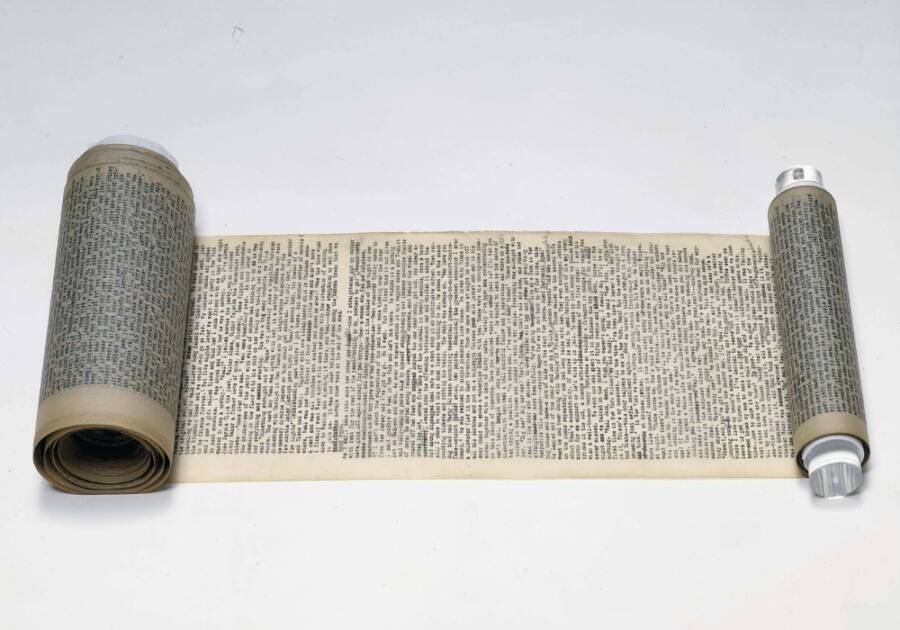
    ChristiesThe scroll containing Jack Kerouacs first draft of On the Road is 121 feet long.In April 1951, Jack Kerouac feverishly typed out the first complete draft of his masterpiece On the Road over just a three-week period. He famously taped sheets of paper together into a makeshift scroll so that he didnt have to stop writing in order to switch out the pages in his typewriter. Now, this original manuscript of the novel that defined the Beat Generation is heading to auction.The scroll is expected to fetch up to $4 million at an upcoming sale of music, literature, and sports memorabilia once owned by Jim Irsay, the former owner of the Indianapolis Colts who died in 2025. The auction will also feature instruments played by The Beatles, the saddle that Secretariat wore when he won the Triple Crown in 1973, and a journal belonging to Jim Morrison, but Kerouacs draft stands right alongside these celebrated artifacts as one of the most important literary documents still in private hands.Jack Kerouacs Scroll: The Famous First Draft Of On The RoadTo this day, Jack Kerouac remains one of the defining writers of the Beat Generation, a postwar literary movement focused on anti-materialism, sexual liberation, and a refusal to conform to the conventional idea of the American Dream.In the late 1940s, Kerouac began jotting down passages in his journal that would eventually become On the Road, a semi-autobiographical novel that follows the restless cross-country road trips of Sal Paradise (representing Kerouac) and his friend Dean Moriarty (based on Neal Cassady). The men travel the United States searching for freedom and meaning against a backdrop of jazz, drugs, and rebellion against American cultural norms.John Cohen, courtesy L. Parker Stephenson Photographs/National Portrait Gallery, Smithsonian InstitutionJack Kerouac in 1959, two years after On the Road was published.Then, over three frenetic weeks in April 1951, Kerouac sat down to type out the entire book. He taped together sheets of tracing paper before he began so that he wouldnt have to pause to change out pages in his typewriter. The final result was a 121-foot-long scroll.Heather Weintraub, a books and manuscripts specialist at Christies, told The Guardian, This is the original and only scroll for the first draft of Kerouacs masterpiece. Its widely considered to be the most iconic artifact of the Beat Generation, [and] one of the most celebrated artifacts in American literature When you roll it out it actually looks like a road.The scroll hadnt been broken into chapters or even paragraphs, and publishers wanted Kerouac to change the names of the characters, as hed used the real names of the people they were based on in the draft. Some of the more salacious sex scenes were also cut or heavily edited. After these changes were made, it wasnt until 1957 that Kerouacs novel was finally published.Once the book finally hit shelves, it achieved immediate success despite its mixed critical reviews. And today, it remains a cultural phenomenon which makes it unsurprising that Kerouacs original scroll is expected to sell for up to $4 million when it goes to auction next month.The Iconic Cultural Artifacts Of The Jim Irsay CollectionChristies recently announced that the collections of the late Jim Irsay will be sold across four auctions in March 2026. Irsay, who died in 2025, was a businessman and philanthropist who became the general manager of the Indianapolis Colts in 1984 and the primary owner of the team in 1997.Irsay had an extensive collection of historic Americana and memorabilia from musicians, authors, and athletes. According to a statement by Christies, Irsays unparalleled collection weaves together some of the most significant people, literature and events of recent history.Kerouacs scroll will be sold alongside instruments played by The Beatles, Eric Clapton, Kurt Cobain, Elton John, Prince, Johnny Cash, and several other world-famous musicians. The auction also includes an Apple II manual signed by Steve Jobs, Paul McCartneys handwritten Hey Jude lyrics, Secretariats saddle, the jersey Wayne Gretzky was wearing when he scored his 500th NHL goal, a bat used by Jackie Robinson, the volleyball from the film Castaway, and dozens of other artifacts from modern history.emdot/Wikimedia CommonsA closer look at the beginning of the scroll. Kerouac used Neal instead of Dean before his publisher had him change the names of the novels characters.A total of 199 items will be offered for sale, but the draft of On the Road is expected to fetch more than almost anything else: Experts estimate that the scroll will sell for between $2.5 and $4 million. Only two guitars one owned by David Gilmour of Pink Floyd and one played by Kurt Cobain in the Smells Like Teen Spirit music video are expected to bring in more.The scrolls sale has sparked some controversy, however. Those who knew Kerouac say he would have wanted his iconic draft to belong to the public. Indeed, Jim Irsay often loaned it out for exhibitions, and it will go on display in New York City ahead of the auction.I personally hope that a public institution will buy it, said Weintraub, so that it can be seen by everyone.After reading about the upcoming sale of Jack Kerouacs first draft scroll of On the Road, look through 35 photos that capture the heyday of the Beats in New York City. Then, learn about 21 historical figures who suffered from serious mental disorders.The post Jack Kerouacs First Draft Of On The Road, A 121-Foot Scroll He Typed In Three Weeks In 1951, Is About To Be Sold At Auction appeared first on All That's Interesting.
    0 Commentaires 0 Parts 203 Vue
  • ALLTHATSINTERESTING.COM
    Harold Holt, The Australian Prime Minister Who Went For A Swim And Disappeared
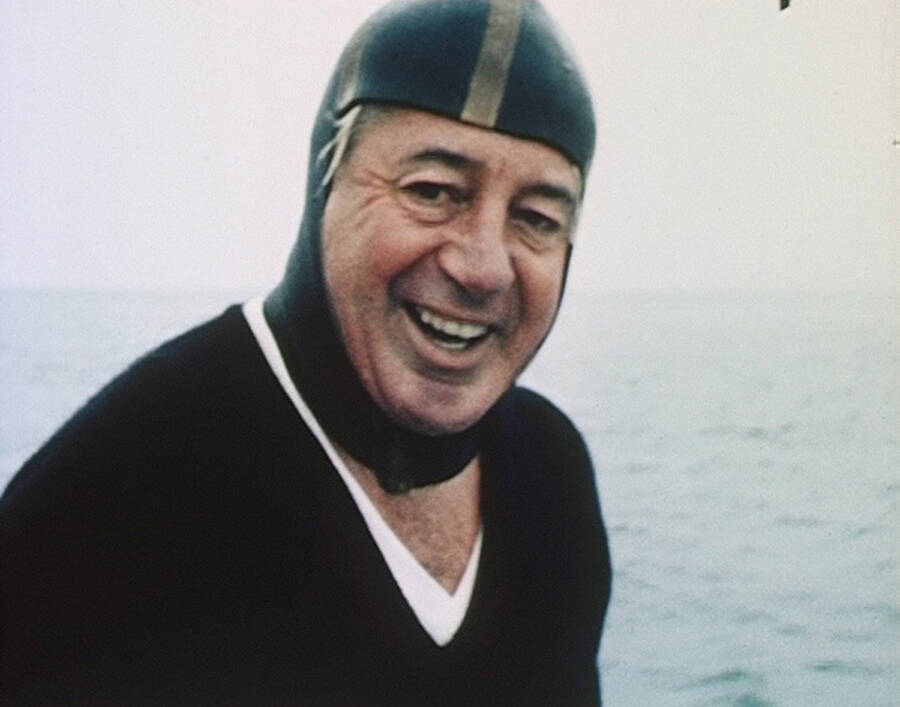
    National Archives of AustraliaHarold Holt near the beach in 1967.On Dec. 17, 1967, Australian prime minister Harold Holt met some friends at Cheviot Beach in Victoria, Australia. It was a hot day, and Holt decided to take a dip in the water. But to the horror of his friends on the shore, Holt suddenly disappeared beneath the turbulent waves.Holt was never seen again.In the years since, the circumstances of Holts disappearance have overshadowed the larger story of his life. Theyve also given rise to conspiracy theories, including that Holt was a spy, and that he was not drowned, but picked up by a Chinese submarine.This is the full story of Harold Holt, from his rise in Australian politics, to his 1967 disappearance, to the conspiracy theories that emerged in aftermath.The Path To Becoming Prime MinisterNational Museum AustraliaHarold Edward Holt became Australias 17th prime minister in 1966, at the age of 57.Born on August 5, 1908, Harold Edward Holt enjoyed political success from a young age. After studying law at University of Melbourne, Holt was elected to Australias federal parliament in 1935. At 26 years old, he was the youngest member of parliament that year, and held the seat of Fawkner, Victoria from 1937 to 1946, and Higgins, Victoria, from 1949 until 1966.Along the way, Holt steadily climbed the rungs of Australias Liberal party. He became the deputy leader of the Liberal party in 1956, and, a decade later, became the 17th prime minister of Australia at the age of 57.As prime minister, Holts performance was mixed. While he oversaw important changes like transitioning Australia from using pounds and pences to using dollars and cents, and made the government more inclusive for aboriginal people, his stance on the Vietnam War soured many Australians against him. Holt supported U.S. president Lyndon B. Johnson, and promised Johnson that Australia would be all the way with LBJ.Lyndon Baines Johnson Library and MuseumHarold Holt and Lyndon B. Johnson in October 1966.But he was ultimately in office for just two years. And Harold Holts death in 1967 would come to overshadow his life and political accomplishments. Harold Holts Disappearance At Cheviot BeachAccording to reporting from the Australia Broadcasting Corporation (ABC) in 2020, Harold Holt enjoyed swimming and spearfishing, and was even known to practice holding his breath during parliamentary sessions in order to become a better scuba diver. So it made sense that, during the Christmas holidays, hed head to the beach to relax and unwind. National Archives of AustraliaHarold Holt liked to swim, spearfish, and scuba dive.On Dec. 17, 1967, he went to Cheviot Beach in Victoria, Australia with a small group of people that included Marjorie Gillespie, a woman Holt was having an affair with. Though Holt was recovering from shoulder surgery, and had been told to take it easy, he was eager to get into the water. Telling his companions that he knew the beach like the back of my hand, Holt dove into the surf. However, the others found that the current even in shallow water was too strong. They stayed on the beach, and some time later, someone asked Gillespie if Holt always stayed in the water so long. Gillespie scanned the waves, and found that Holt had drifted far out to sea. This is when I was saying, Come back, come back. I was yelling. I knew he couldnt hear me, Gillespie recalled, according to ABC. At that stage, he was trying to come back. [Then] the water seemed to boil into colossal waves where he was [and] he couldnt come back this colossal, boiling mess of water came and then there was nothing.Holts disappearance beneath the waves, Gillespie said, was like a leaf being taken out. So quick and final.National Archives of AustraliaA search party on Cheviot Beach. Though Holts disappearance sparked one of the largest searches in Australian history, his body has never been found.News of Harold Holts disappearance launched one of the largest searches in Australian history. The Victorian Police, the Royal Australian Air Force, and Navy Search and Rescue soon arrived on the scene, and two airlines volunteered the use of their airplanes to help. According to The Conversation, dozens of divers and hundreds of people searched for Holt, and sharks were even gutted to see if theyd consumed the prime minister. But Holt was gone. Or was he?The Conspiracy Theories Surrounding Harold Holts DisappearanceTwo days after Harold Holts disappearance, the prime minister was declared dead. Three days after that, on December 22, some 20,000 people attended Holts memorial service at St. Pauls Cathedral in Melbourne. National Archives of AustraliaHarold Holts memorial service. His successor as prime minister, John McEwen, stands on the church steps with other world leaders.To some, that seemed to be the end of the story. For Lawrence Newell, the police inspector who investigated Holts disappearance in 1967, the story of Holts disappearance certainly seemed to be cut and dry.I think he went for a swim under conditions where he was most unwise, Newell remarked, and thats it.Indeed, Holt had nearly drowned at the same spot while snorkeling before. Whats more, hed been warned against physical exertion following his shoulder surgery, and he was taking medication for the pain. But in the years after Holt disappeared beneath the waves at Cheviot Beach, a number of conspiracy theories have bubbled to the surface. One suggested that Holt had died by suicide. Perhaps the prime minister had grown depressed by his decreasing popularity, or felt the weight of his decision to support the United States in the Vietnam War. Perhaps his marital woes had become too much to handle Holt allegedly had multiple affairs and Holt decided to end his life. Or, another theory suggests, perhaps Holt had faked his death in order to be with Gillespie.Another Vietnam-related theory suggests that the CIA perhaps wary of Holts commitment to the war had him killed. Meanwhile, some have speculated that Holt was abducted by a Chinese submarine, or even that he was a secret Chinese spy and that he swam out to a submarine because he knew that the Australian intelligence had discovered his true loyalty. Harry? Chinese submarine? his widow, Zara, exclaimed upon hearing this theory. He didnt even like Chinese cooking.Indeed, Holts family members have been quick to dispel any conspiracy theories. His son Sam Holt told The Australian that his father was a risk taker. Though others had avoided the rough waters on Cheviot Beach back in December 1967, Harold Holt had characteristically charged right in. Robyn Cox/FlickrCheviot Beach, where Harold Holt disappeared in 1967. Today, beach access is forbidden because of the treacherous conditions.Harold is not a person who feared for his personal safety. He never was; he would swim in places and times when others wouldnt, Sam Holt remarked. At the end of the day, Holt loved the water. He loved to swim. And it was seemingly in a nod to this passion, and not the circumstances of his death, that Australia opened the Harold Holt Memorial Swimming Center in 1969.After reading about the strange disappearance of Australian prime minister Harold Holt in 1967, discover the fascinating story of the Yowie, Australias Bigfoot. Or learn about the Great Emu War of 1932, during which Australians fought local emus and lost.The post Harold Holt, The Australian Prime Minister Who Went For A Swim And Disappeared appeared first on All That's Interesting.
    0 Commentaires 0 Parts 202 Vue
  • ALLTHATSINTERESTING.COM
    Tomyris, The Ancient Warrior Queen Who Brutally Beheaded Cyrus The Great
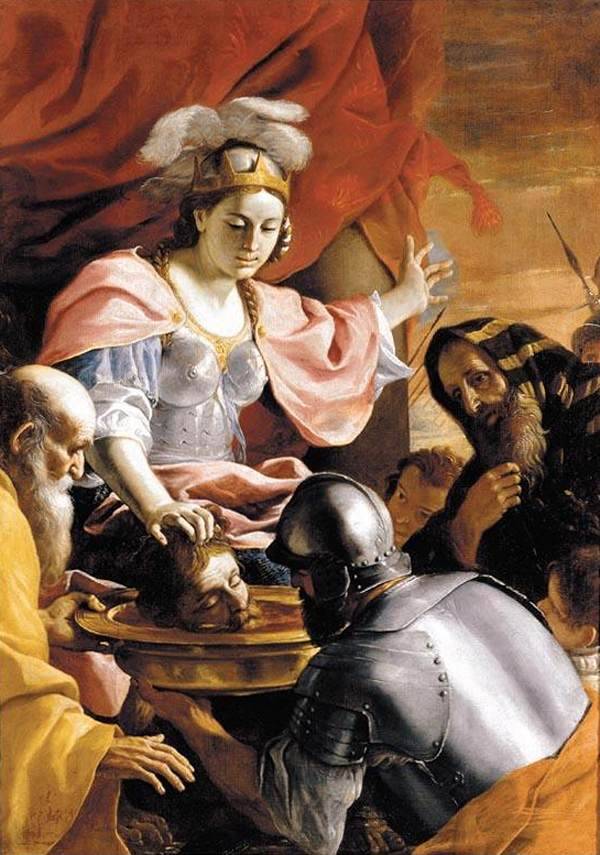
    Mattia Preti/Wikimedia CommonsQueen Tomyris, the warrior queen of the Massagetae.It was a clash between ancient rulers that reverberated through history. In 530 B.C.E., a warrior queen met the king of Persia in battle. And only one walked away.By any measure, the Persians should have won. Their king, Cyrus the Great, brought an army of 200,000 soldiers to conquer the steppe lands north of their empire. The grasslands were home to the Massagetae, a nomadic people known for their horsemanship. And in 530 B.C.E., Queen Tomyris ruled over the Massagetae.Cyrus assumed the Massagetae and their queen would be an easy conquest, but his attempt to defeat Tomyris ended brutally.The Warrior Queen Of The MassagetaeThe Persian Empire stretched from the Mediterranean Sea in the west to the Indus River in the east. It was one of the mightiest empires in the world, and the Persian army could outmatch any rival. In contrast, the kingdom of the Massagetae was much smaller.In the sixth century B.C.E., Queen Tomyris ruled the land north of Persia and east of the Caspian Sea. The Massagetae were a nomadic people who lived in the steppes of Central Asia. Massagetae women rode horses, fought in battle, and ruled.Andrea del Castagno/Uffizi GalleryQueen Tomyris, as imagined by the Renaissance artist Andrea del Castagno.They fight both on horseback and on foot, the Greek historian Herodotus wrote of the Massagetae in his Histories. They use bows and lances, but their favorite weapon is the battle-axe.Cyrus the Great, ruler of Persia, expanded the boundaries of his empire by conquering the Babylonians. Then he turned his attention north, to the Massagetae.There was just one problem: Queen Tomyris refused to bend the knee to the Persians.Tomyris ruled the Massagetae after her husbands death. Together with her son, Spargapises, the warrior queen defended her territory. Before sending his armies north, Cyrus tried a diplomatic solution: he sent ambassadors to Queen Tomyris asking if she would become his wife.The plan was a ruse to seize control. Tomyris saw through it as Herodotus says, she was aware that it was her kingdom, and not herself, that he courted. She rejected the proposal and told Cyrus to focus on ruling his own lands rather than trying to take hers.Undeterred, Cyrus sent his army north to invade the Massagetae lands.Queen Tomyris Versus Cyrus The GreatWith the Persian army on her borders, Queen Tomyris sent Cyrus a warning. If he did not retreat, the Massagetae would attack in three days. When those three days had passed, the Persians tricked the Massagetae. That trick would lead to Cyrus downfall.The Persians came up with a clever idea. Camped on one side of the river dividing Persia from Massagetae territory, their army pretended to retreat. When the Massagetae advanced, they found an abandoned camp stocked with wine.Chteau de VersaillesCyrus the Great riding into battle.The nomadic horsemen werent used to wine they did not grow grapes or ferment them. As Herodotus explained, the Massagetae primarily drank milk. In celebration of driving back the Persians, the Massagetae drank the wine. And when they got drunk, the Persians struck. They captured most of the Massagetae soldiers, including Tomyris son. Shamed by his capture, Spargapises pleaded with Cyrus for permission to end his own life. With Cyrus consent, Tomyris son killed himself.As detailed in Deborah Levine Geras book Judith, Tomyris blamed Cyrus for her sons death. She sent the king a message vowing to kill him. You bloodthirsty Cyrus, Tomyris raved, pride not yourself on this poor success. It was the grape juice which, when you drink it, makes you so mad it was this poison by which you ensnared my child, and so overcame him, not in fair open fight.Restore my son to me, Tomyris demanded. Refuse, and I swear by the sun, the sovereign lord of the Massagetae, bloodthirsty as you are, I will give you your fill of blood.Cyrus ignored the queens threat. The Queens RevengeTomyris demanded vengeance. I will give you your fill of blood, Tomyris vowed. When the Persian king ignored her, Tomyris raised her army. And then she attacked Persia. Ben Jonsons The Masque of Queens celebrated Tomyris as a warrior queen.The Massagetae faced off against the Persians in what Herodotus called the fiercest battle between non-Greeks. The enemies fought in close combat with lances and daggers, with neither side yielding.Cyrus assumed the Massagetae would be easy to defeat. After all, the Persians outnumbered their fighters and boasted a much larger empire. But the fierceness of Tomyris and her vow to slay Cyrus gave the Massagetae an edge.During the battle, Cyrus fell. In the aftermath, Queen Tomyris had her army search for the kings body among those of the fallen Persians. When they brought it to her, she cut off his head and thrust it in a vat filled with human blood.Jean-Simon Berthlemy/Wikimedia CommonsAn 18th-century depiction of Queen Tomyris by Jean-Simon Berthlemy.I live and have conquered you in fight, Tomyris declared, and yet by you am I ruined, for you took my son with guile.Tomyris shoved the decapitated head into the blood. Thus I make good my threat, and give you your fill of blood.Peter Paul Rubens/Museum of Fine ArtsTomyris being presented with Cyrus head, as depicted by Peter Paul Rubens.The story of Tomyris lived on long after the time of the Massagetae. Medieval artists drew the warrior queen beheading her foe. And Renaissance artists reenacted Tomyris punishment of Cyrus corpse.But did Tomyris truly kill Cyrus the Great in such a brutal manner? Few records survive from the final years of Cyrus reign. Herodotus, writing in the century after Cyrus death, claimed the story of Tomyris slaying the king had more evidence than any other explanation for the rulers death.What happened to Tomyris after pushing back the Persians? History does not record the next chapter in Tomyris life. Medieval writers claim the Massagetae evolved into the Huns who would later invade Europe on horseback.Although Tomyris vanished from historical records, her reputation for fierceness and brutality has lasted for thousands of years.Tomyris was one of many fierce warrior women in the ancient world. Next, read about the conqueror Queen Zenobia and learn more about the myth of the Amazon women.The post Tomyris, The Ancient Warrior Queen Who Brutally Beheaded Cyrus The Great appeared first on All That's Interesting.
    0 Commentaires 0 Parts 202 Vue
  • ALLTHATSINTERESTING.COM
    9 Scary Birds That Will Make You Cherish Your Spot On The Food Chain
    PixabayIf some of these scary birds were just two to three times larger, wed be in huge trouble.Birds are commonly associated with tranquility and freedom. But for every singing cockatiel with a cute Instagram, theres a terrifying pelican that can crush a baby crocodile in one bite. While the dangerous traits of these scary birds evolved to ensure their survival, some species give us a good reason to be afraid. Dont forget that even musical legend Johnny Cash was once nearly killed by an ostrich.Lets take a look at nine scary birds youd never want to encounter in the wild. The Deadly Beak Of The ShoebillNik Borrow/FlickrThe shoebill is aptly named, as its beak resembles a Dutch clog.The shoebill, or Balaeniceps rex, is undoubtedly one of the scariest-looking birds on the planet. It stands at the unnerving average height of four and a half feet with an eight-foot wingspan, and its seven-inch beak can tear through a six-foot lungfish with ease. Its beak resembles a Dutch clog sitting beneath a pair of enormous eyes that stare with prehistoric indifference. One could argue that the animals strange muppet-like appearance is endearing if it werent for the shoebills ferocious appetite.Native to the swamps of Africa, the scary shoebill birds prehistoric features are no coincidence. These birds evolved from a class of dinosaurs known as theropods an umbrella group that included the Tyrannosaurus rex. While not as enormous as that, the shoebill commands a ton of fear in the animal kingdom.In the past, this avian terror was referred to as the shoebill stork. That moniker was abandoned once experts realized it resembled pelicans more closely, particularly in their ruthless hunting habits. Nonetheless, the bird has since been classified into a league of its own, called Balaenicipitidae. Click here to view slideshowColloquially dubbed the "Death Pelican," shoebills have the third-longest bill of all birds behind storks and pelicans. Its interior evolved to be extremely spacious in order to satisfy the large birds' daily needs and produce a machine gun-like "clapping" sound that attracts mates and scares predators away.The shoebill's big beak is also useful for filling up with water to cool down, but it's more famous for its ability to kill. This daytime hunter stalks small animals like frogs and reptiles, bigger ones like the 6-foot lungfish and even baby crocodiles. These patient killers will routinely wait motionless in water for hours.When this scary bird sees an opportunity to feed, it'll spring into action and attack its prey at full-speed. The sharpened edge of its upper beak can pierce flesh and even decapitate prey. The shoebill uses its beak to make a sound like a machine gun.As for the shoebill's reproduction, it builds a nest on floating vegetation and typically lays one to three eggs at a time. Both male and female shoebills take turns incubating the eggs for more than a month and douse them with water to regulate temperatures. Unfortunately, the shoebill has become a lucrative commodity on the black market, yielding up to $10,000 per specimen. According to the International Union for Conservation of Nature, this and environmental factors have led to only between 3,300 and 5,300 shoebills remaining in the wild today.The post 9 Scary Birds That Will Make You Cherish Your Spot On The Food Chain appeared first on All That's Interesting.
    0 Commentaires 0 Parts 202 Vue
  • ALLTHATSINTERESTING.COM
    Meet Rachel Knight, The Enslaved Woman Who Helped Found The Free State Of Jones
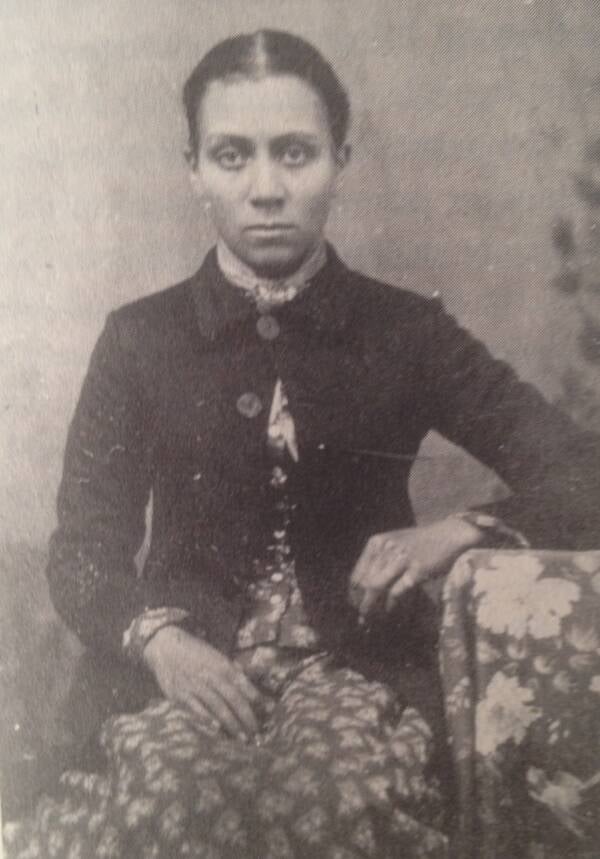
    As the Civil War raged on in Mississippi, a Confederate deserter named Newton Knight and his band of Southern Unionists evaded capture by hiding in the swamps of Jones County but they didnt do it alone.Rachel Knight, a woman who had been enslaved by Knights grandfather, assisted and cared for the men in the swamps. She soon became a crucial ally of their cause and the common-law wife of Newton Knight.But although the legacy of Newton Knight and his men lives on, Rachel Knights pivotal role in the story has been largely forgotten by history.The Early Years Of Rachel KnightKnight FamilyOne of only two photos believed to exist of Rachel Knight.Rachel Knight was born into slavery in 1840, in Macon County, Georgia. Forced to work in the fields and in the home of her first enslaver, Knight was also subjected to sexual abuse at the hands of her owner, his sons, and other local white men. She gave birth to her first child when she was just 15. Shortly thereafter, Rachel Knight became pregnant again. She was then moved to the home of another slaveholder, John Jackie Knight, in Jones County, Mississippi. There, she gave birth to her second child.Once again, Rachel Knight was forced to perform household labor. She was also subjected to sexual abuse again by Jackie Knights son, Jesse Davis Knight. Around 1860, she gave birth to his son, Jeffrey Early Knight.After the birth of Jeffrey, Jackie Knight deeded Rachel and Jeffrey to Jesse Davis Knight in his will, ensuring the enslavement of his own grandchild.Despite the trauma of Rachel Knights early years, she was able to find some time to herself by tending to her garden and becoming a folk doctor, treating enslaved people on her plantation and runaway slaves from elsewhere.Her position in the Knights home, talents as a healer, and connections with other slaves would all prove advantageous during the Civil War.How The Free State Of Jones EmergedPublic DomainNewton Knight was the grandson of the man who owned Rachel Knight and later became her common-law husband.Rachel Knight probably knew of Newton Knight before the Civil War. After all, he was the grandson of Jackie Knight and the nephew of Jesse Davis Knight. Though the nature of Newtons relationship with Rachel before the war remains unclear, their stories would soon become inextricably linked.In January 1861, Mississippi seceded from the Union, and members of the states secession convention made it very clear why: Our position is thoroughly identified with the institution of slavery the greatest material interest of the world. Mississippi, along with other pro-slavery states in the South, would then form the Confederate States of America. Soon after, the Civil War would erupt in April 1861. At first, Newton Knight enlisted to fight on behalf of the Confederacy, perhaps to avoid being drafted or because he simply enjoyed being a soldier.But unlike other Confederate soldiers, Newton Knight was against secession and likely had no interest in preserving slavery. He was a yeoman farmer and did not want to fight a slaveholders war. By 1862, he had deserted the Confederate Army.Though Newton Knight was briefly captured for desertion in 1863 and forced to return to service, he deserted yet again and made his way back to his ruined farm in Jasper County, on the border of Jones County. But he was not alone he had a band of self-described Unionists by his side.STX EntertainmentThe 2016 movie Free State of Jones stars Mahershala Ali, Matthew McConaughey, and Gugu Mbatha-Raw.In Jasper and Jones Counties, Newton Knight and his allies both white and Black evaded capture by hiding in the swamps. They then waged a guerrilla war against the Confederacy, seizing supplies meant for troops, impairing the tax collection system, and killing Confederates.But they may not have survived had it not been for Rachel Knight. Newton Knights most reliable ally and source of sustenance, she provided food, medicine, and other supplies for him and his men. In return, Newton Knight did what he could to help secure her freedom. In the meantime, Rachel Knight used her position in the Knight home to pick up critical information about the Confederate Army. And when Confederates tried to use bloodhounds to find Newton Knight and his men, she taught the Confederate deserters how to sprinkle red pepper to irritate the dogs noses and how to hide glass and poison in the dogs food.It certainly helped that Jesse Davis Knight was largely out of the picture, fighting for the Confederates. And though he had briefly returned home in 1863, he would die the next year of pneumonia at a military hospital.By 1864, Newton Knight had overthrown the Confederate authorities in Jones County. It later became known as the Free State of Jones and some claim that it actually seceded from the Confederate States of America.The Legacy Of Rachel Knight And Her FamilyHerman Welborn CollectionA presumed photo of Rachel Knight, taken sometime after the Civil War. At some point, Newton Knight formed a relationship with Rachel Knight. By the end of the Civil War in 1865, the two had left behind the swamps to return to Newtons home. There was just one small problem Newton Knight was already married to a white woman named Serena.Newton Knight decided to construct a new home for Rachel and her children on the same farm where he and Serena lived. By 1870, Rachel Knight had six children in total, two of whom had likely been fathered by her first enslaver or his son, two of whom had been fathered by Jesse Davis Knight, and two of whom had been fathered by Newton Knight.As the years went on, Rachel and Newton Knight would go on to have three additional children together. Newton never divorced Serena with whom he had nine children but the couple eventually separated. Meanwhile, Newton Knight began a common-law marriage with Rachel. Already considered a traitor for fighting against the Confederacy, Newtons choice to claim his mixed-race children led to his reputation being damaged in Mississippi and his family members becoming social pariahs.However, Rachel did get to enjoy some financial independence in her final years, since Newton Knight deeded 160 acres of land to her in 1876. And in 1881, she joined the Church of Jesus Christ of Latter-day Saints, making her perhaps one of the earliest Black Mormons. She died in her late 40s in 1889, and Newton Knight had her buried in the Knight Family Cemetery.The following years were turbulent for the Knight family. Many of Rachels children were subjected to Jim Crow. Descendants of Newton and Serena often refused to acknowledge the descendants of Newton and Rachel. Sadly, the division among the descendants of Newton Knight continues to this day. And as a result, the legacy of Rachel Knight was largely forgotten until the 2016 release of the film Free State of Jones, starring Matthew McConaughey as Newton Knight and Gugu Mbatha-Raw as Rachel Knight. Now, the story of Rachel Knight is getting a new wave of interest. Unfortunately, there are no written records of her thoughts. But from assisting Confederate deserters to helping found the Free State of Jones, theres no question that she found moments of triumph in the midst of tragedy despite having all the odds stacked against her.After learning about Rachel Knight, read about how Robert Smalls escaped from slavery by stealing a Confederate ship. Then, take a look through these haunting photos that show the reality of the Civil War.The post Meet Rachel Knight, The Enslaved Woman Who Helped Found The Free State Of Jones appeared first on All That's Interesting.
    0 Commentaires 0 Parts 203 Vue
  • WWW.DUALSHOCKERS.COM
    All Ending Requirements in Cairn
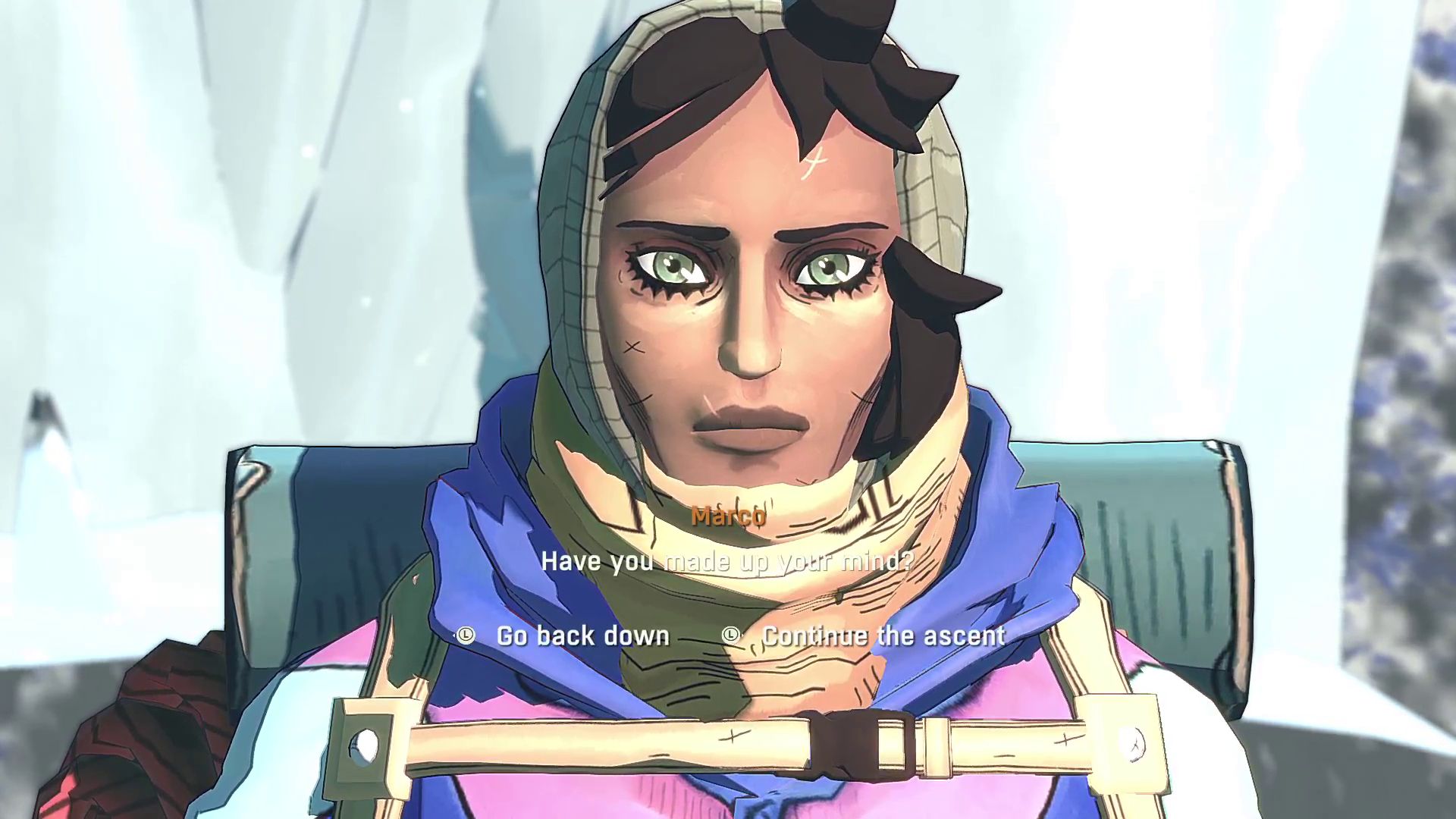
    Cairn has a lot to offer, from difficult and adventurous rock-climbing to a very well-written and meaningful story, but that story goes a bit deeper when you factor in the two different endings. Each one is the result of a choice you'll make for Aava, whether she should finish her journey or call it quits and head home.
    0 Commentaires 0 Parts 208 Vue
  • WWW.MASHED.COM
    Where To Find The Hands Down Best Chain Restaurant Ribeye Steak (According To Reviews)
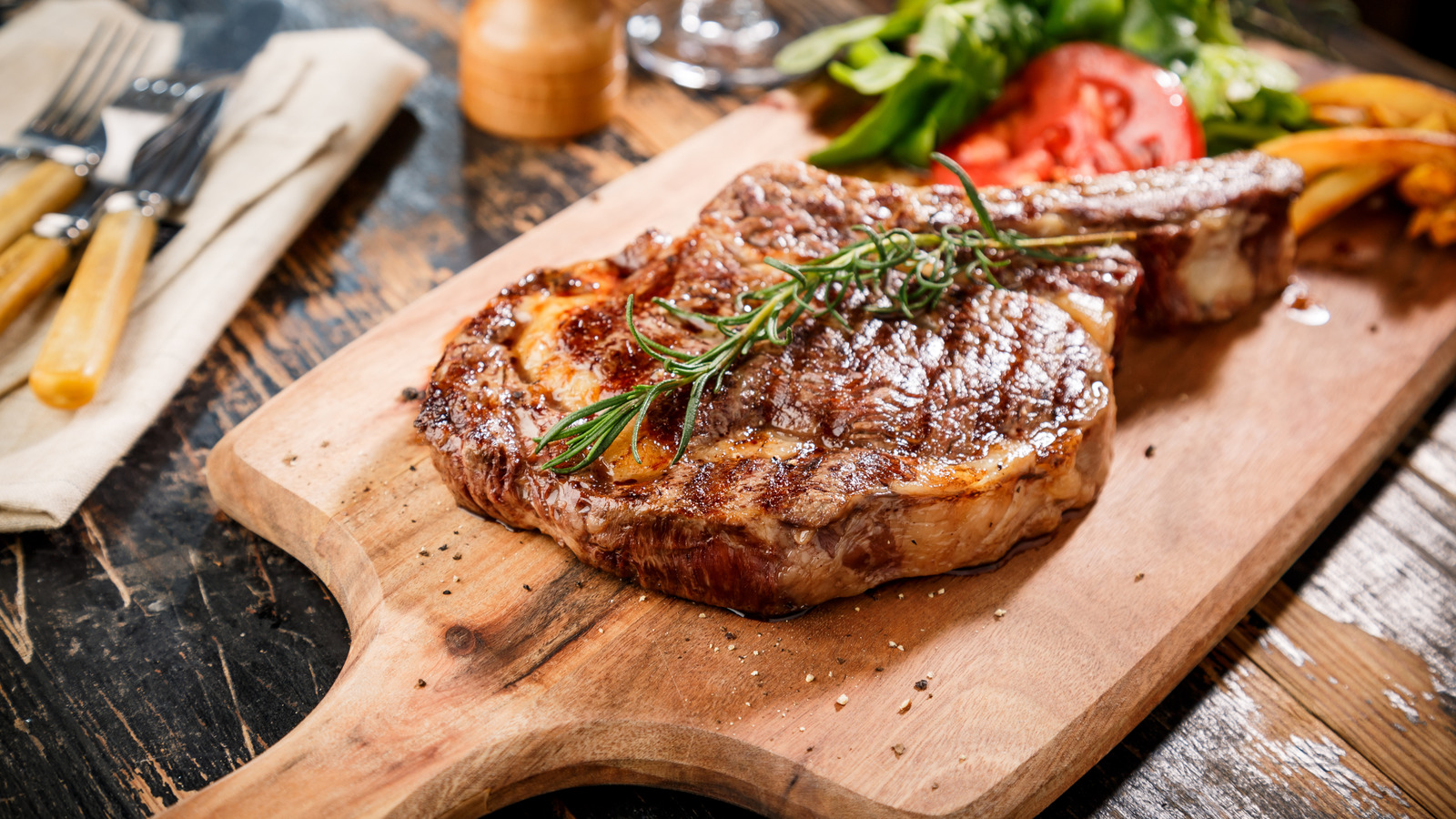
    Many restaurants could claim to make the best ribeye. However, customer reviews suggest the 22-ounce offering from this chain is a cut above the rest.
    0 Commentaires 0 Parts 205 Vue
  • 0 Commentaires 0 Parts 243 Vue