0 Yorumlar
0 hisse senetleri
2 Views
Rehber
Elevate your Sngine platform to new levels with plugins from YubNub Digital Media!
-
Please log in to like, share and comment!
-
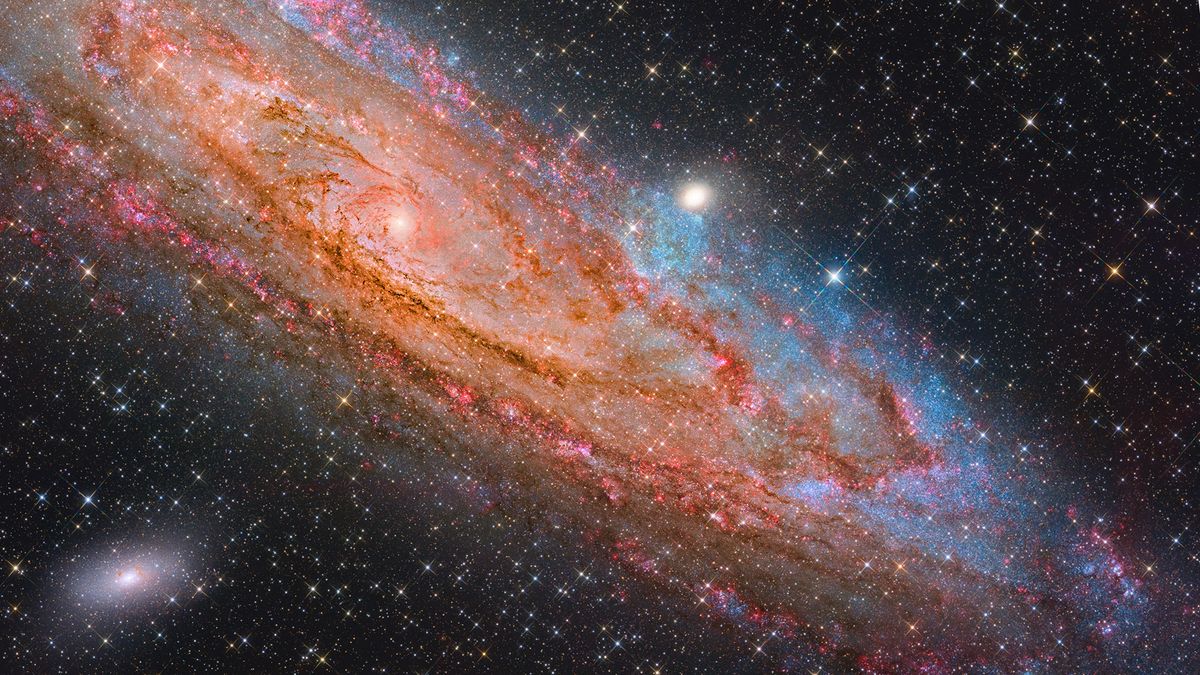
WWW.IFLSCIENCE.COMComets, Eclipses, Auroras And Other Awe-Inspiring Night Sky Phenomena Sparkle In Astronomy Photographer Of The Year ShortlistThis year features some truly spectacular compositions.0 Yorumlar 0 hisse senetleri 2 Views -
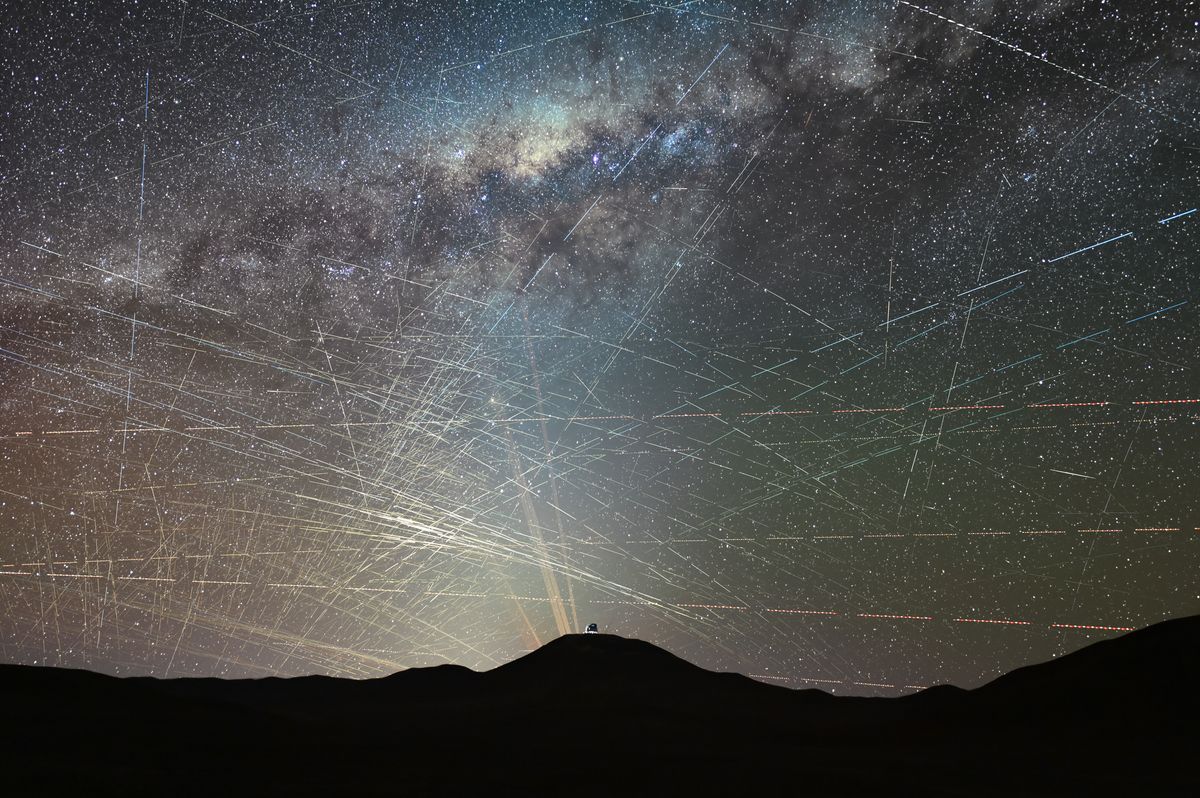
WWW.IFLSCIENCE.COM100,000 Faint Satellites May Be Maximum Number Before Earth-Based Astronomy Is UnworkableAn analysis of satellite pollution finds our ability to do ground-based astronomy has never been more at risk.0 Yorumlar 0 hisse senetleri 2 Views -
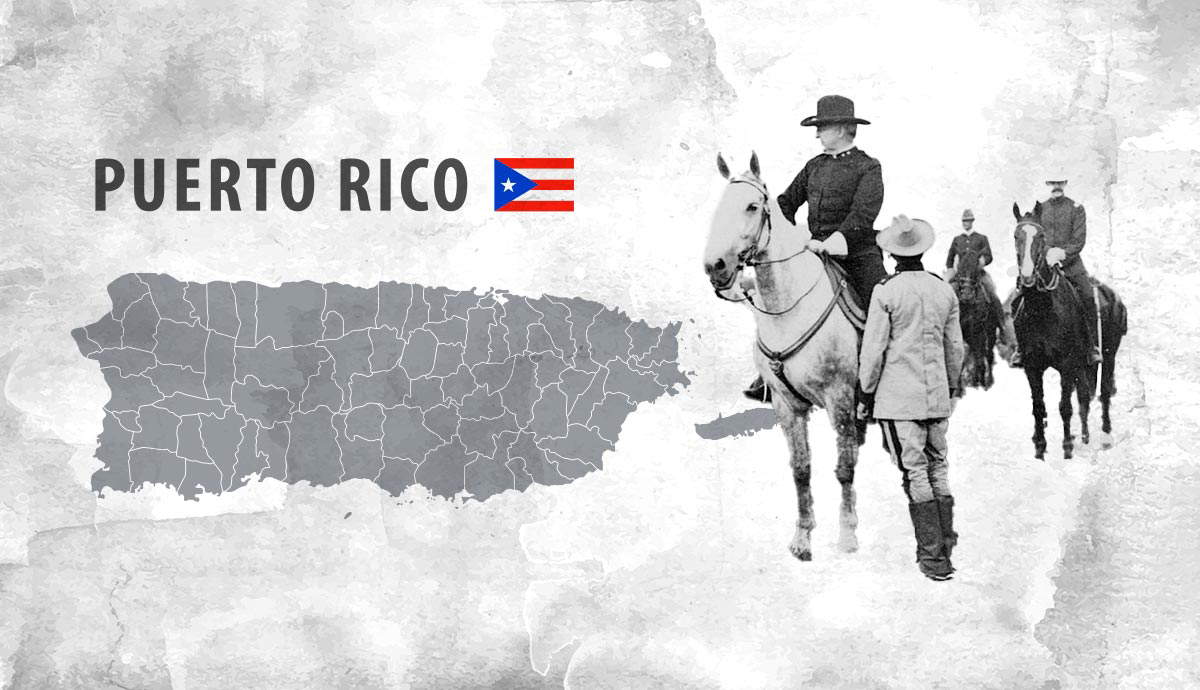
WWW.THECOLLECTOR.COMThe 1898 Campaign That Made Puerto Rico an American TerritoryOne of the most successful US military campaigns at the end of the 19th century was the conquest of Puerto Rico. Unlike the other battles to conquer Spanish-controlled territory, the seizure of Puerto Rico came at a low cost in lives and led to the US gaining control over a strategically significant territory.Why Did the United States Invade Puerto Rico in 1898?A map of every theater of the Spanish-American War in 1898. Source: United States Military Academy Department of HistoryAfter the sinking of the USS Maine in Havana in February 1898, the United States declared war on Spain, taking the opportunity to occupy as many Spanish colonies as possible. Washington hoped to establish itself as a dominant force in the Western Hemisphere and to show Europe that its military was a force to be reckoned with. Its main targets were Cuba, Puerto Rico, the Philippines, and Guam.Puerto Rico was a Spanish-controlled island that had long been on the radar of American policymakers as a strategic base. Unlike Cuba, it did not have an active revolution taking place there when the US invaded. In 1897, Spain decided to grant the island a degree of autonomy to avoid a repeat of the revolutions then convulsing what remained of the ailing Spanish empire.The locals were divided: some wanted more autonomy or full independence, others supported the status quo. The economy was based almost entirely on agro-exports and life was difficult for most of the one million-or-so inhabitants. The population was a mix of Spanish-born peninsulares, island-born criollos, and a significant population of African descent, with slavery having been abolished only 25 years earlier in 1873.The influential naval theorist Alfred Thayer Mahan argued for years that American control over Puerto Rico was crucial for American power projection. The Office of Naval Intelligence had been gathering information on Spanish defenses on the island since 1896. As early as 1894, the college began formulating plans for a war with Spain including an invasion of Puerto Rico. In the months before the landings, American spies traipsed the island to gather intelligence about Spanish manpower on the island.How Did General Nelson A. Miles Execute the Gunica Landing?General Miles after landing on Gunica Bay, 1898. US Library of CongressAfter the American declaration of war, the US Navy began bombarding Spanish ports in Puerto Rico to prevent Spanish ships from attacking American transport ships heading for Cuba and Puerto Rico. From May to August, American warships launched salvos at the fortifications of San Juan, the islands capital. Additionally, the US Navy devastated Spanish vessels sailing to intercept them. Over several months, two warships and several smaller steamships were sunk by the blockading American forces.These successes enabled the Americans to prepare an amphibious assault against Spanish positions. The grizzled combat veteran Major General Nelson Miles was assigned command of an American force numbering around 16,000 men. He planned to land the vanguard of his forces on the southern part of the island in Gunica Bay.Afterwards, he would launch a multi-pronged assault on San Juan. His force consisted of two divisions and several independent brigades of regulars and volunteers. The Spanish under Governor-General Manuel Macas y Casado had a similar number of men stationed all over the island, but many of their best troops had been sent to Cuba.On July 25, a detachment of American sailors and marines seized the Gunica Lighthouse. American troops began to pour ashore, helped by the fact that most Spanish troops were on the northern part of the island. General Miles had disregarded his orders and his landing on the southern shore surprised both the Spanish and his own superiors. He advanced quickly towards the city of Ponce and continued to attack Spanish positions in southern Puerto Rico.What Role Did Puerto Rican Civilians Play in the American Advance?A portrait of Jos Julio Henna Prez, a Puerto Rican activist who encouraged the US to invade the island. Source: FamilySearchAmerican forces were pleasantly surprised to be welcomed by the locals. Many Puerto Ricans had a poor standard of living and resented the declaration of martial law issued in 1898. While Spain had conceded autonomy and many Puerto Ricans served in Spanish uniform, Madrid never truly commanded the respect of the masses, while America was seen as a more successful, industrialized nation than Spain. The Cuban Revolutionary Party had a Puerto Rican section that encouraged pro-American sentiment on the island before the invasion.After the occupation of Ponce, General Miles issued his Proclamation to the Inhabitants of Porto Rico. He declared that the United States was a liberating force that would protect local property and rights. Additionally, he promised that US forces would treat the civilian population well. Its benevolent tone and the correct behavior of US troops encouraged large numbers of locals to provide intelligence to the Americans. No major insurgency developed in the rear of General Miless forces. US troops found themselves liberally supplied with food and other necessities by gracious Puerto Ricans.General Miles did face some challenges from the locals. A minority of islanders remained in Spanish ranks, either fighting pitched battles against the Americans or staging ambushes. Additionally, bands of peasants known as Partidas Sediciosas attacked major farms and stores due to the collapse of law and order. While these bands technically helped the Americans, they caused a problem because Miles did not want chaos to engulf the island while he seized it. He was forced to deploy troops to suppress these bands.What Were the Major Battles of the Puerto Rican Campaign?American troops near the town of Arroyo, 1898. Source: Fundacin Luis Muoz MarnGeneral Miles brought reinforcements ashore soon after seizing Ponce and divided his force into four columns. He planned to exploit the Spaniards confusion and use speed as a strategic weapon. All four columns were to unite outside San Juan for the final assault on the capital. Over the next several weeks, American and Spanish forces fought a series of engagements that led to the American conquest of the island.On August 5, Brigadier General Peter C. Hainss column moved east from Ponce to capture the port of Guayama. His men trounced a smaller Spanish force, but halted before formidable fortifications on Guaman Heights. A couple of days later, Major General James H. Wilson fought one of the most intense engagements of the campaign when he conducted a multi-front offensive against Spanish positions at Coamo. Notwithstanding a slight failure to seize the lighthouse at Fajardo, American forces made steady progress towards San Juan.As the US columns converged on the central mountain range, they faced their toughest test at Asomante, near Aibonito. For several days, American troops conducted reconnaissance of Spanish positions, aided by Puerto Rican scouts. On the morning of August 12, American troops under Colonel Samuel Reber attempted to storm Spanish artillery positions on the high ground. However, Spanish forces and local auxiliaries poured fire into the American attackers, forcing them to withdraw. Later that day, retreating Spanish forces were attacked on the Guacio River, leading to hundreds of casualties. On August 13th, a ceasefire was declared between both countries and Miles ordered his forces to halt before they could take control over San Juan.How Did the Treaty of Paris Solidify American Control?Exchange of the ratifications of the Treaty of Paris with Spain, 1899. Source: Library of CongressAfter conducting negotiations in France, American and Spanish diplomats made a peace agreement. On December 8, 1898, the Treaty of Paris was signed, ratifying a major victory for the United States. Spain was not only stripped of most of its overseas possessions, it also lost control over the Caribbean markets. The negotiations primarily concerned the future of Cuba and the Philippines, but the treatys provisions concerning Puerto Rico turned out to be very important for the islands future.Under Article II of the treaty, Spain officially ceded Puerto Rico to the United States. The US was granted full ownership of all former Spanish military installations and approximately 120,000 acres of public land previously owned by the Spanish Crown.Crucially, Article IX of the treaty specified that the civil rights and political status of the native inhabitants shall be determined by the Congress. This allowed the US to rule the island as an unincorporated territory indefinitely. This ambiguity caused significant problems because it allowed the United States to defer the decision on whether the island should be granted independence or statehood.For the next couple of years, the US maintained a military occupation of the island. The US implemented freedom of speech, press, and religion, established an eight-hour workday for government employees, and abolished the government lottery. However, a major hurricane devastated the island, killing thousands and causing a mass exodus of islanders. The US passed the Foraker Act in 1900, transferring the island to civilian control. However, the Supreme Court ruled in the Insular Cases that Puerto Rico was a territory that could not be granted full statehood. These decisions polarized Puerto Rican opinion and led to campaigns to change Puerto Ricos status.The Legacy of the Puerto Rican CampaignA protestor holds up a sign demanding independence for Puerto Rico, 2021. Source: The Progressive MagazineThe invasion of Puerto Rico was a textbook amphibious assault by the United States that secured the island at minimal cost. General Nelson Miles highlighted his military competence by exploiting Spanish weaknesses and driving the enemy back repeatedly. He did this without the customary 3-to-1 numerical advantage that an attacker usually requires when assaulting a defending force. In doing so, he secured control over an island that still plays a crucial role in US defense policy.Decisions by the United States over the following decades did not endear Washington to many Puerto Ricans. Despite American promises of liberty and economic advancement, much of the islands public remained in poverty for decades, thanks to poor decisions from the islands administrators and the wreckage from the hurricane. The Insular Cases made many islanders feel like second-class citizens. Additionally, much of the American public held deeply racist views towards Puerto Ricans.In the decades that followed, the islanders made gains to reverse some of the decisions made by the US in the aftermath of the war. The Jones Act of 1917 granted Puerto Ricans US citizenship. In 1948, Luis Muoz Marn became the first locally-elected governor. However, many hardliners continued demanding independence through force. The 1950s saw several terror attacks, including an attempted assassination of President Harry Truman.Since the 1960s, Puerto Rican politics has been dominated by the rivalry between the PPD (pro-commonwealth) and the PNP (pro-statehood), with multiple non-binding referendums consistently showing a population deeply divided over its future. The US may have occupied the island in an efficient manner, but it has failed to identify a sustainable path forward for its residents.0 Yorumlar 0 hisse senetleri 2 Views -
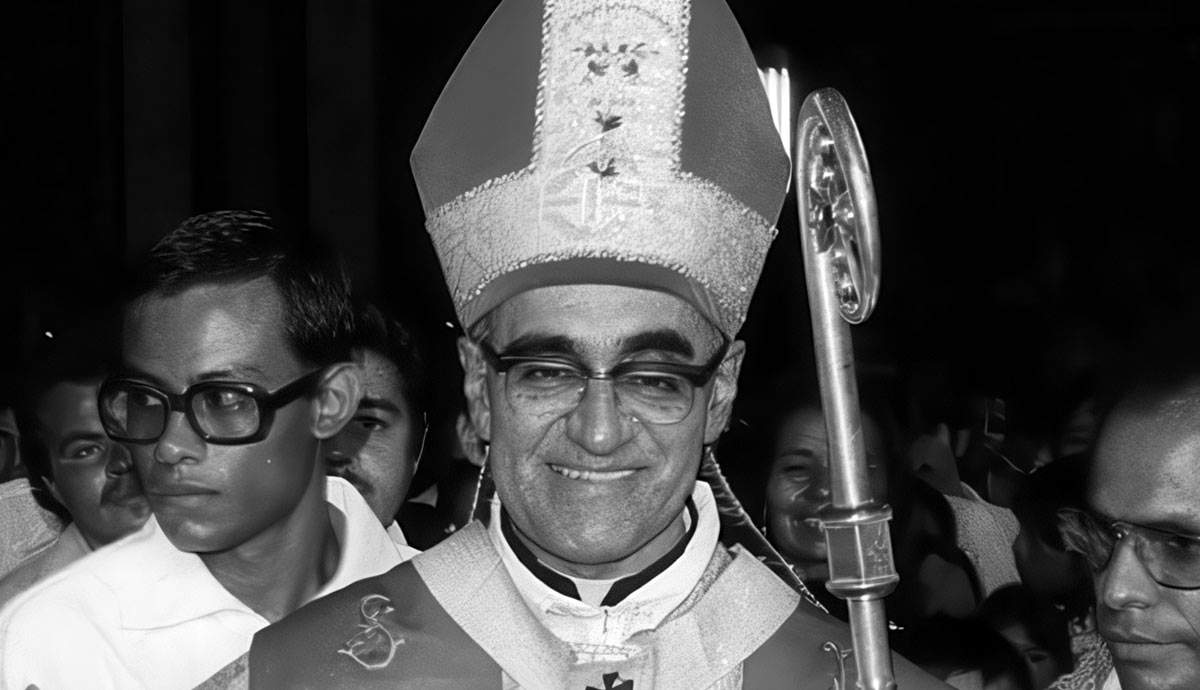
WWW.THECOLLECTOR.COMWho Killed scar Romero, Archbishop of San Salvador?As El Salvador careened toward civil war in 1980, a notable voice for the poor and oppressed, Archbishop scar Romero, was gunned down in church. A decade of violence, repression, and political upheaval followed. In the over 40 years since his death, no one has ever gone to prison for his murder. Who was responsible for not only silencing Romero, now a saint, but also ensuring that no one would be held accountable?Background: El Salvadors Impending Civil WarMembers of El Salvadors Atlacatl battalion cross a river during an operation in the San Miguel department, 1983, Robert Nickelsberg. Source: WLRNIn the late 1970s, El Salvador was on the brink of civil war. Decades of severe socioeconomic inequality favoring the landed elite minority had created a precarious power imbalance and a poor majority that was growing increasingly fed up with the situation. A military-elite coalition was necessary to maintain order, and it began to crumble as a slowly emerging middle class began pushing for reform. Violent crackdowns on opposition, supported internationally in the context of the Cold War, further radicalized the countrys citizenry, which continued to organize and found a surprising ally in the Catholic Church.Despite a long history of allying with conservative, elite governments, after Vatican II, some clergy had begun pursuing a more progressive approach to social justice issues, culminating in the birth of liberation theology. Focused on actively addressing the struggles and root causes of poverty, this ideology was necessarily at odds with many Latin American governments that sought to maintain the status quo, including El Salvador.Why Was Oscar Romero Murdered?Undated photo of Romero greeting worshippers in San Salvador, El Salvador, Octavio Duran/CNS. Source: The Catholic SunNamed Archbishop of San Salvador in 1977, scar Romeros closest friends maintain that he was never a liberation theologist, but a shift in his more conservative approach to social justice issues was seen shortly after he took on his new role. A fellow priest and close friend was gunned down by government forces for helping peasants to organize, and the tragedy seemed to radicalize him.He later said, If they killed him for doing what he did, then I too have to walk the same path. He not only began to speak out against military and paramilitary violence but became a voice for El Salvadors poor as well.By 1980, Romero had written to US President Jimmy Carter to plead with him to cease providing military aid to the governmentto no effect other than the Catholic radio station being bombed the day after he shared his letter with listeners. Colleagues reveal that Romero was receiving death threatsa bomb was even found behind the pulpit after one massand though he had come to see his assassination as inevitable, he continued to pursue his mission. On March 23, 1980, Romero delivered what would be his final appeal to El Salvadors military, demanding they stop the violence.Mastermind: Roberto dAubuissonMourners flee after explosions, and gunshots are heard at Romeros funeral. Source: El FaroThe very next day, while saying mass in the chapel of a hospital in San Salvador, Romero was shot and killed by a lone gunman, taking aim from a car through the open doors of the church.Despite Romeros fame and popularity, attempts to bring his killer to justice proved just as fruitless as the eras many other murder and disappearance investigations. Though it continued throughout the 1980s, the investigation faced numerous setbacks, including death threats leading a judge to resign.However, the unwillingness or inability to prosecute those responsible does not mean the details are unknown. Six weeks after the assassination, an ex-army intelligence officer with known death squad connections, Roberto dAubuisson, was arrested.DAubuisson, once a student of the infamous School of the Americas, had either resigned or been forced out of the military after the most recent coup but was still working with officers in secret and frequently appeared on television to denounce communists who often ended up dead shortly after.Roberto dAubuisson presides over a Constituent Assembly meeting in San Salvador, 1983. Richard Cross. Source: California State University NorthridgeThe raid resulted in a collection of documents connecting him to Romeros murder, including the Saravia Diary, a notebook belonging to former Air Force Captain lvaro Rafael Saravia. The details discovered in the documentation made it clear that dAubuisson, while not the assassin himself, had coordinated Romeros murder. They implicated some of his underlings as well and supported the accusation that led to the raid in the first placethat he was planning a coup.Yet dAubuisson was soon released, supported by the military segment of the coalition government, and went on to found ARENA, one of El Salvadors most powerful political parties. As rumors of his involvement in Romeros murder persisted, he paid someone to claim to be a guerrilla commander responsible for the assassination and maintained the accusation that Romero had been murdered by left-wing guerrillas throughout the war. After the conflict finally ended in 1992, an amnesty law banned criminal trials in connection with the thousands of civilian murders during the war. By the time a United Nations Truth Commission formally determined that dAubuisson had ordered Romeros execution and named the handful of death squad members whod carried it out, he was already dead of cancer.Enough Guilt to Go Around: Co-conspiratorsRonald Reagan with Salvadoran President Jos Napolen Duarte, 1987. Source: National ArchivesDAubuisson was hardly working alone. Death squads, as the right-wing paramilitary groups were often called, were not, in fact, rogue gangs; they were largely soldiers and police officers engaged in activities that were not officially sanctioned, giving the government plausible deniability. Much of the intelligence they used to carry out attacks came from the countrys military intel units, and a substantial amount of their support ultimately came from legitimate stakeholders in the countrys conflict: politicians, landowners, and businessmen.As the UN Truth Commission explained, . . . some of the richest landowners and businessmen inside and outside the country offered their estates, homes, vehicles, and bodyguards to help the death squads. They also provided the funds used to organize and maintain the squads, especially those directed by former Major DAubuisson.These same stakeholders also played a role in ensuring that paramilitary groups were never held accountable for their activitiesas did a key Cold War ally, the United States. Military aid to El Salvador skyrocketed during the war, despite the knowledge that arms as well as intel provided were being used by the death squads, while Ronald Reagans administration worked to discredit journalists attempting to report the truth. But beyond arming and funding the violence, there is also substantial evidence that the CIA actually knew who murdered Romero in the 1980s.Despite public calls for justice, the US felt that solving the crime would undermine broader efforts to ensure that the right maintained power in the fight against communism. Declassified CIA documents dated from 1987 demonstrate that they had substantial intelligence related to the murder, including a lengthy list of probable conspirators and even names of possible assassins.Accountability: lvaro Rafael Saravialvaro Rafael Saravia in 2010, being interviewed for El Faro. Source: El FaroIn a groundbreaking report first published by El Faro in 2010, lvaro Saravia, wanted in the US in connection with Romeros assassination, offered his version of events. While hiding somewhere in Latin America, Saravia insisted that he did not pull the trigger but acknowledged his involvement in the plot.He claims that dAubuisson ordered the assassination and that the team that carried it out included members from his organization as well as from the team of the former presidents son, Mario Molina. Others involved in the plot, according to Saravia, included the chauffeur, Amado Garay, and Captains Eduardo Avila and Fernando Sagrera, as well as the actual assassin. Many of the names Saravia provided can be found in declassified CIA documents of the era, and they supported the decades-old conclusions of the UN Truth Commission.The chapel where Romero was killed. It has been renamed in his honor. Source: Diario La HuellaSaravia also provided extensive details about the event, including that the assassination squad, unsure where the church was actually located, ended up taking two cars. The car Saravia was in, driven by a friend who was allegedly in the wrong place at the wrong time, parked out front, while the assassins car, a red Volkswagen Passat provided by dAubuisson, stopped behind the chapel. He also noted that they were working from a safe house owned by businessman Roberto Daglio, who helped bankroll dAubuissons illegal activities, and claimed that Eduardo Lemus OByrne, another Salvadoran businessman, gave him the 1,000 colones (equivalent to USD $114 in todays money) to pay the unnamed assassin.To date, the name of the person who actually pulled the trigger remains unverified. Saravia described the paid assassin as a tall, bearded man but never named him. In 2000, The Guardian investigative reporter Tom Gibb claimed that a number of associates of known death-squad member scar Prez Linares recalled him taking credit for the murder. Prez was a National Police detective who had long worked for dAubuisson to infiltrate rebel groups. He was killed in 1986 by a special police unit set up to investigate human rights violations, though the reporter notes one military officer suggesting Prez and his associates simply knew too much to be left alive.Justice for scar RomeroRomeros portrait hangs in St. Peters Square for his canonization, October 2018. Source: The Catholic SunThe amnesty laws enacted put an end to many pending investigations and trials related to paramilitary violence. Saravia, living in the US already, had at one point been named in the murder investigation, so the amnesty bought him a reprieve. But in 2003, the Center for Justice and Accountability filed a civil suit against Saravia, then selling used cars in Modesto, California. He fled but was found accountable and ordered to pay $10 million to a surviving relative of Romeros. Hes been in hiding since. To date, he is the sole individual held accountable, in some form, for Romeros murder.In 2016, the controversial post-war amnesty law was overturned in El Salvador, yet little progress has been made in bringing Romeros murderersthose who are still aliveto justice. In 2018, an arrest warrant for Saravia was issued, but he remains at large, and none of the other men he implicated were pursued. Though many of those Saravia claimed were involved have since been killed, Molina and Sagrera are believed to be still alive and living in El Salvador; Garay is in the witness protection program in the US.0 Yorumlar 0 hisse senetleri 2 Views -
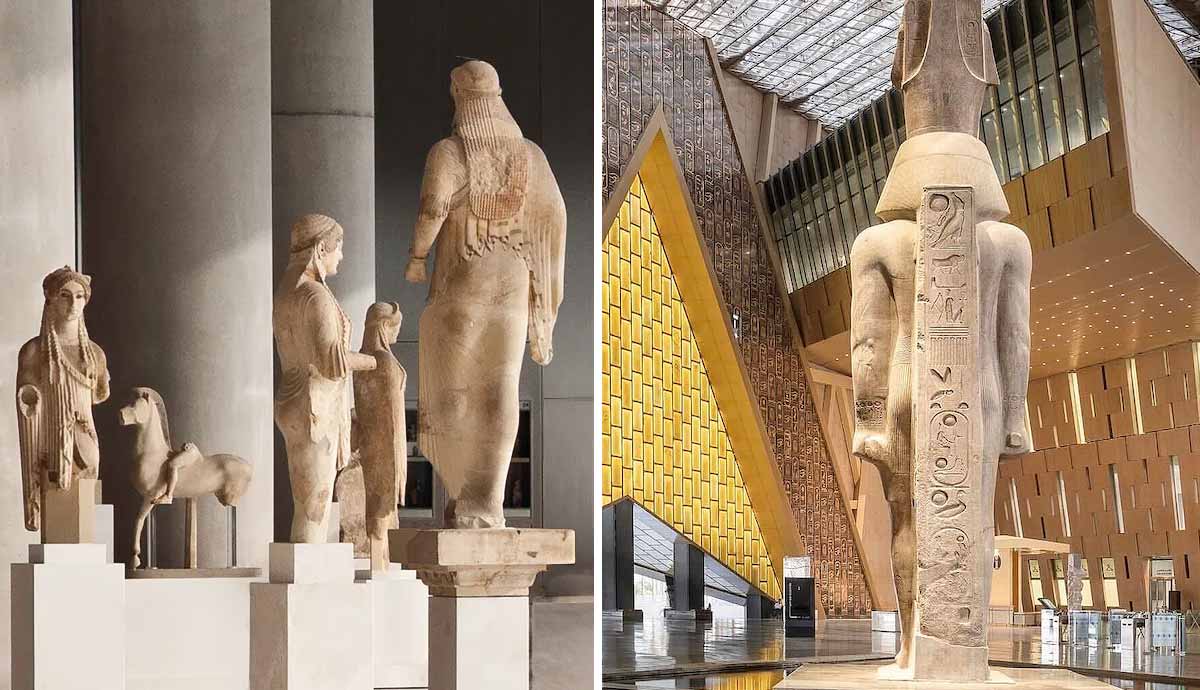
WWW.THECOLLECTOR.COM15 Great History Museums Every History Lover Must Visit at Least OncePhotos of the Acropolis Museum and Grand Egyptian MuseumWalking into a great history museum is the closest we can get to true time travel. From London and Berlin to Cairo and Mexico City, these 15 institutions rank among the best history museums in the world. Each museum holds culture-defining artifacts including the Rosetta Stone, the treasures of Tutankhamun, the Terracotta Warriors, the Parthenon sculptures, and much more.1. British Museum (London, UK)The British Museums Great Court is one of Londons most iconic museum interiors. Source: Wikimedia CommonsWelcoming over six million visitors annually, the British Museum has long been regarded as one of the best history museums in the world. Founded in 1753 as the worlds first national public museum, it now houses more than eight million objects spanning every continent and all of human history. It is considered a universal museum and remains free to enter.Rosetta Stone, 196 BC. Source: British MuseumFrom ancient Egypt to Anglo-Saxon England, its collection redefined how we understand global civilizations. Some of the collections are controversial, as there are questions around how they were obtained and if they should be returned, such as the Benin bronzes from West Africa and Greeces Parthenon marbles.Known for the Rosetta Stone, Parthenon sculptures, and Sutton Hoo Treasures.2. Pergamon Museum (Berlin, Germany)The reconstructed Market Gate of Miletus, one of the Pergamon Museums monumental highlights. Source: SMB, Foto: Becker.The Pergamon Museum is Berlins crown jewel, attracting millions with its full-scale reconstructions of ancient monuments. Located on Berlins famous Museum Island, it was conceived in the 1880s when Carl Humann discovered the remains of the Pergamon Altar in western Turkey and shipped it back to Berlin for reconstruction. However, construction difficulties meant that the museum did not open until 1930.The Ishtar Gate, which now resides in the Pergamon Museum in Berlin. Source: State Museums of BerlinThe museum is also home to the Ishtar Gate, a reconstructed Babylonian gateway made from shimmering turquoise-glazed bricks dating to the 6th century BC. There is also the Market Gate of Miletus, an example of Roman monumental architecture from the 2nd century AD.Known for the Ishtar Gate, the Market Gate of Miletus, and the Pergamon Altar.The main Pergamon Museum is currently closed for renovations, with galleries scheduled to reopen individually between 2027 and 2037. Meanwhile, visitors can see many of its treasures at the nearby Pergamon Museum: The Panorama.3. Grand Egyptian Museum (Giza, Egypt)Interior of the Grand Egyptian Museum in Giza. Source: Architect MagazineSituated in the shadows of the pyramids of Giza, the Grand Egyptian Museum is the largest archaeological museum in the world dedicated to a single civilization. Recently opened to the public after decades of planning, it is a state-of-the-art mega-museum that celebrates Egypts fascinating history. The museums glass facades are structurally aligned to provide panoramic views of the pyramids.The GEM presents the solid-gold core of King Tuts burial sequence in context. Source: Grand Egyptian MuseumThe museums most popular exhibition is the Tutankhamun galleries, as the museum houses all 5,398 artifacts together. It also has a colossal 3,200-year-old, 83-ton statue of Ramesses II and King Khufus solar boats, alongside plenty of Egyptian gold, pharaonic mummies, magic amulets, and more.Known for the Mask of Tutankhamun and the colossal statue of Ramesses II.4. Topkapi Palace Museum (Istanbul, Turkey)Topkapi Palace. Source: Wikimedia CommonsFor nearly 400 years, Topkapi Palace was the seat of Ottoman sultans. It now serves as one of Istanbuls most important museums. Opened in 1924, it reveals the opulence of imperial court life through jeweled treasures, sacred relics, and private chambers.The Imperial Council Hall of Topkapi Palace, where Ottoman sultans held court beneath a gold-leafed dome with remarkable acoustics. Source: Context TravelThe Harem, once a political and family center, is a highlight for most visitors, though only a fraction of its 300 rooms are open to the public. Important objects include the Topkapi Dagger, an emerald-encrusted ceremonial weapon; the pear-shaped, 86-carat Spoonmakers Diamond, one of the largest diamonds on public display; and 2,500 original garments from the imperial wardrobe.Known for the Topkapi Dagger, the Sacred Relics Chamber, and the Ottoman Imperial Harem.5. Vatican Museums (Vatican City)Art and antiquities in the Vatican adhere to a worldview that was shaped by the Church. Source: Wikimedia CommonsThe Vatican Museums are a group of palaces, galleries, and courtyards that hold collections amassed by the popes over the last five centuries. The museums were born when the statue of Laocon and His Sons was discovered. Pope Julius II bought the stunning piece and put it on public display, and the museums grew up around it.Apollo Belvedere, Roman marble copy of Greek bronze, late 4th century BC. Source: Vatican MuseumsThe museums have Renaissance masterpieces, many commissioned by the popes, such as Michelangelos Sistine Chapel. The Vatican also has one of the worlds finest collections of classical antiquity, mostly housed in the Pio-Clementino Museum, including the Belvedere Marbles.Known for Laocon and His Sons, Apollo Belvedere, Augustus of Prima Porta, and the colossal gilded bronze Hercules.6. National Museum of Anthropology (Mexico City, Mexico)The National Museum of Anthropology in Mexico City, with its central courtyard umbrella pillar. Source: Wikimedia CommonsMexicos most visited museum, the National Museum of Anthropology, attracts millions with its iconic modernist design and collection of Mesoamerican treasures. Opened in 1964, the museums vast galleries showcase Mexicos pre-Columbian cultures, from the Aztecs to the Maya.Funerary mask of Mayan ruler Kinich Janaab Pakal. Source: National Museum of Anthropology, Mexico CityFull-scale reconstructions bring ceremonial spaces to life. Among the most stunning is the full-scale reconstruction of the burial chamber of the great Mayan ruler Kinich Janaab Pakal with his actual green jade funerary mask.Known for the Aztec Sun Stone, the Olmec Colossal Heads, and Maya treasures.7. Acropolis Museum (Athens, Greece)The Acropolis Museum in Athens, built beneath the Parthenon to showcase its sculptures. Source: Louis Dalibard/Wikimedia Commons.Opened in 2009, the Acropolis Museum was built to display the masterpieces of the Acropolis of Athens in direct view of the Parthenon above. Its glass floors reveal ancient ruins beneath, while the Parthenon Gallery mirrors the temples original layout, offering unmatched context for the sculptures inside.Marbles from the Parthenon on display at the Acropolis Museum. Source: The Acropolis Museum, AthensBeyond the Parthenon, the museum also displays the original five Caryatids from the Erechtheion temple, the archaic Moschophoros (calf-bearer) sculpture, and a statue of Nike adjusting her sandals from the Temple of Athena Nike.Known for the Parthenon sculptures and the Caryatids of the Erechtheion.8. Museum of Qin Terracotta Warriors and Horses (Xian, China)Photograph of the Terracotta Army in Xian, China. Source: Wikimedia CommonsDiscovered in 1974, the ancient underground Terracotta Army is one of the greatest archaeological finds of the 20th century. The Museum of Qin Terracotta Warriors and Horses preserves thousands of life-sized warriors and horses, originally created to guard the tomb of Qin Shi Huang, Chinas first emperor. Each figure has a unique face, believed to reflect those of real soldiers from the Qin dynasty.The Terracotta ArmyWhile today the warriors appear in uniform clay-gray, they were originally painted in bright colors, including red, blue, green, and purple. The museum is using cutting-edge chemical stabilization to preserve these colors as new warriors are excavated.Known for the Terracotta Warriors, bronze chariots, and horses.9. National Museum of Korea (Seoul, South Korea)The National Museum of Korea in Seoul, the countrys largest cultural institution. Source: Richard Mortel/Wikimedia Commons.The National Museum of Korea is South Koreas largest and most prestigious cultural institution, attracting millions of visitors annually. Since 1945, it has preserved Koreas heritage, from prehistoric artifacts and Buddhist art to modern works, all within a museum surrounded by tranquil gardens and reflecting pools.Detail from the Pagoda of Gyeongcheonsa. Source: National Museum of KoreaThe first floor provides a chronological journey through Koreas history. The second floor is dedicated to calligraphy and painting, and the third floor showcases Asian Arts. The museum also boasts a reconstructed ten-story Pagoda of Gyeongcheonsa Temple from the 14th century.Known for the Gyeongcheonsa Pagoda, celadon ceramics, and Buddhist sculpture.10. National Archaeological Museum (Naples, Italy)Interior of the National Archaeological Museum, NaplesThe National Archaeological Museum in Naples is a favorite with Roman history lovers because it is the repository of finds from Pompeii and Herculaneum, tragically frozen in time by the eruption of Mount Vesuvius in AD 79. The collection includes frescoes, mosaics, jewelry, and more.Alexander mosaic, c. 4th-3rd Century BC, Pompeii. Source: National Archaeological Museum of NaplesThe museum also holds the Farnese Collection of sculptures, including the famous Hercules leaning on club sculpture that became a blueprint for Renaissance representations of male athleticism. The museum also holds the third-largest collection of Egyptian antiquities in Italy.Known for the Alexander Mosaic, the Farnese sculptures, and Egyptian collections.11. Apartheid Museum (Johannesburg, South Africa)The entrance to the Apartheid Museum in South Africa. Source: Wikimedia CommonsOpened in 2001, the Apartheid Museum is the only museum in the world devoted solely to South Africas apartheid era. Its exhibits trace the rise and fall of racial segregation while honoring the struggle for democracy.The Apartheid Museum in Johannesburg, uniquely devoted to South Africas apartheid era. Source: Apartheid Museum.Visitors to the Apartheid Museum begin their journey with tickets randomly classifying them as White or Non-White, a poignant reminder of apartheids daily reality. Due to its unique focus, it is recognized as one of the worlds best 20th-century history museums.Known for Apartheid-era exhibits and the Pillars of the Constitution.12. Imperial War Museums (London, UK)The Imperial War Museum in London, a leading museum of modern conflict. Source: Wikimedia CommonsThe Imperial War Museums are one of the worlds foremost institutions dedicated to the study of modern conflict. Founded in 1917, it documents the impact of war on people and society through vast collections that span the World Wars, the Cold War, and beyond. The Holocaust Galleries and dramatic displays of tanks, planes, and rockets remain deeply moving.A World War II Spitfire suspended in the Imperial War Museum. Source: Wikimedia CommonsBeyond the central London galleries, IWM Duxford is Europes premier aviation museum. The Churchill War Rooms are a secret underground bunker beneath Westminster that has been preserved. The MHS Belfast is a massive Royal Navy light cruiser permanently moored on the River Thames.Known for a World War II Spitfire, the Holocaust Galleries, and military vehicles in the atrium.13. Smithsonian National Museum of African American History and Culture (Washington, D.C., USA)The Smithsonian National Museum of African American History and Culture on the National Mall. Source: Wikimedia Commons.Opened in 2016, this Smithsonian institution is the first national museum devoted solely to African American history and culture. Its architecture, inspired by Yoruban art, makes it one of the most striking buildings on the National Mall in Washington, D.C. Inside, exhibits span slavery, civil rights, and contemporary culture, creating both a memorial and a celebration of African American life.Grand Dame Queenie by Amy Sherald, 2012. Source: National Museum of African American History & Culture, Washington D.C.The Slavery and Freedom Gallery has artifacts like an original weathered timber slave cabin from Edisto Island, South Carolina, and iron shackles used for captured children. The Era of Segregation gallery includes a massive 1940s segregated Southern Railway passenger cart.Known for Harriet Tubman artifacts, a segregated Jim Crow-era railcar, and civil rights galleries.14. National Museum of India (New Delhi, India)The National Museum in New Delhi, one of Asias largest museums. Source: Wikimedia CommonsOne of Asias largest museums, the National Museum of India, preserves over 200,000 works spanning 5,000 years. Founded in 1949, it houses Harappan relics, Mughal masterpieces, and more. Its Central Asian antiquities and relics associated with the Buddha make it not only a museum but also a destination for cultural pilgrimage.Dancing Girl, India, c. 2500 BC. Source: National Museum of IndiaCollection highlights include a 4,000-year-old bronze statuette of a dancing girl and a 5th-century standing Buddha made from pink sandstone. The museum also holds manuscripts, paintings, and silks that reflect trade along the Silk Road between India, China, and the West.Known for Harappan artifacts, Mughal miniatures, and Buddhist relics.15. Ashmolean Museum (Oxford, England)The Ashmolean Museum in Oxford. Source: Lewis Clarke via GeographThe Ashmolean Museum is the worlds first university museum and the oldest public museum in the English-speaking world. Originally a cabinet of curiosities built around objects collected by John Tradescant, it became the blueprint for modern museums.A pendant depicting Alfred the Great. Source: Ashmolean Museum, OxfordIt is more manageable than some of the mega museums, but still holds internationally important collections. These include the Alfred Jewel, a rare Anglo-Saxon treasure, the Jericho Skull, a plaster-faced human skull from around 7000 BC, and the Messiah Stradivarius, considered the most valuable violin on Earth.Known for Egyptian collections, musical instruments, and the Arthur Evans Minoan Collection.Quick Facts: Must-Visit History MuseumsMuseumLocationClaim to FameBritish MuseumLondon, UKRosetta Stone, Parthenon sculptures, and Sutton Hoo TreasuresPergamon MuseumBerlin, GermanyIshtar Gate, Market Gate of Miletus, and the Pergamon AltarGrand Egyptian MuseumGiza, EgyptTutankhamun treasures and the colossal statue of Ramesses IITopkapi Palace MuseumIstanbul, TrkiyeTopkapi Dagger, the Sacred Relics Chamber, and the Ottoman Imperial HaremVatican MuseumsVatican CityLaocon and His Sons, Apollo Belvedere, Augustus of Prima Porta, and the colossal gilded bronze HerculesNational Museum of AnthropologyMexico City, MexicoAztec Sun Stone, the Olmec Colossal Heads, and Maya treasuresAcropolis MuseumAthens, GreeceParthenon sculptures and the Caryatids of the ErechtheionMuseum of Qin Terracotta Warriors and HorsesXian, ChinaTerracotta Warriors, bronze chariots, and horsesNational Museum of KoreaSeoul, South KoreaGyeongcheonsa Pagoda, celadon ceramics, and Buddhist sculptureNational Archaeological MuseumNaples, ItalyAlexander Mosaic, the Farnese sculptures, and Egyptian collectionsApartheid MuseumJohannesburg, South AfricaApartheid-era exhibits and the Pillars of the ConstitutionImperial War MuseumsLondon, UKWorld War II Spitfire, the Holocaust Galleries, and military vehicles in the atriumSmithsonian National Museum of African American History and CultureWashington, D.C., USAHarriet Tubman artifacts, a segregated Jim Crow-era railcar, and civil rights galleriesNational Museum of IndiaNew Delhi, IndiaHarappan artifacts, Mughal miniatures, and Buddhist relicsAshmolean MuseumOxford, EnglandEgyptian collections, musical instruments, and the Arthur Evans Minoan Collection0 Yorumlar 0 hisse senetleri 2 Views -
WWW.DUALSHOCKERS.COMSony No Longer Releasing Physical Games Despite Vocal Consumer PreferencesFollowing the recent news that there will be no physical copies of Grand Theft Auto VI (it's just a download code inside the box), Sony continues to push a digital future against our own wishes.0 Yorumlar 0 hisse senetleri 4 Views -
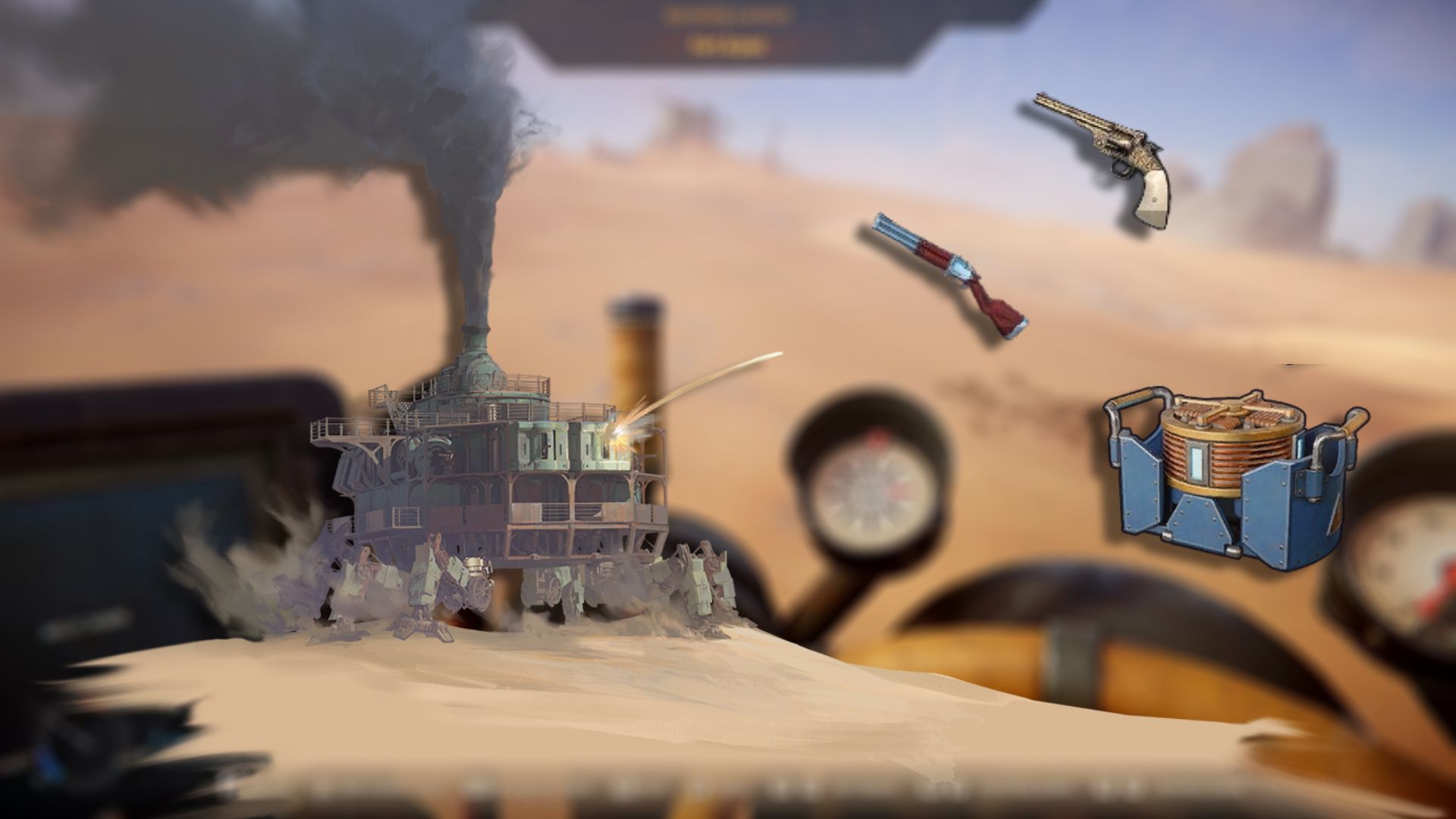
WWW.DUALSHOCKERS.COMHow to Complete a Fort in Sand: Raiders of SophieThe extraction shooter Sand: Raiders of Sophie comes with more than a few places to visit, and most of those places can be pretty straightforward loot-wise. A couple of locations may have left you confused, as they did me, and those are Forts.0 Yorumlar 0 hisse senetleri 4 Views -
WWW.BGR.COMHow To Easily Free Up Space On Your RokuSometimes, you might run into issues when trying to add new apps on your Roku device, possibly because too much storage space is being used.0 Yorumlar 0 hisse senetleri 2 Views -