0 Kommentare
0 Geteilt
175 Ansichten
Verzeichnis
Elevate your Sngine platform to new levels with plugins from YubNub Digital Media!
-
Bitte loggen Sie sich ein, um liken, teilen und zu kommentieren!
-
YUBNUB.NEWSHamas terrorists use ambulances, schools, hospitals in violation of US-brokered ceasefire, IDF official saysNEWYou can now listen to Fox News articles! FIRST ON FOX: Amid the recent start of phase two of the U.S.-brokered ceasefire between Hamas and the Jewish state, the Israel Defense Forces (IDF) claim that0 Kommentare 0 Geteilt 175 Ansichten -
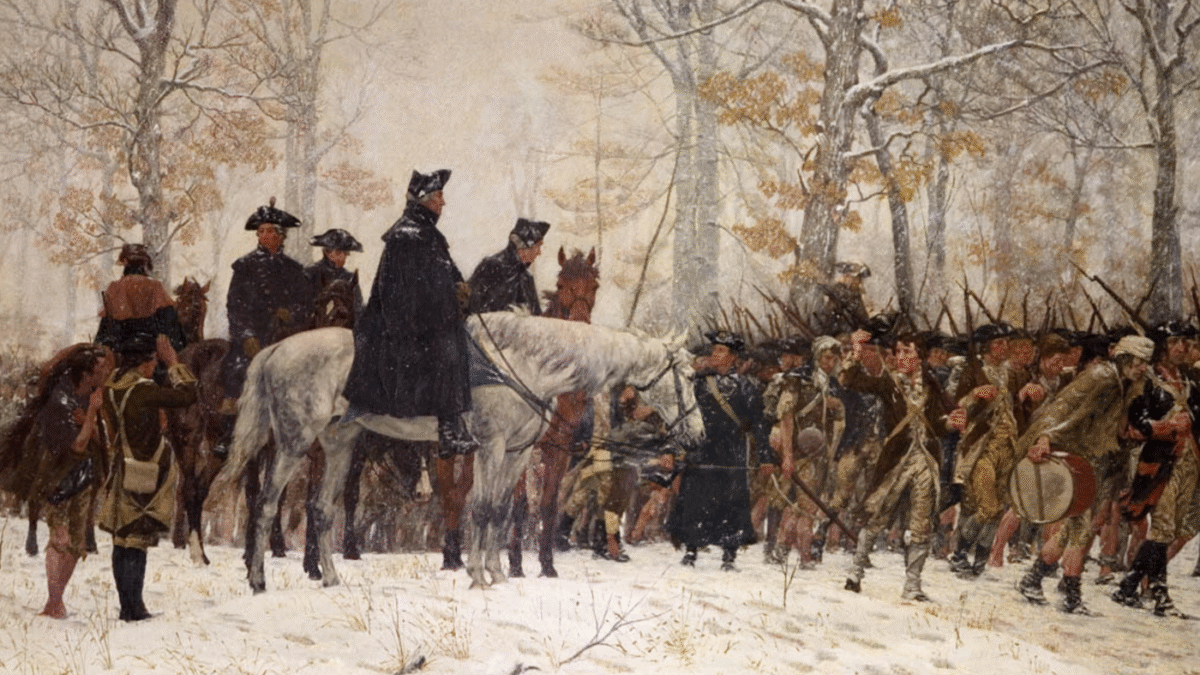
YUBNUB.NEWSValley Forge Park Preserves A Crucible Of The American Revolution[View Article at Source]Valley Forge is a testament to the dedication of the thousands who sacrificed themselves for liberty, their homeland, and their posterity.0 Kommentare 0 Geteilt 177 Ansichten -
YUBNUB.NEWSU.S. Downs Iranian Drone Near Aircraft Carrier as Netanyahu Warns Tehran Cant Be Trusted2026 The New York Sun Company, LLC. All rights reserved.Use of this site constitutes acceptance of our Terms of Use and Privacy Policy. The material on this site is protected by copyright law and may0 Kommentare 0 Geteilt 175 Ansichten -
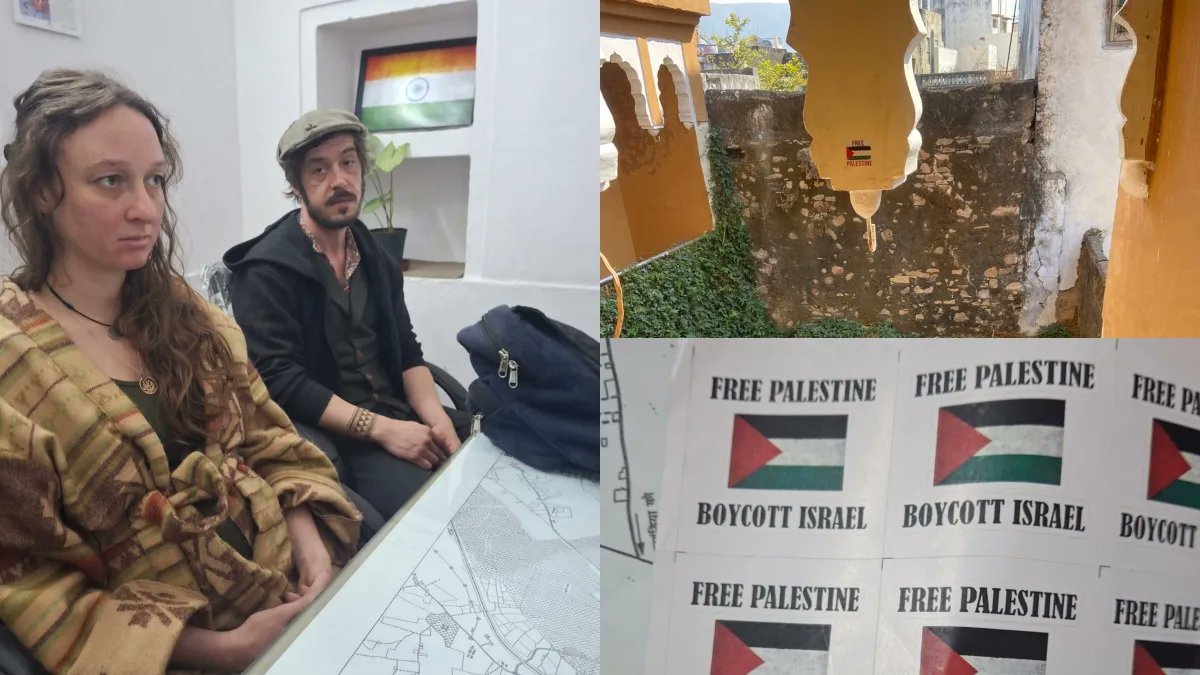
YUBNUB.NEWSBritish Tourists Deported from India for Pasting Pro-Palestine Stickers across TempleTownAs a journalist from India, and a recent graduate student in Professional Communication from William Paterson University of New Jersey, and a Board member of the New Jersey chapter of Society of Professional0 Kommentare 0 Geteilt 174 Ansichten -
Turnstile Warn of 'Heightened State Violence' in Grammy StatementTurnstile Warn of 'Heightened State Violence' in Grammy Victory StatementFrazer Harrison / Andy Cross/MediaNews Group/The Denver Post, Getty ImagesTurnstile are still buzzing after taking home two Grammys and they've used their platform to thank the fans in a statement while speaking about living in a "time of heightened state violence" and using their music as a "vehicle for voice that are...0 Kommentare 0 Geteilt 3KB Ansichten
-
Best 2026 Super Bowl Commercials Featuring Rock + Metal SongsThe 10 Rock Songs in 2026 Super Bowl Commercials (So Far)If you are a rock or metal fan, consider this your unofficial guide to Super Bowl commercials for 2026.And let's be honest, not everyone really cares about the teams on the field anyway. You need something else to root for besides the next tray of snacks and the cooler being refilled at the Super Bowl party.READ MORE: Rock Musicians Who...0 Kommentare 0 Geteilt 3KB Ansichten
-
WWW.IFLSCIENCE.COMWe Have No Idea If Its Safe To Have Babies In SpaceCosmic radiation and microgravity could mess with our ability to reproduce.0 Kommentare 0 Geteilt 175 Ansichten -
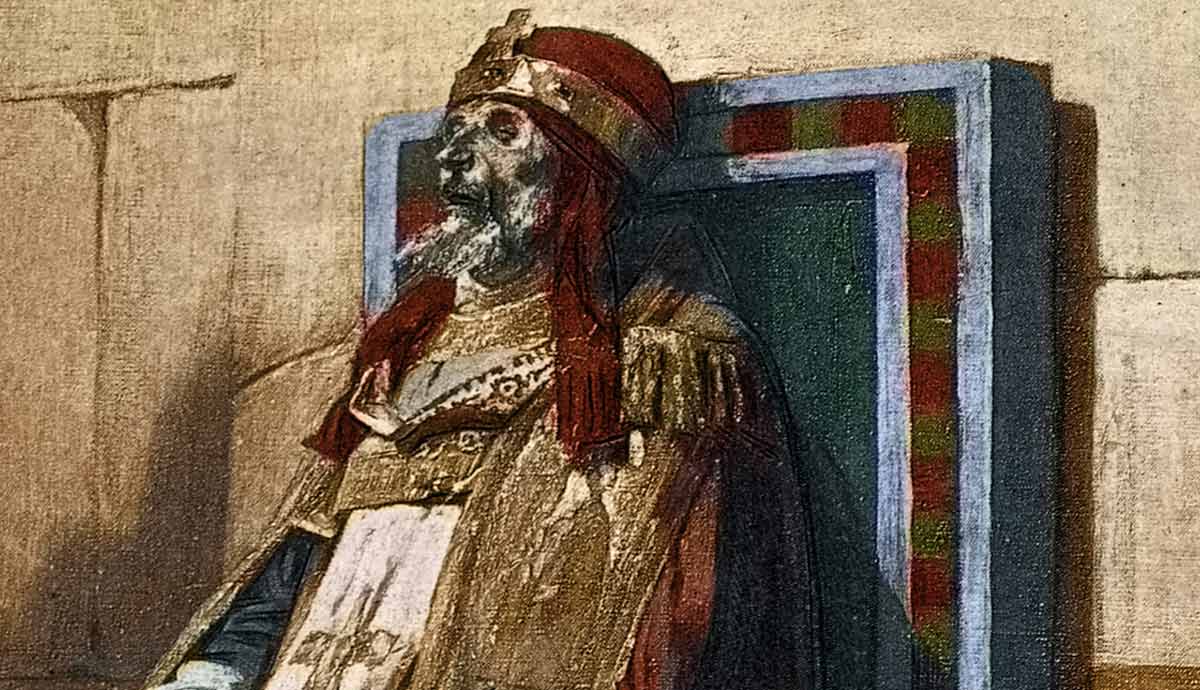
WWW.THECOLLECTOR.COMWhy Was a Dead Pope Put On Trial at the Cadaver Synod?In 896, Pope Stephan VI called the Cadaver synod, a council made up of high-ranking leaders of the Catholic Church, to try his predecessor, Pope Formosus. The charge: attempting to usurp the papal throne. If found guilty, Formosus would be excommunicated. Despite the seriousness of the charges made by his successor, Formosus sat perfectly still. Maybe it was because he had been put on trial before. Maybe it was because he knew he was innocent. Or maybe, just maybe, it was because he was dead.The Successors of CharlemagneThe division of Charlemagnes empire among his successors after the Treaty of Verdun (843). Source: TheCollectorTo truly understand how the corpse of a pope was exhumed and put on trial by another pope, it is important to first understand the role the highest office in the Catholic Church played in medieval politics. At this time, the ruler Charlemagne was at the height of his power. He was the most powerful ruler in all of Europe, and as such, many popes sought to shore up their own power by aligning themselves with him. When Pope Leo III ascended to the leadership of the Church, he took it a step further by crowning Charlemagne the first Holy Roman Emperor in 800.While the move helped to solidify Leos position and stabilized the Church at a particularly fractious time, it also inserted the papacy into the exceedingly messy world of medieval politics for hundreds of years. With the pope now a designated kingmaker, ambitious and powerful rulers from across Christendom would attempt to influence the pope in numerous ways, and more often than not, this included force of arms. This pattern was already well in place when a young noble with the odd name of Formosus was born in Rome.Formosuss Formative YearsYoung Formosus. Source: GetArchiveWhile evidence of his early life is sketchy at best, he was most likely born in 816 and was a member of an influential Roman family. What he did during the first 50 years of his life is anyones guess, and there are nearly no reliable sources that have survived today, but it is a safe bet that he either chose or was pushed onto the path many popes of his day followed by entering the clergy at a very young age.In 864, he became the Bishop of Porto, an ancient city that lay just north of Rome in a very strategic place where the Tiber River emptied into the Mediterranean Sea. This appointment marked his ascension to a more influential level within the church as he was soon being sent by the Church to serve as a personal representative of the pope in parts of Europe that were just starting to come under the influence of Christianity, and none were more important than Bulgaria.Fortune Turns for FormosusBoris I Baptised, maybe by Formosus, from the Chronicle of John Skylitzes, 11th-13th century. Source: Wikimedia CommonsFormosus arrived and found the state of Christianity in Bulgaria to be somewhat bizarre. Folk beliefs like the casting of magic rocks had integrated their way into the Bulgarian church, so Formosus got to work straightening out, and he apparently did very well too, because within a year, he was converting masses of pagans, building churches, and even appointing bishops. The ruler of Bulgaria, Boris I, was so impressed that he even suggested that Formosus become the head of a new Bulgarian wing of the Church.This was where the trouble began, because in creating church offices and consecrating new churches, Formosus had done so without the approval of the Pope. To make matters worse, many of the bishops he appointed were later accused of simony, or selling either church offices or blessings, accusations that would come back to haunt him later. Soon, Formosus was recalled to Rome, eventually finding himself sent off to France, where he was put in charge of the mission that told Charles the Bald, Grandson of Charlemagne, that he was to be crowned Holy Roman Emperor. However, after his coronation on Christmas Day in 875, Formosus soon soured on the entire idea and led a faction in opposition, and this proved to be the straw that broke the camels back.Charles I, also known as the Bald, 19th century. Source: Wikimedia CommonsPope John VIII called two separate synods that heaped all sorts of accusations on Formosus, including power-grabbing, looting the cloisters of Rome, and plotting to overthrow the papacy. Reading the writing on the wall, Formosus hid in the South of France for six years until John VIII died and his successor, an ally, cleared him of all charges and brought him back to Rome, where he was able to regain his prestige and eventually position himself as a dark horse candidate for the papacy.Pope FormosusPope Formosus portrait, 1879. Source: Wikimedia CommonsThe election of Formosus to the papal office was a surprise to everyone, probably including Formosus, as he was not one of those favored to win the election. Sources indicate the papal election of 891 was a tumultuous one where two factions, one supporting Formosus and the other supporting a cardinal named Stephan, nearly came to blows. Eventually, Formosus won out, but Stephan was so bitter from the ridicule he received that he swore revenge. Formosus, meanwhile, set to work right away, dealing with many of the most pressing issues in the church.If there were Catholic awards for trying, Formosus would probably have won a blue ribbon. Despite his surprise election, he proved to be an independent and strong leader who set to work making many much-needed reforms to the church. He worked to combat nepotism and strengthened rules regarding conduct for officials within the Church. However, he also inherited the political issues that plagued his predecessors, and soon he was embroiled in them as well.The Two EmperorsWido portrait, 12th century. Source: BnFIn keeping with tradition, Formosus had conferred the crown of Holy Roman Emperor to an Italian Duke named Wido of Spoleta, sometimes also known as Guy III. But in reality, the endorsement of the crown on Widos head was done at swordpoint. Wido had amassed a large army and muscled his way into Italy, where he occupied not just the countryside but also Rome itself. Formosus, under occupation, had little choice but to support Wido as ruler, but the crafty pope had his own plan.He sent secret overtures to another regional ruler named Arnulf of Carinthia, asking him to liberate Italy and, in exchange, become the Holy Roman Emperor. Arnulf agreed, and after a series of battles and an epic crossing of the Alps, he arrived in Rome in 896. After taking the city by force, he was received with what historians recorded as great fanfare, and Formosus crowned him Emperor.This mutually beneficial arrangement was short-lived because after Arnulf marched off to deal with Widos son Lambert. Formosus died only five weeks after placing the crown on his head and was soon buried. However, he wouldnt stay that way long.The Return of StephanThe Cadaver Synod, by Jean Paul Laurens, 1870. Source: Nantes MuseumBefore Formosuss body even had time to cool, his old rival Stephan went to work. The successor of Formosus, pope Boniface VI was either killed or driven from office within two weeks of his appointment and soon Stephan VI was able to take control of the papacy with a little help from Lambert, the son of the Emperor that Formosus had helped depose, and both men were united in their hatred of the now dead pope.In January of 897, Stephan VI ordered the corpse of Formosus dug up and posthumously put on trial. A synod was convened in the Lateran Palace, and the body of the late pope was propped up so that it could stand trial. Not wanting to be perceived as unfair, Stephan appointed a deacon to speak on behalf of the putrefying corpse sitting in its burial robes.Lateran Palace Basilica. Source: Wikimedia CommonsThe church officials who gathered all commented at great length about how ghastly the entire affair was. Stephan railed at the corpse, accusing it of all sorts of outrageous crimes, including simony, supposedly while blood dripped from its mouth. But nothing, not even the increasing disapproval from the crowd, stopped his tirade. According to legend, at one point, a full-on earthquake struck the Basilica in the middle of the trial, a sign that many in the audience took as disapproval from the almighty himself, but even the hand of God would not sway Stephan that perhaps the whole thing was a bad idea.Unable to defend himself due to being dead, the guilty verdict was all but certain, and soon the popes rotting corpse was stripped of its burial vestments and thrown into the Tiber, much to the satisfaction of Stephan IV. However, he had gone too far.Formosus as pope, from the Facial Chronicle, 16th century. Source: Wikimedia CommonsPowerful church officials, as well as influential members of society, were outraged at the treatment of the dead pope. The whole affair was such a scandal that even Lambert backpeddled, eventually restoring Formosuss status and even condemning the actions of his ally Stephan. A level-headed monk had fished the popes corpse from the river and hid it, so Formosus was re-interred in St. Peters Basilica with full honors. In fact, after Stephan was eventually imprisoned and most likely murdered, another synod was convened to try and scrub the entire situation from the papal history books altogether.It is sad that Formosus is remembered today more for what happened after he died rather than his accomplishments when he lived. He was a just and courageous spiritual leader at a time when many popes were anything but. He was a stalwart protector of church independence who made admirable progress against nepotism, simony, and many other issues that compromised the authority of the early Church. The fact that he was martyred and restored thanks not to his own efforts, but instead to the outcry of the faithful, is a reminder of the influence and importance that church members continue to have to this day.0 Kommentare 0 Geteilt 184 Ansichten -
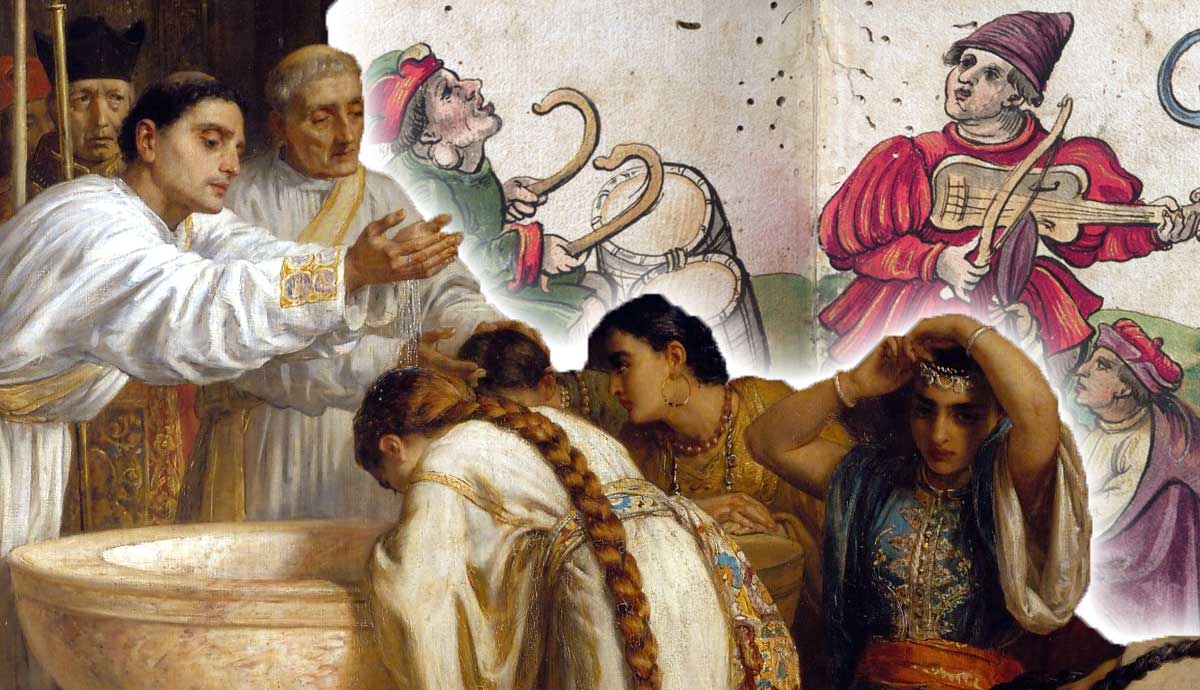
WWW.THECOLLECTOR.COMHow the Moriscos Resisted the Spanish InquisitionIn April 1609, King Philip III of Spain issued a critical new decree. The king and his advisors had decided that Spanish Muslims (known as Moriscos) posed a dire security threat. The Moriscos of the Kingdom of Valencia were given a royal ultimatum to either abandon Islam or leave Spain. Over the next five years, the Crown would expand this decree to cover Morisco populations in its other territories. Faced with the threat of permanent exile and hounded by the infamous Inquisition, many Moriscos resisted their oppression. Some took up arms, while others relied on grand prophecies of deliverance from their persecution.The Moriscos: A People Under SiegeThe Moorish Proselytes of Archbishop Jimenez, by Edwin Long, 1873. Source: Russell-Cotes Art Gallery & MuseumThe persecution of the Spanish Moriscos was not new in 1609. Islam had been a vital force in Spain since the 8th century, birthing glorious achievements in the arts and sciences. But centuries of conflict between Muslims and Christians had sapped the Muslims military strength. The collapse of the Emirate of Granada in 1491 was the final nail in their political coffin.Granadas surrender treaty to Spains Ferdinand II and Isabella I stipulated that its Muslims would be spared from harassment. Yet Ferdinand and Isabella violated the treaty. They set about converting Iberian Muslims to the Catholic Church. The Muslim converts became known as the Moriscos (little Moors). Despite their mass conversion, the Moriscos would always face accusations from other Spaniards that they were insincere in their Christian faith. Much like the Jewish Conversos before them, Moriscos fell under the legal category of New Christians. Discrimination was omnipresent.How Does the Spanish Inquisition Factor In?Auto de Fe en la Plaza Mayor de Madrid, by Francisco Rizi, 1683. Source: Museo Del PradoFerdinand and Isabella founded the Spanish Inquisition in 1478 to enforce religious conformity across their kingdoms. The Inquisition held jurisdiction over doctrinal matters for all baptized Catholics. Since they had been forcibly baptized, the Moriscos fell under the inquisitors umbrella and could be investigated for any infractions.The idea of a strict division between the religious and the secular did not exist in pre-modern Spain. A religious offense, such as blasphemy or apostasy, was often also a crime against the state. Since the Inquisition was a creation of the Spanish monarchy, inquisitors and royal authorities were collaborators in their efforts to pacify restless Moriscos. Much of the surviving documentation on Moriscos from 16th-century Spain comes to us from inquisitorial archives.The Moriscos Armed ResistancePortrait of King Philip II of Spain, 17th century. Source: Royal Museums GreenwichMorisco communities almost immediately voiced their discontent with Christian rule. In 1499, the Moriscos of Granada took up arms in the Alpujarra region. That uprising was crushed within two years. But it instilled a fear in Spanish authorities that the Moriscos were treacherous, willing to cast off the Christian faade and strike at any time.The Spanish Inquisitions persecution of the Moriscos reached a fever pitch under King Philip II. In 1567, the king decreed a ban on public use of the Arabic language in Granada and ordered the closure of ritual bathhouses. Attempts by Morisco leaders to protest the decree went unheeded. So, on December 24, 1568, the Moriscos again ignited a rebellion in the Alpujarras.The royal army crushed the new rebellion by 1571 and displaced thousands of Morisco families to the Kingdom of Castile. There, the Crown and the Inquisition hoped that they could more effectively monitor any signs of crypto-Islam. Numerous Inquisition cases in the aftermath of the revolt highlight fears of the Morisco conundrum escalating internationally. We will delve into this shortly.The Role of PropheciesA page from a 13th-century Quran, from Seville, Spain. Source: Library of CongressHistorian Mayte Green-Mercado has highlighted the role of religious thinking in shaping Morisco resistance against the Spanish Inquisition. Moriscos, like other people of the 16th century, were deeply religious. An armed rebellion was not simply a military affaira just one had spiritual significance as well. It had to be sanctioned by God in order to assist his believers.The Morisco rebels especially placed stock in prophecies. Morisco prophecies had two major functions: they explained the reasons for the Muslims persecution, but they also offered triumphant solutions rooted in Islamic theology. Many Moriscos viewed their suffering through the lens of divine punishment (Green-Mercado, 2019). God had decided to punish the Muslims of Spain for their sins. Yet, God was also testing those Moriscos to hold onto faith until the day they could rise up to reestablish Islamic greatness.Moriscos dancing, by Christoph Weiditz, c. 1530. Source: Wikimedia CommonsInquisition documents are not the only primary sources available to modern historians of the Moriscos. The Moriscos actively wrote down many of their own prophecies in an Arabic adaptation into Castilian, known as aljamiado literature. A number of prophetic figures arose throughout Spain, purporting to have knowledge of a forthcoming apocalyptic battle between the forces of Islam and Christianity. Some of these prophets-in-waiting were children.An International AffairOttoman portrait of Sultan Selim II, c. 1570. Source: Wikimedia CommonsIn the late 16th century, geopolitical rivalries between Christian and Muslim powers constantly kept residents of the Mediterranean on edge. The Spanish Habsburg Dynasty and the Muslim Ottoman Empire were archenemies. Both great powers had global aspirations. This meant that the Spanish Inquisition especially feared a possible Ottoman invasion to aid the Moriscos.Morisco prophecies directly reference the Ottomans. Some of the texts describe the Ottoman sultan as a savior figure. Green-Mercado even records an instance of Sultan Selim II (r. 1566-1574) issuing a response to the Moriscos of Granada. According to the sultans edict, the plight of the Muslims in Spain saddened him (Green-Mercado, 2019). He instructed the Ottoman military commander Kili Ali Pasha to send arms and men from North Africa to Spain. Selims successors were very much interested in the Moriscos plight as well.Portrait of King Henry IV of France, 1610. Source: The Weiss GallerySurviving Morisco prophecies also note a more unusual foreign leader: the king of France. Although it, too, was a Christian country, war-torn France was a major enemy of Spain. Rebellious Moriscos knew this and repeatedly attempted to petition for the French monarchs aid. Some prophecies posited a multifront conflict, with French Protestants invading Spain from the north and the Ottomans and North Africans attacking from the south and east.The Expulsion of 1609The Expulsion of the Moriscos, by Vicente Carducho, c. 1627. Source: Museo Del PradoFor logistical reasons, the Morisco rebels hoped-for Ottoman and French intervention did not sufficiently materialize. The Spanish Inquisition ramped up its persecution of alleged Muslims and Islamic practices. King Philip IIIs decree of expulsion in 1609 can be seen as a breaking point for Christian-Muslim relations in pre-modern Spain.We cannot know the exact number of Moriscos who were affected. Some relocated to North Africa or Ottoman lands, but most stayed within Spain covertly. A few Moriscos joined pirate crews menacing European ships in Algeria and Morocco. But by the end of the 18th century, Islams visibility in Spain had faded away.Bibliography/Further ReadingGreen-Mercado, Mayte. Visions of Deliverance: Moriscos and the Politics of Prophecy in the Early Modern Mediterranean. Ithaca: Cornell University Press, 2019.0 Kommentare 0 Geteilt 194 Ansichten