• 3 Ordering Tips To Get The Best Culver's Custard
    Three Ordering Tips To Get The Best Culver's Custard...
    0 Commentarios 0 Acciones 5 Views
  • WWW.THECOLLECTOR.COM
    The 5 Worst Foodborne Illness Outbreaks in American History
    Foodborne illnesses occur whenever we eat food contaminated with bacteria, viruses, or parasites. The Centers for Disease Control and Prevention (CDC) and the US Department of Agriculture (USDA) estimate that roughly 48 million Americans contract foodborne illnesses each year. Approximately 128,000 of these illnesses result in hospitalizations, and 3,000 result in death (USDA, 2020). The prioritization of profit over public health by the US food industry has allowed this danger to persist despite the USDA defining foodborne illness as a preventable public health challenge.1. 2009 Peanut Corporation of America Salmonella OutbreakPeanuts by Ivar Leidus, 2021. Source: Wikimedia CommonsOne of the most nefarious food safety disasters began in late 2008 when an array of peanut products were discovered to have been contaminated with Salmonella typhimurium. The outbreak was traced back to a processing plant in Georgia operated by Peanut Corporation of America (PCA), a nationwide supplier of peanut butter and peanut paste. The CDC confirmed 714 illnesses and nine deaths across 46 states from salmonellosis, the disease caused by a Salmonella infection (CDC, 2024). On January 28, 2009, PCA voluntarily recalled all peanuts and peanut products processed at its Georgia facility and halted further production. Hundreds of companies were forced to recall over 3,900 products containing PCA ingredients. At the time, it was one of the widest-reaching food recalls in US history.Before and during the outbreak, PCA executives consistently assured the public their products were safe and Salmonella-free. These were blatant lies, as internal documents uncovered by federal investigators revealed that PCA executives knowingly shipped products that had either tested positive for Salmonella or had not been tested at all, and sometimes accompanied these shipments with falsified lab certificates. One email exchange showed former PCA CEO Stewart Parnell being told of a shipment delay because salmonella test results werent available, to which he replied, Just ship it.Photo of food safety lawyer Bill Marler, by Jonan Pilet, 2025. Source: Wikimedia CommonsBill Marler, a food safety lawyer, said that PCA knew they were shipping Salmonella-contaminated peanut butter and they covered it up (Charles, 2015). It was clear that Stewart Parnell and his company had shown zero consideration for public safety. Parnell was subsequently convicted on multiple felony counts, including fraud, obstruction of justice, and shipping adulterated food.In 2015, Parnell was sentenced to 28 years in federal prison while his brother, Michael, and another executive were sentenced to 20 and five years, respectively. This was historic for the American food industry and sent a clear message to food producers that they would be held responsible should they disregard public health. These sentences remain the harshest ever imposed in relation to a foodborne illness outbreak.2. 2011 Jensen Farms Listeria OutbreakA cantaloupe melon, 1890. Source: Wellcome CollectionA multistate investigation involving the CDC and FDA began on September 2, 2011, after local officials discovered nine people across three states had contracted listeriosis. Listeriosis is a disease caused by an infection from the bacterium Listeria monocytogenes. After surveying the sick individuals, it was determined that tainted cantaloupe was responsible for the outbreak strain. Investigators were then able to test cantaloupes from various retailers and discover the outbreak had come from fruit produced at Jensen Farms in Granada, Colorado.The outbreak caused 147 illnesses across 28 states, killing 33 people and causing one miscarriage (Peralta, 2014). Eric and Ryan Jensen, the brothers who ran the farm, pleaded guilty to introducing adulterated food into interstate commerce. Federal investigators revealed that the brothers failed to make proper use of their processing equipment, resulting in insufficient disinfection of their melons.Scientist Marc Allard at the FDA Food Safety & Applied Nutrition Lab, by the US Food and Drug Administration, 2012. Source: Wikimedia CommonsWhile the brothers were responsible for the improper use of equipment, a case study by the Union of Concerned Scientists addressed the larger concern of inadequate government regulations in food safety. The study showed how third-party auditors hired by food companies allow growers and packers to receive high safety scores despite obvious operational deficiencies. Auditors often gave producers like Jensen Farms poor, easy-to-implement solutions as opposed to costlier options that would have made food processing truly safer.The third-party auditors that were hired by Jensen Farms were the only safeguard in place to protect consumers from hazardous business practices. Jensen Farms had never even been visited by an FDA investigator. The US passed the Food Safety Modernization Act (FSMA), a sweeping reform of food safety law, earlier that same year to address issues like those encountered at Jensen Farms. The outbreak showed government agencies that failure to rapidly implement FSMA regulations would continue to prove costly to American health and well-being.3. 1993 Jack in the Box E. coli OutbreakPhoto of Jack in the Box restaurant by Billy Hathorn, 2012. Source: Wikimedia CommonsIn the early 1990s, food safety regulators in the United States believed that raw meat that passed visual inspection was safe to consume if cooked properly. This meant that no federal regulations prohibited the sale of visually acceptable raw beef contaminated with E. coli, a common yet potentially dangerous bacterium.This outdated and unscientific method of food regulation proved disastrously flawed in the 1993 Jack in the Box E. coli outbreak that originated in Washington. The sale of undercooked hamburger meat led to more than 600 reported illnesses and the deaths of four children, including 16-month-old Riley Detwiler (CDC, 1993). Many of those who became sick developed hemolytic uremic syndrome, a severe disease that causes kidney and organ failure.Initially, the fast food chain attempted to shift blame to its meat supplier and even the Washington State Health Department (WSHD). It was true that Jack in the Box had been supplied with E. coli contaminated meat. This had increased the risk of foodborne illness occurring and forced the company to dispose of 20,000 pounds of potentially tainted product. However, it became apparent that internal factors at the restaurant contributed significantly.Petri dish containing E. coli, by Fernan Federici & Jim Haseloff. Source: Wellcome CollectionJack in the Box had not forced its employees to follow updated state guidelines on mandatory cooking temperatures for meat. After the outbreak, the restaurant quietly raised its mandatory cooking time but continued to refuse to publicly accept blame. Jack in the Box president Robert Nugent shifted fault back to the WSHD by claiming the updated guidelines had never reached his office.In response to this tragedy, the Food Safety and Inspection Service moved to mandate Hazard Analysis and Critical Control Points (HACCP) systems across all federally inspected meat and poultry operations. Most significantly, regulators would no longer rely on sight and smell inspections to determine health risks but instead use established scientific methods to assess pathogenic risks. E. coli was also legally classified as an adulterant in raw ground beef, which made the sale of contaminated meat illegal in the United States.4. 1998 Sara Lee Meats Listeria OutbreakPhoto of Ball Park hotdog, by Willis Lam, 2017. Source: Wikimedia CommonsThe holiday season was spoiled for many Americans in 1998 when Sara Lee Corporation issued a recall of hot dog and deli meat products. The recall was specific to products produced at its Bil Mar processing plant in Zeeland, Michigan. Within the week, the Centers for Disease Control published a report that contaminated meat was causing a listeriosis outbreak across ten states. Four deaths had already occurred, including a fetus (CDC, 1998).As the investigation unfolded, severe conditions and operational practices at the Bil Mar facility came to light. It was discovered that as early as the spring of 1998, Bil Mar managers had been aware of increased Listeria levels at their plant. One employee of the plant reportedly told investigators they knew with virtual certainty that meats produced by the Bil Mar plant were contaminated with Listeria.The lack of action by Bil Mar employees forced Sara Lee to recall 35 million pounds of tainted meat at an estimated cost of $50 to $70 million. It cost the lives of 15 people and caused six miscarriages (Barboza, 2001).FDA investigators inspect tanks for Listeria, by the US Food and Drug Administration, 1988. Source: Wikimedia CommonsDespite the negligence at Bil Mar, Sara Lee Corporation avoided felony charges. The company pleaded guilty in 2001 to a misdemeanor charge of preparing and selling adulterated meat products. Attorneys stated that Sara Lee was offered the misdemeanor charge because they had cooperated fully with investigators, and no evidence had been uncovered that there was intentional distribution of tainted meat. As part of their guilty plea, Sara Lee agreed to pay a fine of $200,000 and contribute $3 million in funding to food safety research at Michigan State University (Barboza, 2001).5. 2011 Quality Egg Salmonella OutbreakPhoto of USDA-approved eggs, by Preston Keres, 2017. Source: Wikimedia CommonsIn 2010, a nationwide recall of over 500 million eggs was issued due to an outbreak of Salmonella. The company issuing the recall was Quality Egg LLC. Quality Egg was part of the Wright County Egg corporation that was owned and operated by Austin DeCoster and his son, Peter DeCoster. The outbreak was linked to nearly 2,000 illnesses. The CDC estimates that the actual number of illnesses may have been as high as 60,000 (NPR, 2014).Fortunately, no reported deaths occurred as a result of the outbreak. The Quality Egg recall stands out among American foodborne illness cases due to the shocking level of negligence and corruption displayed by Quality Egg and USDA employees. Investigators uncovered that eggs were laid in conditions of extreme filth. Dead rodents and piles of manure inhabited the barns and created a high-risk contamination environment. Quality Egg employees also bribed USDA inspectors to allow the sale of red-tagged eggs that had failed quality tests and falsified expiration and processing dates (FBI, 2015).President Obama signs the Food Safety Modernization Act (FSMA) in 2011. Source: Wikimedia CommonsBoth the company and owners were found guilty in federal court of shipping adulterated food, bribery, and intent to defraud. Jack and Peter DeCoster each received a $100,000 fine and three months in federal prison, while Quality Egg LLC. was sentenced to pay a $6.79 million fine and received three months of probation (DOJ, 2015). The Quality Egg company was sold following the revelation of the DeCosters crimes and has not had any reported violations since. This case again highlighted the need for government agencies to expedite their implementation of the recently passed Food Modernization Safety Act in order to protect consumers from profit-focused food suppliers.SourcesUSDA. (2020, October 21). Foodborne Illness and Disease | Food Safety and Inspection Service. Retrieved from the USDA.gov website: https://www.fsis.usda.gov/food-safety/foodborne-illness-and-diseaseCDC. (2024, April 10). Investigation Information for Outbreak of Salmonella Typhimurium Infections, 20082009 | Salmonella CDC. Retrieved from Cdc.gov website: https://archive.cdc.gov/www_cdc_gov/salmonella/2009/peanut-butter-2008-2009.htmlCharles, D. (2015, September 21). Peanut Exec Gets 28 Years In Prison For Deadly Salmonella Outbreak. Retrieved from NPR.org website: https://www.npr.org/sections/thesalt/2015/09/21/442335132/peanut-exec-gets-28-years-in-prison-for-deadly-salmonella-outbreakPeralta, E. (2014). A S C I E N C E SCIENCE SIDELINED Killer Cantaloupes: Ignoring the Science behind Food Safety. Retrieved from https://www.ucs.org/sites/default/files/2019-10/killer-cantaloupes-study-2013-2page.pdfCDC. (1993, April 16). Update: Multistate Outbreak of Escherichia coli O157:H7 Infections from Hamburgers Western United States, 1992-1993. Retrieved from www.cdc.gov website: https://www.cdc.gov/mmwr/preview/mmwrhtml/00020219.htmCDC. (1998, December 25). Multistate Outbreak of Listeriosis United States, 1998. Retrieved from www.cdc.gov website: https://www.cdc.gov/mmwr/preview/mmwrhtml/00056024.htmBarboza, D. (2001, June 23). Sara Lee Corp. Pleads Guilty In Meat Case. The New York Times. Retrieved from https://www.nytimes.com/2001/06/23/us/sara-lee-corp-pleads-guilty-in-meat-case.htmlNPR. (2014, June 4). Egg Company Fined $7 Million Over Salmonella Outbreak. Retrieved February 13, 2026, from NPR website: https://www.npr.org/transcripts/318863462FBI. (2015). Profits Over Safety | Federal Bureau of Investigation. Retrieved from Federal Bureau of Investigation website: https://www.fbi.gov/news/stories/profits-over-safetyU.S. DOJ. (2015, April 15). Quality Egg, Company Owner and Top Executive Sentenced in Connection with Distribution of Adulterated Eggs. Retrieved from www.justice.gov website: https://www.justice.gov/archives/opa/pr/quality-egg-company-owner-and-top-executive-sentenced-connection-distribution-adulterated

    0 Commentarios 0 Acciones 2 Views
  • WWW.THECOLLECTOR.COM
    How the Ghost Ships of the Kriegsmarine Terrorized the Oceans as Hitlers Secret Pirates
    At the beginning of World War II, the Allies imposed a naval blockade, cutting off Axis access to foreign trade and essential materials. Neither European Axis power could slug it out with superior Allied navies. Where brawn wouldnt work, stealth, speed, and surprise would. Converted to semi warships, merchantmen received concealable big guns, a floatplane, and torpedo tubes to overpower any non-naval opponent. Their silhouettes were altered to avoid recognition.The first raiders slipped away even before World War II began on September 1, 1939, relying on friendly ports for help. These early raiders took full advantage of the lull before Allied war preparations built up to protect their trade routes.These converted merchantmen, or Hilfskreuzer, made up most of the Axis raiding fleet, though several warships, like the Admiral Graf Spee, participated.The Rise of the Hilfskreuzer: Converted Merchant RaidersThe Arado Floatplane used by German raiders. Source: U.S. National Aviation MuseumKriegsmarine cruiser Admiral Graf Spee, already out in the Atlantic, attacked merchant ships on September 30, 1939. Capturing or sinking nine ships, the British cornered the naval raider near Uruguay. Knowing the Graf Spees position to be hopeless, the captain scuttled his ship to save his crews lives.The first converted merchant Axis raider, the KMS Atlantis, slipped past the British around March 11, 1940. The Atlantis possessed centralized gun control, so range, wind, etc., were calculated- a feature few raiders had. With this tech, the Atlantiss guns fired more accurately. The Atlantis found no targets until May 3, 1940, in the South Atlantic sinking the British Scientist. After sinking another in June, the Atlantis entered the Indian Ocean, striking Allied shipping.HMAS Sydney Clash with KMS Kormoron. Source: Sydney MemorialDespite distress calls, the corsair remained elusive. On November 11, 1940, northwest of Sumatra, the Atlantis took the Automedon. Here, in a locked safe opened with explosives, the Germans found an unexpected treasure trove reports describing all British defenses in SE Asia, including Singapore, in a weighted bag meant to be tossed overboard. Upon reaching Japan, the Atlantiss captain handed the tidbit to their Axis ally. This information, in 1941, aided Imperial Japan immensely when it seized Singapore in a masterly campaign.The Atlantiss career ended in the South Atlantic on November 22, 1941. Located by a suspicious British cruiser, after a short fight, the Atlantis crew sank the ship with explosives. In a 602-day cruise, the Atlantis sailed over 100,000 miles, capturing twenty-two Allied ships for 144,000 tons.The most successful Axis pirate, KMS Pinguin, designated Raider F, sailed from Germany to occupied Norway on June 30, 1941. Once among the icebergs, the Pinguin refueled a U-boat and sailed south disguised as a Greek freighter. With the ultimate goal of interrupting British and Norwegian sailing fleets, the Pinguin sank a British freighter on July 30 off Ascension Island.Auxiliary Cruiser Badge. Source: Wikimedia CommonsFor the next 357 days, the Pinguin sailed the South Atlantic and Indian Oceans. Through disguises, luck, and clever tactics, the raider sank twelve and captured sixteen vessels totaling 136,000 tons. At one point, the Pinguin met with fellow raider Kormorant, resupplying it with food, water, and fuel oil.During a highly successful part of its voyage, the Pinguin fulfilled its original purpose. On January 14, 1941, near Antarctica, it surprised the Norwegian whaling fleet. Using only a few shots from its 7.5-centimeter gun, the Pinguin captured fourteen vessels.The captured ships with prize crews sailed to Occupied France, but the Pinguin crew converted a suitable boat into a mine layer.Like Atlantis and others, the Pinguins fate caught up on May 8 in the Indian Ocean. Cornered by the HMS Cornwall into a fight, a lucky 8-inch shell shot hit the Pinguins stored naval mines. The raider exploded, killing 532, including prisoners.False Flags and Chameleons: The Tactics of Axis RaidersKMS Pinguin. Source: WikidataThe Germans launched nine commerce raiders in total. These innocuous-looking boats sailed to empty areas, sinking Allied ships. Their success partly came from their chameleon abilities- repainting and renaming the ships, false smokestacks, and even masts. To catch their prey, the Germans used false radio call signs to lull their enemy, sneaking close. They only fired if a target refused to stop.The raiders biggest successes before the Allies coordinated their war efforts between 1939 and 1941. By 1943, the airtight Allied blockade prevented any sailings. The commerce raiders became unconventional terrors like the U-boats. In roughly three years, they sank 140 ships for 700,000 tons.
    0 Commentarios 0 Acciones 2 Views
  • ALLTHATSINTERESTING.COM
    How The Hole-In-The-Wall Gang Got Its Name From A Secret Outlaw Hideout In The Mountains Of Wyoming
    Hoofprints of the Past MuseumA cabin at Hole-in-the-Wall Pass. 1898. In a remote mountain pass in Wyoming, a group of outlaws once hid from lawmen, plotted their next heists, and caught up with fellow bandits. They were known as the Hole-in-the-Wall Gang, but they werent one cohesive organization.Between the late 1860s and the early years of the 20th century, Hole-in-the-Wall Pass served as a hideout for cattle rustlers, bank robbers, thieves, and more. The most infamous gang was Butch Cassidys Wild Bunch, but they were joined by a series of lesser-known criminals who used the pass in the years before and after their reign as the Old Wests most fearsome outlaws.The various gangs that gathered at the hideout shared a corral and stable, but they had separate cabins and supplied food and horses for their own members. They rarely collaborated on heists, but they did team up to defend the pass from lawmen.As the days of the Wild West came to an end, so did the Hole-in-the-Wall Gang. But tales of the daring outlaws still captivate the nation to this day.How The Hole-In-The-Wall Gang Built Their Hidden CommunityBeginning in the 1860s, various groups of outlaws started gathering at Hole-in-the-Wall Pass in central Wyoming to hide from lawmen. It was so remote that it took several days to reach by horse from the closest town, and it was concealed by the surrounding hills. A stretch of land within the pass was large enough for several cabins, a stable, and a corral for horses and other livestock. These buildings were constructed by bandits who teamed up to make their hideout an impenetrable fortress against the posses that were hunting them down.Caveman1949/Wikimedia CommonsThe path to Hole-in-the-Wall Pass is well concealed and easily defensible.The Hole-in-the-Wall Gang was a loose coalition of the Wild West outlaws who took their name from the pass itself. Over a period of about 50 years, a wide-ranging series of gangs and individuals took advantage of the hideout between heists.The most infamous of these gangs was Butch Cassidys Wild Bunch. The Sundance Kid, Laura Bullion, Kid Curry, News Carver, the Tall Texan, and more stayed at the pass when they werent robbing banks or holding up trains. Other criminals who used the hideout included Tom Black Jack Ketchum and allegedly even Jesse James.The pass became especially valuable during Wyomings brutal winters. Snowstorms and freezing temperatures made travel across the frontier dangerous. Outlaws could hunker down at Hole-in-the-Wall Pass for months at a time without fear of being captured.Each gang maintained its own horses and provisions inside the hideout. Every group also followed its own chain of command, and no single outlaw controlled the entirety of the Hole-in-the-Wall Gang.Public DomainButch Cassidy (seated on the far right) with members of the Wild Bunch in 1900.As such, there were rules to maintain peace within the pass. Members were reportedly forbidden from stealing other gangs food and supplies, and regulations were in place to handle any disputes that arose.The separate gangs also planned and carried out their own robberies with little involvement from the others, though members occasionally rode together during larger operations. But while these groups didnt typically collaborate when it came to their crimes, they did work together to defend the pass from lawmen.The Wild West Hideout That Lawmen Couldnt PenetrateAs Charlie Siringo, an agent for the Pinkerton National Detective Agency, wrote in his 1912 memoir A Cowboy Detective, he was once ordered to go undercover and infiltrate the pass.Public DomainCharles Siringo was a Pinkerton detective who worked to track down the Wild Bunch.I started for the Big Horn Basin in the vicinity of Hole-in-the-Wall in northern Wyoming, Siringo recalled. I had received instructions to go up there and get in with friends of the Wild Bunch, and learn their secrets This of course meant a horseback ride of over 1,000 miles through the most God-forsaken desert country in the United States.The Hole-in-the-Wall Gang was uniquely prepared for situations like this. The pass was easily defensible, and lawmen couldnt approach without the knowledge of the outlaws within. Bob Devine learned this the hard way.For years, the natural defenses of the mountain pass protected the Hole-in-the-Wall Gang from lawmens attempts to invade the hideout. But in 1897, a local posse of ranchers went in determined to take back cattle that had been stolen from them.As recorded in Alfred James Moklers 1923 book History of Natrona County, Wyoming, Bob Devine sent a letter to the editor of the Casper Tribune announcing his intentions. [I]t is an indisputable fact that the Hole-in-the-Wall is a hiding place for thieves, and has been for years, Devine wrote. Thousands of dollars worth of cattle have been stolen by these outlaws, brands burned out and their own brands substituted.These thieves perhaps members of the Hole-in-the-Wall Gang replied with a letter of their own: Bob Devine you think you have played hell you have just begun you will get your dose there is men enuff up here yet to kill you. It was signed by the Revenge Gange.Sam Beebe/Wikimedia CommonsThe remote cliffs and narrow passages of Hole-in-the-Wall Pass in Johnson County, Wyoming, provided the perfect hideout for infamous Wild West outlaws.Devine disregarded this threat and headed up to Hole-in-the-Wall Pass with a posse on July 23, 1897. They came across three outlaws named Bob Smith, Al Smith, and Bob Taylor and a shootout ensued.As the newspaper later reported, Devine and his son, Lee participated in the fight and both had been wounded, the senior Devine receiving only a slight flesh wound from a bullet.The incident shocked many people across Wyoming because it proved that the Hole-in-the-Wall Gang wasnt untouchable after all. And in the years that followed, the group of outlaws would slowly fall apart.The Hole-In-The-Wall Gang Fades Into LegendThroughout the first decade of the 20th century, members of the Hole-in-the-Wall Gang were picked off by lawmen. Some were killed in shootouts, others were captured and imprisoned, and still more simply decided to retire from their life of crime. And by 1910, the Wild West itself had started to disappear. Railroads spread deeper across the frontier, and law enforcement became far more organized. The isolation that once protected the outlaws slowly vanished. As time went on, fewer bandits used the hideout, and the Hole-in-the-Wall Gang faded into history.Paul Hermans/Wikimedia CommonsA cabin used by the Hole-in-the-Wall Gang on display at Old Trail Town in Cody, Wyoming.Over the past century, the Hole-in-the-Wall Gang has been romanticized through books, television, and films like Butch Cassidy and the Sundance Kid. And today, visitors can still explore the rugged Wyoming landscape that once sheltered some of Americas most wanted criminals. One surviving cabin that once hosted Butch Cassidy and his Wild Bunch was moved to a museum in Cody, Wyoming, and has become a tourist attraction.Tourists can also walk the trail that once led to the remote hideout. Standing at the top of the rocky Hole-in-the-Wall Pass today, its easy to see why the outlaws chose it. Its steep cliffs and hidden trails made the pass feel less like a criminal lair and more like a fortress where some of the Wild Wests most notorious gangs could disappear from the world.After learning about the Hole-in-the-Wall Gang, go inside the stories of nine Wild West lawmen. Then, read about the Dalton Gang that terrorized Kansas and Oklahoma.The post How The Hole-In-The-Wall Gang Got Its Name From A Secret Outlaw Hideout In The Mountains Of Wyoming appeared first on All That's Interesting.
    0 Commentarios 0 Acciones 2 Views
  • 0 Commentarios 0 Acciones 1 Views
  • WWW.DUALSHOCKERS.COM
    10 Most Addictive Nintendo DS JRPGs
    The Nintendo DS was a behemoth of a handheld system. Even if you don't care about the dual-screen stylus functionality, there were still a ton of amazing games on it. And many of those were JRPGs. In fact, before the 3DS rolled around, I probably played the most games from that genre since the PS2 era, which is saying something.
    0 Commentarios 0 Acciones 1 Views
  • WWW.MASHED.COM
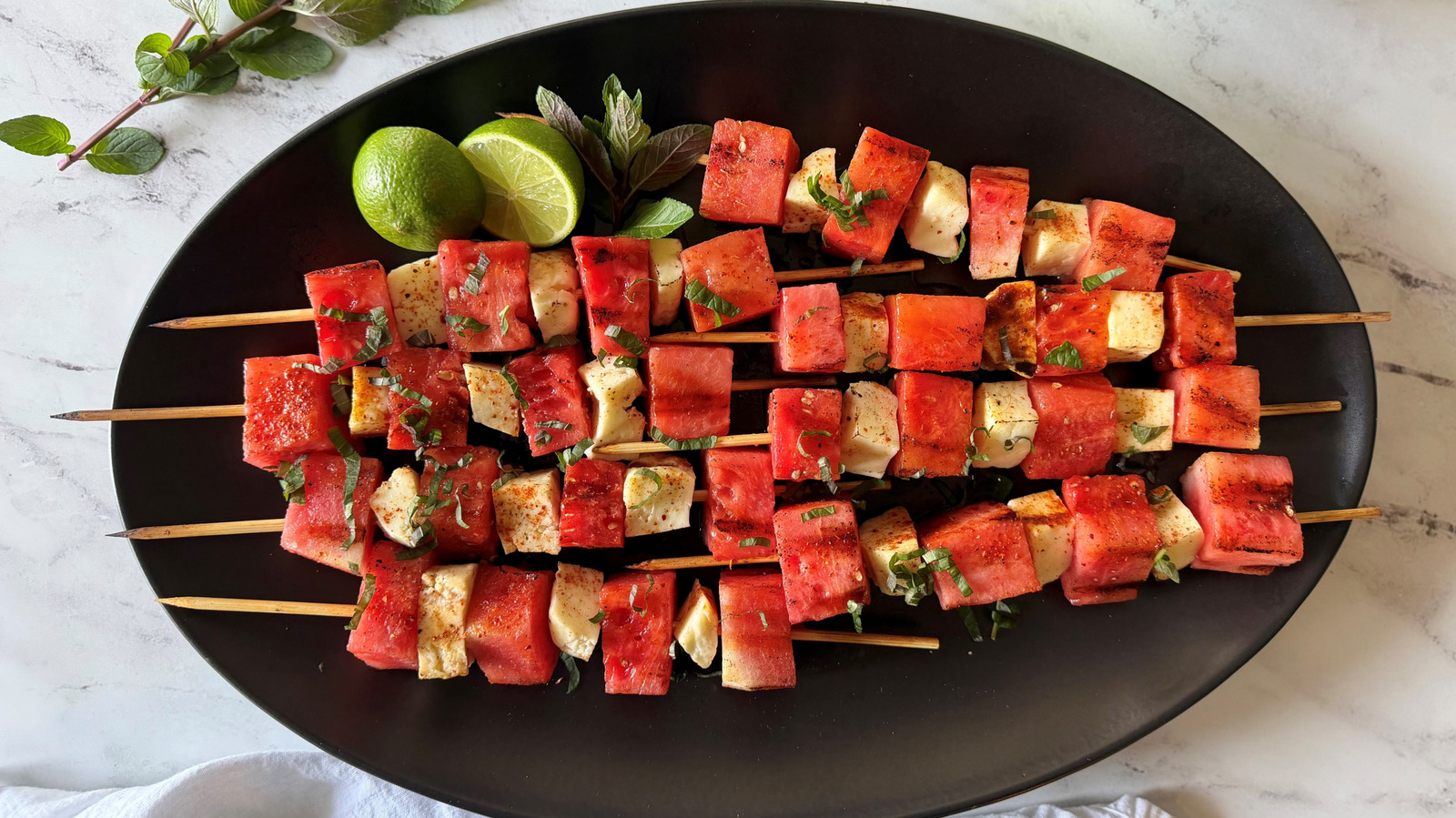
    These Tajn-Spiced Watermelon And Halloumi Skewers Taste Like Summer On A Stick
    Sweet, juicy watermelon and salty, melty halloumi are a summery match made in heaven in our easy 5-minute grilled watermelon and halloumi skewers recipe.
    0 Commentarios 0 Acciones 1 Views
  • WWW.MASHED.COM
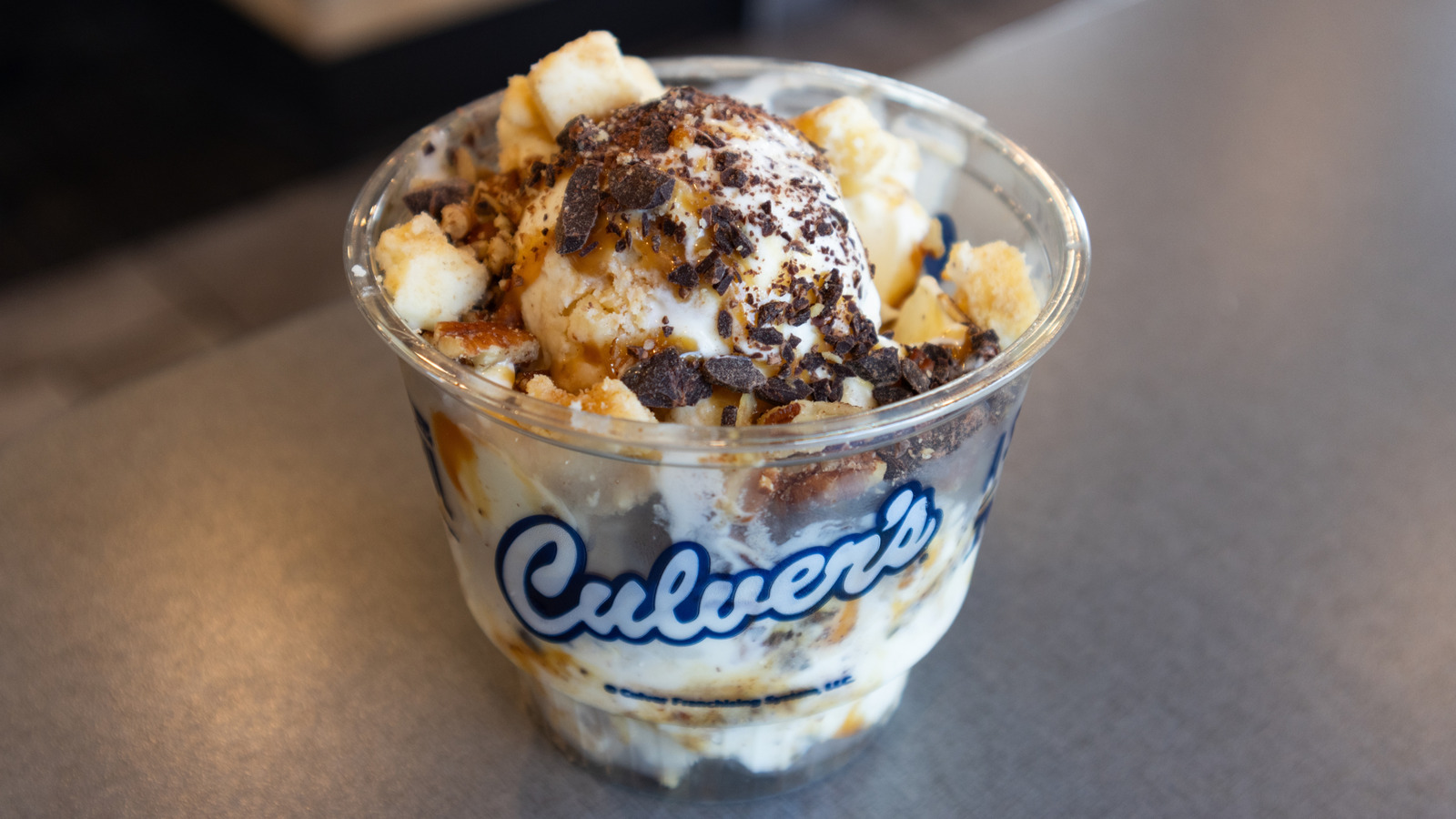
    3 Ordering Tips To Get The Best Culver's Custard
    Did you even go to Culver's if you didn't get custard? This frozen treat is a chain signature, but if you're overwhelmed by choice, these tips may help.
    0 Commentarios 0 Acciones 1 Views
  • WWW.THEKITCHN.COM
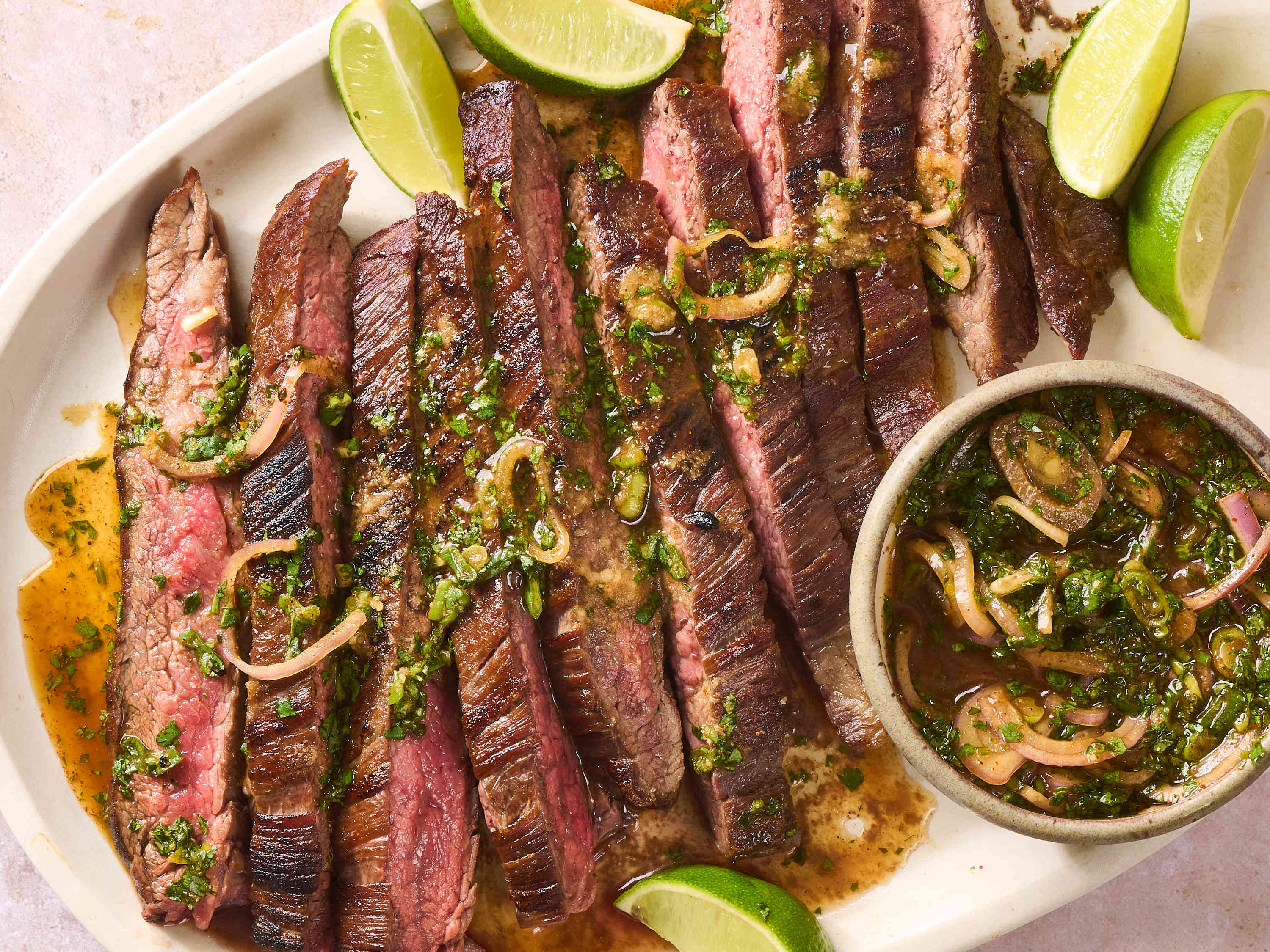
    The Flavorful Thai Sauce That Makes Steak Taste Absolutely Delicious
    Perfectly charred steak with a sweet-salty-savory-spicy sauce. READ MORE...
    0 Commentarios 0 Acciones 1 Views
  • WWW.BGR.COM
    5 Common Problems With Fire TV Stick Remotes
    Fire TV Stick remotes offer a ton of features, but they do stumble from time to time. Here are some common problems with the gadget and how to fix them.
    0 Commentarios 0 Acciones 1 Views