• 0 Σχόλια 0 Μοιράστηκε 41 Views
  • 0 Σχόλια 0 Μοιράστηκε 41 Views
  • WWW.THECOLLECTOR.COM
    The Unknown Nuclear Disaster That the Soviet Union Kept Secret for Decade
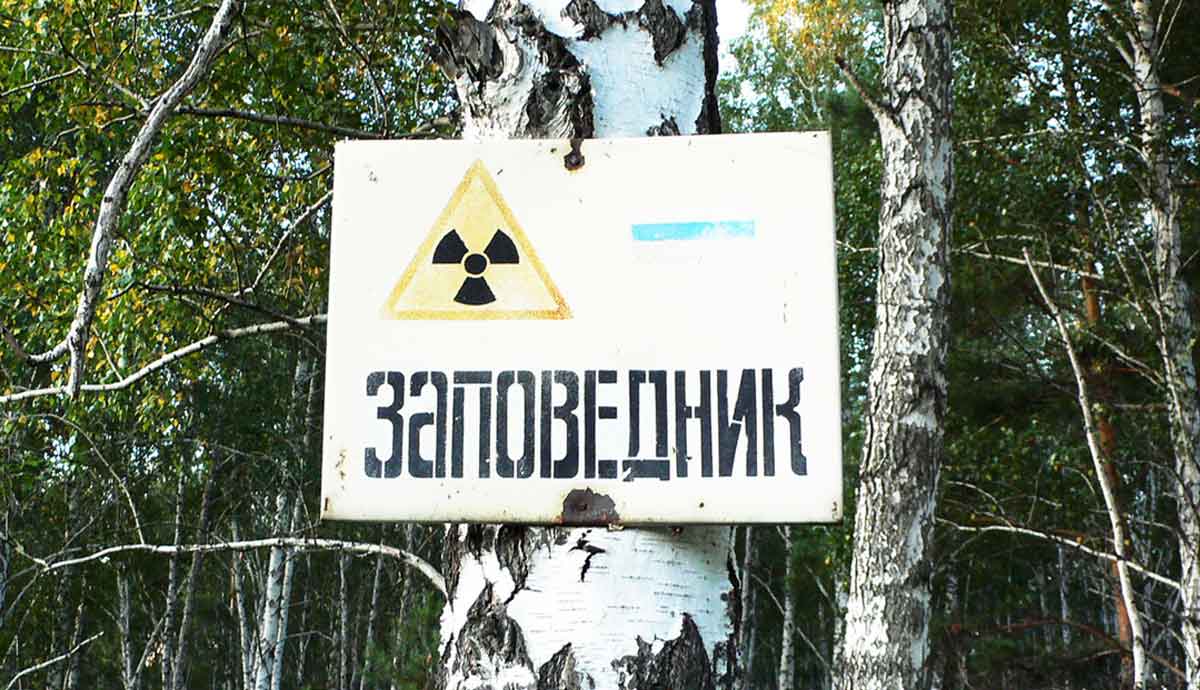
    The Kyshtym disaster was one of the worlds most serious nuclear incidents. The accident occurred in 1957 at a secret Soviet facility in the Urals that produced weapons-grade nuclear material. The disaster was kept hidden from the rest of the world for decades, and Soviet citizens were unaware that a level six release of nuclear material had occurred across a vast area of their country.The Kyshtym Disaster: Overview of a Forgotten Nuclear CatastropheA map showing the radiation spread by the Kyshtym disaster. Source: Goran tek-en / Wikimedia CommonsThe Kyshtym disaster, which has also been referred to as the Mayak or Ozyorsk nuclear incident, is considered by many to be one of the most serious nuclear incidents in history. The disaster took place on September 29, 1957, within the plutonium production site in the closed city of Chelyabinsk-40, modern-day Ozyorsk in the Chelyabinsk region.While it was largely kept secret from the rest of the world, the incident marked a turning point in the Soviet Unions relationship with nuclear safety. Once the scope of the incident became known to the wider international community, the Kyshtym disaster was designated as a level six event on the International Nuclear Event Scale and remains the only incident to be given this ranking. The disaster is the third most serious to occur in history, with the Chernobyl nuclear catastrophe and the Fukushima Daiichi meltdown being the only two level seven incidents on the INES scale.Context of the Kyshtym DisasterHeadquarters of the Mayak Production Association, 2016. Source: ScriptMaster / Wikimedia CommonsIn the years following the end of World War II, the Cold War between the United States and the USSR began in earnest. In response to Americas growing nuclear arsenal, the Soviet Union began to prioritize the production of nuclear weapons in an attempt to close the gap with the US. The Mayak Nuclear Facility was built between 1945 and 1948. However, as Soviet engineers possessed only limited knowledge about the dangers of weapons-grade nuclear material, a number of safety measures were overlooked. Moreover, serious environmental considerations were largely ignored in the plants early operations and design.The aim of the Mayak Production Association was to create weapons-grade plutonium that would be used to build the first Soviet nuclear weapons. From the start, safety procedures were largely absent at the Mayak facility, and highly radioactive waste was dumped into a nearby river that flowed into the Arctic Ocean. Moreover, the six reactors that produced the plutonium at the Mayak facility used an open-cycle cooling system that took in water from Lake Kyzyltash and released the contaminated water straight back into the same lake. When the nearby Lake Karachay also became heavily polluted, it was used as an additional site for waste storage. Over many years, the lake became one of the most heavily polluted places on Earth due to the intense concentration of nuclear waste.In 1953, an underground waste storage facility was built to prevent further contamination. The facility was equipped with steel tanks buried underground and cooling systems designed to combat the heat produced by radioactive waste. However, without adequate monitoring systems in place, the steel drums began to decay over time, creating a situation that meant a catastrophic failure was inevitable.The Kyshtym DisasterA warning sign in the East Ural Radioactive Trace region, 2007. Source: Ecodefense / Heinrich Boell Stiftung Russia / Slapovskaya / Nikulina / Wikimedia CommonsOn September 29, 1957, a huge explosion occurred at the Mayak nuclear facility, releasing massive amounts of radioactive material into the surrounding area. The explosion was caused by a failure in the cooling system of the nuclear waste tank storage area, which resulted in a chemical explosion equal in size to seventy tons of TNT. The blaze sent a column of radioactive dust into the atmosphere that dispersed fallout across thousands of square miles, an area now known as the Eastern Ural Radioactive Trace region.The explosion destroyed one of the fourteen underground storage tanks at the Mayak facility. This spread radiation over an area that was home to over a quarter of a million people. The immediate contamination affected local infrastructure, residential areas, agriculture, and all buildings in the nearby city of Ozyorsk. Workers from the Mayak facility unknowingly spread radioactive material across the entire city as they returned home from work. Once the level of contamination was discovered, precautionary measures were taken to curb the impact of the fallout that had spread across the region.The radioactive cloud that was released in the explosion resulted in the long-term contamination of almost eight thousand square miles, an area more than ten times the size of the Chernobyl exclusion zone. Highly dangerous radioactive isotopes such as cesium-137 and strontium-90 were found in water sources, forests, and agricultural facilities. Despite the immense scale of this disaster, the consequences were shrouded in Cold War-era Soviet secrecy that was only lifted during Mikhail Gorbachevs reforms in the 1980s.The Long-Term ConsequencesA monument to the Kyshtym cleanup workers, 2007. Source: Ecodefense / Heinrich Boell Stiftung Russia / Slapovskaya / Nikulina / Wikimedia CommonsDue to the initial cover-up of the disaster and the delayed onset of radiation-induced illness, the immediate human toll of the disaster was not evident until some time afterward. Some 22 villages with a combined population of ten thousand people were evacuated in the aftermath, although the process of moving those affected took almost two years in some instances. Most residents were not adequately informed about the reason behind their displacement and were simply ordered to move elsewhere. The contaminated area included fertile farmlands, and freshwater sources that were rendered unusable for decades.Some measures were taken to reduce the impact of the nuclear contamination, such as excavating radioactive topsoil and placing it in special fenced enclosures that were dubbed earth graveyards. To more effectively conceal the motive behind the mass evacuations from the West, the Soviet Union created the East Ural Nature Reserve in 1968, effectively shutting off the region from the rest of the world. However, the establishment of the reserve was not effective in addressing the long-term health impacts of those affected.Environmental ImpactThe open-air nuclear waste storage facility at Mayak, 2010. Source: Public Domain / Wikimedia CommonsBefore the 1957 Kyshtym disaster, the Mayak production facility had already inflicted significant environmental damage on the surrounding area. For years, highly radioactive waste had been dumped into the Techa River, contaminating the water and the riverside communities downstream, which relied on the river for drinking, washing, and irrigation. After the explosion, the act of dumping waste in the river was officially stopped, but waste continued to be stored in shallow lakes near the plant, particularly Lake Karachay.To this day, Lake Karachay is widely recognized as the most radiologically contaminated place on earth, and it still acts as an open-air storage facility for nuclear waste. Since the inception of the Mayak facility, the lake has accumulated roughly the same amount of radioactive material that was released during the Chernobyl nuclear disaster. According to some nuclear scientists, simply standing at the shore of the lake is enough to deliver a lethal dose of radiation. Today, the East Ural Nature Reserve is designated as an official radiation reserve that is maintained to protect against further contamination and to observe the effects of long-term radiation exposure upon the natural environment. Since the collapse of the Soviet Union, the state-run nuclear energy company Rosatom has taken control of the area.The Government Cover-UpThe Siberian Taiga, 2016. Source: Ninara / Wikimedia CommonsDue to the secret concerning the goings on at the Mayak facility, the local residents were not properly informed about the explosion in 1957. While Western media did report on a catastrophic nuclear incident at the facility during the following year, it wasnt until 1959 that a Viennese newspaper reported on the explosion in more detail. However, the full scope of the radioactive contamination was only discovered in 1976 when a Soviet dissident, Zhores Medvedev, published a paper in the journal New Scientist that exposed the disaster. Key figures in the international nuclear regulatory body dismissed the paper as impossible as such a large leak of radiation would have surely been detected by the West. It wasnt until the account was corroborated by several other Soviet dissident scientists that the reality became clear.The exact death toll of the explosion and its aftermath remain unclear, as cancer caused by radiation poisoning remains almost impossible to distinguish from other types of cancers. Some studies have estimated that nearly one hundred cancer-related deaths that occurred among the residents along River Techa may have been linked to fallout from the Kyshtym disaster. Moreover, the column of radioactive debris is said to have caused chronic radiation syndrome in approximately 66 individuals who were present at the Mayak facility.According to recently declassified CIA documents, the United States government was aware that the Kyshtym disaster had occurred since 1959. However, they chose to keep the nature of the incident secret from the general population to protect the American nuclear industry and the development of nuclear weapons from negative public opinion. In the wake of the Chernobyl nuclear disaster, the Soviet government began to slowly declassify documents on the incident.
    0 Σχόλια 0 Μοιράστηκε 43 Views
  • WWW.THECOLLECTOR.COM
    Why Is Australia Not Part of NATO?
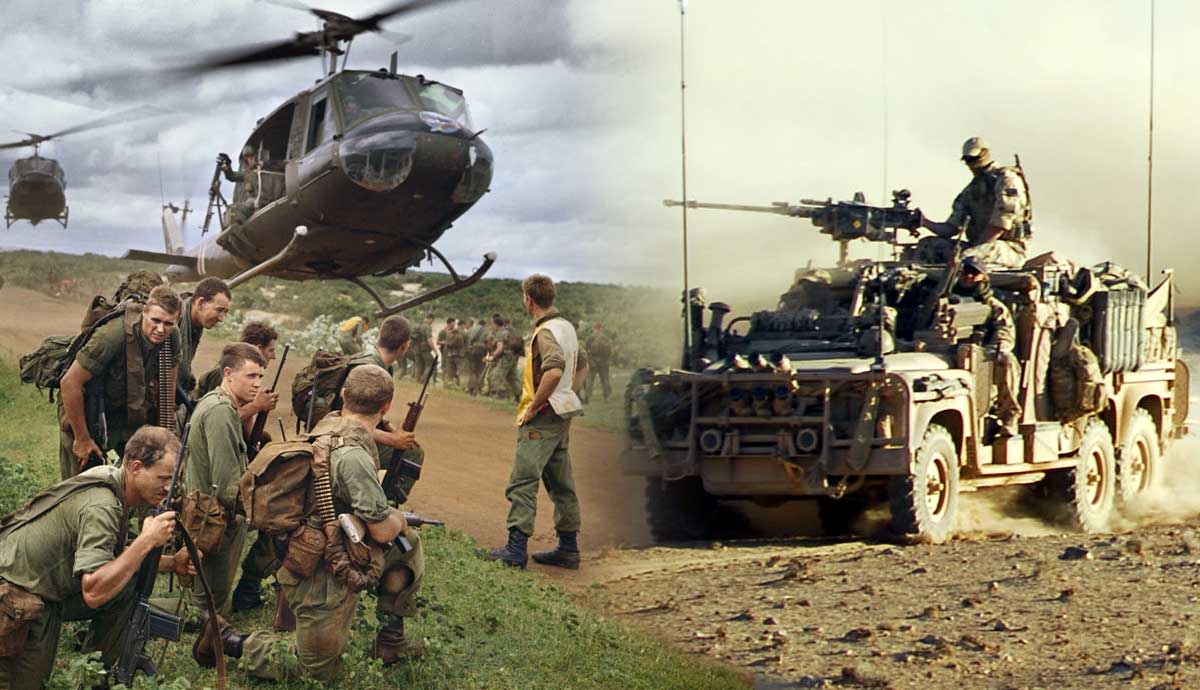
    As a result of close ties established by US President Franklin Roosevelt and Australian Prime Minister John Curtin during WWII, the United States and Australia formed an alliance. This alliance remains in place to this day and has since expanded with the creation of AUKUS. This has led to the misconception that Australia is in NATO. While Australia does not have an alliance with any European country, it works closely with NATO member states.Australia and the Grand Alliance in WWIIGeneral Douglas MacArthur meets with Australian Prime Minister John Curtin, 1944. Source: National Archives of AustraliaWhen Australia entered WWII on September 3, 1939, it did so because its government hoped to retain close ties with Great Britain and was a Commonwealth country whose head of state in 1939 was King George VI. Its forces went to the Middle East and Greece to fight alongside other British Commonwealth forces. Its leadership also supported British strategic planning in Asia, and sent forces to support the defense of Singapore.However, the Japanese entry into the war and repeated British defeats in Asia led Canberra to question Londons utility as an ally. Winston Churchill viewed Australia through a colonial lens and thought he could order their forces around. By early 1942, Prime Minister John Curtin ordered most of the Australian army fighting in North Africa to return home. Churchill begged Curtin to keep his forces in North Africa, but Curtin feared a Japanese invasion and redeployed his military resources accordingly. He had the support of the United States, which saw Australia as a bulwark against Japan.For the rest of the war, the Americans and Australians worked together to chip away at Japanese control of the Pacific. While some Australian commandos, ships, and pilots stayed in Europe, the majority of the countrys war effort was directed at defeating the Japanese military. Even though the Americans left the Australians to conduct operations of lesser importance, they still played a major role until the end of the war. The close ties between Washington and Canberra during the war assisted in the creation of a formal alliance after the war.The Creation of NATO and SEATOFirst Summit of SEATO in Bangkok, Thailand, 1955. Source: Bangkok PostAs part of an effort to create a new alliance aimed at rebuilding Western Europe and deterring the Soviet Union, France, Britain, Belgium, the Netherlands, and Luxembourg signed the Brussels Treaty of 1948. This was a new collective security arrangement but it was too weak without American backing. Despite opposition from Republicans focused on Asia affairs, the Truman administration gained enough support to enter the alliance. The North Atlantic Treaty of 1949 established the US-led alliance that would dominate transatlantic relations for generations to come.Initially composed of the United States, Canada, Belgium, Denmark, France, Iceland, Italy, Luxembourg, the Netherlands, Norway, Portugal, and the United Kingdom, NATO accepted Greece and Turkey in 1952, West Germany in 1955, and most Eastern European states after the end of the Cold War. On paper, NATOs primary focus was on Europe, but the organization established ties with strategic partners countries around the world. It became the worlds most powerful alliance and countered the USSR and the communist states in Eastern Europe.Alongside NATO, American policymakers formed the Southeast Asia Treaty Organization with its allies in the Indo-Pacific region. In February 1955, Thailand hosted a conference in Bangkok officially creating SEATO. It was composed of the United States, France, Great Britain, New Zealand, Australia, the Philippines, Thailand and Pakistan. While the US government considered SEATO a vital component of its policy to contain communism was part of the justification for American involvement in Vietnam, it had few formal military functions beyond joint exercises and dissolved in 1977.The Creation of ANZUSLieutenant-General Sydney Rowell (Australia), Major-General William Gentry (New Zealand) and Admiral Arthur Radford (US) gather in Honolulu for the first meeting of ANZUS military representatives. Source: National Museum of AustraliaBefore Australia joined SEATO in 1955, it signed a treaty with New Zealand and the United States to counter the spread of communism in the Pacific. The ANZUS Treaty marked the first time that Australia was formally tied to the United States in security matters. Canberra feared that they could not stand up to the communists alone and believed that European countries were too weak. Australian leaders also made it clear that they would only support the rearmament of Japan if they were given a security guarantee by the US.After several rounds of negotiations, US Secretary of State John Foster Dulles signed the treaty at a summit in San Francisco with the Australian and New Zealand ambassadors. The British were upset that they hadnt been included in the talks, but Robert Menzies government believed that Britains power in the Pacific was waning. The Australians saw America as the new hegemon and sought to strengthen ties with Washington instead of London.While the treaty did not have a collective defense clause similar to NATOs Article V, it did ensure close security and intelligence cooperation between the member states. Australias large intelligence community proved to be an effective partner of the CIA and FBI. American bases remained in Australia after their establishment in WWII as part of the treaty. Canberra also agreed to keep some forces in Japan as part of the postwar occupation force. While New Zealand withdrew from the treaty in the 1980s, the agreement remains the basis for the security relationship between the United States and Australia.Australia and NATO in VietnamAustralian troops awaiting pickup by an American helicopter in Vietnam, 1967. Source: National Museum of AustraliaWhen American forces first started getting seriously involved in combat in Vietnam, it looked for support from its allies across the world. While the United States had the support of most NATO members in the Korean War, the Vietnam War had few supporters outside Washington. France did not want to reenter the country after its failure to reestablish colonial rule in the First Indochinese War of 1945-1954. Other NATO members were tied up with obligations closer to home. NATOs leadership feared enmeshing itself in the growing quagmire that Vietnam was proving to be for American forces.The Australian government under Robert Menzies and his successor, Harold Holt, rallied to the American cause. Starting in 1962, Australia and New Zealand began deploying forces to South Vietnam. They aimed to train South Vietnamese forces and began to fight alongside them. With prior experience in fighting in the jungles of Malaysia and Borneo, Australian forces proved to be effective allies to the Americans. Notwithstanding the war becoming more unpopular in Australia, Holts government doubled down and committed more troops. Even after his disappearance and death, Australian forces continued to fight in Vietnam.Once it became clear the American-led coalition could not win, Australia decided to begin scaling down military operations in the country. Prime Minister Gough Whitlam was skeptical of American goals in the region and began to align his country more closely with European NATO members.The Development of Australias Relationship With NATO Over TimeMap of NATOs and its strategic partners around the world, 2022. Source: Maps on the WebNotwithstanding policy differences that existed between Australias leadership and NATO, the country has grown very close with the alliance and many of its members. Thanks to Australias heavily Anglophone diaspora population, it remained closely aligned to North America and Western Europe. Australias military was armed and trained to NATOs standards from the moment NATO created its joint military apparatus. Its intelligence community established ties with NATO intelligence agencies. Canberra knew that in order to defend its territory, it needed to maintain ties with a number of NATO member states beyond just the Americans.After Australias pivot to focus on Asian affairs, it did not initially support NATOs defense plans in Europe. Successive governments in Canberra thought that communism in Asia posed a greater threat than communism in Europe. However, both Labor and Liberal governments agreed to maintain ties with European NATO members in defense and intelligence fields for security purposes. When Australia sent forces to Korea, it attached them to a British-led force. It also purchased a lot of equipment from European arms manufacturers.During the 1950s, Australia agreed to allow Britain to test nuclear weapons in the Outback since there were no suitable test sites in the United Kingdom. Starting in 1952, the UK tested a bomb in Maralinga and began testing more of them. As time went on, the UKs bomb tests grew bigger. While Australia did not obtain any nuclear weapons of its own, it did join research with British scientists on nuclear blasts. This ended in 1963 when the UK suspended its tests.Australia and NATO in the 21st centuryAustralian Special Operations Task Force on patrol in Afghanistan, 2009. Source: NATO International Security Assistance Force Public AffairsIn the aftermath of the September 11 attacks, Australias ties with NATO became much closer. In addition to its commitment to the ANZUS Treaty, Australia feared that Islamist terror movements could start attacking Australasian targets. Canberra began to deploy special forces teams to Afghanistan following NATOs invasion of the country and the toppling of the Taliban. Australias involvement in Afghanistan lasted until the final withdrawal of Coalition forces in 2021. Its involvement in the Five Eyes Intelligence Alliance expanded to include counterterrorism intelligence sharing.In 2013, Australia joined the Individual Partnership and Cooperation Programme. Its navy and air force increased its involvement in NATO task forces when operating in the Indian Ocean or the Mediterranean. While it does not have a formal defensive alliance with most NATO members except the US, its partnerships with NATO ensures that, in the event of a major security threat, the alliance will be there to help them.In 2021, Australia signed a new agreement with the US and Britain that fundamentally altered its relationship with the West. The AUKUS deal, signed by President Joe Biden, UK Prime Minister Boris Johnson, and Australian Prime Minister Scott Morrison. The provisions involved a new nuclear submarine program for Australia, repudiating an existing deal with France. Nevertheless, the treaty demonstrated Australias willingness to work with other NATO members to strengthen its military capacity. It also showed NATOs increasing interest in Asia affairs. Australia has proven over the past years to be in a hybrid relationship with NATO: a key partner of the organization but not a full member.

    0 Σχόλια 0 Μοιράστηκε 43 Views
  • Kingshot Currency, primarily consisting of kingshot gems(https://www.lootbar.com/top-up/king-shot-top-up?utm_source=blog ) and specialized packs, is the cornerstone of any advanced kingshot strategy(https://www.lootbar.com/top-up/king-shot-top-up?utm_source=blog ) , enabling rapid building completions and hero upgrades to dominate the battlefield.
    These resources are acquired through top-up services on gaming marketplaces like LootBar, which offers secure and discounted transactions for instant delivery.
    By leveraging kingshot gems from such platforms, players can fine-tune their approach and swiftly outpace rivals in the game's dynamic environment.
    Why Top up Kingshot Gems on LootBar?
    If players want to top up Kingshot Gem, they may want to consider using lootbar(https://www.lootbar.com/?
    Kingshot Currency, primarily consisting of kingshot gems(https://www.lootbar.com/top-up/king-shot-top-up?utm_source=blog ) and specialized packs, is the cornerstone of any advanced kingshot strategy(https://www.lootbar.com/top-up/king-shot-top-up?utm_source=blog ) , enabling rapid building completions and hero upgrades to dominate the battlefield. These resources are acquired through top-up services on gaming marketplaces like LootBar, which offers secure and discounted transactions for instant delivery. By leveraging kingshot gems from such platforms, players can fine-tune their approach and swiftly outpace rivals in the game's dynamic environment. Why Top up Kingshot Gems on LootBar? If players want to top up Kingshot Gem, they may want to consider using lootbar(https://www.lootbar.com/?
    0 Σχόλια 0 Μοιράστηκε 67 Views
  • 0 Σχόλια 0 Μοιράστηκε 55 Views
  • 0 Σχόλια 0 Μοιράστηκε 41 Views
  • WWW.DUALSHOCKERS.COM
    Amazon Clarifies Recenet Comments About Whether or Not IO Interactive Is Involved in the 007 First Light Sequel
    In what's been a strong year for video games, 007 First Light is one of the game's very best.
    0 Σχόλια 0 Μοιράστηκε 44 Views
  • WWW.DUALSHOCKERS.COM
    10 JRPG Combat Systems That Need to Come Back
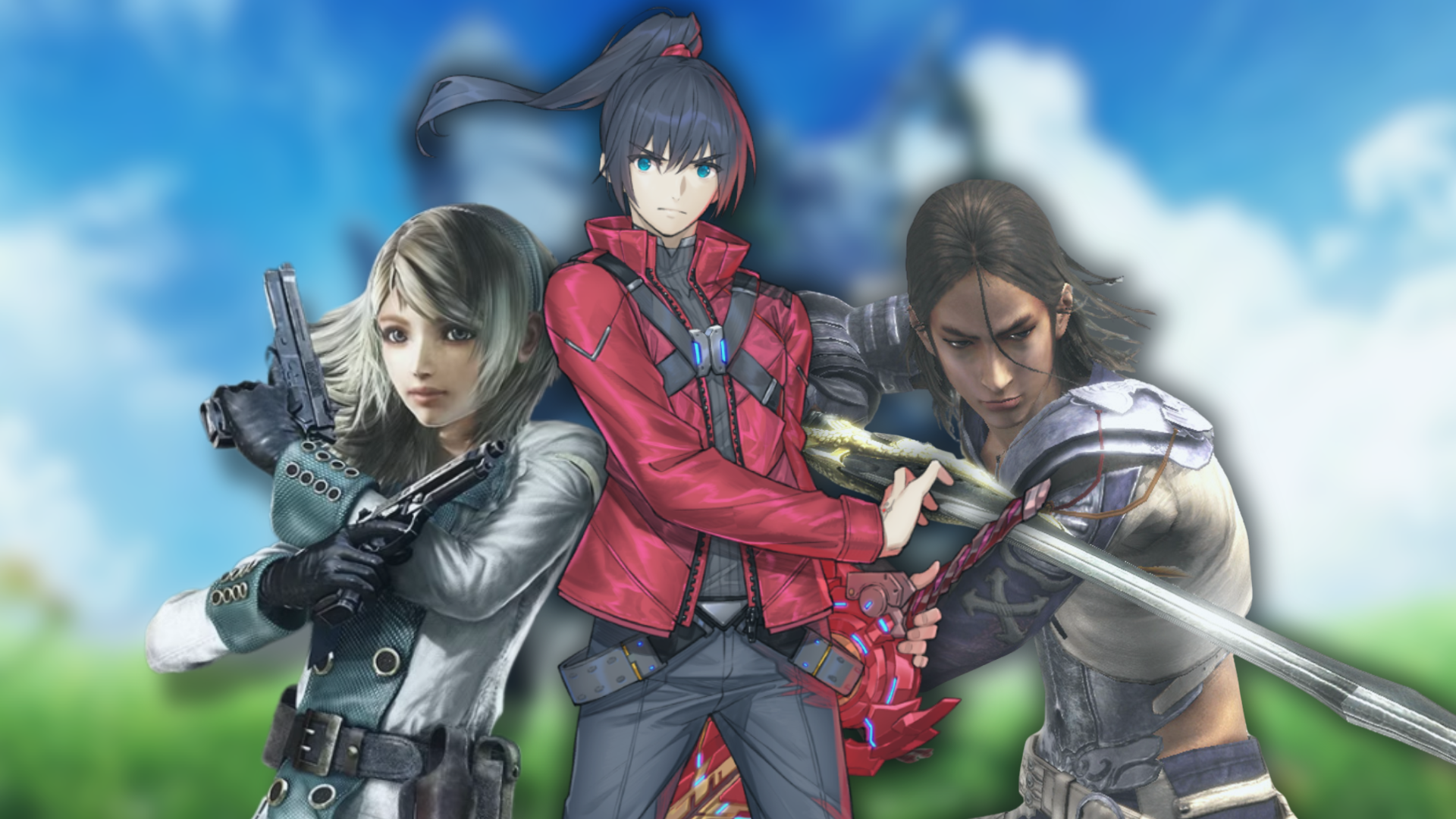
    The JRPG genre has had countless battle systems over the years, from the early days of straight-up turn-based battles to the more evolved ATB systems of the 90s. Over time, though, there are many systems that have disappeared.
    0 Σχόλια 0 Μοιράστηκε 44 Views
  • WWW.PCGAMESN.COM
    Subnautica 2's next region will be its "scariest" yet, but it hides the chassis we've all been waiting for
    With four million sales in the bag and counting, the journey of Subnautica 2 is off to a fantastic start. Now that it's had a month to settle down and address the biggest issues, however, developer Unknown Worlds is shifting away from frequent rapid hotfixes to put its focus on the first big early access update. In a new video blog, Design Lead Anthony Gallegos sits down to share thanks for the support so far and talk about what's next for Subnautica 2. That includes some big teasers for the first major update, including the return of an iconic chassis.
    0 Σχόλια 0 Μοιράστηκε 58 Views