• YUBNUB.NEWS
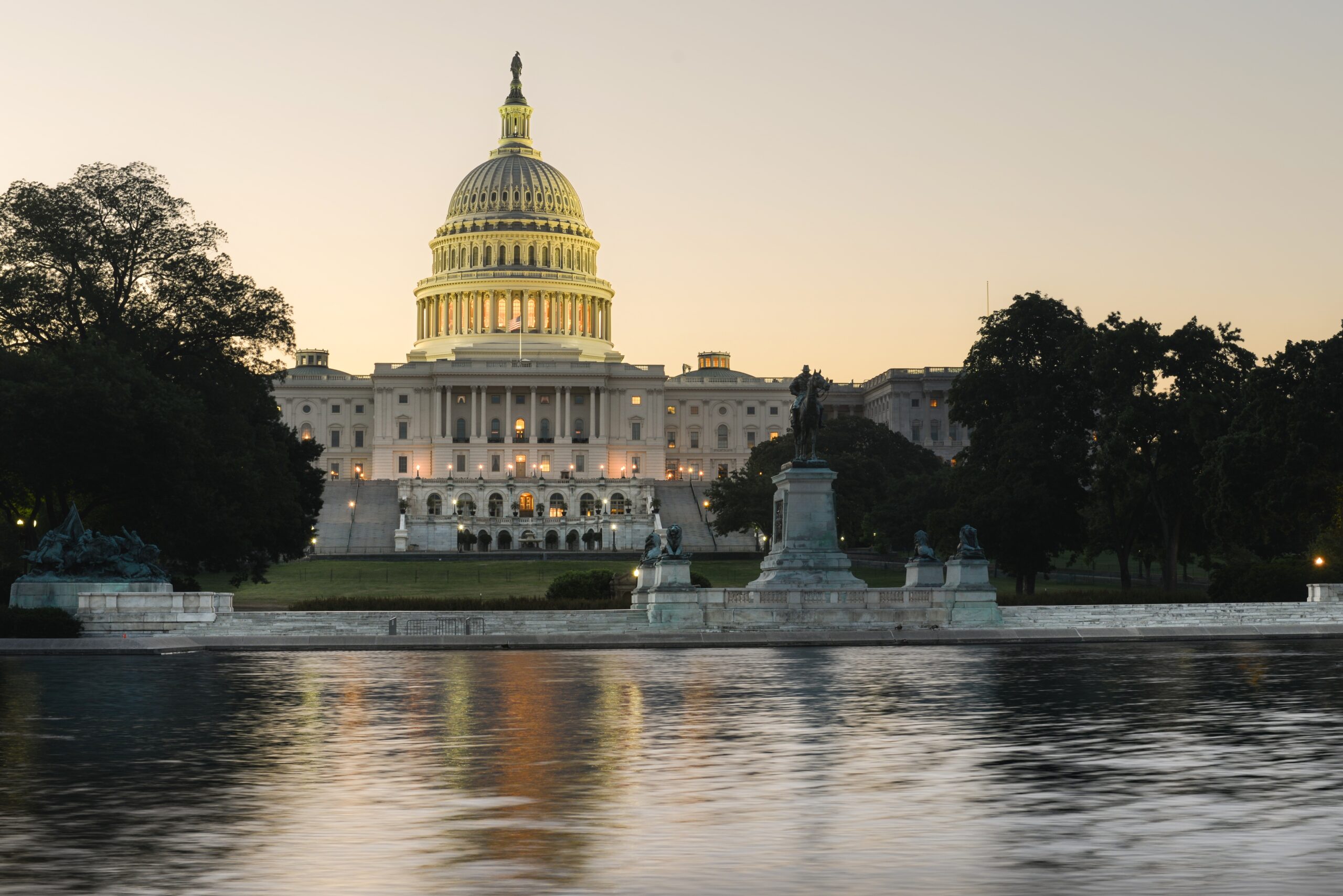
    Extreme Division Leading US to Civil Unrest & Financial Collapse, Warns Ex-WH Economist
    The increasing polarization and radicalization in American politics is leading the nation to civil unrest, financial collapse, and war, warned former White House economist and lawman Mike ter Maat in
    0 Kommentare 0 Geteilt 34 Ansichten
  • YUBNUB.NEWS
    House Votes To Force End To Iran War As Four Republicans Join Democrats
    The 215-208 vote marked the first time the House has backed a measure seeking to halt President Donald Trumps military campaign in Iran.By yourNEWS Media Newsroom The House voted Wednesday to advance
    0 Kommentare 0 Geteilt 34 Ansichten
  • WWW.DUALSHOCKERS.COM
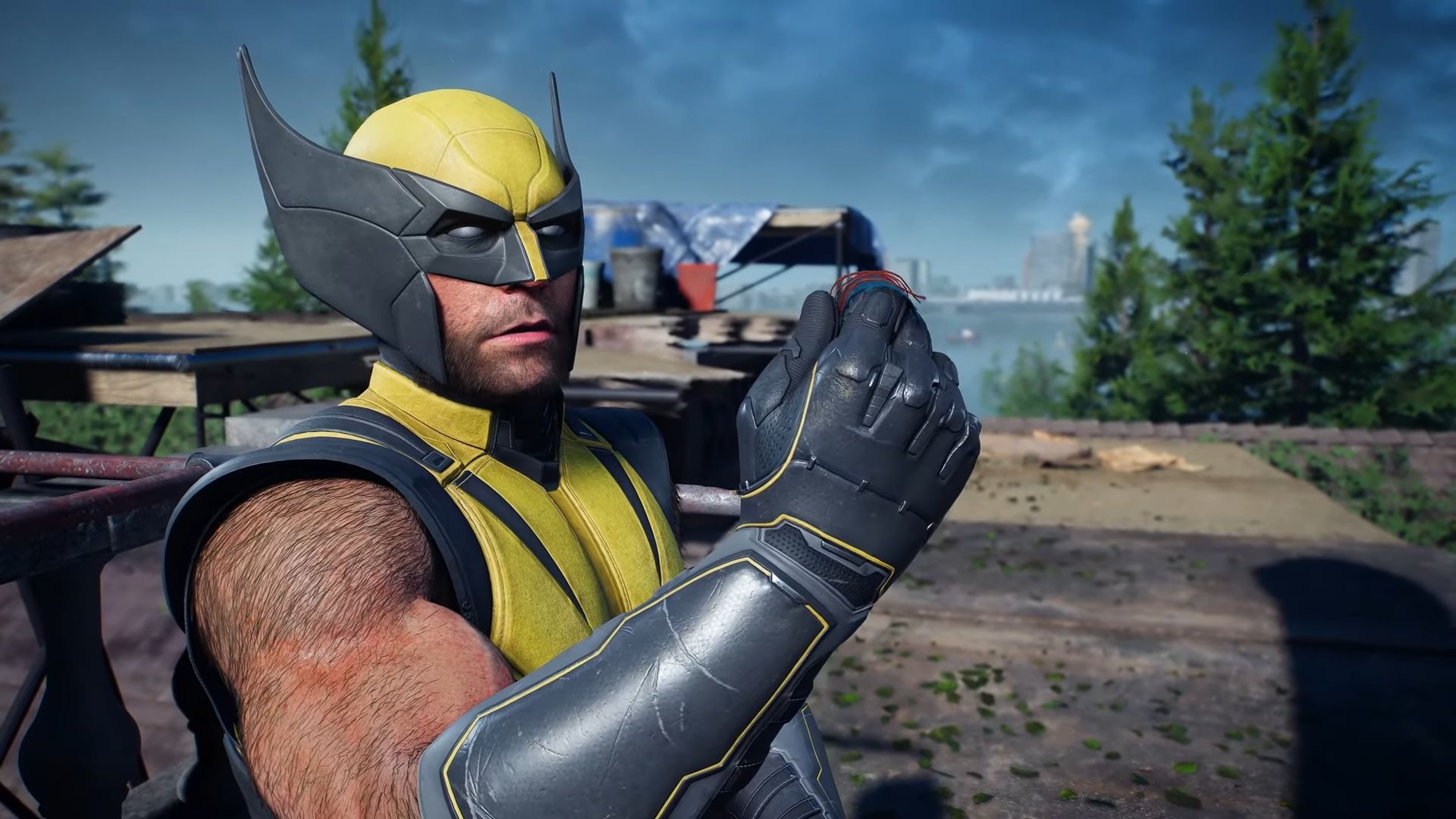
    Wolverine's Accessibility Options Make It as Violent as the '90s X-Men
    Marvel's Wolverine had one of the most violent video game trailers of the PlayStation 5 era, but the developers have confirmed that the blood and gore can be turned off using the game's accessibility options.
    0 Kommentare 0 Geteilt 34 Ansichten
  • WWW.BGR.COM
    4 Blackberry Features Users Still Miss
    Blackberry phones once dominated the mobile phone landscape, and those who used them years ago are still nostalgic for their innovative features.
    0 Kommentare 0 Geteilt 39 Ansichten
  • TECHCRUNCH.COM
    Quick commerce FirstClub doubles valuation to $255M in nine months
    The Bengaluru startup has crossed 1 million orders and reached a $50 million annualized GMV run rate within a year of launch.
    0 Kommentare 0 Geteilt 33 Ansichten
  • YUBNUB.NEWS
    Trust in our elections and trust in the new world of AI
    [View Article at Source]The National Security Hour with Blanquita Cullum On this edition of the National Security Hour, host Blanquita Cullum talks about Trust. Trust in our elections and trust in
    0 Kommentare 0 Geteilt 32 Ansichten
  • WWW.UNIVERSETODAY.COM
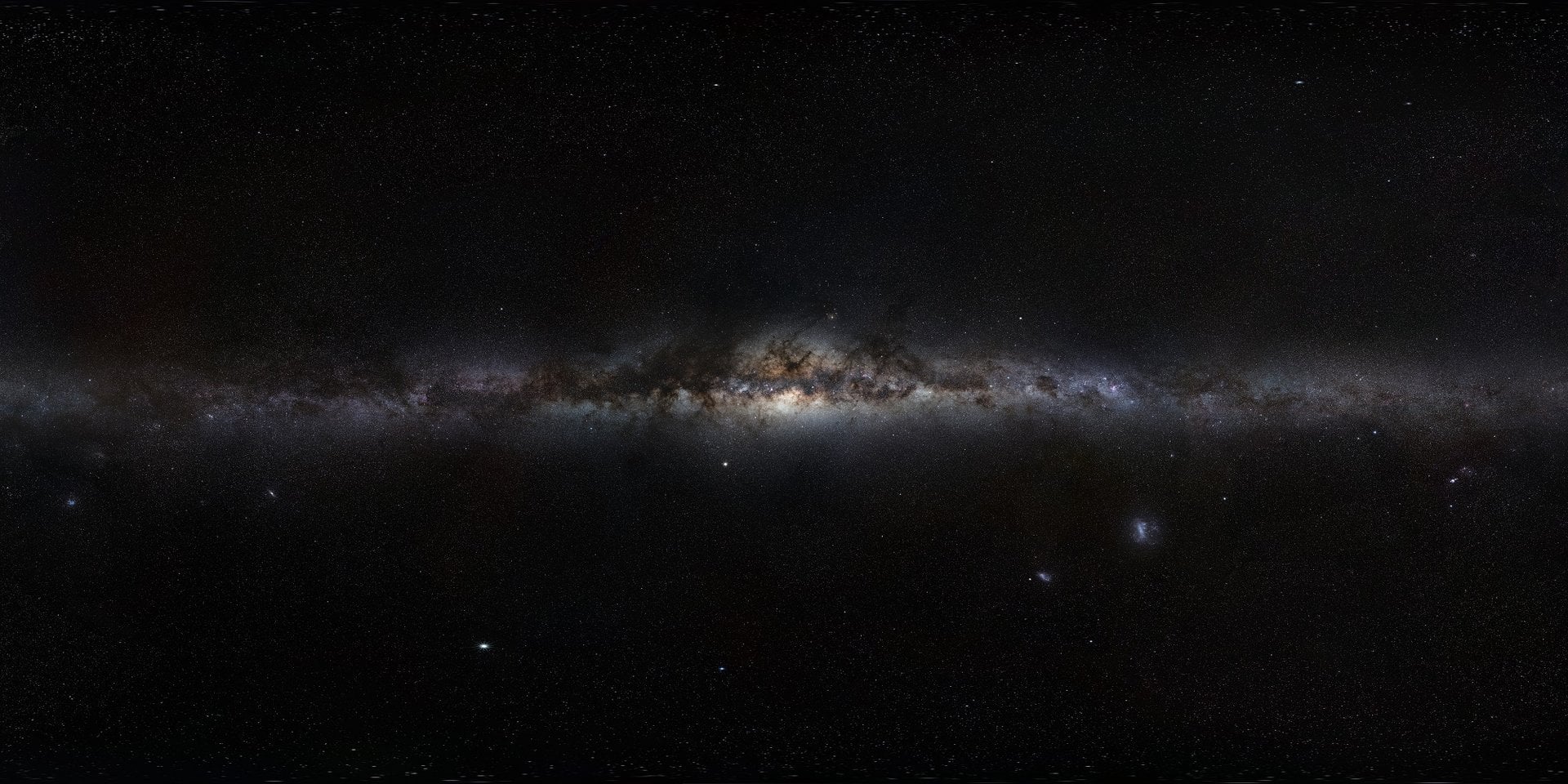
    A Brief-ish History of SETI. Part IX: What Have We Found?
    In our final installment in the series, we'll examine all the close calls, possible candidates, and instances in which extraterrestrial signals could not be ruled out
    0 Kommentare 0 Geteilt 36 Ansichten
  • WWW.THECOLLECTOR.COM
    The Woman Who Revealed the Forbidden Truth About Chernobyl
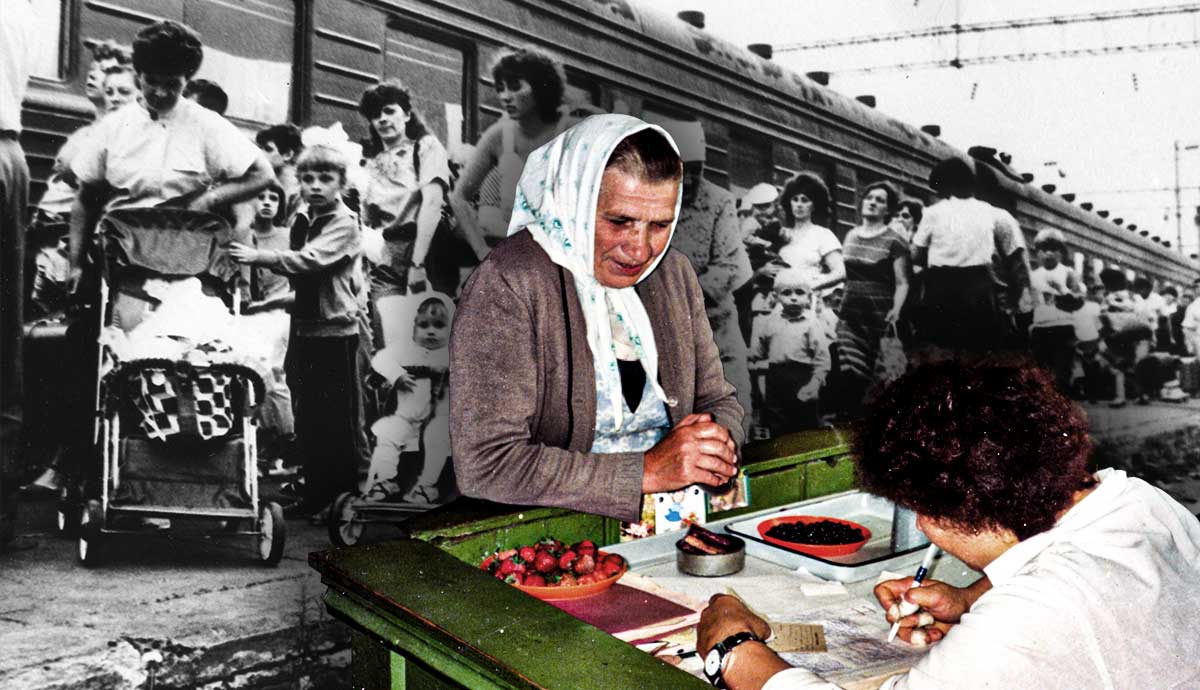
    The Chernobyl nuclear disaster is one of the most significant events in modern history, but the full extent of its impact has remained shrouded in secrecy until relatively recently. Alla Yaroshinskaya, a journalist, politician, and activist, dedicated her life to uncovering the hidden truth about the catastrophe. Her extensive investigative work, from exposing suppressed health reports to challenging Soviet-era censorship, revealed the hidden truth behind the nature of the Chernobyl fallout. What she discovered was shocking.The Chernobyl Disaster: An OverviewThe abandoned city of Pripyat with the Chernobyl nuclear power plant in the background, 2013. Source: IAEA Imagebank on flickrUnder increasing pressure to increase power output and improve efficiency, engineers working at the Chernobyl nuclear plant in the Soviet Republic of Ukraine performed an unorthodox safety test on April 26, 1986. Due to an unseen flaw in the reactors design, the test triggered a chain reaction that caused a catastrophic meltdown. The ensuing steam explosion and nuclear inferno destroyed much of the reactor building, littered radioactive graphite, and spread a cloud of contaminated material over a wide area. Firefighters were called to put out the blaze, but due to the exotic nature of the materials inside the reactor, the fire kept burning, pumping radiation into the air.After a brief period of radio silence from the Kremlin, Mikhail Gorbachev announced to the world that a nuclear incident had indeed occurred at Chernobyl. What followed was the largest peacetime military operation in Soviet history. Thousands of Red Army reservists were called up to become liquidators. These individuals were tasked with cleaning up the radioactive debris, extinguishing the blaze within the damaged reactor, and building a containment unit to seal off the radioactive material still inside. The clean-up cost the USSR an estimated $235 billion at a time when its economy was far from flourishing.Despite the costly clean-up process, considerable amounts of radioactive isotopes permanently contaminated the soil, buildings, and inhabitants of the surrounding area. As a result, an exclusion zone was created to prevent further contamination. Dogs and cats were left behind, and entire families lost their possessions.With Gorbachevs new policy of Glasnost, the real truth about Chernobyl started to come out. However, the true extent of Chernobyl remained hidden in Soviet archives until Alla Yaroshinskaya began her work uncovering the truth.Systemic Failures and Bureaucratic InactionChernobyl evacuees, 1990. Source: IAEA Imagebank on flickrThe response to the disaster on April 26 was typical of the Soviet nuclear industry and demonstrated the governments inherent disregard for the well-being of its citizens. In the Ukrainian SSR, the people were unaware of the radioactive cloud hanging above their heads until a Swedish monitoring station in Stockholm, intended to detect a leak inside their own nuclear plant, discovered a radioactive cloud spreading across Eastern and Western Europe. Upon the discovery, the Soviet Union was forced to confess that a nuclear disaster had occurred, and for the citizens of the Ukrainian SSR, it was their first information about the disaster unfolding in their own republic.By May 7, 1986, almost two weeks after the initial explosion at Chernobyl, the Soviet government passed its first decree that addressed the need for Chernobyl cleanup workers to be adequately compensated for their work. However, these measures fell short of addressing the broader societal and environmental consequences of the disaster. Over the following years, a number of new decrees were set out by the Soviet government that sought to manage issues related to the cleanup process. These measures also failed, and the long-lasting consequences of the disaster were inadequately dealt with.Outside the directly affected area, the wider Soviet public remained unaware of the scale of the Chernobyl disaster. It wasnt until three weeks later that Gorbachev made a public statement about the situation. After the cover-up campaign was lifted and the authorities acknowledged that a nuclear incident had occurred, a zone surrounding Chernobyl was designated an exclusion zone, and the inhabitants were evacuated. The nature of the evacuation from this zone was highly chaotic, leading to cases of people being left behind after the area had been cleared out and those who were evacuated being separated from their families or unable to find housing.Changes to Soviet LawA power plant worker undergoes a medical examination. Source: IAEA Imagebank on flickrIn 1990, the Supreme Soviet of the USSR officially acknowledged the profound ecological, social, and moral challenges posed by the Chernobyl disaster. In their pronouncement, the Supreme Soviet called for the drafting of a new law that would define the rights of the affected populations, regulate the exclusion zone, and formalize the governments responsibility for the disaster. However, when the Soviet Union collapsed in 1991, it was left to the newly independent governments of Ukraine, Belarus, and Russia to provide social and economic support to the victims.The governments of each nation drafted new laws that effectively fulfilled the Supreme Soviets promise. However, they were immediately criticized for their inadequacy. Issues were raised regarding discrepancies in radiation dose calculations and insufficient compensation for the disaster victims. Moreover, the laws did not account for the long-term medical and environmental consequences caused by the radioactive fallout.Alla Yaroshinskaya Begins Her ResearchDr. Katerina Ganzha visiting her former apartment in Pripyat, 2005. Source: IAEA Imagebank on flickrAlla Yaroshinskaya is a Ukrainian-Russian journalist, politician, and human rights activist. During her student years at the National University of Kyiv, she was a known political dissident who was arrested by the KGB and forced to comply with Soviet norms. After Mikhail Gorbachev became leader of the Soviet Union, she founded a political club that supported his reforms of Perestroika and Glasnost.After the Chernobyl nuclear disaster in 1986, Yaroshinskaya traveled secretly into contaminated areas as part of her work for the Samizdat newspaper Stenogramma. While visiting these areas, she met refugees from contaminated villages who had been relocated to places that were not safe for human habitation. She also discovered that the only food available to these refugees was highly irradiated. Her initial reports were suppressed by Soviet censors and only found an audience through the Samizdat underground publishing networks.In 1989, Yaroshinskaya ran in the Soviet parliamentary elections. Despite an intense smear campaign against her by Soviet hardliners, she won with ninety percent of the vote. As a newly elected member of Gorbachevs parliament, Yaroshinskaya continued her work investigating the consequences of the Chernobyl disaster. By 1990, Yaroshinskaya used her government connections to make copies of top-secret Kremlin documents that revealed the truth about the levels of contamination present in the areas surrounding Chernobyl.The Forbidden TruthA woman takes her produce to be checked for radiation, 2007. Source: IAEA Imagebank on flickrThe documents discovered by Alla Yaroshinskaya revealed that by May 12, 1986, nearly ten thousand people had been hospitalized in the affected areas as a result of acute radiation exposure. Official reports had only disclosed that a handful of individuals had entered the hospital with symptoms of radiation exposure. The documents went on to reveal that to reduce the number of reported cases of radiation sickness, the Soviet government ordered that the levels of safe contamination be arbitrarily raised to remove these patients from the official records.One of the most striking revelations from these documents is that the Soviet government deliberately manipulated radiation safety standards to downplay the effects of the Chernobyl disaster. Shockingly, in the days following the reactor meltdown, the acceptable radiation dose was increased to fifty times higher than what was previously in place. This drastic change allowed Soviet doctors to justify discharging thousands of patients who had been hospitalized due to symptoms caused by acute radiation syndrome.This deliberate manipulation of the radiation standards had profound consequences for the people of the Soviet Union. A large number of individuals who were declared to be healthy under the new standards continued to suffer from the long-term health effects of radiation exposure. These included cancer and genetic disorders. Moreover, as they were not officially recorded as victims of radiation sickness, these individuals were not eligible for government assistance.Impacts of the Secret ProtocolsA helicopter spraying solvent on the irradiated zone, 1986. Source: IAEA Imagebank on flickrThe documents discovered by Yaroshinskaya also revealed that the Kremlin had instructed agricultural producers to conceal the true contamination within their meat and milk. One protocol called on farmers to simply wash their cows with water before slaughtering them, and if meat was particularly contaminated, it was to be mixed with uncontaminated meat to reduce the overall level of radioactivity. According to the secret protocols revealed by Yaroshinskaya, approximately 7.5 thousand tonnes of contaminated meat and 2 million tonnes of contaminated milk were produced between the years 1986 and 1989.Once the realities of government negligence came to light, the Chernobyl disaster became a significant turning point in the relationship between ordinary Soviet citizens and their leaders. Before Chernobyl, people broadly supported the regime. They accepted its flaws and looked forward to a future within the Soviet system. However, after Chernobyl exposed to the public how broken the system was, many became aware that such a system posed a direct threat to their well-being and that a future under such a system was not possible. While Glasnost may have brought the worst of Stalins crimes to light, for many, these events felt distant from everyday life. In contrast, Chernobyl made the safety of every individual a personal concern.

    0 Kommentare 0 Geteilt 36 Ansichten
  • ALLTHATSINTERESTING.COM
    Dust Bowl Migrants, The 2.5 Million People Who Fled The Dust Bowl In The 1930s
    Dorthea Lange/Library of CongressA family of Dust Bowl migrants from Oklahoma stands by the side of the road after their car broke down. 1936.In the 1930s, dust storms moved across the Plain states like a Biblical plague. Crops withered. Cattle choked on dust. And 2.5 million Dust Bowl migrants poured out of the American heartland in one of the largest mass migration events in U.S. history.But in fleeing an ecological disaster, many Dust Bowl migrants found themselves mired in new crisis. They faced difficult, lonely journeys, as well as hostile welcomes in their adopted states. Dust Bowl migrants were derisively called Okies, no matter where theyd originally come from, and often faced discrimination and even violence from their fellow Americans. This is the story of the Dust Bowl migrants, the 2.5 million people who fled the Dust Bowl in the 1930s. The Dust Bowl, One Of The Worst Ecological Disasters In U.S. HistoryU.S. Department of AgricultureDust storms across the Great Plains buried farms. Migrants abandoned their farm equipment to flee the storms.The United States was still reeling from the start of the Great Depression when another disaster struck the American heartland. In the 1930s, the Dust Bowl one of the greatest man-made ecological disasters in U.S. history began to grow in scope. The seeds of the disaster had been sown in the 19th century, when thousands of settlers poured into the Plains states following the Homestead Act of 1862. Farmers uprooted the native prairie grasses, and used the land to grow wheat or graze cattle. Without native grasses to hold the topsoil in place, high winds created massive dust clouds. And a long period of drought made these conditions even worse. In 1932, there were 14 dust storms. The next year, there were 38.National Archives and Records AdministrationKnown as the Black Sunday dust storm, this massive storm of April 14, 1935 blacked out the sun.Dust storms spread across the American heartland, from New Mexico and Colorado to Oklahoma and Texas. These black blizzards buried livestock and crops, and caused farms to fail. Many farmers could not afford to wait until the disaster dubbed the Dust Bowl came to an end. And so, 2.5 million Americans made the heartbreaking choice to abandon their homesteads. These Dust Bowl migrants poured out of the Plains states, and some 200,000 of them decided to make the journey to California. The Dust Bowl Migrants Difficult Trek To CaliforniaWith no other choice, Dust Bowl migrants packed their families, possessions, and life savings into their cars and trucks. After abandoning their dust-choked homes, many headed west to California, where they had heard about job opportunities and generous unemployment relief. They traveled along Route 66, which they called Mother Road.As the State of California Capitol Museum reports, some 70,000 Dust Bowl migrants settled in the San Joaquin Valley, where there was a wealth of agricultural jobs. Another 100,000 settled in Los Angeles.But the Dust Bowl migrants did not receive a warm welcome. Library of CongressDust Bowl migrants piled all of their belongings into cars and drove away from the storms.Viewed with disdain, Dust Bowl migrants were derisively called Okies. Locals viewed them as a competition for jobs (which were already scarce during the Great Depression) and looked down on them because of their dependence on government programs. In 1936, Los Angeles even sent 125 policemen to the states border to keep undesirables out. Californias relief rolls are overcrowded now. No use to come farther, a man at Californias border called out to migrants in 1935 according to PBS. There really is nothing for you here.But the migrants ignored the warning. So? one of them replied. Well, you ought to see what they got where I come from.The Difficult Life Of Dust Bowl MigrantsNot only did Dust Bowl migrants face discrimination, but they also faced harsh conditions in their newly adopted states. Many migrants lived in shanty towns or alongside ditches, and worked low-paying, back-breaking jobs. Picking grapes and cotton, farm workers made as little as 75 cents per day. A portion of this money 25 cents went to renting shacks with no floors or plumbing. Meanwhile, angry locals attacked migrant camps, beat up workers, and burned their shacks. The migrants, they declared, were Communists. Dorothea Lange/New York Public LibraryMigrant farmworkers in California often lived in shacks with no running water or electricity.The harsh conditions that Dust Bowl migrants endured was famously captured by writer John Steinbeck, who described their plight in his 1939 novel The Grapes of Wrath.This here fella says, Im payin twenty cents an hour,' one character exclaims in the novel. An maybe half a the men walk off. But theys still five hunderd thats so goddamn hungry theyll work for nothin but biscuits.Competition meant farms could cut wages and exploit workers. The more fellas he can get, less hes gonna pay. An hell get a fella with kids if he can.Dorothea Lange/Library of CongressFlorence Owens Thompson, the Dust Bowl migrant from Dorothea Langes famous photo Migrant Mother.Those who couldnt find jobs built their own shanties, where they lived with no plumbing or electricity. These Okievilles faced outbreaks of tuberculosis, malaria, typhoid, and smallpox. And though the federal government began building resettlement camps in California to house the Dust Bowl migrants in 1935, these camps held only 75,000 people.Meanwhile, local children bullied migrant children, calling them maggots instead of migrants. Even teachers mocked the childrens accents.We aint people, one migrant child lamented. We are sharecroppers.Dorothea Lange/Library of CongressThe children of Dust Bowl migrants faced harsh conditions and were targeted by locals. Another sadly stated, No one likes me, Im an Okie. The Legacy of the Dust Bowl MigrantsIn 1939, rainy weather returned to the Plains states. This helped bring an end to the Dust Bowl, and the start of World War II improved the national economy. But few Dust Bowl migrants returned home. Instead, many left farm work for defense jobs in Los Angeles or San Francisco, where shipyards and aircraft factories were hiring at a healthy clip to support the war effort. They replaced their shacks with homes, and settled permanently in the west. Meanwhile, works of art like Steinbecks 1939 novel, or Woody Guthries 1940 song Dust Bowl Refugees helped build sympathy for the Dust Bowl migrants. U.S. Department of AgricultureDust Bowl migrants experienced extreme poverty, discrimination, and violence. Yet for many, that was preferable to the ecological disaster theyd fled at home. But though the crisis had passed, the Dust Bowl revealed how precarious life could be. Unsustainable farming practices coupled with drought and depression had left millions on the brink of starvation. The Dust Bowl migrants were left with little choice than to pack up their possessions and start over somewhere new. That said, escaping an ecological disaster wasnt enough. The migrants still had to weather discrimination from locals, and frequently faced disease, violence, and deep, terrifying poverty. After reading about the Dust Bowl migrants, the 2.5 million Americans who fled the Dust Bowl in the 1930s, discover the stories of Hoovervilles, the shanty towns which were built out of desperation during the Great Depression. Or, learn about the true story behind Dorothea Langes famous Migrant Mother photo. The post Dust Bowl Migrants, The 2.5 Million People Who Fled The Dust Bowl In The 1930s appeared first on All That's Interesting.
    0 Kommentare 0 Geteilt 34 Ansichten
  • ALLTHATSINTERESTING.COM
    Archaeologists Just Identified 17,000-Year-Old Cave Drawings That Are The Oldest Rock Art Ever Found In The British Isles
    Nash et al., Quaternary (2026)The cave painting found at Bacon Hole. The panel on the left shows the original painting, while the image on the right has been enhanced.More than a century ago, a group of researchers came across a set of red markings in Bacon Hole, a cave in South Wales. They postulated that the markings were cave art, but others scholars disagreed. Over time, most agreed that the markings were natural formations. However, a recent study of the markings has now revealed that the original theory was correct.Using modern-day technology to study the markings, a new set of researchers has concluded that they are, in fact, cave art. Whats more, the markings in Bacon Hole were made roughly 17,000 years ago, making them the oldest known rock art ever found anywhere in the British Isles.The Cave Markings Found In Wales That Proved To Be The British Isles Oldest Rock ArtAccording to a new study published in Quaternary, the story of the prehistoric cave markings began back in 1912, when a group of researchers first discovered them. These researchers believed that they were cave art, but their conclusion was largely dismissed. It took a new set of researchers, who returned to the cave in 2022, to finally prove the original theory correct.Nash et al., Quaternary (2026)The entrance of Bacon Hole cave in Wales, where the cave markings were first documented in 1912.These researchers returned to Bacon Hole cave, which is set deep in the limestone cliffs of the Gower Peninsula in South Wales. After rediscovering the markings their exact location had been lost to time they applied modern-day technology to determine whether the markings were part of a natural formation or a rare example of Upper Paleolithic cave art.They found that the markings, which appear as ten horizontal lines, contained hematite, an iron-rich mineral that prehistoric people are known to have used to make art. The researchers also concluded that the markings were far too uniform to be a natural formation, and the traces of pigment splashes and finger marks within the cave suggest that prehistoric people handled the pigment. The markings, thus, appear to be rock art.Whats more, the markings appear to represent an incredibly old instance of rock art. Using uranium-thorium dating, researchers determined that the drawings were between 18,300 and 15,700 years old, making it the oldest known rock art in the British Isles.Nash et al., Quaternary (2026)Researchers studied the cave markings and determined that theyd been made in a uniform pattern, using a pigment that prehistoric people used elsewhere to make art.But why was this art created here, what does it mean, and how did prehistoric people make use of Bacon Hole cave?The Long And Murky History Of Bacon Hole CaveAt the time that the cave paintings were made, Wales looked very different than it does today. According to the researchers, the red horizontal markings were left in Bacon Hole shortly after a severe cold phase. At this time, the climate was shifting from a near-uninhabitable frozen landscape to a treeless periglacial environment with sparse vegetation.Nash et al., Quaternary (2026)Bacon Hole Cave was seemingly occupied, on and off, for thousands of years.Given these conditions, Bacon Hole cave likely served as suitable habitation sites for hunter-fisher-gatherer groups, though no strong evidence of their presence, aside from the rock art, has been found. Nor are researchers sure what the rock art could symbolize. The ten horizontal lines left deep within the cave could have been a form of communication, a way of recording an event, a system of marking visits, or something else entirely.But what is clear is that Bacon Hole was used by a variety of people as time marched on. Past archaeological excavations at the cave have turned up evidence of Iron Age ceramics, a Roman-British bone pin, an Irish brooch from the 7th century C.E., and several Saxon-style beads, as well as artifacts from the Norman period and the Middle Ages.Now, the cave markings at Bacon Hole cave can be counted as part of this heritage. Dismissed as a natural formation for more than a century, its now clear that the red marks were purposefully made by prehistoric people. While their meaning remains murky, they offer a faint link between our present day and the lives of prehistoric people some 17,000 years ago.After reading about the 17,000-year-old cave paintings found in Wales, look through these photos of some of the worlds most stunning caves. Then, go inside Hang Son Doong cave, the largest cave in the world.The post Archaeologists Just Identified 17,000-Year-Old Cave Drawings That Are The Oldest Rock Art Ever Found In The British Isles appeared first on All That's Interesting.
    0 Kommentare 0 Geteilt 33 Ansichten