How and Why Were Animals Treated Like Royalty in the Ottoman Empire?
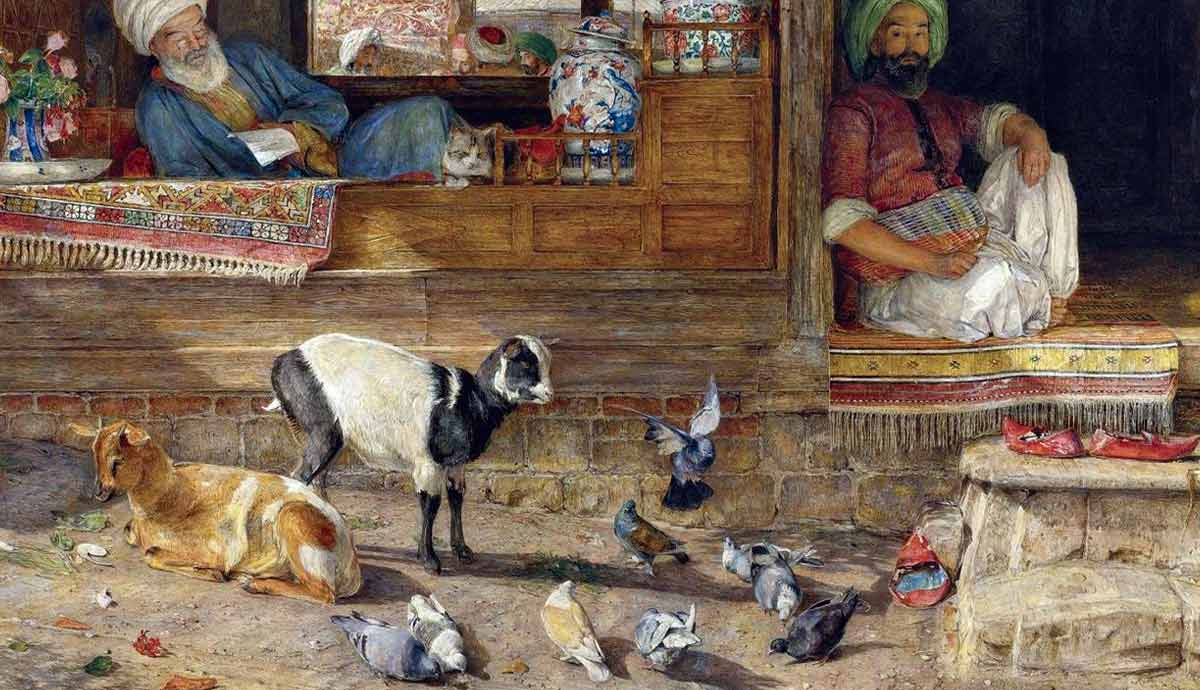
Within many Islamic societies, animal welfare developed into an ingrained religious and cultural practice. In the Quran, animals were classified as living, sentient creatures. As such, they were deserving of respect, mercy, and charity. The Ottoman Empire followed these customs and created a network of professions, charities, and laws to protect and care for all animals. Regardless of whether they were strays or pets, communal efforts provided food, shelter, and protection for all kinds of animals throughout the Empire.Ottoman Legal Protection of AnimalsHarem Women Feeding Pigeons in Courtyard, by Jean-Lon Grme, c. 1824-1904. Source: Wikimedia Commons / Art Renewal CenterAnimal welfare was codified into Ottoman law by the 16th century. In 1587, Sultan Murad III issued an early declaration of animal rights. Imperial edicts and legal codes protected pack animals like horses, mules, and donkeys from exploitation. They had to be given proper care and rest periods. For example, under Selim III, donkeys and horses could not be used during afternoon prayers and on Fridays. Tax reductions encouraged wealthier classes to establish animal charities or donate land for grazing meadows. Harming or overworking animals could lead to arrest, fees, or public beatings.Street Care and Professional Animal FeedersStray dogs being fed on the streets of Constantinople, from The New Book of the Dog, by Robert Leighton, 1907. Source: Internet ArchiveOttoman culture, architecture, and local initiatives cared for street animals. Wooden structures were built in private and public gardens to provide shelter for animals, even including reptiles. Straw was left under shady spaces for animals to rest upon. Mosques and other public institutions set money aside to feed hundreds of cats or birds.During Ramadan, extra food was prepared and set out for them near fountains and in courtyards. For example, in the early 20th century, smail Saib Sencer, the manager of the Istanbul National Library, famously cared for hundreds of street cats who often accompanied him during work.The Kibab Shop, Scutari, Asia Minor, by John Frederick Lewis, 1860. Source: Wikimedia CommonsStreet dogs became beloved protectors of local neighborhoods. Many strays became protective of these spaces, fending off intruders or wolves. Stone bowls were left outside of buildings to offer water, ice, or leftover food. Neighbors distributed food and aided pregnant and injured dogs.A specific profession even rose to care for street animals. Known as mancaclar, these vendors prepared nutritious blends of meat scraps, liver, and tripe for strays. Locals bought the meat to give to their neighborhood animals. Wealthier patrons paid the mancaclar to distribute all the food they prepared that day to the stray animals themselves.Animal HospitalsPhotograph of the Gurabahne-i Laklakan, in Bursa, by an unknown photographer, c. 19th century. Source: Wikimedia CommonsThe Ottoman Empires first animal hospital opened in Bursa in the 19th century. Called the Gurabahne-i Laklakan, meaning House for Injured Storks, the hospital cared for injured migratory birds. Many pre-existing animal welfare institutions focused on healing animals tied to financial compensation, labor, or farming. Instead, this hospital was one of the first solely dedicated to caring for wild animals. Institutional financing and community donations supported veterinary care to rehabilitate storks with broken or injured wings until they were healthy enough to be released. Restored in 2010, the hospital now serves as an animal clinic.Bird PalacesAn Ottoman bird palace on the side of a mosque, photographed by Esin stn, 2013. Source: Wikimedia CommonsBird palaces, known as ku saraylar or ku kkleri, were built on the facades of mosques, madrasahs, palaces, and other public buildings. These stone houses were carved as miniature re-creations of the buildings they are attached to. This allowed birds to perch and nest in cool and protected homes away from busy public squares. The tradition of building elaborate bird houses dates back to the Seljuk Empire, 200 years before the rise of the Ottoman Empire. Ottoman bird palaces can be found throughout Istanbul today, serving over 300 bird species that still call the city home.Public FountainsWell on St. Sophies Square near the Gate of the Seraglio in Constantinople, by Martinus Rrbye, 1846. Source: Wikimedia CommonsWater structures were built in city centers, along major trade routes, or near mosques to offer water to travelers, the unhoused, and stray animals. Known as sebil, these kiosks and water fountains provided free water for drinking or cleansing rituals. They were common features throughout Islamic empires as part of communal charity efforts. Many of these fountains were commissioned by sultans, the imperial family, grand viziers, and other high-ranking officials to care for stray dogs, cats, and birds. For example, in 1544, the grand vizier Ltfi Pasha donated money to fund fountains and pools for stray animals and travelers in zmir.












 English
 Arabic
 French
 Spanish
 Portuguese
 Deutsch
 Turkish
 Dutch
Dutch
 Russian
 Romaian
 Portuguese (Brazil)
 Greek
Greek