0 Comentários
0 Compartilhamentos
24 Visualizações
Diretório
Elevate your Sngine platform to new levels with plugins from YubNub Digital Media!
-
Faça Login para curtir, compartilhar e comentar!
-
YUBNUB.NEWSDonald Trump Reportedly Traveling To China With Hollywood Director Brett RatnerDirector Brett Ratner is reportedly traveling to China as part of President Donald Trumps delegation. Sources familiar with Ratners plans told the South China Morning Post that he will arrive Wednesday0 Comentários 0 Compartilhamentos 24 Visualizações -
Google could work with SpaceX to launch its orbital data centersGoogle could work with SpaceX to launch its orbital data centers Remember Elon Musk's plan to put AI data centers in space?It appears companies are taking the idea seriously. And one of those companies is Google.According to a new report in the Wall Street Journal, Google is currently in talks with Musk's space exploration company,...0 Comentários 0 Compartilhamentos 28 Visualizações
-
WWW.LIVESCIENCE.COMSpaceX prepares to launch next-generation Starship, the tallest and most powerful rocket ever builtStarship V3's maiden spaceflight is scheduled for next week as SpaceX prepares to launch the tallest and most powerful rocket ever built.0 Comentários 0 Compartilhamentos 24 Visualizações -
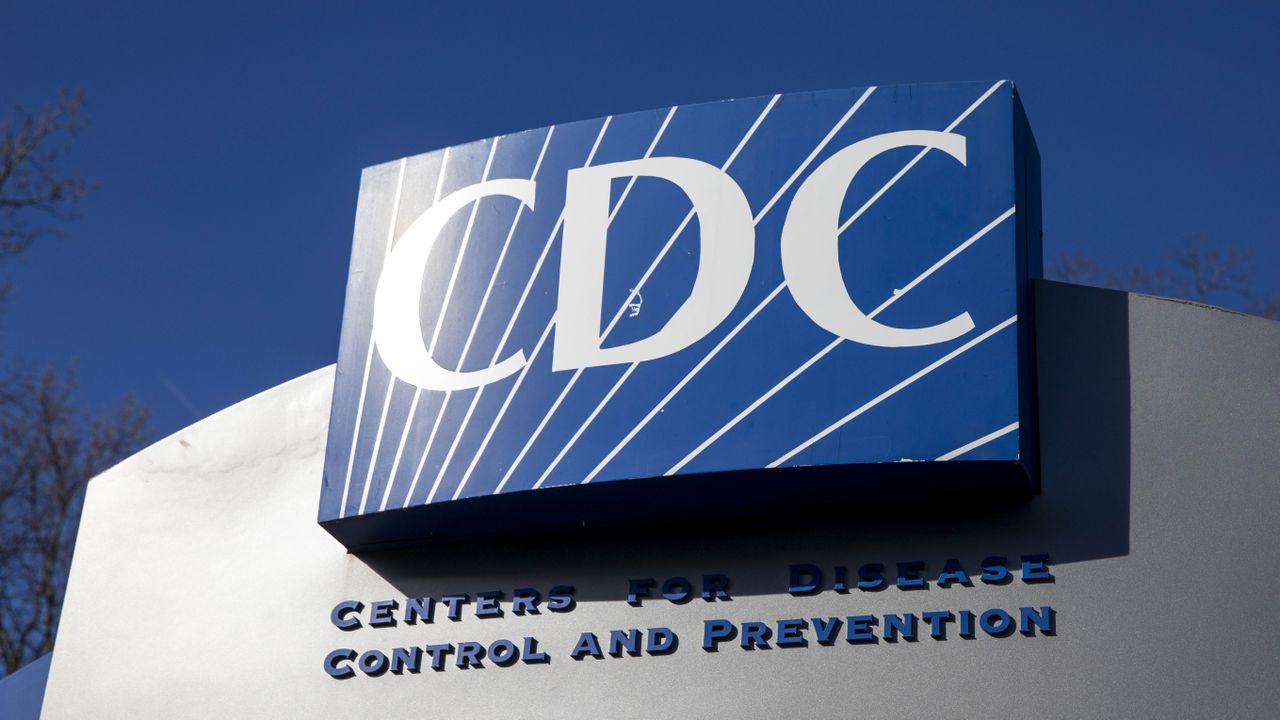
WWW.LIVESCIENCE.COM'We're less prepared for contagious pathogens': The US has degraded its ability to track and squash outbreaks, Emory epidemiologist saysLive Science spoke with a leading epidemiologist from Emory University about her impressions of how the hantavirus outbreak is being managed in the U.S.0 Comentários 0 Compartilhamentos 24 Visualizações -
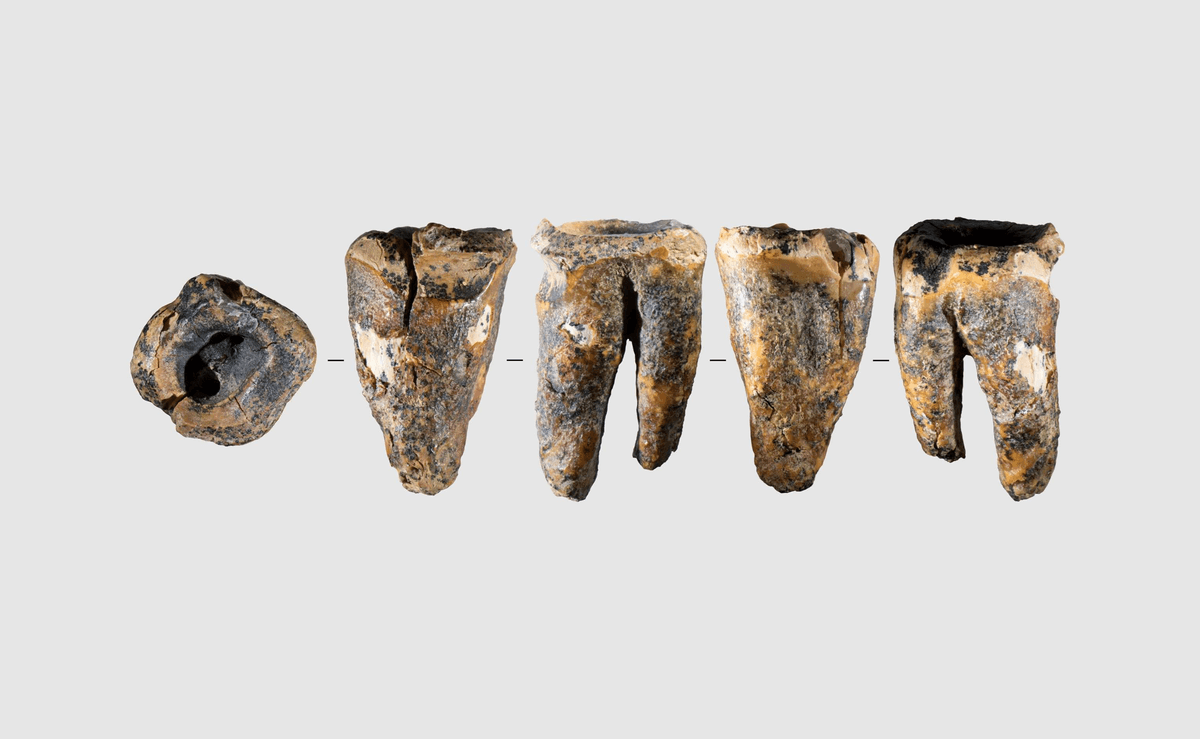
WWW.IFLSCIENCE.COMNeanderthals Were Performing Dental Surgery Nearly 60,000 Years Ago And It Actually WorkedWould you let a Neanderthal carry out dental surgery?0 Comentários 0 Compartilhamentos 24 Visualizações -
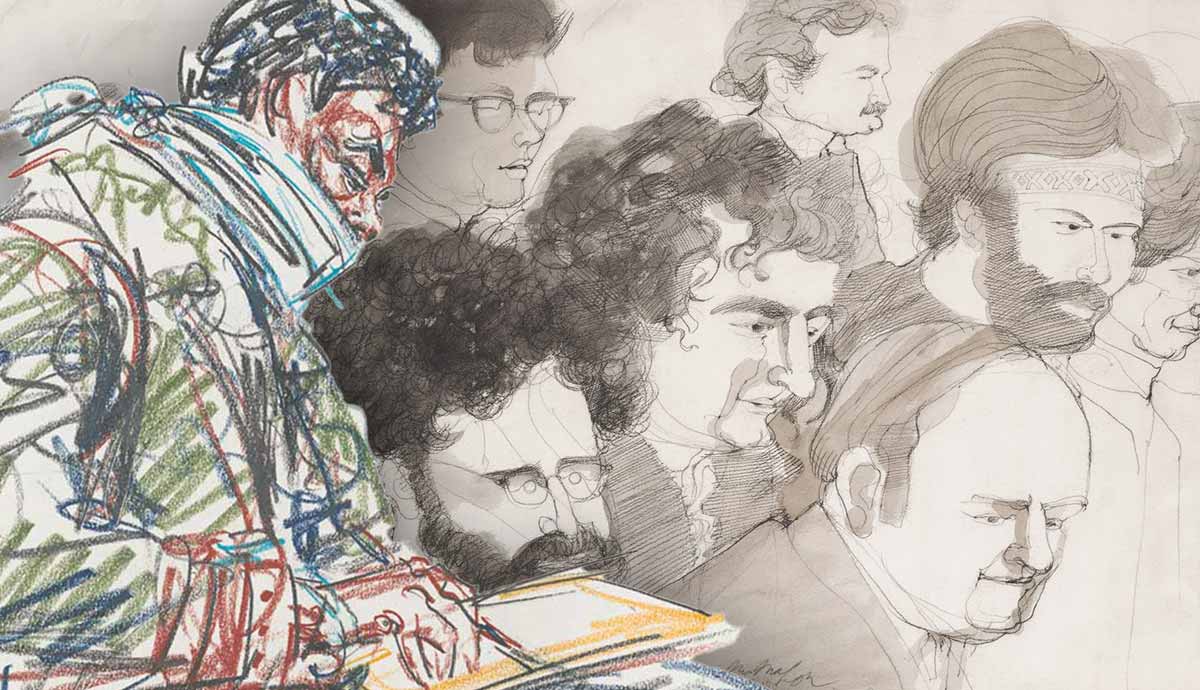
WWW.THECOLLECTOR.COMWho Were the Chicago Seven (or Eight)?1968 was one of the most sociopolitically tumultuous years in American history, featuring aggressive movements against racism, the Vietnam War, and sexism. A large counterculture movement, whose adherents were often known as the Hippies, criticized the government and traditional social norms. Moderates were caught in the middle, often dissatisfied with the bloody Vietnam War, lingering racism, and institutionalized sexism but wary and exhausted of loud protests. After the riots at the Democratic National Convention (DNC) in Chicago in August 1968, the government put eight (later reduced to seven) anti-war protest leaders on trial. What would the Trial of the Chicago Seven reveal about America?Setting the Stage: The Anti-War MovementAn anti-war hippie (left) standing across from a National Guard soldier (right) in Chicago in August 1968 during the Democratic National Convention. Source: Portland Center StageThe Vietnam War became increasingly controversial in the United States as it escalated after the Gulf of Tonkin Resolution in the autumn of 1964. Despite more and more US ground forces committed, the communist forces of the North Vietnamese Army (NVA) and Viet Cong (VC) guerrillas remained unbeaten. Between 1965 and 1967, the administration of US President Lyndon Johnson frequently asserted that victory was close at hand. However, in January 1968, the Tet Offensive by NVA and VC forces across South Vietnam revealed that the enemy was still strong. This dramatically increased support for the anti-war movement, which had been growing over the past few years.Unlike previous foreign wars, the Vietnam War was viewed with skepticism by many young Americans. Unlike World War I, World War II, and the Korean War, there was no definitive act of aggression against the US or its ally, South Vietnam. The Vietnam War, in fact, was allegedly provoked by the US and South Vietnam suspending elections that were to be held in 1956. Additionally, it was harder for many Americans to see the Vietnam War as crucial to US security, especially since it escalated over time instead of erupting with a large-scale invasion. Finally, the controversial nature of the draft (conscription) led many young Americans to see the government as willing to sacrifice innocent citizens in the name of halting the spread of communism.August 1968: The DNC RiotsA photograph of Chicago police trying to clear Grant Park of anti-war protesters during the Democratic National Convention in 1968. Source: WGBH and PBSThe year 1968 was one of the most tumultuous years in US history. After the surprising Tet Offensive, the US suffered through two tragic assassinations: Civil Rights leader Dr. Martin Luther King, Jr. was killed in April, and US Senator Robert F. Kennedy (D-MA) was killed in June while running for president. US President Lyndon B. Johnson, a fellow Democrat, had announced in March that he would not run for re-election, sowing political turmoil. Unrest in America was high, particularly in urban areassummers since 1965 had featured riots in major cities as minority communities reacted angrily to perceived racism and brutality in law enforcement.Many protesters against the Vietnam War, the draft, racism, and the Johnson administration planned to protest at the Democratic National Convention (DNC), which would be held in Chicago at the end of August. Aware of the plans to protest, the Chicago police and Illinois National Guard were mobilized in force and told to deal aggressively with protesters. The DNC Riots erupted, though many onlookers blamed overly aggressive law enforcement for the violence. Famously, the violence was broadcast on television, coining the phrase the whole world is watching! on August 28, 1968. Ultimately, the DNC was relatively unaffected and chose Vice President Hubert Humphrey, who had not run in the primaries, as the partys presidential nominee.Autumn 1968: Law and Order Carries the ElectionA campaign pin for 1968 Republican presidential nominee Richard Nixon, who ran on a law and order platform that appealed to moderates. Source: Organization of American HistoriansThe DNC Riots did not have the intended effect on the public. Instead of sympathizing with the protesters, many middle-class Americans were tired of the past four years of urban unrest and demanded law and order. This was to the great advantage of Republican presidential nominee Richard Nixon, former vice president under Dwight D. Eisenhower, who was running on such a platform. Nixon claimed to represent the silent majority of Americans who were not loudly protesting and wanted to return to normalcy. Although Nixons surge of support after the DNC Riots eroded during the autumn, he kept enough to win the 1968 presidential election in November.In the aftermath of the DNC Riots, the government investigated those allegedly responsible for the protests-turned-riots. Investigators focused on the Yippies (Youth International Party members), who had applied for public march permits in Chicago ahead of the DNC. In Congress, the House Un-American Activities Committee (HUAC) investigated the riots, and two eventual members of the Chicago 7, Abbot Abbie Hoffman and Jerry Rubin, interrupted their proceedings with mockery. The National Commission on the Causes and Prevention of Violence later issued the Walker Report, named after leader Daniel Walker, which blamed the police for escalating the violence.Anti-Riot Provision of Civil Rights Act of 1968A stamped copy of the Civil Rights Act of 1968, signed into law by US President Lyndon B. Johnson. Source: Bullock Texas State History MuseumThe government had a new tool to prosecute the alleged instigators of the DNC Riots: the Federal Anti-Riot Act, or Title X of the Civil Rights Act of 1968. Those who engaged in interstate travel to incite, encourage, or participate in a riot could be charged under this Anti-Riot Act. The Act was inspired by the race riots of 1965-67, with critics arguing that the law was more of a tool for repressing African American protesters than preventing violence. Since many protesters at the 1968 Democratic National Convention had arrived from out of state, prosecutors could argue violation of this new law in federal court.Historically, tension has always existed between the right to protest and the governments mandate to maintain law and order. At what point does peaceable assembly, protected by the First Amendment of the US Constitution, become not peaceful? And what constitutes the definition of ambiguous terms like incite and encourage?Laws prohibiting incitement of violence became more common in the United States circa 1902, following the assassination of US President William McKinley. The Smith Act of 1940 was a federal law prohibiting any attempt to advocate, abet, or teach the violent overthrow of the US government, with the US Supreme Court narrowing its acceptable use in the late 1950s.September 1969: Indictments of the Chicago 8A sample grand jury summons for a federal district court, which was the process used to indict the Chicago 8 (later 7). Source: United States District Court Southern District of IndianaUsing the Anti-Riot Act of 1968, a federal grand jury handed down indictments in March 1969 for eight protest leaders involved in the DNC Riots. The jury also indicted eight police officers. This would be the first prosecution under the Anti-Riot Act, providing a law and order test for the new Nixon administration. Six of the protest leaders indicted were widely known leftist advocates, while the remaining two had smaller profiles. As the outgoing Johnson administration had not pursued prosecutions, some thought the Nixon administrations pursuit of trials was politically motivated.Those indicted argued that they had only planned for peaceful assemblies, with Tom Hayden and Rennie Davis having written in May 1968 that violence would turn off potential supporters. Dave Dellinger, an avowed pacifist, had even accepted prison time during World War II rather than being drafted into the conflict. Thus, some viewers saw the prosecutions as political rather than legal, with the Nixon administration charging peaceful hippies with violence when the defendants had actually advocated anti-violence. The other five defendants, however, had no such anti-violence publications or speeches to provide a pre-made defense.The (Mis)Trial of Bobby SealeA drawing of DNC Riot defendant Bobby Seale bound and gagged in court, whose mistrial reduced the Chicago 8 to the famous Chicago 7. Source: Library of CongressControversially, one of the eight men charged by prosecutors was Bobby Seale, co-founder of the Black Panther Party. Seale had not planned any of the DNC protests and had only provided a single short speech to protesters in Chicago. Unfortunately for Seale, his inflammatory language in the speech was considered by some to advocate violence against police officers (though he only referenced using force after the officers struck first with a billy club). Linking Seale, a co-founder of the Black Panthers, to the anti-war protests could be seen as the Nixon administration pushing back against Civil Rights protests as well.Controversially, Seale was bound and gagged during trial after regularly rising to his feet to protest decisions made by federal district court judge Julius Hoffman, especially refusing to grant Seale a continuance or the right of self-representation when his desired lawyer was unavailable due to medical circumstances. Hoffman argued that binding and gagging Seale was necessary to maintain the trial, while critics argued that it was excessive and brutal. On November 3, 1969, after letting Seale return to the trial without restraints or the gag, Hoffman declared a mistrial on the conspiracy to incite a riot charge and sentenced the defendant to four years in prison for contempt of court after the defendant made another outburst.The Chicago Seven on TrialA drawing of the prosecution team (front) and jury (rear) at the trial of the Chicago Seven in 1969. Source: Library of CongressWith Seale gone, the Chicago Eight became the Chicago Seven. Although not as disruptive as Bobby Seale, the remaining defendants were outspoken and irreverent in their dress and mannerisms, giving the media plenty of interesting coverage. Many newspaper readers (as cameras were not allowed in the courtroom) eagerly followed the trial, which was seen as putting the entire hippie, counterculture, and anti-war movements on trial. The crowded defense table, usually littered with debris from snacks, contrasted sharply with the orderly and suit-wearing prosecution table.An artists rendering of the seven defendants of the Chicago 7 on trial in 1969 and 1970 for allegedly inciting the DNC Riots in August 1968. Source: Chicago History MuseumThe prosecution witnesses included three law enforcement officers who had gone undercover as members of the leftist protest movements. Many observers felt that Judge Hoffman was heavily biased in favor of the prosecution and allowed inflammatory but irrelevant evidence, such as aggressive speeches made by defendants long before the DNC Riots. Simultaneously, Hoffman denied defendants the right to introduce pre-DNC writings calling for peaceful protest only. For three months, the courtroom was a relative circus as the seven defendants frequently refused to stand for the judge, used colorful language, and put their feet on the defense table.Contempt Convictions of the Chicago EightA drawing of Bobby Seale before his controversial four-year sentence for contempt of court, with all eight defendants receiving similar convictions. Source: Civil Liberties Defense Center (CLDC)Beginning with Bobby Seale, the eight defendants and two defense attorneys, William Kunstler and Leonard Weinglass, were held in contempt of court by Judge Hoffman. These convictions, made only by the judge instead of by the jury, were handed down shortly after the jury began deliberating on the charges of inciting a riot and conspiracy. Hoffman had even been hostile toward the defenses pretrial lawyers, holding them in contempt and attempting to jail them, but was reversed by another federal court for failing to cite an offense.Throughout the trial, the judge and the defense table verbally sparred with each other. Hoffman was openly antagonistic to the defense and portrayed them as outsiders before the Illinois jury, while defense attorneys Kunstler and Weinglass questioned Hoffmans integrity. This sparring led to 159 convictions of contempt of court. Kunstler received a four-year total sentence for his counts of contempt of court, while Weinglass received a year and eight months. Of the Chicago Seven, Dave Dellinger received the most punishmentover 29 monthsand John Froines and Lee Weiner received the least punishment at only five months.February 1970: Verdicts AnnouncedAn image of Chicago Seven prosecutor Richard Schultz (left) and assistant US Attorney Thomas Foran (right). Source: Federal Bar Association, Chicago ChapterWith contempt of court sentences already handed down by Judge Hoffman, everyone awaited the jurys verdict on the criminal charges. The jury struggled to find consensus during deliberation, but Hoffman ordered them to continue deliberating rather than declare a mistrial. Eventually, a compromise was reached, with the jury acquitting all defendants on the charge of conspiracy, finding that the Chicago Seven did not plan with each other. However, on February 18, 1970, the jury convicted five of the seven defendants on the charge of inciting a riot under the 1968 Anti-Riot Act. John Froines and Lee Weiner, the least known of the seven, were acquitted.The five guilty menTom Hayden, Rennie Davis, Abbie Hoffman, Jerry Rubin, and Dave Dellingerwere all sentenced to five years in prison and a $5,000 fine each by Judge Hoffman on February 20. Each man was allowed to make a statement before sentencing, and they were collectively defiant. Most opined that the prosecution had made them far more powerful, as the public now knew their work. One commended Hoffman on becoming the countrys top Yippie by proving the Yippies points about criticizing mainstream conservatism. Another suggested the judge try LSD.November 1972: Appeals Court Reverses ConvictionsThe logo for the US Seventh Circuit Court of Appeals, which overturned the Chicago Seven convictions in 1972. Source: PBS WisconsinThe Chicago Seven and their two attorneys were released from jail on February 28, 1970 and promptly appealed their convictions. In May 1972, some contempt convictions were dismissed by the US Seventh Circuit Court of Appeals, which found that Judge Hoffman had been too aggressive in citing the defense attorneys. A new district court judge upheld some of the contempt convictions but did not sentence the defendants to new punishments. The circuit court clarified that judges could not punish defense attorneys for reasonable persistence in defending their clients or for the misbehavior of clients when such behavior was not encouraged by the attorney.On November 21, 1972, the Seventh Circuit overturned all criminal convictions of the Chicago 7. Although the court upheld the constitutionality of the Anti-Riot Act of 1968, it found that Judge Hoffman had been unfairly biased against the defendants. Hoffmans behavior had been so egregious that it denied the defendants constitutional guarantee of a fair trial. Specifically, the appellate court criticized Hoffmans demeanor toward the defense, as well as his allowing prosecutors to use inflammatory language when describing the defendants. In January 1973, the US Department of Justice announced that it would not re-try the defendants, allowing them to remain free. That same month, the United States agreed to end all combat operations in the Vietnam War as part of the Paris Peace Accords.0 Comentários 0 Compartilhamentos 25 Visualizações -
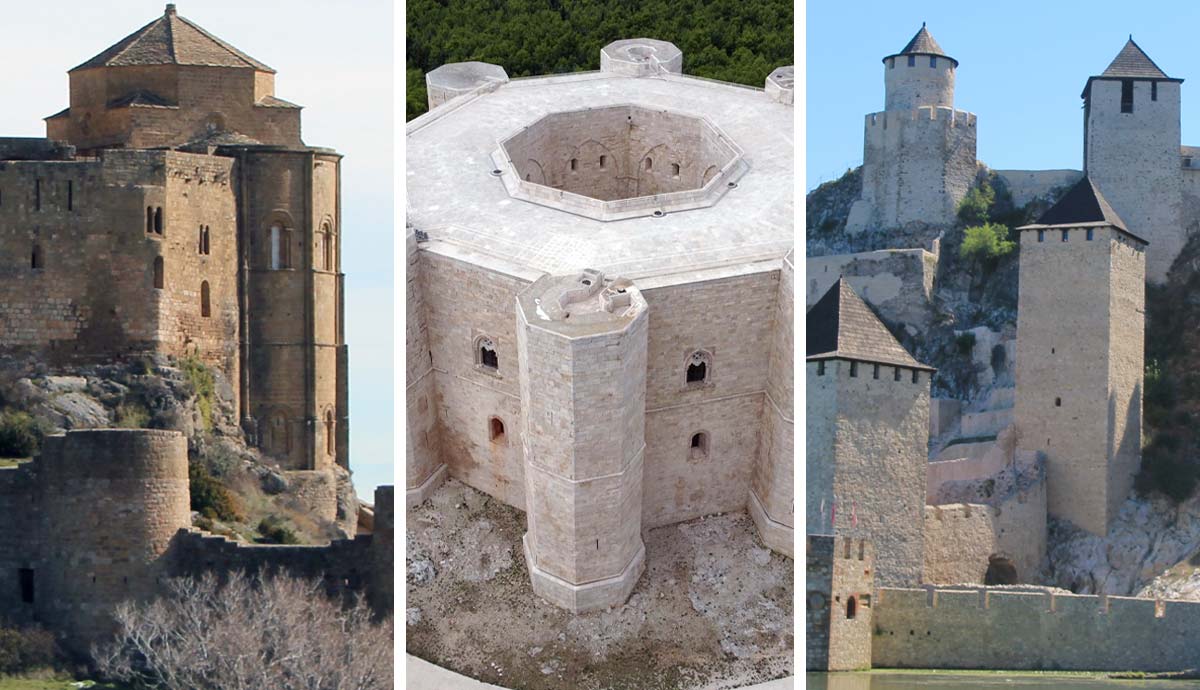
WWW.THECOLLECTOR.COM10 Medieval Castles in Europe That Stood the Test of TimeThe Middle Ages were the age of castles on the European continent. Germany alone is estimated to have at least 25,000 structures that can be deemed a castle. However, many never made it past the end of the Middle Ages (15th century). They were foremost military installations, so many ended up in ruins. However, the ones that survived into modernity preserved history within their battlements. From urban citadels to water castles and hilltop forts, the following 10 castles offer a glimpse of medieval architectural grandeur.Castle Name & LocationHistorical OriginArchitectural & Cultural HighlightsEdinburgh CastleScotland, UK12th CenturyKing David IBuilt on a volcanic plug; houses St. Margarets Chapel (oldest building) and Scotlands crown jewels.Eltz CastleGermany12th CenturyHouse of EltzFairytale aesthetic in a secluded forest; features 8 towers and original 800-year-old timber-frame structures.Chillon CastleSwitzerland12th CenturyCounts of SavoyIsland fortress on Lake Geneva; inspired Lord Byrons poetry; strategically controlled the Via Francigena.Malbork CastlePoland13th CenturyTeutonic OrderThe largest brick structure in Europe; Gothic design; designated as a UNESCO World Heritage Site.Castle of LoarreSpain11th CenturySancho el MayorPremier Romanesque architecture; key fortress during the Reconquista; filming location for Kingdom of Heaven.Golubac FortressSerbia14th CenturySerbian/HungarianSituated on Danube River cliffs; 9 towers; historic border stronghold between the Ottomans and Hungary.Conwy CastleWales, UK13th CenturyEdward IMasterpiece of military architecture; features 8 massive round towers and a fortified barbican gateway.Castel del MonteItaly13th CenturyKing Frederick IIUnique octagonal floor plan with 8 octagonal towers; design possibly influenced by Middle Eastern architecture.Hohenwerfen CastleAustria11th CenturyArchbishop of SalzburgSet on an Alpine rocky cone; served as a state prison; featured in the film Where Eagles Dare.Beersel CastleBelgium14th CenturyDuchy of BrabantMoated brick fortress; rare medieval use of brick; famously lamented by Victor Hugo before its restoration.1. Edinburgh Castle, Scotland (UK)Edinburgh Castle on a Hill, by Omar Yassen, 2010s. Source: GoodFreePhotos, USACastle Rock started its life as a volcanic plug that had survived glacial erosion to tower over the Scottish capital today. Indeed, Edinburgh grew around the fortress on the rock, which offered a clear strategic advantage.At the beginning of the 12th century, King David I began erecting the first stone buildings here, such as St. Margarets Chapel, which is the oldest surviving structure. Throughout the Middle Ages, the fortification served as Scotlands royal residence, safekeeping the crown jewels among other valuables.Edinburgh Castle saw a lot of military action throughout its long history, changing hands between the Scots and the English several times. Although it is a tourist attraction, the castle still houses a military garrison, albeit for ceremonial purposes.Annually, around two million visitors walk up to Edinburgh Castle along the Royal Mile, the castles main link to the city below. In times of peace, royalty would tread this path, but in times of war, this sloped accessway would witness some heavy fighting.2. Eltz Castle, GermanyBurg Eltz, photograph by MatthiasSen, 2021. Source: Wikimedia CommonsAlthough the castle that is often said to have inspired Disney, Neuschwanstein Castle (1886), is a modern edifice, Germany does have a fairytale-like castle that dates back to at least the 12th century. This was the time when the keep was erected to protect valuable trade routes in Frederick Barbarossas Holy Roman Empire. Miraculously, Eltz Castle managed to evade destruction to become a showcase of 800 years of German architectural heritage.Eltz Castle is the epitome of a medieval castle, boasting eight towers up to 35 meters high, turrets, and an exterior timber frame structure. The secluded yet picturesque location further enhances the medieval feel. Perched on a 60-meter-high rock, Eltz Castle sits in a valley, surrounded by forest on all sides.Despite restoration work in the mid-19th and early 21st centuries, the fortification has preserved much of its medieval fabric from the time when the House of Eltz constructed it in 1157.3. Chillon Castle, SwitzerlandChteau de Chillon, unknown author, 2012. Source: PxHereSituated near the Swiss-French border, Chillons etymology reveals its unique location: a rocky platform. This tiny limestone rock, some 100 meters long and 50 meters wide, has been home to a fortification since at least 1150.The Counts of Savoy chose a strategically important location next to the Via Francigena, a medieval route from Italy (Rome) to France and, further north, to Germany and England. A single garrison stationed at Chillon Castle would control the road and charge a toll to travelers.The square donjon is the oldest part of the waterside castle that is connected to the mainland via a bridge that used to be a drawbridge. Despite its relatively small size, Chillon has three main courtyards.For a period, the castle was a prison, which inspired Lord Byron to write his lauded poem The Prisoner of Chillon (1816), about Franois de Bonivard, the islets most famous captive. Notable figures who visited Chillon include Jean-Jacques Rousseau, Leo Tolstoy, and Queen Elizabeth II.4. Malbork Castle, PolandMalbork Castle, unknown author, 2019. Source: Tourist Information Center, MalborkThe full name of the next fortification on our list is the Castle of the Teutonic Order in Malbork, which reveals who built it in the 13th century. The German crusaders named the structure Castle of Mary, or Marienburg, in their native language.During the Middle Ages, every power that held the castle expanded it, so by the very beginning of the 15th century, Malbork Castle had become the largest brick structure in Europe (and still is). It is located in the town of Malbork, southeast of Gdask, in the historic region of Pomerania.After the Thirteen Years War (1457), the castle on the banks of the Nogat River became Polish and would remain so for the next three centuries. It had managed to stay out of harms way up until the end of World War II (1945), when heavy shelling nearly turned it into ruins.The restoration of the Gothic castle has been ongoing since the 1960s, and Malbork Castle was designated as a UNESCO World Heritage Site in 1997.5. Castle of Loarre, SpainGeneral View of Loarre Castle, photograph by Bruno A. Crespo Garca, 2013. Source: Wikimedia CommonsA fine example of Romanesque architecture, the Castle of Loarre dates back to the 11th century. At the time, the nearby town of Loarre, in what was then the County of Aragon, sat on the frontier between Muslim and Christian lands. Sancho el Mayor, the king of neighboring Pamplona, began the construction of the castle that would later play a vital role in the Reconquista. As part of this effort, a community of the St. Augustinian order was established here.The outer walls were constructed around the 13th century. Although time took its toll on the structure, several restorations in the 20th century helped preserve one of the oldest castles in Spain. Ironically, some structures at the entrance to the fort were removed at the time for a better view of the castle. This did not stop the English filmmaker Ridley Scott from using Loarre Castle as a filming location for his 2005 epic Kingdom of Heaven.6. Golubac Fortress, SerbiaGolubaka Tvrava, photograph by Dejan Cvetinovi, 2021. Source: Wikimedia CommonsGolubac Fortress is as mysterious as it is impressive. Its first mention dates to 1335 as a Hungarian stronghold, but its present-day appearance is probably earlier, dating back to the Serbian medieval state.Likewise, there are many legends surrounding the origins of its Slavic name, literally, Place of Pigeons. For centuries, Golubac was on the border between the Ottoman Empire and Hungary, until it finally came under Serbian rule in 1867.The reason why so many nations wanted to conquer it was its location: Golubac stands on a cliff on the banks of the river Danube, at the entrance to the erdap Gorge.Modern archeological excavations have confirmed Roman and subsequent Byzantine presence, proving that the area was of strategic importance in Antiquity as well. Today, all nine picturesque towers in the inner and outer city have been reconstructed, turning Golubac Fortress into one of the nations main tourist destinations.7. Conwy Castle, Wales (UK)Castell Conwy, photograph by Robin Llwyd ab Owain, 2022. Source: Wikimedia CommonsSince its construction in the late 13th century, Conwy Castle has changed little in appearance. The price of the structure was a hefty 15,000, which was a sum the King of England, Edward I, was willing to invest as part of his Conquest of Wales.For those who watched the 1995 historical drama Braveheart, this king is known as Edward Longshanks or the Hammer of the Scots. The fortification is located in North Wales, near the mouth of the eponymous river where it meets the Irish Sea.Set on a coastal ridge overlooking an important river crossing, Conwy Castles most noticeable feature is its eight round towers and a fortified gateway (barbican). Its appearance is one of the finest examples of military architecture in Europe of that age.Up to the English Civil War in the 17th century, it saw numerous battles, after which it became an inspiration for painters. Today, Conwy Castle attracts several hundred thousand tourists each year.8. Castel del Monte, ItalyAerial View of Castel del Monte, photograph by Joldersman, 2020. Source: Wikimedia CommonsThe Castle of the Mountain, in Italian, sits on a rocky hillock south of the town of Andria. This is the region of Apulia, or the heel of the boot of the shape of Italy.The unusually shaped 13th-century citadel dates back to the time of King Frederick II, who inherited the land from his mother. The exact purpose of the structure is still up for debate, with some considering it to have been a hunting lodge, while others claim it was a proper castle with curtain walls.Castel del Monte boasts an octagonal plan with eight closely spaced octagonal towers. The design is atypical of the region and may have been influenced by the layout of the Dome of the Rock in Jerusalem, which Frederick II saw in person during the Sixth Crusade in 1229.Although the citadel lost its original marble walls and columns, the only military action it saw was during World War II, when the Americans used it as a navigational aid station.9. Hohenwerfen Castle, AustriaExterior View of Hohenwerfen Castle, Salzburger Burgen & Schlsser, 2022. Source: Salzburg Burgen & Schlsser, SalzburgThe rocky cone above the market town of Werfen in the Austrian Alps was the perfect setting for a fortification. The Archbishop of Salzburg started constructing Hohenwerfen Castle in the latter half of the 11th century.After several extensions, around the year 1500, the fortress got the look it has preserved to the present day. Its surroundings are picturesque, as it sits in a narrow valley formed by the Salzach River, connecting Salzburg to Villach in Carinthia.The castles design was inspired by the more famous Hohensalzburg Fortress in Salzburg, some 40 kilometers to the north. Hohenwerfen served as a state prison for a number of centuries, which gave it a somewhat sinister reputation that the movie industry exploited.In the 1968 adventure war film Where Eagles Dare, starring Clint Eastwood, Richard Burton, and Mary Ure, the fort became the fictional Schlo Adler, a Nazi stronghold. Likewise, Amazons The Man in the High Castle TV series, based on Philip K. Dicks novel, placed the Fhrers headquarters there.10. Beersel Castle, BelgiumKasteel van Beersel, photograph by Bjorn Snelders, 2023. Source: VISITFLANDERS, BrusselToday, Beersel Castle sits on the green outskirts of Brussels, but in its heyday, it lay at the frontier of the Duchy of Brabant.The moated fortress got its present shape in the mid-14th century, and its main building material was brick, which was an oddity in the Medieval Ages. The three chestnut-colored towers, a large inner courtyard, and a picturesque circular moat gave the castle its unique, postcard-like appearance.Beersel was sacked twice, in the 14th and 15th centuries, but it was swiftly rebuilt each time. However, in the following centuries, the structure fell into disrepair. At one point in the 19th century, a cotton factory operated inside its walls.Even the famous French writer, Victor Hugo, who lived in exile in Brussels, lamented over Beersels decrepit state. Chteau de Beersel underwent major restoration in the 1930s, so today it is a museum open to the public.0 Comentários 0 Compartilhamentos 25 Visualizações -
WWW.DUALSHOCKERS.COMThe Best Heroes in Overwatch, 10 Years LaterIt certainly doesnt feel like it, but its already been 10 years since Blizzard launched Overwatch and practically set a new gold standard for the hero shooter genre. And only those who lived through the intensity of 2016s multiplayer scene truly know how much of a fever this game was!0 Comentários 0 Compartilhamentos 25 Visualizações -
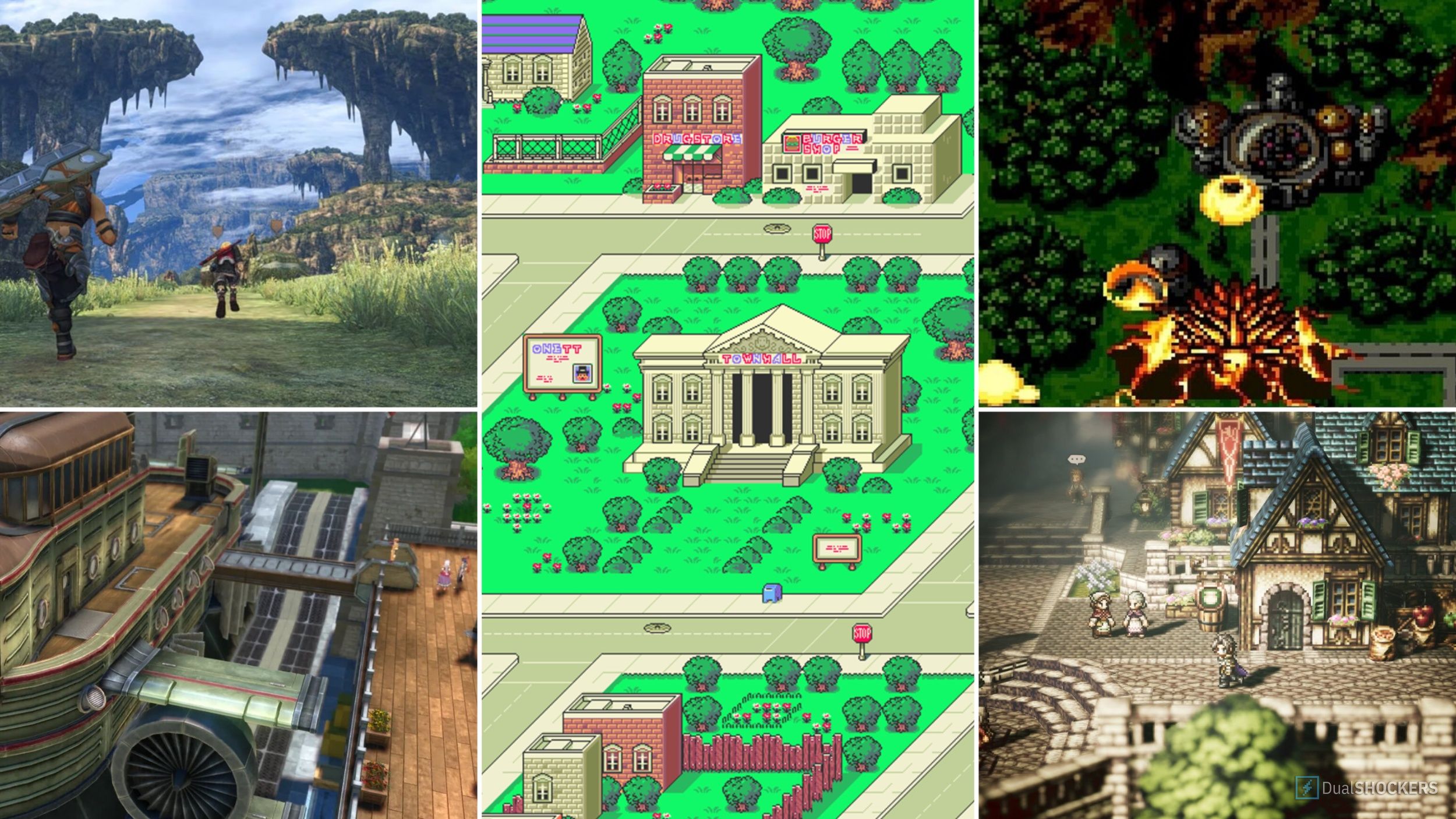
WWW.DUALSHOCKERS.COM10 JRPGs Where the World Feels Bigger the More You Learn About ItOne of the main reasons I love JRPGs is that Im a huge lore nerd. These kinds of games often have settings that are not only immediately appealing, but deceptively dense, packed with numerous fantasy races and sprawling, multifaceted locales. Now, theres nothing inherently wrong with a JRPG that has a static, what you see is what you get kind of setting, especially if it means that the characters and plot get more focus. That said, I think some of the best stories in the genre manage to treat the world like a character in itself.0 Comentários 0 Compartilhamentos 25 Visualizações