0 Kommentare
0 Geteilt
11 Ansichten
Verzeichnis
Elevate your Sngine platform to new levels with plugins from YubNub Digital Media!
-
Bitte loggen Sie sich ein, um liken, teilen und zu kommentieren!
-
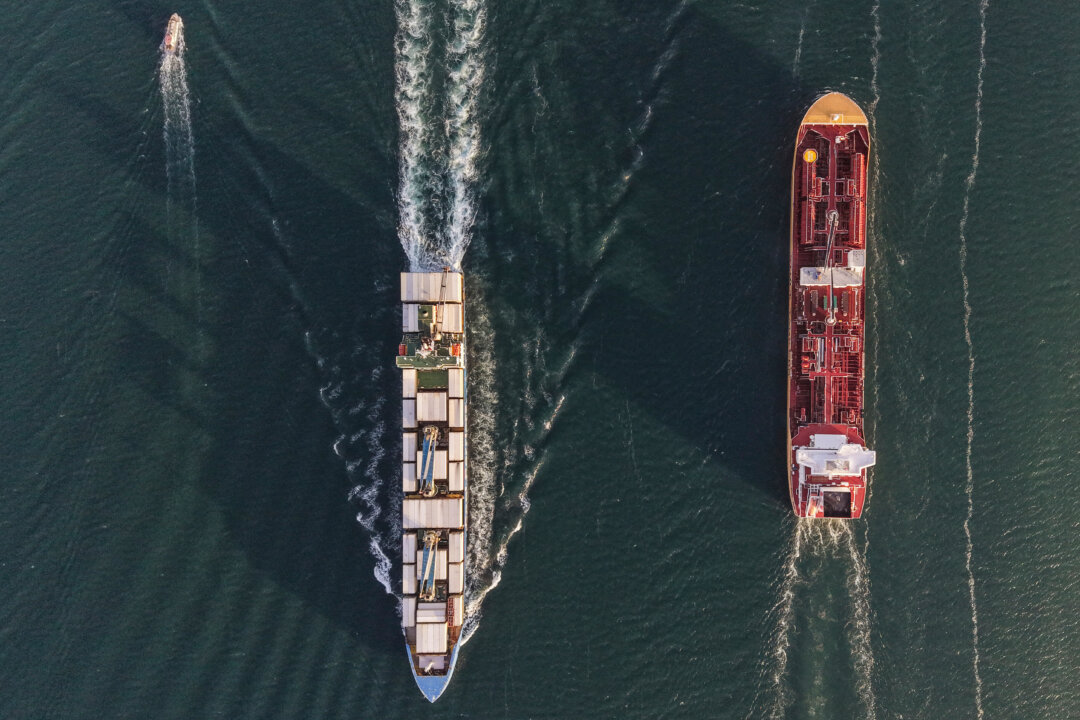
YUBNUB.NEWSUS, Allies Issue Joint Statement Backing Panama Against Chinas Economic PressureA bulk carrier and a cargo ship transit the Panama Canal in Panama City on March 12, 2026. Matias Delacroix/AP PhotoThe United States and five Latin American and Caribbean nations issued a joint statement0 Kommentare 0 Geteilt 11 Ansichten -
YUBNUB.NEWSUS Sanctions 35 Individuals, Entities to Dismantle Irans Shadow BankingU.S. Treasury Secretary Scott Bessent speaks during a press briefing in the Brady Briefing Room at the White House in Washington on April 15, 2026. Brendan Smialowski/AFP via Getty ImagesThe U.S. Treasury0 Kommentare 0 Geteilt 11 Ansichten -
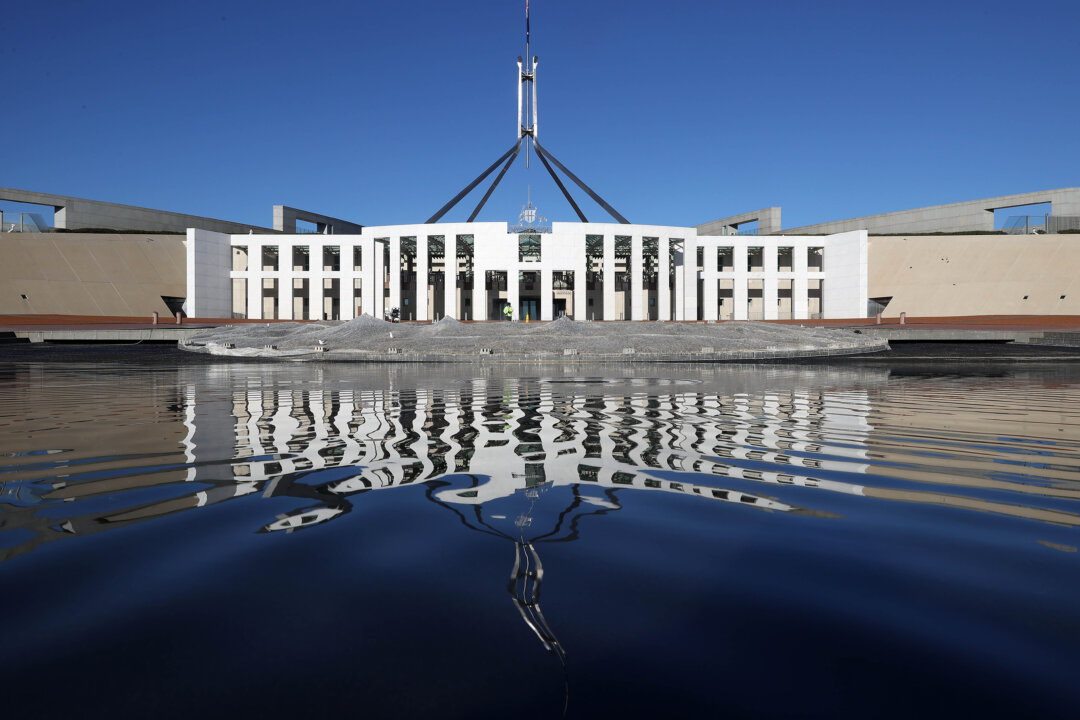
YUBNUB.NEWSHome Affairs Launches Voluntary Redundancy Program Ahead of BudgetA general view of Parliament House in Canberra, Australia, August 2021. Gary Ramage/Getty ImagesThe Department of Home Affairs is set to cut hundreds of jobs as part of a broader push to reduce public0 Kommentare 0 Geteilt 11 Ansichten -
WWW.IFLSCIENCE.COMTechnically, None Of Pluto's 5 Moons Actually Orbit The Dwarf Planet You Can Blame CharonThere are plenty of odd things about the former ninth planet, just add this to the list.0 Kommentare 0 Geteilt 11 Ansichten -
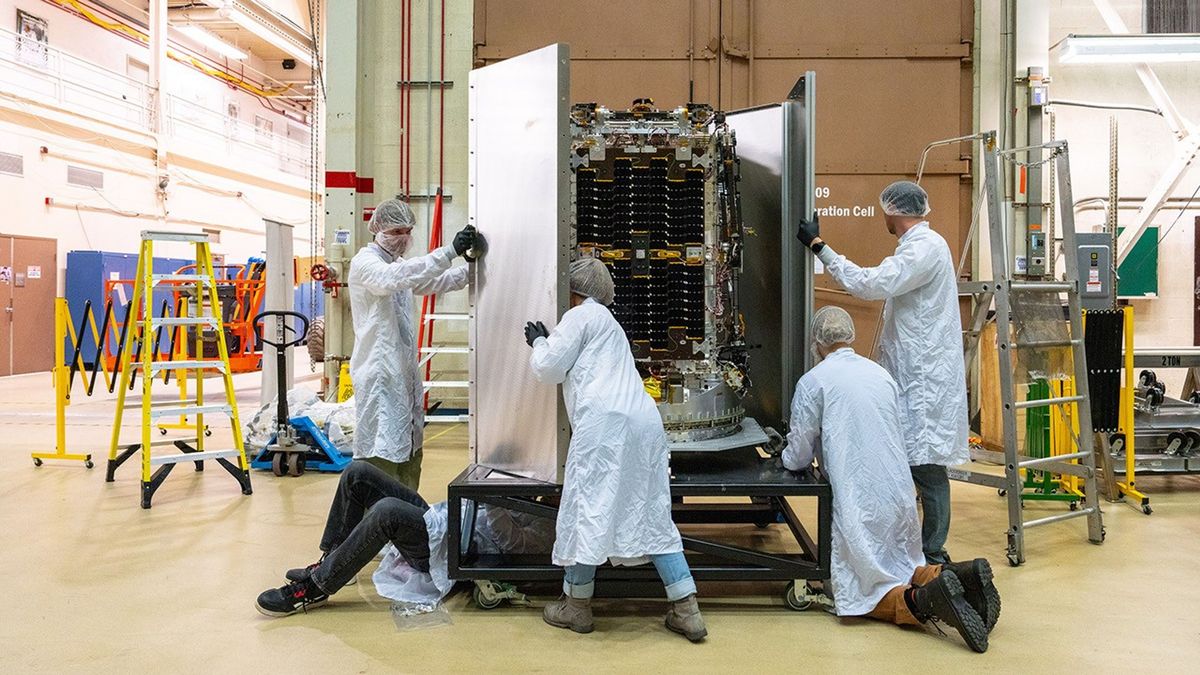
WWW.IFLSCIENCE.COMNASA's Got An Audacious Plan To Catch A Falling Space Telescope This Year, And Testing Has Just BegunKatalyst's LINK spacecraft, which is set to boost the telescope, is now being tested before launch.0 Kommentare 0 Geteilt 11 Ansichten -
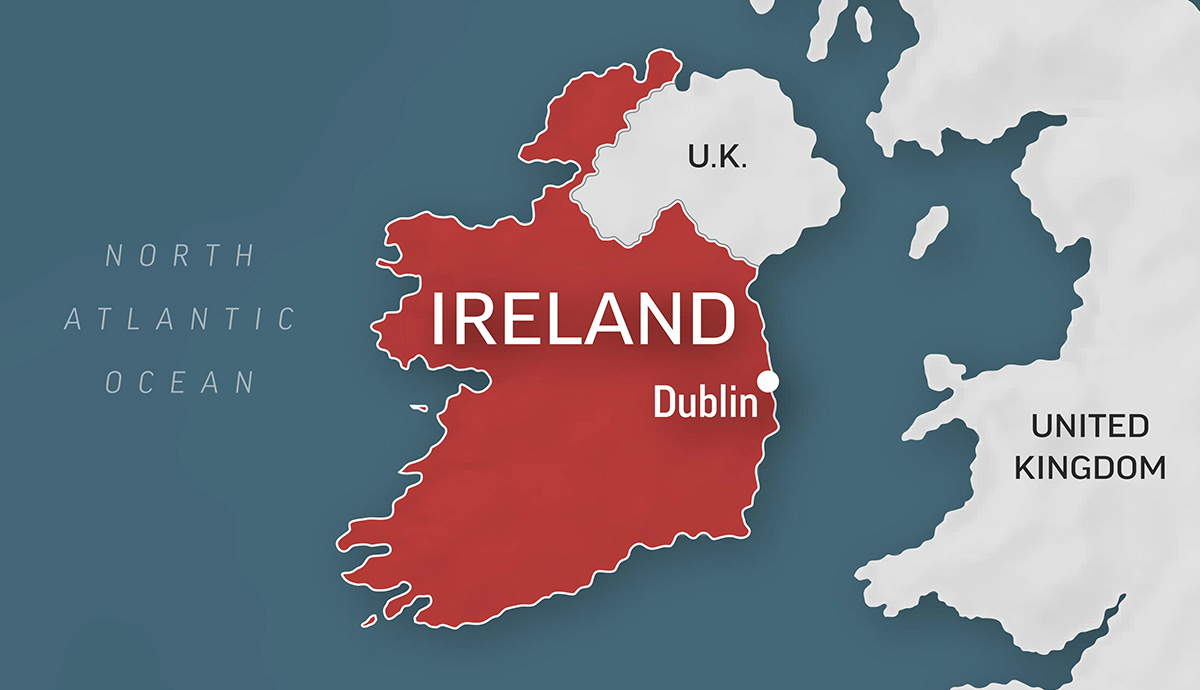
WWW.THECOLLECTOR.COMWhy Is Ireland Divided Between the United Kingdom and the Republic of Ireland?Irelands division between the United Kingdom and the Republic of Ireland is the result of revolution, compromise, and unresolved conflict. Although often treated as inevitable, partition emerged from a specific historical moment. The Anglo-Irish Treaty of 1921 formalized the split, but its roots lay in decades of nationalist resistance and unionist opposition. This article explains why Ireland was divided, tracing the process from the War of Independence through civil war, the creation of the Republic, the Troubles, and the modern settlement that governs relations today.The Anglo-Irish Treaty: How Partition Became RealityMembers of the Irish delegation, 1921. Source: Illustrated London NewsThe Anglo-Irish Treaty of December 1921 transformed partition from a political proposal into a concrete reality. It followed the Irish War of Independence and the Truce of July 1921, which ended two years of guerrilla warfare between the Irish Republican Army (IRA) and British security forces. By this stage, neither side believed outright victory was achievable through military means. Britain faced rising costs, international pressure, and an overstretched empire, while Irish leaders recognized the limits of sustaining prolonged conflict against a superior military power.British negotiators sought stability above all else. Their priority was to end violence in Ireland while preserving strategic interests, particularly naval access and imperial cohesion. Partition had already been legislated through the Government of Ireland Act (1920), which created separate administrations for the northern and southern counties of Ireland. Although the southern parliament never functioned, Northern Ireland had already been established and was supported by a substantial unionist majority determined to remain within the United Kingdom. British officials feared that abandoning Ulster would provoke civil war and further destabilize the region.Irish negotiators faced a dilemma. The Treaty offered self-government for 26 counties through the creation of the Irish Free State, but at the cost of accepting Dominion status, an oath to the Crown, and the continued exclusion of six counties. Rejecting the agreement risked a renewed war Britain had made clear it was prepared to escalate. As Michael Collins famously observed, the Treaty provided the freedom to achieve freedom, not a final settlement. Partition emerged as a negotiated compromise between Irish nationalist aspirations for independence and British determination to retain a presence.The War of Independence and the Road to the TreatyArrests during the War of Independence. Source: Irish Military ArchivesBritain agreed to negotiate with Irish leaders in 1921 because its ability to govern Ireland by conventional means had collapsed. The roots of this crisis lay in the political upheaval following the First World War. In the general election of December 1918, Sinn Fin won a decisive majority of Irish seats and refused to take them at Westminster. Instead its representatives established an independent parliament, Dil ireann, and declared Ireland a sovereign republic. This claim was backed by the IRA, which launched a guerrilla campaign against British rule.From 1919 to 1921, the IRA targeted government infrastructure rather than attempting to defeat British forces in open battle. Police barracks were attacked, tax collection was disrupted, and intelligence networks were systematically dismantled. The Royal Irish Constabulary (RIC), once the backbone of British administration, became increasingly demoralized and unable to operate in large parts of the country. In response, Britain deployed the Black and Tans and the Auxiliary Division, whose brutal reprisals alienated public opinion in Ireland and abroad.Despite its military superiority, Britain struggled to suppress the insurgency without escalating into full-scale war. The economic cost of continued operations, domestic unrest at home, and international criticism all weighed heavily on the government. At the same time, Irish leaders realized that they could not force the British to withdraw through guerrilla war alone. The resulting stalemate made negotiation inevitable. Partition became possible only because Britain could no longer maintain order in Ireland, and instead sought a political solution to an increasingly unmanageable conflict.From Treaty to Civil War: Ireland Divides ItselfWounded at the Four Courts, 1922. Source: RT Photographic ArchiveThe Anglo-Irish Treaty immediately split the Irish revolutionary movement and plunged the country into civil war. While the agreement ended British rule over most of the island, it also exposed deep divisions over sovereignty, legitimacy, and compromise. Supporters of the Treaty accepted Dominion status as a logical step toward full independence, arguing that renewed war with Britain would be disastrous. Opponents rejected the settlement as a betrayal of the Republic proclaimed in 1916 and reaffirmed by Dil ireann, viewing the oath of allegiance to the British Crown and the acceptance of partition as intolerable concessions.These political disagreements quickly hardened into armed confrontation. Anti-Treaty forces occupied the Four Courts in Dublin in April 1922, directly challenging the authority of the Provisional Government. Under pressure from Britain to assert control, the Free State used artillery to bombard the complex in June before storming it, marking the outbreak of the Civil War. What followed was a bitter and personal conflict, as former comrades fought and killed each other. Michael Collins, who had gained a reputation as a master of guerrilla warfare as the IRAs Director of Intelligence, had been the chief negotiator of the Anglo-Irish Treaty on the Irish side. In August 1922, Collins was killed in an ambush by anti-Treaty forces.The Civil War entrenched division in ways the War of Independence had not. Reprisal killings, executions, and deep personal animosities poisoned Irish politics for generations. Crucially, the conflict also ensured that partition remained unchallenged at the moment it mattered most. With nationalist energies consumed by internal conflict, there was no unified effort to contest Northern Irelands position within the United Kingdom. By the time the Free State emerged victorious in 1923, partition had hardened into political reality. The Civil War did not create Irelands division, but it ensured that it would endure.From Free State to Republic: Cutting Ties With Britainamon de Valera in the USA. Source: TG4 ArchivesAlthough the Anglo-Irish Treaty established the Irish Free State in 1922, it was not a fully independent republic. Instead, Irelands separation from Britain unfolded gradually over the following decades through a series of legal and political steps. In its early years, the Free State operated as a self-governing Dominion within the British Empire, sharing a monarch and remaining subject to certain constitutional constraints imposed by Westminster. Similar arrangements existed in Canada, Newfoundland, Australia, New Zealand, and South Africa.This relationship began to weaken as Irish governments asserted greater autonomy. The Statute of Westminster in 1931 was a crucial turning point, granting dominions legislative independence and allowing the Free State to amend or repeal British laws. Successive Irish administrations used this authority to dismantle remaining imperial controls, including removing the oath of allegiance and curtailing the role of the Governor-General.The process accelerated under amon de Valera, whose 1937 Constitution replaced the Free State framework with a new political structure rooted in Irish sovereignty. While it stopped short of formally declaring a republic, the constitution established an Irish presidency and significantly reduced the Crowns role in domestic affairs. He also succeeded in the return of the Treaty Ports which likely helped keep Ireland out of the Second World War.The final break came with the Republic of Ireland Act of 1948, which formally severed all constitutional ties with Britain and took effect in 1949. Throughout this period, Northern Ireland exercised its right under the Treaty to remain within the United Kingdom. Its parliament formally opted out of the new arrangements, ensuring that partition endured. The Irish Republic, therefore, was not born in a single revolutionary moment, but emerged through deliberate and incremental separation from Britain.The Troubles and Failed Paths to ReunificationBritish soldiers in Northern Ireland, 1969. Source: BBC ArchivesPartition endured in the decades after Irish independence largely because it became embedded in Northern Irelands political and social structures. The new state was dominated by a Protestant unionist majority, while the Catholic nationalist minority faced systematic discrimination in housing, employment, and political representation. By the 1960s, these inequalities gave rise to a civil rights movement inspired by similar campaigns in the United States. Peaceful demonstrations, however, were frequently met with hostility from unionist authorities and police, escalating tensions rather than resolving them.As unrest intensified, violence increasingly replaced political reform. Paramilitary organizations emerged on both sides, with republican groups seeking to end British rule and loyalist groups determined to preserve Northern Irelands place within the United Kingdom. The British Army was deployed in 1969 to restore order, but its presence soon became deeply controversial. Internment without trial, aggressive security operations, and incidents such as Bloody Sunday in 1972 eroded nationalist confidence in the British state and broadened support for militant republicanism.The conflict, which became known as The Troubles, hardened divisions within Northern Ireland and between Britain and Ireland. Reunification became politically impossible while violence continued, as unionist fears were reinforced and British governments prioritized stability over constitutional change. The Republic of Ireland, though sympathetic to nationalist grievances, was constrained by its own security concerns and diplomatic realities. Rather than weakening partition, decades of conflict entrenched it further. The open violence of the 1970s transformed into a lower intensity conflict that continued into the late 1990s.The Modern Settlement: Peace, Borders, and BrexitAn infographic illustrating the impact of Britains departure from the European Union, 2021. Source: New StatesmanThe modern framework governing Irelands division was established by the Good Friday Agreement of 1998, which ended decades of conflict and reshaped relations between Britain, Ireland, and Northern Ireland. Central to the agreement was the principle of consent: Northern Ireland would remain part of the United Kingdom unless a majority of its population voted otherwise. This provision removed the constitutional question from the battlefield and placed it firmly within democratic politics.The agreement also transformed daily life along the border. The long-standing Common Travel Area allowed free movement between Ireland and the UK, while joint EU membership eliminated customs and immigration controls on the island. For many years, the border became almost invisible, reducing its symbolic and practical significance. Cross-border cooperation expanded, and relations between Dublin and London improved markedly.Brexit disrupted this delicate balance. The United Kingdoms departure from the European Union in January 2020 raised the prospect of a hard border in Ireland, threatening both the peace process and economic stability. To avoid this, the Northern Ireland Protocol kept Northern Ireland aligned with certain EU rules, effectively placing regulatory checks in the Irish Sea. While this preserved an open land border, it provoked strong opposition among unionists who viewed it as weakening their place within the UK.Today, partition remains politically unresolved but practically managed. The mechanisms of peace, cooperation, and shared governance have altered the meaning of the border, even as debates over sovereignty and identity continue. Ireland remains divided, but the nature of that division has fundamentally changed.0 Kommentare 0 Geteilt 11 Ansichten -
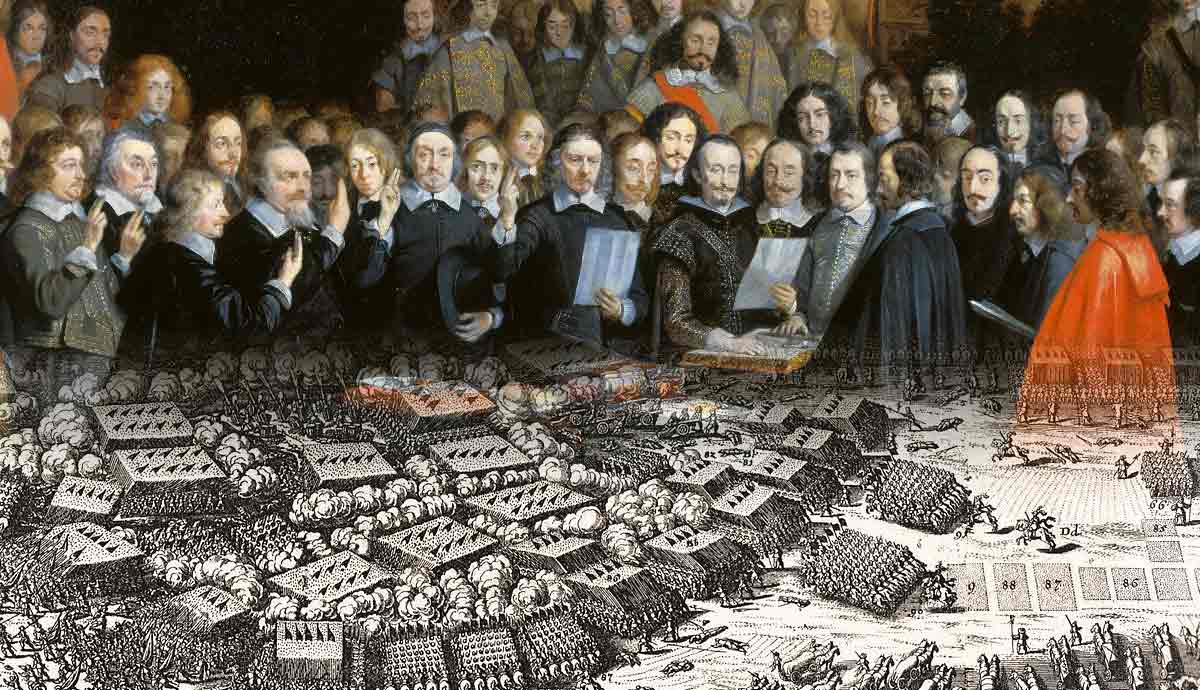
WWW.THECOLLECTOR.COMHow the Thirty Years War Ravaged Europe and Gave Birth to Modern StatesThe Thirty Years War (16181648) was one of the most destructive conflicts in European history. What began as a religious struggle in the Holy Roman Empire soon expanded into a continent-wide power struggle involving nearly every major state. Entire regions were depopulated, armies grew to unprecedented size, and the war changed how Europe understood sovereignty and statehood. By the time peace finally arrived in 1648, the war had not only shattered old medieval structures but helped lay the foundations of the modern nation-state.Origins of the Conflict: Religion, Empire, and RebellionThe Defenestration of Prague of 1618, by Matthaus Merian, 1662. Source: Wikimedia CommonsThe Holy Roman Empire in the early seventeenth century was a fragmented and decentralized political entity, composed of hundreds of independent kingdoms, principalities, bishoprics, free cities, and minor lordships. While these territories owed nominal loyalty to the Emperor, real power rested with local rulers, many of whom guarded their autonomy jealously.This loose structure had endured for centuries, but it was placed under immense strain by the religious divisions unleashed by the Reformation. By 1600, the empire was split between Catholic, Lutheran, and Calvinist states. Although the Peace of Augsburg (1555) had attempted to stabilize relations by allowing rulers to choose between Catholicism and Lutheranism, it excluded Calvinists and failed to resolve underlying tensions.Religious identity became closely tied to political authority, with rulers using confessional allegiance to assert independence from imperial control. The Habsburg emperors were staunch Catholics and increasingly sought to reverse Protestant gains and strengthen central authority within the empire.These pressures erupted in Bohemia in 1618. Protestant nobles, alarmed by perceived Habsburg encroachments on their religious and political rights, threw imperial officials out of a castle window in Prague, in the Defenestration of Prague. The initial rebellion was against Habsburg rule rather than a purely religious uprising. Although framed in confessional terms, the conflict centred on resistance to imperial centralization.Early Habsburg victories over Protestant forces reinforced imperial confidence and encouraged escalation of the conflict. A local revolt soon expanded as neighbouring powers intervened in competing visions of authority and sovereignty.Escalation: A Local War Becomes a Continental OneContemporary depiction of Swedish success by Anonymous. Source: Wikimedia CommonsWhat began as a rebellion within the Holy Roman Empire drew in foreign powers whose interests extended far beyond religious solidarity. The first major intervention came from Denmark, where King Christian IV, a Lutheran ruler and imperial prince, entered the war in 1625. His motivations were mixed: supporting the Protestant cause, maintaining Danish influence in northern Germany, and securing control over key Baltic trade routes. His defeat by imperial forces under counts Tilly and Wallenstein demonstrated both the growing strength of the Habsburg war machine and the risks of unilateral intervention.The conflict escalated dramatically with the Swedish intervention in 1630. Under Gustavus Adolphus, Sweden fielded a highly professional army that combined mobility, disciplined infantry, and modern artillery. While Gustavus presented himself as the defender of Protestantism, Swedens aims were strategic as much as religious, seeking dominance around the Baltic and long-term security against imperial power. Swedish successes transformed the wars scale and intensity, drawing more states into the struggle.The final shift came with the entry of France in 1635. Despite being Catholic, France was a traditional rival of the Habsburgs and feared encirclement by Austrian and Spanish Habsburg territories. Cardinal Richelieus decision to back Protestant forces marked a decisive turn toward realpolitik. From this point onward, the Thirty Years War was no longer primarily about faith. Foreign intervention transformed a German religious crisis into a pan-European contest for power, balance, and survival among rival states.The Human Cost: Famine, Disease, and AtrocityThe miseries of war; No. 11, The Hanging, by Jacques Callot, 1632. Source: Wikimedia CommonsThe Thirty Years War inflicted devastation on Central Europe on a scale not seen since the Black Death. In many German regions, population losses ranged from 20 to 40 percent, with some areas suffering even greater decline. This destruction was not primarily the result of battlefield casualties, but of famine, disease, and systematic violence against civilians. Armies in the 17th century relied largely on foraging and requisition, and as the war dragged on, soldiers increasingly lived off the land. Crops were seized or destroyed, livestock slaughtered, and villages stripped bare, leading to repeated cycles of hunger.The sack of Magdeburg in 1631 became the wars most infamous atrocity and a symbol of unchecked brutality. Imperial troops stormed the Protestant city, killing tens of thousands of inhabitants in a single day. News of the massacre spread rapidly across Europe, reinforcing the terror that accompanied advancing armies and convincing many communities that resistance was futile.As agriculture collapsed, famine weakened already vulnerable populations, allowing disease to spread unchecked. Plague outbreaks followed armies and refugees alike, compounding mortality. Entire towns were abandoned, fields left uncultivated, and trade networks shattered. Large-scale population displacement became common as civilians fled violence, often only to encounter hardship elsewhere.Beyond physical destruction, the war shattered social order. Traditional authority structures broke down, banditry flourished, and communities were traumatized by decades of insecurity. More civilians died than soldiers, and the psychological scars endured long after the fighting ended.Military Revolution: Armies, Logistics, and New WarfareBattle of Breitenfeld, 1631. Engraving by Oluf Hanson, c. 1633. Source: Wikimedia CommonsThe Thirty Years War took place during what many historians describe as a military revolution in European warfare. Medieval feudal levies proved inadequate for prolonged conflict, and states increasingly relied on large, professional armies maintained year-round. Forces numbering in the tens of thousands became common, far exceeding anything fielded in earlier centuries. These armies required discipline, regular pay, and command structures that could sustain extended campaigns rather than seasonal fighting.Firepower increased in importance, pioneered by smaller nations such as the Netherlands or Sweden. Unable to rely on large reserves of manpower like France, Spain, or Russia, they relied on broader formations that brought more firepower to bear on targets. A major advocate of this was Gustavus Adolphus who used massed musket salvos, light artillery, and aggressive cavalry charges to defeat numerically superior opponents. Improvements in engineering enhanced fortifications and turned sieges back into costly long drawn affairs.These military developments imposed enormous financial and administrative burdens on states. Maintaining standing armies required reliable taxation systems, war loans, and expanding bureaucracies capable of provisioning troops across vast distances. Mercenaries remained essential, but their employment intensified logistical demands and often contributed to civilian suffering when pay failed to arrive. The scale and duration of the conflict forced rulers to centralize authority and professionalize military administration. In this way, the Thirty Years War transformed how states organized power, resources, and violence.Peace of Westphalia: Sovereignty and the Birth of Modern StatesRatification of the Peace of Mnster between Spain and the Dutch Republic in the town hall of Mnster, 15 May 1648, by Gerard ter Borch. Source: Rijksmuseum AmsterdamAfter three decades of devastation, the Thirty Years War ended through a complex series of negotiations conducted in the Westphalian cities of Mnster and Osnabrck. Rather than a single treaty, the Peace of Westphalia of 1648 consisted of multiple agreements negotiated simultaneously between dozens of belligerents. The prolonged diplomacy reflected the wars transformation from a religious conflict into a struggle involving nearly every major European power.The settlement introduced principles that reshaped European politics. Most significant was the recognition of state sovereignty: rulers gained the right to determine their own internal affairs, including religion, without external interference. The treaties reaffirmed territorial integrity and legal equality among states, weakening the idea of universal imperial authority. While Catholicism, Lutheranism, and Calvinism were all granted legal status within the empire, religious toleration was structured and limited, intended to stabilize political relationships rather than promote freedom of conscience.Westphalia dramatically reduced the power of the Holy Roman Emperor, confirming the autonomy of the empires constituent states. In contrast, France and Sweden emerged strengthened, while the Dutch Republic gained formal recognition of its independence. While historians caution against the popular notion of Westphalia as the birth of the modern world, its significance lies in codifying practices that prioritized states over empires and political interest over religious unity. The peace ended the war by creating a new order in which power was negotiated between sovereign states rather than imposed by faith or imperial ambition.Long-Term Legacy: From Medieval Europe to the Modern AgeSoldiers plundering a farm. Painting by Sebastiaen Vrancx, 1620. Source: Deutsches Historisches MuseumThe Thirty Years War left Central Europe economically and demographically shattered. In many regions, recovery took generations as depopulated towns were resettled and agricultural systems rebuilt from near collapse. Trade routes had been disrupted, land lay uncultivated, and local economies struggled under the long shadow of war-induced poverty.Out of this destruction emerged new and enduring political and administrative structures. States retained the bureaucracies created to fund and sustain war. Systems of taxation, record-keeping, and central administration became enduring features of governance. The conflict accelerated the decline of private armies and feudal military obligations, replacing them with professional, state-controlled forces. Warfare increasingly became the responsibility of governments rather than dynastic households or mercenary entrepreneurs, reinforcing the link between military power and state authority.Diplomatically, the war encouraged a more secular approach to international relations. While religion remained important, political interest came to dominate European statecraft. Alliances were formed and broken based on strategic necessity, a pattern that would define European politics for centuries. This system helped prevent religious wars from engulfing the continent, even as it encouraged frequent limited conflicts between individual states.Culturally, the war left a deep imprint on German memory, reflected in literature, art, and regional identities shaped by loss and trauma. Its horrors also influenced Enlightenment thinkers, who associated unchecked power and religious absolutism with catastrophe. Later European conflicts would unfold within political and military frameworks forged in the aftermath of the Thirty Years War. From devastation emerged the foundations of the modern European nation-state.0 Kommentare 0 Geteilt 11 Ansichten -
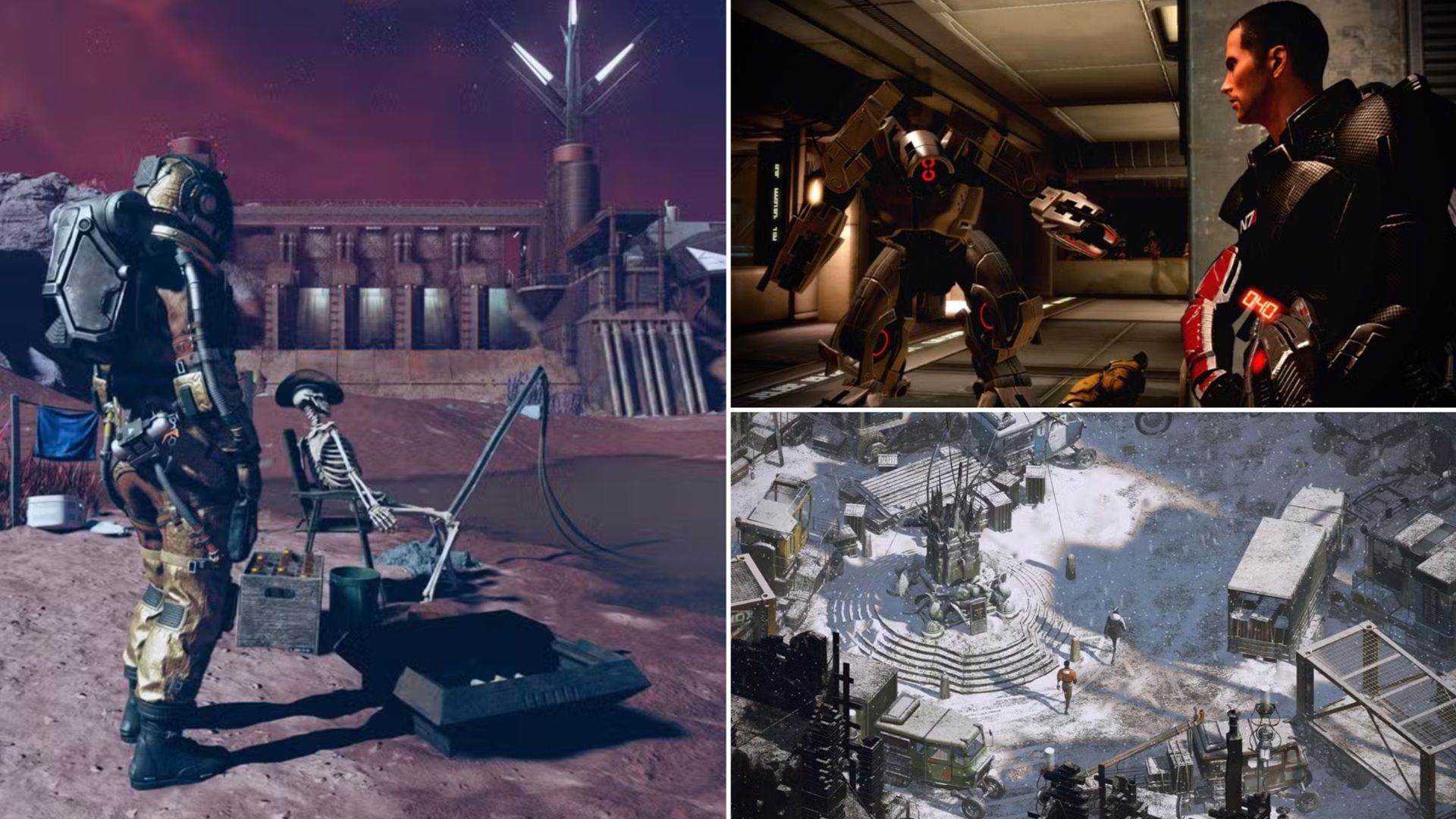
WWW.DUALSHOCKERS.COM10 RPGs That Reward Exploring Every Corner of the MapWithin the myriad elements that make up role-playing games, exploration has always been vital, as it forms the very foundation of the adventure concept.0 Kommentare 0 Geteilt 11 Ansichten -
WWW.PCGAMESN.COMCoding Simulator 2 codes April 2026If you're trying to become a coder later in life, or perhaps you're just looking for a chance to experience an alternate reality, Coding Simulator 2 codes are your best friends. In real life, it's hard to earn money, but thanks to the magic of this game and its codes, you'll have no problems upgrading to a NASA-level PC in no time at all. Codes offer free diamonds, as well as potions and currency, which will help you on your quest to be the next Ada Lovelace, unlocking more and more powerful computers to speed up your coding.0 Kommentare 0 Geteilt 11 Ansichten