• Sharpe’s Truth: 15 Facts About The Real 95th Rifles
    Sharpe’s Truth: 15 Facts About The Real 95th Rifles 6. Elite Training and Discipline Elite 95th Riflemen honed their marksmanship and discipline, setting a high standard in warfare. To excel as skirmishers, 95th Riflemen underwent rigorous drill and marksmanship training, often with stricter standards than standard infantry units. This focus on discipline and...
    0 Yorumlar 0 hisse senetleri 9 Views
  • YUBNUB.NEWS
    Iran Restricts Hormuz Strait Again, Fires On Tanker As Peace Negotiations Slug Along
    The Iranian military reimposed significant restrictions over the Strait of Hormuz and fired on a tanker attempting to pass through Saturday, only one day after the Islamic regime declared the waterway
    0 Yorumlar 0 hisse senetleri 5 Views
  • YUBNUB.NEWS
    Ghost Ship Tactics: Irans Desperate Move
    [embedded content] Iranian state medias bold claims of forcing US Navy destroyers to retreat from the Strait of Hormuz collapsed under scrutiny as American officials confirmed successful transits and
    0 Yorumlar 0 hisse senetleri 5 Views
  • YUBNUB.NEWS
    The Lasting Impact of Donald Trump
    Almost everyone on both sides of the political aisle would agree that the impact of Donald Trump on American politics has, for better or worse, been seismic. Those who love or hate him will long remember
    0 Yorumlar 0 hisse senetleri 5 Views
  • WWW.LIVESCIENCE.COM
    Experimental drug doubles one-year survival in pancreatic cancer
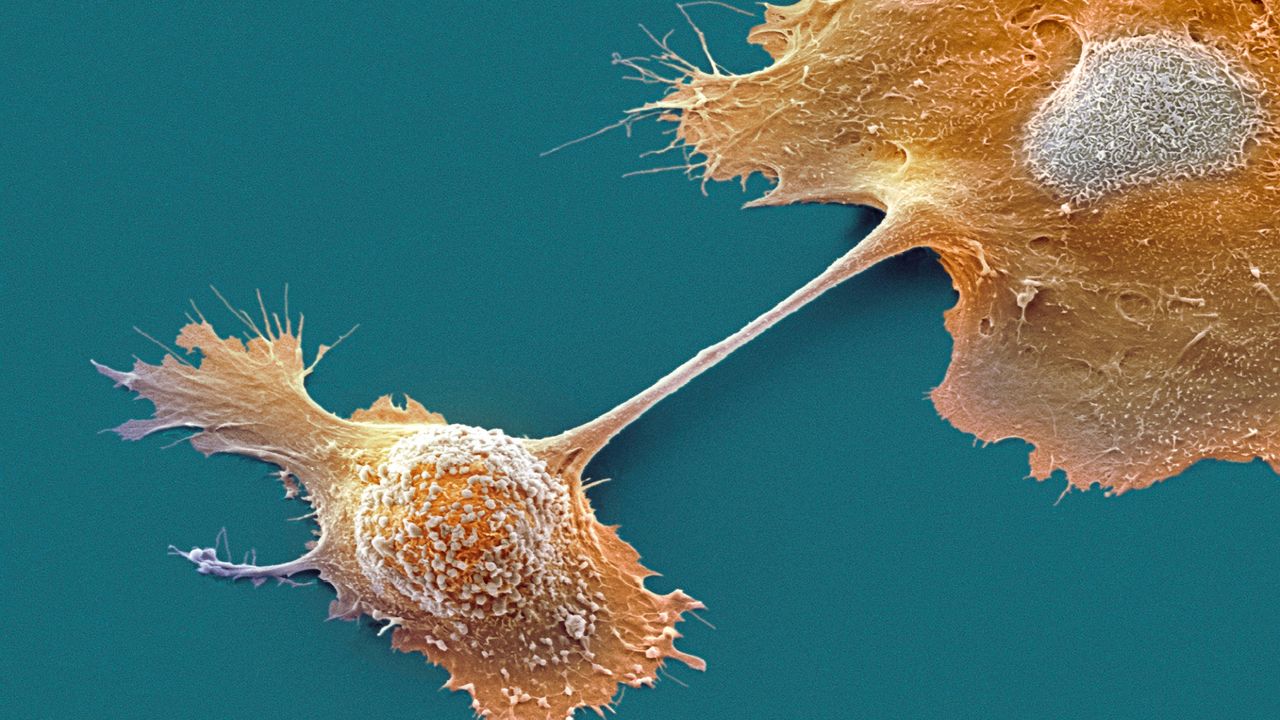
    A new drug that works by making tumors more susceptible to chemotherapy and the immune system has increased survival in those with advanced pancreatic cancer in a trial.
    0 Yorumlar 0 hisse senetleri 5 Views
  • WWW.THECOLLECTOR.COM
    How Marie-Madeleine Fourcade Turned a Secret Spy Network Into Hitlers Worst French Nightmare
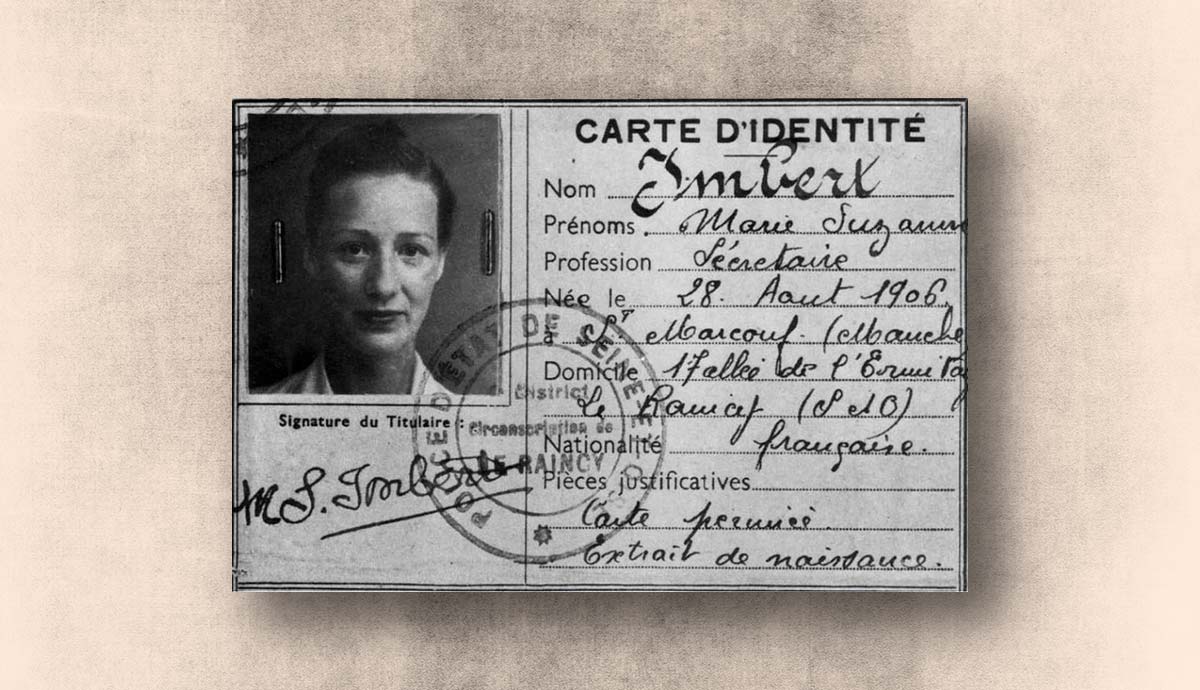
    Marie-Madeleine Fourcade, a leader of the French Resistance, stands apart from her compatriots for being the only woman to hold such a position. Known as Hedgehog for her resilience in the face of a powerful regime, Fourcade played a crucial role in gathering intelligence and orchestrating dangerous missions. The Alliance network, guided by Fourcade and dubbed Noahs Ark by the Gestapo, supplied the Allies with the necessary information to perform military operations, such as those on D-Day. At extreme risk to herself and those she loved, Fourcade took on the Nazis and emerged as one of WWIIs greatest underground legends.How the French Resistance Got StartedHitler in Paris, 1940. Source: US National ArchivesThe French Resistance did not begin as the network that it later turned into. It began with quiet, defiant acts and a refusal to accept fascism as the new norm within France. In the summer of 1940, Charles de Gaulle, then a lesser-known general, made a six-minute speech from a BBC studio in London. He spoke words of encouragement to the disheartened French in their homes, rejected Marshal Ptains armistice with Nazi Germany, and reframed the fall of France as a setback, not a surrender.However, this rallying cry did not fully acknowledge how grim the situation at home actually was. The German occupation of the north and the establishment of the Vichy government in the south left the French population demoralized.Before pointing fingers backward in condemnation of historys mistakes, it is important to remember that France had lost a generation of men in WWI and wasnt eager to do so again (though, after the second world war, it would be estimated that France lost over half a million people). Ptains Vichy administration, a puppet regime masquerading as a neutral entity, left little reason for those yearning to resist to believe their voices would be heard. The French militarys famed Maginot Line, touted as an unbreachable defense, had been bypassed almost effortlessly by the German forces seeking to occupy France.French flag featuring the cross of Lorraine, symbol of the French Resistance. Source: Wikimedia CommonsYet even amidst all these defeats, acts of personal defiance began to appear. Flyers appeared denouncing Nazi policies, graffiti defiled Nazi images, and words of rebellion were spread. These early seeds of resistance sprouted, watered by a refusal to become part of the fascist regime and faith in Frances honor, bruised as it may have been. The movement would soon grow into more organized cells, each tasked with constructing chaos behind enemy lines.How Ms. Fourcade Became InvolvedMs. Fourcades ID, 1910-20. Source: PicrylBorn into privilege in Marseille to a family made wealthy in the steamship industry, and raised partly in cosmopolitan Shanghai, Fourcade seemed destined for a conventional socialites life. By the 1930s, however, she was a divorced single mother of two with a pilots license and a career in the burgeoning radio industry. First in Shanghai, then in Morocco, she experienced the freedoms denied to many women in the world and became accustomed to free thinking.During her short time as a military wife, she met Georges Loustaunau-Lacau. He was a young French intelligence officer with suspicions about Germanys fast-growing military might. Loustaunau-Lacau recognized Fourcades sharp intellect and recruited her for his covert information gathering. The two stayed in contact even after her marriage fell apart. By 1940, with France reeling from the Blitzkrieg and the fall of the Maginot Line, Loustaunau-Lacau became the father of the Alliance spy network. Fourcade, with her knack for persuasion and intelligence, became the networks secret weapon. Working alongside Loustaunau-Lacau, Marie-Madeleine was kept busy recruiting agents and gathering intelligence.Vive La France! Men and women read a war poster written by Charles De Gaulle. Source: Museum of the US NavyFourcades spying and coordinating of spies meant her children were deeply endangered. Eventually, when her son was twelve and her little girl ten, Marie-Madeleine realized she had to get them out of France before she was caught or they were used against her. Marie-Madeleine sent her children to Switzerland, although they had to make the last bit of the perilous trek on their own. Later in life, Marie-Madeleine would claim it was her son, the eldest of the two children, whose bravery got them over the line and to safety.The Resistances Greatest SuccessesPlaque in Honor of Ms. Fourcade. Source: Wikimedia CommonsThe French Resistance was absolutely not a military might (too many French soldiers had already been captured or killed). But what it lacked in brute force, it more than made up for in cunning and creativity. Operating under the radar and often against impossible odds, Marie-Madeleine and her ragtag group of unsung heroes made life miserable for the occupying Nazis.The Resistance excelled at sabotaging Nazi supply lines, communications, and infrastructure. They derailed trains, cut telephone lines, and blew up bridges, all while doing everything they could to avoid the Gestapo. These seemingly small acts of rebellion forced the Germans to spread their troops thin, diverting resources that could have otherwise been deployed on the front lines. A thin line of defense is a weak line of defense, making life (and the odds) much better for the Allies.One notable victory was the surrender of Column Elster, where 18,500 German soldiers laid down their arms to the Americans. Months of relentless and unpredictable harassment by Resistance operatives had diminished German morale, both on the battlefield and back home.Soldiers in France, 1944. Source: GetArchiveImagine being a German soldier, knowing that the people whose country you were in hated you. You do not know if the vehicle you have will stop (the Resistance may have put tin shavings in your brake lines) or if the munitions coming to you on train tracks will ever make it to you (the Resistance often removed bolts from the railways), or if youll be driving away and suddenly stuck in enemy territory (French factories that made vehicles for the Germans may have encouraged workers to tamper with the fuel gages). It was exhausting, and it sapped the German will to win.There were quieter but no less important acts of information gathering as well. Resistance agents mapped supply routes, tracked troop movements, and even provided the Allies with a stunningly detailed, 55-foot-long map of Normandys beaches. That map became crucial to the success of the D-Day landings. The Resistance, a group of women and amateurs, was punching well above its weight.It was these same women that carried secret documents in baby carriages, hid weapons under loaves of bread, and delivered life-saving supplies to those in hiding, often right under the noses of Nazi occupiers. They took downed Allied airmen into their homes, facing the threat of being killed or sent to a work camp if they were found out.Resistance to the Germans, French army returns to France. Source: PicrylJulia Pirotte, a Polish-Jewish immigrant, led attacks on Nazi targets in Marseille and documented her efforts through photography. Women like her, Germaine Tillion, and Genevive de Gaulle (Charless niece) shattered stereotypes, proving that resistance came in many forms and every gender.Many of the ladies living under Nazi oppression had never wielded a weapon but had picked up a pen. This is why underground newspapers and pamphlets circulated anti-Nazi propaganda, letting other dissenters know they were not alone. These efforts nurtured the earliest seeds of defiance.It is a myth that the Resistance was one cohesive, all-powerful force. Instead, it was a myriad of individuals and groups, united by a shared goal: to defy tyranny. And in doing so, they showed the world that courage isnt always found on a battlefield; its also found in churches, around kitchen tables, and over a glass of wine.What Happened to the Resistance at the End of the War?Parade after battle of Paris, August 1944. Source: Library of CongressWhen France was finally liberated and began piecing itself back together, the Resistance found itself pushed aside. Women, who had been indispensable during the war, were quickly shushed. The call to repopulate France rang loud, as the nation sought to replenish the workforce lost to two devastating wars. The wartime heroines, many of whom had risked their lives for their country, were now expected to trade their ambitions for aprons and their espionage for strollers. Their sacrifices, if spoken out loud, only served to remind collaborators of their own failings.Simultaneously, the myth of a grand, unified Resistance took hold. Known as rsistancialisme, this post-war narrative allowed France to rebuild its shattered national identity. By painting the Resistance as a vast, collective effort, it helped to obscure uncomfortable truths about the widespread acceptance of the Vichy regime and the shocking moral compromises made under Nazi rule. This myth, though comforting, often overlooked the fact that active resisters were a small minority, leaving the majority of the population to navigate survival under occupation in ways that surely werent heroic.Collaborator Getting Head Shaved, 1944. Source: PicrylWorse, there were war babies, living proof of a more complicated reality. As the Nazis departed, they left behind, among other things, evidence of relationships, both consensual and coerced, between German soldiers and French women. These innocents, who couldnt have picked who fathered them, were sometimes referred to as enfants de Boches, (not a nice term). For women who hadnt acted with the Resistance like Marie-Madeleine had, fraternizing with the enemy was seen as the ultimate cowardice, and public shaming (such as head-shaving) was often their punishment. France would rather believe every one of its people had resisted instead of making the Nazis comfortable in any way.In the end, the Resistances legacy became a double-edged sword: its legend became both a source of immense pride but also a repository for national guilt and selective memory. Womens contributions were often sidelined in favor of a male-dominated narrative that was mostly myth. The complexities of survival under occupation were brushed aside in favor of tales of glory. What remained was a fiction of a shadow army and of heroism that helped France move forward, even as it left many of the actual stories of brave resistors untold.
    0 Yorumlar 0 hisse senetleri 6 Views
  • WWW.THECOLLECTOR.COM
    Why Did the Byzantine Empress Irene of Athens Blind Her Own Son?
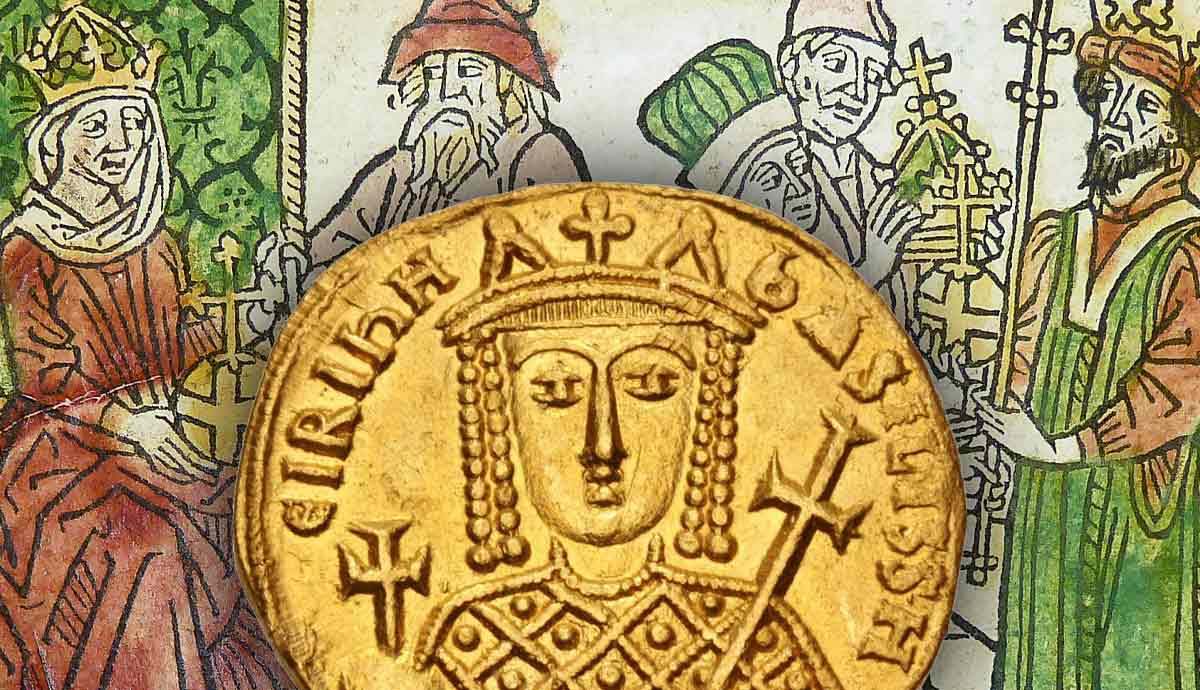
    An orphan from minor nobility and rising from relative obscurity, Irene of Athens became one of the most powerful people in the world. She claimed the title of Empress of the Byzantine Empire, and ruled as the sole monarchan incredible feat in a deeply patriarchal world at the timeand was even canonized and revered as a saint in the Greek Orthodox Church. However, the cost she paid to get there was unquestionably horrific, ordering the blinding of her own son, who was a political opponent to her rule.Irene of Athens and Her Path to the ThroneLeft: A 16th-century portrait of Irene of Athens from Speculum Romanae Magnificentiae: Portraits of the Wives of Emperors. Source: Wikimedia Commons; Right: A visualized rendering of Constantinople during the Byzantine era. Source: Wikimedia CommonsBorn into the noble Sarantapechos family sometime between 750 and 756 AD, Irene of Athens is said to have been orphaned at a young age (the records are sparse). Her age at the time, and the nature of her parents death, is unknown, but it is likely she became a pliable political tool in the hands of other family members as they jostled for power in the charged political climate of the time.The circumstances surrounding her marriage to Byzantine Emperor Leo IV are a subject of debate. It has been suggested that she was selected as part of a bride-show, in which eligible women were paraded for selection. Whatever the truth is, she married the 19-year-old co-emperor in 769.Leo IV was the son of the Emperor Constantine V, who served as the senior emperor at the time. This was an era of turmoil for the Byzantine Empire. Muslim Abbasids threatened from the south and east, while Slavic forces threatened from the north and west. Meanwhile, within the Byzantine military, ethnic and regional tensions, as well as ambitious generals, created a situation that demanded constant attention. To add to this dynamic, the empire was being divided from a religious perspective due to the iconoclastic controversy, wherein iconoclasts (like Constantine V) viewed icons as idolatry and took measures to wipe out iconophilia, further increasing factionalism within an already shaky empire.The Porphyra Chamber was lined with an extremely valuable rock called red or imperial porphyry. Source: Flickr/Wikimedia CommonsIrene and Leo had a son in 771, named Constantine. His birth occurred in the Porphyra Chamber, a room lined with purple marble reserved as the place for royal births in the Great Palace of Constantinople. Purple, as was tradition, was a color associated with nobility and wealth, and this room turned out to be a significant setting for the drama that unfolded in the years that followed.Emperor Constantine V died in 775, leaving his son Leo IV as the sole emperor, who crowned his son Constantine VI as co-emperor. Leo, an iconoclast who supported the removal of iconography, was at odds with his wife, who was a secret iconophile. When Leo discovered she had smuggled icons into the palace with the help of courtiers, he had the courtiers whipped and rebuked his wife, causing a very public scandal. The drama did not go much further, as Leo died shortly thereafter, in September 780, from tuberculosis at the age of 30, and was succeeded by his nine-year-old son. With Constantine still a child, the rule of the Byzantine Empire came under the control of Irene, who ruled as regent, aided by the chief minister, the eunuch Staurakios.Imperial ChallengesA Byzantine solidus featuring Constantine VI and his mother, Irene. Source: Wikimedia CommonsIrene was now a young widow in a precarious position. Her rule was threatened by rebellions and coup attempts as she navigated the murky and extremely dangerous waters of being a regent and a woman in charge of the Byzantine Empire. After Leo died, plans were immediately concocted to remove Irene and the child emperor from power in favor of one of Leos half-brothers, Nicephorus. The plot was uncovered, and moving swiftly, Irene had five of Leos brothers arrested and forced to take up the cloth, thus barring them from any imperial ambitions. Such was the swiftness and vigor of Irenes response that it earned her a great deal of respect as a decisive ruler.From this solid foundation of ruthlessness, Irene began her own reforms, winning political support from within the court and replacing iconoclasts with iconophiles, reversing the policies of her imperial predecessors. She took more power than was expected, as evidenced by the coins that were minted, clearly showing her in a position of power over that of her son. In practice, she denied him any say in public affairs.The Byzantine Empire in 802 AD. Source: Wikimedia CommonsShe was driven to upset expectations of her weakness. A female regent before Irene, Empress Martina ruled for less than a year before her tongue was mutilated, and she was sent into exile on the island of Rhodes. By showing a powerful hand, Irene avoided a similar fate. In 781, she took swift military action against those who defied her. She accused the general in charge of Sicily, Elpidius, of plotting against her, and when his troops in Sicily failed to surrender him, Irene sent a fleet to deal with the problem. Elpidius and his supporters were crushed, and Elpidius fled to the Abbasid Caliphate.During her rule, however, Irene found mixed military success, with Staurakios achieving victory against the Sclaveni, a Slavic tribe that had invaded Greece. Byzantine forces, however, struggled against the Abbasids, and Irene was forced into a position where she had to pay an annual tribute to secure the borders.Nevertheless, Irenes most notable achievements were not in the realms of military action but in restoring the veneration of icons within the empire.The Restoration of IconophiliaGreek Orthodox icons. Source: WorldHistoryPics/Wikimedia CommonsIrenes husband and father-in-law had been iconoclasts, and with their passing, Irene pressed for icons to be accepted again. The biggest obstacle was Paul IV, who was Patriarch of Constantinople. When he died in 784, Irene elevated her former secretary, Tarasios, to the position. Despite opposition and the disruption of councils, Irene and Tarasios were able to convene with bishops in Nicaea in October 787, whereupon they formally reversed imperial policy and restored the veneration of icons as an article of faith.The factionalization that the issue created was tense, but through careful politicking and diplomatic efforts with iconoclast and formerly iconoclast religious figures, Irene and Tarasios were able to avoid a civil war. Irene was even able to secure the consent of the Pope in Rome. Within the Greek Orthodox Church, Irenes efforts afforded her a place of great reverence, and she was later canonized as a saint.Irene and Her SonChalcography featuring Constantine VI and Irene, from Giovanni Battista Cavalieri & Thomas Treterus, Romanorum imperatorum effigies, Rome, Vincenzo Accolti, 1583. Source: Municipal Library of Trento/Wikimedia CommonsDespite the political victories, Irenes biggest threat persisted in the form of her son and his imperial ambitions. It was expected that Irene would step down as regent when her son came of age, but she refused to do so, and a great rift opened as the two fought for ultimate control of the Byzantine Empire.Constantine VI, however, was not free from scandal. He rejected his mothers attempts to marry him into the Carolingian dynasty through Rotrude, a daughter of Charlemagne, and the engagement was broken off by Irene. She then selected Maria of Amnia to be his wife, and the couple was wed in 788. Despite having two children (two daughters, Euphrosyne and Irene), Constantine was not fond of Maria and forced her to become a nun. He took his mistress, Theodota, Irenes lady-in-waiting, as his wife (in 795) after having her crowned Augusta (Empress). This move was highly unpopular with the church, and Constantine lost much political and religious support.It is suggested, and certainly likely, that Irene was aware of the fallout from this scandal and encouraged her son into such dangerous waters. His removal from power would be easier, and Irene would be able to consolidate her hold on the throne.A Byzantine solidus depicting Empress Irene. Source: CoinArchives/Wikimedia CommonsWhile being major factors, these marital events were not the catalysts for the distrust between the two. In 790, Constantine had tried to assert his power and had had Staurakios arrested. Irene responded by having her son and his entourage arrested, but she lacked support from the military. When Constantine was sprung from prison, Irene was removed from the court, but Constantine proved ineffective and suffered military defeats. He allowed his mother back into the imperial court in 792.Further eroding his public image, he dealt disproportionately with perceived threats. After an attempt at usurpation by Nicephorus, he not only had him blinded, but had his other uncles tongues cut out as well. This action led to a revolt, which Constantine crushed with particular cruelty. By the time he remarried, he was already suffering from poor support, and ended up being labeled as an adulterer. Meanwhile, his marriage to Theodota produced a son, Leo, in 796, but the infant died a year later.Constantine and Irenes FatesWoodcut depicting Irene and Charlemagne. Source: Penn Libraries/Wikimedia CommonsWhile Constantine was stricken with grief over the death of his son, Irene took the opportunity to retake power. She had garnered military support by bribing several generals who agreed that Constantine was running the empire into the ground. She also bribed palace guards to remain neutral. Constantine became aware of the plot and attempted to flee, but was captured and dragged to the Porphyra Chamber, where he had been born. And it was there that Irene ordered her sons eyes to be gouged out.Irene was now unopposed, but she inherited an empire with severe challenges, and the issue of blinding her own son lost her much support. Facing military threats and being forced to pay tribute to the Abbasids, the empire was under financial strain. She was now in her forties, and she had no heir, and refused to marry. When Charlemagne was proclaimed Emperor of the Romans by the Pope, it sent shockwaves through the Byzantine Empire, as many viewed Byzantium as the rightful successor of Rome. According to legend, there was a marriage proposal from Charlemagne, but it was overturned before it could be properly considered. Nevertheless, Irene managed to strengthen diplomatic ties between the Byzantines and the Franks.In 802, her finance minister (also named Nicephorus) led a coup and ousted the empress from power. Irene was exiled to the island of Prinkipo. While there, she was suspected of plotting to retake the throne, and was subsequently banished to Lesbos where she died on August 9, 803. There are no records of what caused her death, but while in exile, she lived in considerable hardship, having to spin thread in order to support herself.Coastal scenery on Lesbos. Source: Wikimedia CommonsApart from having her own son blinded, Irene is remembered as an iconophile who restored the veneration of icons. Her support of monasteries also won her significant support from the religious community, and today she is remembered as a saint within the Greek Orthodox Church. Her feast day is August 9.

    0 Yorumlar 0 hisse senetleri 6 Views
  • 0 Yorumlar 0 hisse senetleri 5 Views
  • 0 Yorumlar 0 hisse senetleri 5 Views
  • WWW.DUALSHOCKERS.COM
    8 Pokmon Games With Underrated Features Players Didnt Appreciate Until Years Later
    The Pokmon series is one of gaming's oldest and most successful IPs to date, and over the years, we've seen sweeping changes to each new game to help define each generation.
    0 Yorumlar 0 hisse senetleri 5 Views