• Huawei Pura X Max might usher the era of wide foldable phones
    Huawei Pura X Max might usher the era of wide foldable phones Step aside, Apple and Samsung; it's China's Huawei that currently rules the unusually-wide-foldable-phones niche. On Monday, the company published a teaser video of its upcoming Huawei Pura X Max foldable phone. The Pura X Max will officially launch on Apr. 20 alongside the...
    0 Yorumlar 0 hisse senetleri 9 Views
  • WWW.THECOLLECTOR.COM
    The Irishmen in Mexican Uniform Who Fought Against the US During the Mexican-American War
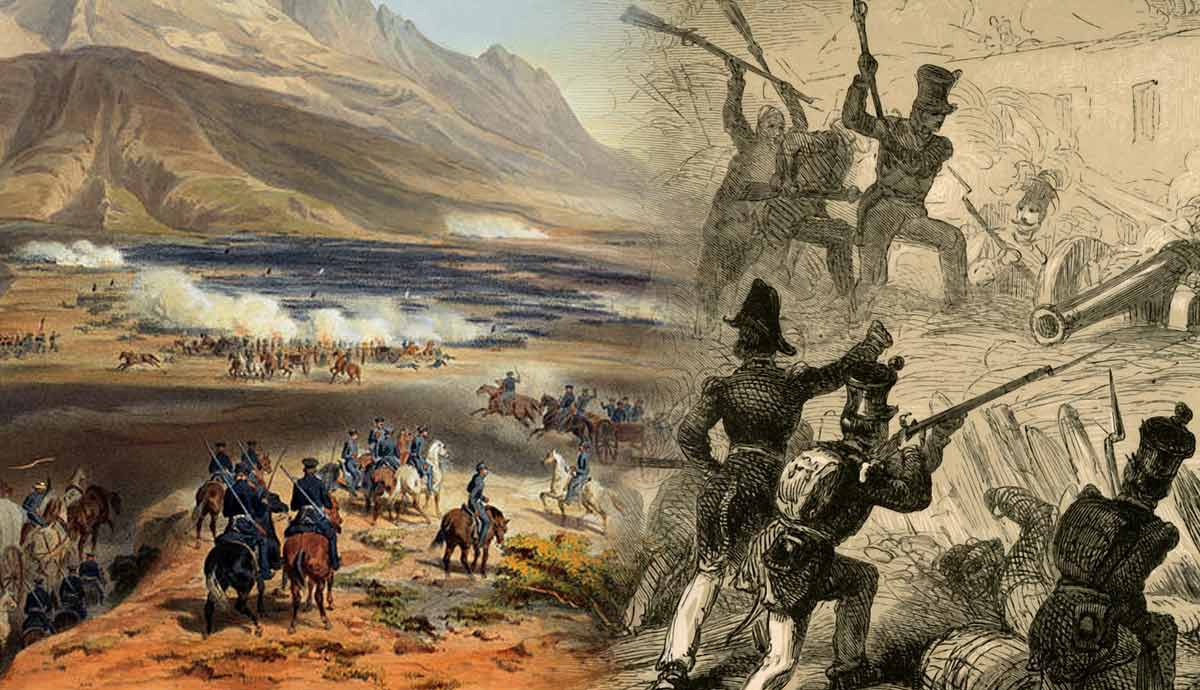
    The Mexican-American War remains a controversial conflict in both the United States and Mexico. Triggered by disputes following the American annexation of Texas, US armies eventually occupied Mexico City and forced the Mexicans to cede around half its territory. Both sides suffered from mass desertion, but the most famous of these deserters were an Irish-led contingent in the US Army who switched sides to fight with the Mexicans as the Saint Patrick Battalion, known in Spanish as the San Patricios.The Mexican-American WarStorming of Chapultepec by James Walker, 1857. Source: Wikimedia CommonsThe Mexican-American War was fought between April 25, 1846 and February 2, 1848. It was caused by disputes between the Mexican and American governments after the US annexation of Texas in 1845. The conflict was triggered by the Thornton Affair when a column of 80 US soldiers was ambushed by a larger Mexican force in disputed territory. The US president, James K. Polk, used the attack to justify an invasion of Mexico.Polk was primarily motivated by the concept of manifest destiny, the idea that the United States was divinely ordained to expand to the Pacific coast. The USA was a young, dynamic state, whereas Mexico was seen as a weak foe. In the decades after its declaration of independence from Spain in 1821, Mexico had suffered political and economic instability. The Mexican Army was poorly trained, equipped, and led. By contrast the US forces were a mix of regular and volunteer soldiers. An estimated 47% of the US Army in Mexico was made up of foreign born soldiers. The volunteers provided a valuable source of manpower as the war expanded from skirmishes to pitched battles.The war united the US in a surge of patriotism but it also had its critics. Many prominent personalities from the American Civil War first fought in Mexico and were affected by it. Ulysses Grant later wrote I was bitterly opposed to the measure, and to this day regard the war, which resulted, as one of the most unjust ever waged by a stronger against a weaker nation. It was an instance of a republic following the bad example of European monarchies.DesertersTaking of Monterrey by Albert Bobbett, 1878. Source: MeisterdruckeConditions for soldiers in the 19th century were brutal. They were generally ill-treated by officers and regarded as brutes and criminals by the rest of society. The Mexican Army lost soldiers in droves, usually before battle. Poorly fed, treated, and equipped, many conscripts saw no reason to fight. The US Army saw nearly 15% of its strength lost to desertion every year in peacetime. The desertion rate actually went down during the war to 8%, with 9,200 soldiers deserting from an initial strength of 111,000.The 1840s was a time of unprecedented mass immigration to the US, particularly from Ireland. Over a million Irish emigrated from their home which was then suffering the ravages of the worst famine to ever hit the island. Large numbers of these risked journeys on overcrowded vessels known as coffin ships due to the high death toll. The survivors arrived penniless and destitute to an America that was less than welcoming.The army offered employment to many Irish as little education was required and soldiers could be guaranteed food and employment. Desertion by European immigrants was generally motivated by the promise of land, money, and promotion. They had weak ties to the USA and gave themselves up to guerrillas or simply crossed to the Mexican lines. Many Catholic immigrants were sympathetic to the Mexican cause and escaping the harsh conditions meted out by their Protestant officers.Formation and BackgroundBattle of Buena Vista by Adolphe Jean-Baptiste, 1851. Source: National Gallery of Art, Washington DCThe St. Patricks Battalion was the most famous group of deserters. It was a unit mostly composed of Irishmen and Germans, though Poles, Canadians, English, Swiss, Italians, French, Scots, Spaniards, and Mexicans could also be found in the ranks. The initial battalion was known as the Legin de Extranjeros (Legion of Foreigners), forming the core of what would be better known as the St. Patricks Battalion. Mexicans also nicknamed them Los Colorados due to the sunburnt appearance of the paler European deserters.The battalion started as an artillery unit but would later be reorganized as infantry and cavalry due to the increasingly desperate war situation, though the San Patricios continued to deploy artillery. Starting as a group of 48 Irish artillerymen, it reportedly boasted over 700 soldiers at its height but by the end of the war struggled to keep more than two companies in the fight due to the high casualties.As deserters, the San Patricios had a higher level of training on average than the typical Mexican conscript. Their officers were typically promoted from the ranks like John Riley, an Irishman who had served in the British and American armies as an enlisted soldier but was promoted to officer by the Mexicans. Martin Tritschler, a German captain in the unit, along with Riley, convinced many Irish and Germans to desert to the Mexican side.First BattlesBattle of Churubusco by J Cameron, 1847. Source: Library of CongressThe Battle of Monterrey, September 21-24, 1846, was the first large engagement for the San Patricios. Three days of urban warfare saw the Mexicans defeated but a truce negotiated that allowed them to retreat unharmed in exchange for the citys surrender. The San Patricios skill with artillery helped prolong the battle and they were credited with defeating at least two of the American assaults on the city. The unit was expanded after the battle and they created a silk battle standard with an image of Saint Patrick on a background of Irish green.They were now entrusted with the heaviest artillery the Mexicans had, 18 and 24 pounder cannons. On February 2, 1847 at Buena Vista, they were deployed on high ground that commanded the battlefield. Here they switched between firing on American infantry to fighting artillery duels with rival US batteries. A contingent also joined a Mexican attack on an enemy battery. The Mexican infantry routed the US troops, allowing the San Patricios to haul away two US 6 pounder cannons.Their artillery skill was enough to draw the anger of the US commander, Zachary Taylor, who dispatched a squadron of cavalry to take that damned battery. The battle ended with mixed results. The Mexicans withdrew, with General Santa Anna claiming success due to capturing US artillery and colors. The Americans claimed success for retaining control of the field of battle. The San Patricios paid a bloody price and lost one third of their number in the fierce fighting. Delighted with the success of their foreign volunteers, Mexican authorities continued to offer bonuses to deserters and promised land grants after the war.A Reckoning at ChurubuscoConvent of Churubusco by James Walker, 1851. Source: Wikimedia CommonsSanta Anna reformed the San Patricios into an infantry and cavalry unit with some artillery. They are believed to have fought at the defeat of Cerro Gordo but their high point was at the Battle of Churubusco on August 20, 1847. The battle followed a string of defeats with the Mexican forces in constant retreat. The San Patricios (by now numbering fewer than 300 men) dug in around a convent only a few miles from Mexico City, reinforced by two battalions of Mexicans.The fierce resistance convinced US general Winfield Scott that the convent was an ammunition depot. The first two US assaults were beaten back with heavy losses. The Americans gradually upped the pressure on the flanks and took the outer fieldworks. Mexican resistance began to weaken as they ran out of ammunition with soldiers either making desperate bayonet charges or leaving the battlefield.The San Patricios continued to defend the convent with courage borne of desperation. On several occasions their allies attempted to surrender but were prevented by the Irish as the deserters could expect less generous terms. The US finally took the convent after a bloody close quarters battle. When the Mexican commander Anaya was asked where the ammunition was, he retorted Had I any ammunition you would not be here! Nearly two-thirds of the San Patricios were killed or captured, fewer than a hundred escaped to Mexican lines.Paying the PriceBattle at Churubusco by Carlos Nebel. Source: Amon Carter Museum of American Art, Fort Worth, TexasThe US Army wasted no time in punishing the San Patricios. Out of more than 80 prisoners, over 70 were immediately charged with desertion. Court martials were convened immediately after the battle on August 23 and 26. Popular sentiment had been in favor of a lynching, with even other Irish troops in the army viewing them as traitors. Thousands of soldiers had deserted from the US Army during the war but only the San Patricios had fought against it, which may account for the harshness of their punishments.Several were pardoned as they had been captured by the Mexicans. John Riley and those who had deserted before the official declaration of war were branded with a D on the face and given fifty lashes. At least 50 were sentenced to hang, the first 16 on September 10, 1847, their graves having been dug by their branded comrades. Another four were hanged the following day.The remaining 30 were hanged on September 13 at the Battle of Chapultepec. The gallows was set up in full view of the citadel with orders to hang the San Patricios the moment the US flag replaced the Mexican one on the battlements. The condemned soldiers taunted the US troops and gave a final cheer for the Mexican flag before their execution. Colonel Harney, officer over the execution, left the bodies for carrion, stating he had only orders to hang them, not cut them down. It remains one of the largest mass executions in US history.LegacyThe presidents of Ireland and Mexico commemorating the San Patricios, 2013. Source: President of IrelandThe surviving San Patricios were mustered out of service in 1848 at the end of the war. Some stayed in Mexico, claiming the land that had been promised to them by the government. A few like Riley stayed in the army. There are several streets named in their honour in Mexico. They are also commemorated on Saint Patricks Day and on 12 September in memory of their executions.Praised in Mexico, the San Patricios are relatively unknown in the USA, though sympathy for their cause in the aftermath of the war is believed to have affected General Scotts unsuccessful presidential bid in 1852 due to the harsh punishments he meted out on any captured San Patricio. Despite his perceived anti-Irish bias, only an estimated 4% of Irish soldiers deserted from the US Army during the war.Although the Saint Patricks Battalion is usually considered Irish and Catholic, it is likely that nearly half of the battalion were of non-Irish origin. Similarly, only seven of the first 16 soldiers executed took the last rites. An Irish identity seems to have been stamped on the unit since many of its officers were Irish. US authorities also seemed to buy into this hysteria of an Irish and Catholic conspiracy to subvert their forces. In reality, the San Patricios was a cosmopolitan unit with each soldier having their individual reasons for deserting. Harsh conditions, religion, money, land, were all motivators for any soldier desperate enough to risk crossing to Mexican lines. They were part of a long tradition of Irish soldiers fighting in foreign service.
    0 Yorumlar 0 hisse senetleri 3 Views
  • WWW.THECOLLECTOR.COM
    10 Medieval Landmarks That Define Englands Turbulent Past
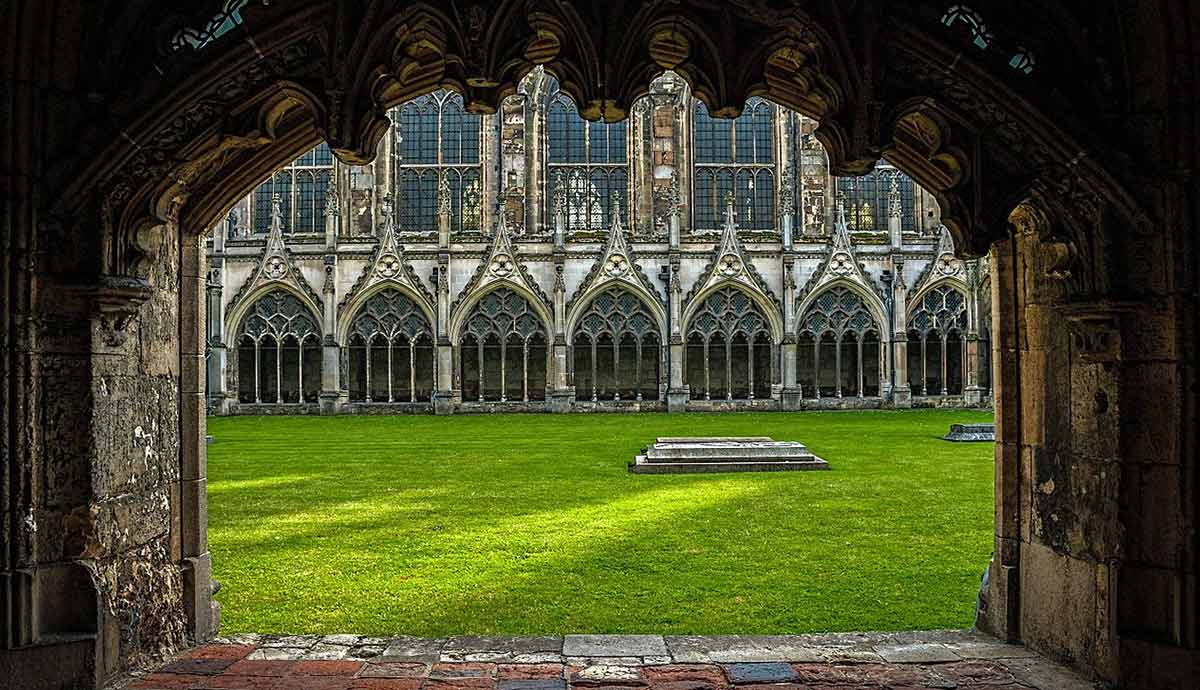
    From Canterbury Cathedral to the Tower of London, Englands map is filled with medieval landmarks. Monuments to hundreds of years of complex history, each showcasing different aspects of Englands medieval past, from the Norman conquest to the Plantagenet kings. From political clashes and family feuds to legendary stories, these places guide visitors on a journey into the past, featuring powerful families and ordinary folks. Lets venture into a map of medieval England, walking around 10 iconic landmarks.LandmarkLocationHistorical Significance & Key EventsWarwick CastleWarwickshireBuilt by William the Conqueror; later became a key stronghold in the War of the Roses.Tower of LondonLondonServed as a royal palace and a notorious prison for figures like Anne Boleyn and Guy Fawkes.Canterbury CathedralKentSite of Thomas Beckets murder in 1170; inspired Chaucers The Canterbury Tales.Tintagel CastleCornwallFamed as the legendary birthplace of King Arthur and linked to the story of Tristan and Isolde.Dover CastleKentKnown as the Key to England; fortified by Henry II and later used for WWIIs Operation Dynamo.Durham CathedralDurhamA masterpiece of Norman architecture built to house the shrine of St. Cuthbert.Westminster AbbeyLondonThe coronation site for nearly every British monarch and burial place for 30 royals.Rievaulx AbbeyNorth YorkshireA massive Cistercian monastery closed by Henry VIII during the Suppression of the Monasteries.York MinsterYorkHouses Britains largest collection of medieval stained glass and sits atop a former Roman base.Rochester CastleKentStrategically guarded the Medway River; famously survived two major baronial sieges.1. Warwick Castle, WarwickshireWarwick Castle, East Front from the Outer Court, by Canaletto, 1752. Source: Wikimedia Commons/Birmingham Museum and Art GalleryBuilt on a meander of the River Avalon, Warwick Castle was one of Englands most iconic baronial strongholds. Throughout the centuries, five influential families owned the castle, later converted into a stately home, as earls of Warwick: the Beaumonts, Beauchamps, Nevilles, Dudleys, and Grevilles. The first structure was built on the site of a motte-and-bailey castle erected at the time of William the Conqueror, when the River Avalon served as a defense against the Danish raids.Todays building dates back to the 1100s and was commissioned by the 1st Earl of Warwick, Henry de Beaumont. The castle, however, underwent numerous renovations and expansions throughout the centuries. In 1871, a fire ravaged the private apartments, but the main structure was luckily spared.In the 16th century, Warwick Castle became a key location in the War of the Roses as it was passed to Richard Neville, famously nicknamed the Kingmaker for his role in controlling Englands power structure.2. Tower of LondonThe Tower of London. Source: TimeOut MagazineOne of Londons most iconic landmarks, the Tower of London stands on the north bank of the River Thames, on the border with the City of London. Throughout the years, the complex served as a royal palace, prison, arsenal, royal mint, and menagerie. After his 1066 coronation, William the Conqueror was the first to order the construction of fortifications on the site, then a major port area.The central keep, known as the White Tower, dates back to 1078 and is 90 feet (27 meters) high. Four towers stand at each corner of the buildings walls. Over the years, a series of concentric curtain walls were erected around the central structure. The outer curtain is protected by a moat. The impressive defense system was breached only once during the 1381 Peasant Revolt, when the rebels, protesting a new tax, managed to enter the Tower.During the Middle Ages, the Tower of London was turned into a notorious political prison and place of execution. The prisoners entered the complex through a watergate, later nicknamed Traitors Gate. Among the most famous historical figures imprisoned or executed in the Tower were Guy Fawkes, Anne Boleyn, Thomas More, and the adolescent king Edward V and his younger brother. The Tower of London is a UNESCO World Heritage Site.3. Canterbury Cathedral, KentView of the cloister of Canterbury Cathedral, photograph by Gary Ullah, 2014. Source: Wikimedia CommonsThe seat of the Archbishop of Canterbury, the cathedral is the mother church of the Anglican Communion. The original church, known as Christ Church, was built in the 6th century by St. Augustine of Canterbury, sent to Kent by Pope Gregory the Great.Damaged by Danish raids in 1011 and a fire in 1067, the church was rebuilt by Archbishop Lanfranc in 1070 in the Norman style. The key event tied to the Canterbury Cathedral took place a century later, in 1170, when Archbishop Thomas Becket was murdered inside the building by four knights who thought they were acting on an order from King Henry II, involved in a bitter dispute with Becket at the time.Thomas Becket was buried in the cathedral, and his tomb soon became an important pilgrimage site. Between the late 14th and early 15th century, Geoffrey Chaucer famously centered The Canterbury Tales around a group of pilgrims travelling to the town to visit Beckets tomb. In 1988, the cathedral was added to the UNESCO World Heritage Sites list.4. Tintagel Castle, CornwallView of the ruins of Tintagel Castle in Cornwall, photograph by Kerry Garratt, 2007. Source: Wikimedia CommonsBuilt in the 1230s by Richard, Earl of Cornwall, Tintagel Castle has long been associated with Arthurian legends. Erected half on the mainland and half on a headland of the Cornish Sea, Tintagel Castle was named as the birthplace of the legendary King Arthur by Geoffrey of Monmouth in his Historia Regum Britanniae (ca. 1136).According to Monmouths account, King Uther Pendragon, thanks to Merlins magic, took on the likeness of King Gorlois of Cornwall, one of his allies, to spend the night with Igraine, Gorlois wife. It was during this night that Arthur was conceived. Tintagel Castle is also linked to the legend of Tristan and Isolde, which features it as the location of King Marks court.Researchers have found artifacts dating back to Roman rule near the castles ruins. The first building on the site, however, was erected between 350 and 850 AD, and it is likely associated with Dumnonian royalty, the rulers of Cornwall in the late 4th and 8th centuries.5. Dover Castle, KentAerial view of Dover Castle, photograph by Chensiyuan, 2017. Source: Wikimedia CommonsA castle complex overlooking the English Channel at its narrowest point, Dover Castle is one of Englands larger castles and stands at a key strategic position for the countrys defense. The oldest building on the site is a lighthouse erected by the Romans after their conquest of Britain in the 1st century AD. The Saxons fortified the site around 1000 AD.William the Conqueror gained control of the keep in Dover around 1066 and ordered that its defenses be improved. Henry II later added further fortifications and built the castle visible today. In the 13th century, the complex withstood two sieges during the First and Second Barons War against King John, who lost the Duchy of Normandy to the French in 1204.During the Napoleonic Wars, a series of underground tunnels was dug under the castle. In World War II, they became the headquarters of Operation Dynamo, the plan organized to evacuate the British Expeditionary Force from Dunkirk.6. Durham Cathedral, DurhamView of Durham Cathedral, photograph by TSP, 2020. Source: Wikimedia CommonsConstructed between 1093 and 1133, Durham Cathedrals story begins in 995. According to legend, this year, a group of monks searching for a site to build a new priory after their original one was destroyed by Viking raids, arrived in present-day Durham. They were guided by a vision of St. Cuthbert, their prior, who had been murdered in 687. After burying the saints coffin, the monks built a wooden church over it.In 1018, the original wooden church was replaced by a stone construction, which became a pilgrimage site. Then, in 1093, after the founding of the Benedictine Priory of St. Cuthbert, construction for a new church to replace the Anglo-Saxon one began.Completed around 1130, the new cathedral is an outstanding example of Roman architecture, and, alongside the nearby Durham Castle, was added to the UNESCO World Heritage Sites list in 1986.7. Westminster Abbey, LondonWestminster Abbey, London. Source: FlickrWestminster Abbey, located just west of the Houses of Parliament in the Greater London borough, stands on the site of a former Benedictine monastery. Queen Elizabeth I turned it into the Collegiate Church of St. Peter in Westminster in 1560.According to legend, the first Christian monarch of the East Saxons, Saberht, erected a church on a small island in the River Thames. Initially known as Thorne, the building was later referred to as west minster (monastery). By 785 AD, a small group of monks lived on the island. Then, in 1065, a new church, built by Edward the Confessor, was consecrated on the same site.The following year, William the Conqueror held his coronation in the newly constructed church. Over the following centuries, every British monarch would be crowned there, except Edward V and Edward VIII.In 1245, King Henry III razed the existing building to erect a new church, the present-day abbey, in the Gothic style, featuring its characteristic pointed arches, rose windows, flying buttresses, and ribbed vaulting. The rebuilding continued intermittently until the Tudor period.Westminster Abbey is the resting place of 30 royals and several poets. It is also home to what is believed to be Englands oldest door, likely carved in the 1050s.8. Rievaulx Abbey, North YorkshireThe ruins of the nave of the church at Rievaulx Abbey, photograph by Michael D. Beckwith, 2017. Source: Wikimedia CommonsThe ruins of this Cistercian Abbey stand in the valley of the same name in the North York Moors Natural Park. One of the largest 12th-century English churches, Rievaulx Abbey became the headquarters of St. Bernard of Clairvauxs mission in northern England.A monastic order founded at Citeaux, France, in 1098, the Cistercians sought a solitary and ascetic life under the guidance of the Rule of St. Benedict. In England, the Cistercian order first appeared in Surrey in 1128. Under St. Bernard of Clairvauxs rule, the order gained considerable influence in the 12th century, especially in Wales and Yorkshire, where it contributed to the areas economic progress.By the end of the 12th century, the community at Rievaulx Abbey had doubled in size, counting 140 monks and about 500 lay brothers. To accommodate the larger number of people, many buildings were expanded or newly built. The abbeys activity continued until 1538, when it was closed during Henry VIIIs Suppression of the Monasteries.9. York Minster, YorkView of York Minster, photograph by Amkazi, 2022. Source: Wikimedia CommonsThe seat of the Archbishop of York, York Minster is home to Britains largest collection of stained glass. Comprising the so-called Five Sisters Window in the north transept and the Great East Wing, the minster exhibits some of the English medieval glazing extant.After the Roman conquest, the town of York, then called Eboracum, housed a major army base and administrative center. It was here that Constantine the Great was proclaimed Roman emperor by his soldiers in 306 AD, after his fathers death during a military campaign in northern England.The first church in York, then an early center of Christianity, was a wooden building dating back to the Anglo-Saxon period. The stone building that replaced this first structure was damaged during the Danish raids of 1075. Construction of a new church began in 1220, after the baronial revolt, under Walter de Gray, who was named Archbishop of York in 1215.10. Rochester Castle, RochesterPrint showing Rochester Castle, between 1890 and 1900. Source: Wikimedia Commons/Library of Congress, Washington DCLike York, the city of Rochester first developed as a Roman settlement. Located on the east bank of the Medway River, it controlled a strategic crossing connecting East Kent and London. Fallen into disrepair after the end of Roman rule in the 5th century, Rochester regained relevance in the 7th century, when it was established as a bishopric.The first castle ever built in Rochester, made of timber and earthworks, dates back to William the Conquerors time. Then, in the 1080s, Archbishop Gundulf began the construction of a stone building. In 1127, Henry I gave control of the castle to William de Corbeil, Archbishop of Canterbury, who, in exchange, fortified its defenses.In 1215, during the First Baronial War, the rebels took control of Rochester Castle. King John retook it after a siege. In 1264, the castle witnessed a second siege led by Earl Simon de Montfort and a group of barons. The Kings Hall and other buildings were badly damaged during the clash. The structure then fell into disrepair.

    0 Yorumlar 0 hisse senetleri 3 Views
  • WWW.DUALSHOCKERS.COM
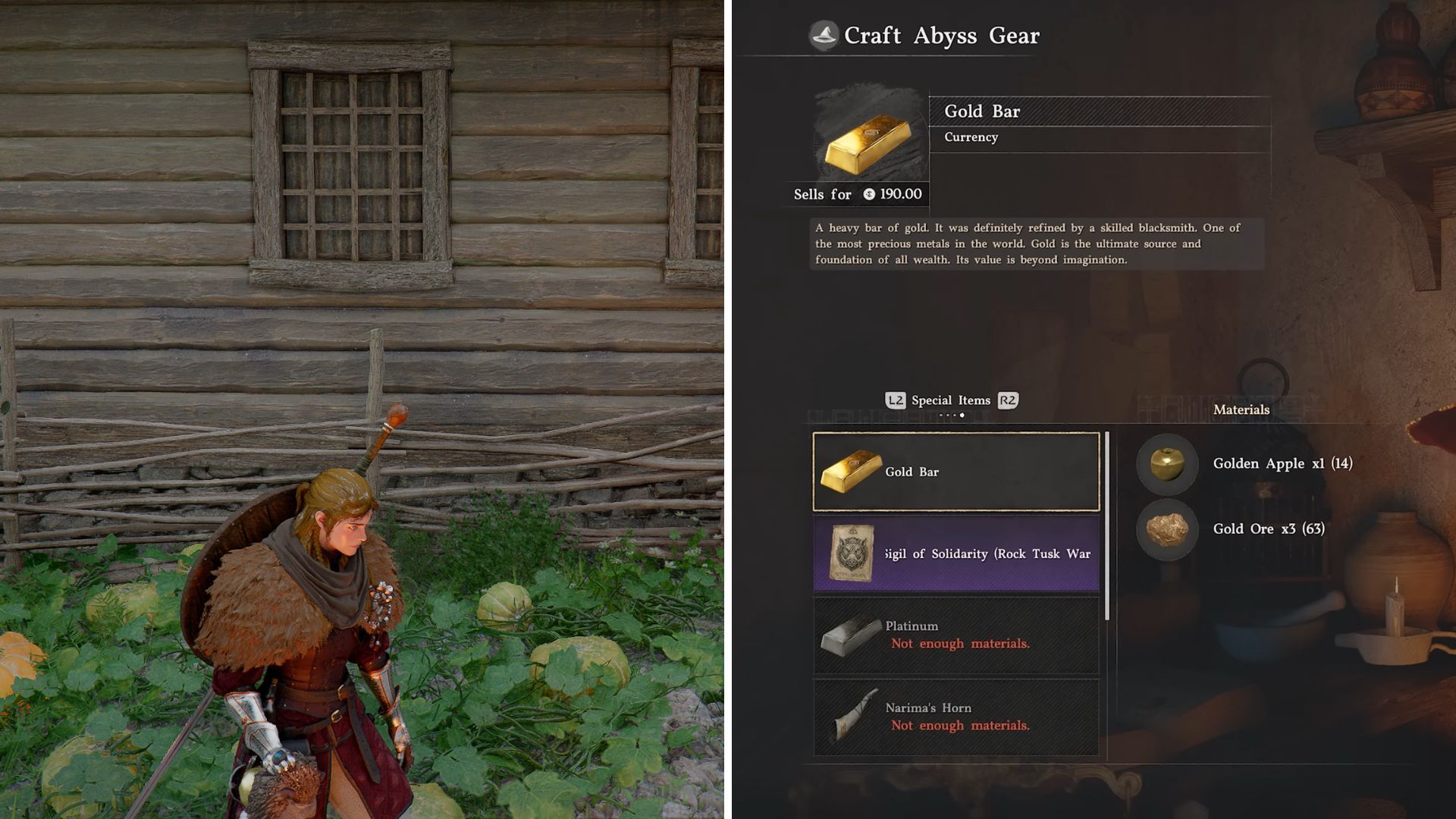
    How to Farm Golden Apples in Crimson Desert
    One of the biggest hurdles you will need to cross in Crimson Desert is obtaining money to fund your projects, as well as the projects of your camp. While there are some good ways to get money early in the game, they won't sustain you in the long term when things start to get more expensive.
    0 Yorumlar 0 hisse senetleri 4 Views
  • WWW.PCGAMESN.COM
    Fable on track for 2026 release despite delay rumors, Playground confirms, and I for one am relieved
    I've got a lot riding on Fable. I'm far more interested in a fantasy world where your actions impact NPCs' perceptions of you than GTA 6's modern interpretation of a similar core mechanic. Listen, I'd rather brew a poisonous potion for an annoying gnome than brandish a semi-automatic rifle at a police officer - shoot me. With an arcane bolt, obviously. When rumors suggested that Fable may have been internally delayed, I was a bit gutted. But the game's social media accounts seem to be doubling down on its fall release date, and there may be hope yet.
    0 Yorumlar 0 hisse senetleri 4 Views
  • WWW.MASHED.COM
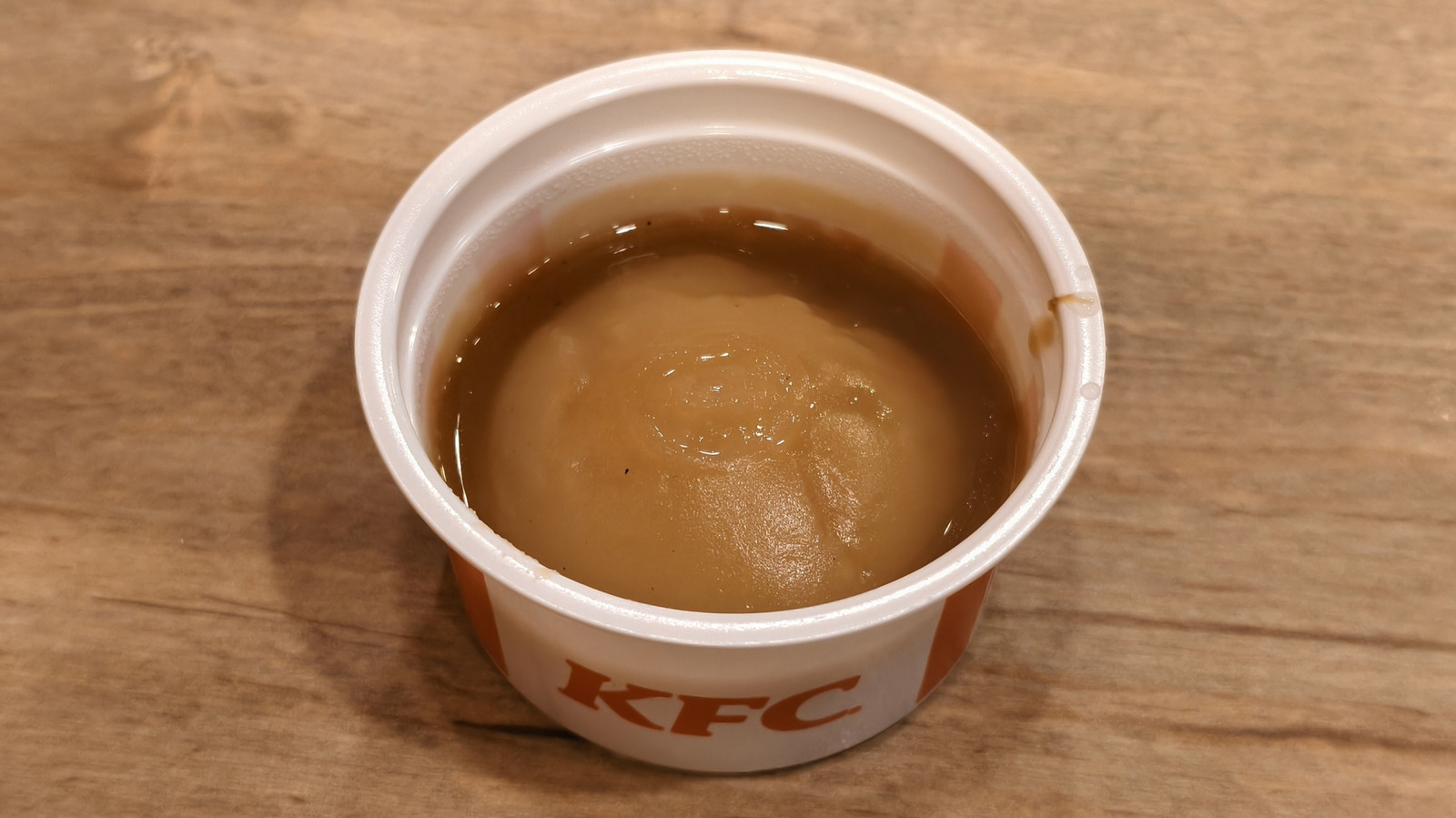
    9 Things To Know Before Ordering KFC Mashed Potatoes
    Few side dishes are as satisfying than a steaming bowl of creamy spuds. The ones from KFC are especially popular, even if they are somewhat mysterious.
    0 Yorumlar 0 hisse senetleri 3 Views
  • WWW.MASHED.COM
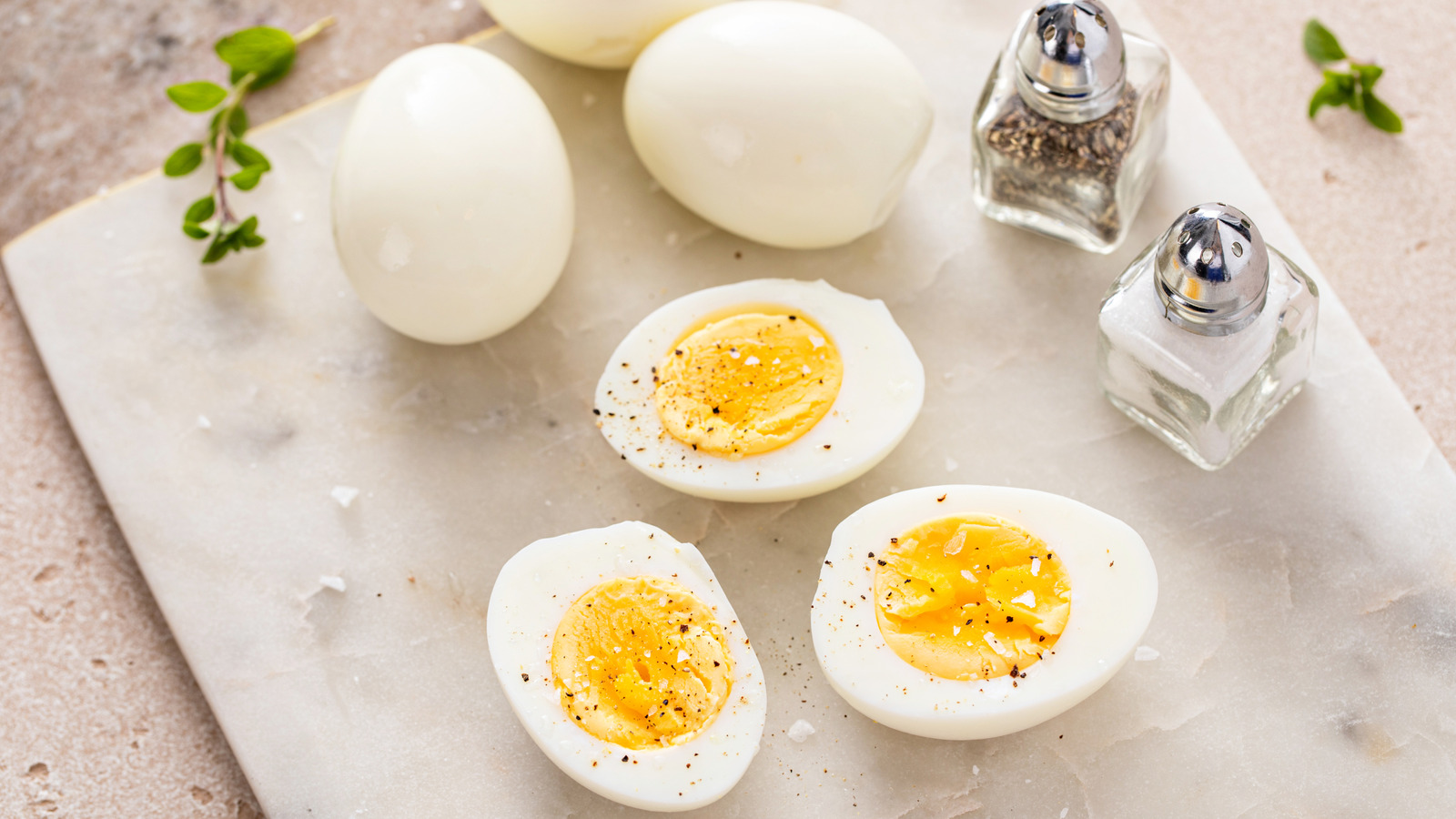
    Peel Boiled Eggs More Easily By Adding This To The Water (It Works Like Magic)
    This tip will make egg shells peel off super easily. You just need to add a bit of this ingredient to your egg water for a brand-new world of simplicity.
    0 Yorumlar 0 hisse senetleri 3 Views
  • WWW.THECOUNTRYCOOK.NET
    Crock Pot Beef and Rice Burrito Bowl
    This Crock Pot Beef and Rice Burrito Bowl is an easy slow cooker dinner with seasoned beef, rice, beans, salsa, tortillas, and melty cheese!Easy Burrito Bowl RecipeIf your family loves burritos like mine, then this Crock Pot Beef and Rice Burrito Bowl is the perfect recipe for you! Its got all the flavors of a burrito but in an easy to assemble casserole. Frequently Asked Questions:Why isnt my rice cooking? First question to ask is, are you opening the lid? If youre opening the lid to constantly check on the food or stir, youre releasing the steam that helps cook the rice. Leave the lid alone and resist the temptation to check on it. Unless a recipe says to stir halfway through, slow cookers need that lid on. The whole point is to get it started then leave it to cook so if you keep lifting a lid to look, you are making things worse. Also, letting the dish rest after cooking gives the rice a bit of extra time to soak up the liquid. If the rice is still firm at the end of the cooking time, add about a half cup of water or broth, gently stir, cover, and cook for another 30-45 minutes until the rice is tender. What do I do if the edges of the burrito bowls are cooking too fast? If you find that the edges are done but the middle needs more time, give it all a good stir and move it all around so the cooked stuff can make room for the stuff that needs more cooking time.I cannot express enough how difficult it is to give times for slow cooker recipes these days because there are so many types now. When I first started this recipe site, there was one kind (just in two different shapes; round and oval) They all had ceramic inserts and had four settings max (low, high, keep warm and off.) It was much easier to give cooking times because they were standardized. Now, there are a million different shapes and kinds and different material inserts. Some have 30 different functions. There is just no way to give cooking times for ALL of these slow cookers. You just need to know YOUR particular slow cooker. Does it cook quickly? Does it run hot? That is why you see a range of cooking times nowadays for slow cooker recipes. We do our best based on the one we use to test a recipe but you may have to adjust based on your appliance. Can I make this spicy? These Burrito Bowls are not spicy, but, if you want to add a little heat, add in some jalapeos or diced green chiles. Can I use corn tortillas? I dont see why not. If you like corn tortillas I dont see why you couldnt use them. I havent personally tested that substitution but I cant see why they wouldnt work. Can I use brown rice? Brown rice always requires more liquid than white rice so you wouldnt be able to substitute brown rice without adding additional liquid (or using less rice). I have not tested this with brown rice so I cant give you an exact liquid amount unfortunately. Keep in mind, the salsa is adding liquid to this as well. How do I store leftovers? Store leftovers in an airtight container in the refrigerator for up to 4 days. Reheat in the microwave or on the stovetop, adding a splash of broth if needed to loosen the rice mixture. Ingredients Needed: (See Recipe Card Below For The Full Recipe)ground beef ground turkey or ground chicken both work well as substitutes.small yellow onion if you dont like as much onion, you can just use half of the onion or leave it out altogether.packet taco seasoning you can use low or no sodium options and if need to control the ingredients better, you can use some Homemade Taco Seasoning.uncooked long-grain rice You can substitute instant rice if needed. Instant rice absorbs less liquid and cooks faster, so the final dish may be slightly saucier than when using regular long-grain rice.low sodium beef broth I like to stick to low sodium for this since it can get salty quickly with all of the other ingredients that youre using. If youre ever worried about salt intake, use low sodium options, no sodium options, or homemade versions to control the sodium.black beans drained and rinsed. You can swap the black beans for pinto beans or refried beans depending on what you prefer.corn dont like corn? Leave it out.salsa I like Herdez mild salsa. Use your favorite salsa. This adds a lot of flavor so it is important to use one you like.small flour tortillas I used the 6-inch tortillas and just cut them into strips or squares so they soften evenly while cooking. You could use corn tortillas if you like.shredded Mexican-blend cheese you can grab a bag of store-bought or shred your own.How To Make Crock Pot Beef and Rice Burrito BowlIn a skillet, add the ground beef (and diced onion if you like them very soft). Cook and crumble until fully cooked. Drain excess grease.To a 5-6 quart slow cooker add the cooked beef and onion, taco seasoning, uncooked rice, beef broth, black beans, corn, and salsa and 1 cup shredded Mexican cheese blend. Stir to combine. Add in the tortilla pieces. Gently stir them in, making sure they get coated in the mixture and are not showing any dry spots.Cover and cook on low for about 45 hours, stirring only once halfway through (if possible) to prevent sticking.NOTE: If you find that your rice is still not fully cooked after the allotted time, pour in about cup water or broth and gently stir it in. Cover and cook for an additional 30-45 minutes. Once rice is fully cooked and tender, sprinkle shredded cheese evenly over the top.Cover and allow the cheese to melt fully (usually about 10-20 minutes.) Then scoop and serve with optional toppings.Craving More Recipes?Crock Pot Chicken and Rice Burrito BowlSmothered Beef BurritosChicken Burrito CasseroleBisquick Burrito BakeTaco Bell Chili Cheese Burrito PrintCrock Pot Beef and Rice Burrito BowlAll the things you love about a burrito bowl made and mixed together in a Slow Cooker.Course Dinner, Main CourseCuisine AmericanPrep Time 15 minutes minutesCook Time 5 hours hoursTotal Time 5 hours hours 15 minutes minutesServings 8Calories 472kcalAuthor Brandie SkibinskiIngredients1 pound ground beef1 small yellow onion, diced1 ounce packet taco seasoning (can use low or no sodium)1 cup uncooked long-grain rice1 cups low sodium beef broth15 ounce can black beans, drained and rinsed1 cup corn1 cups salsa (I like Herdez mild salsa)6 (6-inch) flour tortillas, cut into strips or squares2 cups shredded Mexican-blend cheese (divided use)Optional toppings:chopped cilantropickled or fresh jalapeos, dicedsliced black olivessliced green onionssour creamInstructionsIn a skillet, add the 1 pound ground beef (and diced 1 small yellow onion, diced if you like them very soft). Cook and crumble until fully cooked. Drain excess grease.To a 5-6 quart slow cooker add the cooked beef and onion, 1 ounce packet taco seasoning, 1 cup uncooked long-grain rice, 1 cups low sodium beef broth, 15 ounce can black beans, drained and rinsed, 1 cup corn, and 1 cups salsa and 1 cup shredded Mexican cheese blend. Stir to combine. Add in the 6 (6-inch) flour tortillas, cut into strips or squares cut into pieces. Gently stir them in, making sure they get coated in the mixture and are not showing any dry spots. Cover and cook on low for about 45 hours, stirring only once halfway through (if possible) to prevent sticking.NOTE: Different slow cookers cook differently these days. There are so many types out there now. Some cook really hot and quickly and unevenly and some cook slowly and evenly. It is not a one size fits all anymore. So you really need to go by doneness, not just by time. If you find that your rice is still not fully cooked after the allotted time, pour in about cup water or broth and gently stir it in. Cover and cook for an additional 30-45 minutes.Once rice is fully cooked and tender, sprinkle remaining shredded cheese evenly over the top.Cover and allow the cheese to melt fully (usually about 10-20 minutes.)Then scoop and serve with optional toppings (chopped cilantro, pickled or fresh jalapeos, diced, sliced black olives, sliced green onions and/or sour cream) NotesPlease refer to my FAQs (Frequently Asked Questions) and ingredient list above for other substitutions or for the answers to the most common questions.NutritionCalories: 472kcal | Carbohydrates: 50g | Protein: 26g | Fat: 19g | Sodium: 1315mg | Fiber: 7g | Sugar: 5g
    0 Yorumlar 0 hisse senetleri 3 Views
  • WWW.BGR.COM
    5 Things You Didn't Know Your iPhone's Power Button Can Do
    Despite being frequently used, most users consider the power button on the iPhone to be limited to just a few things. Here's everything else that it can do.
    0 Yorumlar 0 hisse senetleri 4 Views
  • WWW.BGR.COM
    This Raspberry Pi Project Builds A Star Wars Lightsaber - Here's How
    Every science fiction fan who grew up watching the "Star Wars" movies has only ever wanted one thing: a real-life lightsaber of their own design.
    0 Yorumlar 0 hisse senetleri 4 Views