• In defense of placeholder assets: why generative AI accidentally appears in so many games
    In defense of placeholder assets: why generative AI accidentally appears in so many games The Expanse: Osiris Reborn is the latest in a long series of games to admit to using generative AI in the development process. In defense of developer Owlcat, at least it's being up front about it, even if people are still angry about its use of the divisive technology. Earlier this week, Crimson...
    0 Kommentare 0 Geteilt 10 Ansichten
  • First Western Digital, now Sony: The tech giant suspends SD card sales
    First Western Digital, now Sony: The tech giant suspends SD card sales The global memory shortage due to rapid AI data center expansion is hitting everyone, even the biggest tech companies in the world.Case in point: Sony is suspending orders for almost all SD card sales from both vendors and consumers, per PetaPixel. The announcement...
    0 Kommentare 0 Geteilt 11 Ansichten
  • WWW.THECOLLECTOR.COM
    The True Story of the Incas Last Stand in the Little-Known Jungle Capital of Vilcabamba
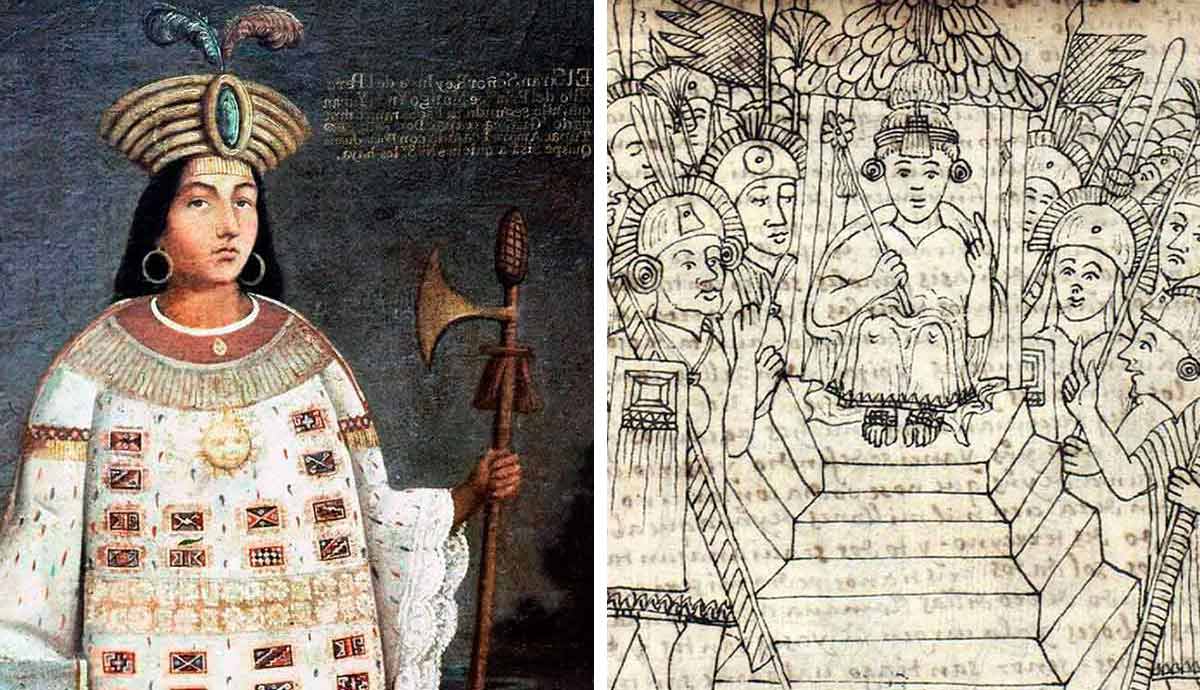
    When the Spanish arrived in the Inca Empire, they found its last great leader, Huayna Capac, dead and one of his sons, Atahualpa, holding tentative power over the kingdom after defeating his brother in a years-long battle of succession. Disease and war had ravaged the population, severely hindering their ability to fend off the colonizers. Thats not to say they didnt try. Though the initial battle during which the conquistadors captured the Inca ruler was relatively short, rebellion soon followed and raged for decades.Ruling an Empire: Puppet KingPizarro Seizing the Inca of Peru, John Everett Millais, 1846. Source: Victoria and Albert MuseumHaving first misled Atahualpa into believing they would ransom him and move on to plunder elsewhere and then killing him, the Spanish put a brother of Huayna Capacs on the throne as puppet emperor, believing they would have more success in conquering the empire with someone the natives saw as a rightful heir as titular power. He died after just a few months, however, leaving Francisco Pizarro and the Spanish in a quandary: who could sit on the throne that would convince the Empires inhabitants their divine rulers were still in charge while the Spanish ran things behind the scenes?In what must have seemed like divine providence, the solution fell in their lap: Manco Inca, another son of Huayna Capac, just 17 years old, suddenly reappeared. Manco shared a bloodline with the recently defeated Huascar and had gone into hiding when he lost the battle of succession; with Atahualpas death, he believed himself rightful heir and presented himself to the Spanish as an ally in their mission to rid the land of Atahualpas army and followers. Misleading yet another member of the Inca nobility, convincing this one they fully supported his claims to the throne his brother had lost, the Spanish crowned Manco the new Sapa Inca.The new Sapa Inca, taking the Spanish at their word, set about trying, as best he could, to reestablish the complex network of governance and economic management that made the Empire what it was. His puppeteers set about looting the Empire of all its gold and silver, constantly demanding more. After two yearsand the theft of his primary wife and sisterManco had had enough. Realizing the Spanish had no intention of relinquishing control to him, let alone leaving, the Sapa Inca slipped out of Cuzco and launched a rebellion in 1536.Inca on the RunPortrait of Manco Inca from Recuerdos de la Monarquia Peruana, bosquejo de la historia de los Incas, Justo Apu Sahuaraura Inca, 1838. Source: Wikimedia CommonsThe Inca quickly managed to pen the majority of the conquistadors into Cuzco, surrounding the ancient capital with tens, perhaps hundreds, of thousands of warriors, compared with a few hundred Spaniards and approximately 500 of their native allies. Yet they were unable to secure a victory. Indigenous attacks that Manco ordered in other parts of the Empire, particularly the mountainous north, had more success, killing dozens of Spaniards. But with a strong foothold in the region, including the settlement that would go on to become the capital of Peru, Lima, the conquistadors were now receiving steady reinforcements, and their numbers were far greater than the small contingent that had captured Atahualpa four years earlier.After the greatest surviving Inca general, Quizo, was slain in a failed attack on Lima, hundreds of Spanish reinforcements headed toward Cuzco. Realizing he would be defeated, Manco lifted his siege of the city, at which point two factions of conquistadors began battling each other for its control.View from atop the fortress at Ollantaytambo. Source: Kristen JancukFirst managing his rebellion from Ollantaytambo, where he secured a decisive victory against the Spanish, Manco Inca ultimately retreated further from Cusco, relinquishing control of large portions of his empire to the Spanish and their new puppet emperor: Mancos brother, Paullu. Manco fled first to Vitcos, which the Spanish shortly thereafter raided, stealing untold treasures as well as Mancos son, and ultimately to Vilcabamba, in the Amazon.It was here, in dense, difficult terrain nearly inaccessible to Spanish horses, that he established the rebel capital, determined to preserve the Inca way of life, free from the colonizers interference. From their jungle refuge, the Indigenous peoples opposed to Spanish rule continued to wage war for nearly 40 years. No longer in command of tens of thousands of troops, Manco and the much-diminished free Inca state adopted guerilla warfare: ambushing small Spanish contingents, cutting supply lines and stealing weapons and horses.Assassination FeverPortrait of Francisco Pizarro, Amable-Paul Coutan, c. 1835. Source: French Ministry of CultureIn addition to contending with ongoing attacks by natives still loyal to Manco, the Spanish also faced internal conflict, ultimately leading to the assassination of Francisco Pizarro by conquistadors loyal to his rival, Diego de Almagro, who had been executed by one of Pizarros brothers. The assassins fled into the countryside and sought refuge with Manco, who, for his part, wisely housed them in Vitcos, rather than his new capital. Ultimately it didnt protect him; once Spain appointed a new viceroy to replace Pizarro in 1544, the assassins saw an opportunity to ingratiate themselves with the new leadership: kill the Sapa Inca of the rebellious free Inca state.Patiently waiting for the man who had housed and protected them for two years to visit Vitcos, they then stabbed him to death while he was playing horseshoes. Unfortunately for them, they hadnt thought their plan out much beyond this assassination and were all slain by Mancos loyal subjects as they fled toward Cusco.Illustration of the crowning of Manco Inca, from El primer nueva crnica y buen gobierno, Felipe Guaman Poma de Ayala, 1615. Source: Wikimedia CommonsMancos dream of recapturing his empire died with him, and a period of relative peace with the Spanish followed as his nine-year-old son ruled through several regents, but the holdout free Inca state remained. When Sayri-Tupac finally came of age, the Spanish managed to lure him to Cusco with promises of wealth and a lifestyle befitting an emperor, hoping this would finally bring an end to the ersatz kingdom of Vilcabamba.But when he died shortly after arriving in 1560, the remnants of Tawantinsuyu then crowned Mancos oldest son, Titu Cusi, who had once been kidnapped by the Spanish and witnessed his fathers assassination, Sapa Inca. Titu Cusi, who provides his own history of the Spanish conquest in An Inca Account of the Conquest of Peru, was quick to reignite guerrilla efforts against the Spanish colonizers that had slaughtered his family and enslaved* his subjects. Though he had no intention of recapturing the territory lost, he would not give up his fathers fight to protect what remained of the once great empire.Vilcabamba FallsPortrait of Tpac Amaru, last Sapa Inca, c. 18th century. Unknown artist, Cuzco School. Source: Wikimedia CommonsThroughout Titu Cusis rule, as small-scale attacks against the Spanish were launched, entrance into Vilcabambanot only the capital city but the surrounding areawas tightly controlled. The Sapa Inca continued to negotiate with the Spanish, refusing to abandon Vilcabamba but always leaving the impression he might be convinced. He went so far as to be baptized in the Catholic Church. But in 1569, Titu Cusi made what would be a crucial mistake: under threat of large-scale Spanish incursion, he allowed missionaries into Vilcabamba.Horrified by the pagan rituals of the Inca kingdom, the two friars sent to Christianize the natives took a hardline approach, ultimately destroying an Inca temple. One was banished while the more popular friar was allowed to remain, but the damage was done. When Titu Cusi suddenly died shortly thereafter, the remaining friar was quickly blamed for what looked to be poisoning and killed in retribution.Not wanting the Spanish to learn of the Sapa Incas death, the kingdom of Vilcabamba fell silent, no longer communicating with the capital and refusing all envoys. When one of these envoys was killed, the newest Spanish viceroy, Francisco de Toledo, decided enough was enough. He amassed a force to finally conquer Vilcabambabut when they arrived, they found the capital abandoned. Its citizens themselves sacked and burned the city before they left, leaving nothing for the Spanish to recover. The Spanish searched the countryside, determined to capture the latest Sapa Inca, Tupac Amaru. When they finally tracked him down, he was brought to Cuzco, tried, and condemned to death. He was beheaded in the town square on September 24, 1572.The Inca Empire was no more.Rediscovering VilcabambaSome of the buildings excavated at Vilcabamba today. Source: Salkantay Trek MachuOnce abandoned, Vilcabamba was reclaimed by the Amazon and its location lost to time. Though certainly local Indigenous peoples were aware of the ancient city hidden in the jungle, the location of Vilcabamba puzzled historians and researchers for centuries. When he discovered Machu Picchu, Hiram Bingham was convinced hed finally found the lost city of the Incas, despite all evidence to the contrary. It would take another half century for Vilcabamba to actually be identified.In 1964, amateur explorer Gene Savoy set out to take a deeper look at some overgrown ruins Bingham had been shown in 1911 and dismissed as too insignificant to be the lost Inca capital. He brought workers with him to clear out the layers of jungle encasing the ancient structures, revealing not a few scattered buildings but a city complex. Bingham, it seemed, had explored just the outskirts of the city and, unimpressed, moved on. Savoy and his team, in contrast, spent weeks digging further into the jungle and found the heart of the ancient city.Years later, an architect, Vincent Lee, with some guidance from Savoy, embarked on a new expedition to the site. Guided by the early Spanish chronicles, which largely hadnt been published in English until the 20th century, he was able to identify specific sites, including forts, included in descriptions of Vilcabamba, definitively proving that the lost city of the Incas had at last been found.Vilcabamba is still being excavated today. Its ruins cover an estimated 20-25 square miles, suggesting that Manco and his successors expanded a small outpost into a true Inca capital. Though far less accessible than Machu Picchu, it can be visited by intrepid tourists willing to undertake a trek through the jungle to explore the mysterious city where the Inca made their last stand.*The Spanish used the term encomienda for their own brand of de facto slavery; encomenderos were granted tracts of land as well as Indigenous peoples to labor on it, purportedly in exchange for their protection.Further reading: The Last Days of the Incas, Kim MacQuarrie, 2007

    0 Kommentare 0 Geteilt 2 Ansichten
  • WWW.THECOLLECTOR.COM
    7 Indigenous-Run Museums & Cultural Centers Worth a Visit
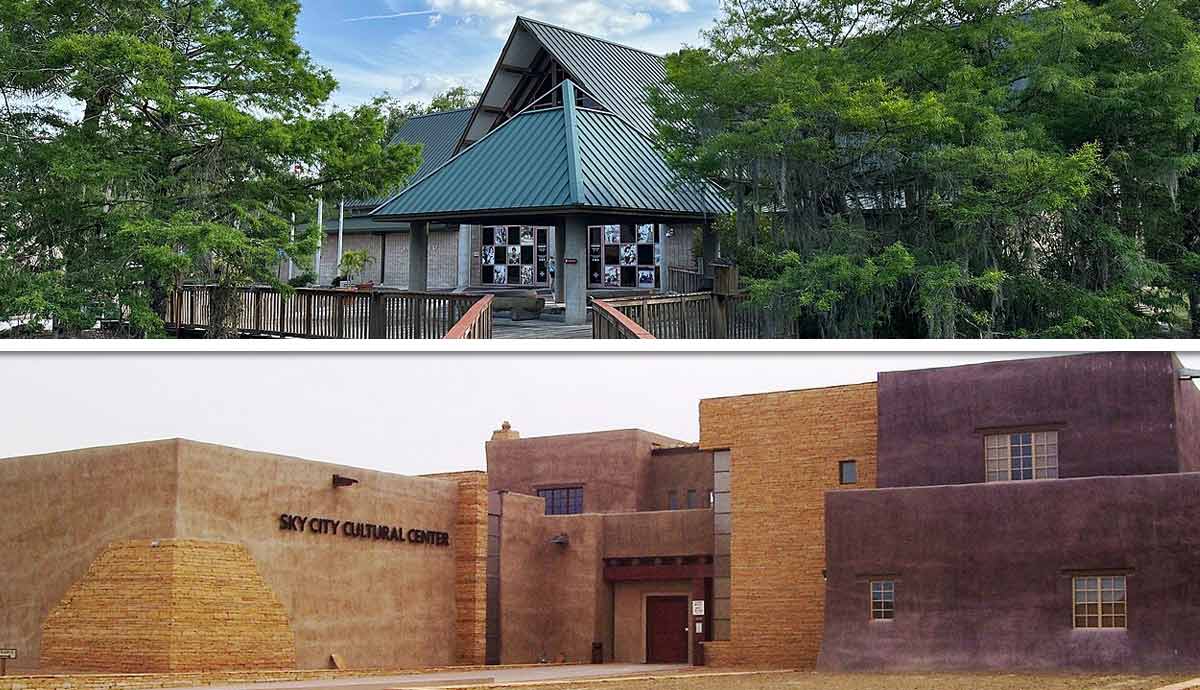
    Assimilation was the tool used in attempts to subjugate Native Americans since Europeans first landed on the North American continent. Forcing the adoption of white culture threatened the existence of many historic cultural traditions belonging to hundreds of varying tribes. Despite the sometimes violent push to absorb European-American ways, some tribes have persisted in protecting their traditions. Beyond that, several have taken these measures public, sharing their ways with the world through museums and cultural centers across the country. These impressive tribal-run institutions offer a unique glimpse into Indigenous lifeways, past and present.1. Mashantucket Pequot Museum & Research Center: Online and In-PersonThe Mashantucket Pequot Museum & Research Center in Mashantucket, Connecticut. Source: Mashantucket Pequot Museum & Research CenterThe Mashantucket Pequot Museum & Research Center has been tribal-operated since its opening in 1998. The Mashantucket, also known as the Western Pequot tribe, is one of the oldest federally recognized tribes, with a reservation located in Southeastern Connecticut. The museum, located in Mashantucket, Connecticut, spans 308,000 square feet and includes permanent and temporary exhibits, classrooms, an auditorium, a gift shop, and a restaurant. The research center houses both collections and laboratories where ongoing study takes place.Location of the Mashantucket Reservation on a state map of Connecticut. Source: Wikimedia CommonsThe museum introduces visitors to the history of the Mashantucket Pequot tribe in a variety of ways, including films, interactive events, archives, art, traditional crafts, and more. In addition to permanent exhibits and revolving temporary exhibitions, the institution operates virtual tours on its website. Recent themes include Reclaiming the Waterways and Battlefields of the Pequot War.The museum is not the only way the Mashantucket tribe has impacted local tourism. The tribe has become one of Connecticuts highest state revenue contributors and employers. The Mashantucket were leaders in the development of the Indian gaming industry, establishing an agreement with the state in 1993 to start gaming operations at Foxwoods Casino.2. Ah-Tah-Thi-Ki Museum: A Place to Learn, A Place to RememberA shot of the Ah-Tah-Thi-Ki Museum includes part of its lengthy boardwalk. Source: Leonard J. DeFrancisci/Wikimedia CommonsAs its name promises, the Ah-Tah-Thi-Ki Museum offers visitors a memorable glimpse into the history and cultural ways of the Seminole tribe. Meaning a place to learn, a place to remember, Ah-Tah-Thi-Ki is located in the heart of the Florida Everglades. It is home to more than 200,000 historic objects, traditional crafts, artifacts, and works of art. The complex includes a one-mile-long raised boardwalk that allows visitors to walk through the Everglades, with several resting points that include educational features and a re-created ceremonial ground. A modern-day version of a Seminole tourist camp often features tribal artists who demonstrate traditional arts and crafts and answer visitors questions.While hosting field trips and regular visitors, the museum sponsors a number of community gatherings, both at the museum and at local landmarks. The community gatherings are often interactive, such as one that was held in 2024 to mark Missing and Murdered Indigenous Peoples Awareness Week. Event attendees were invited to speak and participate in creating a work of art to be used for a future museum installation.3. The Abbe Museum Celebrates the People of the DawnlandThe Abbe Museum in downtown Bar Harbor, Maine. Source: Abbe Museum/Wikimedia CommonsThough the Abbe Museum in Bar Harbor, Maine, was not founded by tribal interests, the Wabanaki people of Maine have played an increasingly prominent role in its operations. Today, the Board of Trustees is largely made up of Wabanaki people, and exhibit curation is often Wabanaki-driven. Meaning people of the dawnland, the Wabanaki nation is made up of Maines four Indigenous tribes, the Penobscot, Passamaquoddy, Maliseet, and Micmac.A birch bark canoe on display at the Abbe Museum. Source: Wikimedia CommonsFounded in 1926 and opened in 1928, the museum was established by Dr. Robert Abbe, a New York doctor who spent summers in Bar Harbor. He assembled a collection of local Indigenous artifacts and collaborated with other collectors to share his collection with the public. In 1928, the museum became the first Maine institution to sponsor archaeological research that expanded its exhibits and impacted future research throughout the state.Today, the museum is home to the largest collection of Wabanaki basketry, and its conservation programs have been recognized on a national level. The museum has extensive educational programs for adults, families, and students. It offers training programs for teachers and lesson plans that help students meet the objectives of the Maine Learning Results, which include standards for education about the Wabanaki.4. Living History at the Suquamish MuseumBarbara Lawrence-Piecuch, educational outreach coordinator for Suquamish Museum, speaks during a Native American Heritage Month observance training in 2015. Source: Defense Visual Information Distribution Service/Wikimedia CommonsThe Suquamish Museum, located in the heart of Suquamish territory in Washington state, was the initiative of tribesman Lawrence Webster. Webster was forced to attend the Tulalip Indian Boarding School as a youth in the early 20th century. Like in other Indian boarding schools of the era, Webster was prohibited from speaking his native language, Lushootseed. Despite receiving punishment for speaking it, Webster managed to retain his hold on his native tongue during his time at the school. He went on to participate in a number of efforts to revitalize Lushootseed and other aspects of Suquamish culture. Inspired by Websters work, the Suquamish Museum opened in 1983.Traditional Suquamish canoes, photographed in the early 20th century. Source: Smithsonian Libraries/Wikimedia CommonsThe museum asserts that it isnt just a place for the conservation of historical artifacts, but a dynamic repository for Suquamish culture. The Suquamish tribe occupied the region near Puget Sound for thousands of years before European contact. Embracing tradition and sharing it with the public drives the ongoing work at the museum. In a unique blending of tradition and modernity, the museum even offers a mobile app to make centuries of history and a future of conservation accessible to everyone.5. The Award-Winning Museum of the Cherokee PeopleA bear statue featuring Sequoyahs syllabary and wearing his trademark hat and pipe outside of the Museum of the Cherokee People. Source: Wikimedia CommonsThe Museum of the Cherokee People in Cherokee, North Carolina, has a reputation as one of the longest-operating tribal museums in the United States. Established in 1948, it shares Cherokee history and culture on traditional tribal lands. The institution is home to a number of permanent and revolving exhibits, hosting public visitors, schools, and more. For online researchers, the museum features a virtual catalog including artwork, books, artifacts, and more that can be accessed online. Those interested in tribal genealogy can even make an appointment with the museum for a genealogy consultation.The Museum of the Cherokee People has received several recognitions, including being named as one of the Top Ten Best Native American Experiences by USA Today.6. Acoma Sky City Cultural Center & Haaku MuseumThe Sky City Cultural Center reflects traditional pueblo building designs. Source: Wikimedia CommonsThe pueblo (village) of Acoma, home to a tribe of the same name, is one of the oldest continually inhabited places in what is now the United States. Located in New Mexico, the pueblo, with many historically maintained buildings, is open to visitors for tours. A small population of tribal members lives in the pueblo full-time, with many others calling the nearby town of Acomita home. However, tourists can also experience the Sky City Cultural Center and Haaku Museum. Located at the base of the mesa, the cultural center acts as a gateway to the traditional Acoma lifestyle.While a tourism center has existed at this location for some time, the original building burned in 2000. The revitalized cultural center opened in 2006. Built in a style that mimics traditional pueblo buildings, the square, flat-roofed building houses exhibits, conference rooms, a gift shop, a restaurant, and a library. There are also reparation rooms, which are not open to the public, where the study and return of traditional artifacts are completed as part of the process of addressing historical injustice.7. Manifest Destiny in a Different Light: Tamastslikt Cultural InstituteThe Tamastslikt Cultural Institute. Source: Oregon Tourism Commission/Wikimedia CommonsLocated along the historic Oregon Trail near Pendleton, Oregon, the Tamastslikt Cultural Institute focuses on telling the story of US western expansion from the Indigenous point of view. The museum recounts the story of the Cayuse, Walla Walla, and Umatilla tribes, and while it shares their traditions, it also looks to the future. Its exhibits and programs demonstrate that despite immigration, war, and broken treaties, the culture of these confederated tribes survived and will be preserved for future generations.A variety of events are hosted by the museum and are usually free and open to the public. Past events have included book signings, special speakers, and film showings. While 16,000 years of traditions are on display, the institute also highlights contemporary tribal culture, such as the involvement of the tribes in the restoration of salmon habitat in the Northwest. This collision of past and present is prevalent in the museums permanent exhibits, which exemplify We Were, We Are, and We Will Be.
    0 Kommentare 0 Geteilt 2 Ansichten
  • 0 Kommentare 0 Geteilt 2 Ansichten
  • 0 Kommentare 0 Geteilt 2 Ansichten
  • WWW.DUALSHOCKERS.COM
    Modding Platform GGMods Shares the Spoils with Talented Creators
    One of the ways PC gaming has been winning players over other platforms is through the presence of mods. Mods can extend the lifetime of a single-player game to hundreds or even thousands of hours, introducing new gameplay systems and features limited only by the modder's creativity.
    0 Kommentare 0 Geteilt 2 Ansichten
  • WWW.PCGAMESN.COM
    In defense of placeholder assets: why generative AI accidentally appears in so many games
    The Expanse: Osiris Reborn is the latest in a long series of games to admit to using generative AI in the development process. In defense of developer Owlcat, at least it's being up front about it, even if people are still angry about its use of the divisive technology. Earlier this week, Crimson Desert developer Pearl Abyss apologized for AI assets "unintentionally included" in the game's final release. It's a tale as old as Midjourney, as games like The Alters and Clair Obscur: Expedition 33 have also used the oops-it-wasn't-meant-to-ship excuse when caught. Ladies and gentleman, this is why placeholder assets are meant to stand out.
    0 Kommentare 0 Geteilt 2 Ansichten
  • WWW.MASHED.COM
    Alison Brie Says This LA Restaurant Serves One Of The Best Things She's Ever Eaten - Exclusive
    In anticipation of Alison Brie's collaboration with HelloFresh, she chats with us about her favorite foods. This item from an LA restaurant is one of them.
    0 Kommentare 0 Geteilt 3 Ansichten
  • WWW.BGR.COM
    5 Things You Never Realized Your iPad's Magic Keyboard Could Do
    If you're using iPad's Magic Keyboard, you'll want to ensure you're getting the most out of it. Check out these tricks to improve your experience.
    0 Kommentare 0 Geteilt 2 Ansichten