0 Commentaires
0 Parts
37 Vue
Annuaire
Elevate your Sngine platform to new levels with plugins from YubNub Digital Media!
-
Connectez-vous pour aimer, partager et commenter!
-
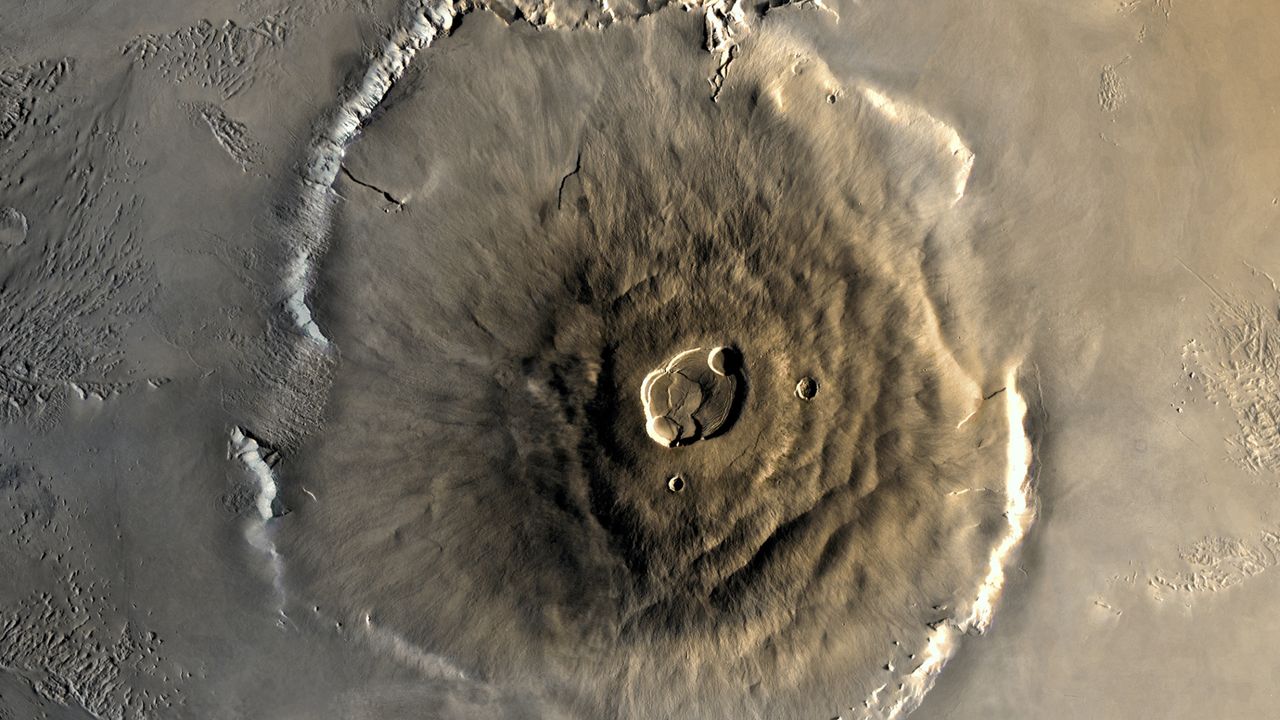
WWW.LIVESCIENCE.COMAn anomaly in Mars' mantle could trigger volcanoes to erupt and may be causing the whole planet to spin fasterData from NASA's InSight mission suggests the Red Planet's Tharsis region is more active than previously thought and may be why Mars is spinning more quickly over time.0 Commentaires 0 Parts 24 Vue -
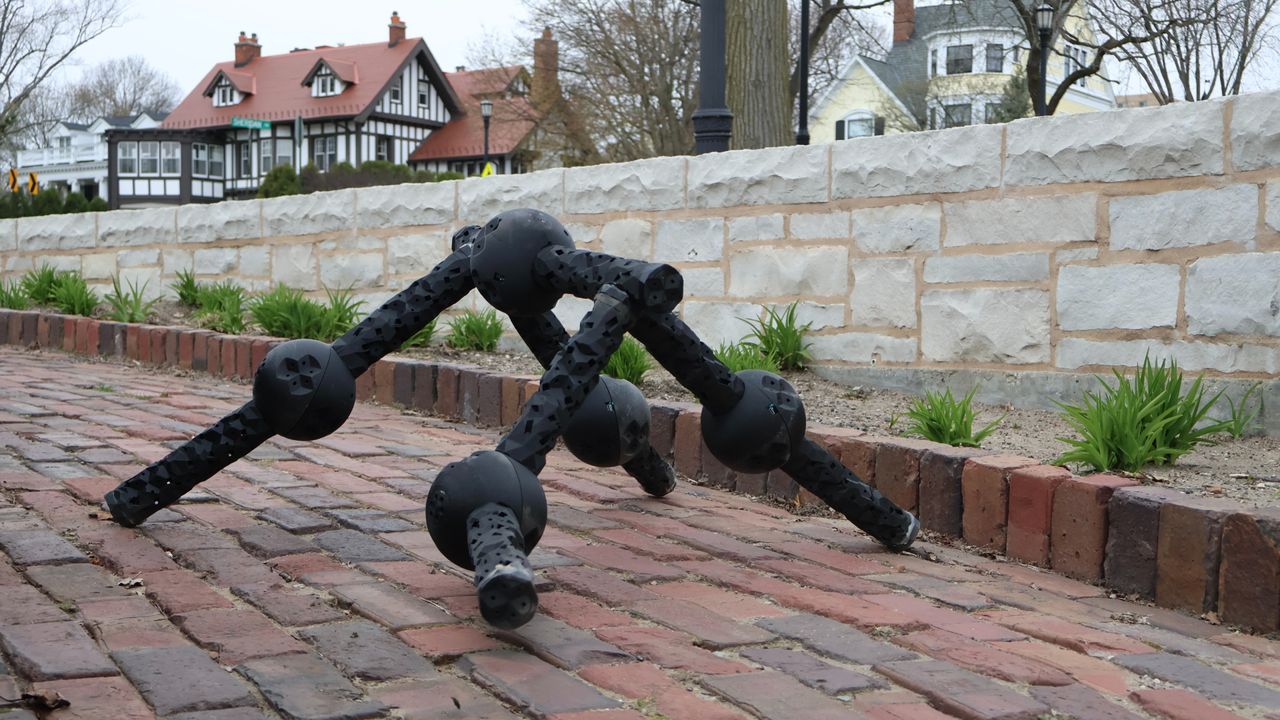
WWW.LIVESCIENCE.COMAI compressed billions of years of evolution into seconds to create 'Lego-like robots' that can recover even when they lose limbsModular robots are easily expandable, know when they're upside down or stuck, and can march forward across all kinds of terrain.0 Commentaires 0 Parts 37 Vue -
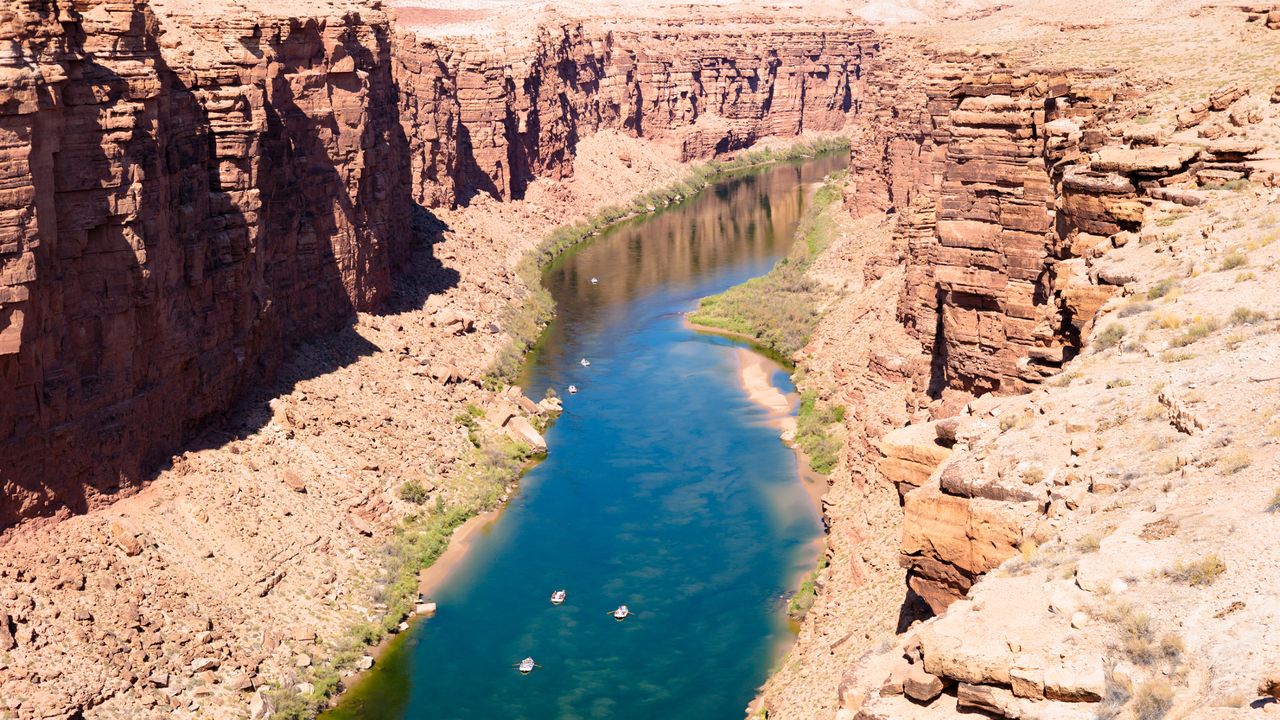
WWW.LIVESCIENCE.COMColorado River negotiations have stalled among 7 states and water is scarce. What happens next?Two researchers explore how water rights for the Colorado river get negotiated and why these negotiations have stalled.0 Commentaires 0 Parts 25 Vue -
WWW.LIVESCIENCE.COMLive Science Today: Jensen Huang AGI claim and major leap to reanimation after deathTuesday, March 24, 2026: Your daily roundup of the biggest science stories making headlines.0 Commentaires 0 Parts 24 Vue -
WWW.LIVESCIENCE.COMExtreme blast of Arctic air from polar vortex paints a picturesque plume off Florida coast Earth from spaceA recent satellite photo captured a stunning scene of sediment swirling across the West Florida Shelf after an extreme cold snap that covered large parts of the eastern U.S. in snow.0 Commentaires 0 Parts 37 Vue -
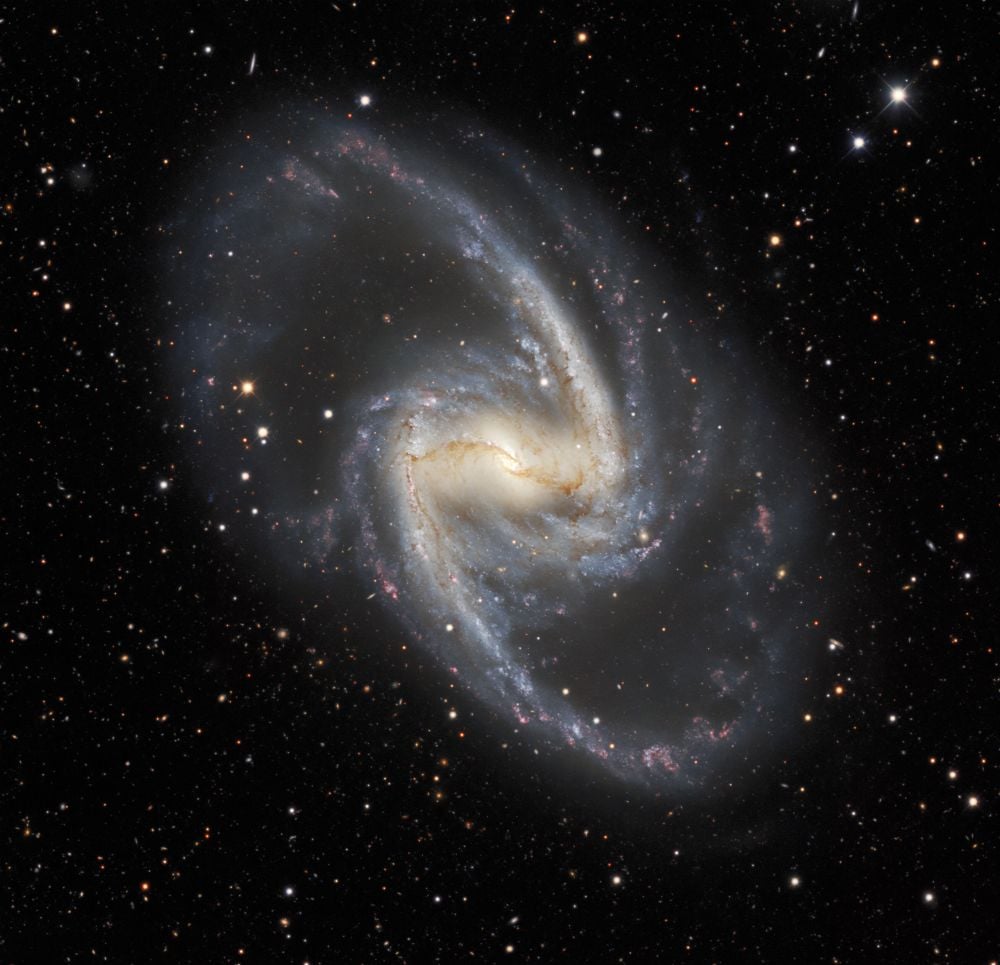
WWW.UNIVERSETODAY.COMExtragalactic Archaeology: A New Method To Understand Galaxy Growth and EvolutionGalactic archaeology uses chemical fingerprints in the Milky Way to trace its formation and evolution. Now a team of researchers led by the Center for Astrophysics | Harvard and Smithsonian have employed it for the first time in a distant galaxy. This is the first example of extragalactic archaeology, and it relies on help from the powerful Illustris TNG simulations.0 Commentaires 0 Parts 24 Vue -
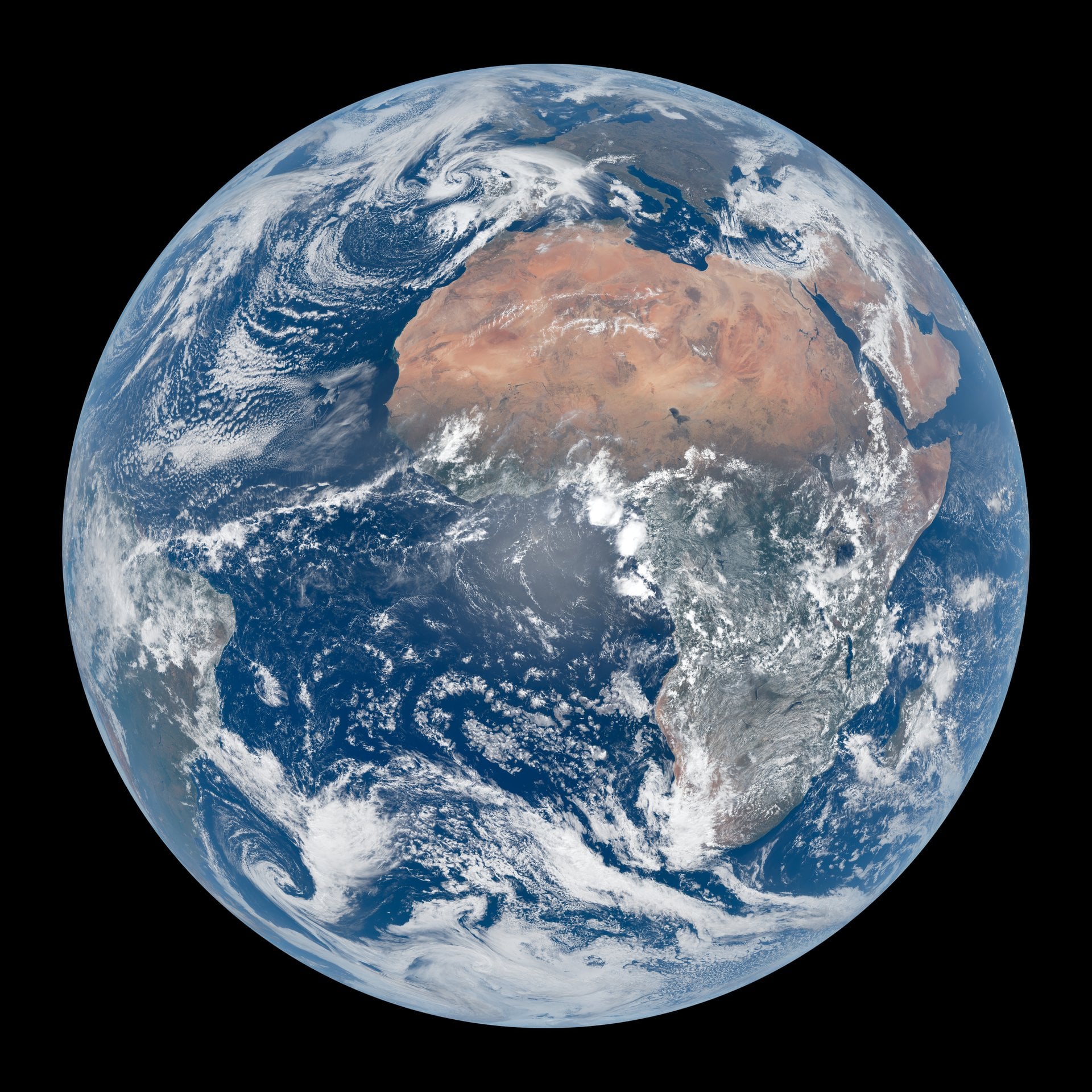
WWW.UNIVERSETODAY.COMWe Are Slowing Down the PlanetThe days are getting longer. Not by much though since we're talking about fractions of a millisecond, but the rate at which our planet is slowing down is, according to a new study, completely without precedent in the last 3.6 million years. The culprit isn't the Moon, the Sun or anything in Earth's interior. It's us, homo sapiens.0 Commentaires 0 Parts 37 Vue -
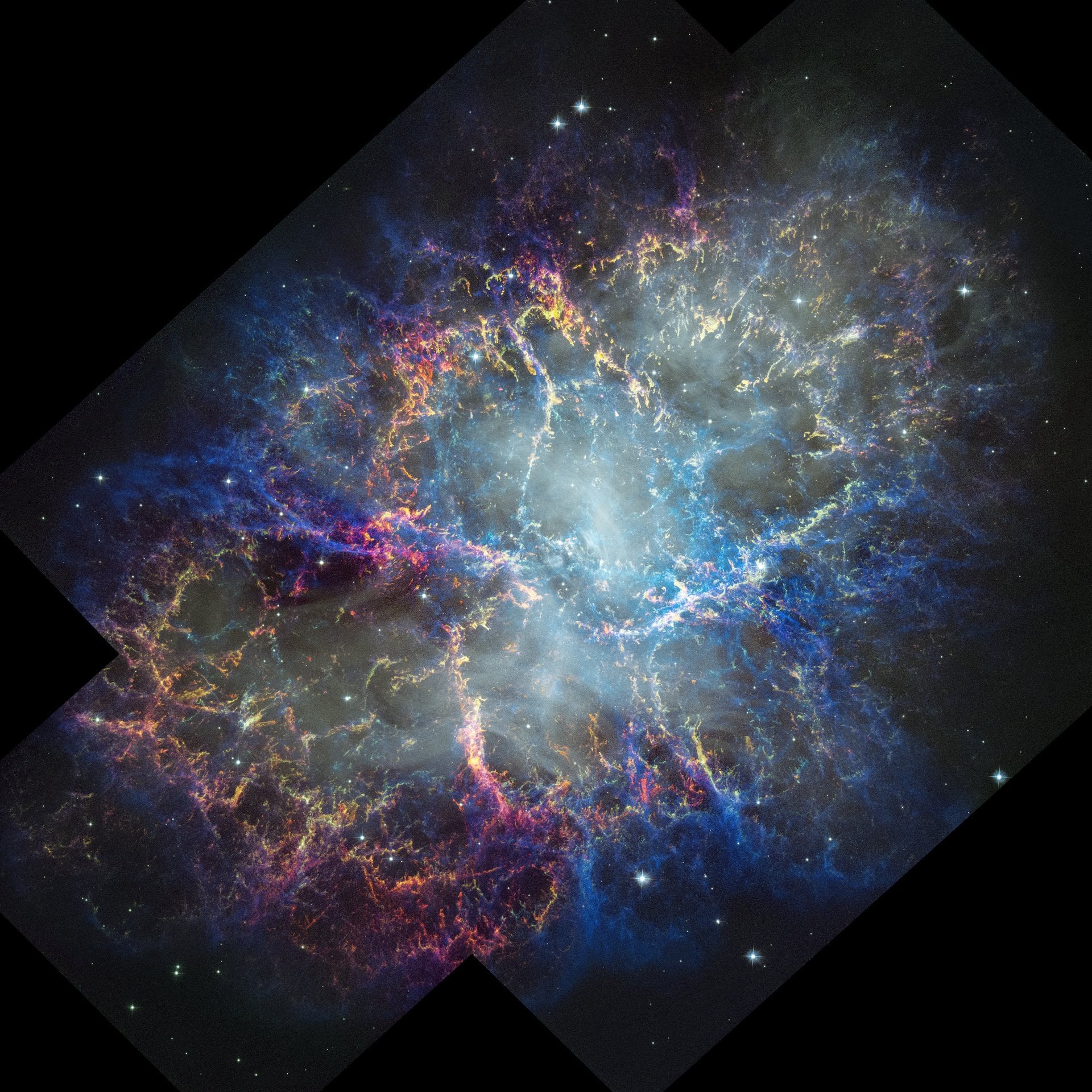
WWW.UNIVERSETODAY.COMWatching 25 Years of Expansion in the Crab Nebula With the HubbleA quarter-century after its first observations of the full Crab Nebula, NASAs Hubble Space Telescope has taken a fresh look at the supernova remnant. The result is an unparalleled, detailed look at the aftermath of a supernova and how it has evolved over Hubbles long lifetime. A paper detailing the new Hubble observation was published in The Astrophysical Journal.0 Commentaires 0 Parts 37 Vue -
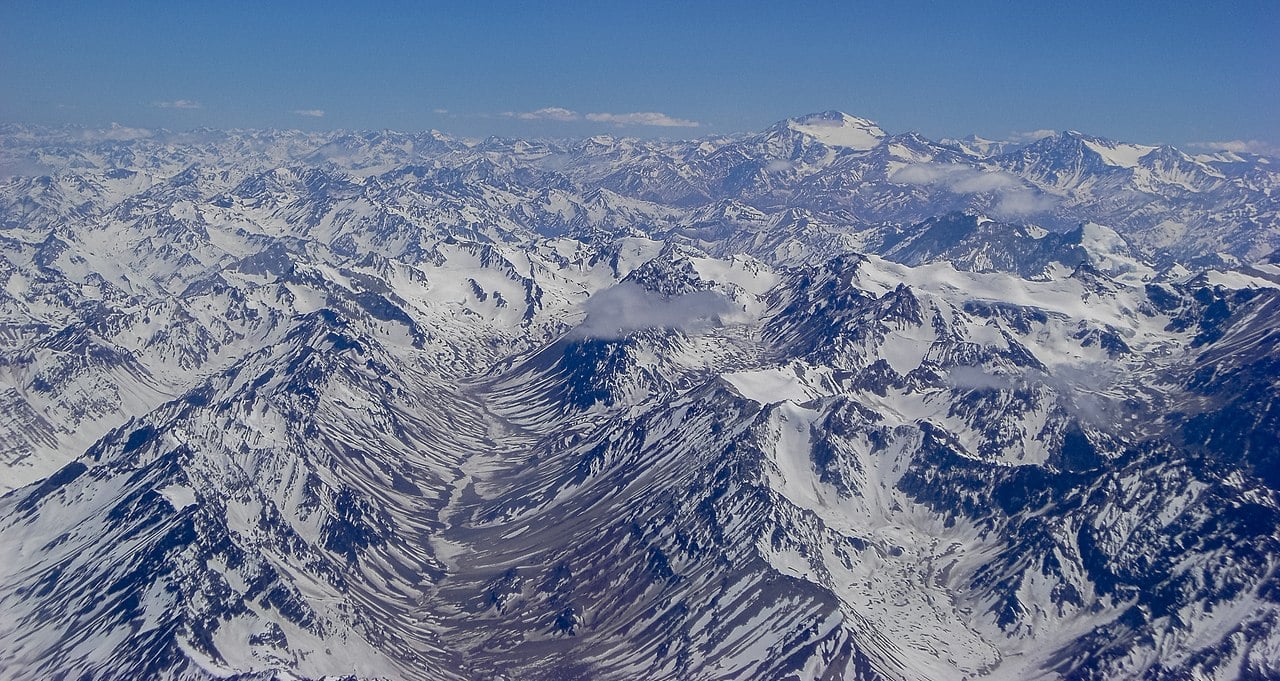
WWW.UNIVERSETODAY.COMThe Time Capsule in the Salt FlatHigh in the Chilean Andes, at an altitude where the air is thin and the Sun is intense, a salt flat is hiding something remarkable. Locked inside ancient crystals of gypsum are the preserved remains of microscopic life, fossils of organisms that lived thousands of years ago, sitting alongside communities of microbes that are alive right now. Scientists studying this extraordinary place think it could be the closest thing on Earth to where life might once have existed on Mars.0 Commentaires 0 Parts 37 Vue