The Complete Guide to the Historical Sites of Fez
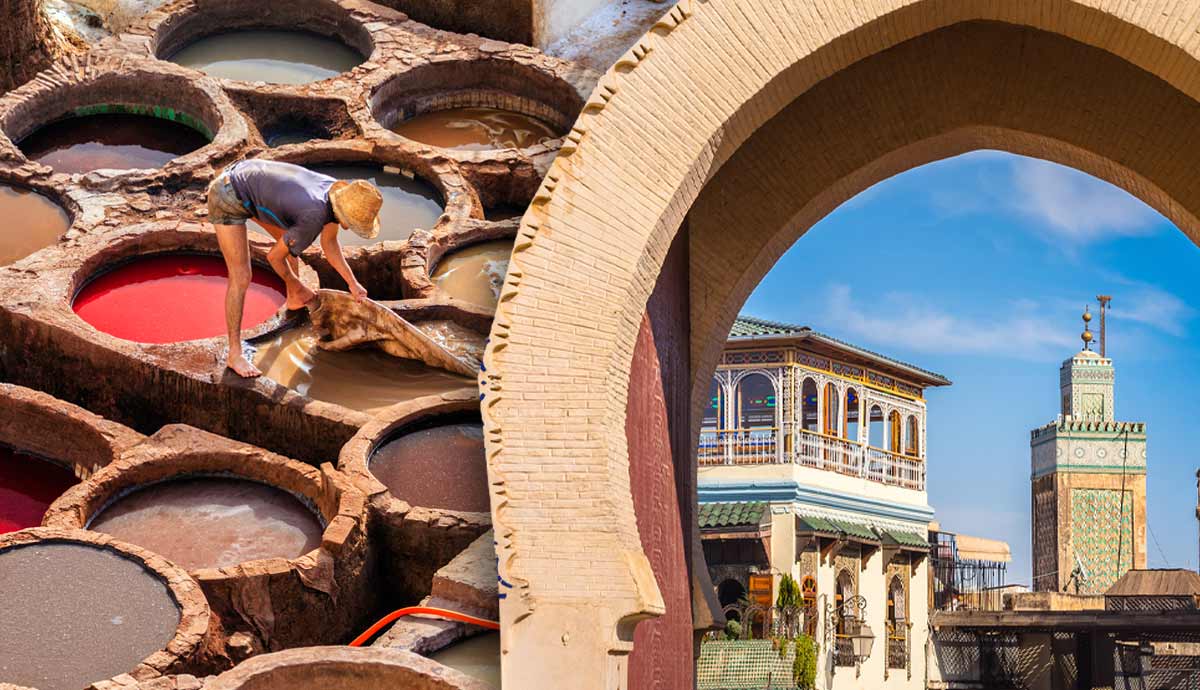
Fez is one of Moroccos historical capitals and, today, one of its most fascinating cities. Unlike Marrakesh, which thrives on spectacle, flair, and energy, Fez is more reservedits history is woven into the very nooks of its ancient walls, scholarly institutions, and traditional industries. Walking through its medina, you are confronted with an overwhelming sense of authenticity; this is no open-air museum but a fully functioning medieval city where craftsmen, scholars, and merchants go about their business the way they have for over a thousand years.A Brief History of FezAerial view of Fez, photo by Andre Manuel. Source: PexelsFounded in 789 CE, by Idris I and expanded by his son Idris II in 807 CE, Fez is Moroccos oldest imperial city. By the 12th century, it had become one of the most important hubs of trade and learning in the Arab world, drawing in merchants from the Mediterranean and scholars from Spain and the Middle East. It was also believed to have been the largest city on earth at that time, home to 200,000 inhabitants.Fez served as Moroccos capital various times throughout history, most notably under the Marinid Dynasty (13th-15th centuries) and later the Alaouite Dynasty. That was before the French took over and moved the capital to Rabat in 1912.The city reached its artistic and intellectual peak during the rule of the Marinids, who are responsible for many of the iconic sites that still define the city. Many of Fezs architectural gems, including its mosques, madrasas, and palaces, were also influenced by Andalusian refugees from Spain, who brought their distinctive Moorish architectural style after being expelled from Al-Andalus in the 15th century. Their touches are especially visible in the intricate tilework, courtyards, gardens, and fountains.Fez el-Bali, the citys UNESCO-listed old medina, remains the worlds largest car-free urban area. The area is mind-boggling, traversed by some 9,000 winding alleyways packed with history and daily life. Some might recommend you enter the medina with a guide or suffer the wrath of the ingenious design purposely made to make you lose your bearings. Yet losing your bearings in Fez is one of the most phenomenal things to do in Morocco.Iconic Historical Sites in Fez You Shouldnt MissChouara Tannery, by Monlaw. Source: PixabayFez is a welcoming place because Moroccans are generally warm and friendly. Yet the city still cops flack from tourists, some of whom deem it gritty and uninviting. In reality, Fez is an ancient thriving city that refuses to be gentrified. For avid history lovers, the enticement of a visit is unsurpassed.Here are the best sites you should visit:The Medina & Bab Bou JeloudThe Fez Medina, photo by Adam Jones PhD. Source: Wikimedia CommonsFezs old town center is a tangled web of laneways that begins at Bab Bou Jeloud, or the Blue Gate, built by the French in 1913. The vibrant blue and green tiles mark the transition from the modern city to the medieval world of Fez el-Bali. Step inside, and youll quickly realize this medina isnt some kind of staged experience, but a thriving ecosystem where donkeys carry goods through impossibly narrow alleys, market vendors call out their daily specials, and centuries-old mosques stand at every second corner.If youve visited Marrakesh and are familiar with an old town structured around a large square, note you wont find that here. Fez is a bonafide labyrinth where getting lost isnt just inevitableit is part of the fun.Al Quaraouiyine UniversityThe Al-Qarawiyyin University is recognized by the Guinness World Records as the worlds oldest university, and it is still churning out scholars, photo by Medits. Source: Wikimedia CommonsFounded in 859 CE by Fatima al-Fihri, a Tunisian woman, Al Quaraouiyine University is the worlds oldest continuously operating degree-granting university. A mouthful! Over the centuries, it has produced some of the greatest minds of the medieval era, including the philosopher Averroes and the Jewish scholar Maimonides.While non-Muslims cannot enter the prayer hall, the intricate zellij tilework and Kufic calligraphy visible from the entrance are a glimpse into a place that has shaped knowledge not only in the Islamic world but far beyond.Al-Qarawiyyin LibraryPlaque in Al-Qarawiyyin Library, photo by Keith Hamilton Putnam. Source: FlickrWhile the university (and its mosque) remain off-limits to non-Muslims, there is still a way to experience its historic legacy. The recently restored Al-Qarawiyyin Librarylikewise the oldest in existencewelcomes foreign, non-Muslim visitors and offers a rare chance to enter a space that has housed centuries of knowledge.Youll find beautifully restored courtyards, intricate tiling, and a reading room where ancient manuscripts are carefully preserved.Bou Inania MadrasaUnlike Ben Youssef, which has become a historical site, Bou Inania Madrasa remains a fully functioning madrasa, photo by Dave Morris. Source: FlickrBuilt by Sultan Abu Inan Faris between 1351 and 1357 CE, Bou Inania Madrasa is a star of Marinid architecture. As one of the few religious Islamic schools that also functions as a mosque, it remains an active center of learning. If you only visit one madrasa in Fez, make it this oneit is one of the few Islamic religious sites in Morocco that non-Muslims are welcome to explore. It is exceptionally beautiful with walls covered in stunning cedar wood carvings, intricate stucco, and glistening tiles. It is similar to the Ben Youssef Madrasa in Marrakesh, although the decor there is much more intricate.The Chouara TanneryGrab the sprig of mint you are offered at the entrance of the Chouara Tanneryyour nose is going to thank you for it! Photo by emma_11. Source: PixabayBrace yourself for one of Fezs most famous (and intensely pungent) sightsthe Chouara Tannery, which has operated since the 11th century. At first, the tannery might seem a bit of a tourist gimmick, but trust that thisone of few tanneries where the public is allowed to visitis the real deal. After a short tour, youll have time to stand on a terrace overlooking the honeycomb maze of stone vats, where youll see workers dyeing leather in bright, natural colors.The process is entirely traditional: animal hides (sheep, cow, goat, and camel) are first softened using a mix of water, limestone, and pigeon droppings (the ammonia in pigeon poop acts as a natural softener), then washed, dried, and soaked in handmade natural dyes.You cannot often buy a handcrafted piece of history anywhere, so if youre in the market for a new bag, jacket, or pair of traditional slippers, this might just be the shopping splurge you need.The Mellah (Jewish Quarter) & Ibn Danan SynagogueThe Mellah of Fez, photo by Saida Maknoun. Source: Wikimedia CommonsFounded in the 15th century CE, Fezs Mellah was once home to one of Moroccos largest Jewish communities, which has dwindled to just a handful of families. Muslims now inhabit the area, yet the distinct architecture is still there to be admired. Notice how the houses here have wooden balconies overlooking the street, a contrast to the inward-facing homes of the medina. Moroccos Jewish history has been largely forgotten, although efforts are in place to restore both the sites and traditions. The Mellah is one of Fezs hidden treasures and well worth a wander.Dar Batha MuseumWhen the frenetic pace of the medina gets too much, head to the Dar Batha Museums gardens to soothe your senses, photo by Mike Prince. Source: FlickrWhat was once a royal palace (19th century), Dar Batha has been turned into a museum celebrating Moroccan craftsmanship. It houses an incredible collection of traditional Moroccan craftsintricate zellij tiles, carved wood, Berber embroidery, centuries-old ceramics, and spectacular blue Fassi pottery, a signature of Fez.The real hidden highlight here is the Andalusian-style garden.Seffarine SquareSeffarine Square merchants, photo by R Prazeres. Source: Wikimedia CommonsThe rhythmic sound of hammering metal leads you to Seffarine Square, a center for copper and brass artisans since the 12th century. This is where Fezs famous metalworkers craft traditional teapots, trays, and lanterns, just as they have for generations. It is a great place to pick up a handcrafted souvenir or watch the skilled masters at work.Borj Nord & the Arms MuseumView of Borj Nord and the old medina in the background, photo by Kent MacElwee. Source: FlickrBorj Nord is a 16th-century fortress that sits on a hill overlooking Fez, dishing out some of the citys best panoramic views. Built by Sultan Ahmed al-Mansour of the Saadian Dynasty, it was designed to defend Fez from internal revolts and was inspired by Italian, Portuguese, and Spanish military architecture.Visit today and youll find the uber-interesting Museum of Arms housed inside. It showcases a massive collection of historical weapons from Morocco and beyond, including swords, muskets, cannons, and even a five-meter (16-foot) long gun. It is a fascinating spot for history lovers, and the short climb up rewards you with a breathtaking view of the medinas rooftops, minarets, and surrounding hillsespecially brilliant at sunset!Historical Gastronomic Experiences in FezFezs Blue Gate is the entry portal to the medina, photo by Dan Lundberg. Source: FlickrFezs culinary traditions were shaped by centuries of trade, migration, and royal influence. Fez maintains age-old food practices unlike other Moroccan cities, so youll find more local restaurants and fewer hamburger stands. Hurray!Here are a few gastronomic experiences that come with a side of history:TajineLamb with prunes and almonds is one of the most traditional and delicious tajine options in Fez, photo by Moussa Idrissi. Source: PexelsTajineor tagineis both a hearty Moroccan stew and the distinctive cooking vessel used to cook it. The pot itself is a shallow, round clay or ceramic dish with a tall, conical lid that fits snugly into the base.The magic of this design is how the lid traps steam, letting it condense and drip back into the dish, locking in all those rich flavors and moisture. Traditionally slow-cooked over embers, Moroccos signature dish has always the same result: melt-in-your-mouth vegetables and tender, fall-off-the-bone meat.If youre looking to bring home (yet another) piece of Moroccan history, know that tajines come in two varietiesglazed and unglazed. Glazed ones are great if you think you will only cook in them occasionally and want one mostly for show, while the unglazed versions offer a rustic touch. Unglazed tajines deepen in color and flavor with each use so they are better suited to patient, dedicated cooks.The Communal Ovens of FezTraditional bakery, Fez. Source: Wikimedia CommonsFor centuries, the medina has operated furan, or communal wood-fired ovens, where locals bring their homemade bread and tajines to be baked. Dating back to at least the 12th century CE, these public ovens were essential because only the most affluent traders could afford private ovens at home. Today, youll still see families dropping off dough wrapped in cloth, marked with a personal stamp to ensure they get back their own loaf. Bakeries also make their own bread to sell. Try khobz, the classic round Moroccan bread, fresh from the flamesit is crisp on the outside, fluffy on the inside, and best eaten warm.Pastilla A Sultans FeastTypically served only on special occasions, pastilla is found year-round in some of Fezs best riads, photo by Kochtopf. Source: Wikimedia CommonsA dish with deep Andalusian roots, pastilla (sometimes spelled bstilla) arrived in Fez with refugees expelled from Spain in the 13th century CE. Traditionally made with pigeon and served to Moroccan royalty, the pie is layered with almonds, cinnamon, and saffron, then wrapped in delicate warqa pastry and dusted with powdered sugar. These days, pigeons are mostly spared (but chickens are not), and the sweet-savory contrast remains a memorableand quite deliciousfeature.The Fez Medina Food MarketsSpices galore! Photo by Image byVietnamesin. Source: PixabayIf you want to experience the same produce markets that have served Fez locals for centuries, head to Rue Talaa Kebira. Youll find everything from dried fruits and nuts once traded along the trans-Saharan routes to aged camel cheese and spiced olives, a staple since the Almoravid Era (11th century). Spice merchants here sell ras el hanout, arguably the most popular spice exported from Morocco. It is a blend of over 30 spices, once prepared exclusively for the countrys nobility. The mix varies by vendor, but saffron, cumin, cinnamon, and dried rose petals are common ingredients.The Dyers Quarter Tea ExperienceThe higher they go, the more honored you are! Photo by Linda de Volder. Source: FlickrIn Seffarine Square, home to Fezs famous metalworkers, artisans have long favored a special tea to counteract the effects of the fumes they inhale. Traditionally, absinthe tea, made with wild herbs, was believed to soothe the throata practice dating back to the Medieval Period.While absinthe tea is less common today, you can still experience an authentic Moroccan mint tea ritual. Moroccan tea culture took off in the 19th century when Chinese gunpowder tea was introduced via trade routes. The signature pouring style, from a great height into delicate glasses, aerates the tea, enhancing its flavor. It is also a fabulous show!










 English
 Arabic
 French
 Spanish
 Portuguese
 Deutsch
 Turkish
 Italiano
 Russian
 Romaian
 Portuguese (Brazil)
 Greek
Greek