



ALLTHATSINTERESTING.COM
How Franca Viola Changed Italian Society By Taking A Brave Stand Against Reparatory Marriage
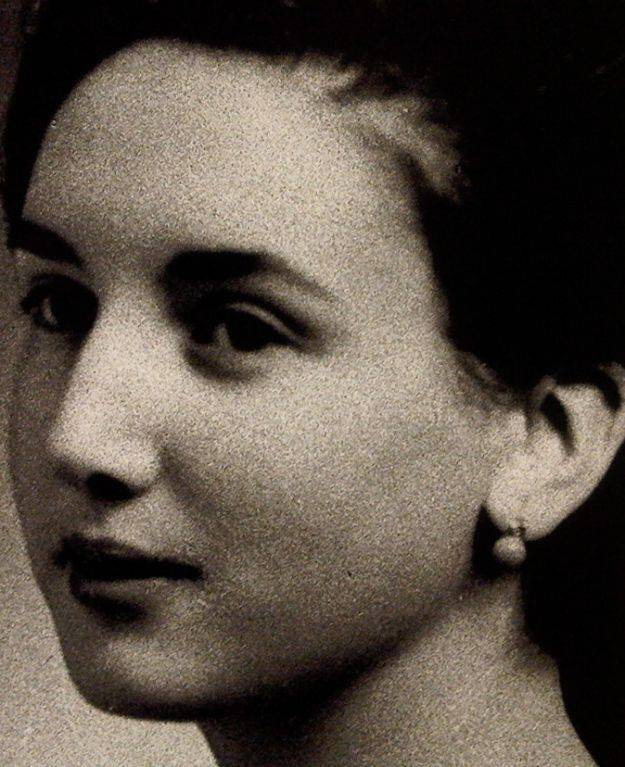
Wikimedia CommonsFranca Viola was 17 years old when she was kidnapped and raped by her ex-fianc.Up until the 1960s, many Italians followed a legal and social custom known as matrimonio riparatore, or rehabilitating marriage. Under this convention, women who were raped could avoid being dishonored by marrying their rapists. And men who raped women could avoid being accused of a crime by marrying their victim. But a young woman named Franca Viola bravely challenged this cultural norm in 1965.Then, Viola refused to marry her rapist, her ex-fianc Filippo Melodia, after he abducted and raped her. This radical act of defiance sparked a national debate and became a symbol for the growing womens rights movement in Italy and ultimately led to the abolishment of matrimonio riparatore.Franca Viola had set a powerful example. One that changed Italian society forever.Franca Viola And Filippo Melodias Canceled EngagementFranca Viola, born Jan. 9, 1948 in Alcamo, Sicily, lived a relatively peaceful life in the Italian countryside. But when she turned 15 and met a 23-year-old man named Filippo Melodia, things changed. Melodia, the nephew of a Mafioso named Vincenzo Rimi, had taken a liking to Viola and soon asked her parents permission to marry her. They consented to the pairing until Melodia was arrested for theft. As a result, Violas father called off the marriage, enraging Melodia.Cambridge University PressFilippo Melodia with a cigar.Melodias friends and associates tried to intimidate the Viola family, and things eventually escalated. Melodia and several accomplices burned down the Violas vineyard and farmhouse, and one threatened Violas father at gunpoint, telling him, per Sky News, chista chidda che scapcera la testa a vossia (this the gun is the one that will blow her head off). But Violas father stood firm and refused to allow Melodia to marry his daughter. Despite this, Melodia would not give up. On the day after Christmas 1965, a gang of 12 men led by Melodia broke into the Viola family home and kidnapped Viola and her eight-year-old brother, and also attacked their mother when she attempted to intervene. Though Violas brother was quickly released, Viola would not be so fortunate.Held Captive And Sexually AssaultedFor the next eight days, Franca Viola was held prisoner by Melodia in a remote farmhouse owned by his sister. During this time, she was denied food and repeatedly raped by her former fianc. The clear intent, as stated by Melodia himself, was to force her into a rehabilitating marriage.I was fasted for days and days. He mocked me and provoked me. After a week he abused me. I was in bed, in a state of semi-recklessness, Viola reflected, per Vanity Fair Italia. On New Years Day, Violas father was contacted by relatives of Melodia to arrange a paciata, or appeasement, a meeting meant to convince the Viola family to accept Franca Violas marriage to Melodia. The Violas initially appeared to accept this, but this was merely a ruse. They were actually working with the police. Wikimedia CommonsFranca Viola took a brave stand against her rapist, despite enormous social pressure to marry him.The next day, Italian police raided the farmhouse and freed Viola. Melodia and his accomplices were arrested, but whether he would spend any time behind bars rested upon a single question: Would Franca Viola marry him?If she agreed to enter into a rehabilitating marriage with him, Filippo Melodia would be a free man, and her honor would be restored. If she refused, Melodia would face charges, but Viola would be considered a donna svergognata or a dishonored woman. Violas father asked her if she intended to marry Melodia. No. She had no intention of marrying Melodia, despite the intense social pressure. And the public declaration of her decision did not go unnoticed.I am no ones property, no one can force me to love a person I do not respect, honor loses him who does certain things, not those who suffer them, Franca Viola declared. The Trial Of Filippo MelodiaSince Melodias marriage proposal had been refused, he was put on trial for the crime of sexual assault, alongside several of his accomplices. Throughout the proceedings, Melodias team tried to paint the kidnapping as a fuitina a secret elopement by a young couple to force their families to allow them to wed. They argued that Viola had wanted to run away with Melodia, and framed her parents as overbearing interlopers standing in the way of young love. Of course, that didnt explain the abuse she had been subjected to, nor the torching of the Viola familys farm.Melodias lawyers were unable to convince the courts of their version of events. In the end, Melodia was found guilty and sentenced to 11 years in prison, though it was later reduced to 10 and a two-year compulsory residence in Modena. His friends, on the other hand, received far lighter sentences and five were outright acquitted. YouTubeFilippo Melodia makes a gesture while in prison.That wasnt the end of the story for Filippo Melodia, though. In 1978, two years after his release from prison, he was killed in what appeared to be a Mafia-style execution. Three years later, the law that would have allowed him to avoid jail altogether by marrying his victim was abolished. Shockingly, sexual violence was still considered a crime against public morality and decency morality until 1996, rather than a crime against another person, meaning that, from a legal standpoint, rape victims were not technically considered victims for another 30 years after Violas case. Despite this, Franca Violas story was hugely inspirational. Many considered her a hero, willing to take a stand against an oppressive system that had, for decades, allowed rapist to get away with horrific crimes. It was a major turning point for the womens rights movement in Italy even if Viola did not feel like the term hero suited her.Franca Violas Life After The TrialFor Violas family, there was legitimate concern that, with everything that had happened, she would struggle still to find a husband. Many saw her as dishonored, and the public spectacle of the incident had made her name known across Italy.Fortunately, this was not a problem for Giuseppe Ruisi, who had known Viola since childhood and still loved her. The two married in 1968, though Ruisi did have to request a firearm license as well to protect them. Still, their union further proved that women like Viola victims of sexual assault could move on from their past in a society that, until then, believed the opposite. I was lucky enough to meet Giuseppe, a wonderful man, Viola told La Repubblica in a 2002 interview. Every day of our wedding was, and is, a happy one. He truly made a greater gesture than I did I was simply reacting to an injustice. He, on the other hand, challenged the countrys mentality, going against everyone.EuropicturesThe Italian film Girl From Tomorrow (2022) is based on Franca Violas story. Several films and stories have taken inspiration from Violas story, including 1970s The Most Beautiful Wife and more recently the 2022 film The Girl From Tomorrow, but the greatest impact of Violas refusal to marry her rapist was the cultural shift that occurred in Italy. It took time, certainly, but she showed the world that women who are unjustly victimized by men are not doomed to become societal outcasts.I only realize Ive done something important when others tell me so. For me, I did the most normal thing in the world, she reflected. Refusing to marry a man I didnt love and who I harbored great resentment toward for the violence he inflicted on me. Does that seem so heroic to you?After reading Franca Violas remarkable story, read the harrowing story of Denise Huskins, the woman who was kidnapped and raped and then accused of making it up. Or, read about the strange history of ghost marriage.The post How Franca Viola Changed Italian Society By Taking A Brave Stand Against Reparatory Marriage appeared first on All That's Interesting.
0 Commenti
0 condivisioni
1 Views









 English
 Arabic
 French
 Spanish
 Portuguese
 Deutsch
 Turkish
 Dutch
Dutch
 Russian
 Romaian
 Portuguese (Brazil)
 Greek
Greek