• YUBNUB.NEWS
    Dude. So CLOSE! LOL! Mayor Jacob Frey's Whiny 'ICE Invasion' Meltdown Backfires Spectacularly (Watch)
    In yet another glorious, fantastic, spectacular episode of 'Democrat lawn flamingos say the quiet part out loud,' Mayor Jacob Frey clutched his pearls in a press conference, moaning about an 'invasion'
    0 التعليقات 0 المشاركات 7 مشاهدة
  • YUBNUB.NEWS
    If you dont want your tax money to go to immigrants to look after imaginary kids and sent to African warlords, youre literally Hitler
    In these enlightened times, its become increasingly clear that the true measure of ones character lies not in deeds or words, but in ones unwavering support for the most creative uses of public
    0 التعليقات 0 المشاركات 7 مشاهدة
  • YUBNUB.NEWS
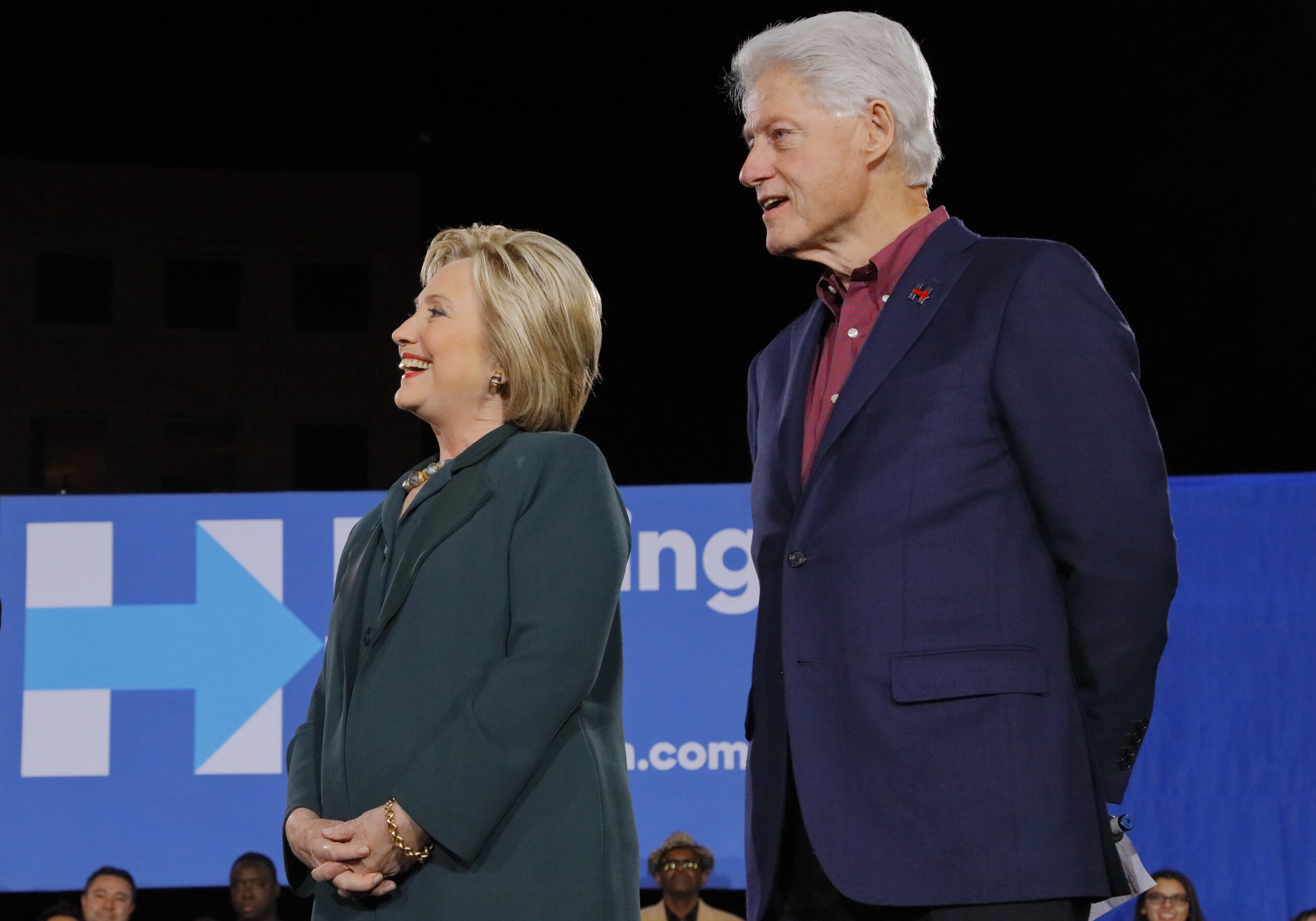
    House GOP Says Votes Are Secured to Cite Bill and Hillary Clinton for Contempt Over Epstein Subpoenas
    Oversight Chairman James Comer says Republicans now have enough support to advance contempt charges against the Clintons after they declined to comply with congressional subpoenas.By yourNEWS Media Newsroom
    0 التعليقات 0 المشاركات 7 مشاهدة
  • YUBNUB.NEWS
    BIG BREAKING: Appeals court REVERSES lower court order releasing pro-Hamas activist from ICE detention
    The 3rd Circuit Court of Appeals just reversed a lower court order releasing pro-Hamas activist Mahmoud Khalil from ICE custody, arguing that the lower court didnt even have jurisdiction over the immigration
    0 التعليقات 0 المشاركات 7 مشاهدة
  • YUBNUB.NEWS
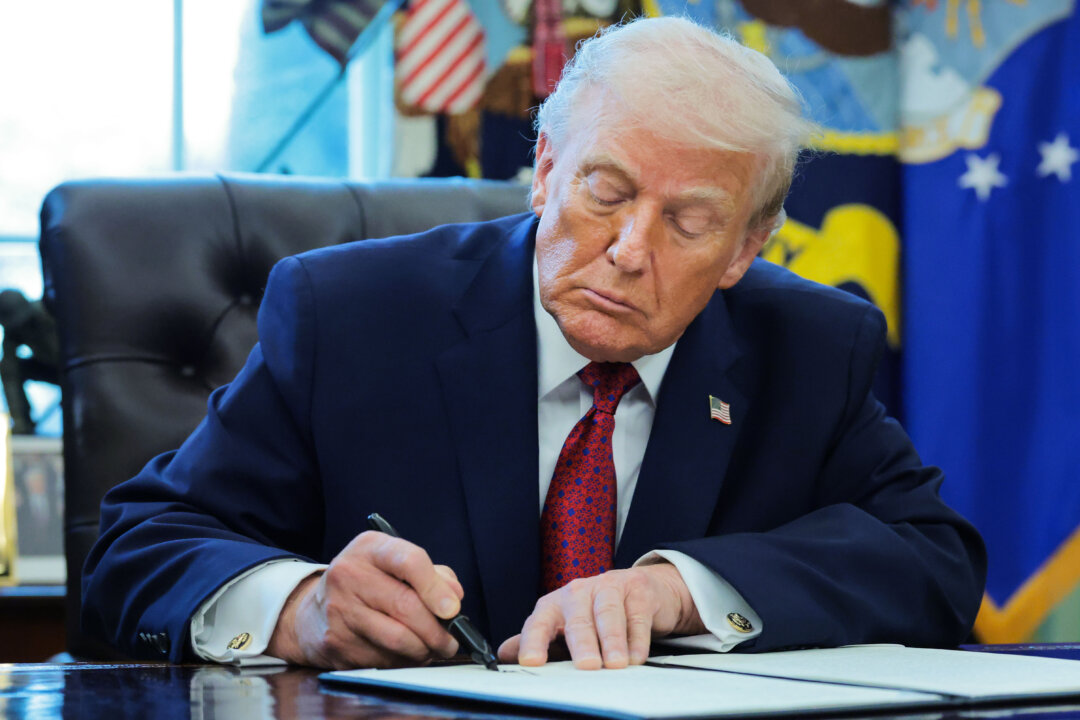
    Trump Questions Support for Exiled Crown Prince in Iran
    President Donald Trump in the Oval Office on Dec. 15, 2025. Anna Moneymaker/Getty ImagesPresident Donald Trump questioned on Jan. 14 how much support the exiled crown prince of Iran had in the Middle-Eastern
    0 التعليقات 0 المشاركات 7 مشاهدة
  • YUBNUB.NEWS
    Report: Bulk U.S. Cash from Mexico Is Being Funneled to Federal Reserve Through Foreign Bank
    New public records reveal that large volumes of U.S. currency from Mexico entered the Federal Reserve system in 2024 and 2025 through a foreign bank access program operating outside routine U.S. bank
    0 التعليقات 0 المشاركات 7 مشاهدة
  • YUBNUB.NEWS
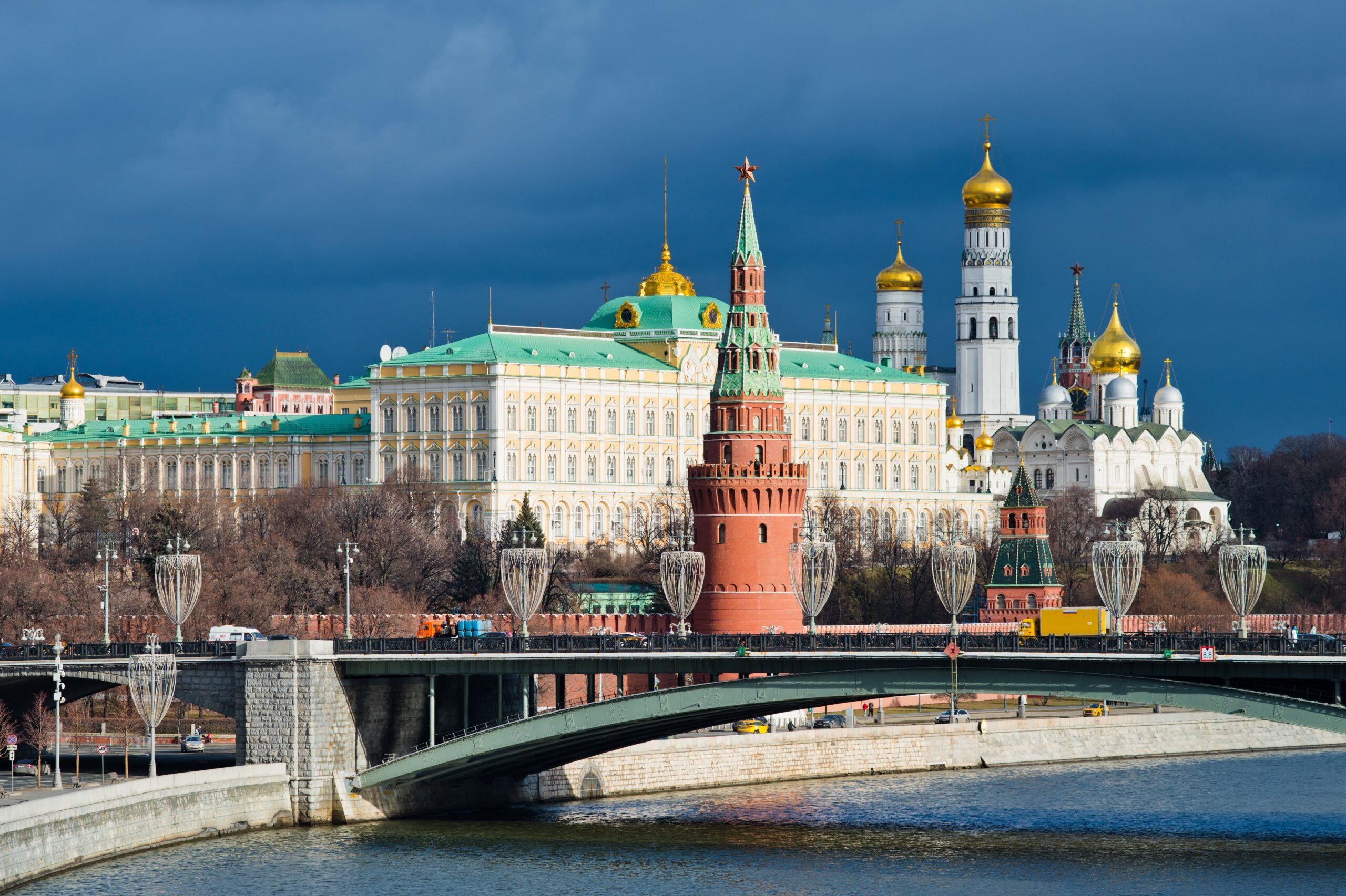
    Kremlin Aligns With Trump, Says Zelenskyy Is Obstructing Ukraine Peace Talks
    Russian officials publicly agreed with President Donald Trumps assessment that Ukrainian President Volodymyr Zelenskyy, not Moscow, is delaying a potential negotiated end to the war. By yourNEWS Media
    0 التعليقات 0 المشاركات 7 مشاهدة
  • WWW.UNIVERSETODAY.COM
    How Dark Asteroids Die
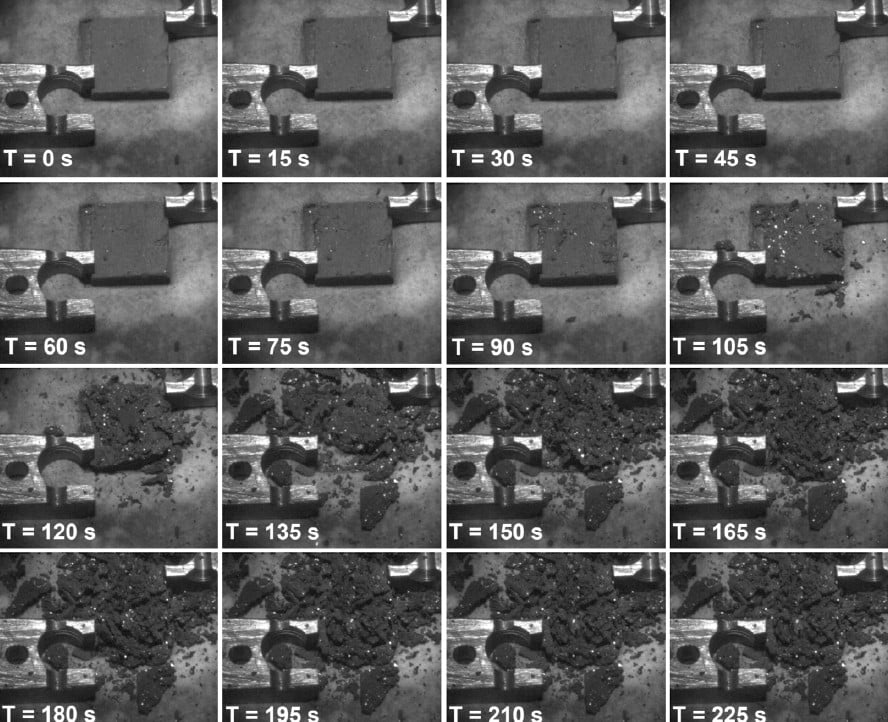
    Back in the earlier days of the internet, there was a viral video from a creator called Bill Wurtz called the history of the entire world, i guess which spawned a number of memorable memes, some of which are still in use to this day. One of those was a clip from the video where Wurtz states The Sun is a deadly laser. Apparently, that was more true than even he knew, as a new paper from Georgios Tsirvouils of the Lule University of Technology in Sweden and his co-authors have shown experimental evidence that the Suns laser-like radiation is likely responsible for the death of a vast majority of closely-orbiting asteroids.
    0 التعليقات 0 المشاركات 8 مشاهدة
  • WWW.THECOLLECTOR.COM
    The History of New Yorks Chinatown & How It Embodied the American Dream
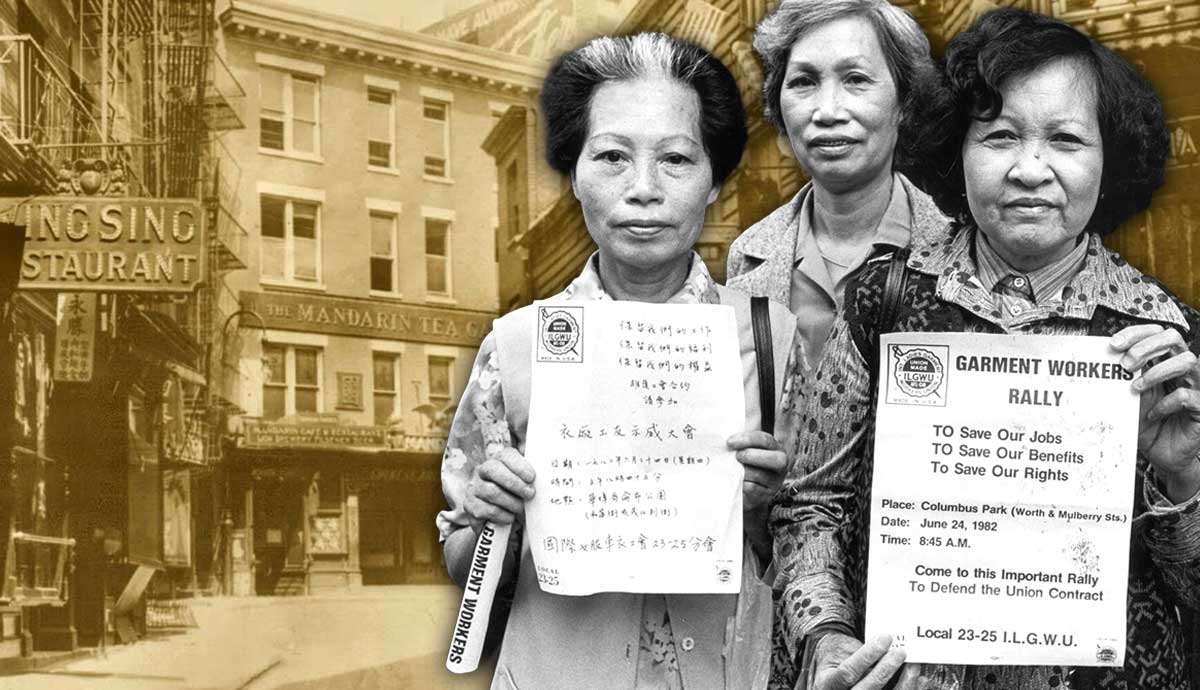
    There are nine officially established Chinatowns in greater New YorkManhattan, Flushing, Sunset Park, Little Neck, the East Village, Forest Hills, Homecrest, Bensonhurst, and Elmhurstbut the oldest and most famous of them is in Manhattan. The neighborhood has a vibrant history and culture, including food, architecture, and the infamous tongs, marked by the tensions between assimilation and retention of Chinese identity. Like many other immigrant neighborhoods, Chinatown has had to navigate social, political, and economic obstacles, but it remains a living embodiment of the American Dream.First Wave of Chinese ImmigrationWhite and Chinese miners at a sluice box in Auburn Ravine, 1852. Source: Digital Public Library of America.Chinese immigrants began arriving in the United States in the mid-1840s, after natural catastrophes and defeat at the hands of the British in the first Opium War led to famine and the Taiping rebellion in their homeland. They also came in large numbers after the passage of the Burlingame Treaty of 1868, which gave China Most Favored Nation status, encouraging immigration for labor purposes. Many were attracted to Californias gold fields and joined the hardscrabble communities near San Francisco and in the Sierra Mountains to pan for gold and make new lives for themselves.Chinese immigrants also worked in large numbers on the transcontinental railroad, using dynamite and pickaxes to laboriously carve out tunnels in the mountains and lay out miles and miles of tracks. Unrecognized for their efforts at the time, they nonetheless made an indelible mark on the nations infrastructure and economy during the late 19th century.Origins of Manhattans ChinatownDoyers Street or the Bloody Angle in the 1900s. Source: See Old New YorkIt was immigrants from the Toisan, Guangdong province who first established a neighborhood at the center of Mott, Pell, and Doyers streets in Lower Manhattan in the 1870s. Historian Herbert Asbury described Doyers Street in his famous book The Gangs of New York: Doyers Street is a crooked little thoroughfare which runs twistingly, up hill and down, from Chatham Square to Pell Street, and with Pell and Mott streets forms New Yorks Chinatown, of which it has always been the nerve center and the scene of much of the turbulent life of the quarter.The neighborhood soon expanded: the lower end of Mott Street very quickly filled with ChineseGradually, the colony increased and spread into Doyer Street. Until now the entire triangular space bounded by Mott, Pell and Doyer Streets and Chatham square is given the exclusive occupation of these orientals, and they are fast acquiring possession of Bayard street. It continued to grow as more Chinese laborers were pushed out of the American West, where increasing persecution from Irish Americans oppressed them both socially and economically.Most of Chinatowns inhabitants were men, with a ratio of 27 men for every woman. A contemporary observer offered a detailed description of the population: three thousand, had seven hundred gamblers, four hundred and fifty hatchet men, one hundred and seventy-five merchants, seventy-five cigar makers and seventy-five vegetable growers, forty-five restaurateurs, forty-five pastry chefs, at least 20 opium dens, one annual opera, and yearly poetry writing competitions.Chinatown After the Chinese Exclusion ActThe site of the Chinese Merchants Association (On Leong). Source: Chinese Consolidated Benevolent AssociationPrompted by growing nativist sentiment, the United States Congress passed the Chinese Exclusion Act in 1882, the countrys first race-based immigration policy. It dealt a blow to Chinatowns growth, as the neighborhood was still primarily men, and now fewer women could come over and start families. Those who were in the neighborhood had to stick together, which they did through the formation of cultural and social organizations. The Chinese Consolidated Benevolent Association (CCBA) purchased a building at 16 Mott Street and set up what was known as Chinatowns city hall, as it meditated [sic] disputes, acted as middlemen in business transactions, and advocated for the rights of Chinese and Chinese Americans. The building is known as the first genuine Chinese building in New York because it was an alteration of an older tenement building with Chinese ornamental and architectural design.There were nearly 200 opium dens and gambling parlors in the neighborhood by the end of the century, and, combined with the racial prejudice of the day, outsiders conferred upon Chinatown a less-than-savory reputation. The two main tongs, or secret societies that engaged in criminal activity, often made the lurid pages of the Police Gazette, and the handful of murders that took place in the blind bend of Doyers Street gave it the nickname the Bloody Angle.Often, white New Yorkers came down into the neighborhood in pursuit of a sort of touristy slumming, hoping to tour opium dens and murder sites. But they also came for the food, which was slowly becoming an attraction for non-Chinese patrons. According to Eater, restaurants began moving away from regional fare, and savvy cooks reformulated dishes for non-Chinese palates. Chop suey and egg foo young were two of these popular dishes, neither of which was traditionally Chinese.The Early 20th CenturyFriends of China parade along lower Mott Street in 1937. WPA Federal Writers Project Photograph Collection. Source: NYC Municipal ArchivesThe Chinese Exclusion Act was repealed on December 17, 1943, but immigration laws still only allowed for 105 new immigrants from China per year; it would not be until after the passage of 1965s new immigration law that numbers increased in any meaningful way. In the early 1950s, the city put forth the China Village Plan, proposing to demolish the historic core and replace it with a housing project, but community advocates successfully fought the plan, and it was ultimately abandoned. This activism was in line with what Jane Jacobs advocated for in her seminal work The Death and Life of Great American Cities (1961), which sought to forestall urban planner Robert Mosess plan to destroy the older fabric of the city in the name of urban renewal.Post-1965: ExpansionStriking members of ILGWU Local 23-25, 1982, courtesy Kheel Center for Labor-Management Documentation & Archives, Cornell University. Source: Museum of the City of New YorkPresident Lyndon B. Johnson and his Great Society Congress finally ended the strict caps on immigration from non-Western countries that had been in place since the 1920s. The Immigration and Nationality Act of 1965 allowed for 20,000 new Chinese immigrants a year to come to the United States. In the late 1960s and 70s, most of them were coming from the Hong Kong and Guangdong provinces, making Cantonese the most spoken language.By the 1980s and 90s, most immigrants were coming from the Fujian Province and settled in a part of the neighborhood that soon became known as Little Fuzhou. The City University of New York explains, Many Fuzhounese immigrants had no legal statuses, and were forced into the lowest paid jobs. Their undocumented statuses also forced them to find a job a few blocks away from their homes. These houses were usually illegally subdivided into many compartments by the landlord. Many Fuzhounese were able to learn Cantonese in order to survive in this Cantonese dominated neighborhood, but they were not able to assimilate into Cantonese culture. Therefore, a distinct new part of Chinatown known as Little Fuzhou started to emerge on East Broadway and Eldridge Street.Chinatown began to expand its borders once again, spilling over into Little Italy. What began as roughly seven blocks a century earlier now grew to 55 blocks, stretching from the East River to City Hall and from St. James Place north of Canal Street. The buildings taken over from Little Italy were usually converted into garment factories and offices.Chinatown in the 21st CenturyEldridge Street, September 11, 2015, by Joseph Michael Lopez. Source: New York MagazineChinatown, as New York Citys official Department of Small Business Services report on the neighborhood states, remains a cultural hub for Asian Americans from across the country and beyond. Its denizens, unfortunately, suffered anti-Asian discrimination and hate crimes in 2020 and subsequent years after it was discovered that the COVID-19 virus had originated in China. In response, organizations and activists came together to, as the report says, protect and empower the people, culture, and small businesses that make the neighborhood unique. The state of New York awarded the neighborhood a $20 million Downtown Revitalization Initiative grant, a testament to the importance of the area to both the city and the state.As of 2021, approximately 57,000 people live in Chinatown, and the foreign-born population in the neighborhood is 52%. Sixty percent of its residents are Asian alone in terms of race or ethnic background, the median age is 43, and 28% live below the poverty line. Challenges for the neighborhood remain, including language and cultural barriers, rising rents and other financial burdens, the density of commercial space and crowded sidewalks, and anti-Asian sentiment and crime. But the report also details several strengths, such as affordable food, good public transportation, a history of property ownership for many residents, and, perhaps most importantly, History, culture, and intergenerational connections all contribute to a strong, deep, and layered sense of community, making this the cultural home and place of belonging and celebration for Chinese Americans and the greater Asian diaspora.

    0 التعليقات 0 المشاركات 7 مشاهدة
  • WWW.THECOLLECTOR.COM
    What Is an Autogolpe (Self-Coup) and Why Are They More Successful Than Normal Coups?
    Pressure for change in political leadership can come from the outside or from inside the government itself. But what happens when the president wants to be king? Autogolpe is the term used when would-be autocrats are democratically elected and then swiftly move to undermine their own governments and consolidate power. Less blatant and usually less bloody than a traditional coup dtat, autogolpes have a higher success rateand can be just as hard to overcome.The Coup: A Time-Honored TraditionChiles presidential palace burning during the 1973 coup. Source: The George Washington UniversityAs long as there have been leaders, there have been people dissatisfied with their leadership and various methods employed to bring that leadership to a swift end. Whether the people rise up or an assassin steps in, unpopular leaders usually dont remain leaders for very long.However, the pressure for a change in government often comes not from the outsiderebellionbut from within. A coup is generally defined as an attack on the stateor more specifically, the illegal removal of a leader by force or threat of force by those within the government. Given the brute strength of the military, it is quite often at the head of such attacks on the state, like the overthrow of Argentinas Juan Pern in 1955 or Salvador Allende in Chile in 1973. Military coups are the most recognizable type of overthrowparticularly in the modern era, where palace coups are by and large no longer relevant.As democracy has become the preferred form of government, and especially with the advent of global news media, ousting leaderspopular or unpopularoutside the confines of the electoral process has become more challenging. An outright coup, especially one broadcast around the world, would usually bring widespread condemnation and perhaps international pressure or the loss of much-needed foreign loans.But that doesnt mean coups have disappeared; theyve just adapted. Instead of the military overthrowing the president, presidents have just started overthrowing themselves.The New Coup: AutogolpeMap of autogolpes and attempted self-coups worldwide since World War II. Source: The ConversationAutogolpe, Spanish for self-coup, is, as the name implies, a coup against oneself, and there have been at least eleven attempted or successful autogolpes in the Americas alone since WWII. Essentially, the leader in question, who has come to power legitimately, overthrows himself* as president to instead take up a new, illegitimate, and all-powerful leadership position unconstrained by the other elements of his own government apparatus intended to provide checks and balances on the executive.As political scientist Maxwell Cameron explains, Presidents implement autogolpes in order to pursue policies that would be impeded by a vigorous legislature, independent courts, and watchful citizens. Those policies vary by regime, but one common cause is the presidents desire to continue in power after losing an election or completing his allotted number of terms.Unlike the slower consolidation of powers that often marks a leaders shift from president to autocrat ( la Daniel Ortega in Nicaragua), the hallmark of the autogolpe has long been the rapid dismantling of the other branches of government and the wholesale purge of government employees who are not loyal to the president himself.The legislative and judicial branches are (ostensibly temporarily) dissolved, and the constitution is suspended. Without them, the president rules by decree, usually until he can set up loyal governing bodies to present the outward appearance of democracy while vesting most, if not all, of the states power in the executive.Soldiers patrol the streets in Lima following Perus 1992 autogolpe. Source: El ComercioIn addition, the outright dissolution of governing bodies may not be necessary for the modern autogolpe; some scholars contend that actively undermining the legislature, judiciary, and constitution, to the point where they are rendered powerless, might also qualify. For example, political scientist David Pion-Berlin and his co-authors define the autogolpe more broadly to include events in which a nations chief executive, in order to hold onto, consolidate or expand power, coercively interferes with or shuts down another branch or branches of government.Its important to highlight that the populace does not necessarily have to condemn the autocrat in order for his actions to be considered a self-coupthough that is often the result. There have been instances where citizens have initially supported the presidents actions in the face of an intransigent or incompetent governmentincluding what is widely considered the first autogolpe.*Authors note: There are no recorded autogolpes or attempted autogolpes by women.The First Autogolpe?Alberto Fujimori campaign poster, 1990. A president like you. Source: University of New MexicoWhile no doubt similar forms of government overthrow preceded it, the quintessential autogolpe, the lens through which most contemporary autogolpes are seen, remains Alberto Fujimoris 1992 overthrow of his own legitimate government in Peru.On April 5, 1992, Fujimori, elected as an outsider candidate two years earlier, suspended the countrys constitution, closed its congress and dismissed senior judges. While Fujimori had won the presidency, his partys minimal representation in congress and faltering political alliances made enacting his agenda nearly impossible. So, he gave up.Instead of continuing to work within the confines of the democratic process, he instituted emergency measures designed to root out alleged corruption in the judiciary and reshape the legislature. Media outlets were placed under military control, and several prominent opposition officials were placed under house arrest. All branches of the military signed a communiqu supporting the new Government of Emergency and National Reconstruction.Though Fujimori claimed he was not trying to destroy the countrys democracy but make it more efficient and effective, it was under considerable international pressure, including from the Organization of American States, that he agreed to call for new elections. Finally scheduled for November 1992, the opposition was divided over whether or not to participate. The new congress that was ultimately elected gave Fujimori a majority and then drafted a new constitution, which barely passed by referendum in 1993.Bus bombing by the Shining Path guerilla movement, Lima Peru, 1989. Source: ResearchGateYet Peruvians largely supported Fujimoris anti-democratic actions, due in part to the countrys inability to address the Shining Path insurgency movement and his support for a stronger military response to the guerrillas. In fact, Fujimori was reelected in 1995.The first autogolpe was an undeniable successthough its worth noting that Fujimori, after claiming victory in highly irregular elections in 2000, resigned, then fled the country amid bribery and human rights scandals. He was ultimately arrested and was only released on humanitarian grounds that saved him from dying in prison.Keys to Success: Launching a Winning AutogolpePedro Castillo, Peruvian president who launched a failed self-coup in 2022. Source: New InternationalistThough anyone launching a coup must have some reason to believe they will succeed, according to political scientist John J. Chin, while about half of traditional coup attempts fail, four out of five attempted autogolpes succeed. Why are autogolpes more successful than regular coups and what leads to their success?Conditions prior to the launching of a self-coup play an important role. Countries with a long history of democracy are less likely to fall victim to an autogolpe, while those that havent built up sufficient popular belief in the value of democracy over other forms of government may be more susceptible. In Latin America, with a history of caudillismo, or strong-man rule, following independence from Spain, autocracy has a much longer tradition than democratic rule.Military support is essential for a successful autogolpe; the leader must ensure that the countrys armed forces are loyal to him personally. The implicit threat of repressive action against ousted officials or the civilian populace is necessary to ensure that the autogolpe proceeds apace. The dangers of attempting an autogolpe without it can be seen in two recent failed self-coups: Peru in 2022 and South Korea in 2024. Both presidents ended up in jail when military support for their power grabs failed to materialize, and they were instead held to account.The leaders ability to control the narrative surrounding his illegal actions is also paramount; a successful self-coup will usually see press freedoms being curtailed or national media being co-opted by the new regime. Having an identifiable threat, like Fujimori with the Shining Path, may help to convince people, at least in the short term, that extraordinary measures must be taken. However, over the long term, a return to the trappings of democracy is generally necessary to appease both internal and external observers.The Challenges of Fighting AutogolpesProtesting the attempted self-coup in South Korea, December 2024. Source: Hashflu, Wikimedia CommonsBy nullifying the state apparatus that people have traditionally relied on to, however clumsily, represent their interests while simultaneously retaining power over the states military forces, the autogolpe leaves the citizenry few avenues to protest, let alone fight back. People cannot appeal to legislators when theres no legislature; lawsuits cant be brought to courts that no longer exist. Further, with the regime silencing or taking over national media, comprehension of whats actually happening may be limited, decreasing the likelihood of mass movements like general strikes.Even less inspiring, self-coup failures historically have largely been the result of the leaders themselves overestimating their support with the military or party elites, not because of anything the citizenry has done or is able to do to stop them.There is some evidence that international pressure, as it does with traditional coups, can undermine self-coups specifically by causing the presidents internal support to dry upif the military or his political supporters believe international action is imminent, they may flinch.Political scientist Alexander Noyes argues that international supporters of democracy must step up and provide more robust and consistent responses to executive coup attempts. Mass demonstrations may also put sufficient pressure on the presidents supporters but run the risk of being suppressed by the military.Barbadillo prison, used exclusively for former presidents of Peru and currently home to Pedro Castillo and Alejandro Toledo. Source: El DiarioSome scholars argue that disincentivizing autogolpesfor example, the adoption of clear prosecution standards for leaders attempting a self-coupmay play a role in preventing them. The fact that nearly all of Perus living former presidents are currently in prison or under house arrest, at least three of them having attempted autogolpes, may serve as a cautionary talepotential jail time does not always dissuade presidential shenanigans.Overall, evidence suggests that high media accuracy, low partisanship, and citizen support for democracy typically promote democratic survival, and therefore are keys to both preventing and undermining autogolpes. However, in a world of rising populism, these elements are increasingly absent.
    0 التعليقات 0 المشاركات 7 مشاهدة