0 Comentários
0 Compartilhamentos
5 Visualizações
Diretório
Elevate your Sngine platform to new levels with plugins from YubNub Digital Media!
-
Faça o login para curtir, compartilhar e comentar!
-
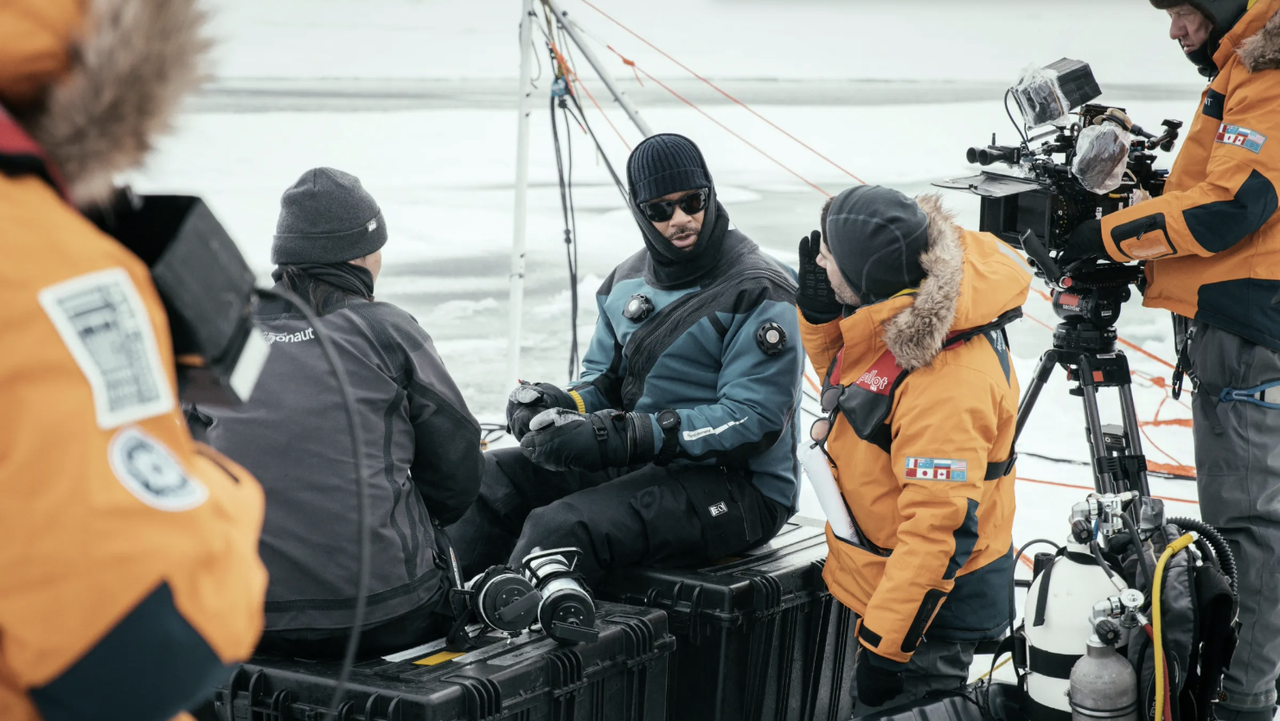
WWW.LIVESCIENCE.COMHow to watch 'Pole to Pole with Will Smith' TV and streaming details as Oscar-winning actor blends adventure and scientific discoveryThe actor embarks on a "thrilling adventure" across seven expeditions here's how to watch "Pole to Pole with Will Smith" online from anywhere.0 Comentários 0 Compartilhamentos 5 Visualizações -
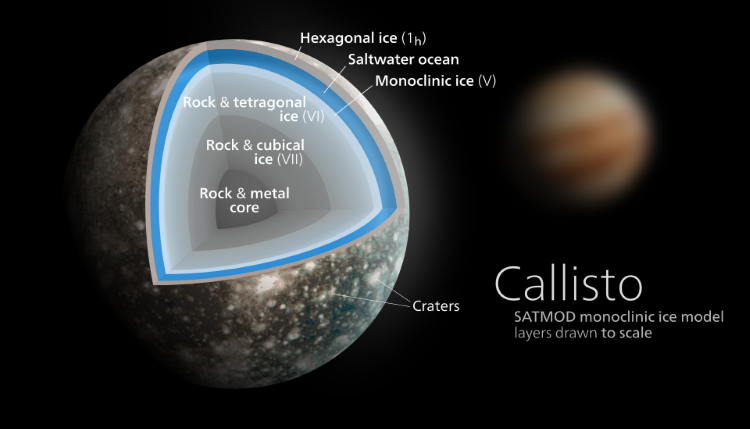
WWW.UNIVERSETODAY.COMPeering Below Callistos Icy Crust with ALMAWhat exists beneath the surface of Jupiters icy moon, Callisto? This is what a recent study accepted by The Planetary Science Journal hopes to address as a team of researchers investigated the subsurface composition of Callisto, which is Jupiters outermost Galilean satellite. This study has the potential to help scientists better understand the interior composition of Callisto, which is hypothesized to possess a subsurface liquid water ocean, and develop new techniques for exploring planetary subsurface environments.0 Comentários 0 Compartilhamentos 5 Visualizações -
WWW.UNIVERSETODAY.COMFollow SpaceX's Returning Crew-11 Mission Wednesday NightIn a historic first, an unspecified medical issue is prompting an early return from the International Space Station on Wednesday night, January 14th. And while the return will be featured live online from undocking to splashdown, if skies are clear, you might just be able to see the pair crossing the night sky tonight, shortly after undocking.0 Comentários 0 Compartilhamentos 5 Visualizações -
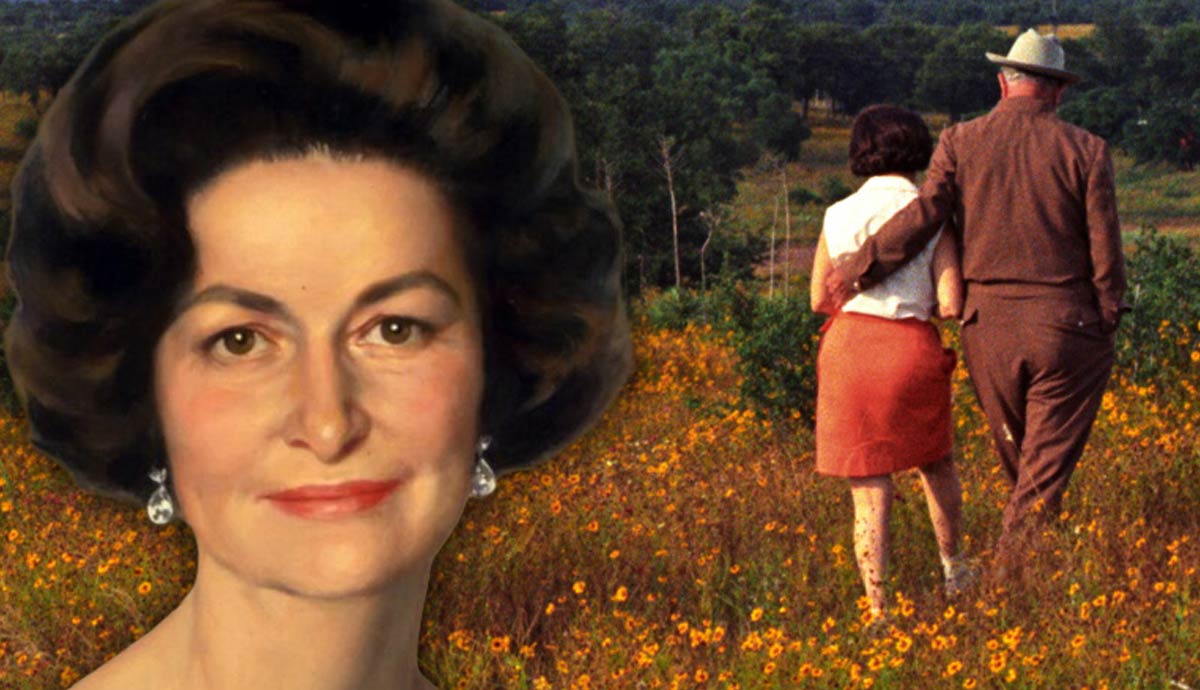
WWW.THECOLLECTOR.COMThe Life of Lady Bird Johnson, First Lady and Environmental AdvocateClaudia Alta Taylor, widely known as Lady Bird Johnson, was the First Lady of the United States from 1963 to 1969. She dedicated much of her role to environmental conservation and beautification campaigns. Almost always smiling, Lady Bird Johnson wielded a strong influence on her husband, President Lyndon B. Johnson. Influenced by her beliefs and interests in nature, President Johnsons administration issued nearly 300 conservation measures, which ultimately led to the establishment of the Environmental Protection Agency in 1970.Lady Bird Johnsons Early YearsPortrait of Claudia Alta Taylor (age about 6 months) with Alice Tittle. Source: Lady Bird Johnson Presidential LibraryClaudia Alta Taylor was born on December 22, 1912, in Karnack, Texas, in a plantation house on the outskirts of town. Her father, Thomas Jefferson Johnson Taylor, was a wealthy businessman who owned cotton plantations and general stores. Her mother, Minnie Lee Pattillo, was from an aristocratic family in Alabama, loved classical books and literature, and was often seen reading classics to little Claudia.Lady Bird Johnson was only five years old when her mother died due to complications from a miscarriage. She was primarily raised by her maternal aunt, Effie Pattillo, who moved to Karnack after her sisters death, and her nursemaid, Alice Tittle. Reportedly, it was Alice who nicknamed her Lady Bird, saying that she was as pretty as a ladybird.A quiet and shy child, Claudia spent most days outdoors, near the shores of Caddo Lake in Texas, closely examining tall pines, moss, and wildflowers blooming. To some, she was lonely as a child. However, Lady Bird herself once said: To me, it definitely was not I spent a lot of time just walking and fishing and swimming. Her love for nature would remain a lifelong passion and inspiration.Lady Bird Johnsons Education & Meeting Lyndon JohnsonLyndon and Lady Bird Johnson on their honeymoon at the Floating Gardens in Xochimilco, Mexico, November 1934. Source: Lady Bird Johnson Presidential LibraryLady Bird Johnson enrolled at the University of Texas at Austin and received a Bachelor of Arts in History in 1933. In 1934, she earned a second degree in Journalism. During this period, she was introduced to a 26-year-old Lyndon B. Johnson, who was working as a congressional aide at that time.They married after just three months. According to Mrs. Johnsons own words, it was love at first sight: Sometimes Lyndon simply takes your breath away. The couple had two daughters: Lynda Bird and Luci Baines.From the very beginning of her husbands political career, Lady Bird Johnson supported the future president both emotionally and financially. She provided $10,000 (around $222,000 in 2025) from her inheritance for the first congressional campaign in 1937 and assisted in running his congressional office during World War II. In 1960, she remained beside her husband on a 35,000-mile campaign trail as Second Lady and visited 22 countries. Johnson once remarked that voters would happily have elected her over me.In 1942, Mrs. Johnson, along with her family, purchased the radio station in Austin, Texas, which remained operational until 2003, thanks to the business skills inherited from her father.Becoming the First Lady & an Environmental AdvocateOfficial White House portrait of Lady Bird, by Elizabeth Shoumatoff, 1968. Source: White House Historical Association/Library of Congress, Washington DCAfter President John F. Kennedy was assassinated on November 22, 1963, Lyndon B. Johnson became the next president and moved to the White House.In her new role as First Lady, Lady Bird Johnson continued the cultural legacy initiated by her predecessor, Jacqueline Kennedy, by promoting the arts, historic preservation, music, and literature. She hosted exhibitions featuring American painters such as Georgia OKeeffe and Andrew Wyeth.Lady Bird Johnson also played a key role in organizing concerts by the National Symphony Orchestra, the American Ballet Theatre, and local school choirs. In 1965, she launched the White House Festival of the Arts, an ambitious gathering of artists, writers, and musicians with over 300 guests. These efforts aimed to make the White House a living center of American culture and history. In April 1965, Lady Bird Johnson completed Jackie Kennedys East Garden restoration project. The garden was later renamed Jacqueline Kennedy Garden.Mrs. Johnson built on this foundation with her own quiet but determined leadership, expanding the role of the First Lady into one of cultural patronage and public engagement. Nevertheless, the environment and its protection remained her key focus throughout her career. The status of the First Lady gave her immense possibilities to translate her love for nature into a national policy.The Beautification CampaignPresident Lyndon B. Johnson and Lady Bird Johnson walk through a field of wildflowers. Johnson White House Photographs. Source: National Archives CatalogIn 1964, Lady Bird Johnson established the First Ladys Committee for a More Beautiful Capital and later expanded it to encompass larger areas. The Committee received private donations, and, in the initial phase, it organized a flower-planting campaign in malls, avenues, public housing properties, and other areas.In addition to planting flowers, the society worked to raise public awareness and organized beautification campaigns in relatively remote neighborhoods of Washington DC. The committee also produced informative articles on these topics, such as The ABCs of Beautification and Beautification: You too can help.Many donated various types of flowers, trees, and other plants to be planted in Washington parks and outdoor public spaces. Lady Bird Johnsons campaign also influenced and inspired businesses to support beautification measures, especially in low-income neighborhoods of the country.Lady Bird Johnson among Texas wildflowers (Bluebonnets and Indian Paintbrush), by Robert Knudsen, 1968. Source: Lady Bird Johnson Presidential LibraryLady Bird Johnsons persistent advocacy led to the enactment of the 1965 Highway Beautification Act, commonly referred to as Lady Birds Bill.According to the legislation, outdoor advertising would be altered, and specific types of signs, as well as junkyards along the primary highways, would be removed. This would improve the roadside areas. Based on this bill, the Surface Transportation and Uniform Relocation Assistance Act of 1987 required that at least 0.25 of 1 percent of resources be allocated to planting native plants and flowers. According to Lady Bird, these efforts were meant to deliver clean water, clean air, clean roadsides, safe waste disposal and preservation of valued old landmarks as well as great parks and wilderness areas.Lady Bird Johnson managed to acquire the support of both the private and public sectors, including Secretary of the Interior Stewart Udall, local Washington government officials, architects, landscape architects, as well as both public and private school groups.To support the efforts of the First Lady, the White House produced two documentaries: Mrs. Johnson Goes to Washington and Showcase for the Nation. These documentaries have significantly contributed to highlighting the success of Mrs. Johnsons program as well as galvanized wider public support for environmental activities.Lady Bird Johnsons Conservation EffortsSec. Stewart Udall, Lady Bird Johnson, and Laurance Rockefeller (left to right) look at an architectural model of Washington DC, LBJ Library photo by Robert Knudsen, 1967. Source: Lady Bird JohnsonIn May 1966, the White House hosted the Conference on Natural Beauty. The meeting was organized in response to growing concerns about pollution, overcrowded cities, and the degradation of scenic landscapes. Lady Bird Johnson played a pivotal role in organizing the conference, both as a presenter and supporter of its cause. She opened the conference with a question: Can a great democratic society generate the drive to plan, and having planned, execute projects of great natural beauty?Similar conferences were later held throughout the United States, sparking the national conservation movement, which emphasized not only the protection of wild lands but also the preservation of everyday environments in parks, neighborhoods, roadsides, and cityscapes.The movement encouraged the protection of the natural environment to reduce environmental impact and preserve ecosystems for future generations. It also highlighted the role of public participation in shaping more thoughtful, livable spaces. In line with this, to Lady Bird Johnson, natural beauty should have always been protected as it represented one of the greatest resources the United States held.To spread this message, she began visiting Native American reservations as early as 1964.Lady Bird Johnson spreads seeds on the site of the National Wildflower Research Center, photograph by Frank Wolfe. Source: Lady Bird Johnson LibraryThrough Lady Birds public activismmedia appearances, letters, and official discussionsthe construction of dams at the Grand Canyon was stopped, and the Redwoods National Park was established. These measures were reinforced through the legislative initiatives passed by the Johnson administration. Among them are the Wilderness Act of 1964, the Land and Water Conservation Fund, the Wild and Scenic Rivers Program, and many additions to the National Park system.As an illustration of his support for Lady Birds environmental activism, on July 26, 1968, President Johnson presented the First Lady 50 pens, which were used to sign 50 laws on environmental protection, conservation, and beautification. It was accompanied by the plaque, which stated: To Lady Bird, who has inspired me and millions of Americans to try to preserve our land and beautify our nation. With love from Lyndon.Legacy of Lady Bird JohnsonLady Bird Johnson and President Lyndon B. Johnson, photograph by Robert Knudsen, 1968. Source: Lady Bird Johnson Presidential LibraryDuring the Presidency of Lyndon B. Johnson and when LadyBird Johnson served as First Lady, about 300 conservation measures were initiated or transformed into law.Her efforts live on today in the form of vibrant playgrounds at public schools, lush green spaces in parks and neighborhoods, blooming public areas, and highways.Quoting British Prime Minister Winston Churchills speech delivered at the British House of Commons in 1943, Lady Bird Johnson said, First we shape our buildings, and then they shape us. The same is true of our highways, our parks, our public buildings, and the environment we create. They shape us.Indeed, much like Churchill, Mrs. Johnson viewed the surrounding environment and physical structures as having a profound impact on human behavior and how people interact with one another.After leaving the White House in 1969, Lady Bird Johnson continued her advocacy as a member of the Advisory Board on National Parks, Historic Sites, Buildings, and Monuments. To commemorate her activism, Columbia Island in the Potomac River was renamed Lady Bird Johnson Park.Among her many awards and honors was the Presidential Medal of Freedom, granted by President Gerald Ford on January 10, 1977.The medal was accompanied by the following words:One of Americas great First Ladies, she claimed her place in the hearts and history of the American people. In councils of power or in homes of the poor, she made government human with her unique compassion and her grace, warmth and wisdom. Her leadership transformed the American landscape and preserved its natural beauty as a national treasure.In a 1982 poll, ranking the most influential First Ladies, Lady Bird was ranked third, behindAbigail AdamsandEleanor Roosevelt, primarily for her work as a conservation activist.Lady Bird Johnson died on July 11, 2007, from natural causes at the age of 94.0 Comentários 0 Compartilhamentos 7 Visualizações -
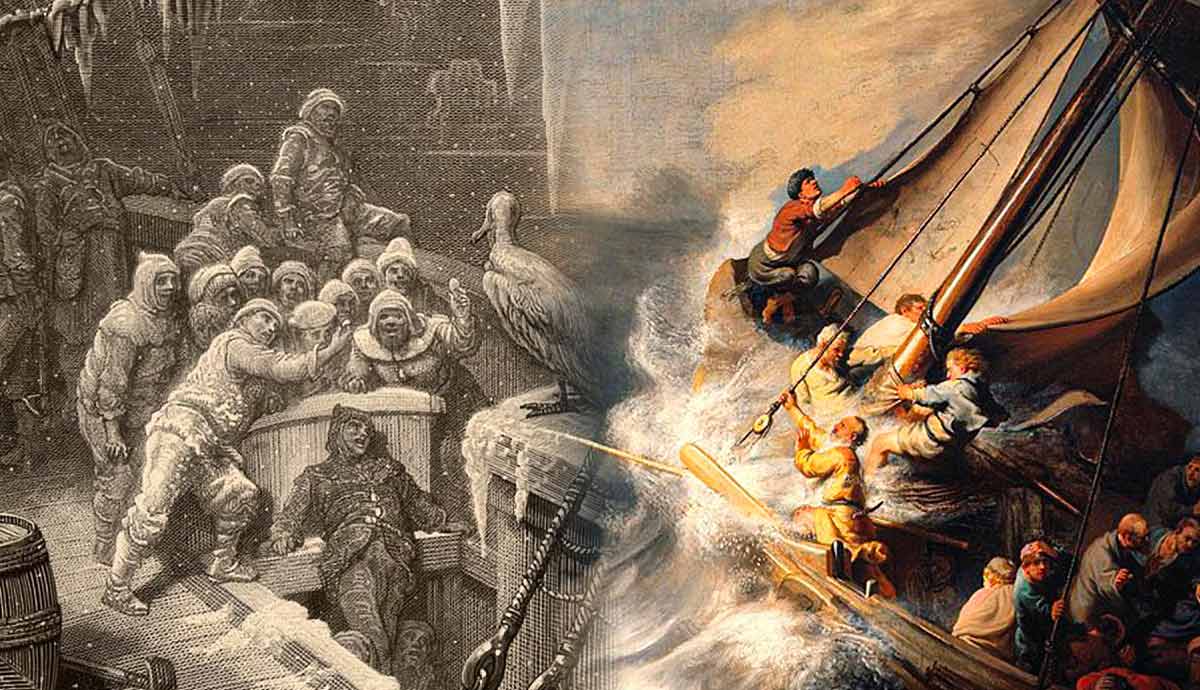
WWW.THECOLLECTOR.COM10 Ancient Nautical Superstitions and Their OriginsConsidering the dangerous and unpredictable nature of sailing and sea-travel in general, it is little wonder that so many superstitions have become associated with the job.In this article, we will name ten ancient nautical superstitions and then explore their origins. What brings good luck, and what brings bad luck whilst aboard a ship? Which rituals should be performed while at sea, and which seemingly innocent actions should be avoided at all costs? Where do the roots of these superstitions lie, and should they really be honored to achieve a safe voyage?1. No Sailing On FridaysCrucifixion, by Andrea Mantegna, 1457-60. Source: The LouvreSuperstition number one: It is bad luck to begin a voyage on a Friday.Friday is different from all the other days of the week. Due to its association with the death of Jesus Christ, it has been viewed in a negative light for over 2,000 years.As Fridays in general are considered bad luck, it is no surprise that the day has become associated with bad luck for sailors. To this day, it is reported that setting sail on a Friday encourages ill fortune for the ship.The origins of this superstition can be traced to the mid-16th century. Stephen Bathory (1533-1586), the King of Poland and Grand Duke of Lithuania, refused to sail on a Friday as it was the day on which Jesus Christ was crucified. His influence spread across Europe, and those who trusted the wisdom of the King followed his advice. Over the last five centuries, a sailors fear of Friday has only intensified.There is a well-known story in England that the British Admiralty attempted to dispel this superstition by proving it wrong. They commissioned a ship named HMS Friday, and her maiden voyage purposely began on Friday the 13th. Legend has it that after departing, the ship was never seen again.This is probably an urban myth, but to this day, many sailors would tell you otherwise.Apparently, it is also bad luck to begin a voyage on the first Monday in April, the second Monday in August, and the last day of the year (December 31st).2. A Pinch Of SaltDetail of The Last Supper, by Leonardo Da Vinci, 1495-8. Source: FaithhubSuperstition number two: It is bad luck to pass the salt to another member of the crew.Salt in general is considered unlucky in many parts of the world. There are lots of superstitions regarding salt, many of which revolve around an accidental spill.Have you ever experienced a feeling of dread after sprinkling some salt across the table? Have you ever thought to dispel your inevitable bad luck with some meaningless ritual? Have you ever thrown a pinch of salt over your shoulder for luck, as your grandmother might have taught you?In The Last Supper by Leonardo Da Vinci (painted c. 1495-1498), it appears that a small vessel has been knocked over. Salt spills from a silver pot onto the tablecloth. The hand that has knocked the salt belongs to none other than Judas Iscariot, who was in the midst of betraying Jesus Christ. Da Vinci uses the salt as an omen of what is about to occur: the arrest in the Garden of Gethsemane and later the Crucifixion of Jesus Christ. What could be more unlucky than that? It is telling that Da Vinci chose to signify this bad luck with the spilling of salt.Spilling salt was thought to be particularly dangerous to sailors. It was believed that accidentally spilling salt into the ocean would upset the natural balance of the seawater. In effect, the sea would be angered by the extra salt it received.To avoid the spilling of salt, sailors would not pass it directly to each other over dinner. Instead, if someone required the salt, it would be picked up and placed down onto the table again. This was thought to be safer than the risky moment at which it was passed between two hands, and had the potential to be dropped.3. Time Spent With Cats is Never WastedCaptain AJ Hailey with Ships Cat, 1920s. Source: UBC LibrarySuperstition number three: Cats bring good luck to a ship.It was Sigmund Freud who declared that time spent with cats is never wasted. Countless sailors from centuries past would have agreed heartily with this sentiment.Most nautical superstitions revolve around omens and warnings. There arent many things that are said to bring good luck on a sea vessel, but a feline shipmate is perhaps the most significant and memorable. Once aboard, the chosen creature is affectionately referred to as the Ships Cat.The keeping of a ships cat is by no means a modern tradition. Cats have been accompanying seafarers on their voyages for many centuries. Pirates, explorers, traders, fishermen, private travellers, pilgrims, and naval officers have all enjoyed the companionship of a cat whilst sailing the seas.Considering their fear of water, it seems strange that cats were ever selected as appropriate candidates for sea travel. It is thought that they were originally welcomed aboard for one reasontheir ability to kill mice and rats. Rodents not only chewed the ropes but also spread disease among crew members. Consequently, an infested ship was something to be avoided at all costs.Cats played a potentially life-saving role on board a ship. They were also friendly and adorable enough to cheer their shipmates in times of misery.This is one of the few nautical superstitions that stems from real historical facts.Unfortunately for many superstitious sailors, the Royal Navy banned cats and other pets on board ships in 1975.4. No BananasIllustration of a banana from the Acta Eruditorum, 1734. Source: Wikimedia CommonsSuperstition number four: Bananas bring bad luck to a ship.How could something so innocent as a banana bring misfortune upon a boat or ship? The notion seems so unlikely that it is almost laughable. However, sailors of centuries gone by would have cursed any member of the crew who dared to bring such a fruit on board. Specifically, bananas were said to have the power to sink a ship.The origins of this superstition can be found in the 18th century, when trade ships began bringing bananas from the Caribbean back to Britain. Due to the growing popularity of bananas in Europe, demand was high, and was being met by those who had the ships to bring them back. Naturally, as was normal for the era, plenty of these trade ships sank midway through their voyages. As far as these sailors were concerned, these ships all had one thing in common. Yes, they were all carrying hordes of bananas.In all likelihood, no more boats sank than usual. Nonetheless, it was the bananas that were blamed for these failed endeavors, and they have since become renowned for the ill-fate they bring upon a ship and its crew.5. Red Sky in the Morning, Sailors Take WarningRed Sky and Crescent Moon, by JMW Turner, 1818. Source: ResearchGateSuperstition number five: A red sky at either dawn or dusk can foretell the weather for the following day.Have you ever heard the famous rhyme?Red sky at night, shepherds delightRed sky in morning, shepherds warning.In nautical terms, this rhyme becomesRed sky at night, sailors delightRed sky in morning, sailors take warning.Thanks to this short poem and its variations, the superstition regarding the color of the sky is well known across the United Kingdom. A red sky at night means that the weather will be sunny and clear the following day. A red sky in the morning means that the upcoming day will bring with it bad weather, possibly even a storm.Storm on the Sea of Galilee, by Rembrandt, 1633. Source: RKD ImagesWhen it comes to ancient nautical superstitions, this one may be the oldest of all. An early mention of the phenomenon, recorded 2,000 years ago, can be found in the New Testament of the Bible.Jesus says, When evening comes, you say, it will be fair weather, for the sky is red, and in the morning, today it will be stormy, for the sky is red and overcast. You know how to interpret the appearance of the sky, but you cannot interpret the signs of the times (Matthew 16).But is it really true that we can predict the oncoming weather by the color of the sky at dawn or dusk? For clarity, we may turn to a trustworthy source: The British Meteorological Office. They reveal thatRed sky at sunset means high pressure is moving from the west, so the next day will usually be dry and pleasant. Red sky in the morning means a red sky appears due to the high-pressure weather system having already moved east, meaning the good weather has passed, most likely making way for a wet and windy low-pressure system.It seems that the predictions associated with a red sky are based more on science and observation than they are on stories and superstition.6. I Shot the AlbatrossThe Albatross, by Gustave Dor, 1832-1883. Source: University of AdelaideSuperstition number six: It is bad luck to harm or kill an albatross.Like one, that on a lonesome roadDoth walk in fear and dread, And having once turned round, walks on, And no more turns his head;Because he knows, a frightful fiendDoth close behind him tread.If ever there was a sufficient warning regarding the dangers of killing an albatross, it was certainly found in The Rime of the Ancient Mariner. This serious but epic poem of 150 verses was written by Samuel Taylor Coleridge in 1798. The message of the poem is very simpledont interfere with an albatross.As you might expect, this is exactly what the narrator of the poem does. Having made the fatal mistake of killing an albatross with his crossbow, he faces the anger of the rest of his crew, who fear he has brought ill fate upon the ship. As the story progresses, the superstition is confirmed, and ill-fate in its many forms comes upon the vessel. As a penance, the narrators shipmates force him to wear the dead albatross around his neck.But where did the superstition come from, originally? The answer is that nobody knows. We do know, however, that albatrosses were once thought to embody the souls of sailors who had been lost at sea. To harm an albatross was to harm a former human seafarer.7. Its Not Easy Being GreenThe Raft of the Medusa, by Theodore Gericault, 1791-1824. Source: The LouvreSuperstition number seven: The color green will induce a shipwreck.Have you ever wondered about the lack of green aboard a ship? This is no mistake: the color is purposely omitted. Ships should not be painted green, no prominent item should be colored green, and green clothes should be worn by neither passengers nor crew.This is because, in the mysterious world of sea travel, green is known to be extremely unlucky. In fact, the idea that green can cause a shipwreck is the most common nautical superstition on this list.So, why is the color green feared so intensely by sailors? The answer is, once again, that nobody knows. It is assumed by historians that the superstition came about through association. Blue is the traditional color of the sea, whilst green is the traditional color of land. Sailors thought that the presence of green would attract land, and potentially pull the ship towards the rocks. Eventually, it became popular belief that green directly caused shipwrecks.The superstition regarding travelling in a green vessel has spread to such an extent that people now fear green cars. Studies show that green is the least popular color of car in Europe. In connection with the origins of the superstition, this obviously makes very little sense. But superstitions do not generally make any sense at all.8. DONT Whistle While You WorkThe Whistling Boy, by Frank Duveneck, 1848-1919. Source: Wikimedia CommonsSuperstition number eight: Whistling at sea can summon a storm.Throughout history, whistling has been associated with omens of misfortune. During some eras, it even held connotations of witchcraft. Whether the whistler is standing safely on land or onboard a precarious vessel at sea, whistling is said to encourage the winds. Any history-lover who has watched The White Queen (2013) may recall the memorable scene in which Elizabeth Woodville, alongside her mother and daughter, whistles up a storm with the intention of sinking the enemy ships.The possibility of high winds is not the only reason whistling was banned aboard a ship. The sound of a whistle might be mistaken for the whistle that was used to give commands to low-ranking sailors.The belief in whistling up a storm is not the only nautical superstition with connections to the weather. Seafarers also believed that clapping aboard could encourage thunder, that throwing stones into the water could encourage waves, and even that opening an umbrella could encourage rain.9. The Caul Was WonDavid Copperfield Reaches Canterbury, by Frank Reynolds, 1910. Source: Wikimedia CommonsSuperstition number nine: A caul will prevent drowning at sea.One of the most unusual nautical superstitions involves the acquiring and treasuring of a rare item known as a caul. Unsurprisingly, few are familiar with this unappealing word. A caul is actually an amniotic membrane that encloses an unborn child. The Cambridge English Dictionary describes a caul as being occasionally found on a childs head at birth, thought to bring good luck. Specifically, a caul was said to prevent drowning at sea.Perhaps the most notable mention of a caul can be found in the literary classic, David Copperfield, written in 1850 by Charles Dickens. Within the first chapter, the narrator (Copperfield himself) describes his birth. He explains that he was born with this rare item, and that his parents sent it to auction for sailors to buy.I was born with a caul, which was advertised for sale, in the newspapers, at the low price of fifteen guineas. Whether sea-going people were short of money about that time, or were short of faith and preferred cork jackets, I dont know; all I know is, that there was but one solitary bidding, and that was from an attorney connected with the bill-broking business, who offered two pounds in cash, and the balance in sherry, but declined to be guaranteed from drowning on any higher bargain.Illustration from David Copperfield, 1850. Source: Wikimedia CommonsDavid Copperfields caul was eventually bought by an old lady with a hand-basket, who very reluctantly produced the five shillings she had bid. The woman, Copperfield claims, did not drown, but died in bed at the age of ninety-two. She was proud of the fact that she had never drowned. However, the most amusing part of this story appears to be that she had never once traveled on the water anyway.Copperfield explains, It is a fact which will be long remembered as remarkable down there, that she was never drowned, but died triumphantly in bed, at ninety-two. I have understood that it was, to the last, her proudest boast, that she never had been on the water in her life.10. Only Men AllowedWoman in Grey on Board A Ship Gazing at the Sea, by Ernest Ange Duez, 1873. Source: Wikimedia CommonsSuperstition number ten: Women bring bad luck to a ship.This may seem strange to us now, but to sailors of the 16th to 19th centuries, bringing women aboard a ship would have been a mistake. The reason for this was simple: the presence of women would inevitably distract the crew from what they should be doing.A distracted sailor was said to have been dangerous for two reasons. Firstly, the sea would be angered that the attention of the sailors had been taken away from her. Secondly, and slightly more realistically, things were more likely to be forgotten or go wrong if the thoughts of the sailors were engaged elsewhere.0 Comentários 0 Compartilhamentos 7 Visualizações -
WWW.DUALSHOCKERS.COMARC Raiders: Best Guns in 2026If you're going to survive a hostile alien invasion, you'll need some serious firepower. Luckily, the apocalyptic arsenal in ARC Raiders has every weapon you need to get the job done, ranging from easy-to-craft hand cannons to experimental energy weapons.0 Comentários 0 Compartilhamentos 5 Visualizações -
WWW.PCGAMESN.COMEscape From Tarkov lead seems to be teasing a new game with big Starfield energy, but it may be something far more disappointingEscape From Tarkov has been Battlestate Games' life for almost a decade now. From bringing the main game to Steam, finally launching version 1.0, and releasing its PvP-focused spinoff EFT Arena, Battlestate has poured everything it has into Tarkov and its community. While there's still ongoing support and DLC planned for the extraction shooter, it appears that the studio's head honcho, Nikita Buyanov, is teasing something new. Due to the elaborate nature of the cryptic teasers he's been posting recently, and a newly discovered website teeing up a space sci-fi universe, it feels like we could be getting a first glimpse at an all-new game. Exciting stuff. However, there is a chance we may be left disappointed.Read the full story on PCGamesN: Escape From Tarkov lead seems to be teasing a new game with big Starfield energy, but it may be something far more disappointing0 Comentários 0 Compartilhamentos 5 Visualizações -
WWW.PCGAMESN.COMBlizzard hasn't managed to crush World of Warcraft addons yet, as Midnight pre-patch shows various mods still workWorld of Warcraft Midnight is, in many ways, revolutionary. It finally adds the much-requested player housing feature, bringing it in line with rival MMOs like Final Fantasy 14 and Guild Wars 2. It also cracks down hard on WoW addons, which have largely been essential to playing the game. From Deadly Boss Mods to GTFO, I know I've relied on them perhaps a little too much over the years, but Blizzard wants to create a world where I won't have to. Updating its own interface in an attempt to cut out the "competitive advantages" some of these mods grant, the iconic WeakAuras has bit the dust entirely, but some are still working, and now they really are giving players a leg up.Read the full story on PCGamesN: Blizzard hasn't managed to crush World of Warcraft addons yet, as Midnight pre-patch shows various mods still work0 Comentários 0 Compartilhamentos 5 Visualizações -
WWW.PCGAMESN.COMSteam Machine Verified games are incoming, but they'll be very different to Steam Deck VerifiedSteam Machine Verified games are incoming. Valve has confirmed it will take the time to check thousands of titles on its platform so that we can know at a glance whether a game will work on the new black box of gaming wonders. However, while the similar Steam Deck Verified program has quite strict requirements, Valve has said that Steam Machine verification is going to have "fewer constraints" such that "if your title is Verified on Steam Deck, it will be Verified on Steam Machine."Read the full story on PCGamesN: Steam Machine Verified games are incoming, but they'll be very different to Steam Deck Verified0 Comentários 0 Compartilhamentos 5 Visualizações