


The Sims 4's new paid mods aren't paying their creators enough
The Sims 4's new paid mods aren't paying their creators enough
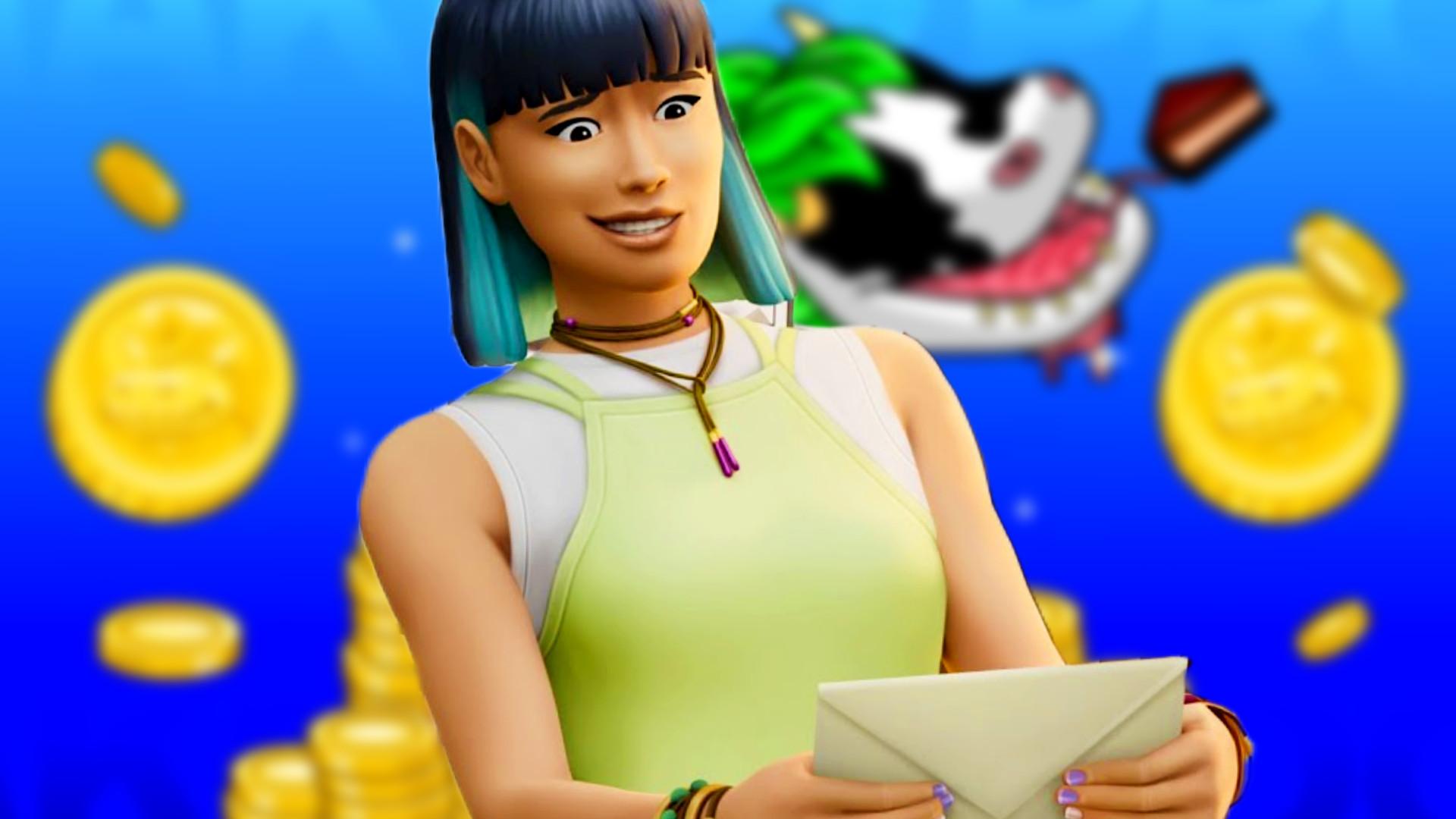
The Sims 4 Marketplace is official: EA's new in-game platform is "designed to support custom content creators and help more players discover their work." By signing up to the 'Maker program,' modders that specialize in custom content are able to publish officially approved items and packs to a store where players can buy them for real money. It isn't replacing traditional free mods, but the low cut that creators are being given from the new Marketplace feels rather stingy, especially after the recent introduction of a similar model in Fortnite.
In order to buy anything on The Sims 4 Marketplace, which will also be the new home for kits, you'll need Moola. The life game's new virtual currency can be bought in increments ranging from 200 for $2.49 up to 5,500 for $49.99, with no way to earn it by playing. You're also able to use your Moola on bigger Sims 4 DLC such as expansion packs, game packs, and stuff packs, although these will continue to be sold through external storefronts like Steam and the Epic Games Store as well.
Maker packs can include "anywhere from three to 50 assets," with the price set by the creator. In order to apply, you must be 18 or older, proficient in English, and go through a 'technical evaluation' by sending two samples of your work. As for what you'll earn when someone buys your pack? EA writes, "Makers take home approximately 30% of the Moola from their pack sales. That means for every 100 Moola someone spends on their content, they earn 30 cents USD."
That seems a little low to me. I don't have the backend numbers, but 30% falls short of what many other games with similar features offer. Fortnite's recently introduced in-island purchases currently give 100% of their V-Bucks value to creators, though this will drop to 50% in 2027. While the Roblox Marketplace offers a similar 30% cut (one that has long been criticized), in-experience sales afford creators 70% of Robux purchases and "up to 90%" for real-money transactions. Minecraft's split isn't explicitly stated, but Creator Marketplace head Aaron Buckeley says creators get "more than half" of what's left after platform-holder cuts.
In explanation for this number, EA writes, "The Sims is covering all costs and fees associated with publishing, including overhead costs such as platform fees, VAT taxes, server costs, and other transactional expenses, which may vary by platform. In addition to covering the publishing fees, The Sims reinvests in the Maker community, supporting Makers, improving tools and resources available to them, funding human-led quality verification, [and] ensuring that every Maker pack is translated into all 18 supported languages."
Signing up to become a Maker doesn't prevent you from offering other goods elsewhere; you "may continue to offer free or paid early access custom content and mods on other platforms." However, anything that you make available to players outside of the Marketplace will be ineligible for inclusion on the official store.

EA also details its content guidelines, noting that everything you build must "be created using supported stencils to ensure compatibility." Naturally, anything that falls outside of the standard Sims age rating is out of the question, as is anything that infringes on third-party intellectual property. EA adds that it "supports the creative freedom of all Makers," with all submitted Marketplace packs reviewed by humans.
The Sims 4 Marketplace launches on Tuesday March 17 for PC and Mac users. It will roll out for Playstation and Xbox "in the next couple of months." We'll have to wait to see where the dice fall on this one, but given how tight-knight the Sims community typically is, I suspect we'll be seeing plenty of push to support creators more substantially in the coming weeks and months.

 English
 Arabic
 French
 Spanish
 Portuguese
 Deutsch
 Turkish
 Italiano
 Russian
 Romaian
 Portuguese (Brazil)
 Greek
Greek