


Your Genetic Ancestry Is Probably Not What You Think It Is
Your Genetic Ancestry Is Probably Not What You Think It Is
Let’s face it: claiming a connection to some foreign nationality or ethnicity on the dubious basis of a great-grandparent or two is as American as apple pie. You know it, countless comedians know it, and now, science knows it too.
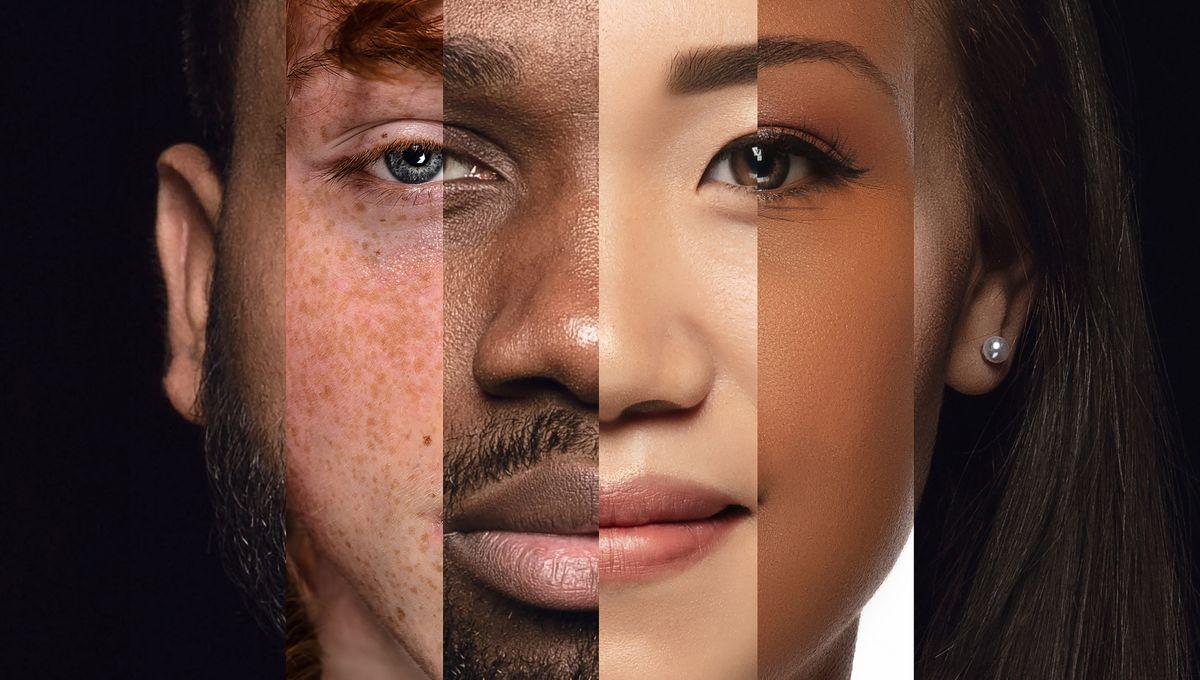
“We conducted the largest population genomics analysis of US samples that reflect the nation’s genetic variation,” reports a new paper based on data from the National Institutes of Health’s (NIH) All of Us Research Program. “[The] results […] demonstrate that social constructs of race and ethnicity do not accurately reflect underlying genetic ancestry.” It’s a finding that, honestly, is not all that surprising: regardless of how “Irish” or “Russian” or “Swahili” you feel or identify with, the truth is you’re likely a mix of various ancestries. For example, “people who identify as being of Hispanic or Latino origin […] have a wide-ranging blend of ancestries from European, Native American, and African groups,” explained a statement about the paper, with those in the Northeast being more likely to have African ancestry and those in the Southwest being more likely to have Native American ancestry. Some of the results may even have shocked the people they belonged to – there were some, the team noted, who self-described as, say, white, and ended up having more than 50 percent African or Native American ancestry. In an age where precision medicine is often being touted as the Next Big Thing in healthcare, these findings are far more than just something for Europeans to post about on r/ShitAmericansSay. When you’re trying to tailor medicine for a particular genome, knowledge of where that genome has come from is probably going to be helpful – indeed, one major takeaway from the research was that quite a few biological traits do correlate with genetic ancestry. “In Europe, for example, height follows a pronounced south-to-north gradient, with taller statures more commonly observed in northern regions,” the paper points out. “Asian and European ancestries were significantly associated with lower BMI, whereas Native American ancestry was associated with higher BMI[;] West-Central African ancestry was associated with higher BMI, while East African ancestry was associated with lower BMI.” That was true “even after adjusting models for key socio-cultural or environmental covariates such as age, sex, race, ethnicity, education, income, Zip Code, and country of birth,” the authors confirm. Genetic ancestry, then, can be an important factor in your overall health picture – what your “normal” is, which illnesses you’re likely susceptible to, and so on. But what this study shows is that, frankly, we don’t always have the best idea of where we truly “come from”. Here’s the thing, though: that’s kind of… fine? It’s long been established that race and ethnicity are social constructs, with no basis in real science – and as it turns out, it’s not like your ancestry is a genetic bullseye in any case. As it turns out, thinking of race and ethnicity as these broad, distinct groups – “African”, “European”, “Asian”, and so on – is simply not reflective of the facts. “Based on classical measures of genetic differentiation […] between participants within race and ethnicity categories, we observed that most genetic variance is within race and ethnicity groups rather than between groups,” the paper explains. That’s not to say it’s useless information. But in the US, at least – other nations with less of a melting-pot culture may be different, and further research will be needed to figure out whether that’s the case – your race or ethnicity is likely not going to help you much with figuring out your genetic ancestry. “Ancestry varies widely within race and ethnicity groups, both nationally and at the state level, emphasizing the inadequacy of such descriptors for defining genetically or biologically distinct populations,” the paper concludes. “However, race and ethnicity may serve as proxies for capturing socio-cultural or environmental factors that are not typically accounted for by standard covariates in association models.” The study is published in the American Journal of Human Genetics.

 Arabic
 French
 Spanish
 Portuguese
 Deutsch
 Turkish
 Dutch
Dutch
 Italiano
 Russian
 Romaian
 Portuguese (Brazil)
 Greek
Greek