


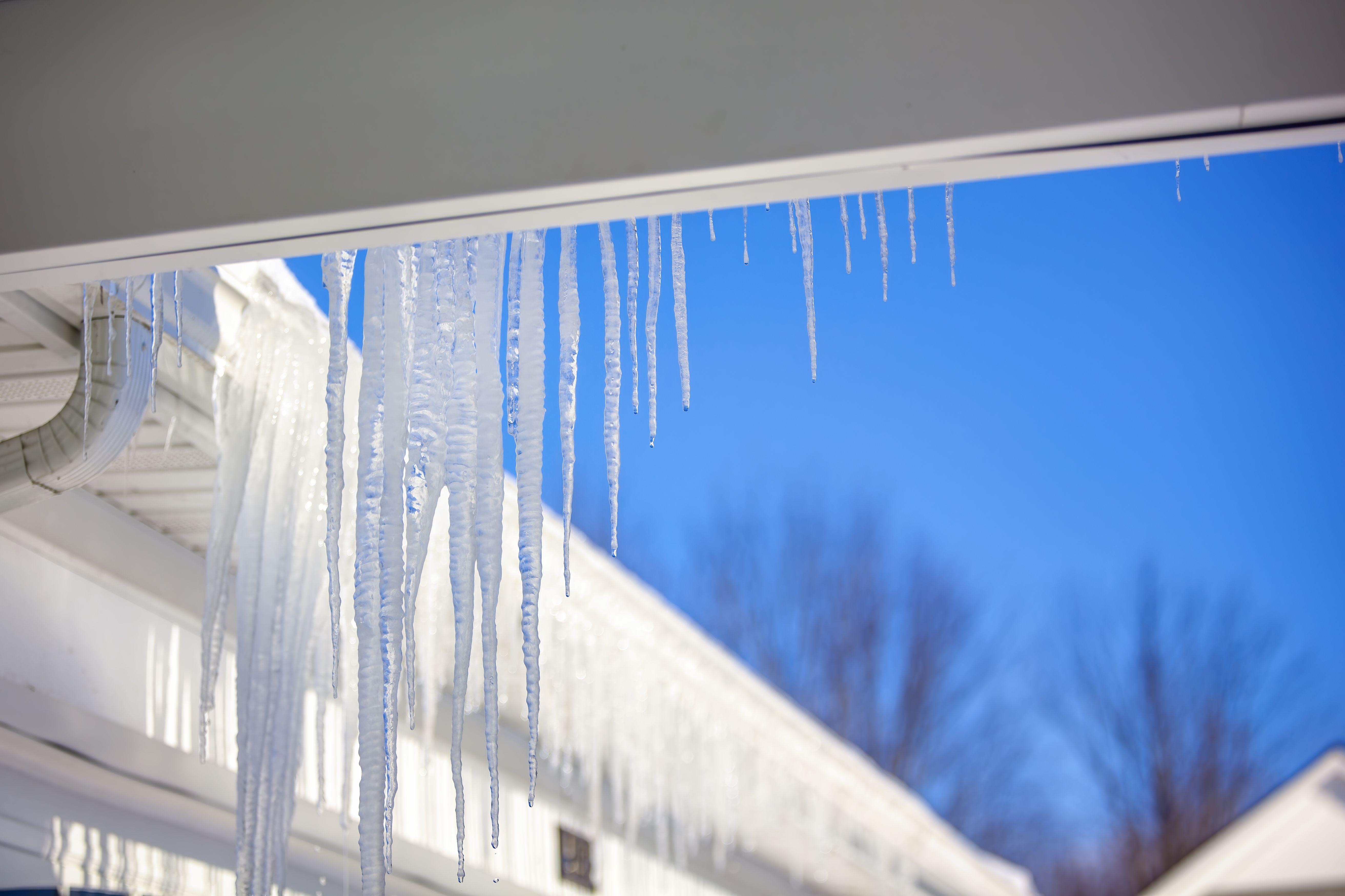
Modern homes are built with specific designs that help protect and preserve the building—one being insulation. This barrier prevents heat from flowing through the home's walls and attic, keeping the house warm in winter and cool in summer. However, the attic insulation quality affects ice formation and energy efficiency, so it's important to inspect and upgrade it as needed.
"Over time, a buildup of ice can compromise the integrity of shingles and gutters. Plus, icicles above sidewalks or walkways can create sheets of ice on the ground below," notes Kiril Ratia, founder of Ratia Construction. For safety and efficiency, it's important to identify the cause of ice and icicle formation on your roof. Read on to learn more about how to identify poor attic insulation and how to fix it.
Kiril Ratia is the founder of Ratia Construction, a full-service residential general contractor serving Chicago and its suburbs. For over 10 years, he has worked on-site in luxury high-rises and historic homes, from small cosmetic fixes to full-scale renovations.
Do Icicles on Your Roof Indicate Poor Attic Insulation?
Icicles on the roof don't necessarily mean the attic's insulation is bad. After all, small icicles tend to form naturally during the winter months. However, large, persistent icicles or ice dams suggest that the roof is being heated, which is the opposite of what you want. An attic should be a similar temperature to the one outside.
"Insulation helps to regulate the temperature of your attic in the winter. If the temperature difference between your attic and the air outside is too extreme, that can cause snow on your roof to melt, leading to icicles," Ratia explains.
While icicle formation may be due to inadequate insulation, it could also result from poor ventilation or inadequate air sealing around chimneys, exhaust vents, and recessed lighting, causing warm air from the home to build up under the roof. When this occurs, the snow on the roof melts and refreezes, creating icicles and ice dams on the roof and eaves.
"To prevent the creation of roof icicles, you need a well-insulated attic, proper home ventilation, and clear gutters," Ratia says. "Icicles and ice damming become problematic when there is a constant cycle of snow accumulating, thawing, and refreezing before the water has a chance to drain away from your home."
Related
Other Signs of Poor Attic Insulation
While icicle formation is only one potential sign of insufficient attic insulation, homeowners should also be aware of other indicators that their insulation may not be adequate for the home. Inspect your attic insulation and watch for these key indicators to determine whether you need to repair or replace it.
- High energy bills: These increased utility costs can indicate problems with your HVAC system, but they may also be due to poor insulation, which forces the system to work harder to maintain a comfortable temperature.
- Drafts from the attic: This is a clear sign that the space has not been properly sealed and insulated, allowing outside air to enter the home.
- Uncomfortable temperatures: If your home is too hot or too cold despite a properly functioning HVAC system, it may indicate a significant insulation issue that needs to be resolved.
- Ice dams: These resemble icicles and form when warm air from the home melts snow on the roof. The meltwater refreezes in the eaves, creating ice dams, which can indicate that the attic insulation needs to be updated.
- Cold ceilings and walls: If you notice this sign, it may indicate insufficient insulation. Depending on the severity of the issue, it could also cause your water lines to freeze or burst in winter.
How to Fix Insufficient Attic Insulation
The most reliable way to address insufficient attic insulation is to hire a professional contractor to remove the old insulation and install new insulation. "I recommend using spray foam insulation in your attic to get the best R-value (a material's ability to prevent the flow of heat) for your home. While expensive upfront, it will help lower your HVAC and utility costs over time. The best value for cost is a hybrid of closed-cell and open-cell spray foams," Ratia says.
However, if the attic insulation is relatively new or the insulation performance isn't severe, there may be other ways to address the issue. Ratia recommends adding more insulation to your attic, increasing attic ventilation, and installing heat ropes in your gutters. Additionally, eliminate gaps where warm air can escape into the attic, such as around pipes, vents, chimneys, or recessed lighting, to help prevent ice formation. Clean the gutters regularly and install double layers of ice and water barriers to prevent ice dam formation.

 English
 Arabic
 French
 Spanish
 Portuguese
 Deutsch
 Turkish
 Dutch
Dutch
 Italiano
 Russian
 Romaian
 Portuguese (Brazil)