


 PUBLISHED
It’s a new year, and what better way to kick it off than by looking back on some of the biggest conservation wins we’ve achieved in the last quarter-century? From making “runways” for the UK’s largest bird to re-wiggling rivers, conservationists have come up with all sorts of ways to give nature a helping hand.
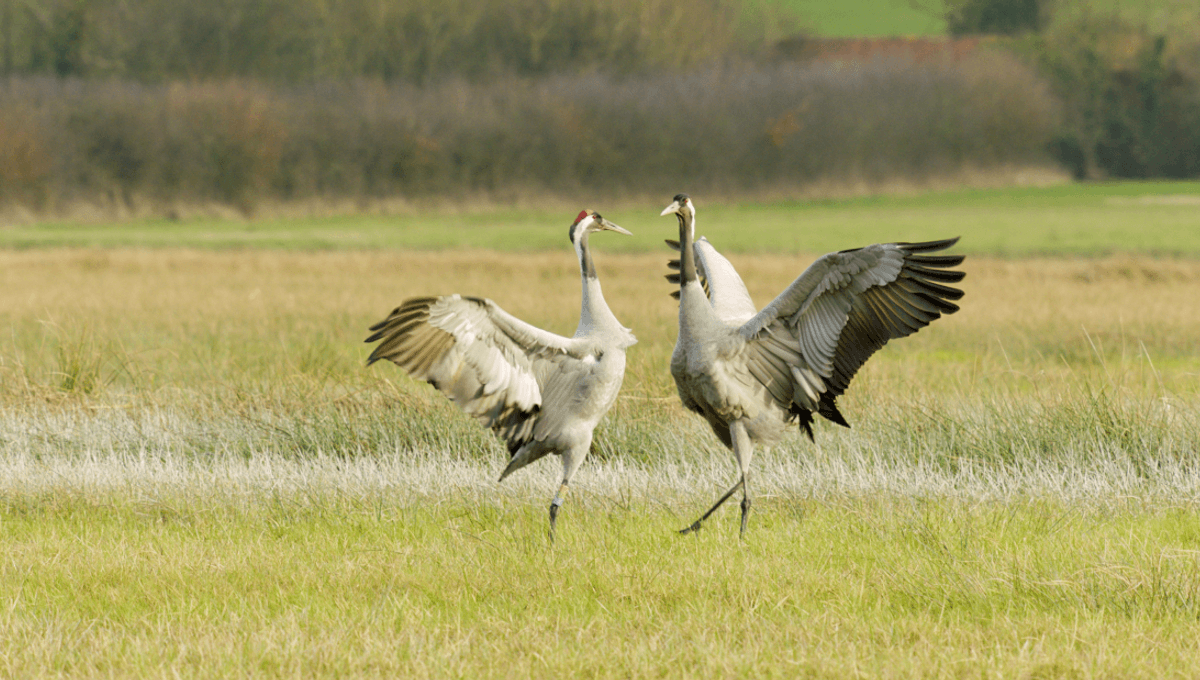
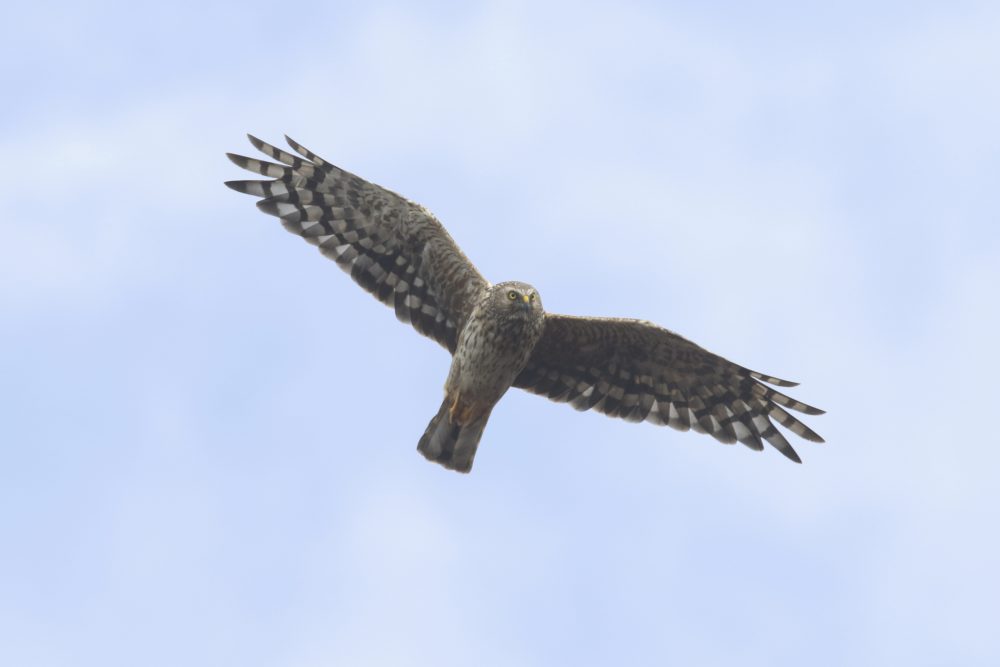
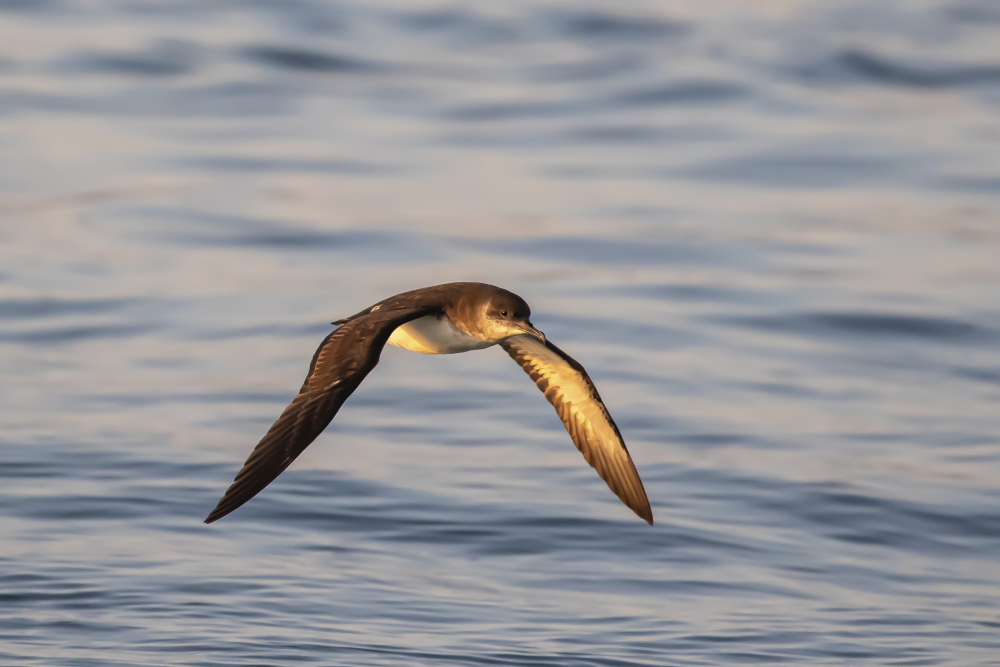
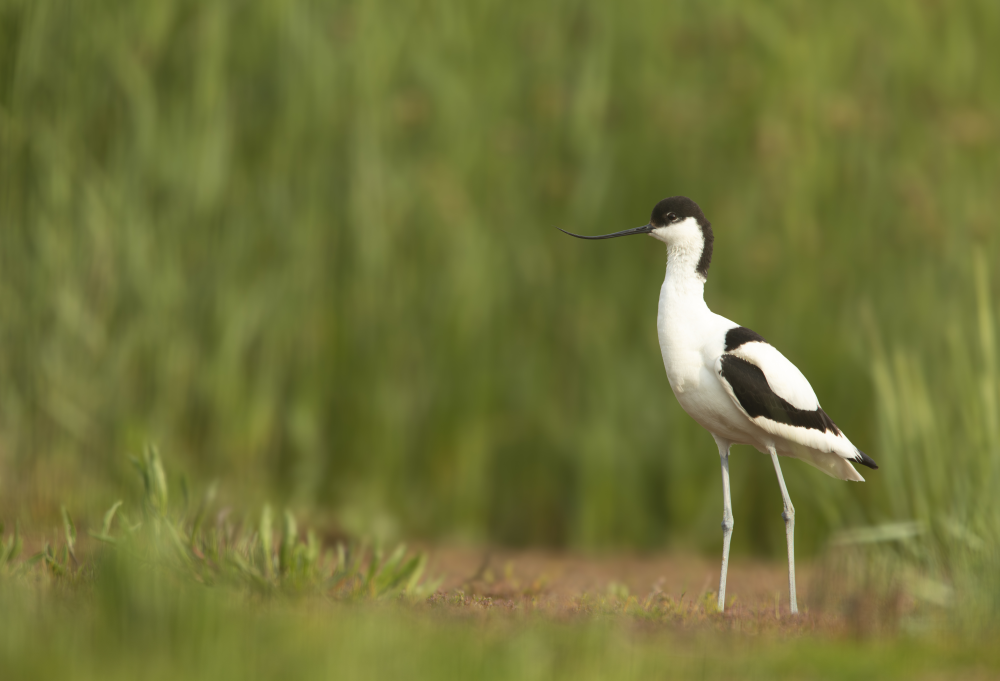
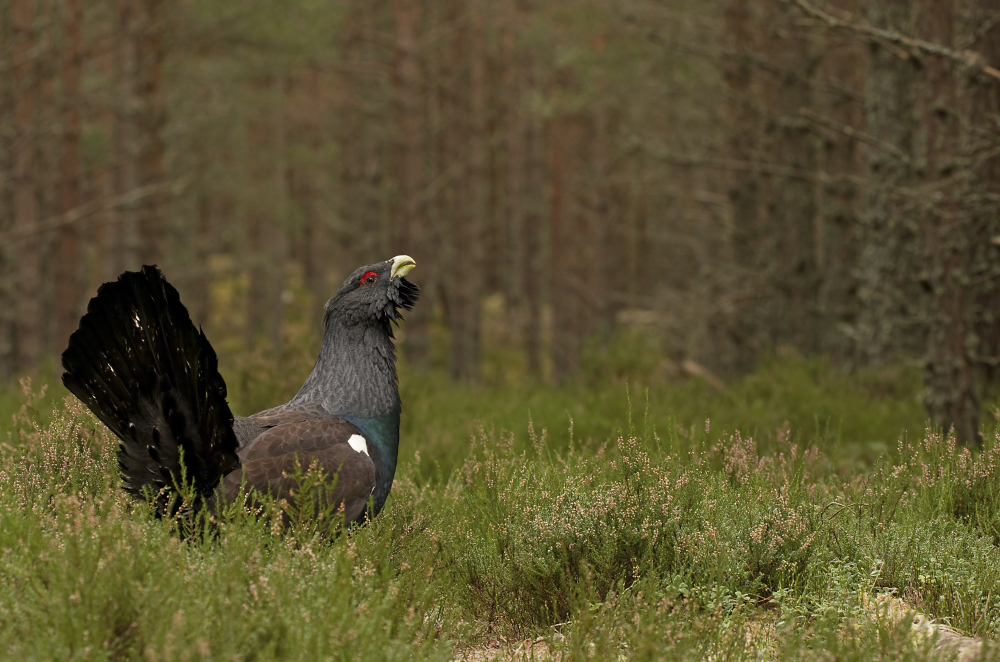
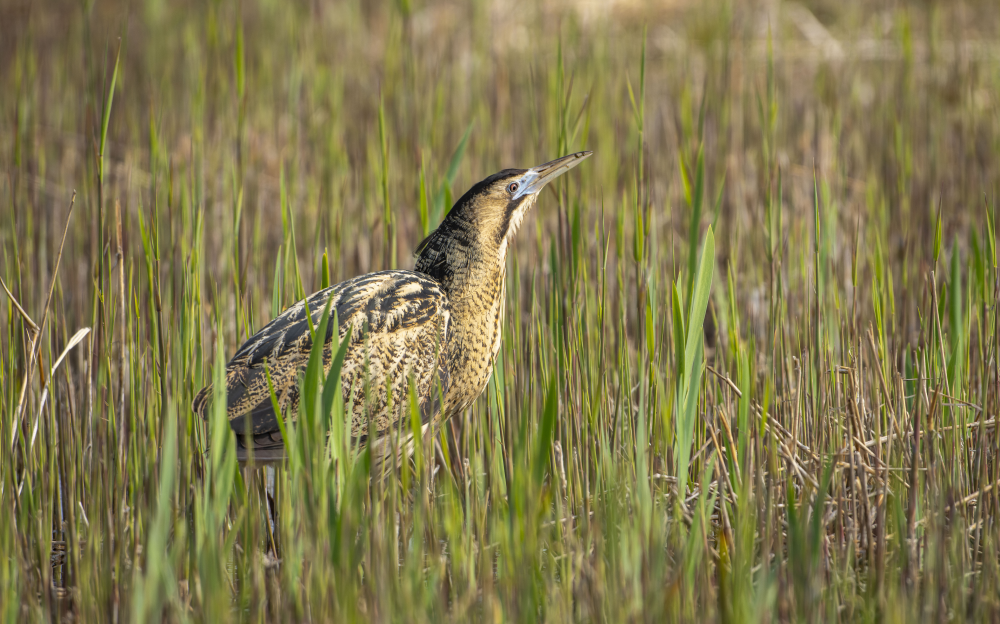
The rest of this article is behind a paywall. Please sign in or subscribe to access the full content. “Since the start of this century, we’ve delivered some of the biggest wins for nature,” said RSPB Chief Executive Beccy Speight in a release emailed to IFLScience. “None of this would have happened without the passion and commitment of our members, volunteers and supporters. Nature still faces huge challenges, but we remain determined to find and champion solutions that give hope - for wildlife, wild places and people – for generations to come.” The UK’s tallest bird towers at an impressive 1.2 meters. Known as the common crane, Grus grus, their numbers have benefited from the introduction of “runways” that encourage nesting in RSPB Lakenheath, Suffolk. A vital step in restoring the population that went extinct in the UK back in the 16th century. “The restoration and protection of the UK’s wetlands have changed the Crane’s fortunes – RSPB nature reserves support more than a third of the UK breeding population with 30 pairs recorded,” says the RSPB. Hen harriers have benefited from the England's largest reserve. Image credit: RSPB A “Pennines Paradise” has been established at RSPB Geltsdale, covering more than 50 square kilometers (19 square miles). The landscape has been boosted by the planting of 110,000 native trees and the re-wiggling of the watercourse Howgill Beck. It’s already having a marked effect on local populations, with 94 bird species now known to breed here. They include the black grouse, hen harrier, merlin, and short-eared owl. “The expansion of our tenure at Geltsdale is thanks to the generosity of members, supporters and donors and will result in even greater wins for nature on this magnificent reserve for many years to come, demonstrating how our uplands can be restored for nature alongside nature-friendly farming,” says the RSPB. A deadly rat infestation was eradicated in Wales. Image credit: RSPB Seabirds on Ramsey Island off the coast of Pembrokeshire, Wales, were once threatened by invasive rats that kill eggs and chicks. No more, however, following their successful eradication back in 2000. Manx shearwaters were particularly vulnerable because they nest in burrows. Their numbers were around 900 breeding pairs when the rats were still around, but a baby boom has seen that number soar to 6,225. “Manx Shearwaters may only weigh the same as a loaf of bread, but they are champions of migration - travelling more than 10,000 miles from their breeding sites in the UK to South America for the winter,” says the RSPB. “The success on Ramsey Island provided valuable information and techniques for further projects around the world, demonstrating how the RSPB is a world leader in conservation.” RSPB Frampton is home to 25,000 wintering waterbirds. Image credit: RSPB Every year, millions of migratory waterbirds make the epic journey along the East Atlantic Flyway – a route that stretches from the Arctic to Sub-Saharan Africa. It sees these birds travel through Frampton Marsh, part of England’s East Coast Wetlands. This habitat is so vital that it’s been awarded World Heritage Site status, having first been established as an RSPB reserve back in 1984. The goal was to restore the redshank population, which is finally on the rise again following centuries of decline. It’s one of many bird species that benefit from this precious habitat. “Frampton celebrated its 40th anniversary in 2024 and now has the largest population of breeding waders of any RSPB nature reserve on the UK mainland, with other breeding wader species including Avocet and Oystercatcher,” says the RSPB. “Frampton is internationally important, supporting over 25,000 wintering waterbirds.” The tide has turned for Scotland's capercaillies. Image credit: RSPB In the Cairngorms National Park, the race has been on to re-wet the landscape through peatland restoration – a crucial carbon sink. Working with RSPB Abernethy, conservationists have also planted 12,000 broadleaf trees, doubling the size of the forest that’s a critical habitat for a host of remarkable wildlife. “The recovery of rare Capercaillie has been successful over recent years with the number of lekking males continuing to increase, bucking the national trend,” says the RSPB. “A range of other rare and special species can also be found here, including Golden Eagle, Crested Tit, Red Squirrel and Pine Hoverfly, which is testament to the successful conservation efforts across the nature reserve.” Bitterns faced extinction in the UK, but their numbers are rising. Image credit: RSPB Bitterns were once facing extinction in the UK, with just 11 males living there in 1997. The RSPB has been working with its conservation partners to reverse this, and has managed to raise that number to 138. Around half of these call RSPB reserves home. It demonstrates how pivotal the restoration of degraded habitats can be in shaping a species’ chances of survival. “These wins for nature give hope for wildlife and the natural world on which we all depend,” added Speight. “The RSPB is a world leader in conservation, and these successes are just a handful of our incredible achievements.” “Whilst nature remains hugely threatened by challenges such as climate change, intensification of agriculture, habitat loss, inappropriate development and inaction from government, we are proud of our role, alongside our members, volunteers and supporters, in helping to bring hope for nature for many years to come.”The common crane’s comeback
The biggest nature reserve in England
Seabird baby boom
A world-heritage waterbird haven
Re-wetting the wild
Booming bitterns



 English
 Arabic
 French
 Spanish
 Portuguese
 Deutsch
 Turkish
 Italiano
 Russian
 Romaian
 Portuguese (Brazil)
 Greek
Greek