


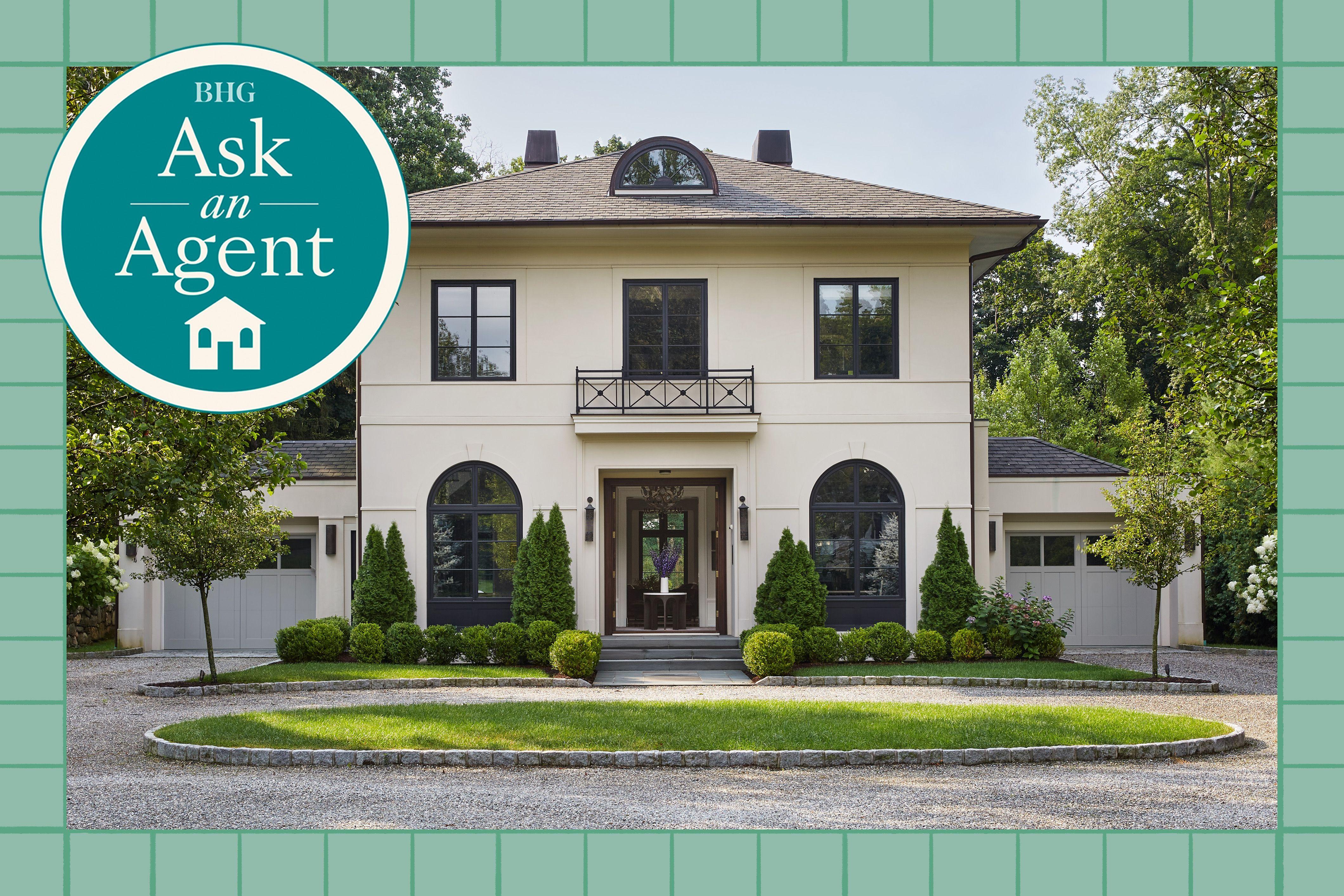
Does location still matter most? Should you remodel your home to suit your tastes or for resale value? Are starter homes still a thing? We all have plenty of questions about the ever-changing world of real estate. In our Ask an Agent series, we’re partnering with experts at Better Homes and Gardens Real Estate to answer your biggest questions about finding, buying, and selling a home.
If you're preparing for your first home-buying experience, you're unlikely to be aware of all the additional costs that can pop up during the process. While you might be budgeting based on your home's purchase price and estimated monthly mortgage, you should always be prepared for extra costs along the way. To learn about these added expenses, we asked a real estate agent for expert advice on what homebuyers should be prepared to pay for beyond the purchase price.
Amy Hummer
For this installment of Ask an Agent, we spoke with Amy Hummer of Better Homes & Gardens Real Estate Steinborn & Associates to learn what expenses you should prepare for on top of a home's purchase price.
Amy Hummer is the co-owner and qualifying broker of Better Homes & Gardens Real Estate Steinborn & Associates, located in Las Cruces, New Mexico.
Ask an Agent: What Additional Costs Should I Prepare for Aside from the Purchase Price?
The saying I like to use with buyers is that your purchase price (including your down payment) is just the headline, and all the other costs are the fine print. You should always know the fine print before you go into the home-buying process. You'll have closing costs and inspections, which could include multiple inspections, such as termite, pest, roof, and pool inspections. These are all things that you need to be prepared for on the cost side. You'll also have an appraisal and a survey. In some markets, we have transfer taxes, and those can surprise buyers if they're unaware they exist in their market or state.
You also need to have a really good conversation with the lender that you've chosen, because they might require prepaid interest up front. They might require additional items, such as escrow reserves for your homeowner's insurance, and may want them in advance. You also need to be prepared for possible moving expenses or utility deposits. Furthermore, you might need to pay for minor fixes in the house that weren't part of the home-buying process.
I think it's the expenses after moving day that catch people off guard more than anything. Have a good, solid conversation with your lender so you know exactly where you stand before you close. This will vary from market to market and depending on the type of property you've purchased, but typically I tell people to be prepared to pay 3-5% of the home's purchase price, excluding your down payment. A good realtor can help you make sure you've got the numbers right.
This interview has been edited for length and clarity.

 English
 Arabic
 French
 Portuguese
 Deutsch
 Turkish
 Dutch
Dutch
 Italiano
 Russian
 Romaian
 Portuguese (Brazil)
 Greek
Greek