


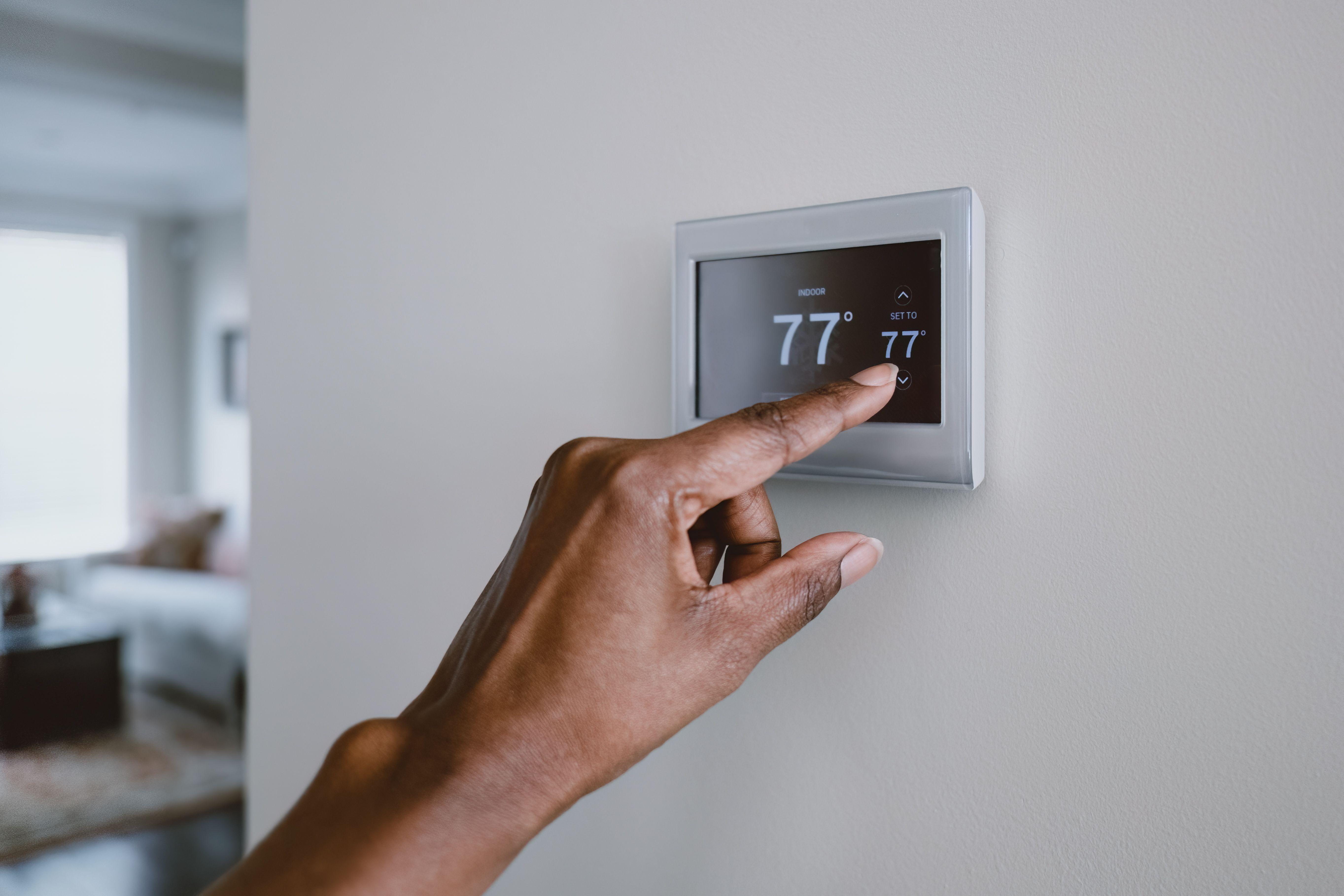
Finding the optimal temperature settings for your home is not a one-size-fits-all task. It is a combination of various factors, including budget, energy usage, climate, and personal comfort.
According to Brad Roberson, president of Aire Serv, setting your thermostat at the right temperature can maintain comfort, lower energy bills, and extend the life of your HVAC system. "Additionally, you can monitor your system’s performance and receive maintenance alerts, contributing to its longevity and efficiency,” says Roberson. “Integrating your thermostat with other smart home devices can enhance overall home automation and convenience, making your life easier and more connected.”
Here are guidelines on how to effectively utilize your thermostat, no matter where you live.
Getty Images / Grace Cary
Brad Roberson is president of Aire Serv, a Neighborly company, that provides HVAC services to residential and commercial clients.
Why Adjust the Thermostat Settings
The set-it-and-forget-it mentality has no place when it comes to your thermostat, according to Roberson. Keeping an eye on your thermostat is crucial to staying on top of your HVAC knowledge and maximizing your energy and cost savings.
“Understanding how to program your thermostat for different times of the day or week allows you to create heating and cooling schedules that align with your daily routine, ensuring comfort when needed and energy savings when not,” he explains. If you have a smart thermostat, you can use its insights into your daily routine to maximize energy consumption and maintain a comfortable living environment.
Best Thermostat Settings for Summer vs. Winter
When things heat up during the summer, your HVAC system might work around the clock to keep your house cool even when you’re not in it. Alternatively, turning your system off completely can create a balmy environment that is no good for your home in general and could have your AC working overtime (which could be dangerous to its health) to cool things down when you switch it back on.
Summer Thermostat Settings: “During the summer, aim for a thermostat setting of around 78°F when you’re not at home,” Roberson suggests. “If you have a programmable thermostat, set the temperature lower to a comfortable level before heading home.” This way, you can balance your comfort with cost savings.
Winter Thermostat Settings: In winter, a temperature of 68°F is typically comfortable enough for when you’re home. During the evening, if you're away or when you’re snuggled up in bed, lower the temperature to save on heat costs.
“These settings can vary based on personal preference and the climate in your region,” says Roberson. “However, optimizing your thermostat settings according to your daily schedule and comfort needs can lead to energy savings.”
Best Thermostat Settings for Daytime vs. Nighttime
Maximizing your sleep is just as important (or perhaps more so) as maximizing your AC settings. Creating an ideal temperature will vary from daytime to nighttime for reasons of comfort, but it can also be a great way to save energy and money, says Roberson. The ideal temperature needs to fluctuate based on the season and outdoor temperature.
Summer Months
- Daytime: Roberson suggests setting the thermostat around 78°F when you’ll be out of the house for the day. “This provides a balance between comfort and energy savings,” says Roberson. If needed, you can kick it down a couple of degrees when you’re home.
- Nighttime: During the overnight hours, Roberson suggests setting the thermostat around 72°F-75°F.
Winter Months
- Daytime: A temperature of 68°F is generally comfortable enough for a daytime setting during the cold winter months. Alternate forms of heat can help you lower that temperature for an additional cost and energy savings.
- Nighttime: “Lower the thermostat setting by a few degrees during the night, ideally around 62°F-65°F,” suggests Roberson. To ensure you’re nice and toasty, call on extra blankets and warm PJs before you kick up the thermostat.
Best Thermostat Settings for When You’re Away
“When traveling, it’s a good practice to adjust your HVAC settings to save energy and maintain a comfortable yet efficient environment in your home,” says Roberson. While adjustments are necessary, they vary by season.
Summer Travel
Set your thermostat to a temperature of around 82°F when you’re traveling during the summer. “This prevents your cooling system from running unnecessarily but still keeps the indoor temperature from rising to extreme levels,” says Roberson.
Winter Travel
A consideration during the winter is maintaining enough warmth to keep your pipes from freezing. “Around 55°F-60°F is a reasonable range,” says Roberson. “This allows your heating system to run less frequently while protecting your home from extreme cold.”
Related
It’s important to remember that the settings that are best for your travel routine will vary based on your home, your comfort levels, and cost and energy savings goals. “These recommendations aim to balance energy savings with preventing extreme indoor temperature fluctuations,” says Roberson.
Why Proper HVAC Maintenance Matters
Proper HVAC maintenance includes filter and vent upkeep, ensuring both are clean and unobstructed. You also want to make sure your home is outfitted with adequate insulation. “In winter, your heating system should be in top shape, and drafty areas sealed to prevent heat loss,” Roberson says. “Regular HVAC maintenance is crucial for efficiency in [all] seasons.”
While there’s a certain level of maintenance you can take up on your own, such as replacing AC filters and cleaning air registers, hiring an HVAC professional for annual maintenance and consulting with the pros on your ideal temperature settings for your home and climate can help you maximize your system.
Eco-Friendly Home Temperatures
What feels comfortable to you will be a little bit different than what's best for the environment—and your HVAC bills! To reduce your energy usage, commit to a slightly warmer thermostat setting in the summer and a slightly cooler one in the winter. This means you'll want to dress a little differently around the house to remain comfortable. So before you head to the thermostat to raise the furnace temperature, put on a sweater.

 English
 Arabic
 Spanish
 Portuguese
 Deutsch
 Turkish
 Dutch
Dutch
 Italiano
 Russian
 Romaian
 Portuguese (Brazil)
 Greek
Greek