


What's The Difference Between Buffalo And Bison?
There Are Big Differences Between Buffalo And Bison
“Buffalo” and “bison” are sometimes used interchangeably, especially in the US, but scientifically speaking, they are very different animals. Both are large, horned beasts related to cattle, but they differ in their geographical range, appearance, behavior, and taxonomic family history.
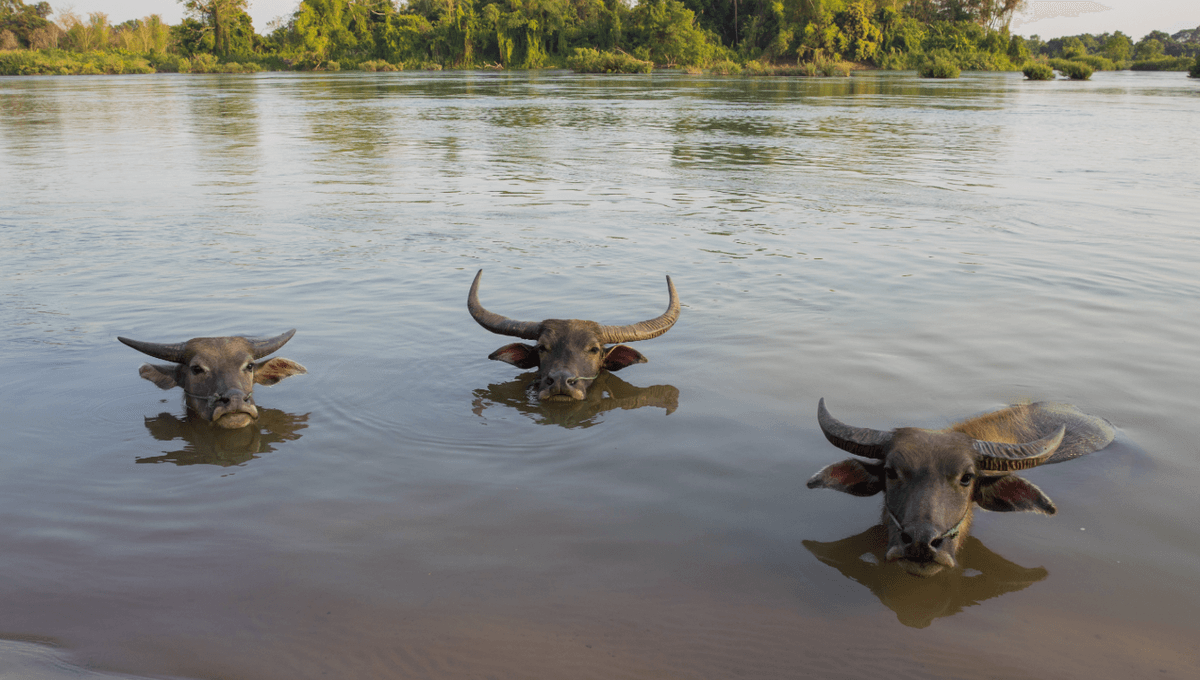
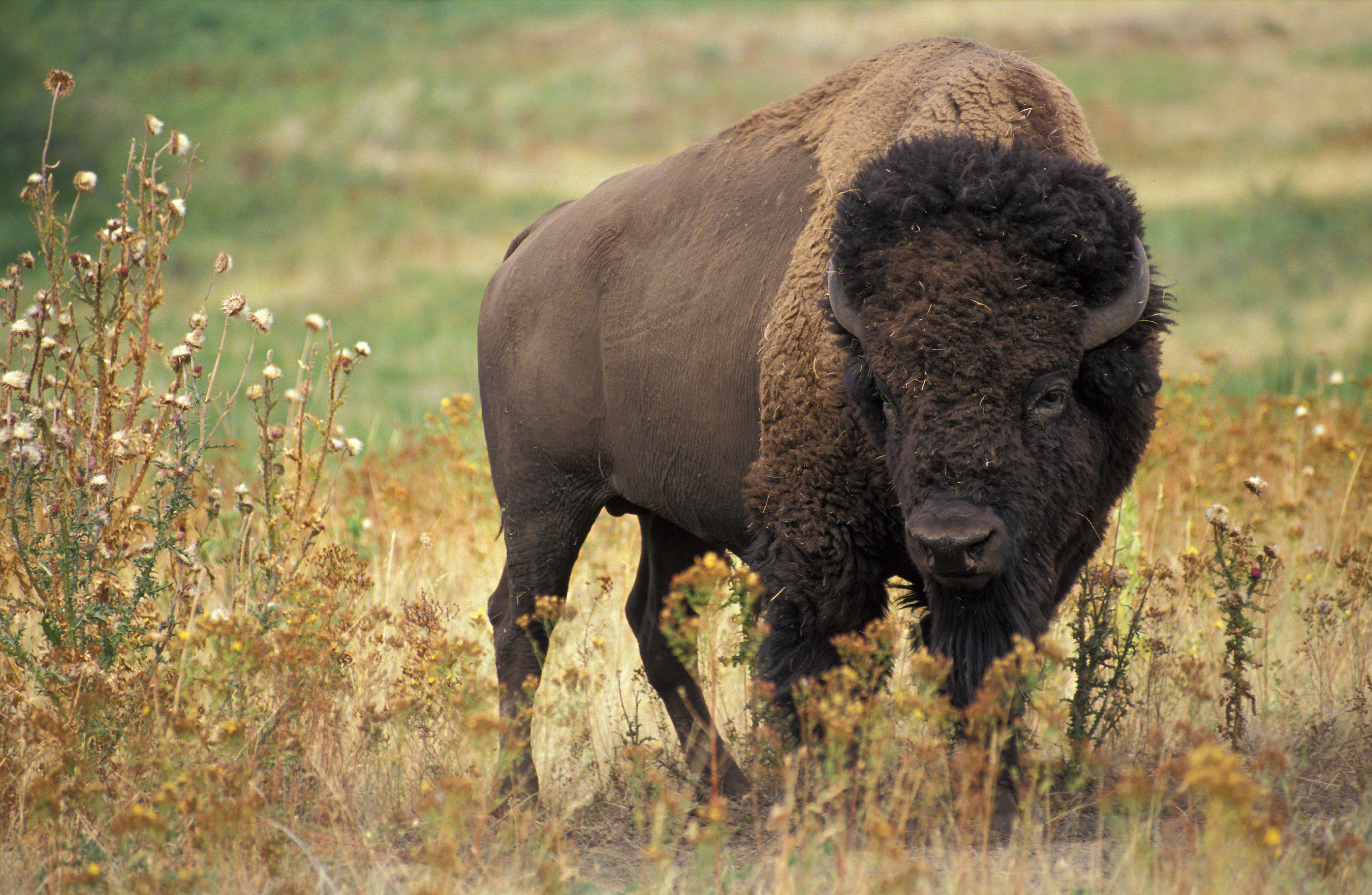
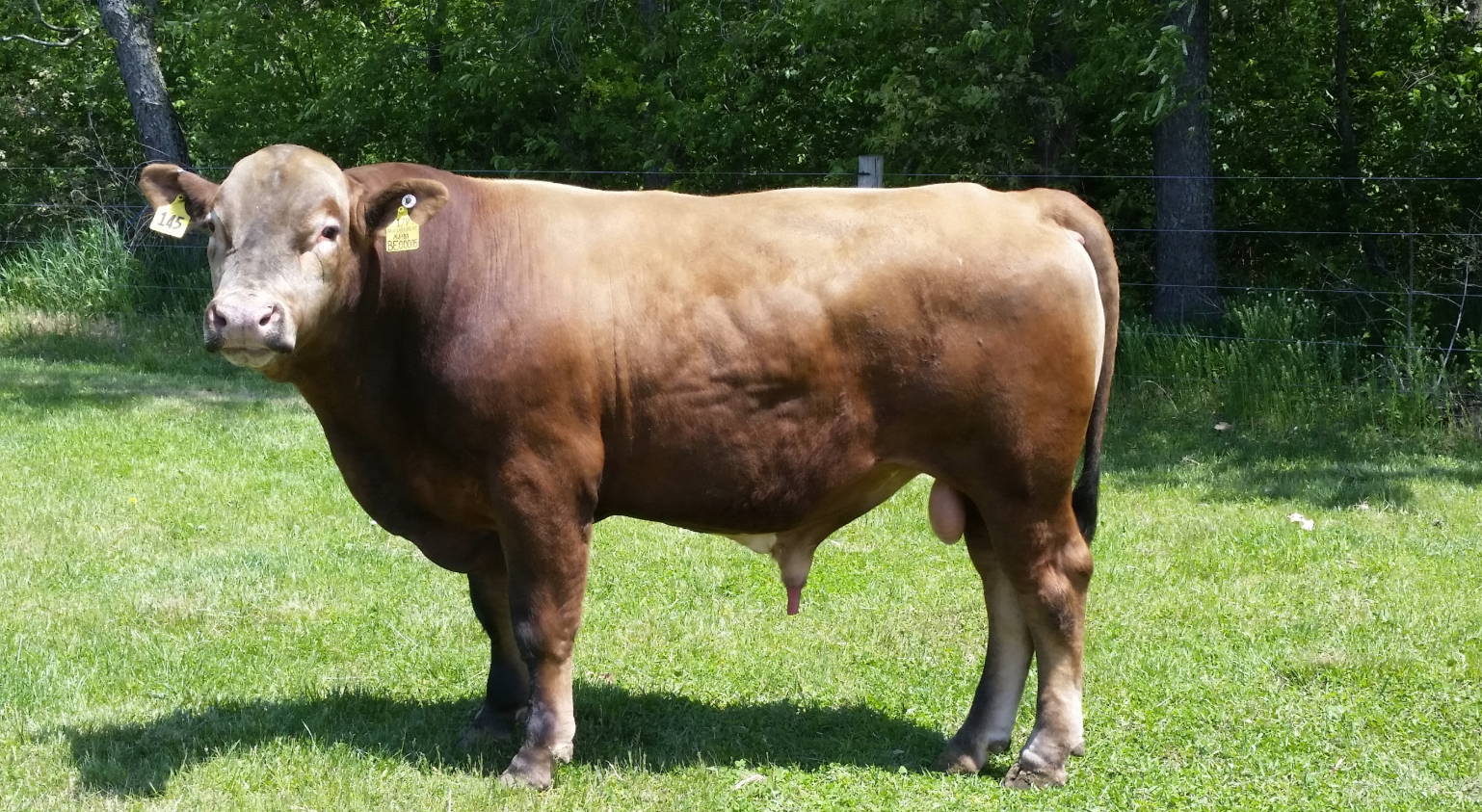
The rest of this article is behind a paywall. Please sign in or subscribe to access the full content. A simple (though not perfect) rule of thumb to know the difference between bison and buffalo is geography: However, the confusion arises because American bison are colloquially referred to as “buffalo,” despite not being true buffalo. This nickname stems from a misunderstanding made by early European explorers who encountered the shaggy, cattle-like animals of the Great Plains and mistook them for the similar creatures back home. To add to the muddle, species of true buffalo have since been exported to many parts of the world beyond their natural range, including the US. True buffalo, also known as Bubalina, are a subtribe of wild cattle (Bovini) that are found naturally in sub-Saharan Africa, South Asia, and Southeast Asia. This includes various species, but the best-known is the water buffalo (Bubalus bubalis), native to the Indian subcontinent and Southeast Asia. Here, they were domesticated thousands of years ago, where they are still used for their dairy, meat, and transport. As their name suggests, they are very fond of water. Water buffalo will frequently wallow in mud or take a dip in a river, especially in the summer months when the water is used to help cool down. There is also the African buffalo (Syncerus caffer), often called the Cape buffalo. Far more unpredictable and aggressive than their Asian cousins, African buffalo have never been domesticated and are considered among the most dangerous large mammals in Africa. Water buffaloes wallowing in mud in Sri Lanka. On the other hand, bison are a group of wild cattle made up of two surviving species: the American bison (Bison bison) and the European bison (Bison bonasus). American bison are the largest land mammals in North America, known for their stocky build, fleecy brown fur, and a large shoulder hump. They are divided into two subspecies: wood bison (Bison bison athabascae) and Plains bison (Bison bison bison). Plains bison are generally smaller and have a shorter, more rounded shoulder hump, while wood bison are larger with a taller, more pronounced hump. Their ranges also differ: Wood bison are found primarily in the northern regions, whereas Plains bison historically occupied the more southerly plains and prairies. An American bison, which isn't technically a buffalo. Image credit: Jack Dykinga/USDA via Wikimedia Commons (Public Domain) European bison (Bison bonasus) are somewhat similar to their American counterparts, although they are taller, lankier, and less shaggy. These differences reflect their woodland habitats, which favor a more agile build and longer legs for navigating forests rather than the open plains. Once found throughout the continent, European bison are primarily found today in protected forest reserves in a handful of countries, namely Germany, Switzerland, Poland, Belarus, and Lithuania. Beefalo: Not just a beefy cow. Any discussion of buffalo and bison deserves a mention of their domesticated, hybrid relative: the beefalo, aka cattalo. This hybrid is the result of active crossbreeding between domestic cattle and American bison, developed by farmers aiming to combine the tameness and manageability of domestic cows with the lean, flavorful meat of bison. Once again, the name is a bit confusing – there’s actually no true buffalo involved – although admittedly, beefison doesn’t have quite the same ring to it.What Are Buffalo?
.jpg "Water buffaloes wallowing in mud in Sri Lanka")
What Are Bison?
American Bison Vs European Bison
What Is A Beefalo?

 English
 Arabic
 Spanish
 Portuguese
 Deutsch
 Turkish
 Dutch
Dutch
 Italiano
 Russian
 Romaian
 Portuguese (Brazil)
 Greek
Greek