


Hib: The Deadliest Disease You Might Never Have Heard Of (Because Vaccines Are Awesome)
Hib: The Deadliest Disease You Might Never Have Heard Of (Because Vaccines Are Awesome)
It’s always a good day to celebrate vaccines. As one of the all-time great achievements in medicine, vaccines are the reason humanity has been able to eradicate smallpox, end the “summer plagues” of polio, and slash the incidence of cervical cancer, to name just a few. But there’s one disease that gets a bit less publicity, despite it being a significant cause of serious childhood infections before a vaccine was introduced in the 1980s: Hib.
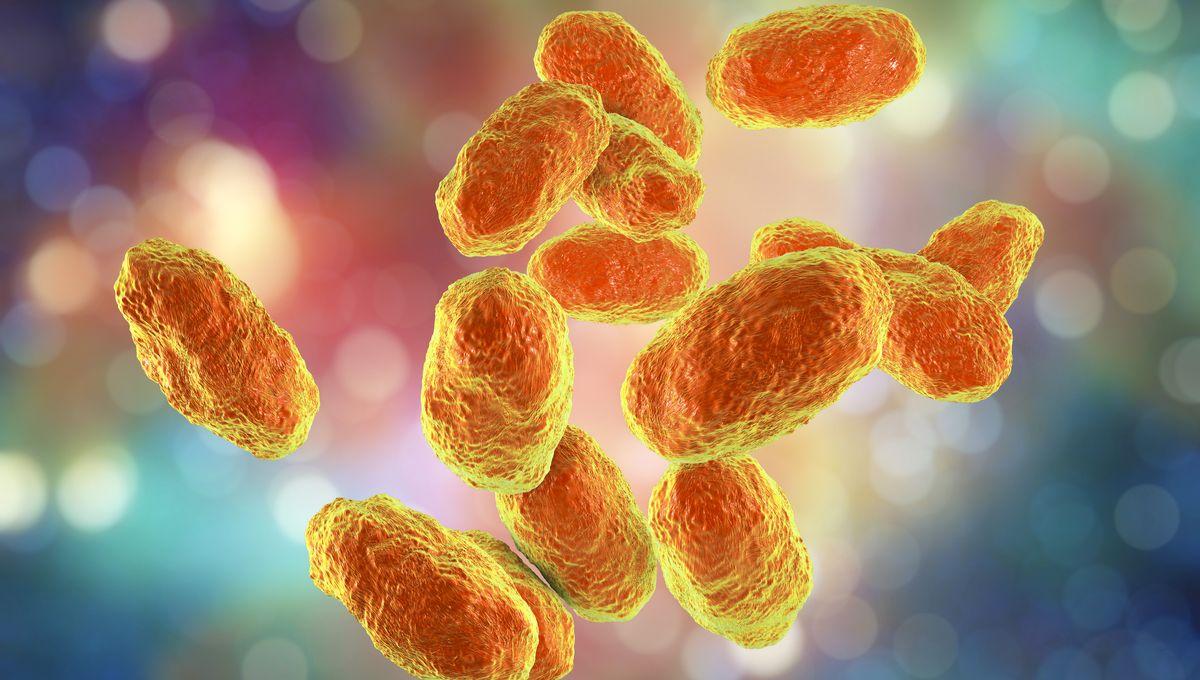
The rest of this article is behind a paywall. Please sign in or subscribe to access the full content. Hib disease is caused by a bacterium called Haemophilus influenzae type B. First described in 1892 by Richard Pfeiffer, it was thought at the time to be the cause of influenza, as the bacteria were found in sputum samples from influenza patients. It was a good thought, but now we know that the flu is caused by a virus. H. influenzae was later understood to be a secondary infection in these patients. In fact, the bacterium can sometimes sit harmlessly inside the nose. But when it does cause disease, it can quickly get very serious. These invasive infections overwhelmingly affect children. Before the vaccine, the bacteria were thought to be present in the noses of 0.5-3 percent of healthy children but were strikingly uncommon in adults. Up to 60 percent of invasive Hib disease occurs before the age of 12 months, with babies aged 6-11 months being most often affected. Younger infants can receive some protective antibodies from the placenta and breast milk. Hib used to be the most common cause of bacterial meningitis in children, with symptoms including fever, headache, stiff neck, and vomiting. In more severe cases, this could progress to seizures and coma. Case fatality rates vary depending on access to prompt medical care and antibiotics, but can be as high as 40 percent, according to the European Centre for Disease Prevention and Control (ECDC). Even with recovery, meningitis carries the risk of lifelong complications, including vision and hearing loss. Other presentations of Hib disease include epiglottitis, a potentially deadly swelling of the throat, cellulitis, pneumonia, and septicemia. “Even with medical treatment, about 1 in 20 children who develop Hib meningitis die,” explains the Vaccine Knowledge Project at the University of Oxford. “Before a vaccine was introduced, it is estimated that there were up to 1,500 cases of Hib disease every year in the UK, leading to about 900 cases of meningitis and 60 deaths each year.” A vaccine against Hib was first introduced in the United States in 1985, with an improved version coming two years later. Vaccines against Hib are inactivated and contain a small part of the bacterium – enough to prompt the immune system to mount a good response, but not enough to actually cause disease. Nowadays, there are a range of options for vaccinating against Hib and it’s a standard part of the infant immunization schedule in many countries. In the US, it’s recommended that kids receive three to four doses, depending on the vaccine type, at 2 months, 4 months, 6 months, and between 12 and 15 months of age. Vaccination is generally not thought to be necessary for over-5s, except in some cases of immune deficiency. In the UK, babies born today will receive a Hib vaccine as part of a six-in-one formulation that also protects against diphtheria, tetanus, whooping cough, polio, and hepatitis B. The schedule includes three doses of this alongside other vaccines. But we know that vaccine access is not equitable across the globe. The ECDC quotes World Health Organization (WHO) figures suggesting that there are still 3 million episodes of serious Hib disease worldwide every year. Vaccine coverage is currently estimated at 78 percent, but there’s huge variation, with the WHO Western Pacific Region only reaching 34 percent. And improving coverage of this vaccine is only going to get more important, as antibiotic-resistant strains of H. influenzae are now starting to be identified.

 English
 Arabic
 French
 Spanish
 Deutsch
 Turkish
 Dutch
Dutch
 Italiano
 Russian
 Romaian
 Portuguese (Brazil)
 Greek
Greek