


This Mini Dragon Is One Of The World’s Rarest Amphibians With Just 150 Individuals Living In One Lake
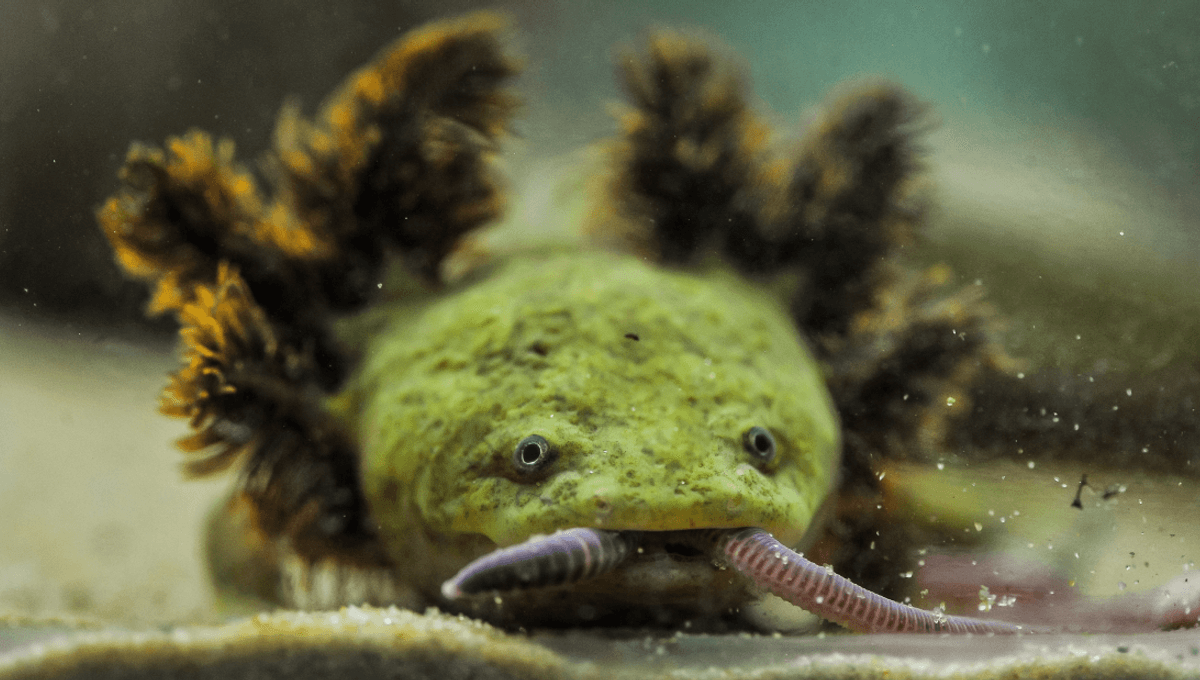
One Of The World's Rarest Amphibians Lurks At The Bottom Of Lake Pátzcuaro
Strange dragons can be found lurking at the bottom of a lake in Mexico. Known as achoque salamanders, these mysterious amphibians are among the rarest in the world, found only in Lake Pátzcuaro.
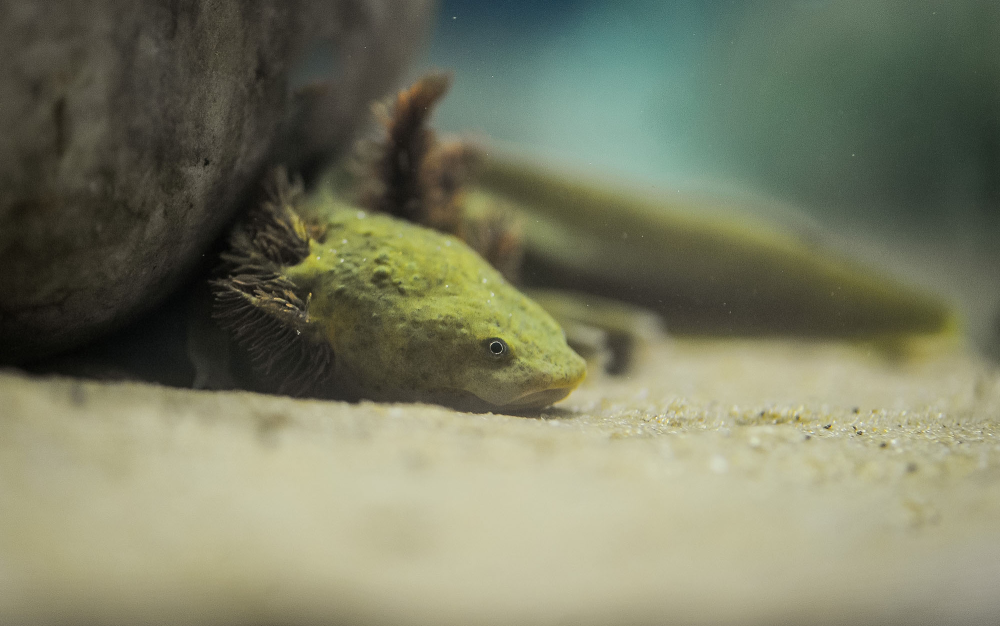
The rest of this article is behind a paywall. Please sign in or subscribe to access the full content. Now, an ambitious new project has microchipped these creatures for the first time, making it easier to identify individuals. Something that really is much easier said than done when it comes to amphibians. “Achoques are very difficult, perhaps impossible, to tell apart by sight alone,” said project lead Adam Bland, Assistant Team Manager for Amphibians at Chester Zoo, in a release emailed to IFLScience. “Working with the vets at Chester Zoo, we developed a way to quickly place a microchip under their skin, but we needed to make sure it will stay in place and have no negative effects on the salamander.” “Because of their aquatic lifestyle and unique regenerative biology, amphibians and salamanders in particular cannot always easily be tagged, ringed or marked. Microchips offer an alternative, but because of that same weird biology, amphibian species have been known to absorb microchips into their body and excrete them or push them back out through their permeable skin over time.” Against the odds, a team of conservationists with Chester Zoo have succeeded in implanting tiny ID chips into 80 achoque salamanders. The process of chipping them is, understandably, a delicate one, and so not something you want to go trialling in wild animals for the first time. Luckily, help here came from a somewhat unexpected source: a group of nuns. Yes, the nuns of the Monasterio de la Virgen Inmaculada de la Salud have a long history with achoque salamanders. At one time they were used to make a traditional cough medicine, but when their numbers stated to plumet, the nuns began breeding them. Now, they care for hundreds of living salamanders in tanks at the monastery and have become a vital lifeline for this critically endangered species. It's thought there are just 150 adult achoques left in their exclusive home of Lake Pátzcuaro in the state of Michoacán, Mexico. That’s why they’re also known as Lake Pátzcuaro salamanders, but their scientific name is Ambystoma dumerilii if you want to get fancy. Saving salamanders? It takes a village and a monastery. Image credit: Chester Zoo Being able to identify individual achoque salamanders in Lake Pátzcuaro will aid conservation efforts, but first the team needed to check if the methodology for microchipping them was safe. So, before they took their rice-sized microchips to the wild population, they paid a visited to the monastery. The nuns were able to provide 28 salamanders for the study, and further individuals were enrolled from Chester Zoo, the Centro Regional de Investigaciones Pesqueras Pátzcuaro, and the Universidad Michoacana de San Nicolás de Hidalgo. “We chipped 80 Ambystoma dumerilii to make sure the method would work for wild achoques,” said Bland. “We were chipping them with the nuns watching protectively. It’s a real demonstration of how anyone can be involved in conservation. People from all different backgrounds are working to save this species.” These salamanders are rarely seen in the wild and almost impossible to tell apart visually. Being able to identify individuals could be transformative for conservation. Image credit: Chester Zoo The salamanders were checked 20 days after the chips’ implantation, and this monitoring continued for a further four months. Happily, the team found no major changes in response to the chips, with no long-term health impacts reported for any of the 80 salamanders, and better yet? The chips all stayed in place. The conservationists now plan to catch and chip wild achoques so that their health and numbers can be reliably monitored. It’s likely to be mucky, fiddly work, but it’ll be worth it. “Getting people interested in a salamander that lives 12-meters down in the mud at the bottom of a lake is difficult, but they really are interesting and have a lot of cultural value to local communities,” said Bland. “There’s a real chance of having a positive conservation impact for achoques and other misunderstood species.” The study is published in the Journal of Zoo and Aquarium Research.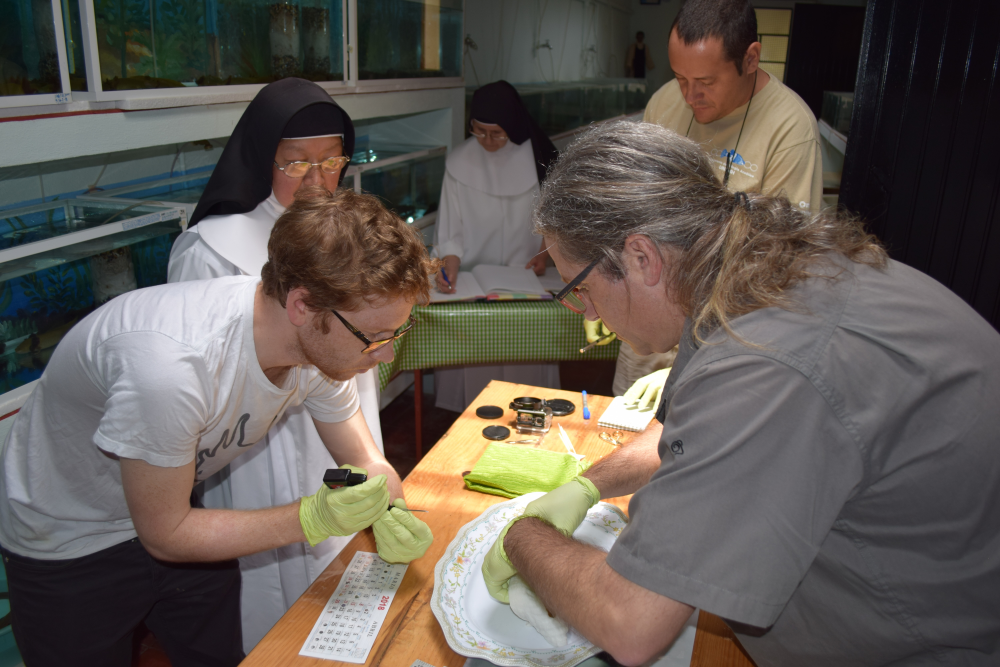

 English
 Arabic
 French
 Spanish
 Portuguese
 Deutsch
 Turkish
 Italiano
 Russian
 Romaian
 Portuguese (Brazil)
 Greek
Greek