


WWW.CATSTER.COM
Decoding The Cat Loaf: What It Means and When to Worry
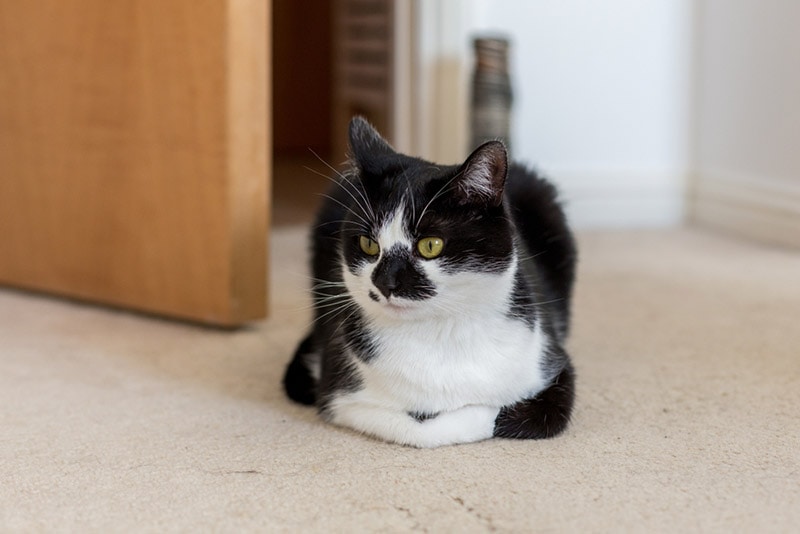
Few cat behaviors have captured the internet quite like the loaf. Paws tucked neatly beneath the body, tail wrapped in, perfectly rectangular. As one of the most recognizable cat positions, it has generated myriad memes, fan accounts, and general appreciation from people who live with cats.But most of us have no idea what it actually means, or that in rare cases, it can be a sign that something is wrong.What Is The Cat Loaf?The loaf is exactly what it sounds like: a cat sitting with all four paws folded underneath the body, forming a compact, boxy shape with no limbs visible. For some cats, this is their go-to pose, while others barely loaf at all. A cat that never loafs is not missing something, and a cat that loafs all day is not necessarily in distress. Individual preference plays a significant role in how often any particular cat ends up in this position, but there are a few other recognized explanations for this tidy feline form.You are free to use this image but we do require you to link back to Catster.com for creditRelaxation and TrustThe most common reason cats loaf is simple: they are relaxed and at ease. The position itself tells a story. With paws tucked under the body, a cat is not braced to run, jump, or defend itself. Getting up quickly from a full loaf takes a moment, which means a cat that chooses this position does not anticipate needing to move in a hurry.Cats are naturally vigilant animals, so the fact that loafing puts them at a slight physical disadvantage is precisely what makes it a meaningful posture. A cat that loafs is a cat that feels genuinely safe in its environment.Comfort and Personal PreferenceIn the simplest of terms, many cats simply find the position comfortable. The body is supported evenly, the paws are out of the way, and the overall posture requires minimal muscular effort to maintain. Some cats gravitate toward loafing on softer surfaces like blankets or cushioned beds, where the position is easier to hold for extended periods. Others are happy to loaf on hard floors.The variation between cats is notable. Some seem to default to the loaf almost every time they settle down, while others rarely adopt it regardless of how relaxed they are. It is much the same as people having different preferred resting positions.Heat ConservationCats run warmer than humans and dont like to feel cold, and the loaf position is perfect for heat conservation. Tucking all four paws beneath the body reduces the surface area exposed to cooler air, making it a naturally efficient way to retain warmth. Cats that feel cold often shift into a loaf, particularly if they have just come in from outside or are resting in a cooler part of the house.A cat that consistently seeks out the loaf position alongside other heat-seeking behaviors, such as gravitating toward vents, radiators, or warm laps, is likely just trying to stay comfortable rather than indicating any kind of health concern, but if your cat is a lover of the loaf, it might be worth making sure they have plenty of warm and cozy places to relax in.Image Credit: haru, ShutterstockWhen Loafing is a WorryMost of the time, a loafing cat is a content one. But there is one situation where the position should be taken seriously: respiratory distress.When a cat is struggling to breathe, the body naturally adapts to maximize lung capacity. This can produce a posture that looks similar to a loaf but is driven by something very different. A cat in respiratory distress may press its chest and belly flat against the ground, hold its limbs close to the body, and breathe with visible effort as the diaphragm works harder than normal to draw in air.The key is what accompanies the position. A relaxed loaf comes with a calm, settled cat, with sleepy, half-closed eyes and slow, steady breathing. A distress-related posture comes with other warning signs, including very heavy or audible breathing where the abdomen visibly moves with each breath, lethargy, coughing, refusal to eat, pale gums, and extremities that feel cold to the touch. If a cat shows any of these signs alongside an unusual posture, they require immediate veterinary attention.Image Credit: Dhaval G, ShutterstockIllness, pain, and stress can also cause a cat to adopt a more tucked, compact posture as a way of protecting itself or conserving energy. A cat that has suddenly started loafing when it did not before, particularly alongside changes in appetite, litter box habits, or general demeanor, is worth having assessed by a vet. Cats are skilled at masking discomfort, and a subtle change in resting position is occasionally the clearest signal available.Dont Be Fooled By a Purring LoafAlthough a happy and contented cat will often purr like mad in any position, including the loaf, a cat in pain or distress may also purr, so dont assume that a purring loaf is automatically a healthy one. If they are showing any of the signs discussed above but are also purring, you should still contact your vet for advice.The Long and Short of The LoafA loafing cat is almost always a happy one. The position reflects comfort, warmth, and a sense of security, three things that suggest a cat is well-settled in its environment. The time to pay closer attention is when the loaf appears alongside behavioral changes, or when the breathing looks labored rather than easy. Outside of those situations, the loaf is exactly what it looks like: a cat doing what cats do best, which is finding the most comfortable position available and staying there.Featured Image Credit: Jasmin Bauer, ShutterstockDid You Know? Our brand-new posts are rounded up and included in our weekly emails. Dont miss out on the latest sign up for our newsletter below!
0 Comentários
0 Compartilhamentos
18 Visualizações

 English
 Arabic
 French
 Spanish
 Portuguese
 Deutsch
 Turkish
 Dutch
Dutch
 Italiano
 Russian
 Romaian
 Greek
Greek