


WWW.CATSTER.COM
Why Cats Sit by the Door (But Dont Go Through It)
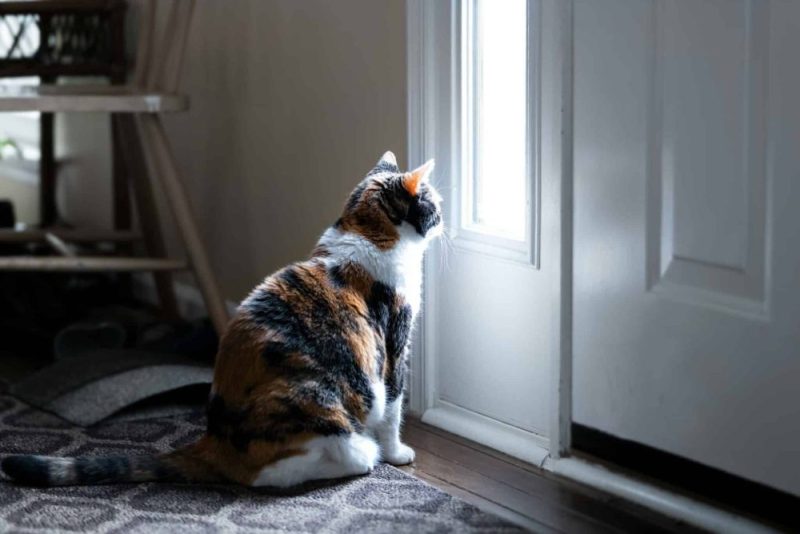
Door-sitting is one of those quirky little habits that almost every cat owner experiences at some point. You know how it goes: a cat parks itself at a doorway, often inconveniently, staring, motionless, at the closed door. Although no single explanation applies to every cat, there are several theories behind the behavior, ranging from mundane to mildly concerning.Lets take a look at some of the theories behind door-sitting felinesKeeping Their Options (and Doors) OpenThe most obvious explanation is that the cat wants to go through the door. Cats cannot open doors on their own, so they wait for a human to do the job. However, this explanation starts losing credibility when we open the door only to have our cats stare blankly at the opening, or turn around and walk away entirely. It seems as though the desire to go through the door is sometimes real, while at other times it is simply about wanting the option available, even if it goes unused!Image Credit: Africa Studio, ShutterstockCuriosity About The Great UnknownCats retain a strong predatory instinct even after generations of domestication, and that instinct comes with a heightened need to monitor their surroundings. Sitting by a door gives a cat access to sounds, scents, and movements, even if they cant see whats going on outside. For an animal built to track everything happening nearby, an unmonitored area is unacceptable.Indoor cats, in particular, may feel overwhelming curiosity when it comes to the world beyond the door, and we often need quick reflexes to prevent curiosity-driven escape attempts.HormonesFor cats that have not been spayed or neutered, the instinctive drive to reproduce is a powerful force. Female cats in heat have been known to escape seemingly secure enclosures, and unneutered males will go to considerable lengths to get to a receptive female. A cat sitting persistently by the door, especially if accompanied by vocalization, may simply be responding to a biological urge that has nothing to do with what is happening inside the home.Human-Animal BondCats often form attachments to individual members of a household, and the bond is often expressed through behaviors like this one. A cat waiting calmly by the door may genuinely be anticipating the return of a particular person, especially if that person is the one who feeds them, plays with them, or spends the most time with them. The behavior tends to be highly individual. Not every cat does this, but for cats that have formed a strong attachment, it is a recognizable pattern.Image Credit: Natalliaskn, ShutterstockFear or AnxietyNot every instance of door-sitting is benign. Some cats position themselves near an exit because they feel unsafe elsewhere in the home and want a clear path away from a perceived threat. Others may be dealing with separation anxiety and are waiting, somewhat anxiously, for an owners return. Cats that previously had outdoor access and have since become an indoor-only kitty may also station themselves by the door out of frustration or a sense of being confined.Fear-driven door-sitting is usually accompanied by other signs, including a tense body posture, low yowling or grumbling, pacing, overgrooming, or the avoidance of visitors and other household members.The Importance of Differentiating Between Contentment and DistressA contented cat tends to show relaxed body language overall. Signs include meowing or chirping as a form of greeting, a relaxed posture with the tail up when petted, regular eating, grooming openly, consistent litter box use, and a willingness to give and receive affection.By contrast, a cat that may be unhappy or anxious often shows a different pattern. Warning signs include aggression toward people or other pets, toileting outside the litter box or urine spraying, sudden changes in appetite, reluctance to play, hiding from family or visitors, destructive scratching, a tucked tail with tense posture, and grooming that is either reduced or excessive to the point of hair loss. Sometimes these signs are quite obvious, but they can be quite subtle, so its important to pay close attention and watch out for small changes.How to Help an Anxious CatIf door-sitting appears linked to anxiety rather than simple curiosity or habit, the first step is figuring out the trigger. Paying attention to when the behavior happens, who or what is present, and what precedes or follows it can reveal a pattern. From there, removing the stressor or adjusting the routine around it often helps.A consistent daily schedule reduces overall stress for most cats. Additional playtime and enrichment can also help redirect anxious energy. If the cause remains unclear, a veterinary visit is a reasonable next step, since some behavioral issues stem from an underlying medical condition that needs to be ruled out.In most cases, a cat sitting by the door is simply one of the small, slightly inexplicable habits that come with living alongside a cat. It becomes worth addressing only when it appears alongside other signs of stress or discomfort.For cats that are preoccupied with the idea of getting outside, consider providing them with safe ways to enjoy the great outdoors:Position a shelf or cat tree by a window so they have a better view of the outside world.Install a catio or window enclosure.Train your cat to walk on a harness.There are lots of different ways we can keep our cats safe, whilst ensuring they arent feeling stressed or trapped. Whilst door-sitting may seem like a frustrating behavior at times, the more we understand the feline motivation behind it, the easier it is to meet their needs.Featured Image Credit: Andriy Blokhin, ShutterstockDid You Know? Our brand-new posts are rounded up and included in our weekly emails. Dont miss out on the latest sign up for our newsletter below!
0 Reacties
0 aandelen
27 Views

 English
 Arabic
 French
 Spanish
 Portuguese
 Deutsch
 Turkish
 Italiano
 Russian
 Romaian
 Portuguese (Brazil)
 Greek
Greek