Why the Wild West Saloon Formed the Dark Heart of Frontier Towns
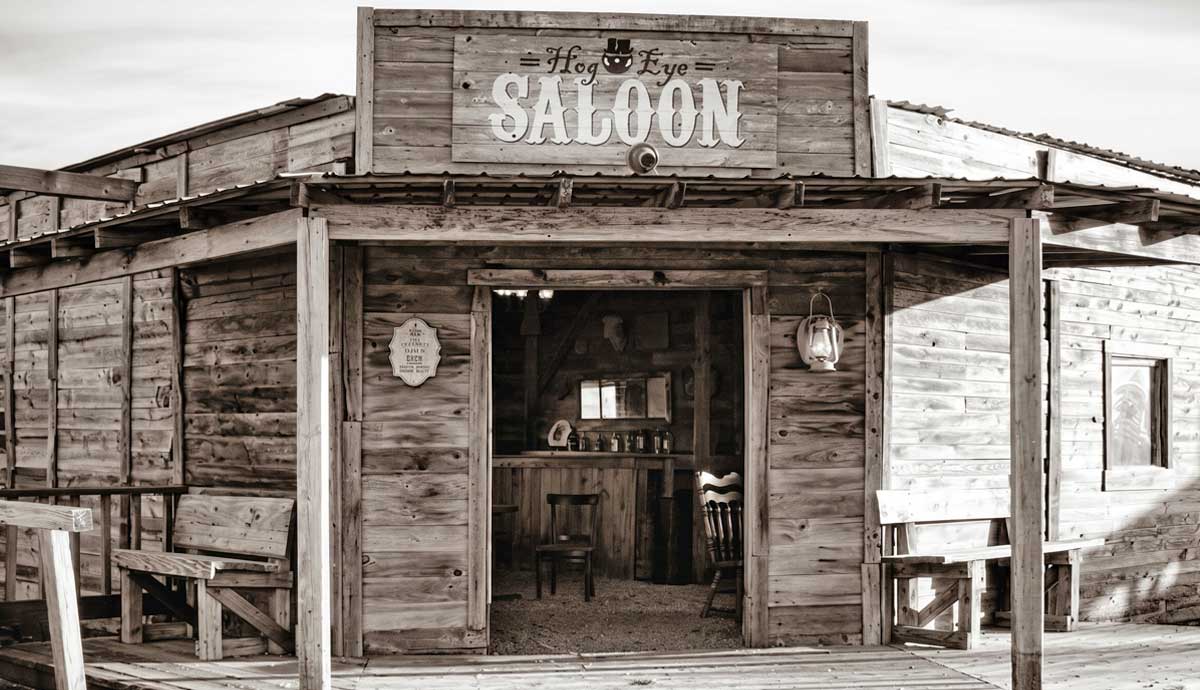
A consistent image of the Old West portrayed in movies, media, and TV shows usually involves the Saloonthe local bar with various patronscowboys, gamblers, women in corsets drinking whiskey or beer, and passing through swinging doors. But is this depiction actually true to life?Where Did the Very First Old West Saloon Open?Browns Saloon in Browns Hole, Wyoming, established in 1822. Source: 1st DibsThe first Western saloon is generally held to be Browns Saloon in Browns Hole, Wyoming, established in 1822. It catered to fur trappers who frequented the local trading fort near the Green River. As western expansion continued, similar saloons were built in nearly every western town. Usually, the saloons served some form of homemade whiskey made from ingredients at handtobacco, sugar, corn, or anything that could feasibly be used as an ingredient.What Was the Shocking Reality of Culture Inside Frontier Saloons?Alhambra Saloon in Tombstone. C.S. Fly, 1880. Source: Wikimedia CommonsSaloon culture varied, but often most vices were tolerated to a degree. Respectable women were not allowed inside saloons (which was a factor in the prohibition movement of the early 1900s, primarily led by women). Saloons were also generally a whites-only environment, excluding Indians and Oriental people particularly. Black men could occasionally enter depending on their level of respect. Privacy was also a custom, as questions about personal business were looked down upon. Gambling, drinking, carousing, and all the other activities commonly seen in movies were generally true of the saloon environment. An honor system also persisted regarding paying for drinks, offering drinks, and refusing drinks, even from total strangers.Sweetwater Saloon in the Old West. Source: University of North TexasSaloons also served as a meeting place within the town. As a sort of neutral ground, the saloon offered a place for parties to meet to discuss business and served as a place for just about any social gathering.Why the Most Famous Lawmen and Outlaws Owned Western SaloonsWyatt Earps Saloon, The Northern. Source: Western Mining HistorySeveral of the Old Wests most famous figures were also saloon owners at one point or another. Wyatt Earp owned or worked in saloons in Idaho, California, Alaska, Kansas, and most famously the Oriental Saloon in Tombstone, Arizona. Judge Roy Bean had a combination Saloon and courthouse on the Rio Grande River in Val Verde County, Texas, where he required jurors to purchase drinks when court was in recess. Other notable saloon owners were Wild Bill Hickock, Bat Masterson, and Doc Holliday. It seems just about every famous figure in the Old West had some sort of saloon interest.Why Poker Was Not the Most Popular Gambling Game in the Wild WestA faro game in Orient Saloon at Bisbee, Arizona. Source: National Archives / Wikimedia CommonsFive-card draw poker is the most popularized gambling game in most westerns, but faro, a card game with French origins, was the more popular game in saloons. Poker was common, and the most famous handtwo aces and two eights, the dead mans handwas held by Wild Bill Hickok when he was shot in Deadwood, South Dakota, during a poker game. Dice games and other card games were common, as were gunfights and brawls over such games.What Finally Caused the Sudden Downfall of the Old West Saloon?Image source: Wild West WallpapersAs westward expansion continued, the West became more civilized, and the saloon culture began to slowly fade for several reasons. When mining became unprofitable for various reasons, or when the railroads bypassed certain towns, the clientele waned. The prohibition movement of the late 1800s also caused a major decline in saloons, and many closed by the early 1900s. Continuing social pressures regarding morality also reduced patronage. When prohibition was repealed, the Old West was donethe railroads stretched from coast to coast, the automobile was taking over as a means of transportation, and the Old West towns with their saloons had become a thing of the past, later to be romanticized in books and film a generation later.




 English
 Arabic
 French
 Spanish
 Portuguese
 Turkish
 Dutch
Dutch
 Italiano
 Russian
 Romaian
 Portuguese (Brazil)
 Greek
Greek